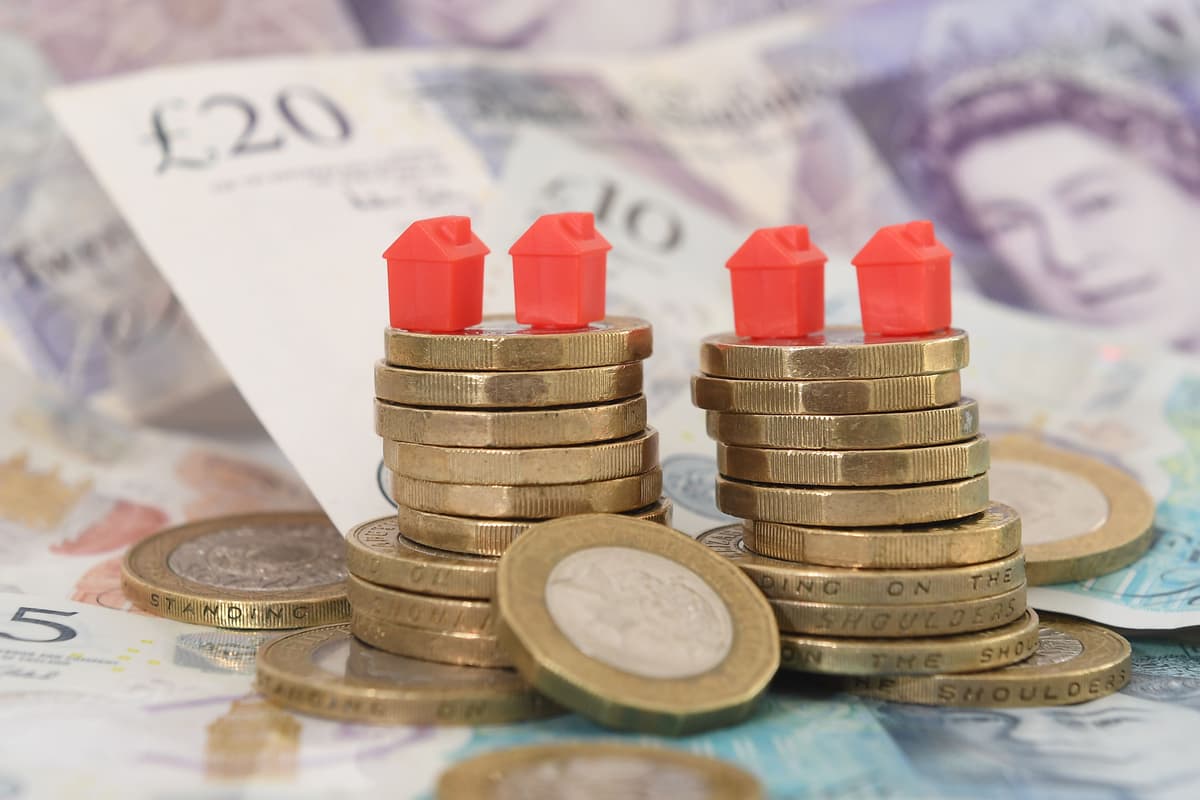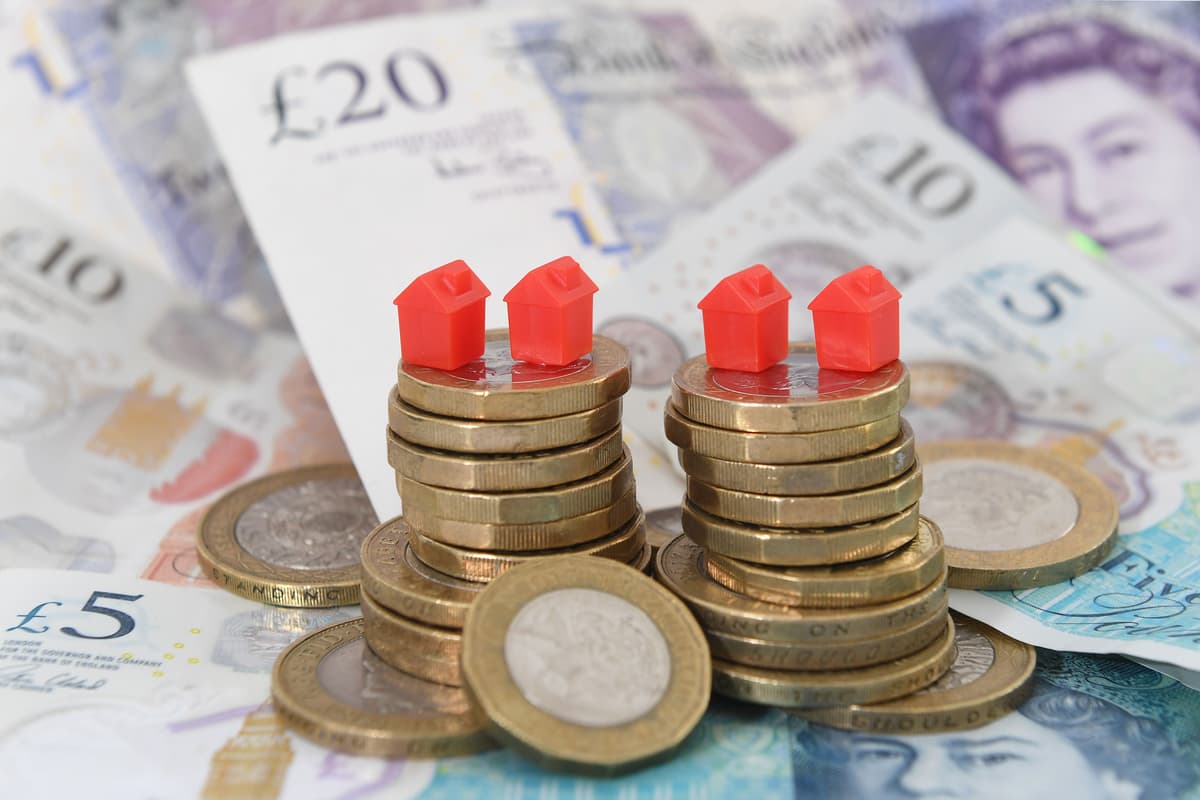
Homebuyers in the UK are now allocating 21.3% of their gross household income to initial mortgage repayments, marking the highest proportion since the 2008 financial crisis, according to new data from UK Finance.
The trade body’s latest Lending Where We Live report reveals significant regional disparities in affordability pressures across Britain’s housing market, with demand particularly constrained in areas where borrowing costs consume a larger share of household earnings.
Regional variations
James Tatch, Head of Analytics at UK Finance, noted that property prices, wages and demographics vary considerably across and within regions, resulting in uneven impacts on potential buyers.
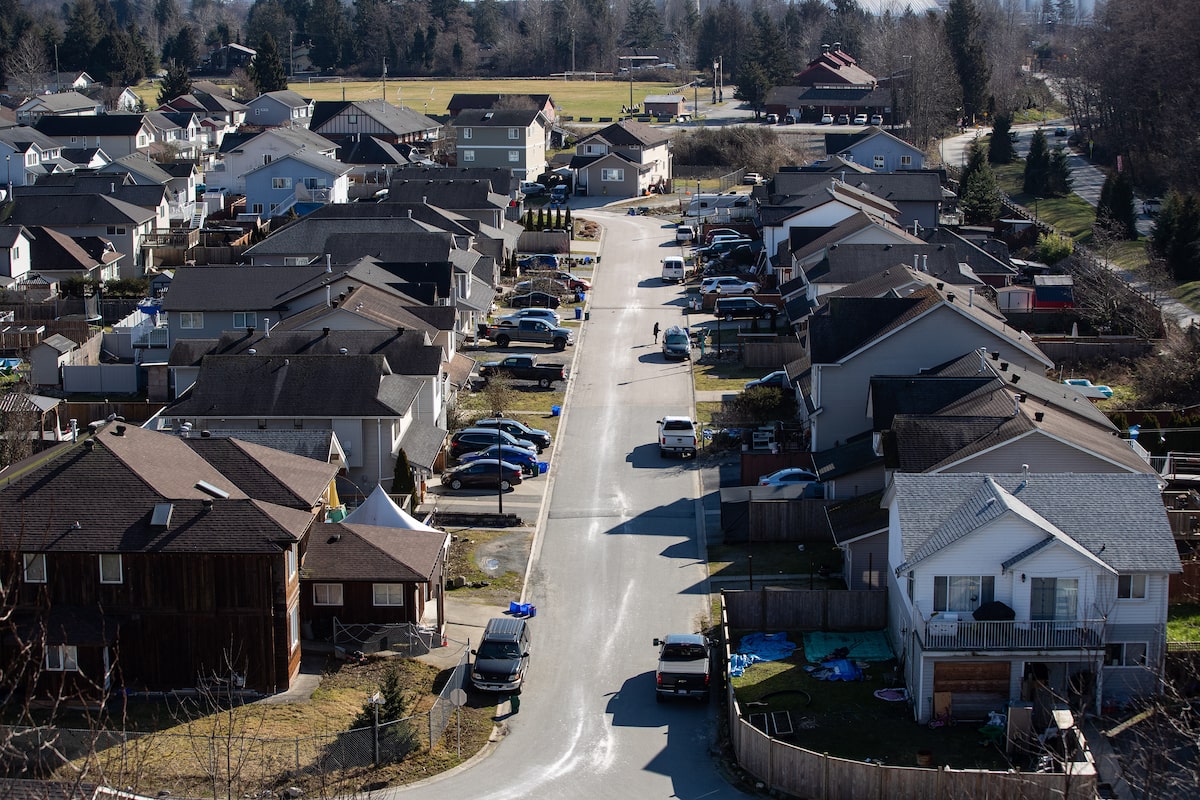
East Anglia and the London commuter belt face the most acute affordability challenges. North Norfolk recorded the least affordable conditions, with borrowers spending 25.7% of gross income on mortgage repayments. Hillingdon followed at 25.1%, Luton at 24.9%, and both Slough and Spelthorne at 24.8%.
Market pressures
The affordability squeeze comes amid elevated borrowing costs and geopolitical uncertainty affecting the broader housing market. Recent data showed house prices declined last month, with Amanda Bryden, Head of Mortgages at Halifax, attributing price trends to uncertainty linked to developments in the Middle East.
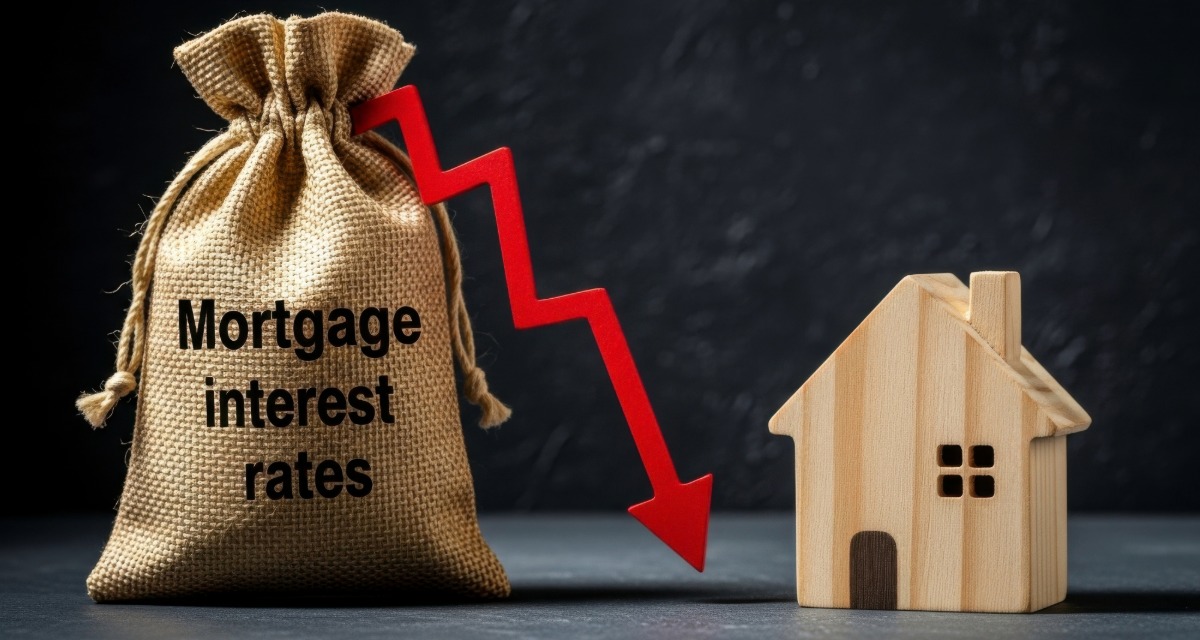
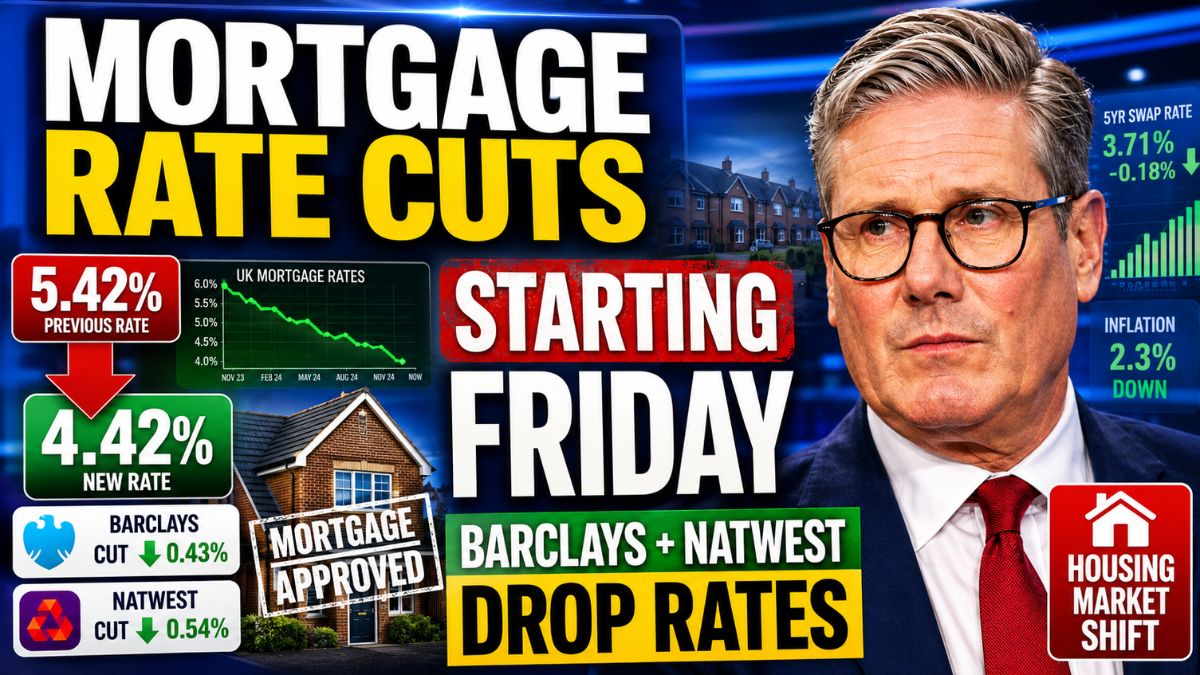
Despite recent mortgage rate cuts, higher inflation expectations have maintained borrowing costs above levels seen at the start of the year, continuing to stretch affordability for many buyers and tempering demand.
The findings add to mounting challenges for prospective homebuyers, who also face rising stamp duty burdens in certain segments of the market.
Outlook
The data underscores the pressure on housing market activity as the proportion of income required for mortgage servicing reaches levels not seen in over 15 years. Regional variations suggest that while some areas remain relatively accessible, affordability constraints in key commuter zones and high-demand regions may continue to limit transaction volumes in the near term.