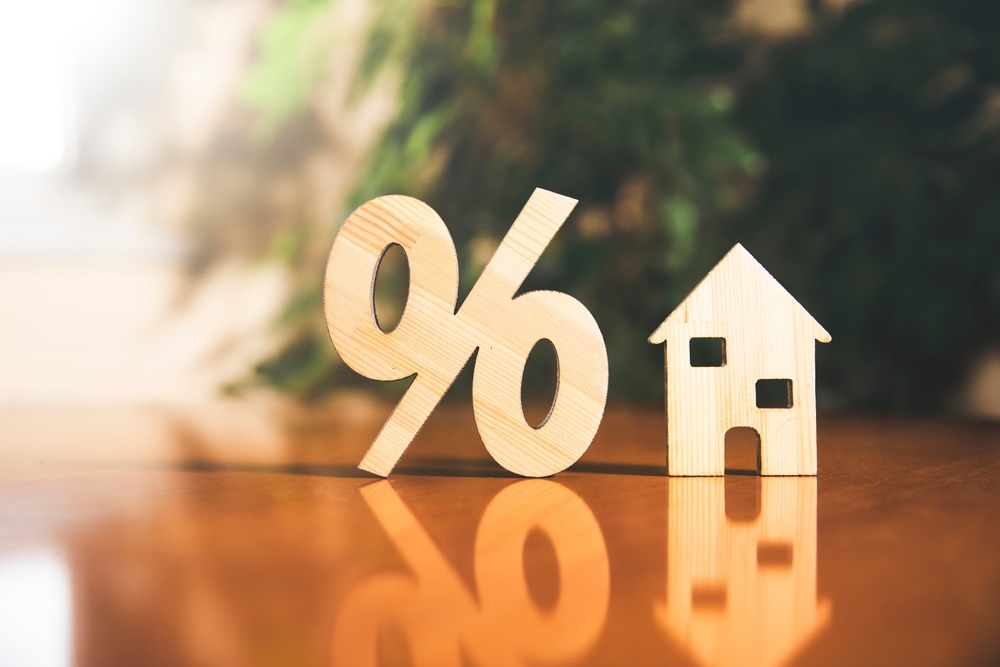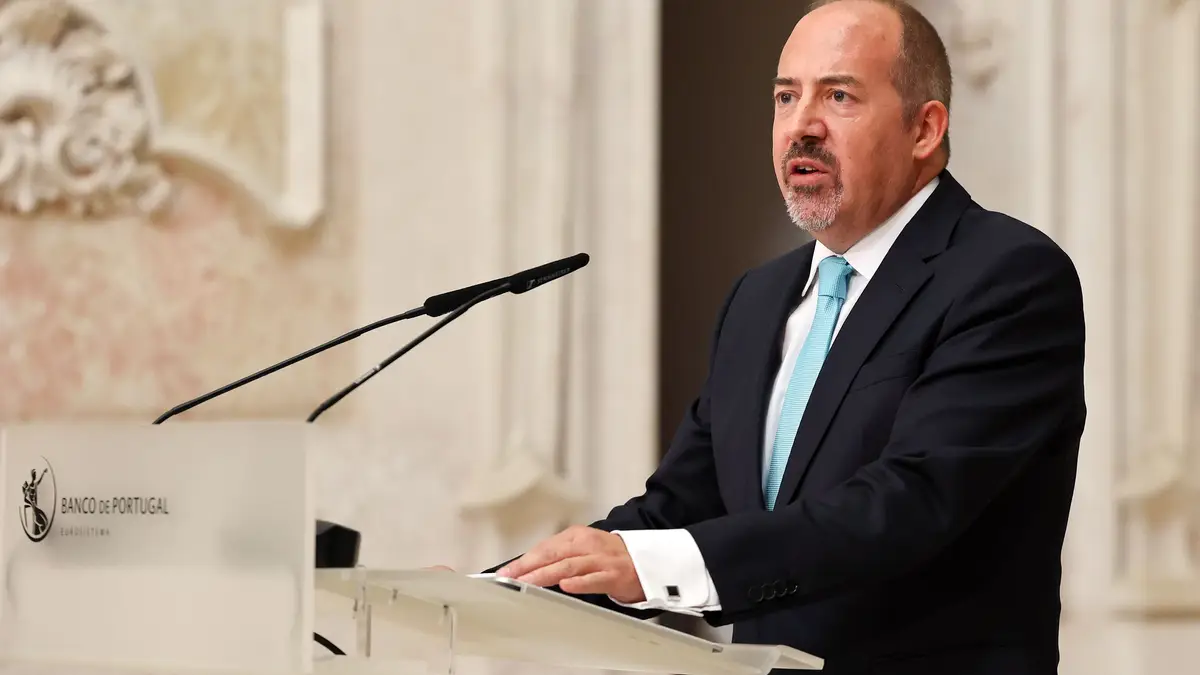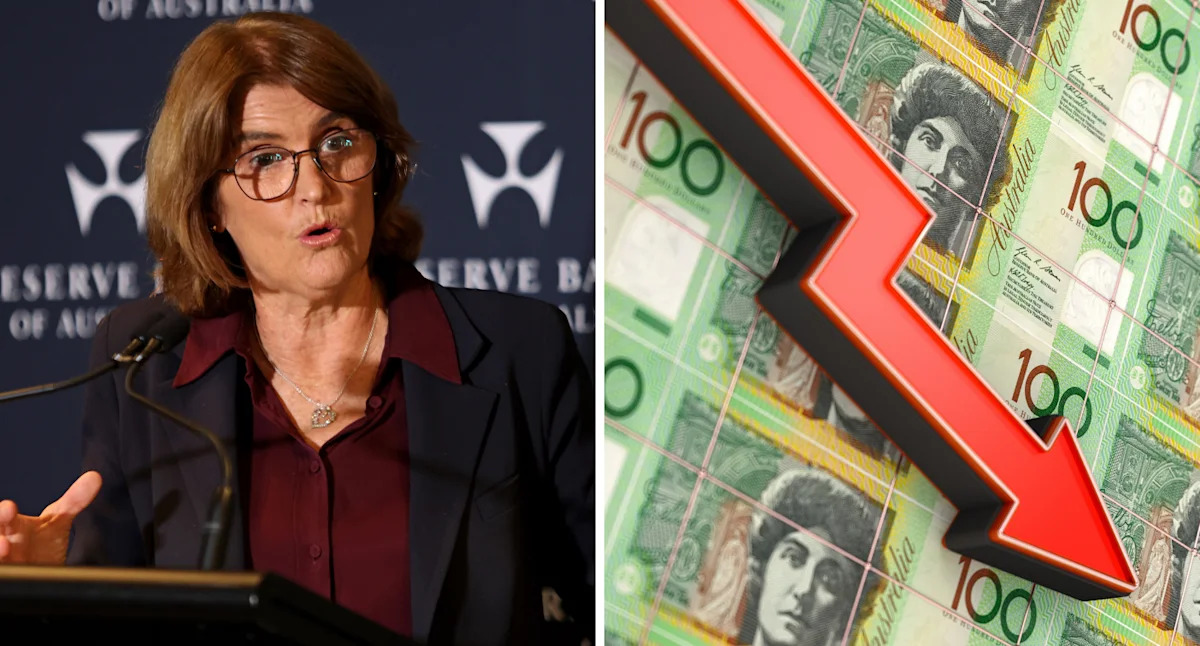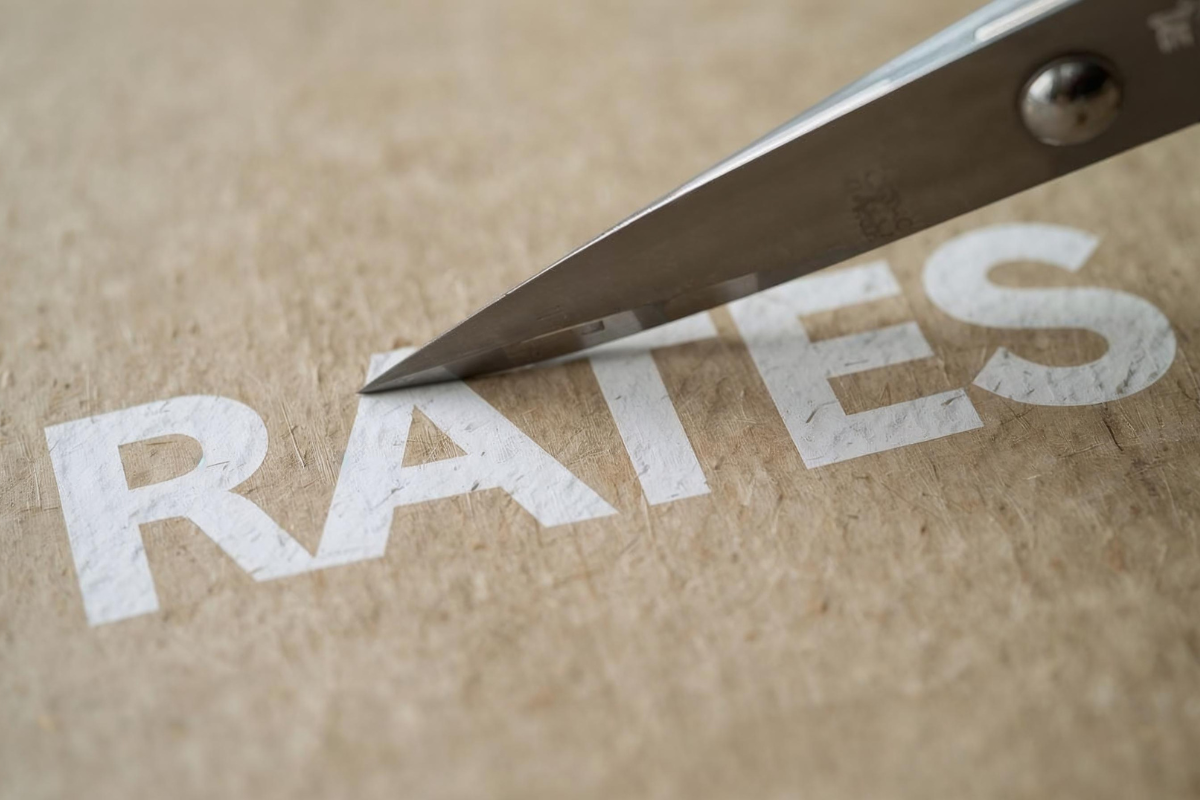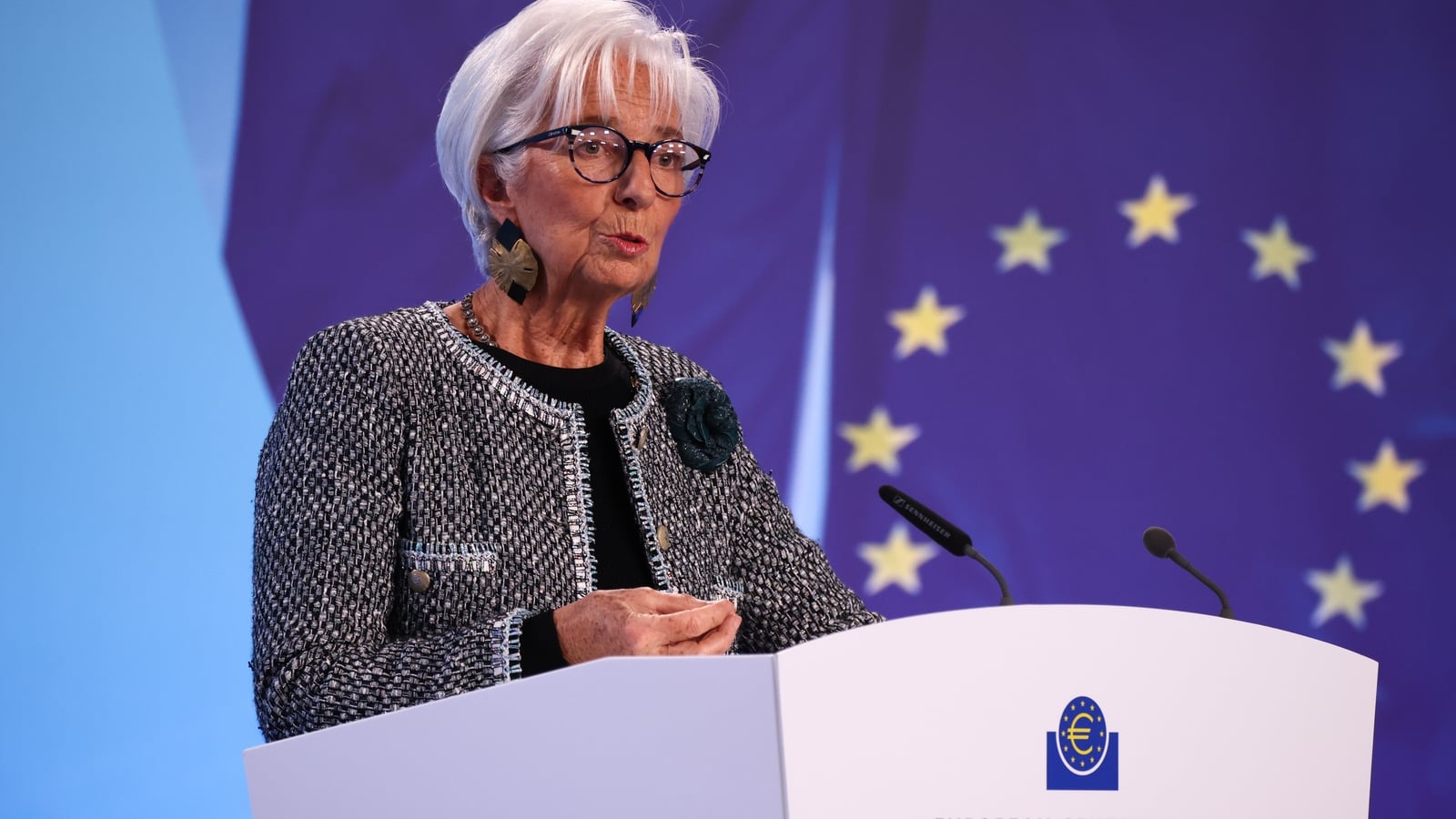
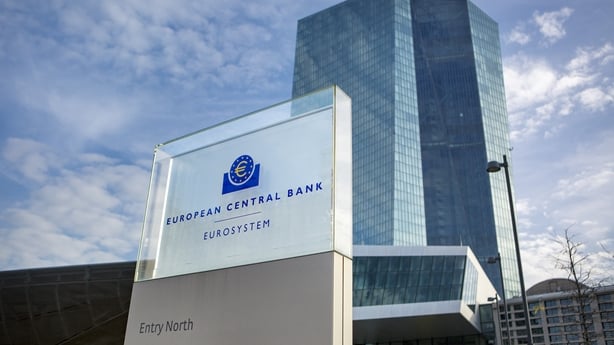
European Central Bank President Christine Lagarde is widely expected on Thursday to announce a 0.25% rise in the ECB’s interest rate, bringing it up to 2.25%.
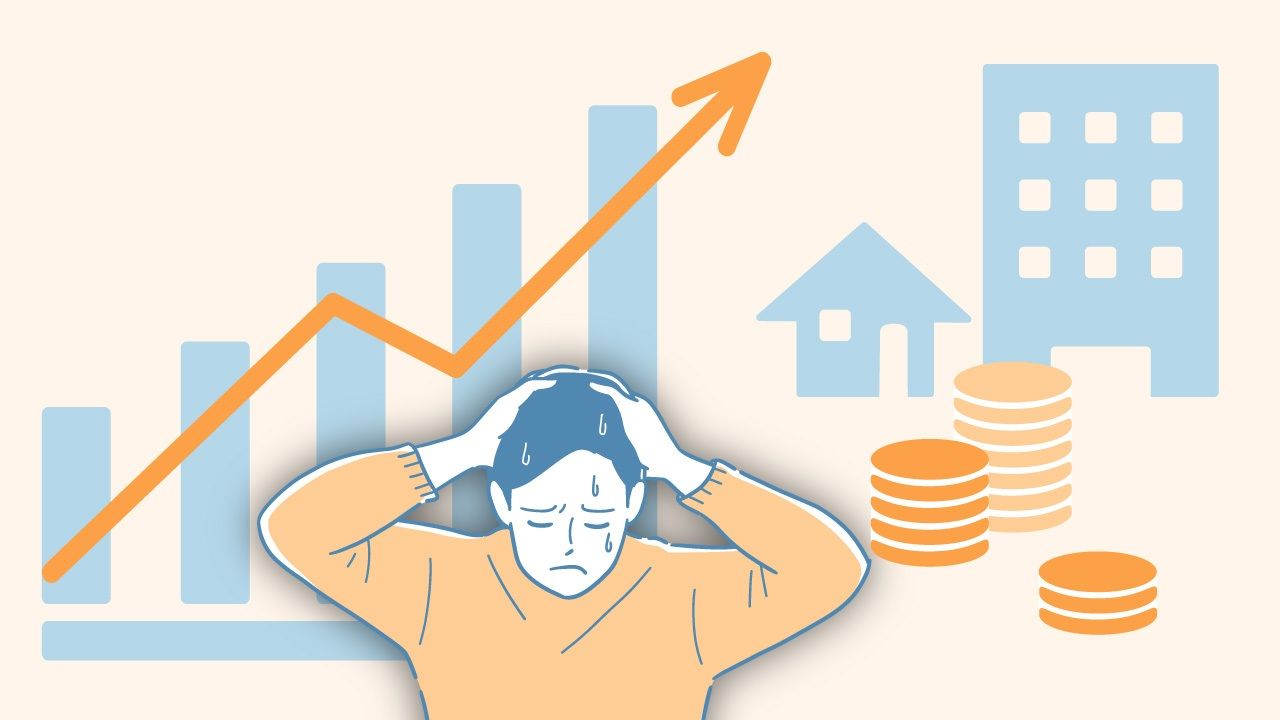
This will be a major turning point with significant implications for consumers and businesses as the bank embarks on a cycle of increasing rates to control rising inflation.
It will be the first increase since 2022, following the energy price shock caused by Russia’s invasion of Ukraine.
Next week’s expected rise has been prompted by a jump in oil costs following the Iran war, which are now clearly feeding into cost of living.
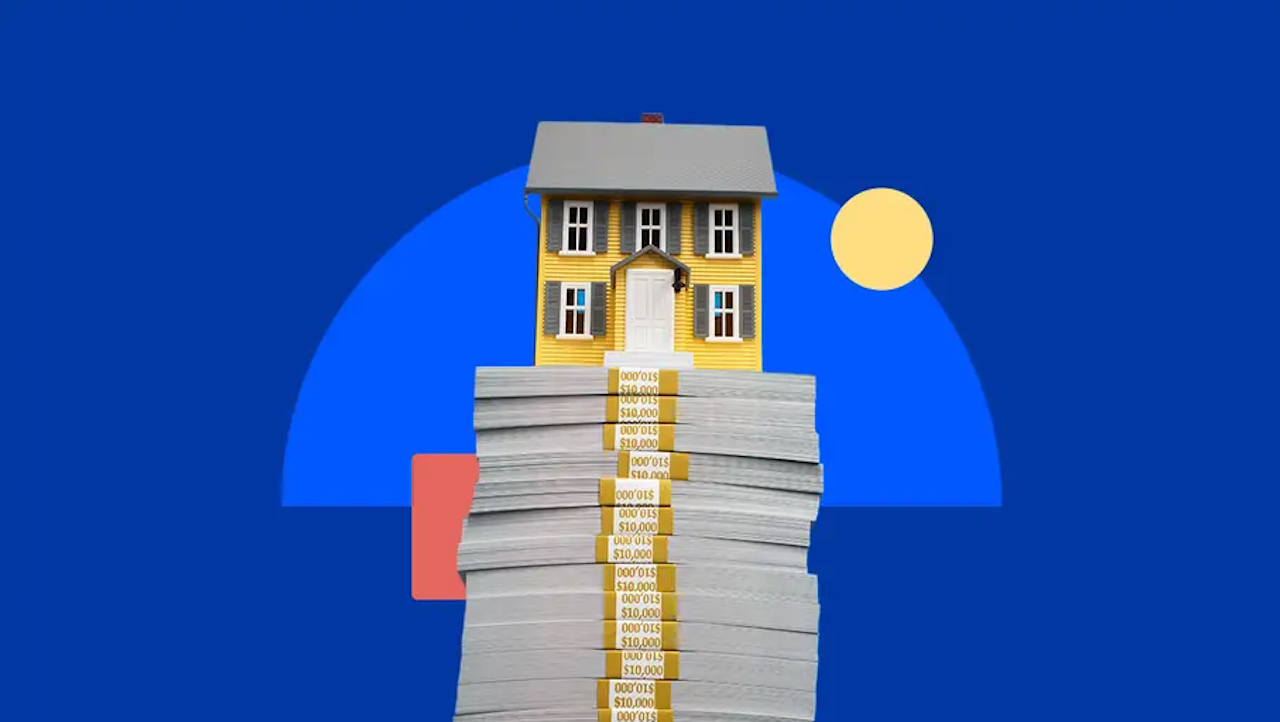
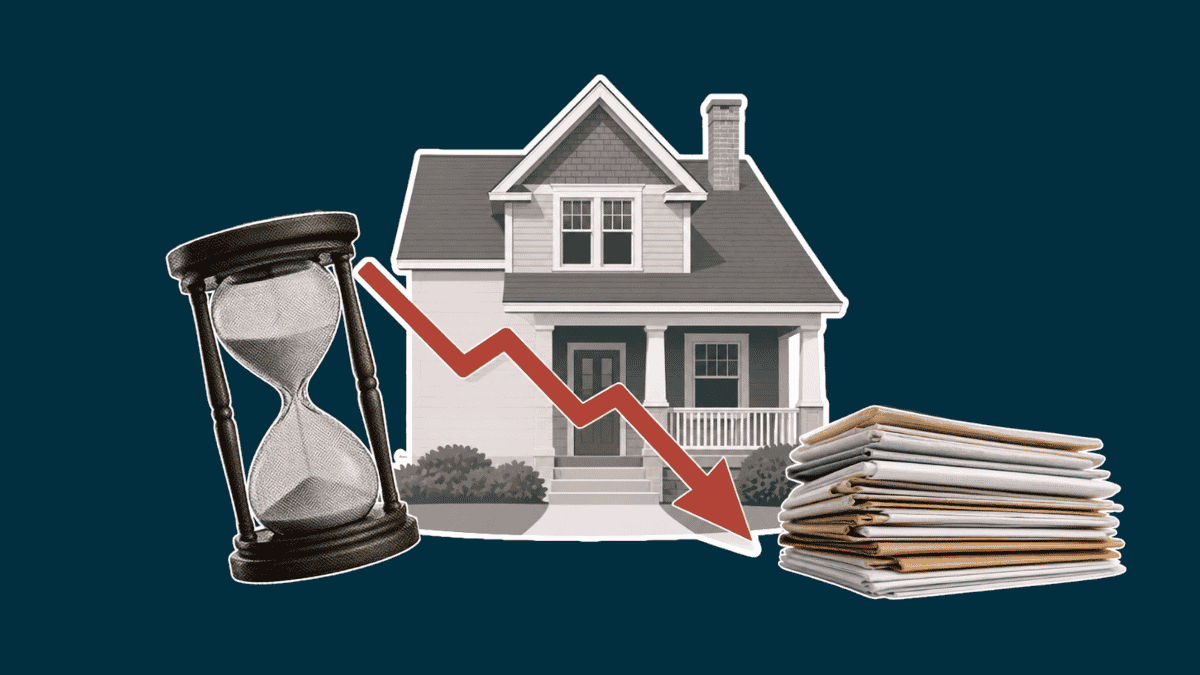
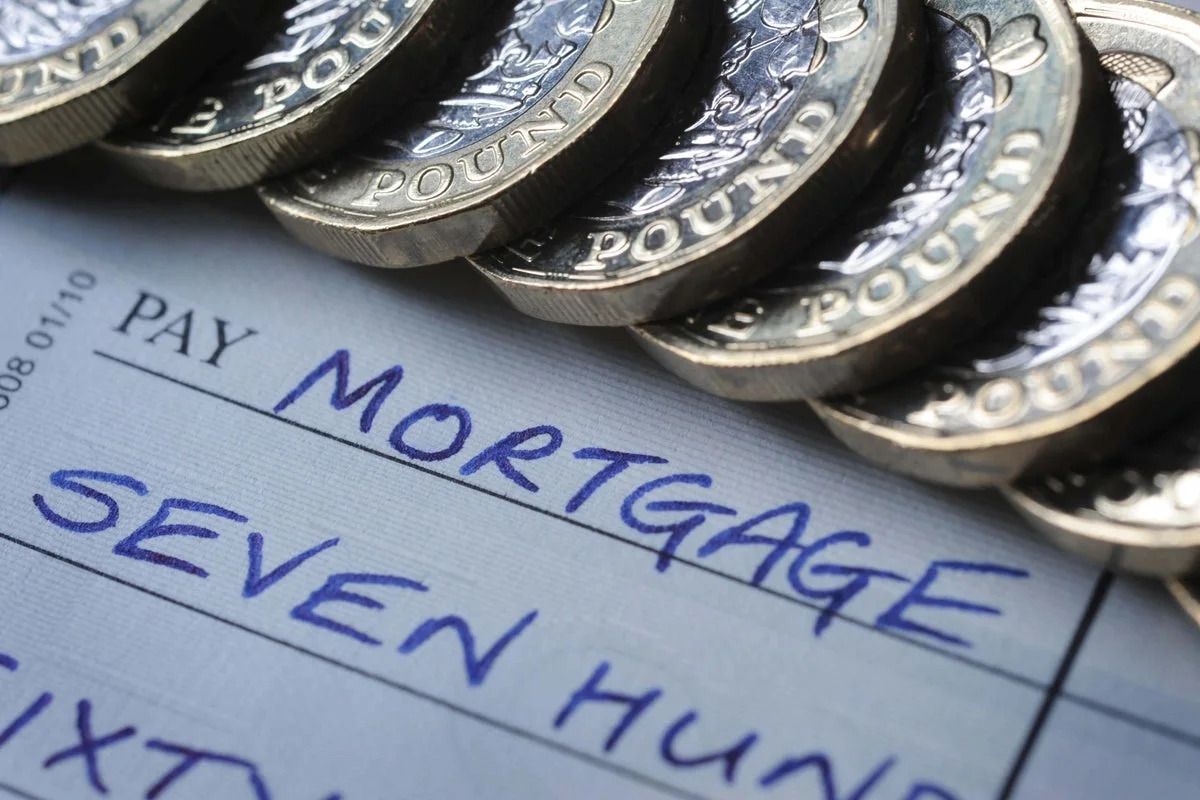
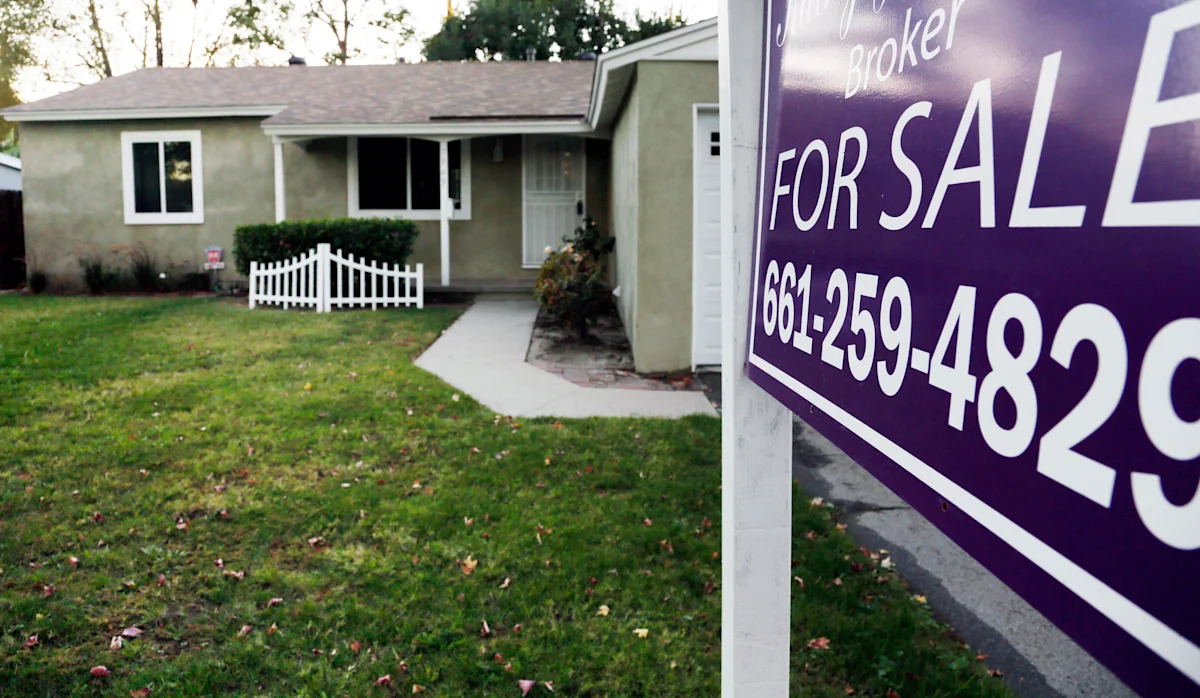
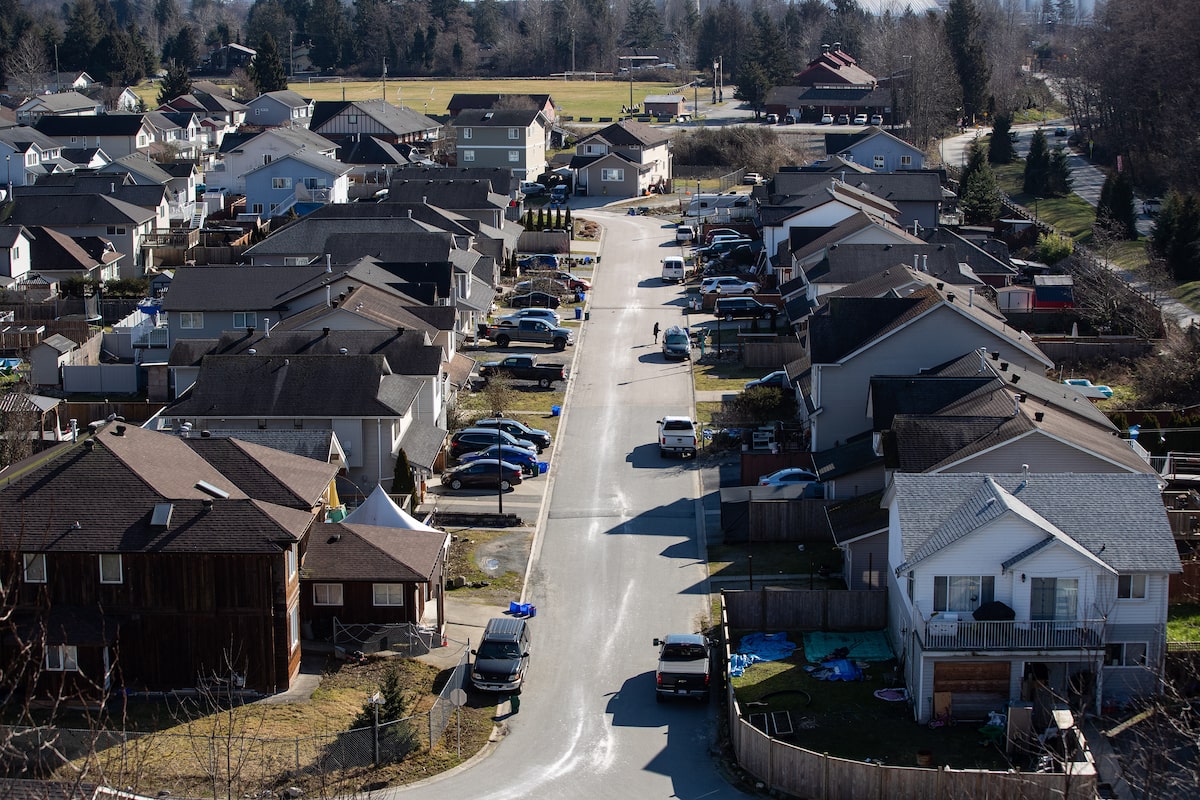
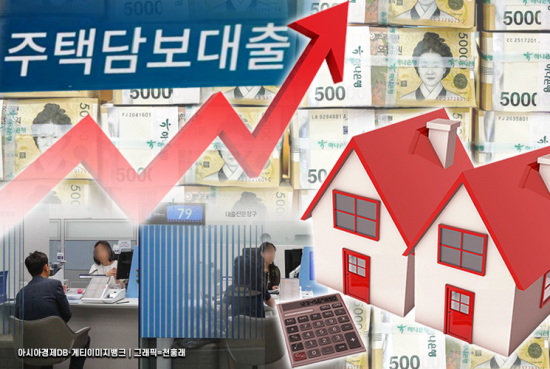
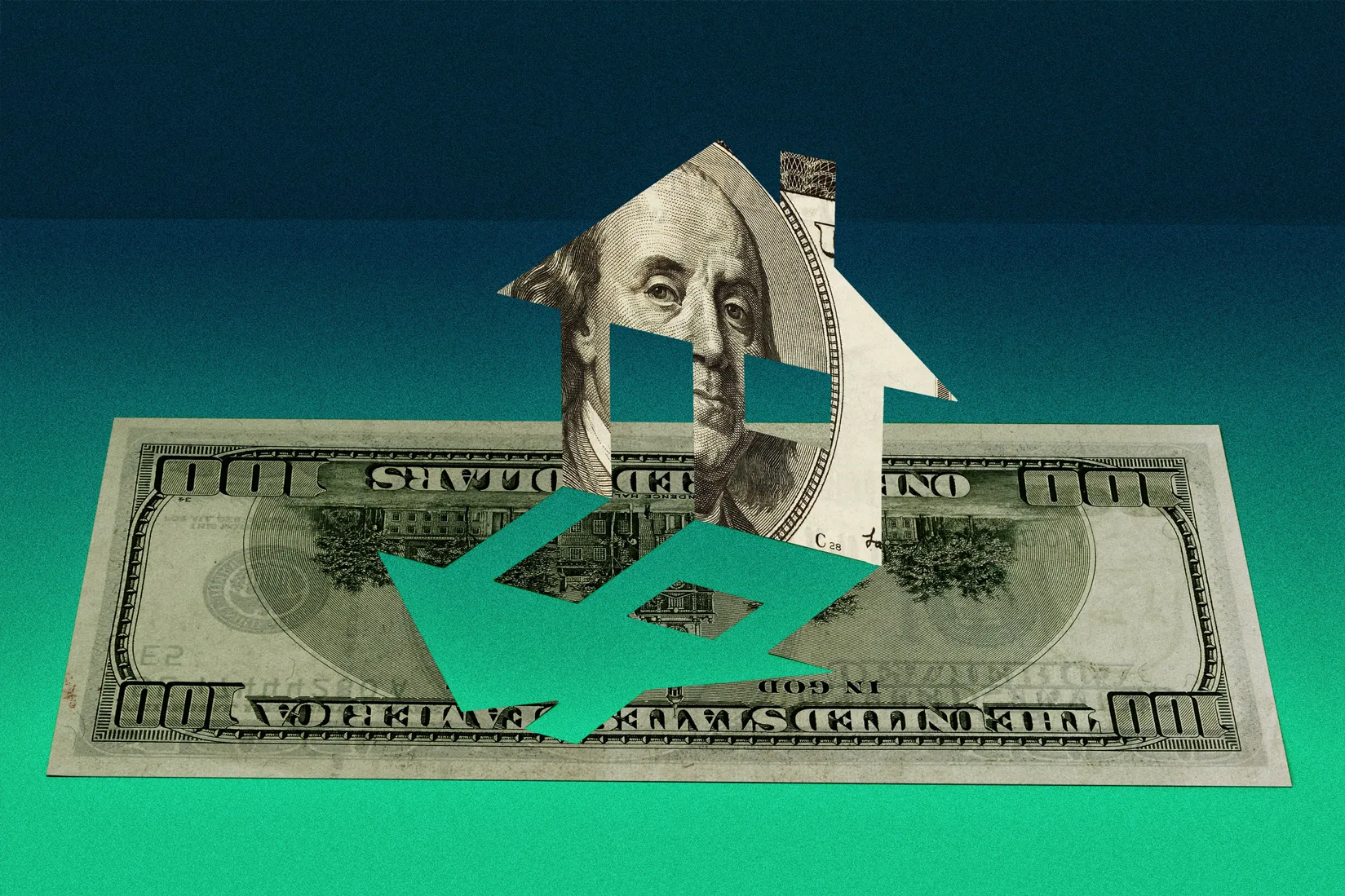
The ECB’s decision will quickly result in higher repayments for Ireland’s 110,000 tracker mortgage customers.
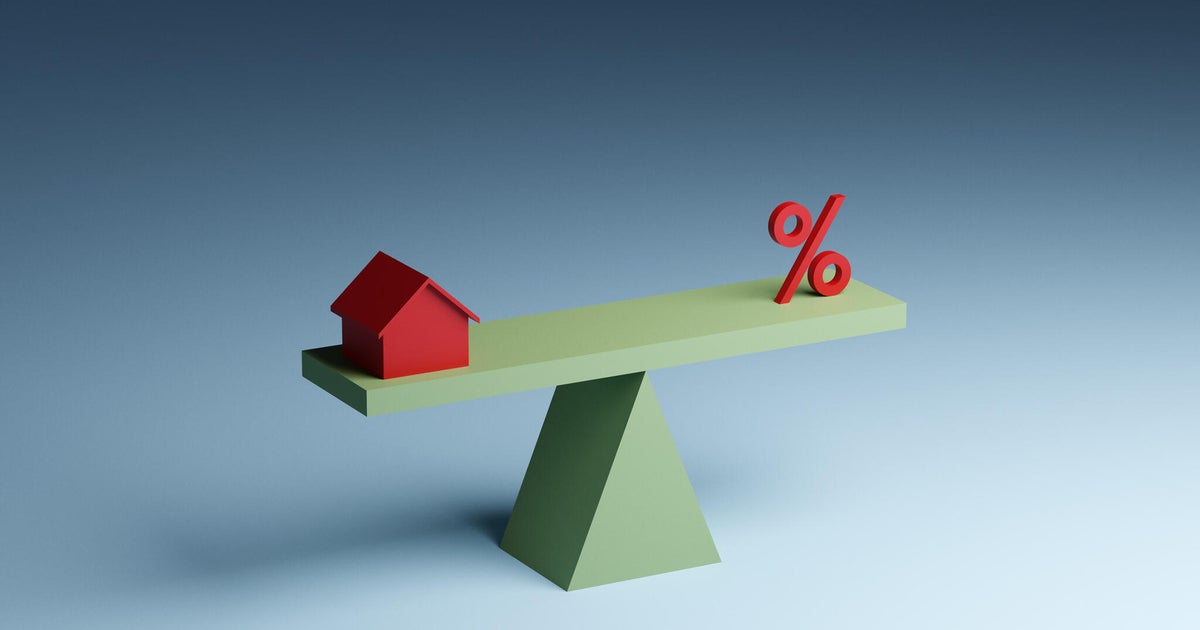
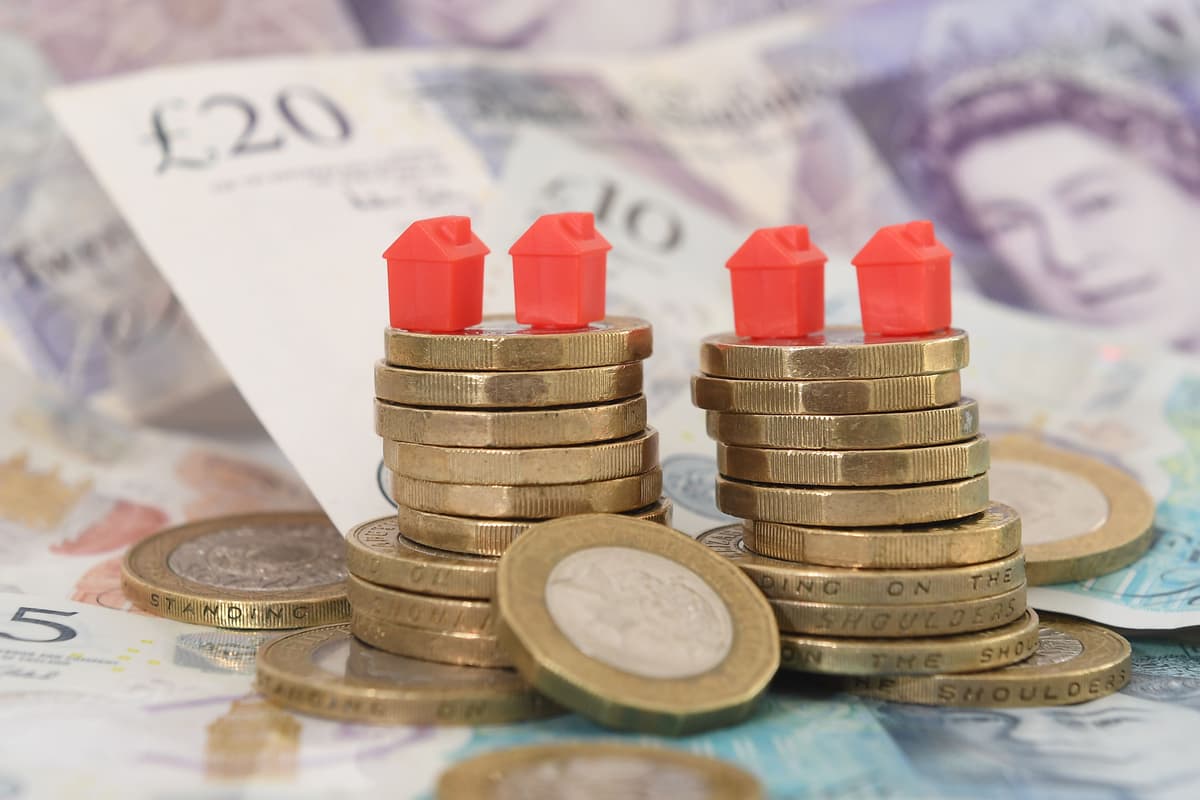
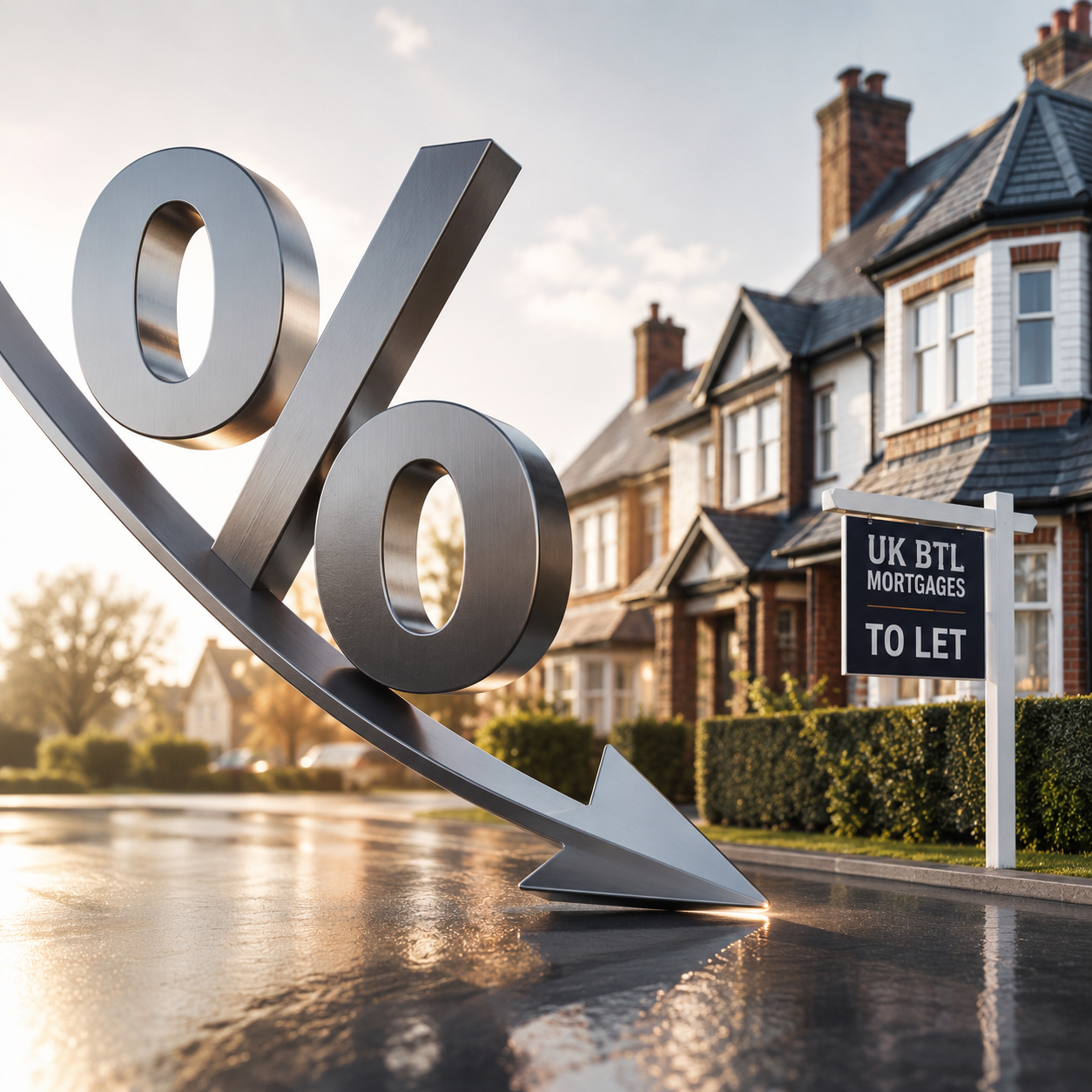
It also means a shift in the wider interest rate environment, putting upward pressure on other home loans and borrowing costs generally.
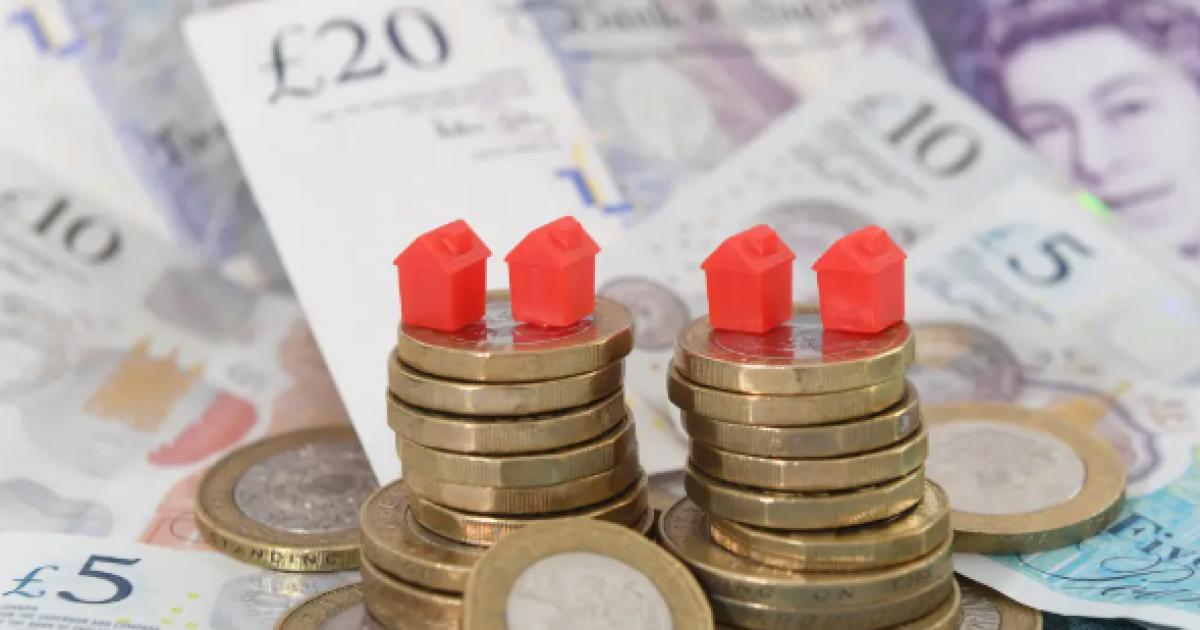
A 0.25% increase on a €300,000 loan over 25 years would add €37 per month to repayments.
Many people shopping for mortgages now look at fixed rates offered by Irish banks as they offer better value than variable loans.
Generally rising interest rates mean that new fixed term loans will increase over time.
That will affect new customers and those who have come to the end of an existing fixed loan and wish to take out another.
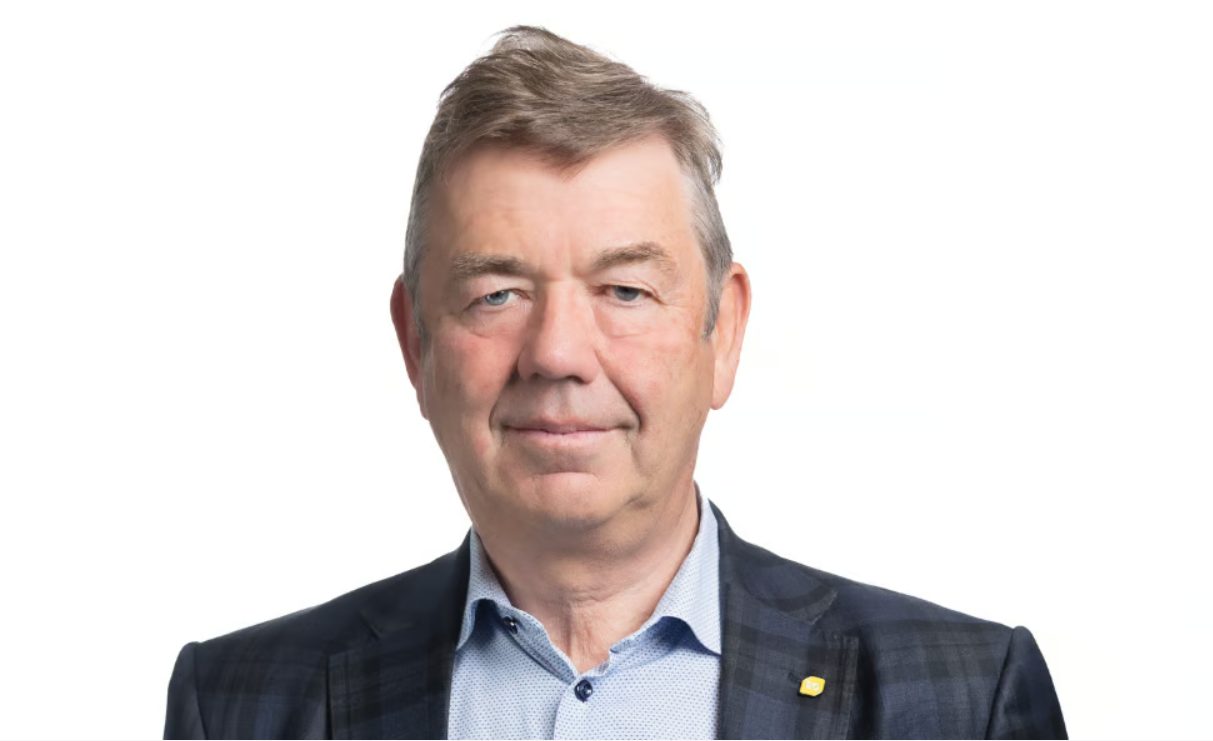
Michael Dowling, an adviser with Irish Mortgage Brokers, says: “Fixed rates will change but not necessarily by the full ECB rate change.”
He says AIB, Bank of Ireland and PTSB do “have plenty of room to absorb” some of the increases if they wish.
Observers believe that Thursday’s expected rise is likely to be followed by at least one further increase this year, possibly in September.
The ECB has a target of keeping inflation at 2%, however the increase in the cost of living is running at 3.2% among the 21 countries which use the euro. In Ireland it was estimated to be 3.5% in May.
At the last ECB press conference in April, Ms Lagarde said: “We are moving away from our baseline.”
This is code for indicating the bank will have to take action to fight inflation.
Rising prices have social consequences and impact hardest on the less affluent.
In Ireland, the increasing cost of fuel led to crippling nationwide protests in April, prompting the Government to temporarily lower the excise on petrol and diesel – this move has shielded consumers from the full effects of higher prices.
Those tax cuts are due to expire at the end of July but could be extended. A planned increase in the carbon tax was also postponed until October.
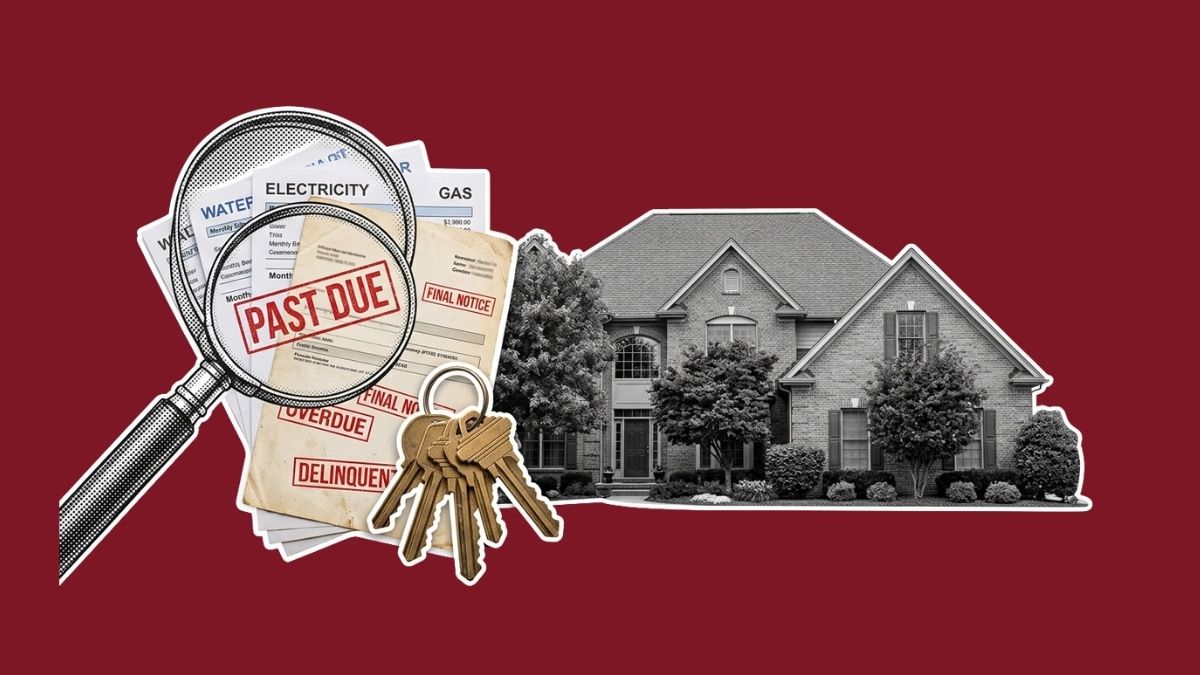
But it is not just petrol and diesel which have been causing problems for consumers. After the outbreak of war in Iran, the price of 500 litres of home heating oil shot up from €500 to €900 in early April, although it has now fallen back to just below €700.
It is being driven by the rising price of crude oil which began the year at $60 and peaked above $120 in April. It is now below $100.
It has also fed through to higher electricity and gas prices with Electric Ireland, Prepaid Power and Yuno Energy all announcing price increases recently.
There is likely to be a package of measures to help consumers pay for energy in the Budget.
How the Coalition tackles the issue is likely to be controversial and will reopen the debate on the wisdom of universal measures such as energy credits and tax cuts, which benefit the wealthy as well as the less well off.
Consumers are already struggling with rising prices for food, electricity and gas, while volatile petrol and diesel costs are problematic for many. Now they are facing into a higher interest rate environment.
But next week’s move by the ECB will not be a negative development for everyone.
As rates rise, they benefit savers – provided banks pass on the increase.
Financial institutions frequently do not allow savers to benefit from higher returns when central banks put up rates.
Savers need to bear this in mind and use it as an incentive to shop around for the best deal available.
When consumers leave their money in accounts with little or no returns, it means banks are winning and customers are losing.