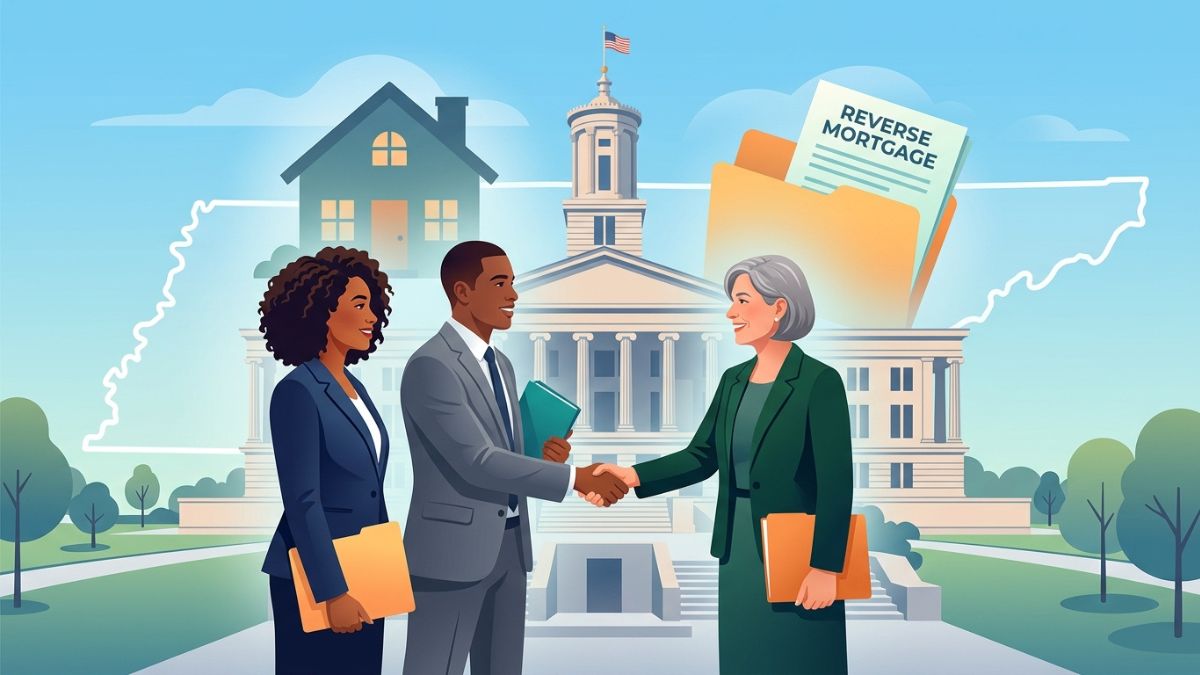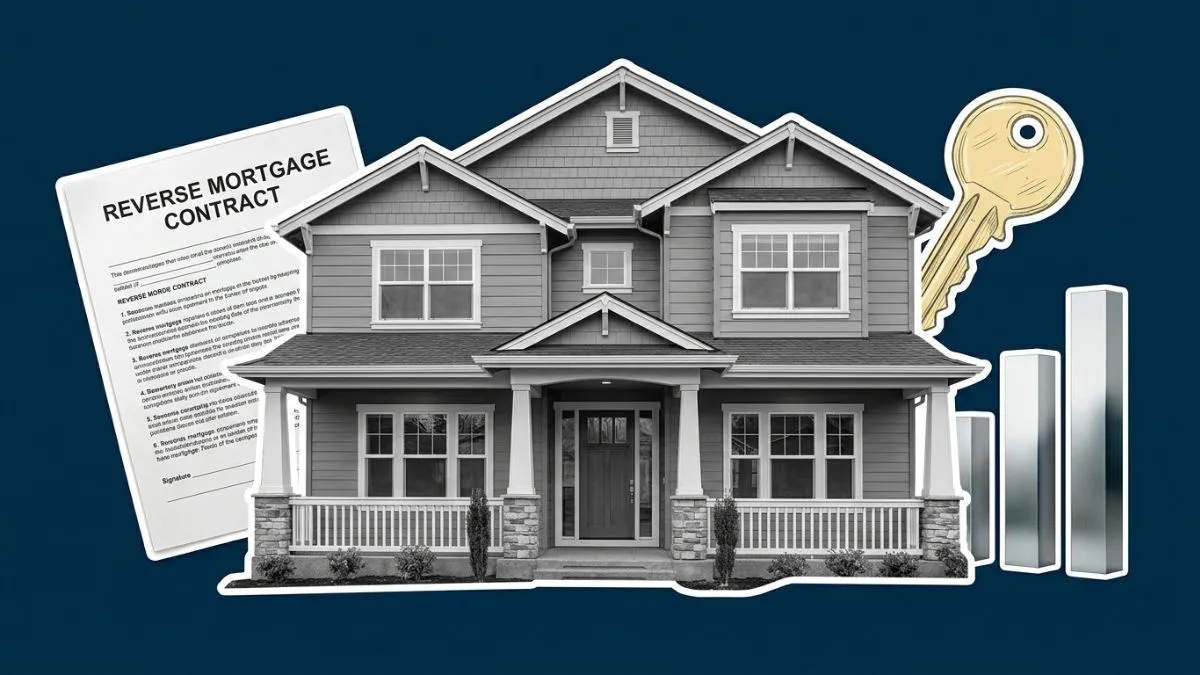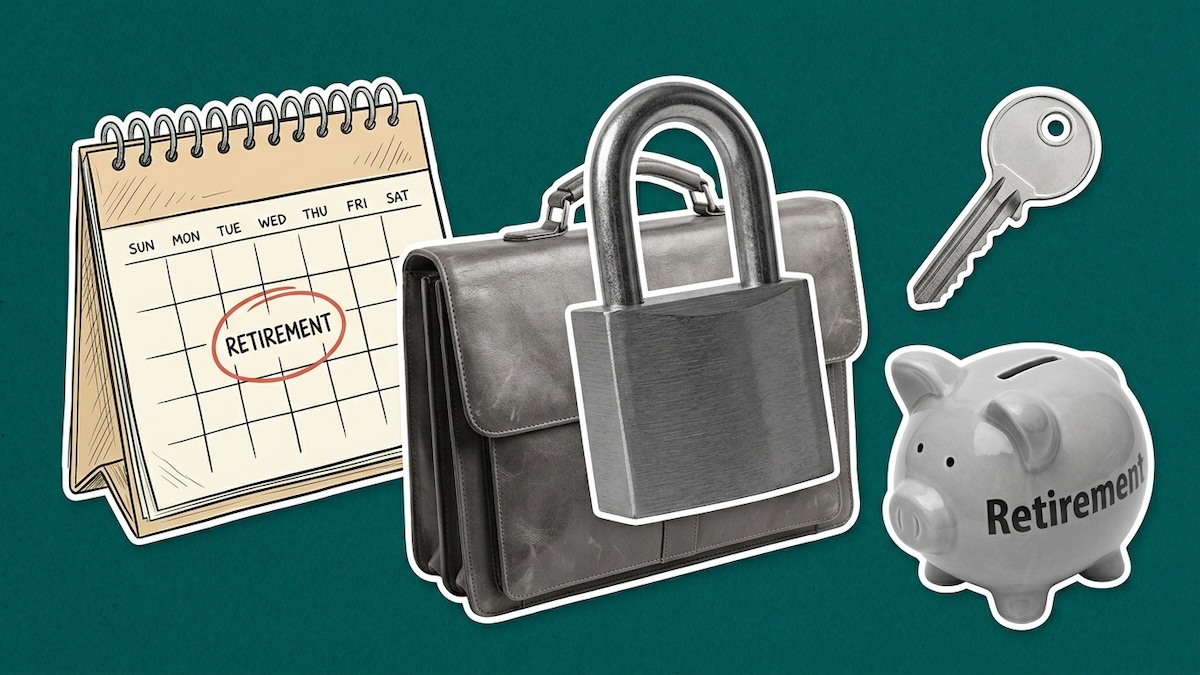
Not every sales pitch for a reverse mortgage should be worth your time.
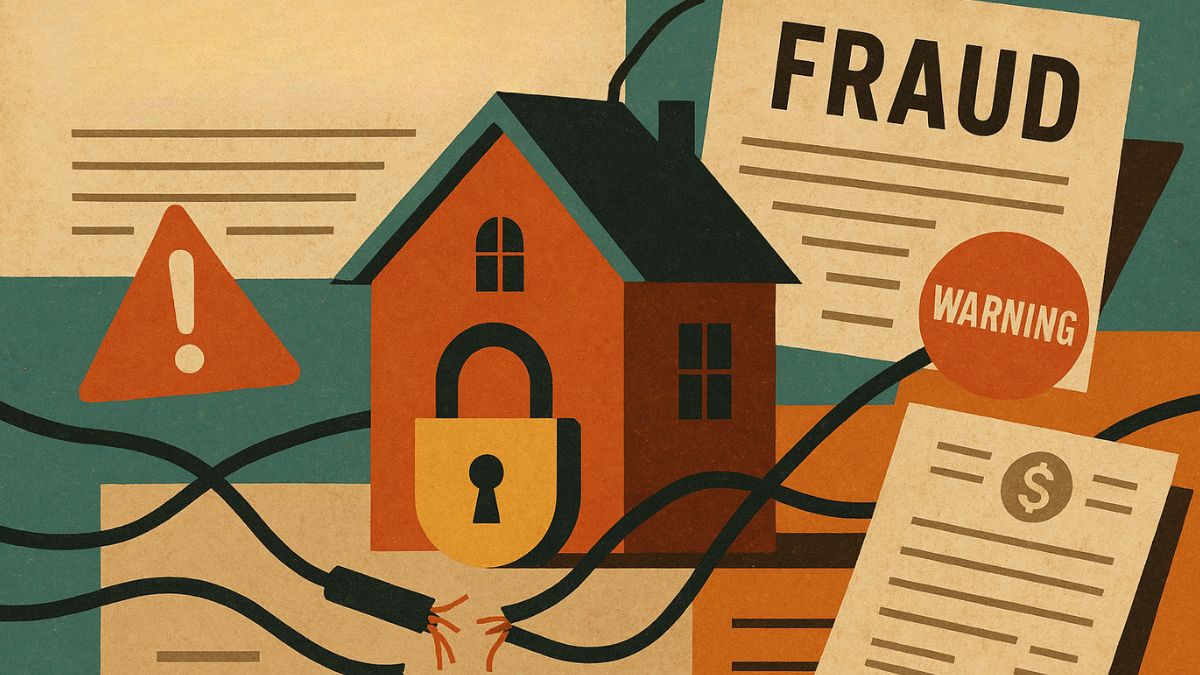
People aged 62 or older are the target demographic for reverse mortgages — a tool that can tap their home’s equity for cash. But they should be wary of scams amid the legitimate reverse mortgage products available.
In general, older people are more vulnerable to financial fraud because they live alone, according to the National Adult Protective Services Association (NAPSA) and the Women’s Institute for a Secure Retirement.
Indeed, people aged 60 and older had more scam complaints than any other age group in 2025, according to the latest data available from the Internet Crimes Complaint Center of the Federal Bureau of Investigation. In total, there were 201,266 complaints and $7.7 billion in total losses for this age group.
If you’re interested in a reverse mortgage but want to make sure your finances stay safe, CNBC Select outlines what you need to know, the archetype of six common reverse mortgage scammers, how you can protect yourself and lenders you can trust.
You can borrow against the equity accrued in your home with a reverse mortgage
Offers in this section are from affiliate partners and selected based on a combination of engagement, product relevance, compensation, and consistent availability.

Flex Payment HECM, Flex Payment jumbo reverse, reverse for purchase, refinancing
Up to $4 million for Flex Payment jumbo mortgages
Talk to us
Are you living paycheck to paycheck, or do you have a financial success you’re comfortable sharing with a reporter? Please fill out this quick form.
What you need to know about reverse mortgages
Reverse mortgages can be an excellent tool for older people who are equity-rich but don’t have enough cash. Home Equity Conversion Mortgages (HECM) — the most popular type of reverse mortgage and the type backed by the Federal Housing Administration — are reserved for people aged 62 or older. Many reverse mortgage lenders have proprietary jumbo reverse mortgages for borrowers aged 55 and older.
These types of home loans are appealing because they don’t require a monthly repayment. Instead, you pay the full sum, plus interest, when you no longer live in the home full-time, whether that’s due to a sale, move or death.
However, they can also be a risky financing tool for several reasons.
First, any balloon payment is riskier than a loan you repay over time because of the large sum due at once. Second, as a reverse mortgage borrower, you must stay up to date on renovations, insurance payments and taxes. If you don’t, the loan will come due, and you’ll be stuck with a massive bill.
As with any other type of mortgage, the lender can claim your home if you fail to make this large payment and force a foreclosure sale.
Protections for reverse mortgage borrowers
Because people taking out reverse mortgages may be more vulnerable to scams and other risks associated with this type of loan, the federal government has more guidelines and regulations for the reverse mortgage industry than for any other type of home loan.
The federal government mandates that anyone taking out a HECM meet with a Department of Housing and Urban Development-backed counselor to ensure the borrower understands the risks and is financially able to maintain the payments necessary to avoid the loan coming due earlier than anticipated. The counselor will give you a certificate that you must show to your lender to get a loan.
While this is not federally required for borrowers taking out proprietary mortgages not insured by the FHA, most state and local governments also require it for these loans.
Seeking out counseling with a HUD-certified official as a first step is a great way to avoid potential scams. You can find a list of these counselors on HUD’s website.
The 7 types of reverse mortgage scammers
Another way to avoid getting scammed is to understand the common types of reverse mortgage scams. If you recognize these archetypes, you’ll be able to more easily identify when someone is trying to scam you.
Scammer type 1: The unscrupulous salesperson
Who they’ll be: A person claiming to be a lender, counselor or advisor.
What they could say:
- They will tell you that you need to give them sensitive information as soon as possible to complete the deal or that a deal being offered will no longer be valid if you seek out another opinion or apply elsewhere.
How they may try to scam you: This person gets you to sign onto a deal that is predatory or not in your best interest.
How to avoid it:
- Get quotes from two to four reputable lenders
- Speak with a HUD-certified housing counselor before moving forward with an application
- Don’t speak with or give information to anyone who is pressuring you to take out money
Scammer type 2: The foreclosure “savior”
Who they’ll be: Someone who gives you a cold call, telling you they are a housing counselor or financial adviser.
What they could say:
- They can save you from foreclosure with their product
How they may try to scam you: They will find a way to get you to take out a reverse mortgage and keep the cash, leaving you on the hook.
How to avoid it:
- Don’t trust anyone who says they can make foreclosure go away or anyone who encourages you to tap into your home for equity to make those payments
- If you’re struggling to pay your mortgage bills, talk to your lender. They may be able to point you toward options that can make repayment possible.
Scammer type 3: The nickel-and-dimer
Who they’ll be: Someone who is “assisting” you with your loan — a lender or a third-party associate; someone who sends you a loan advertisement.
What they could say:
- They will tell you that you’ll only be able to get a certain reverse mortgage deal if you put the proceeds from your loan into one of their accounts or buy one of their policies or that you need to pay them before even starting the loan process.
How they may try to scam you: There are several ways the nickel-and-dimer could try to get money out of you. They could:
- Force you to put your money into one of their accounts or to buy an insurance policy to access the funds—this is illegal and should be an automatic red flag.
- Tack on exorbitant fees before the application process has even started or tell you that you must buy a certain product for their help in assisting you with the loan.
- Tell you you’ll save money by using their product, only to charge closing costs that ultimately set you back.
How to avoid it:
- Stick with reputable lenders.
- Always consult a trusted financial advisor and a HUD-approved housing counselor before going forward with a deal.
- Watch out for extreme language and any lender that tells you you can avoid certain fees and costs altogether. This could be a red flag.
- Stop working with anyone who is telling you that you must buy a certain product to access a reverse mortgage
Scammer type 4: The upselling contractor
Who they’ll be: A contractor who you’ve never met before that writes you a letter, calls you or knocks on your door.
What they could say:
- They will tell you that your home has dangerous structural issues that need to be fixed right away and, if you can’t afford it, you should consider a reverse mortgage
How they may try to scam you:
- They’ll pressure you into taking out a reverse mortgage for projects you don’t need.
- They’ll take your money and never do the work.
How to avoid it:
- Get a second (or third) opinion if a contractor tells you your home is unsafe.
- Speak with a housing counselor to figure out the best steps forward if you do conclude that there is a major construction issue with your home.
- Ask to see a contractor’s license and verify credentials. It’s a red flag if they refuse to show it to you.
- Don’t go with a lender just because your contractor suggests it. Always talk to your housing counselor.
- Be wary of anyone pressuring you into a reverse mortgage.
Scammer type 5: The equity thief
- Who they’ll be: Any person pressuring you to give them personal financial information, invest in a project using proceeds from a reverse mortgage or sign away the power over your home. They may also be appraisers and loan officers working in tandem.
- What they could say: They ask you to temporarily sign your loan over to them or add them to your deed, they are flipping a house, and if you invest with funds from a reverse mortgage, they will give you a portion of the proceeds when they sell the home at a profit. Your home is worth more than expected and ask you to take out a reverse mortgage.
- How they may try to scam you: They’ll convince you to take out a reverse mortgage, then steal the money and leave you on the hook for repayment.
Scammer type 6: The veteran reverse mortgage imposter
- Who they’ll be: A company that reaches out to you through phone, email or mail claiming to offer a special government-backed reverse mortgage product for veterans. This does not exist.
- What they could say: They will say you can get a reverse mortgage backed by the Department of Veterans Affairs or a VA reverse mortgage.
- How they may try to scam you: These impostors will promise you something that doesn’t exist and often charge fees or even steal your financial information.
Guidelines for avoiding a reverse mortgage scam
Here is a list of guidelines you should follow when taking out a reverse mortgage. CNBC Select gathered this information from prior reporting and prevention tactics outlined by the Department of Housing and Urban Development Office of the Inspector General:
- Do your research and work with a reputable lender: Always stick with a lender that is well-rated by third-party companies like the Better Business Bureau. Plus, check out customer reviews on sites like Trustpilot to see what customers have to say.
- Always get multiple quotes and a second opinion: With all types of mortgages, you should apply with two to five lenders, even if it’s just to make sure you’re getting the best deal. You should also get a second opinion when working with a contractor or other service provider.
- Talk to a HUD-certified housing counselor: It’s a federal requirement to meet with a HUD-certified housing counselor if you’re taking out a HECM. But even if you decide on another type of reverse mortgage, make sure to chat with a trusted and third-party expert aimed at helping you make the best decision with you. They can help you gut-check whether a deal is right for you.
- Never give sensitive information on the first meeting, or in initial contact through mail, email or phone: You never need to rush into a reverse mortgage, and you shouldn’t. If someone is pressuring you to apply upon first contact — before you have time to do your due diligence — you should be cautious and never give them information before investigating.
Reverse mortgage lenders you can trust
Several of our favorite reverse mortgage lenders have a legacy of providing excellent customer service.
If you’re looking for low rates, we suggest looking at Longbridge Financial. It has lower-than-average rates and doesn’t charge a servicing fee, which can be $35 per month. It also has discounts for active service members and veterans.
Longbridge Financial Reverse Mortgage
-
Annual Percentage Rate (APR)
Apply for personalized rates
-
Types of reverse mortgages
HECM reverse, HECM for purchase, Platinum Mortgage (proprietary loan with larger limits and a low age requirement of over 55)
-
Minimum equity
No specific minimum equity listed, but generally 50%
Pros
- Proprietary loan allows those as young as 55 to access a reverse mortgage, lower than the 62 that HECM reverse mortgages require.
- Accredited by the BBB with an A+ rating
- Available in all 50 states
- Provides a “scenario calculator,” on website that can help estimate the cost of a reverse mortgage
Cons
- Can’t complete application online
If you want to manage your finances with in-person assistance, you should consider Mutual of Omaha. It has dozens of locations across the country — more than many lenders on this list.
Mutual of Omaha Reverse Mortgage
-
Loan types
HECM, HECM for purchase jumbo, SecureEquity+, refinancing
-
Minimum equity
-
Maximum loan
-
Age requirement
62 for HECM, 55 for SecureEquity+
-
Availability
Mutual of Omaha offers reverse mortgages nationwide except for New York and West Virginia.
Pros
- Available in all states except New York and West Virginia
- High customer satisfaction ratings
- Provides an assortment of tools on its website
Cons
- Not transparent about rates and fees
If speed is your priority, check out Fairway. It claims to be able to close on a reverse mortgage in 17 days — compared to the one or two months most lenders take.
- Rated above average for customer satisfaction by J.D. Power, so you know help will be available if you need it.
- Offers a $7,000 closing-cost grant with no income limits in select areas, making it an ideal option for qualifying borrowers who don’t have much beyond a down payment saved up.
- Offers all three types of government-insured mortgages
- Not transparent about rates and fees online
- No home equity loans or HELOCs
- Doesn’t service all of its loans
Why trust CNBC Select?
At CNBC Select, our mission is to provide our readers with high-quality service journalism and comprehensive consumer advice so they can make informed financial decisions. Every mortgage review is based on rigorous reporting by our team of expert writers and editors with extensive knowledge of home loan products. While CNBC Select earns a commission from affiliate partners on many offers and links, we create all our content without input from our commercial team or any outside third parties, and we pride ourselves on our journalistic standards and ethics.
Sign up for CNBC Select’s newsletters
Our best selections in your inbox. Shopping recommendations that help upgrade your life, delivered weekly. Sign up here.
Editorial Note: Opinions, analyses, reviews or recommendations expressed in this article are those of the Select editorial staff’s alone, and have not been reviewed, approved or otherwise endorsed by any third party.