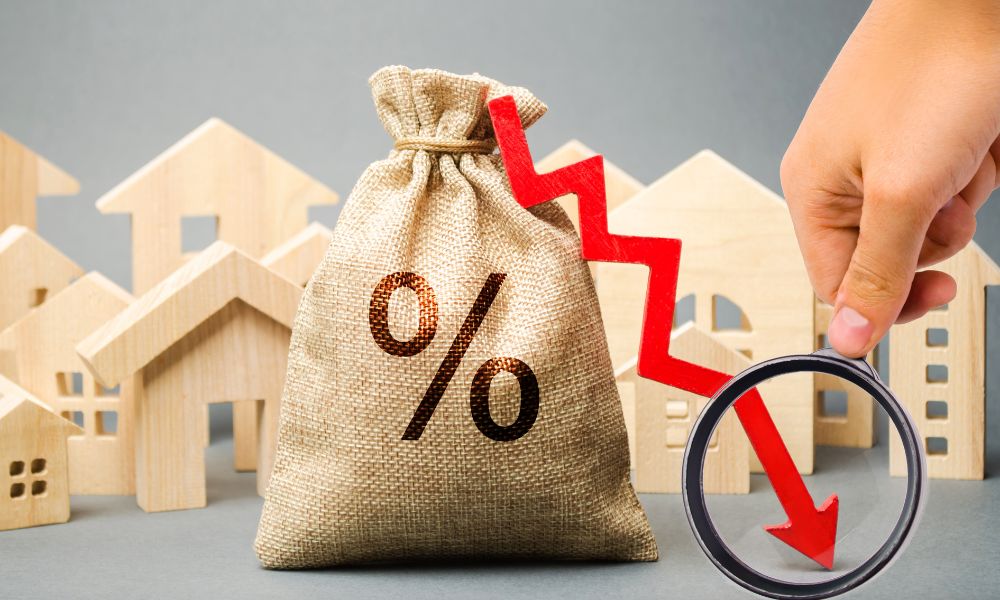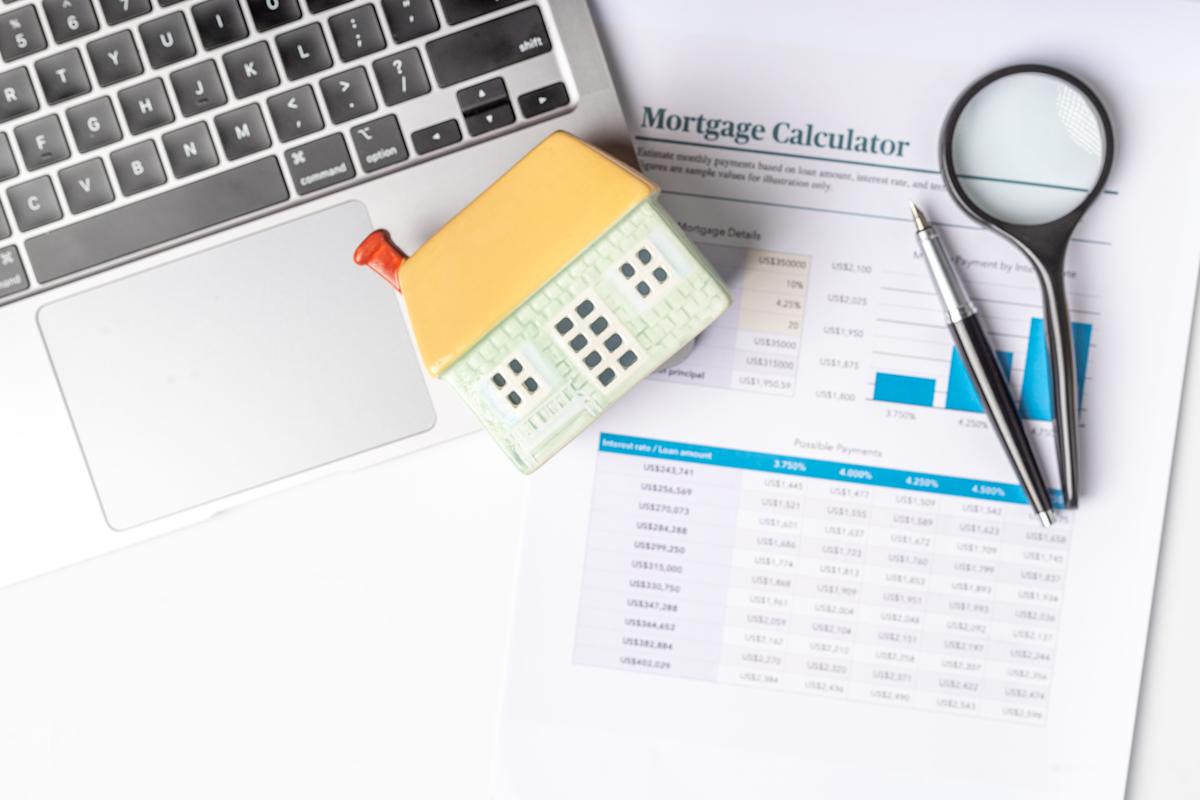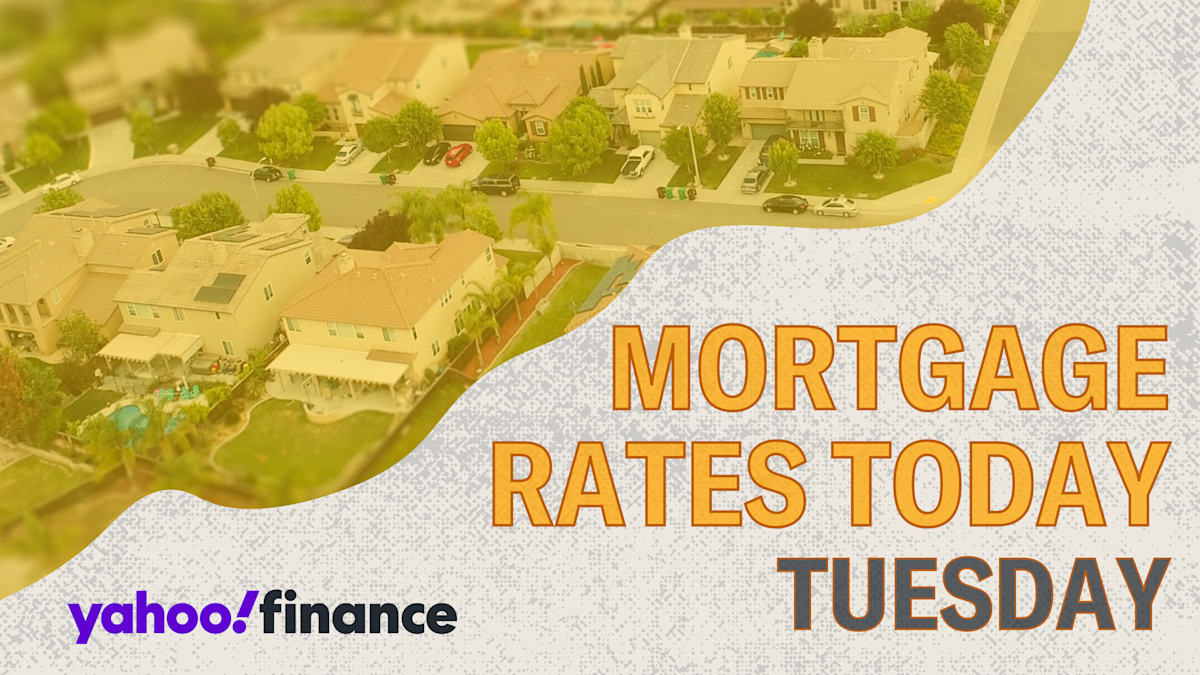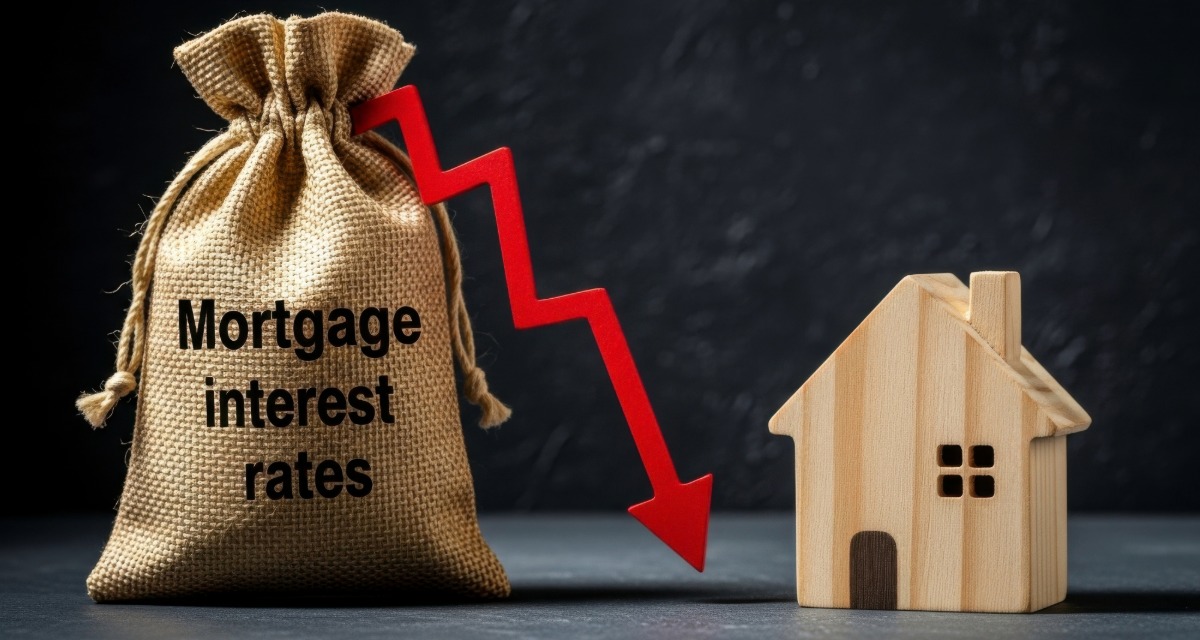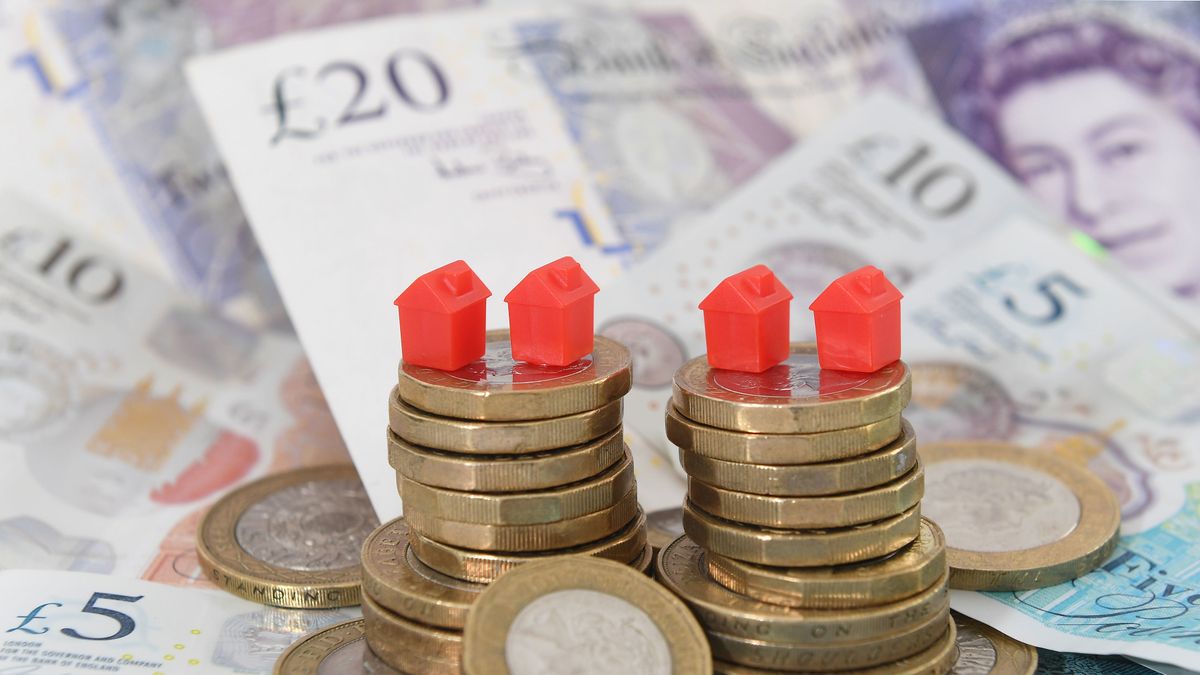
While everyone participating in this economy feels the effects of interest rate policy on some level, some of us are going to feel it more acutely. Namely: would-be homebuyers, especially as the average 30-year mortgage rate hits 6.58%.
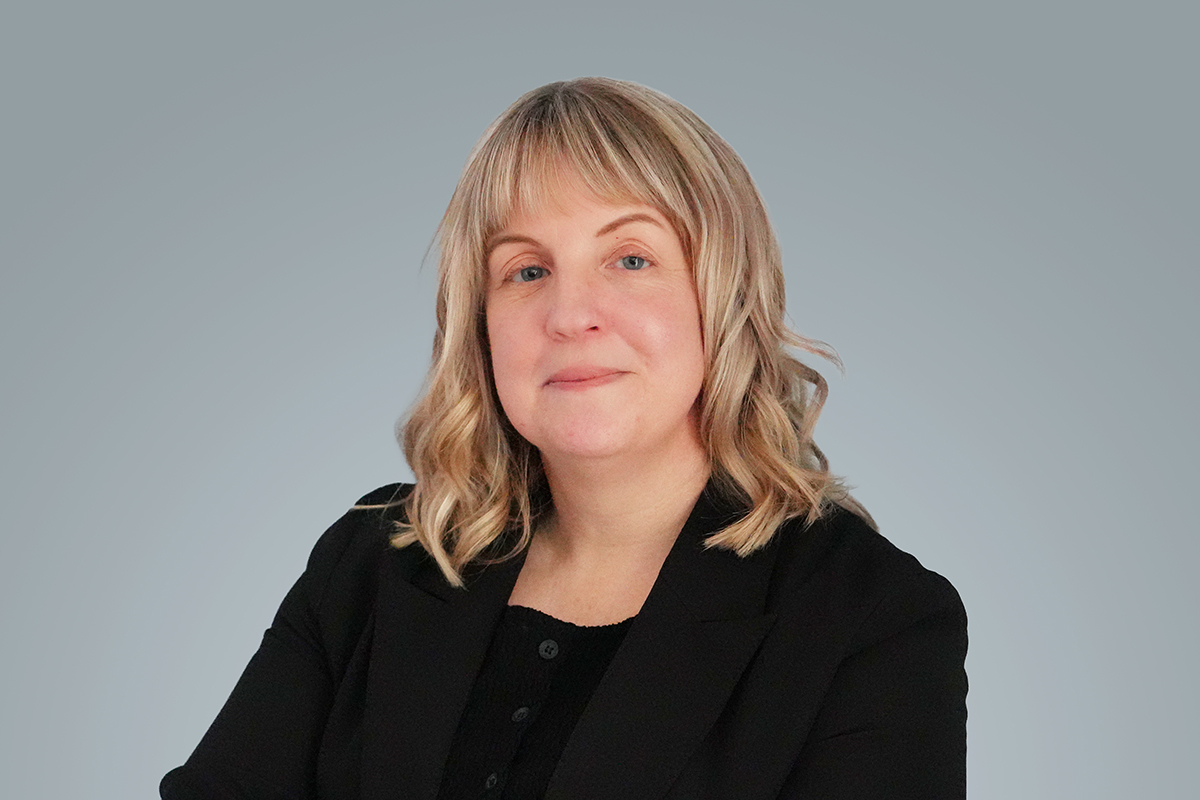
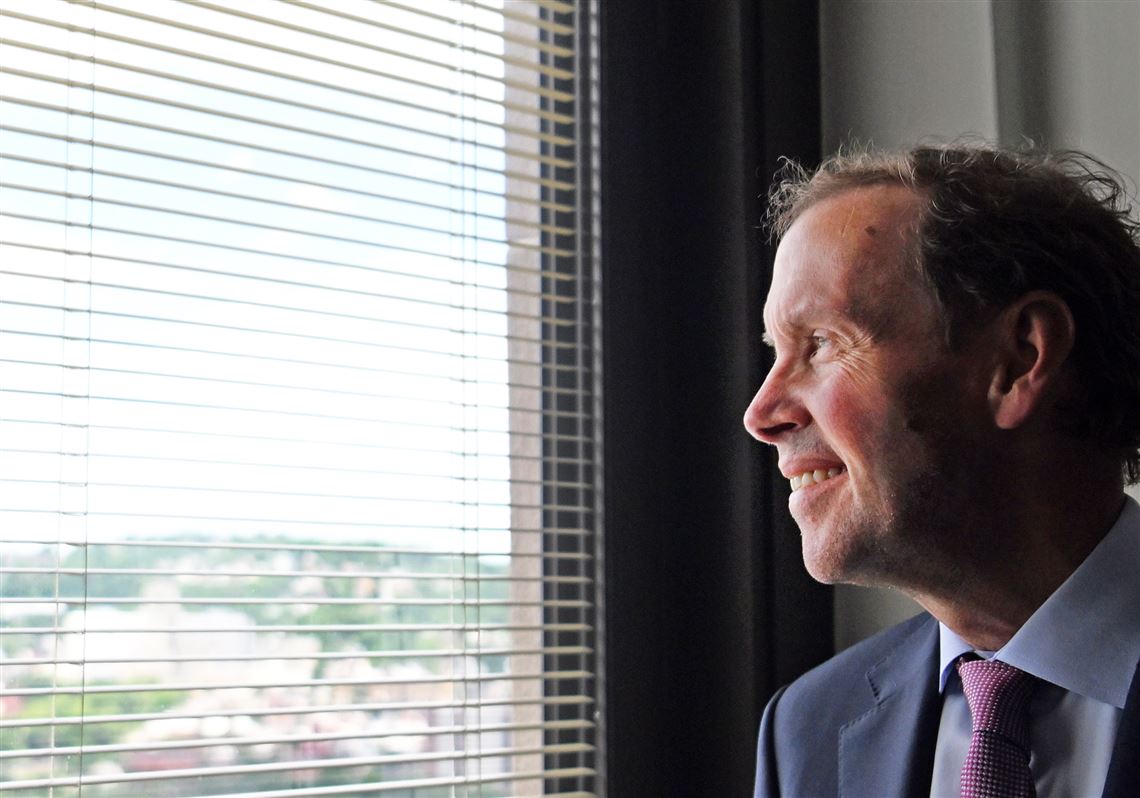
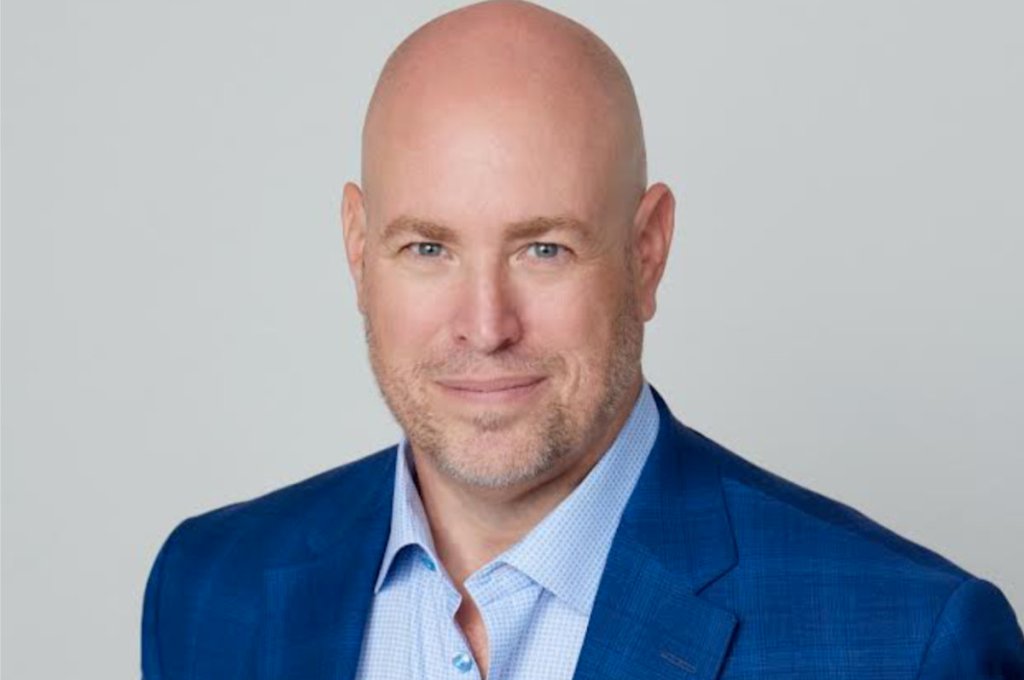
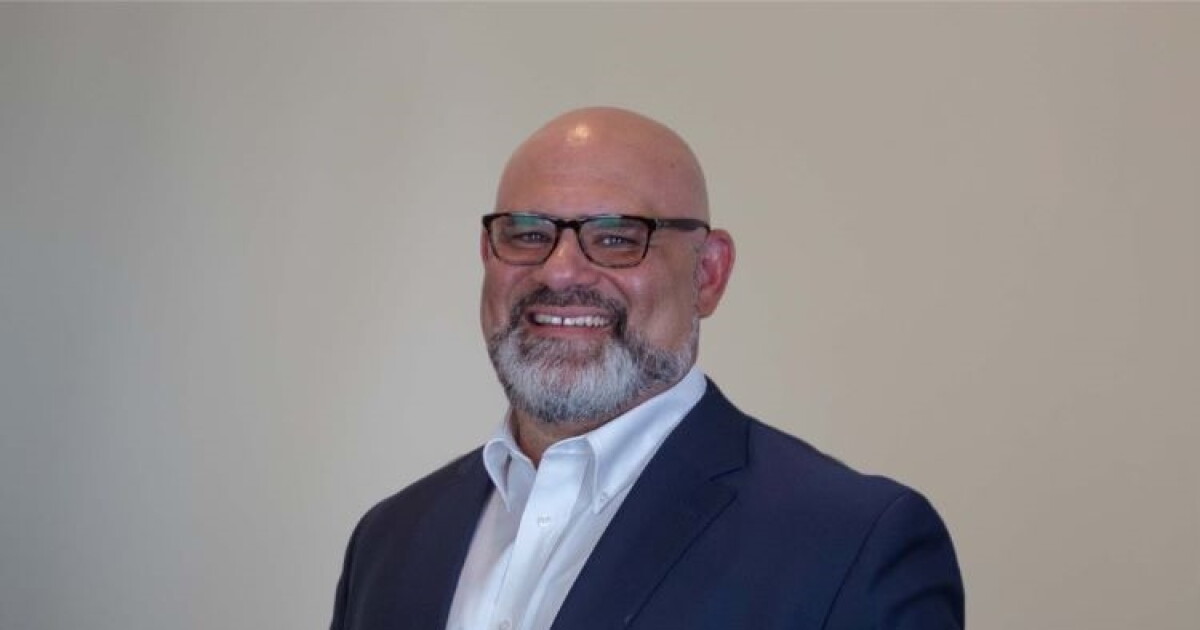
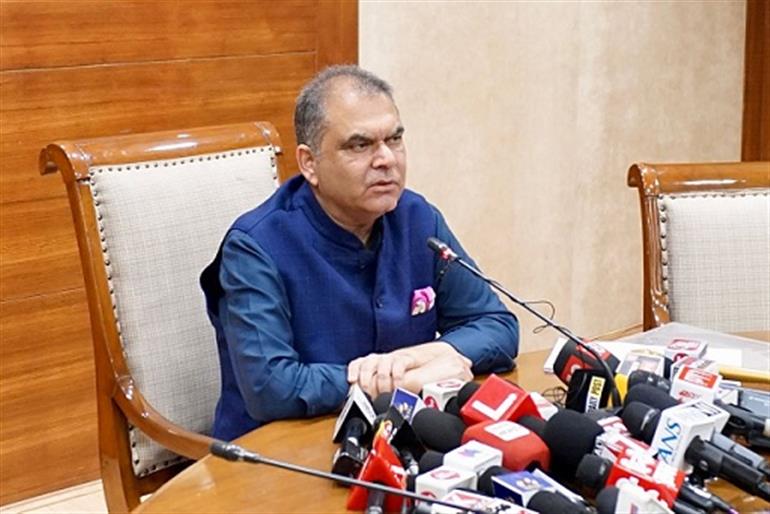
Vivian Gueler is the chief financial officer at Pacific Trust Group, a mortgage lender in Los Angeles. She joined “Marketplace” host Kai Ryssdal to talk about what she’s hearing from buyers and how closely she’s watching the Fed. An edited transcript of their conversation is below.
Kai Ryssdal: I’m going to throw a number at you here. I want you to give me your reaction: 6.58% That’s what Freddie Mac says the 30-year fixed average rate is. Discuss, please.
Vivian Gueler: Well, Kai, we were expecting it to go down, as I had said last year, and of course, you know, this war happened and energy prices skyrocketed across Europe, of course, and a lot of parts of the world, and so here we are with 6.5% rates.
Ryssdal: And here we are with you being in the real estate business. I mean, what’s that doing to you? It cannot be good, right?
Gueler: Well, it’s certainly not helping. Although we are still seeing the stock market’s doing well, so we’re seeing a lot of cash buyers in high-end markets and the second home market. People that have been on the sidelines, they realize that this is probably going to be a while, so they’re just jumping off the sidelines and starting to look around a little bit. There’s been more inventory this year than there has been in a while.
Ryssdal: What I hear you saying is people just got tired of waiting, right?
Gueler: Yeah, for the most part. There’s certainly no anticipation for rates to go down. We know the Federal Reserve is meeting today and tomorrow. I think there’s a 62% chance that rates will remain, a small chance that they might go up, but they’re not going to come down.
Ryssdal: Did you used to have to pay this much attention to the Fed? Sorry, this is just a little sidebar.
Gueler: No, no, absolutely. Yeah, you’re absolutely right. No, we didn’t, especially prior to five, six years ago. Certainly prior to COVID we weren’t like sitting here waiting in anticipation to see what’s going on, right?
Ryssdal: So, crystal ball this for me. You know, if rates stay where they are, and maybe even go up a little bit, game out the next like six to eight months in the housing market. And, you know, you’re in LA, and we’ve got our own issues here, but speak broadly for me if you can.
Gueler: Well, I mean, nationally, it’s at least status quo. Maybe a little dip in the market. I don’t think we’re going to see a crash. Los Angeles, you know, we’ve had this huge problem with inventory, so we’re always going to see the market move here on good houses, well-priced houses. There’s still a question mark too about what’s going to happen with this war and how that’s going to affect our long-term economy.
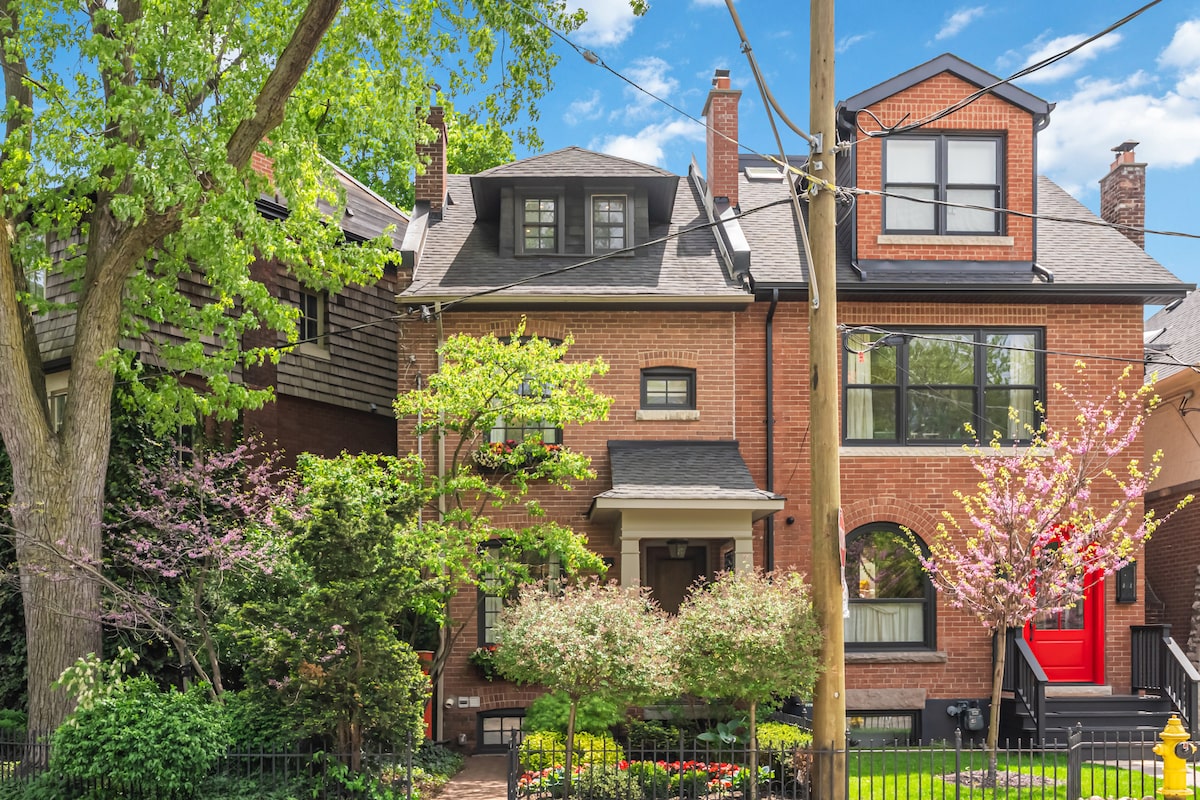
Ryssdal: Yeah, for sure. Let me ask you something about a topic that we covered a couple of times in the last couple of weeks, and again, as broadly as you can speak, this idea of starter homes, of, you know, we want people to get into the housing market as a great way to build wealth, all of those sorts of things, but the starter home does seem to be becoming a very scarce bird.
Gueler: Yeah, well, you know, inflation has impacted us nationally significantly, and we haven’t seen wages go up to any significant extent. So, you know, how can you buy a starter home when you’re just not making enough money? And I mean, it’s a really, really scary predicament for a lot of first-time buyers. You know, it’s just expensive to go out to dinner, Kai, let alone buy a house or renovate a house or, you know, have your plumbing fixed if something goes wrong with your toilet or whatnot. It’s really, really, really expensive to own a house right now.
Ryssdal: When you are talking to buyers or would-be buyers, what are those conversations like?
Gueler: Well, you know, I try to be realistic with people and and not play games. So we know interest rates are not going to go down anytime soon. So, if they’ve got a decent income and they’ve got some money set aside, now is a decent time because they’re not competing against a million other buyers to buy a house. So if they can afford to buy a house at 6.5% and ride it out maybe two years until they can refinance, then they’re going to be in a good place. But you know, if you’re really rate sensitive, my suggestion would be to just sit it out for right now.