Fixed-Rate Mortgage Share Plummets to 41.6% in Six Months
Tightening Signals from U.S. and Korea Push Mortgage Rates Toward 8%
“Need to Expand Consumer Choice for Ultra-Long-Term Fixed-Rate Products”
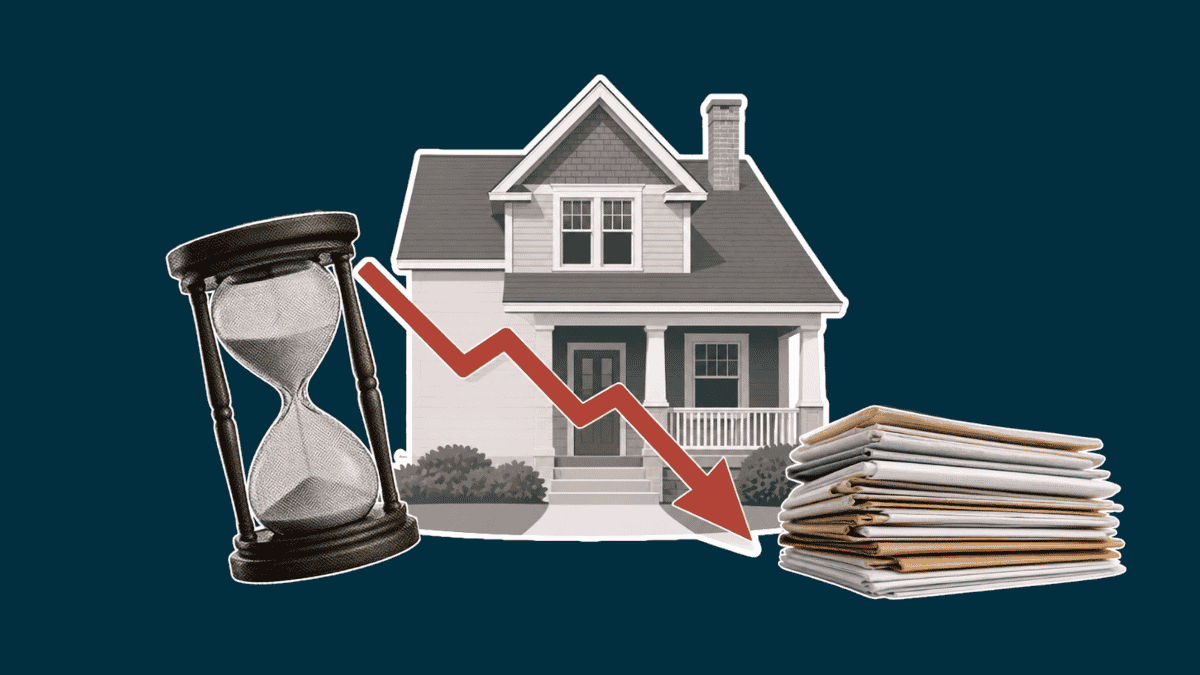
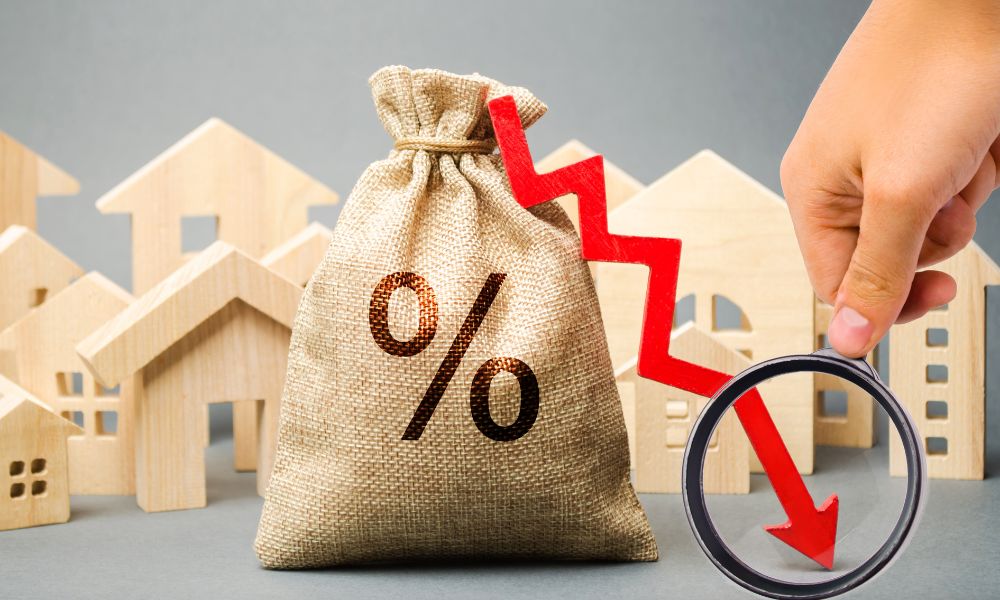
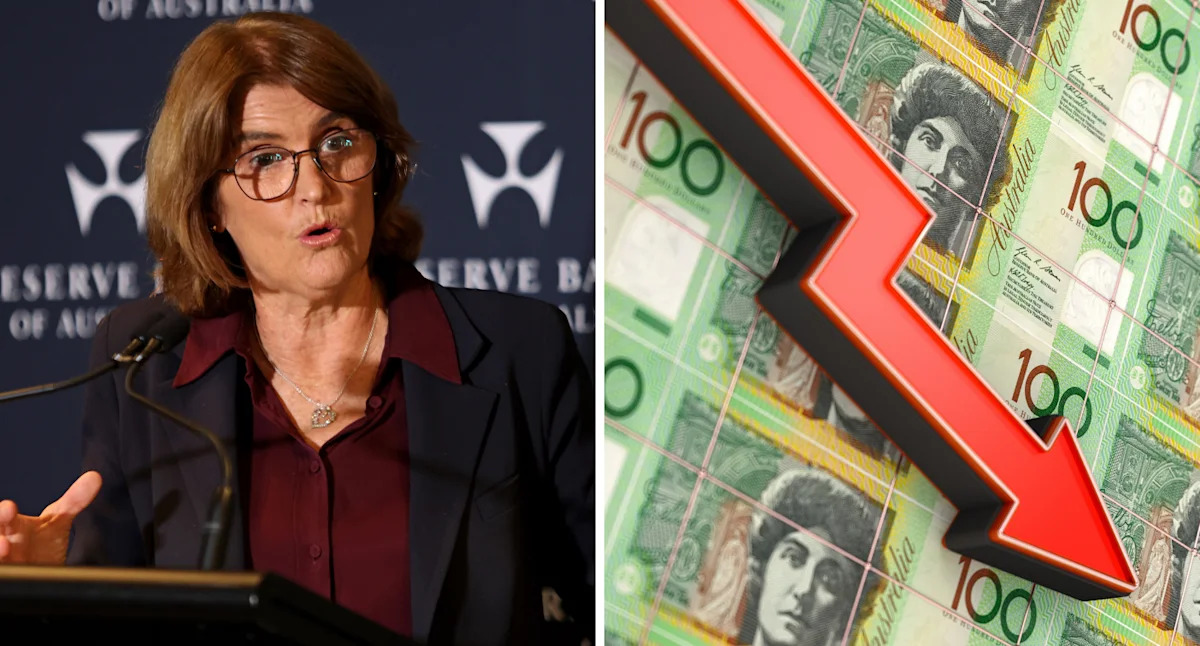
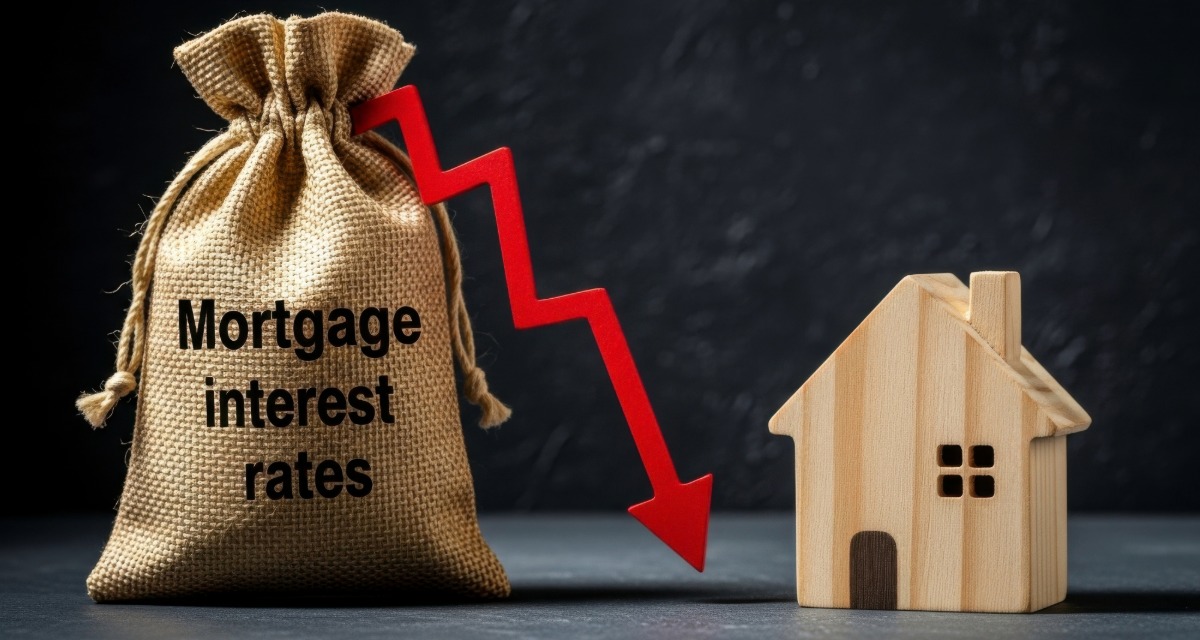
As the upper end of mortgage loan interest rates approaches 8% per annum, the introduction of ultra-long-term fixed-rate mortgage products with maturities of up to 30 years, promoted by financial authorities, has stalled. Although these products are intended to reduce borrowers’ exposure to interest rate fluctuations during periods of rising rates, demand has sharply declined as consumers are flocking to variable-rate loans, which offer lower immediate interest payments.

According to the financial sector on July 9, the Financial Services Commission had been in discussions with banks to launch ultra-long-term fixed-rate mortgage loans with rates fixed for up to 30 years, but recently suspended related talks indefinitely.
An official from the Financial Services Commission said, “Given the current high interest rate environment, we believe there would be almost no demand for ultra-long-term fixed-rate products,” adding, “Rather than pushing ahead with the launch, we plan to observe market conditions and design a product that can actually be sold at the appropriate time.” The initial plan to launch in the second half of the year remains, but the exact timing will be determined based on market conditions, the official explained.
Since last year, financial authorities have been seeking to introduce ultra-long-term fixed-rate mortgage loans to reduce borrowers’ interest rate volatility risk. Currently, most fixed-rate mortgage products at commercial banks fix the rate for only five years, after which they convert to variable rates, creating a hybrid structure. In contrast, in major advanced economies such as the United States, long-term fixed-rate loans with the same rate for 20 to 30 years are the norm. These products allow borrowers to predict their principal and interest repayment burden in advance and avoid the risks associated with interest rate fluctuations, which is seen as a key advantage.
However, as market interest rates have surged this year, fixed-rate mortgage loans have lost appeal. According to the Bank of Korea, as of May, the share of fixed-rate mortgages among newly issued mortgage loans stood at 41.6%. This is less than half the 86.6% recorded in December of last year, representing a significant drop in less than half a year.
This is attributed to fixed rates having soared to the mid-7% range. At the five major commercial banks, five-year fixed-rate mortgage rates range from 4.65% to 7.37% per annum, while variable rates are more than 1 percentage point lower. A representative from a commercial bank stated, “We provide customers with information about both fixed and variable rate products at the counter,” and added, “Despite the possibility of rates rising further in the future, many consumers opt for variable rates due to the lower immediate interest burden.”
With concerns over inflation arising from Middle East-driven geopolitical risks, market interest rates have risen sharply, making the preference for variable rates even more pronounced. The five-year unsecured AAA-rated bank bond yield, which serves as the benchmark for domestic bank loan rates, climbed from 3.497% at the start of this year to 4.327% as of July 8.
At the start of the year, financial authorities had discussed with banks the possibility of setting ultra-long-term fixed rates at levels similar to the existing five-year fixed-rate products. However, as market rates rose faster than expected, the competitiveness of such products diminished significantly, and banks faced increased funding costs for long-term loans, making an aggressive rollout difficult.
Nevertheless, some argue that ultra-long-term fixed-rate products should be introduced to enhance consumer choice, even if they may not be a commercial success. In particular, if the United States and Korea implement additional rate hikes within the year, some predict that the upper end of mortgage rates could reach 8% per annum.
Hot Picks Today

“Diarrhea Won’t Stop for Days”…Parasitic Infection Sickens 1,000, Source Still Unidentified
Kim Sangbong, professor of economics at Hansung University, said, “Currently, domestic mortgage rates are generally around 5%, which is lower than the 7% level in the United States and not historically high,” adding, “As rate volatility increases, it is desirable to supply long-term fixed-rate products that allow consumers to hedge against rising rates, even if it means bearing additional costs, and to leave the final choice to the consumer.”
This content was produced with the assistance of AI translation services.
© The Asia Business Daily. All rights reserved. Unauthorized AI training and use prohibited.