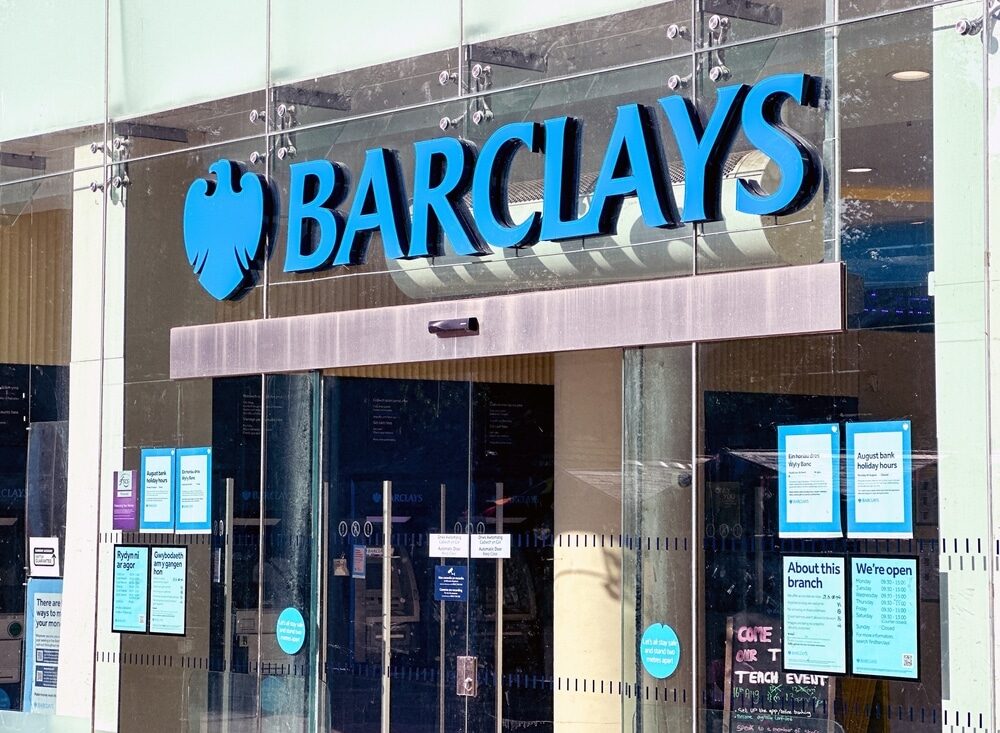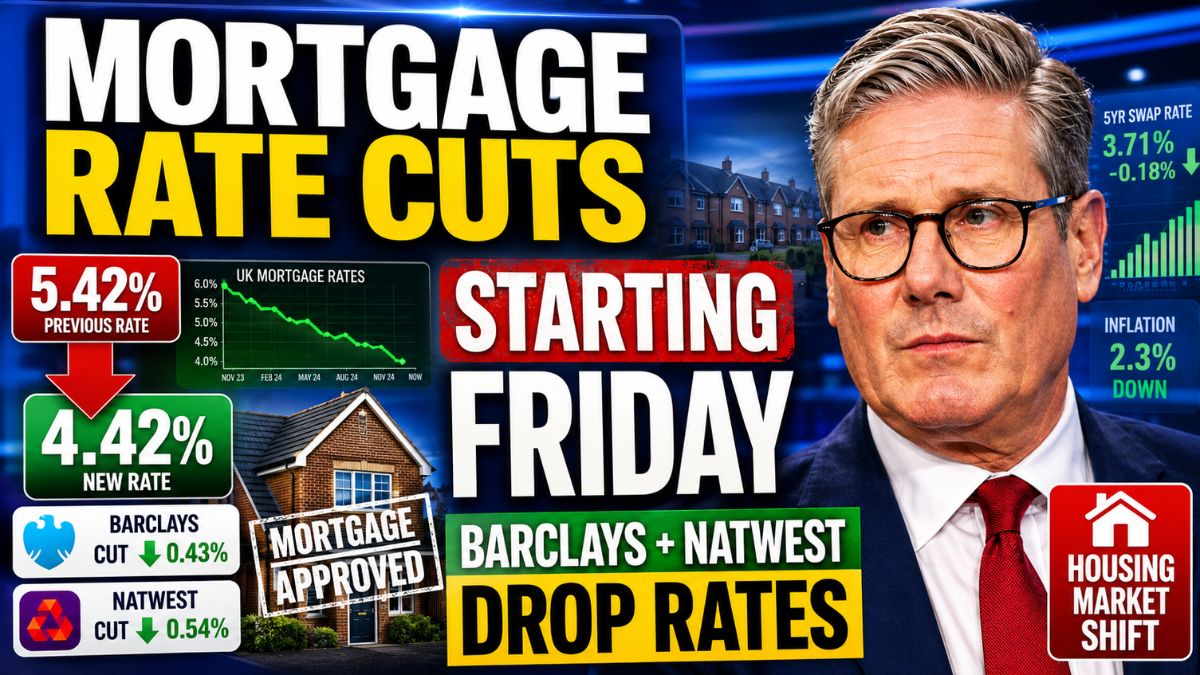
Barclays and NatWest have confirmed mortgage rate reductions that will take effect from Friday, marking another adjustment in a housing finance market that has seen frequent changes in recent months. The cuts come as several major lenders respond to shifting borrowing costs and broader economic signals, with industry brokers describing the movement as a notable change in direction.
The reductions follow similar moves from other lenders earlier in the month, reflecting increased competition across the mortgage sector as the summer buying period approaches.
Rates
Barclays has reduced selected mortgage rates by up to 0.43 percent. One of its key products, a three-year fixed mortgage for purchases at 95 percent loan-to-value (LTV), has been reduced from 5.85 percent to 5.42 percent. The product carries a £899 fee and has a maximum loan limit of £570,000.
NatWest has also announced cuts of up to 0.54 percent. One of its highlighted changes is a two-year tracker remortgage product at 80 percent LTV, which now stands at 4.42 percent after reduction, with a £995 fee attached.
Coventry Building Society has also confirmed rate reductions across parts of its mortgage range, adding to a broader pattern of lenders adjusting pricing.
Market
The latest changes follow earlier reductions from Santander, which cut rates by up to 0.23 percent, and Gen H, which lowered selected products by up to 0.3 percent. Together, these movements indicate a wider shift across the lending market rather than isolated pricing updates.
Analysts have linked the changes partly to easing wholesale borrowing costs, often reflected in swap rates, which influence how lenders price fixed mortgage products. As these underlying costs move, lenders typically adjust retail rates accordingly.
Market conditions remain sensitive, however, and further adjustments in either direction remain possible depending on economic and geopolitical developments.
Lending
Mortgage brokers have described the recent changes as part of a more active and responsive lending environment. Some have pointed to improved market sentiment and falling borrowing costs as key drivers behind the latest reductions.
One key factor cited is the expectation that future increases in the Bank of England base rate are less likely than previously assumed. This has helped reduce pressure on lenders, allowing more competitive pricing in certain segments of the market.
However, advisers also note that pricing changes can be short-lived, with lenders frequently revising rates in response to shifting financial conditions.
Views
Industry professionals have highlighted both opportunity and caution for borrowers considering new deals or remortgaging.
Some mortgage advisers say falling swap rates have created space for lenders to reduce pricing, leading to increased competition. Others emphasise that rate reductions can be temporary and may be reversed if market conditions change.
There is also a broader expectation among some brokers that the summer period could see continued activity in the housing market, particularly among buyers looking to complete transactions before further economic uncertainty develops.
At the same time, advisers continue to stress the importance of securing a rate rather than waiting for further improvements, given the frequency of recent fluctuations.
Caution
Despite the recent downward movement, mortgage pricing remains highly responsive to external factors, including inflation data, central bank policy expectations, and geopolitical developments that can affect financial markets.
Some advisers have noted that rate changes have become more frequent and less predictable, with lenders adjusting pricing multiple times within short periods.
This volatility means borrowers often face a trade-off between waiting for potentially lower rates and locking in current offers to reduce exposure to future increases.
Outlook
While the latest cuts from Barclays and NatWest signal improved conditions for some borrowers, analysts do not see the market as stable. Instead, it remains in a phase of adjustment, where short-term improvements can be followed by rapid changes in either direction.
For those entering the housing market or approaching the end of existing mortgage deals, the current environment offers more competitive options than earlier in the year, but also requires close attention to timing and product selection.
The mortgage rate reductions announced by Barclays and NatWest mark a noticeable shift in pricing trends, reflecting changes in underlying borrowing costs and broader market sentiment. While the cuts may offer short-term relief for borrowers, the market remains fluid, with rates continuing to respond quickly to economic and external pressures. For households planning to move or remortgage, current conditions present opportunities, but also highlight the importance of monitoring changes closely.
FAQs
When do the new Barclays and NatWest mortgage rates start?
The new rates start from Friday.
How much have Barclays rates been cut?
Up to 0.43 percent across selected products.
How much have NatWest rates been reduced?
Up to 0.54 percent on selected mortgages.
Why are mortgage rates changing?
Changes are linked to swap rates and market conditions.
Should borrowers act now?
Many advisers suggest reviewing and securing rates early.