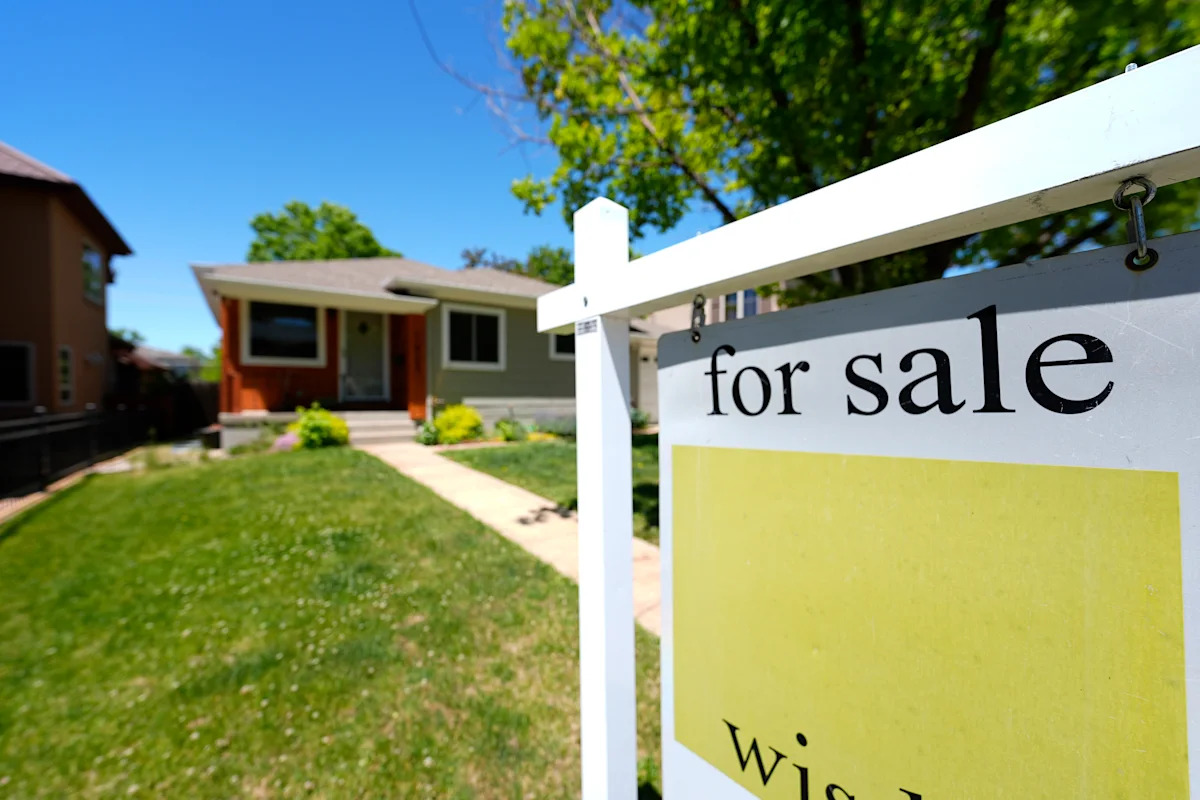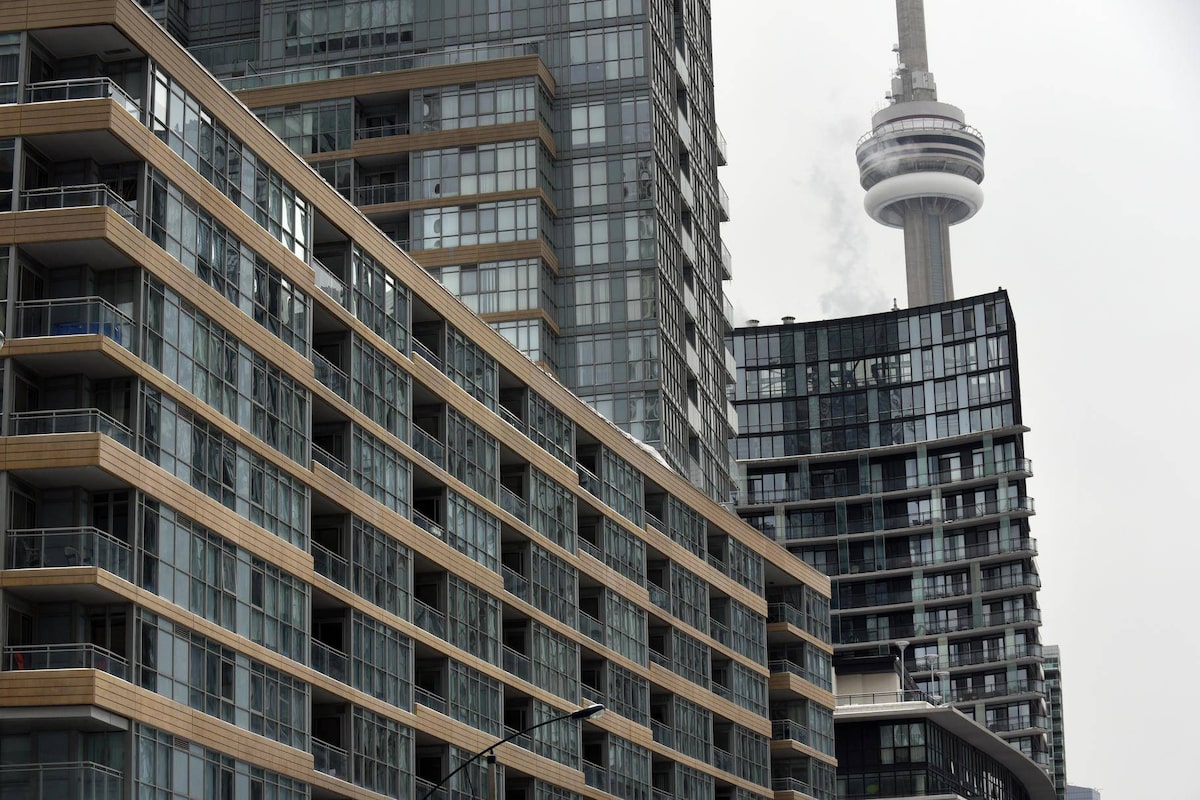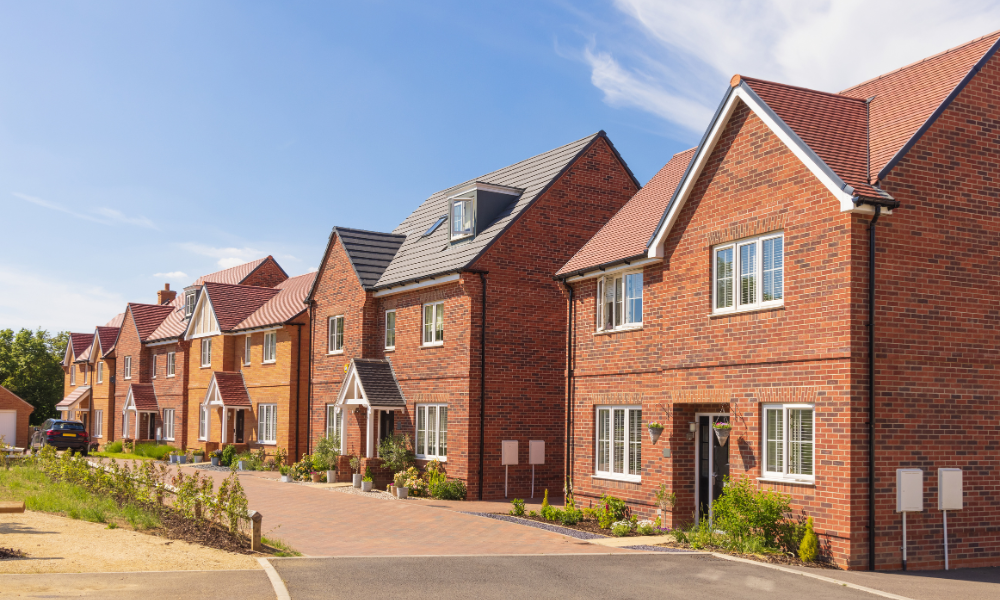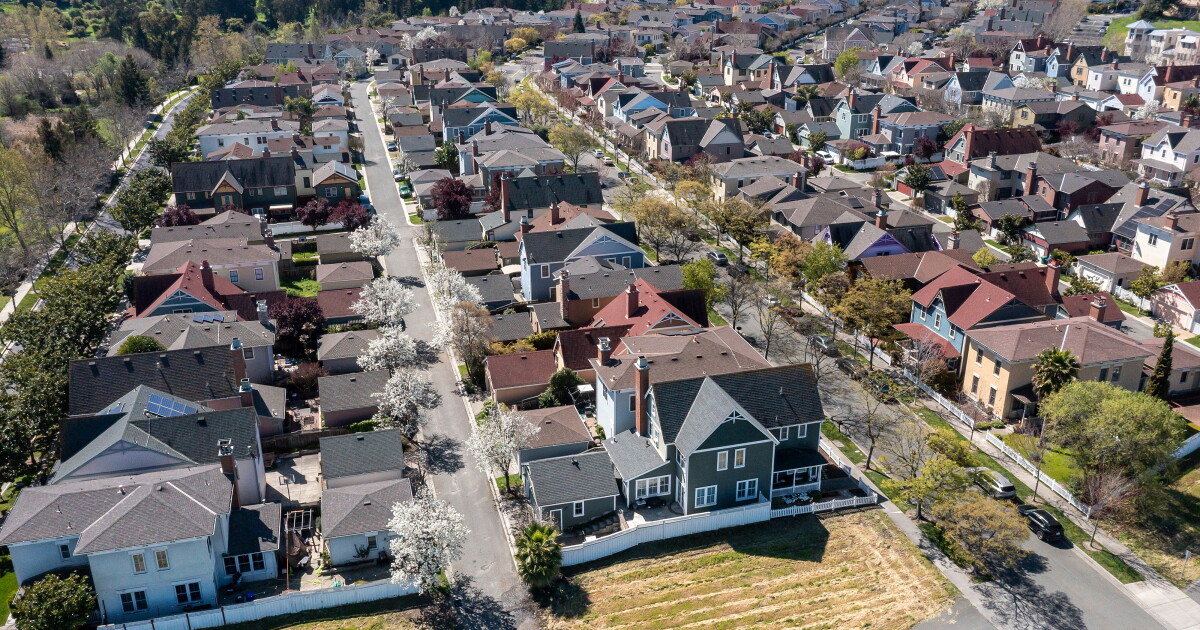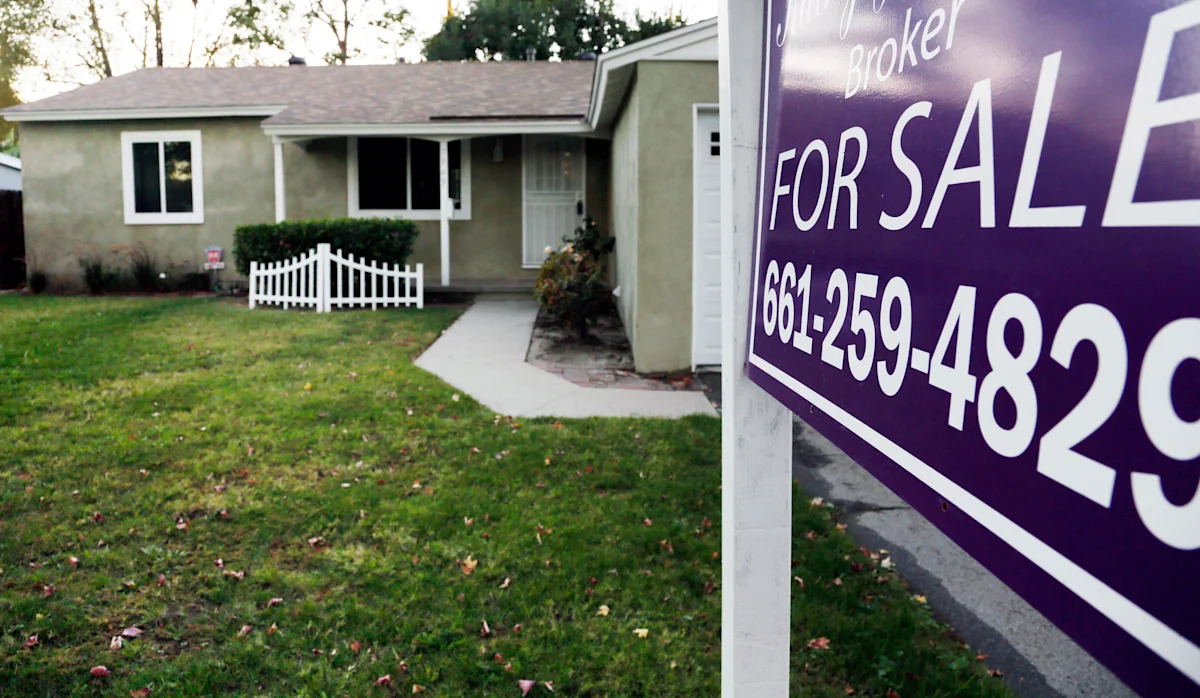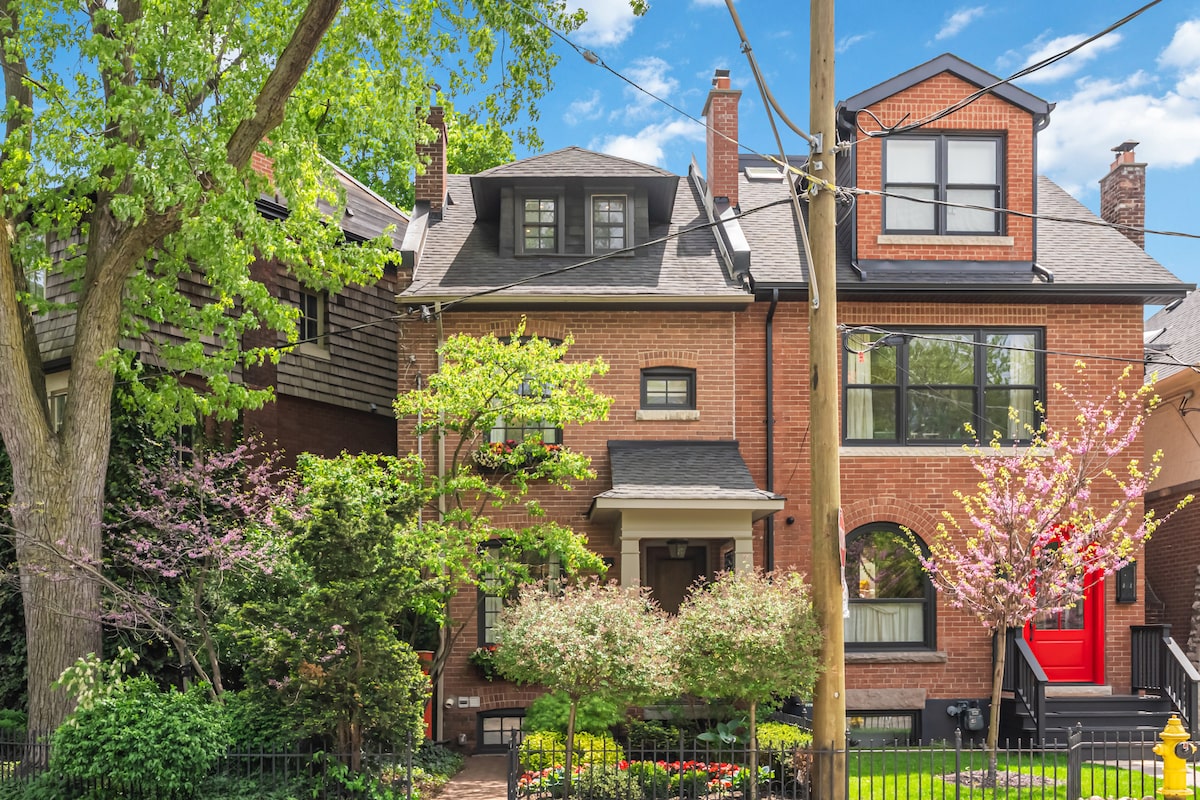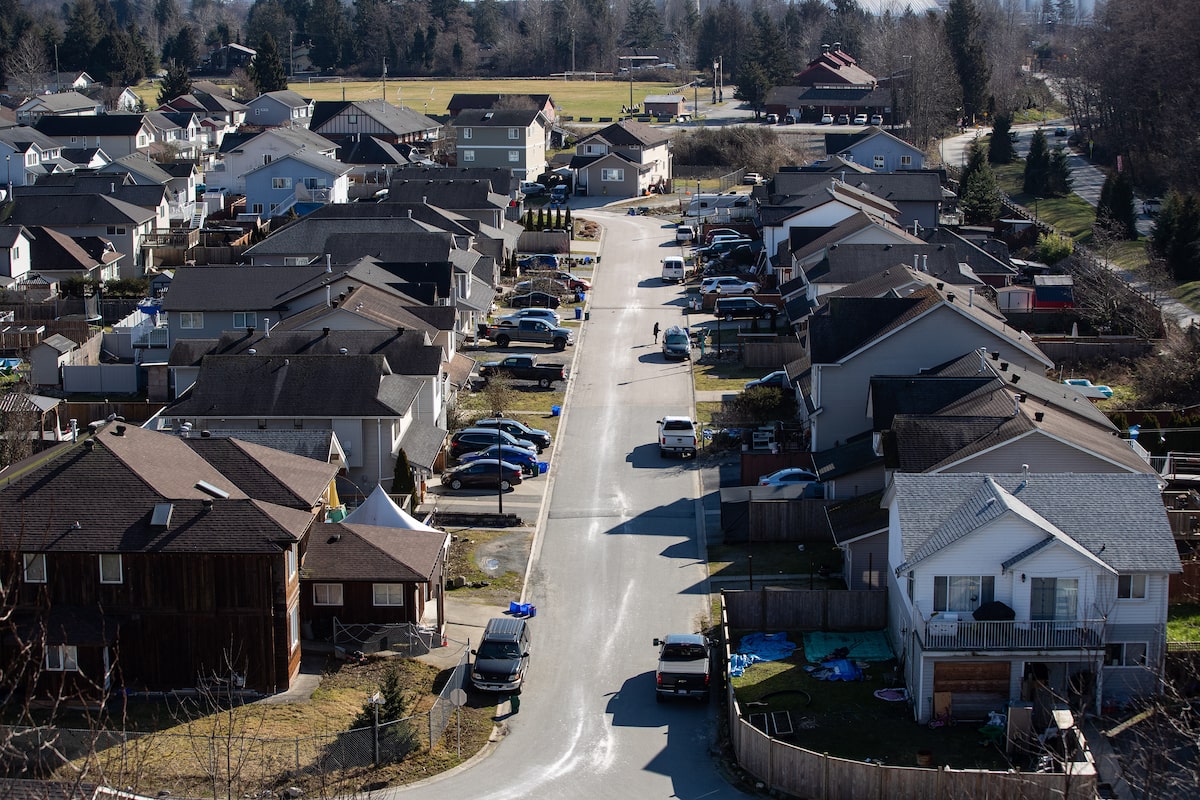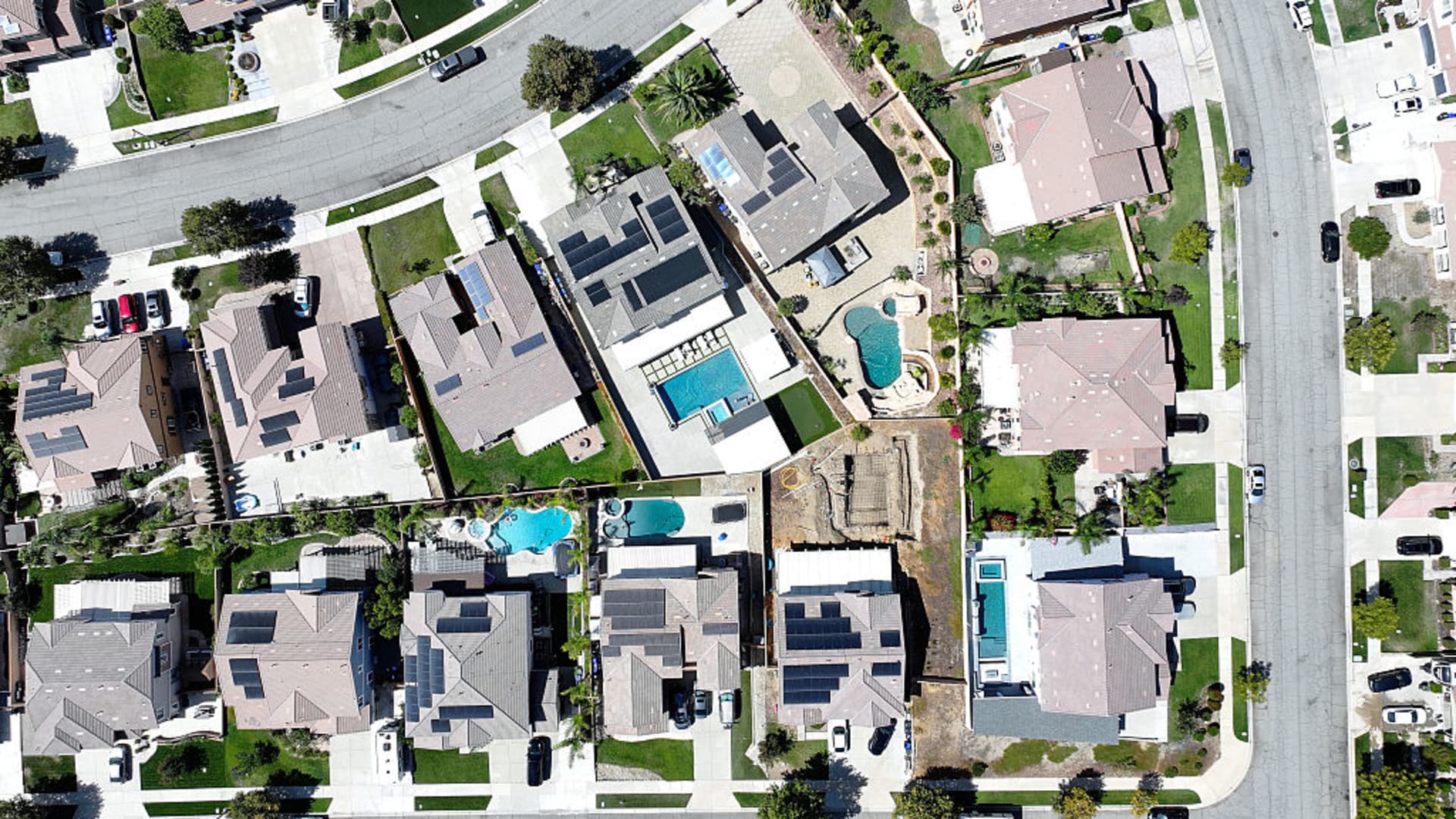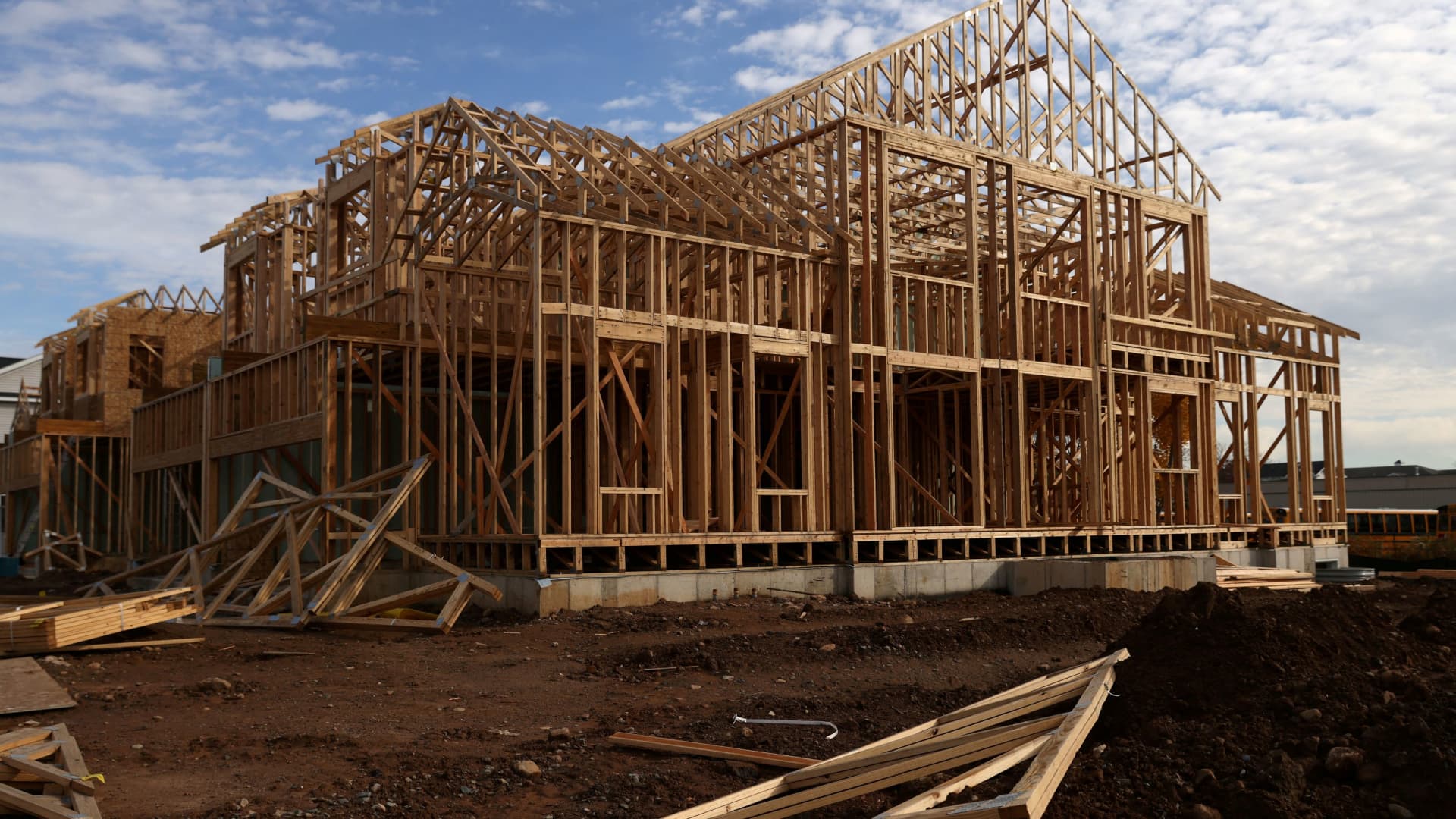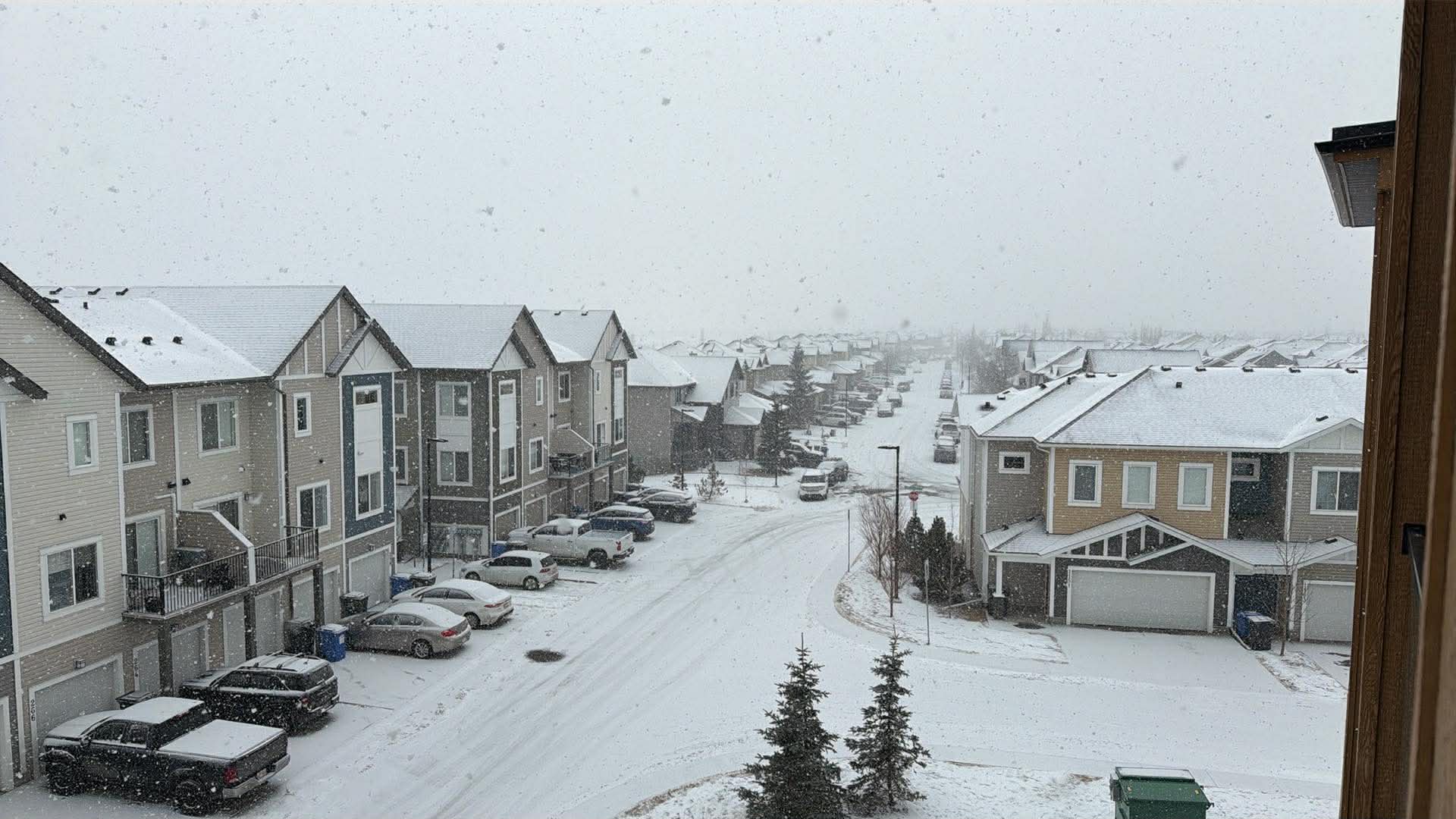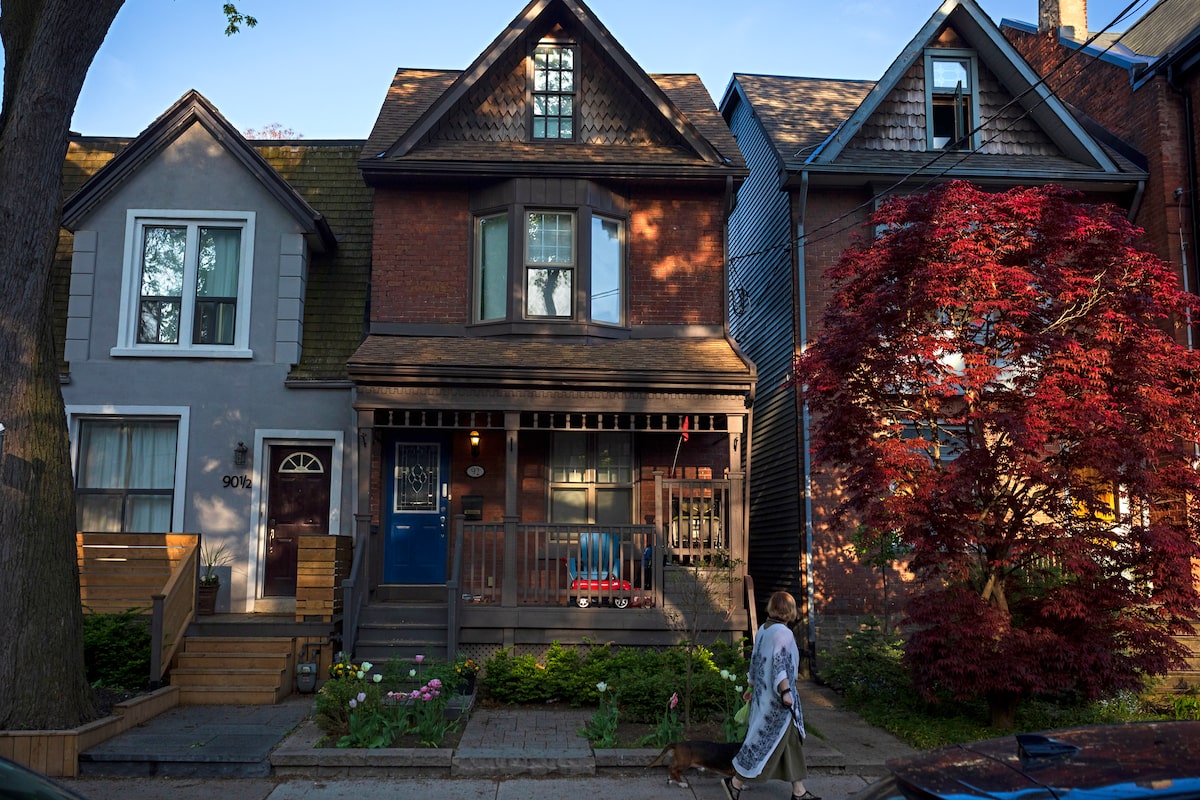
A home in Toronto’s east end in May, 2020. Real estate prices have been declining across Canada for the past four years.Melissa Tait/The Globe and Mail
Nearly one in 10 mortgage holders in the Toronto area won’t be able to refinance their loans or renew them with a new lender in 2027 if home prices remain at current depressed levels, according to a Bank of Canada report.
The central bank’s financial stability report, released late last month, estimates 9 per cent of borrowers in the Toronto region could not qualify to refinance their loans next year. Nationally, the bank estimates the level to be 4 per cent.
That’s because these borrowers’ property values have fallen significantly since they got their mortgage. These borrowers will not be able to take equity out of their home to pay down debts – one way of refinancing a loan.
They also will not be able to refinance their loans in other ways, such as lengthening the time it takes to pay back the loan or simply renewing a mortgage with a different lender.
If borrowers are not able to pursue these options, that may eventually lead them to miss mortgage payments.
The week’s best fixed and variable mortgage rates
“Households that need to refinance to manage their payments may not qualify if they have too little equity to meet lenders’ requirements,” the central bank report said.
“In this way, lower home prices increase the risk that some households could fall behind on their payments.”
Across the country, real estate prices have been declining for the past four years. Some of the biggest drops have been in the Toronto region, where the typical home price is 33 per cent lower than March 2022’s peak pricing.
As real estate values have dropped, a key lending metric called the loan-to-value ratio has worsened for homeowners. The LTV ratio shows how much a homeowner owes relative to their property’s market value.
For example, if a homeowner’s mortgage is equal to 80 per cent of the property’s value, they have an LTV ratio of 80 per cent. The federal banking regulator considers ratios above 75 per cent as risky to lenders.
GIC returns are narrowing the gap with mortgage rates
The central bank’s estimates are based on scenarios for borrowers renewing a mortgage in 2027 with a current LTV ratio above 80 per cent, whose household income is being stretched to cover housing costs, and who can no longer extend their amortization period beyond the common 25-year time frame to pay back a mortgage.
Under federal lending rules for insured mortgages, the gross debt service ratio, or the share of household income used to cover housing costs, must not exceed 39 per cent. And the total debt service ratio, or the percentage of household income used to cover both housing and debt costs, must not top 44 per cent.
If home prices were to drop by another 10 per cent from current levels, more borrowers would not be able to refinance their loans. In the Toronto area, that share would rise to 12 per cent while the percentage would climb to 7 per cent nationally, according to the report.
The central bank said borrowers in this category should still be able to renew their mortgages if they stay with their existing lender and don’t fundamentally change the loan.
Regardless, the central bank has identified a subset of borrowers who are under much more financial duress than others.
“I do expect more stress to continue,” said Carl Gomez, chief economist with real estate investor Centurion Asset Management.
Homeowners in the Toronto region have already been defaulting on their mortgages at a faster pace than in the rest of the country.
Their average loan size is larger because Toronto’s real estate market is one of the country’s most expensive. When they renew their loans at higher interest rates, monthly payments get even steeper.
The Toronto region’s delinquency rate on total mortgages outstanding climbed 57 per cent year-over-year, according to Equifax Canada data. The rate of delinquency, which happens when a homeowner misses mortgage payments for at least 90 days, was 0.41 per cent in the first quarter of this year.
In comparison, the mortgage delinquency rate across the country rose 32 per cent to 0.28 per cent year-over-year, according to Equifax.