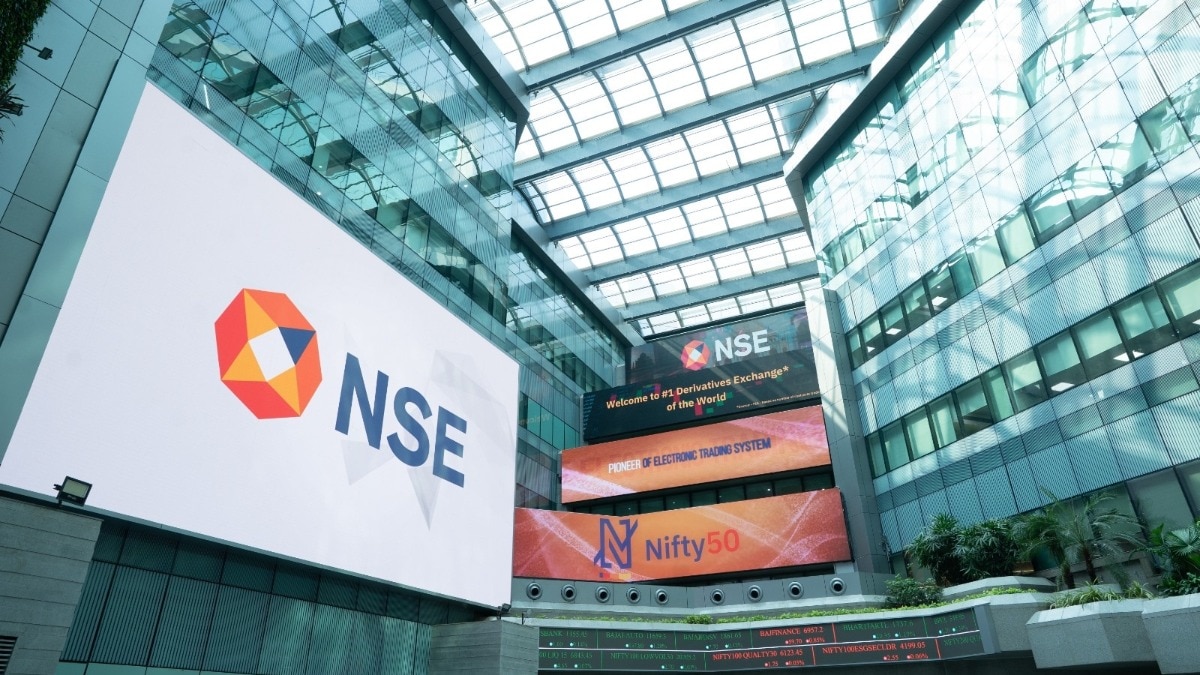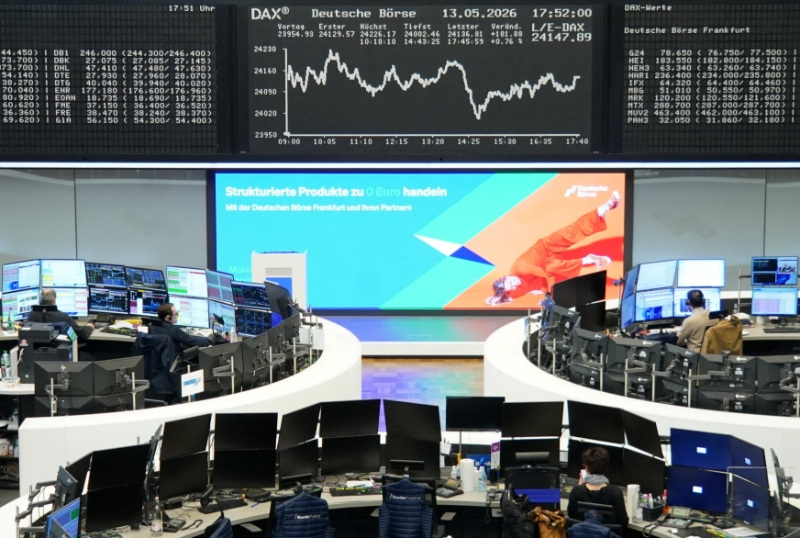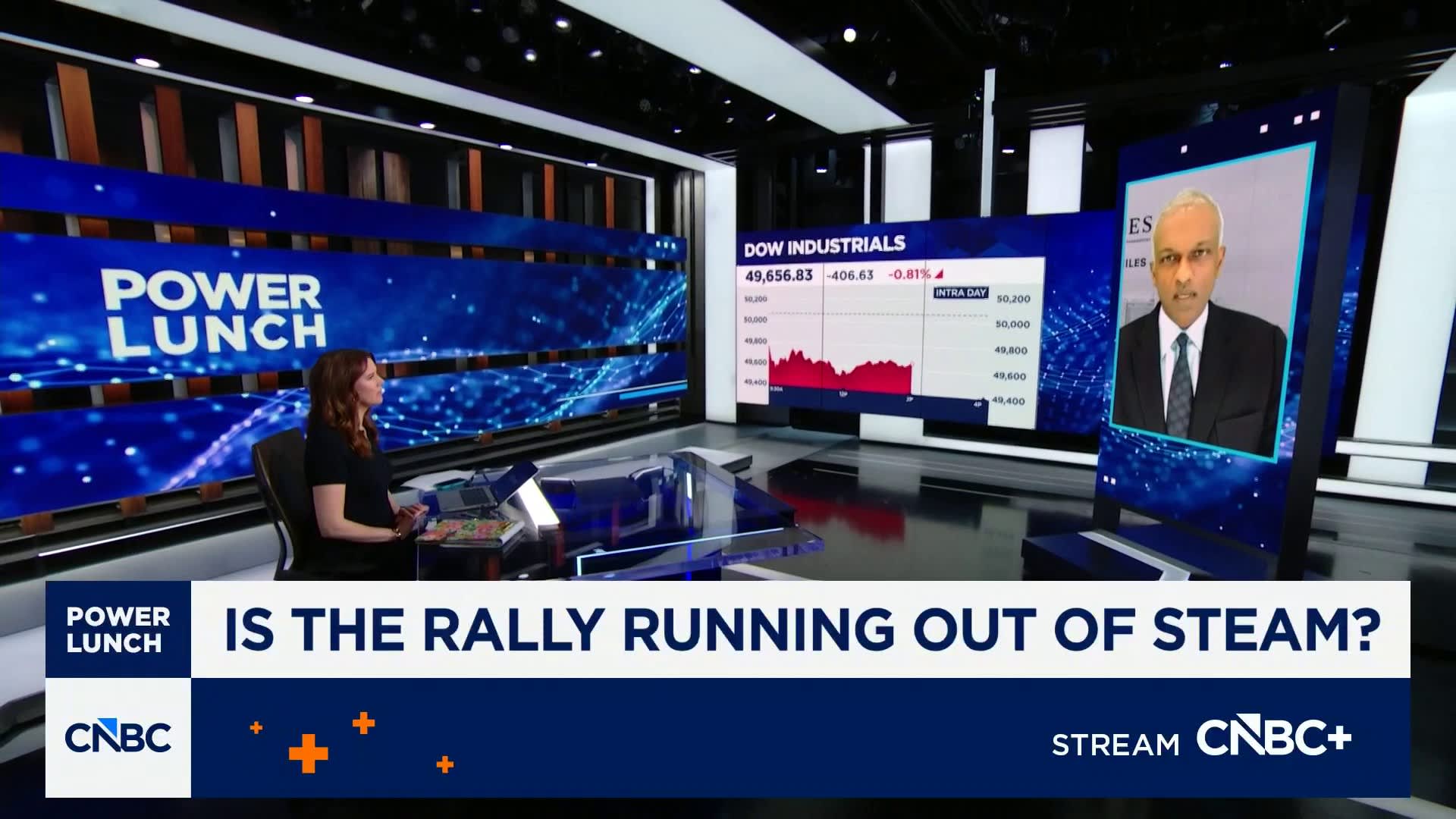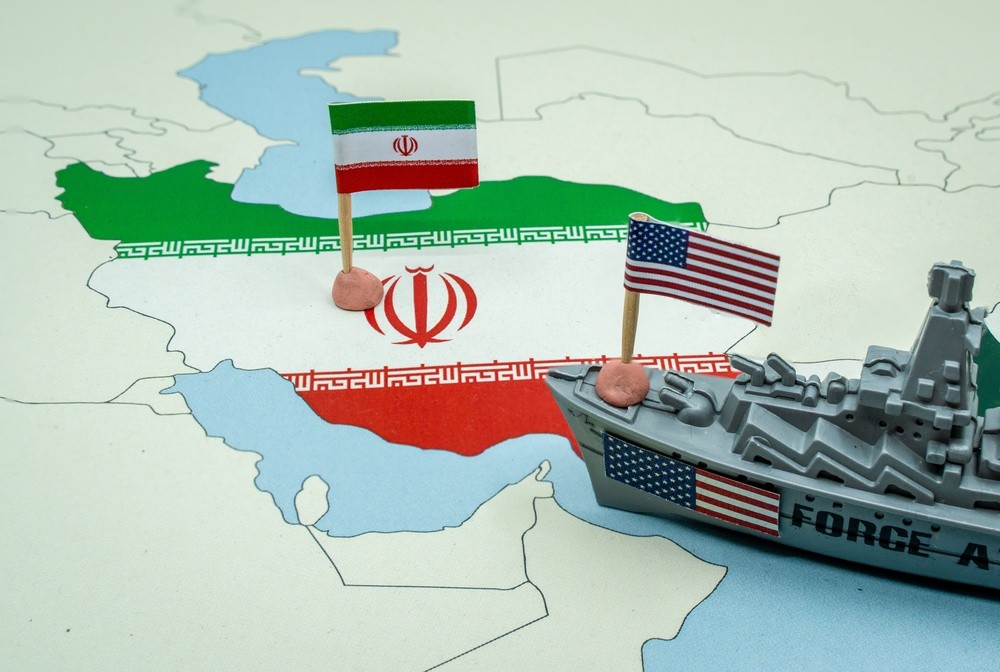
The market has been on a roller coaster ride recently because of geopolitical issues. A directional bet on a stock is typically risky in such market conditions. Nevertheless, you must take directional bets if you want to capture short-term gains from trading. This week, we look at why, during such market conditions, it is more optimal to take directional bets on the Nifty Index than on individual stocks or even a sectoral index.
Reward-risk trade-off
The advantage with an index is that it is a weighted average of a basket of stocks. That means even if some stocks fall and others rise, the index could still move in your preferred direction. This is better than betting on an underlying. What if the underlying declines or remains flat even as the market or the sector to which the underlying belongs to climbs up? By betting on an index rather than a stock during non-trending (volatile) markets, you can improve the odds of your position generating gains.
The above argument typically holds whether you are betting on a style index or a sectoral index. But if you were to factor the current market conditions, your strategy may have to be further refined. Mid-cap index and sectoral indices are typically more volatile than the large-cap index when systematic risk increases. Note that geo-political issues increase systematic risk. Also, the Nifty Index constitutes more than half of the total market capitalisation. Therefore, an increase or decrease in systematic risk has a direct effect on the Nifty Index. So, when nervousness among market participants reduces, the Nifty Index typically leads the market up. Therefore, betting on the Nifty Index could be more meaningful than betting on the mid-cap index or any sector indices.
Should you consider options or futures on the Nifty Index to take directional bets? Your choice must depend on your conviction on the directional movement. The argument is based on the delta of options and futures. Futures prices move one-to-one with the underlying whereas option prices cannot. So, the more confident you are of your view, the more you should lean towards futures. That said, you must be mindful of two factors. One, even though the maximum loss on a long option position is only the premium paid, you could lose a significant part of this premium if the Nifty Index moves adversely. And two, if you are a disciplined trader, you could choose to trade futures with strict stop-loss.
Optional Reading
You must observe trends in implied volatilities (Ivols) of the immediate out-of-the-money (OTM) strike. This could give you an indication of how rich options currently are. If current Ivol is greater than in the recent past, the option is pricey, as higher volatility leads to greater premium. This means larger losses on the long option position, as Ivol is part of an option’s time value, which decays with each passing day. In such cases, futures may be optimal.
The author offers training programs for individuals to manage their personal investments
Published on May 16, 2026