Gotrade News – The US 30-year Treasury yield spiked to 5.12% this week, the highest level since 2023. The 10-year yield climbed to 4.60%, intensifying pressure on long-duration bonds and rate-sensitive equity sectors.
According to Wolf Street, CPI rose 3.8% year over year while PPI climbed 6.0%. Bond markets now view the Federal Reserve as behind the curve on a second inflation wave.
Key Takeaways
- US 30-year yield hit 5.12%, the highest reading since 2023, with the 10-year at 4.60%.
- CPI rose 3.8% year over year, the hottest since May 2023, while PPI climbed 6.0%.
- Brent crude reached $110.63 and WTI hit $106.42, adding fresh inflation pressure on bonds.
Per Wolf Street, the US Treasury sold $691 billion of securities this week alone. All auctions across maturities saw price declines after issuance, signaling visibly weak buyer demand at current yield levels.
The 10-year benchmark settled at 4.60% versus the 4.468% auction print, while the 30-year reached 5.12% from 5.046% prior. With the effective Fed funds rate at 3.63%, the gap to long bonds widened to roughly 149 basis points.
Asia Equities Slip Under Bond Pressure
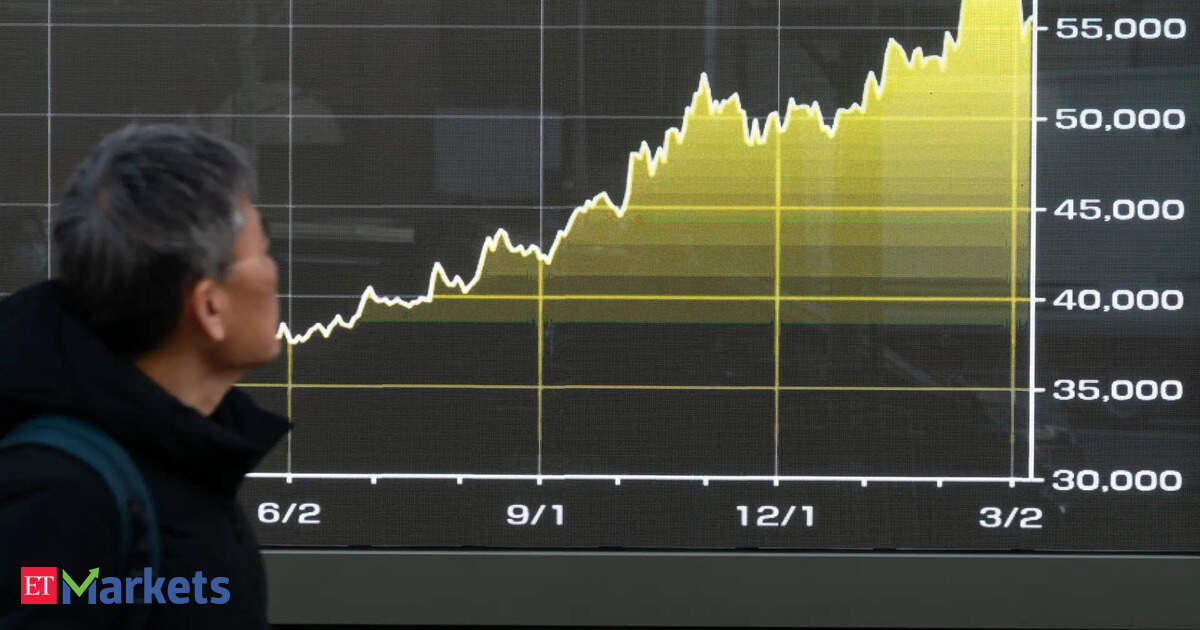
As reported by Investing.com, Japan’s Nikkei fell 0.4% after dropping 2% from its record last week. South Korea’s KOSPI benchmark slid a sharper 2.1% as regional risk appetite faded across screens.
The MSCI Asia-Pacific ex-Japan index dropped 0.6% as higher US yields drained capital from emerging markets. Long-duration bond proxies such as iShares 20+ Year Treasury (TLT) face renewed selling pressure under this rates regime.
The US dollar firmed broadly, with EUR/USD dropping 1.4% to $1.1620 and GBP/USD off 2.3% to $1.3318. USD/JPY climbed toward 158.64, approaching the 160 line that intervention traders watch closely.
Rate-sensitive segments of the S&P 500 ETF (SPY) remain vulnerable as discount rates reprice higher across the curve. Growth and utility stocks typically underperform when long yields lead the curve upward this aggressively into earnings.
Oil and Gold Compound the Squeeze
According to Investing.com, Brent crude rose 1.2% to $110.63 while WTI gained 1.0% to $106.42. Higher energy prices feed directly into CPI, deepening the bond market’s inflation anxiety.
Capital Economics warned that crude inventories could reach critical low levels by end-June this year. The firm sees a path to Brent at $130 to $140 per barrel if current draws continue uninterrupted into summer.
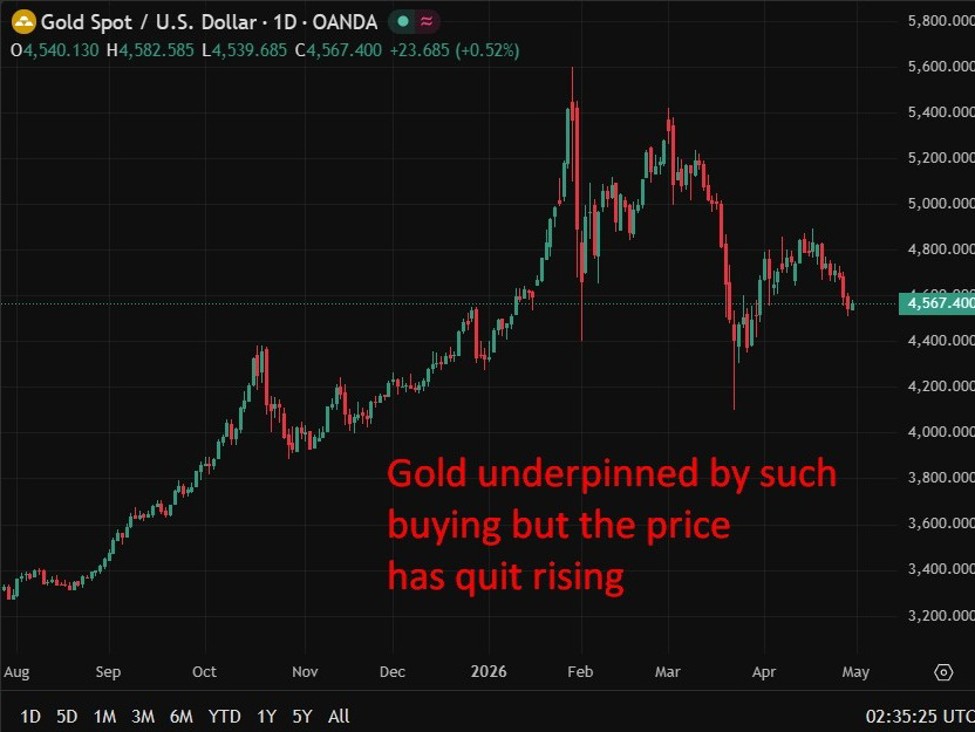
Safe-haven demand has lifted the Gold ETF (GLD) as investors hedge against persistent inflation and visible policy lag. Gold often performs well when real yields stay negative despite the recent sharp nominal yield spikes higher.
The 3.8% CPI gain was driven by services, gasoline, electricity, and food prices, per Wolf Street’s category breakdown. These categories are the stickiest and least responsive to short-term rate adjustments by the Federal Reserve.
Investors face a narrow path with long-end rates rising, oil firming, and Asia equities weakening together. Positioning for stagflation risk via duration cuts and commodity exposure has become a defensive consensus trade.