As the field of neurorehabilitation continues to evolve, increasing attention is being paid not only to acute management of brain injury but also to the long-term functional, cognitive, and psychosocial needs of patients. Traumatic brain injuries, nontraumatic brain injuries, and even stroke, can result in complex, multifaceted deficits that require coordinated, interdisciplinary care. In recent years, advances in technology, earlier detection of comorbidities, and a growing emphasis on patient-centered outcomes have begun to reshape how clinicians approach recovery and quality of life following brain injury.
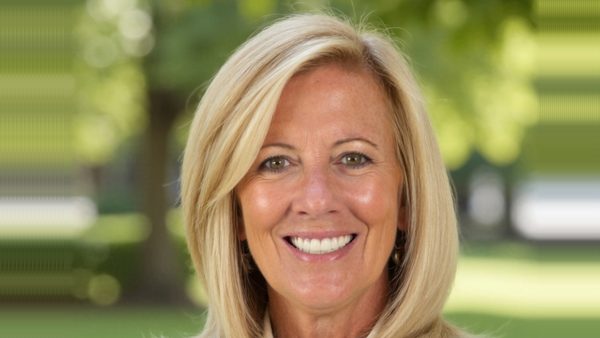
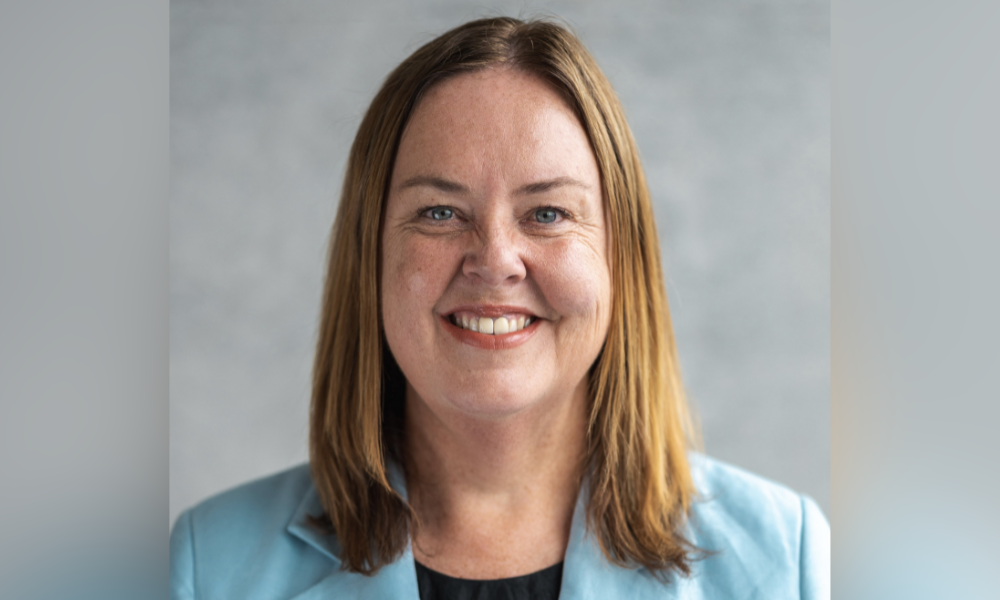
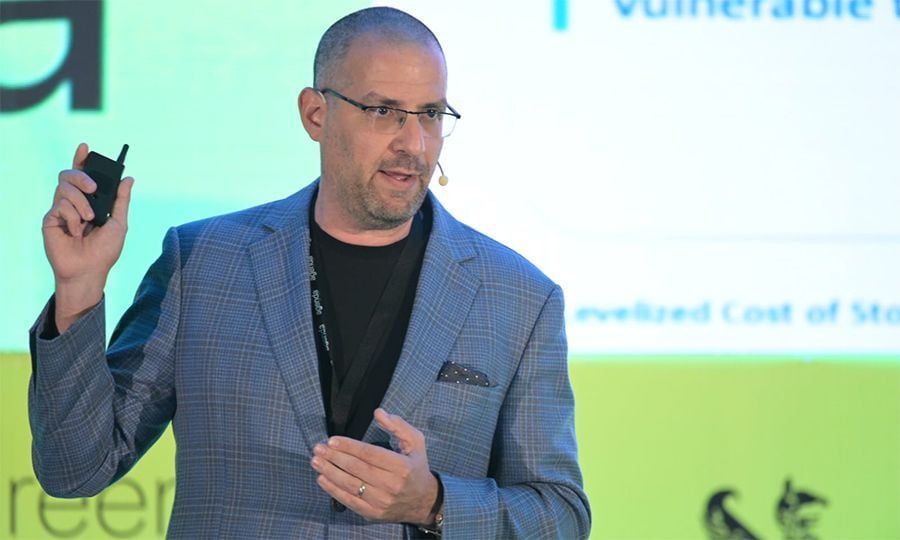
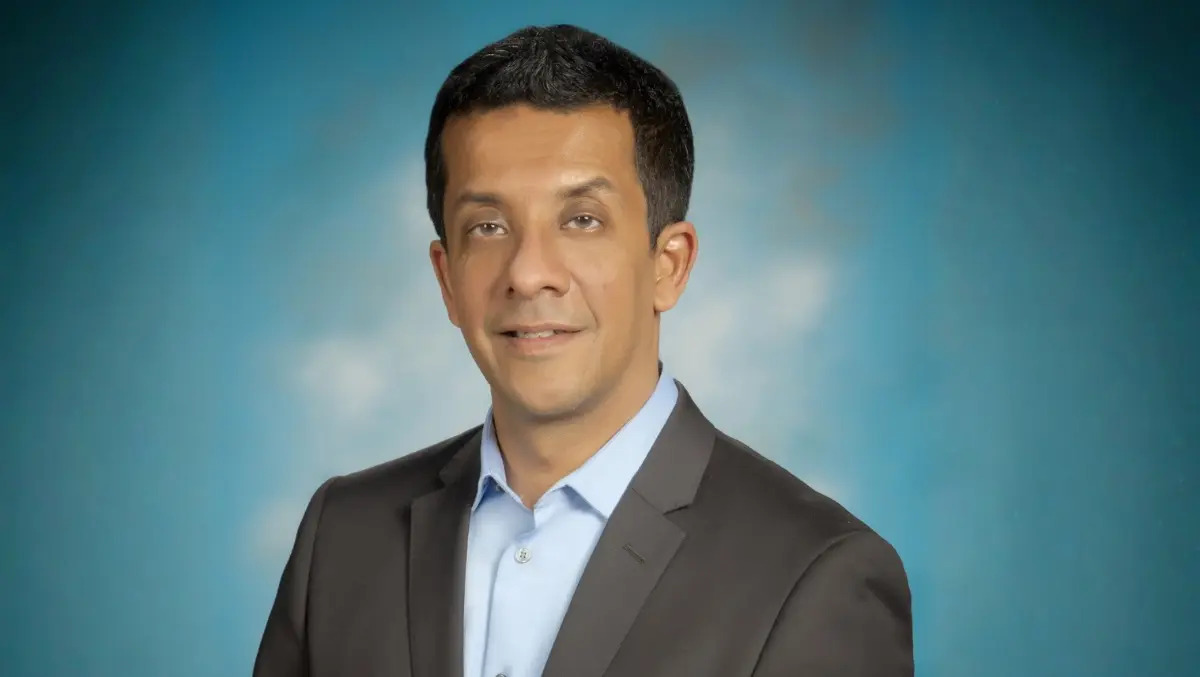
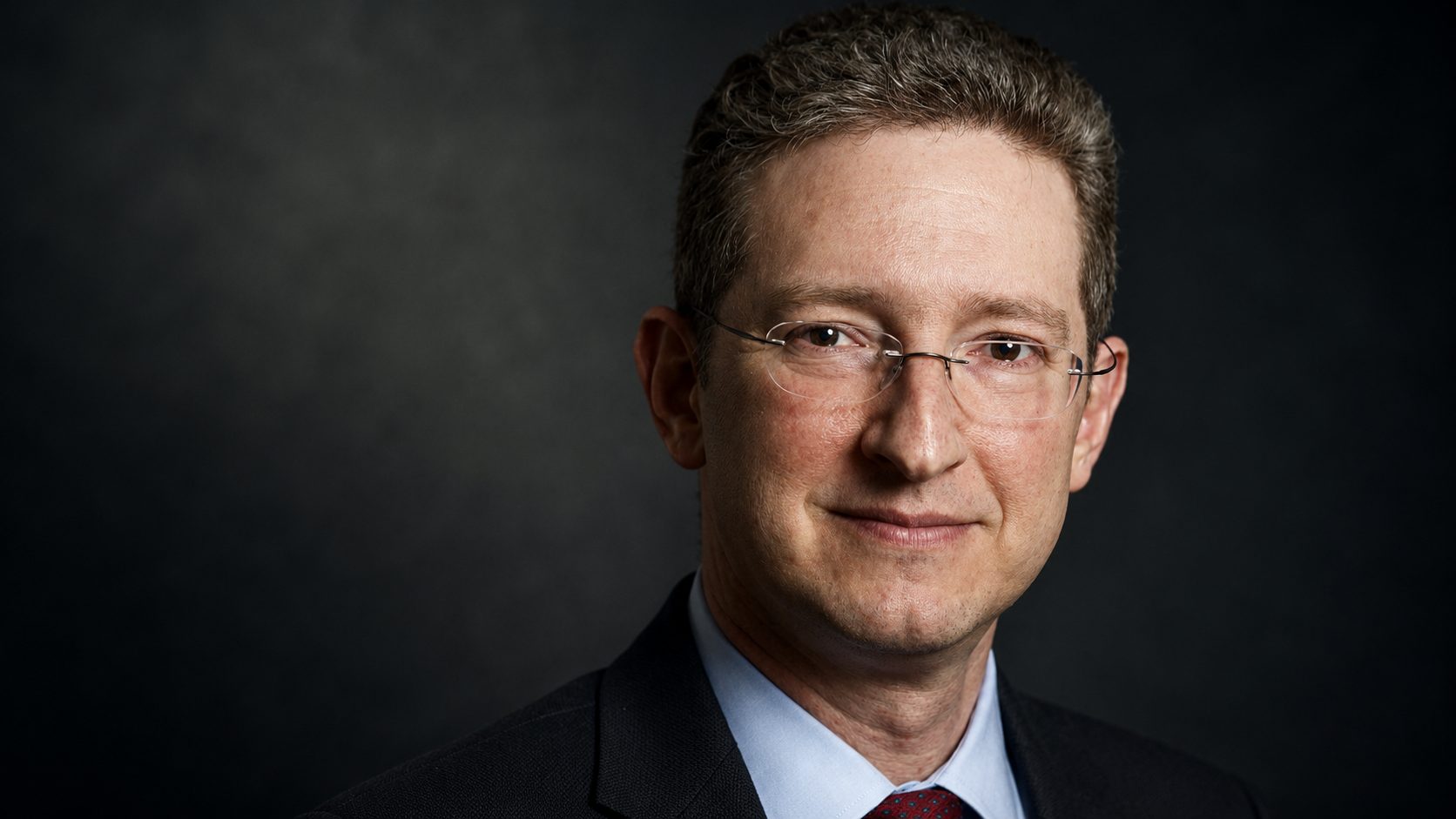
In an interview with NeurologyLive®, Erika Trovato, DO, MS, chief quality officer, associate chief medical officer, and director of the brain injury medicine program at Burke Rehabilitation Hospital, discussed the critical role of comprehensive rehabilitation in bridging the gap between acute care and community reintegration. Throughout the discussion, Trovato highlighted emerging research efforts, including the use of noninvasive neuromodulation and earlier identification of conditions such as obstructive sleep apnea, as well as the importance of supporting caregivers and addressing gaps across the continuum of care to help patients not only recover—but ultimately thrive.
NeurologyLive: Can you provide an overview of your role as a brain injury specialist?
Erika Trovato, DO, MS: As a brain injury specialist, my role is to lead an interdisciplinary team. In a rehabilitation setting such as Burke, we are fortunate to have a fantastic group of clinicians, including physical therapists, occupational therapists, speech-language pathologists, nurses specialized in rehabilitation, case managers, social workers, neuropsychologists, and recreation therapists.
Our interdisciplinary team focuses on improving the function of a patient’s life, which is oftentimes significantly different from where they were pre-injury, and helping them attain a quality of life that they feel dignified and proud of when leaving here. We are very focused on maintaining a patient-centered approach and ensuring that, within a typical length of stay of 2 to 3 weeks, we also connect with caregivers and community supports that patients will need as they transition from rehabilitation to home.
Why is rehabilitation so important for those who suffer a traumatic brain injury (TBI)?
For patients who have sustained a traumatic brain injury, or any form of brain injury, it’s typically not something anyone signs up for. This is usually an acute event, often catastrophic, and it affects not just the patient but also their loved ones. In the acute care hospital, patients are stabilized. For those who have sustained some form of deficit, whether cognitive, behavioral, physical, visual, or related to balance, additional rehabilitation services are required. Rehabilitation helps us assess where patients were before the injury, where they are currently, and how to bridge that gap.
Many of these patients come to a place such as Burke Rehab, where we have a specialized team that can meet those goals and move patients forward. Our goal is to rehabilitate patients as close to their baseline as possible while ensuring they achieve a meaningful quality of life. We also emphasize connecting with both patients and caregivers, ensuring they feel supported not only during their inpatient stay but also as they transition home and into the community; we aim to fulfill that entire continuum of care.
Is there any relationship between acute ischemic stroke diagnosis and TBI care?
Absolutely, from a rehabilitation standpoint, stroke, TBI, and nontraumatic brain injuries all fall under the umbrella of neurorehabilitation. Our approach depends on the etiology, how the patient sustained a brain injury, and often times that does inform us. Whether it’s an ischemic stroke, a hemorrhagic stroke, or a traumatic event, each affects different areas of the brain. This informs how we tailor our rehabilitation approach. From a neurorehabilitation standpoint, it’s critical that we assess where patients have deficits and ensure that the equipment, technology, and therapeutic strategies we use align with those deficits. We also focus on helping patients compensate where necessary.
What trends have you noticed on the research side of the brain injury field?
We’re seeing more research dedicated to patients who have sustained brain injuries—not just stroke. Historically, much of the research in this space came from stroke populations, and early TBI research often extrapolated from stroke data. Now, we’re seeing increased focus not only on the acute phase of injury but also on the sequelae, the long-term impairments patients experience. Research is increasingly aimed at understanding these impairments and tailoring interventions to improve outcomes.
For example, we have many patients with communication deficits who struggle to express their needs. We’ve aligned with NYU on a study exploring noninvasive neurological modulation to improve speech deficits over time. We also know that brain injury is linked with sleep disorders, particularly obstructive sleep apnea. We are working to identify these conditions earlier in the inpatient rehabilitation setting rather than waiting until after discharge.
At Burke, we’re collaborating with Montefiore Health System to roll out technology that can better detect obstructive sleep apnea earlier. This allows for earlier intervention with oxygen or other ventilation support, which we hope will improve patient outcomes as they progress through recovery. Overall, there are many exciting developments, not just in acute care, but in addressing long-term deficits using research, technology, and innovation to ultimately improve quality of life.
What are some emerging technologies in this field?
There has been increasing utilization of technologies that have actually been around for some time but are now being applied in new ways. One example is transcranial direct current stimulation (tDCS), a noninvasive method used to stimulate areas of the brain that have been damaged.
We’re exploring how to use this technology differently, such as adjusting frequency or application, to improve deficits like communication challenges following stroke or other brain injuries. This is a good example of how existing technologies are being leveraged to address common sequelae of brain injury more effectively.
What does the future of brain injury research and care look like?
I think the future will increasingly focus on the realities of life after a brain injury. There will be more research on caregiver needs, patient support systems, and long-term outcomes. Brain injuries often involve cognitive deficits, meaning patients may require ongoing support even after leaving the hospital. Caregivers, who are often family members, take on new responsibilities while balancing their existing ones.
We’ll likely see more research addressing these dynamics. It’s also important to highlight organizations like the Brain Injury Association of New York State (BIANYS), which Burke partners with to support patients transitioning back into their communities. The goal is not just survival; its helping patients thrive. We want to ensure they continue on an upward trajectory and reintegrate into their communities. This also involves identifying gaps in the continuum of care and figuring out how to fill them. For example, in concussion care, it’s important to have dedicated centers that educate and support both youth and adults who sustain these injuries.
Do you have any final thoughts on the brain injury space?
I would emphasize that brain injury is often what we call an “invisible injury.” It’s not always apparent to others when someone has sustained a brain injury, which can make the experience isolating for patients. It’s important to maintain awareness and education—for patients, caregivers, and the broader community. Supporting caregivers and promoting support groups can have a meaningful impact.
We also need to raise awareness of community resources, such as those provided by organizations like BIANYS, and continue supporting their efforts to help individuals recover and thrive after brain injury.
Transcript edited for clarity.