Rising mortgage costs are putting growing pressure on household finances, particularly for those already relying on benefits.
As repayments climb, more families are turning to government support just to stay afloat.
A growing number of benefit-receiving households are now relying on a little-known government loan scheme to cover their mortgage interest payments.
Take-up of the Support for Mortgage Interest programme has risen by 21 per cent over nearly three years, increasing from 12,000 households in February 2023 to 14,500 by November 2025.
The scheme allows homeowners with someone in the household claiming certain benefits to take out a loan to cover mortgage interest or home improvement loan costs.
Those on income support, jobseeker’s allowance, employment and support allowance, universal credit and pension credit may be eligible.
Changes to eligibility criteria have contributed to the uptick in applications. From April 2023, those receiving universal credit became able to apply after just three months rather than the previous nine-month waiting period.
The following month brought a further expansion, with recipients of in-work benefits also becoming eligible for the scheme.
Recent figures from the Department for Work and Pensions reveal that universal credit claimants made up 85 per cent of those accessing the loans in the three months to November 2025. Pension credit recipients accounted for a further 12 per cent of the caseload during this period.

Families on benefits rush to little-known DWP scheme to cover mortgage costs
|
GETTYMortgage broker David Hollingworth suggested the figures indicate households are seeking whatever assistance they can find.
“While lots of people will try to avoid the scheme because it is a loan, this does suggest that many are having to look for any help they can get,” he said.
He noted that multiple factors could be driving the trend, pointing out that February 2023 came shortly after the Liz Truss mini budget of September 2022, when inflation was climbing and interest rates were on the rise.

The figures indicate households are seeking whatever assistance they can find
|
GETTY“Even with the broadened eligibility it seems possible that more people are in need of this support,” Hollingworth added.
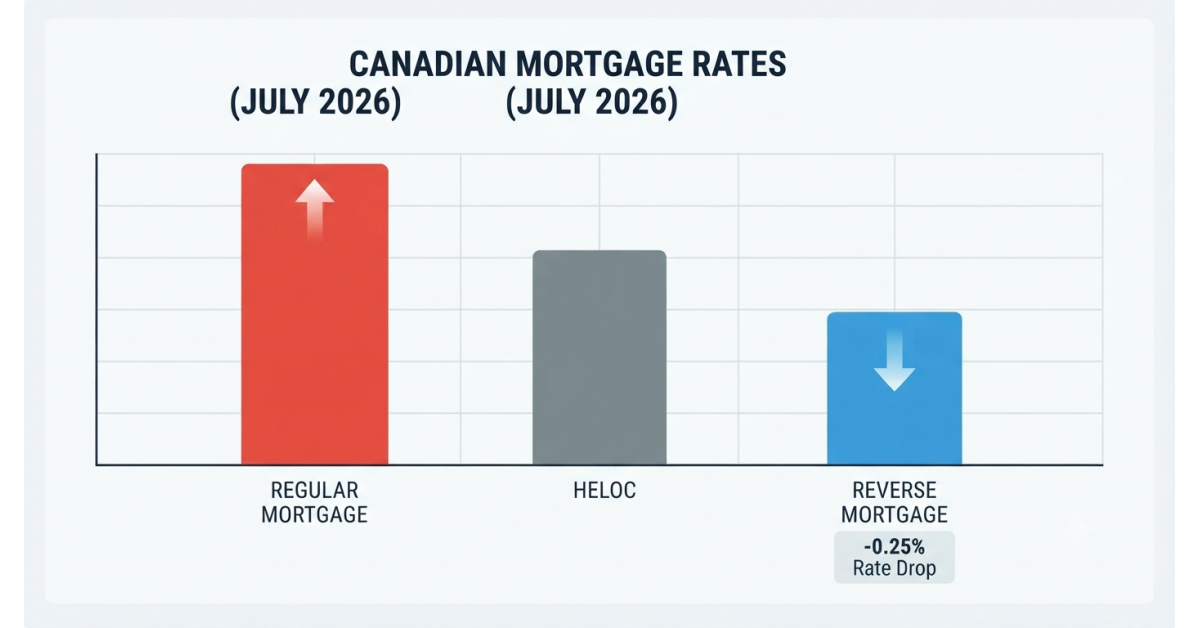
Mortgage rates have climbed since the Middle East conflict erupted at the end of February.
The average two-year fixed rate has risen from 4.83 per cent at the beginning of March to 5.89 per cent currently, while five-year fixed deals have increased from 4.95 per cent to 5.77 per cent.

The spokesperson said household incomes had risen five per cent in real terms while food bank usage had declined
|
GETTYA DWP spokesperson acknowledged growing demand for housing and living cost support, highlighting the government’s £1billion Crisis and Resilience Fund, National Living Wage increases of up to £900 annually for full-time workers, and £39 billion investment in affordable and social housing.
The spokesperson said household incomes had risen five per cent in real terms while food bank usage had declined.