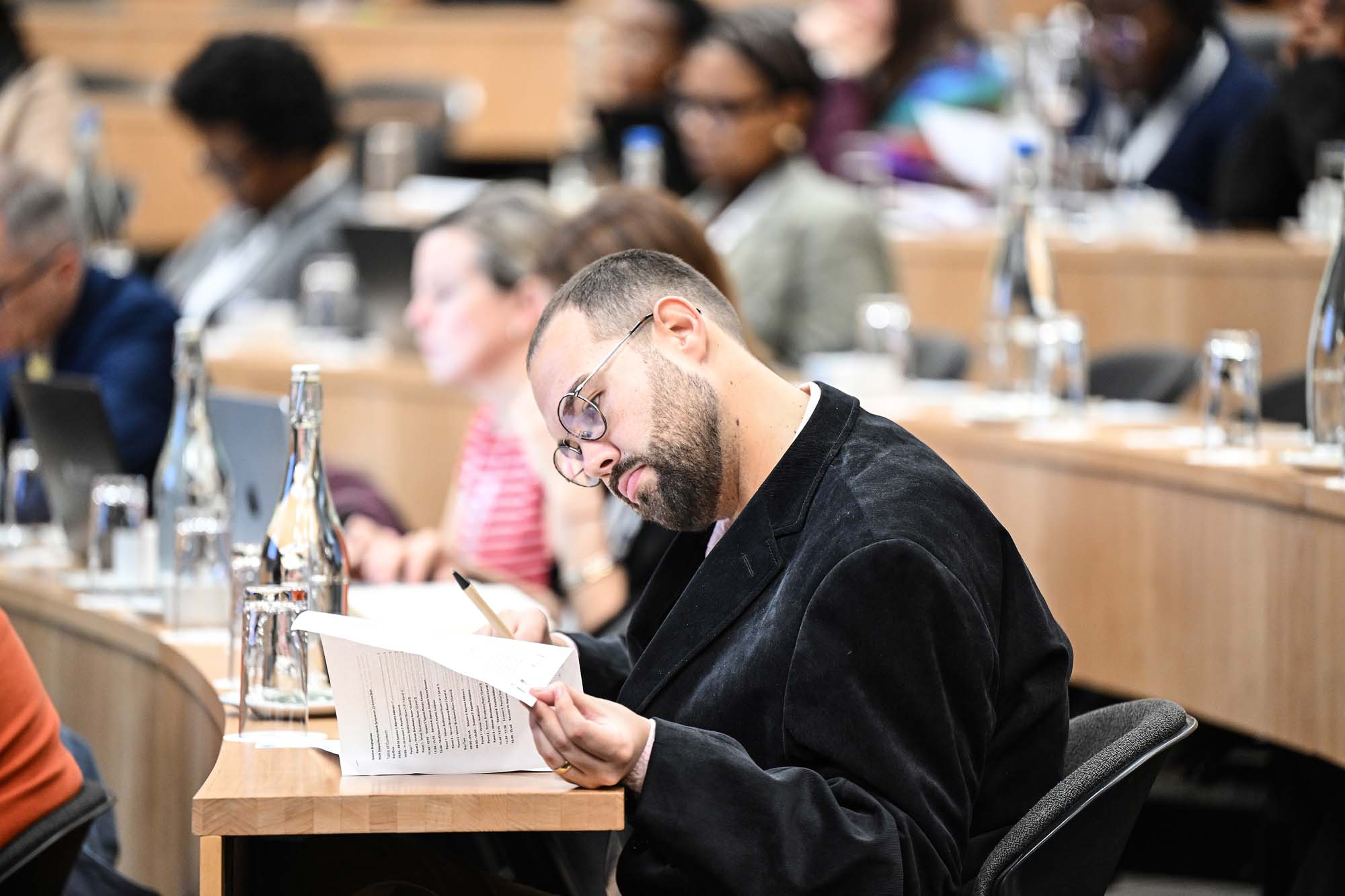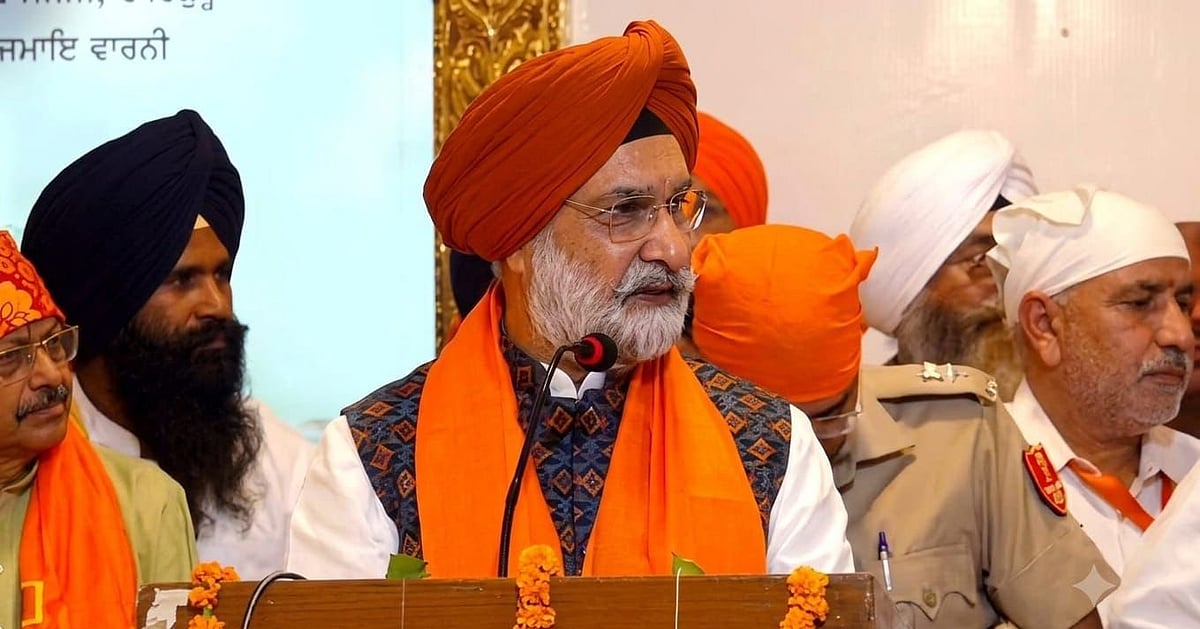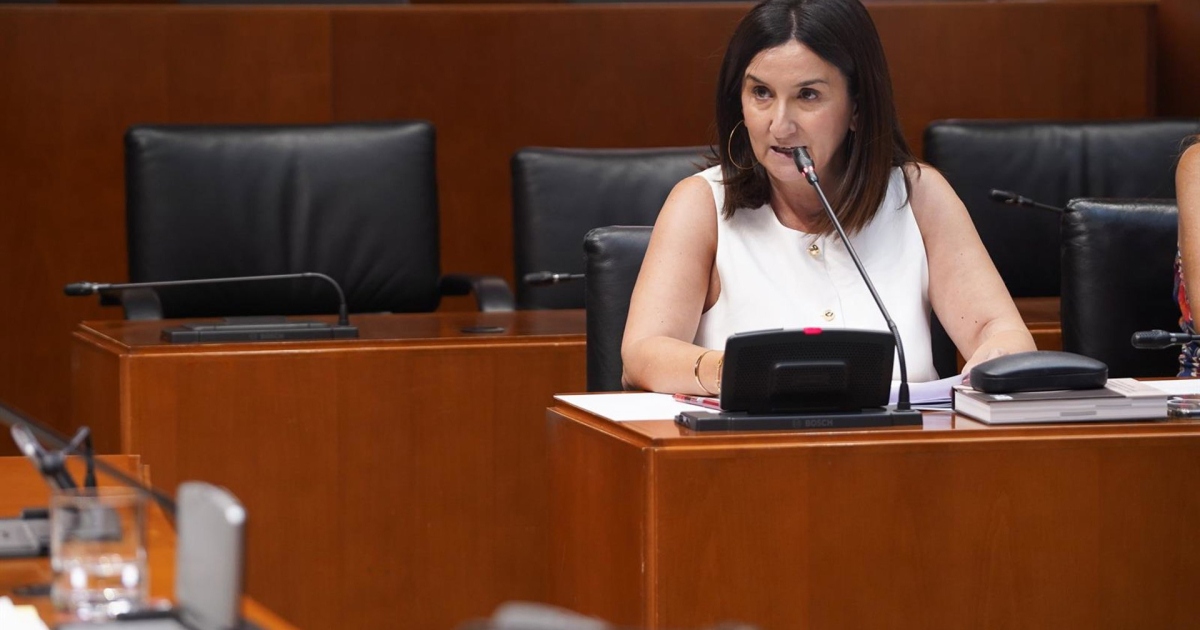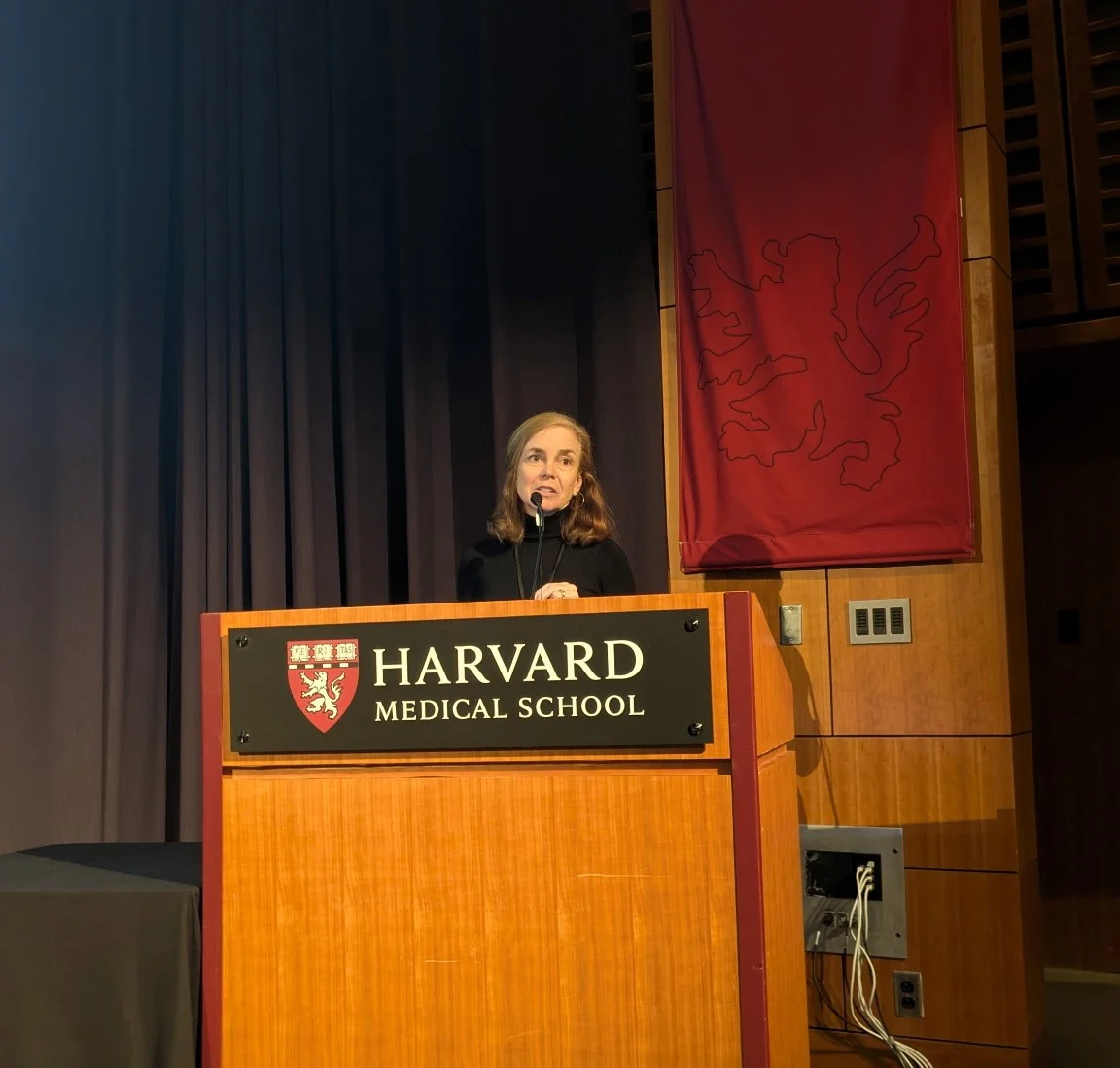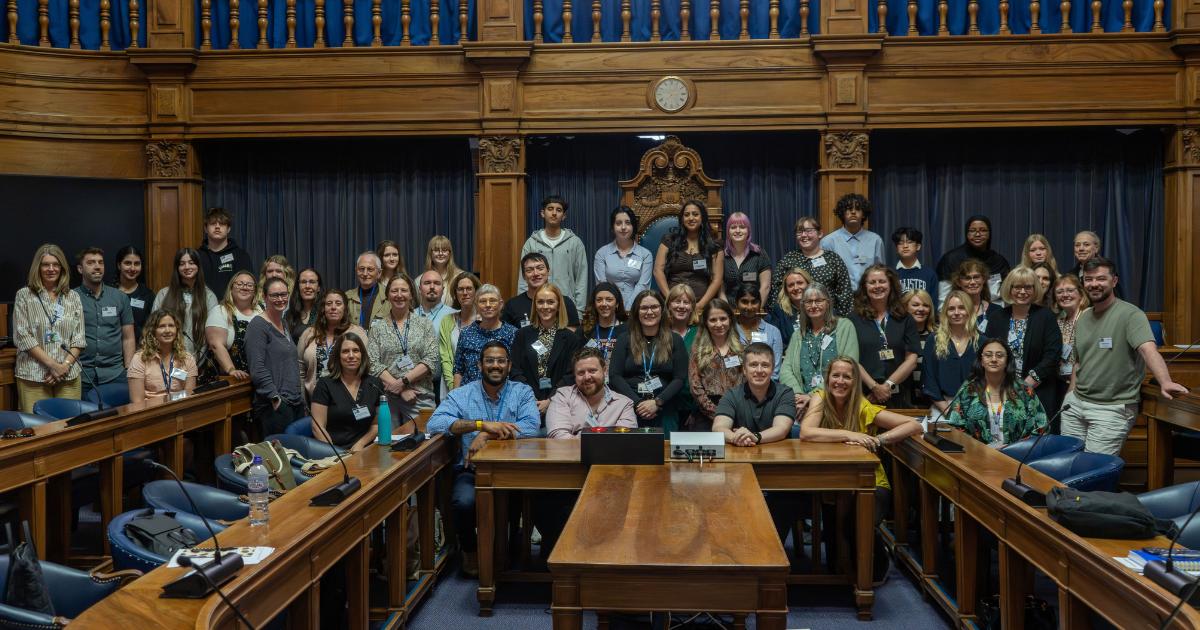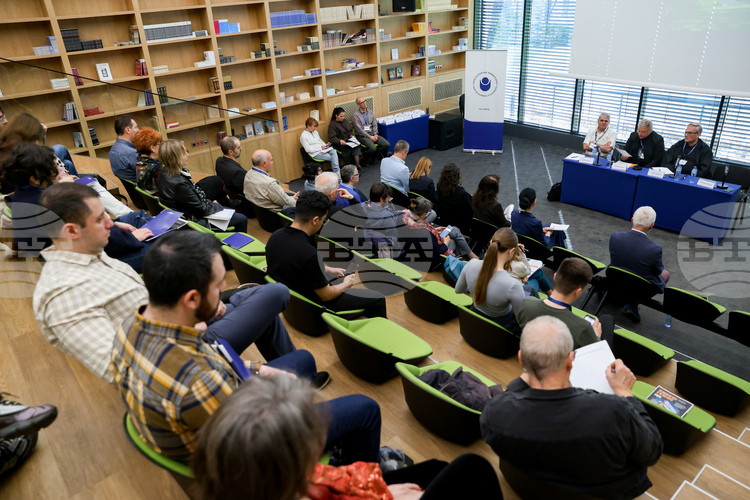
New Bulgarian University (NBU) is hosting a two-day international conference in Sofia marking the 40th anniversary of the Chernobyl nuclear disaster, bringing together leading scholars from Europe, the United States and Bulgaria to reassess the political, social and health impacts of one of the world’s worst nuclear accidents.
The forum, titled “The Radioactive Decay of the Iron Curtain: Rethinking the Chernobyl Disaster in Comparative Perspective”, is organized by NBU, the Institute for Studies of the Recent Past and the Centre for Advanced Study, with the support of the Konrad Adenauer Foundation and the Embassy of Ukraine in Bulgaria.
The conference aims to revisit how the 1986 disaster influenced environmental awareness, accelerated the weakening of communist regimes in Eastern Europe, and reshaped global approaches to nuclear safety.
Bulgaria and the Chernobyl disaster
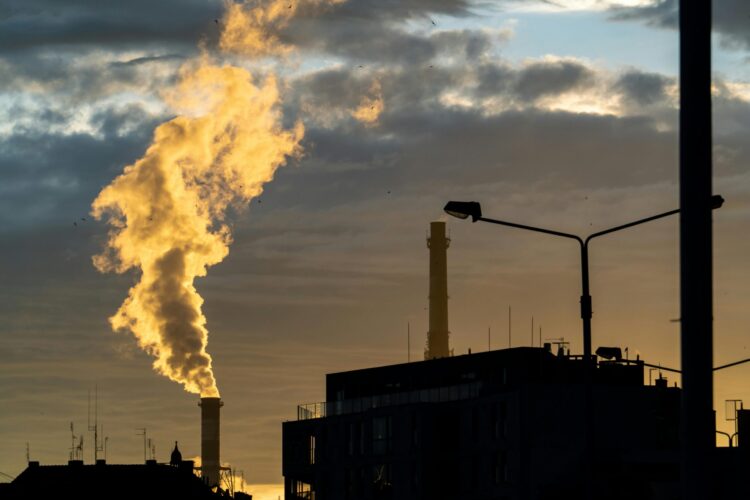
When reactor No. 4 at the Chernobyl Nuclear Power Plant in Soviet Ukraine exploded on April 26, 1986, a radioactive cloud spread across much of Eastern Europe, including Bulgaria. The explosion released large quantities of radioactive particles into the atmosphere, which were carried over the region in the following days. In Bulgaria, then under the rule of the Bulgarian Communist Party and its strongman Todor Zhivkov, the authorities withheld information about the scale of the disaster from the public. While no broad nationwide protective measures were introduced at the time, steps were taken to shield senior party officials and members of the armed forces from radiation exposure. Bulgaria was among the most affected countries in Europe, ranking fifth in terms of radioactive contamination after Sweden, Finland, Austria, and Norway, according to investigative accounts of the period.
Following is a takeaway from what the speakers at the NBU forum said.
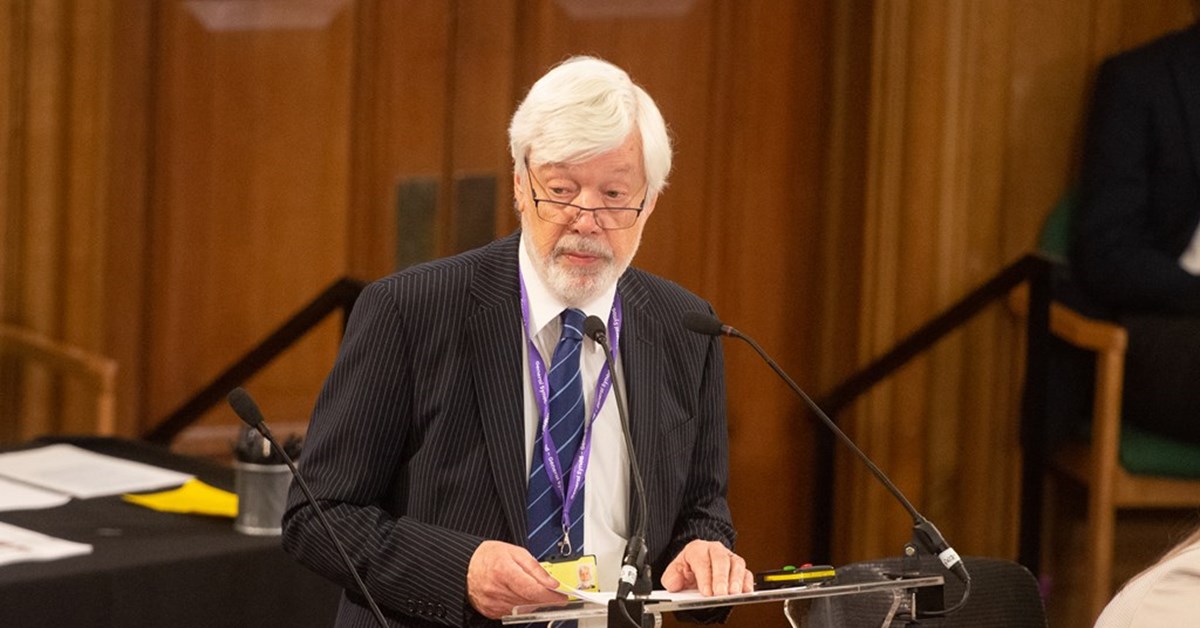
The event was opened by Prof. Veselin Metodiev, chair of NBU’s Board of Trustees, who said the key lesson from Chernobyl lies in understanding both technological risk and the dangers of non-democratic governance. He drew parallels between nuclear energy and emerging technologies, warning that artificial intelligence in authoritarian contexts could also pose significant risks.
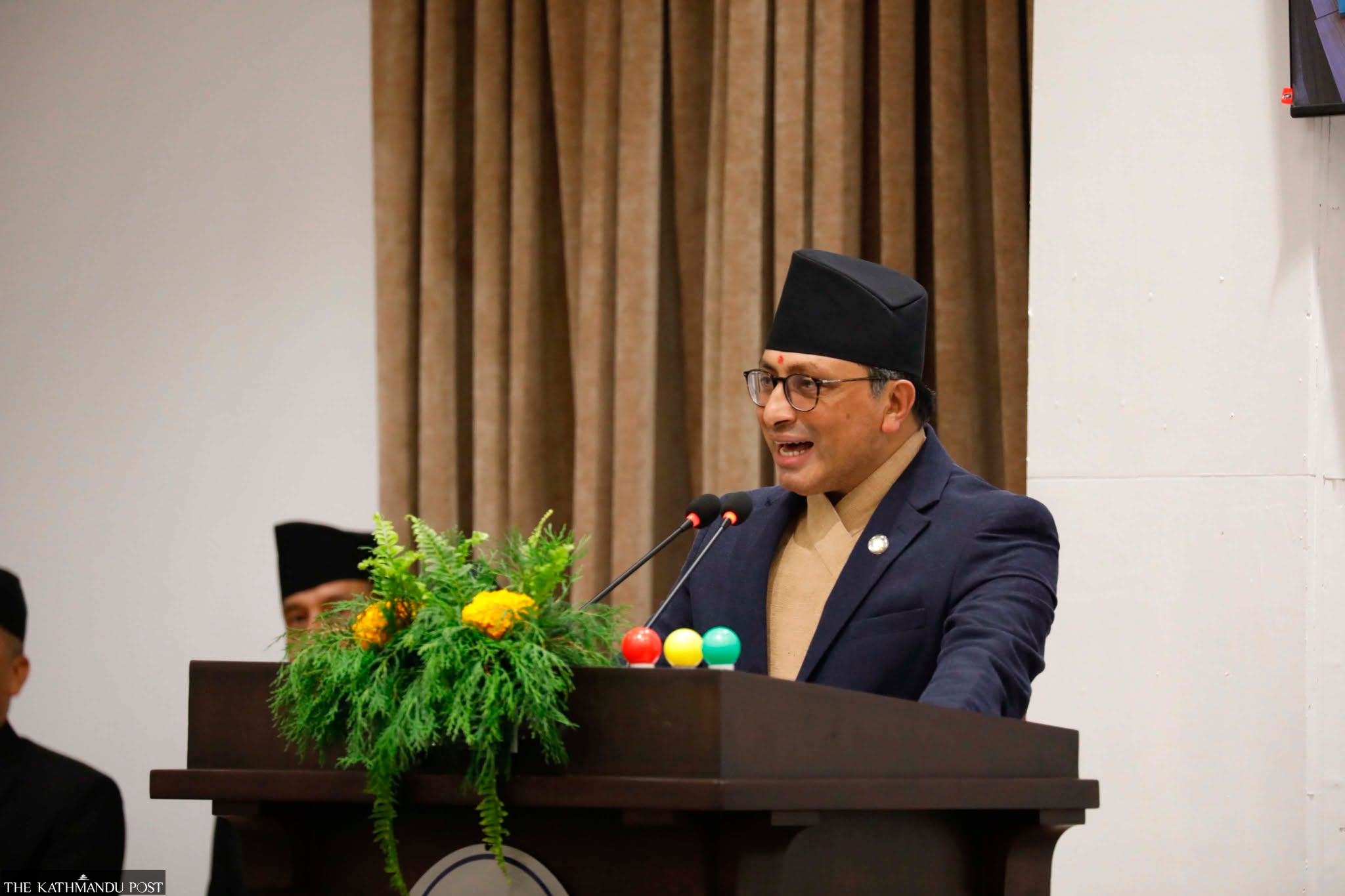
Caretaker Environment Minister Julian Popov described Chernobyl as a “deep trauma” for Ukraine, Europe and Bulgaria, noting that for years the subject was left largely untouched. He said that only in recent decades has society begun to fully confront its consequences, stressing that progress is impossible without acknowledging and discussing past traumas.
Ukrainian Ambassador Olesya Ilashchuk said the Chernobyl tragedy represents a shared memory and a lesson in responsibility, warning against the suppression of truth in authoritarian systems. She highlighted the ongoing relevance of nuclear safety and expressed gratitude to Bulgaria for its solidarity with Ukraine.
Philosopher Prof. Dimitar Vatzov argued that Chernobyl exposed the myth about the efficiency of totalitarian systems during crises, where blind obedience contributed to systemic failure.
From Drexel University, Prof. Jose Tapia outlined the human toll of the disaster, citing the evacuation of nearly 250,000 people and the exposure of around one million “liquidators” involved in containment efforts.
According to Dr. Norbert Beckmann-Dierkes of the Konrad Adenauer Foundation, Chernobyl is not only a historical event to study but also a responsibility to confront, emphasizing that its consequences are fundamentally human and tied to institutional trust and transparency.
History professor Momchil Metodiev of NBU said the lack of response from Bulgaria’s former State Security reflected structural weaknesses in the socialist system, adding that the crisis contributed to the rise of environmental protests in the late 1980s and ultimately to the end of communist rule.
Timur Lavrenchuk of Ukraine’s Security Service archives presented comparative analysis of how intelligence services and state media across Eastern and Western blocs reported the disaster, noting differences in timing and transparency.
Media scholar Stoyko Petkov said that under socialism Bulgarian media functioned as instruments of state control rather than public information channels, with coverage of Chernobyl delayed, limited and ideologically framed.
Tomasz Lewandowski of the University of Social Sciences and Humanities in Poznan discussed the legal and ethical obligations of states to disclose environmental risks, stressing that transparency and timely public protection are central to human rights in large-scale technological disasters.
A special panel will also examine how Chernobyl has been represented in art, while Harvard historian Prof. Serhii Plokhii is set to deliver an online lecture. Survivor and liquidator Dr. Serhii Myrnyi is among the participants in the forum.