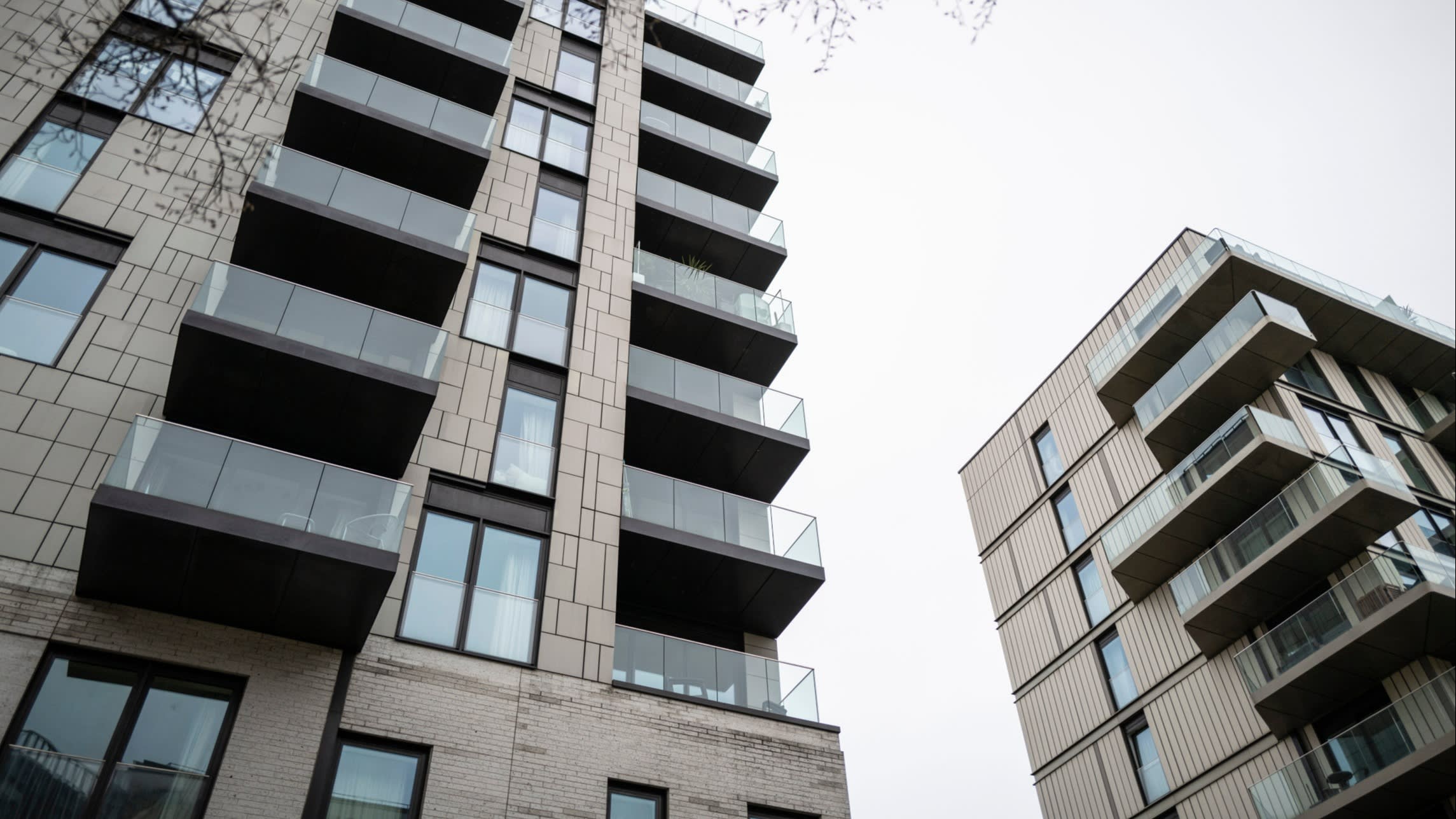
Eddie Dilleen is one of Australia’s biggest residential landlords. He reckons he now has 200 properties in his portfolio.
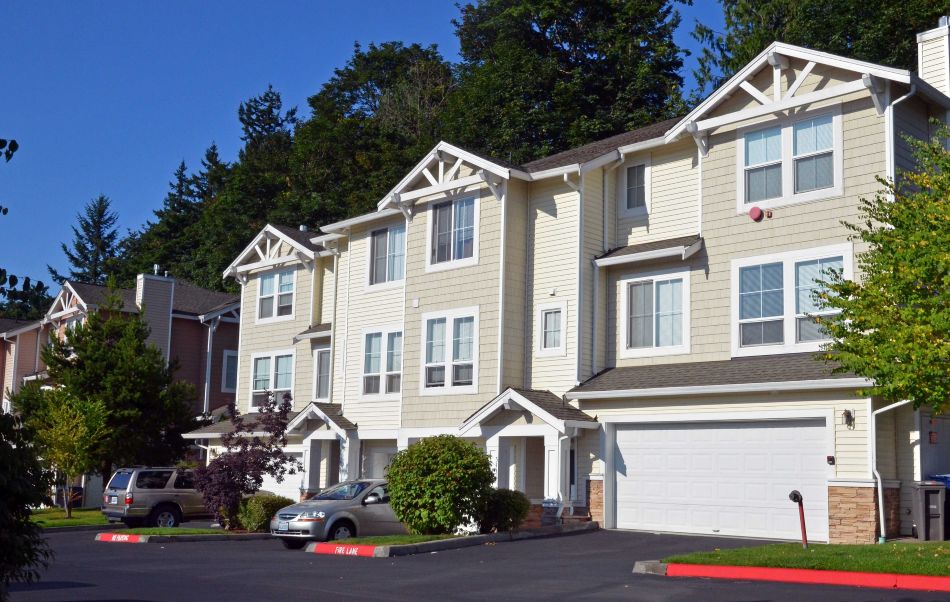
But he just bought perhaps his favourite house yet. More than 25 years after his parents divorced and sold the family home for $97,000, he has purchased it back for a bit under $1 million.
“I just bought it sight unseen,” he told Yahoo Finance.
RELATED
Dilleen said he has spent the past decade periodically checking if the house had returned to market.
“You can set reminders and stuff like that, but when I was on my phone messing around, I would randomly check it literally every one or two weeks for the past 12 years.”
His parents first bought the home in the far western suburbs of Sydney in 1985 for $51,000. When he saw it listed, he felt “an overwhelming rush of excitement,” he said.
“This home holds some of my best memories… and some tough ones too. But today, it represents something completely different,” he wrote online, sharing a photo of himself next to the sold sign on Tuesday. “It’s proof that where you start doesn’t define where you finish.”
He ultimately bought it for 19 times what his parents paid for it 41 years ago.
“The affordable properties and suburbs, they usually grow at a higher percentage value. I’m all about percentages,” he told Yahoo Finance.
“Everyone talks about the best, blue chip locations, but I buy everywhere.”

Dilleen, who is in his mid 30s and also runs a buyers agency and writes books about real estate investing, estimates the properties he owns are now collectively worth about $150 million (he likes to buy blocks that contain multiple units) with about $60 million in debt against that.
According to ATO data, he is about one of 166 mega landlords who own 20 or more rental properties in their own name. Dilleen said he owns “about 30 or 40” in his own name, and others through trust and company structures.
Landlords overly reliant on negative gearing ‘will be wiped out’
With less than two weeks until the Labor government hand downs its promised “ambitious” budget, property investors are bracing for possible changes to the rules around tax deductions related to investments.
One of the most commonly used is negative gearing, which allows landlords to claim losses to reduce the amount of income tax they pay. But its days could be numbered with the federal government expected to cap, or possibly even scrap, the existing policy under certain circumstances. While no announcements have actually been made, most observers expect such a change to be grandfathered in for existing investors.