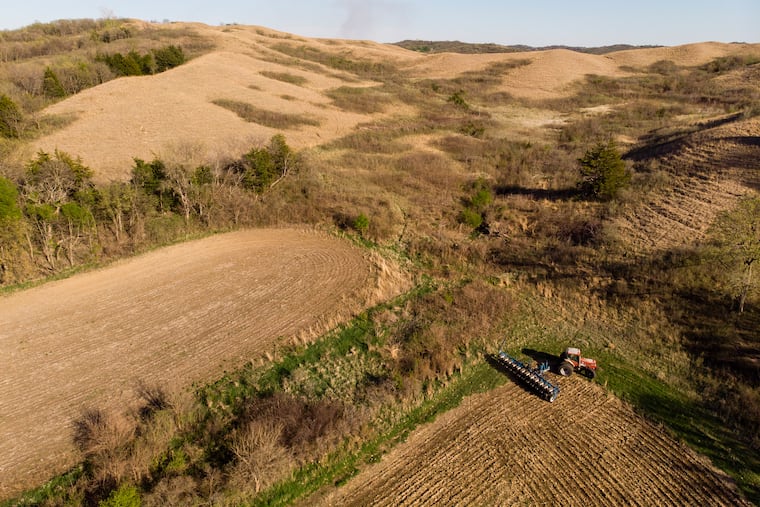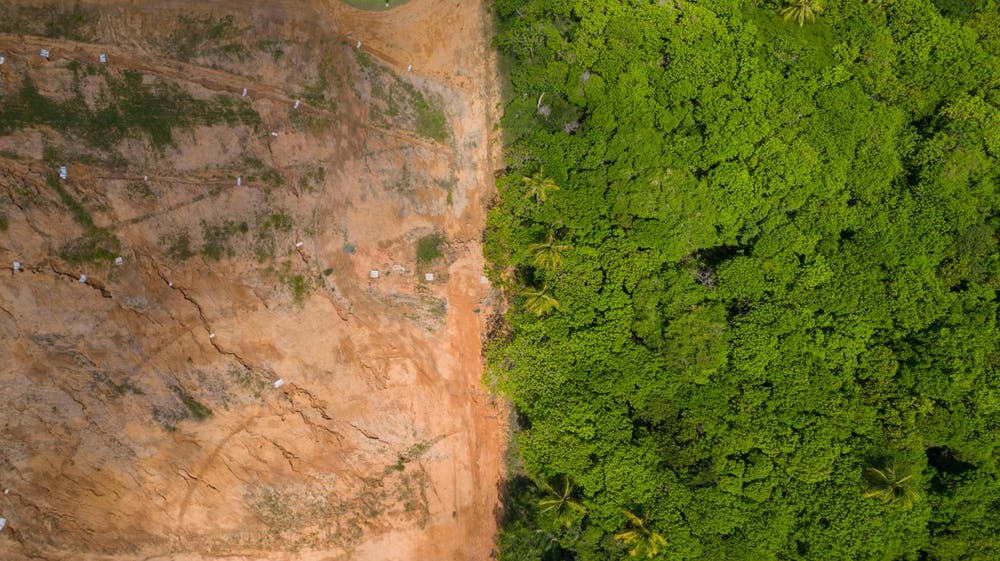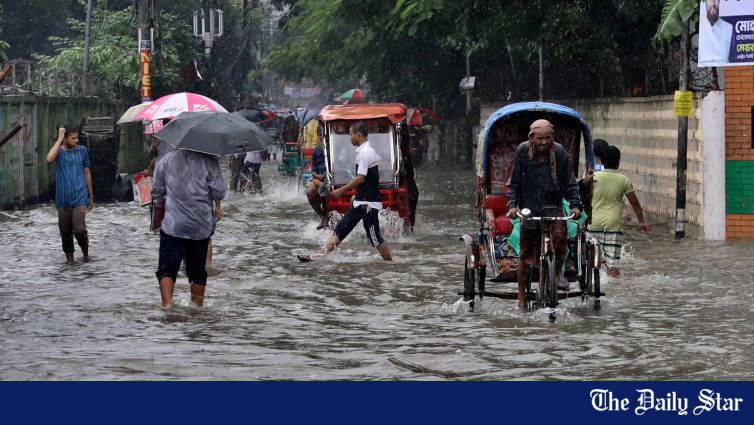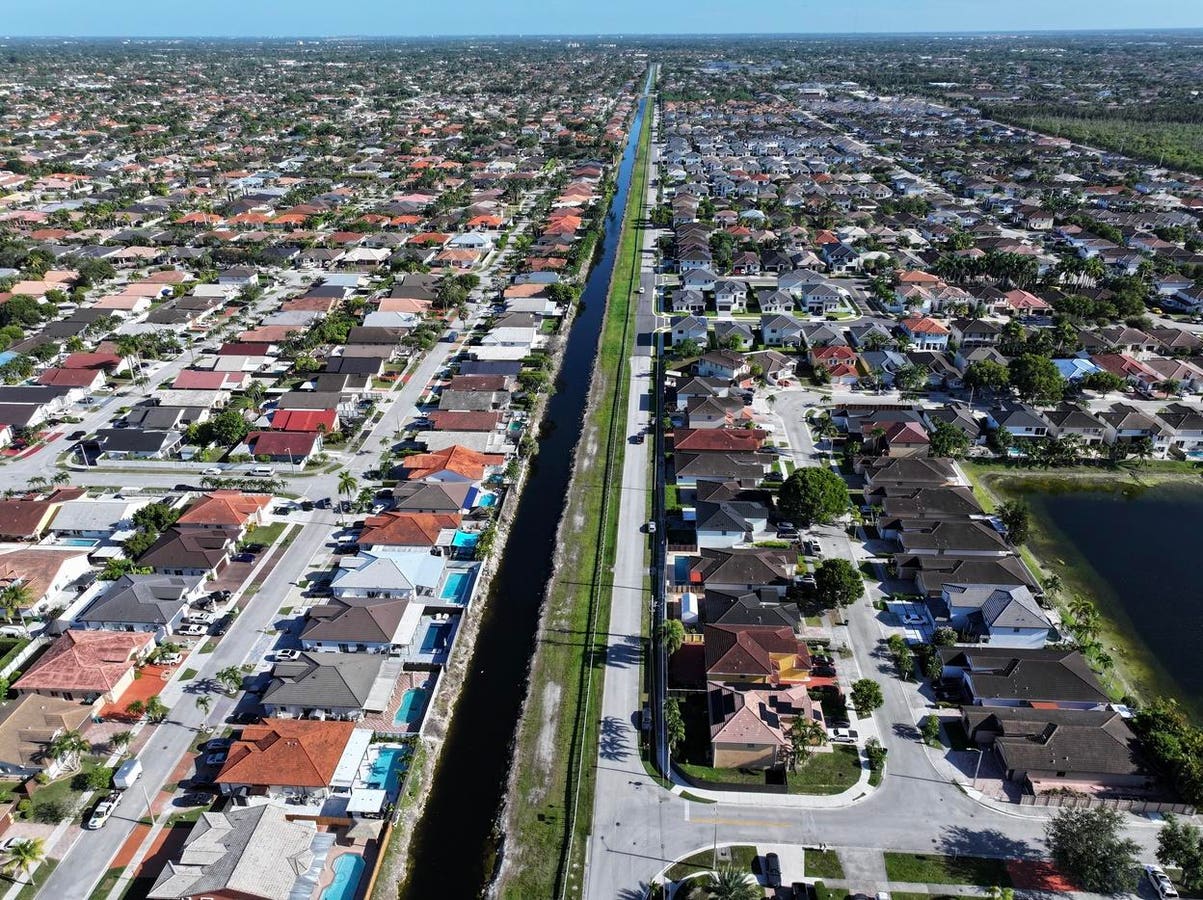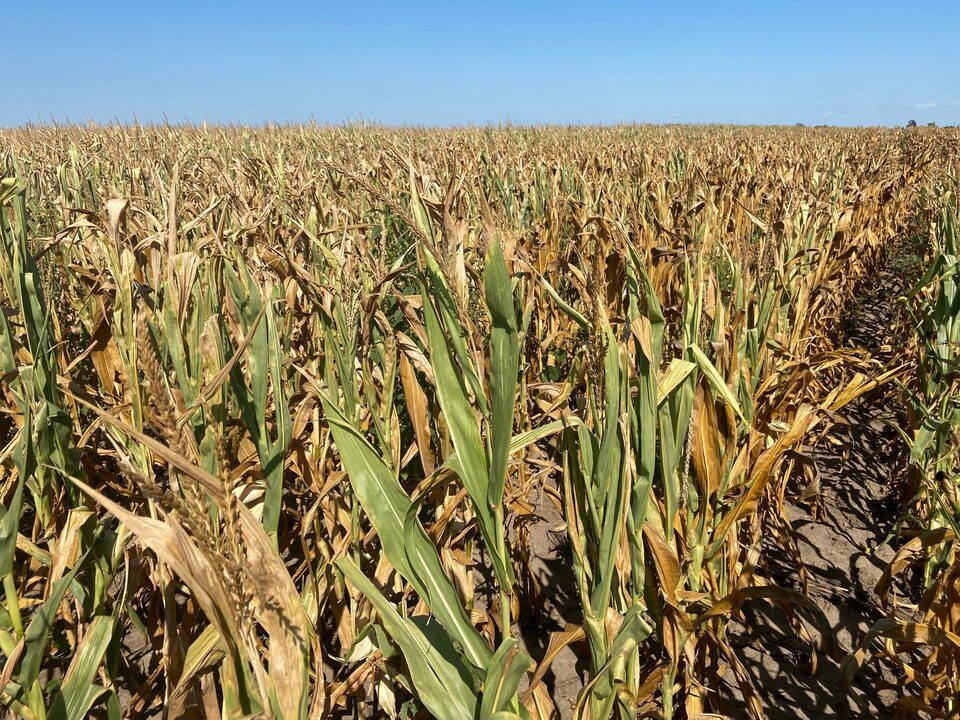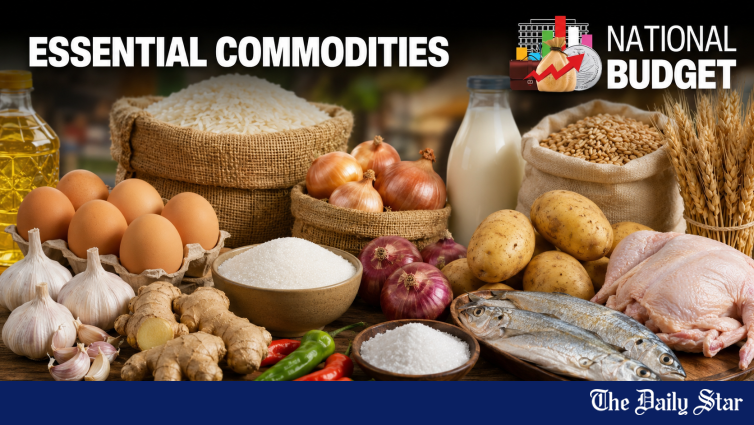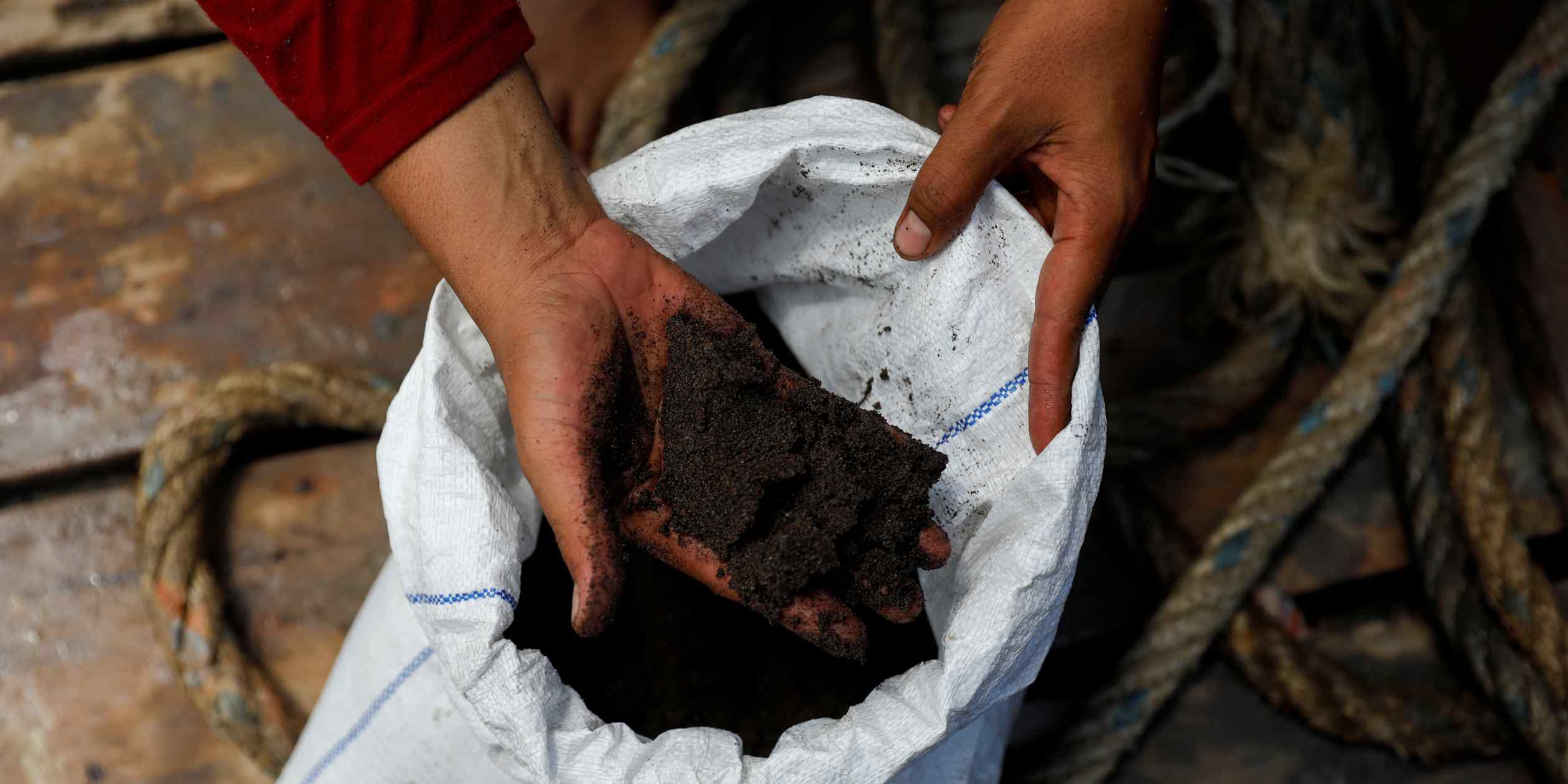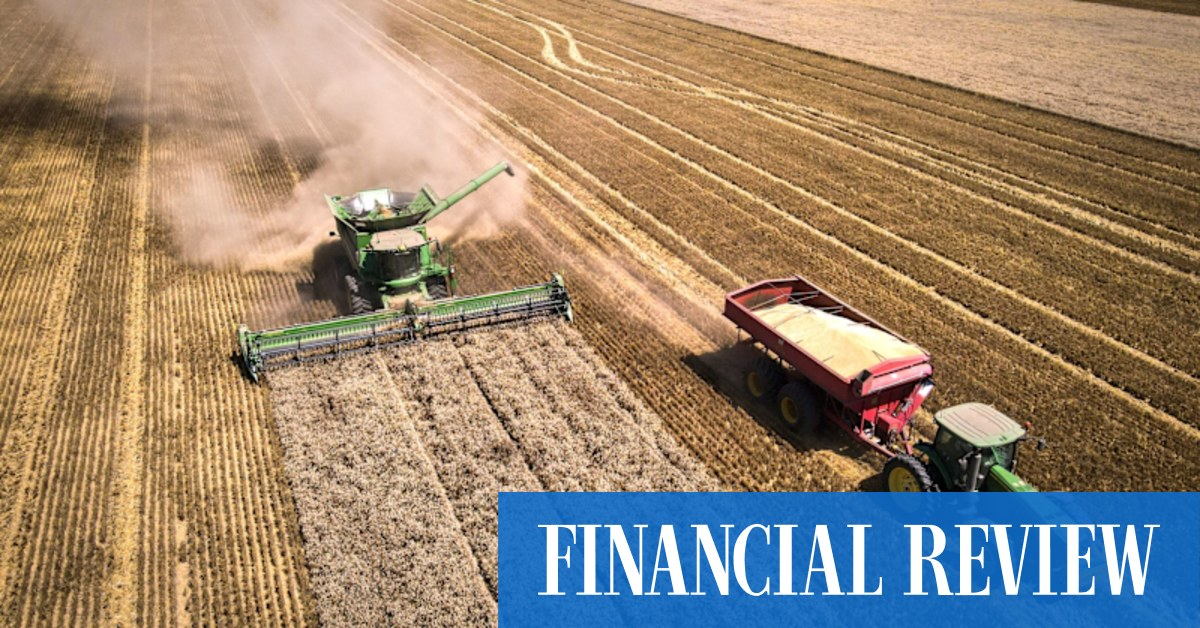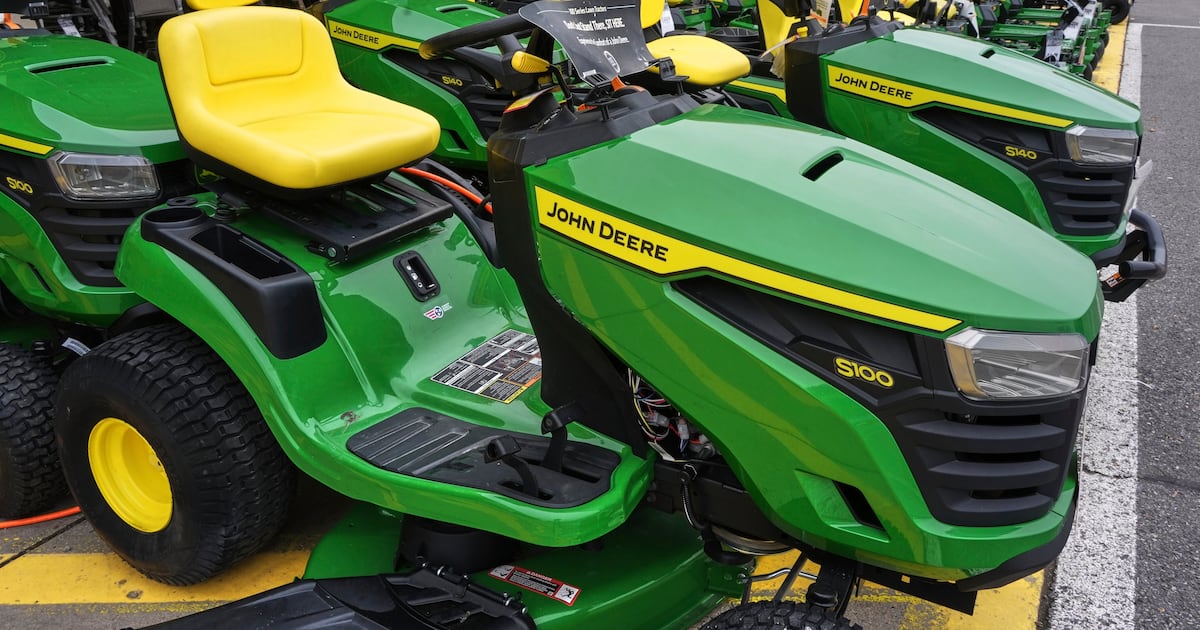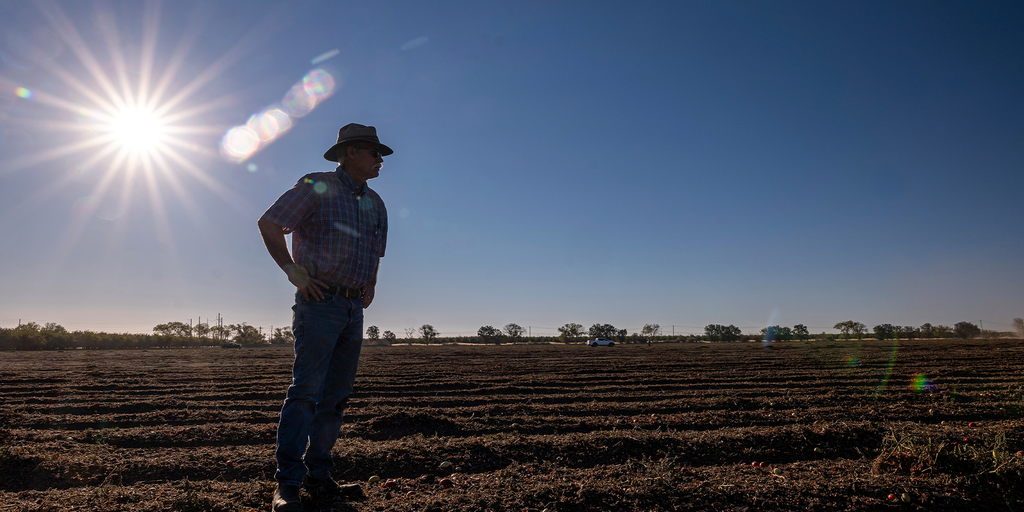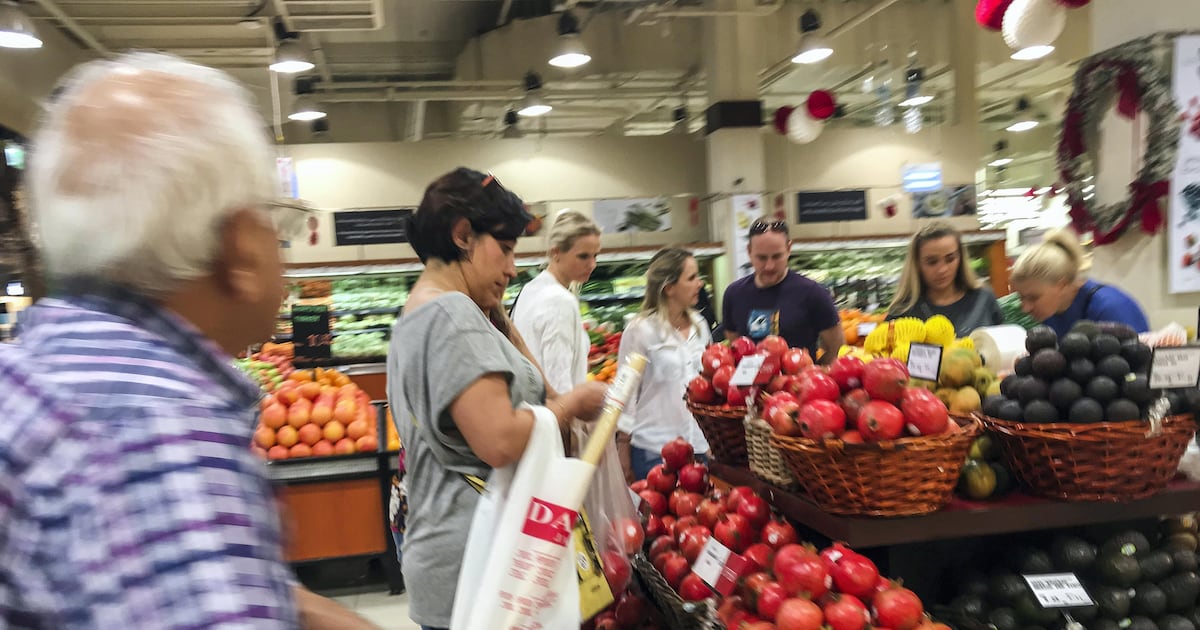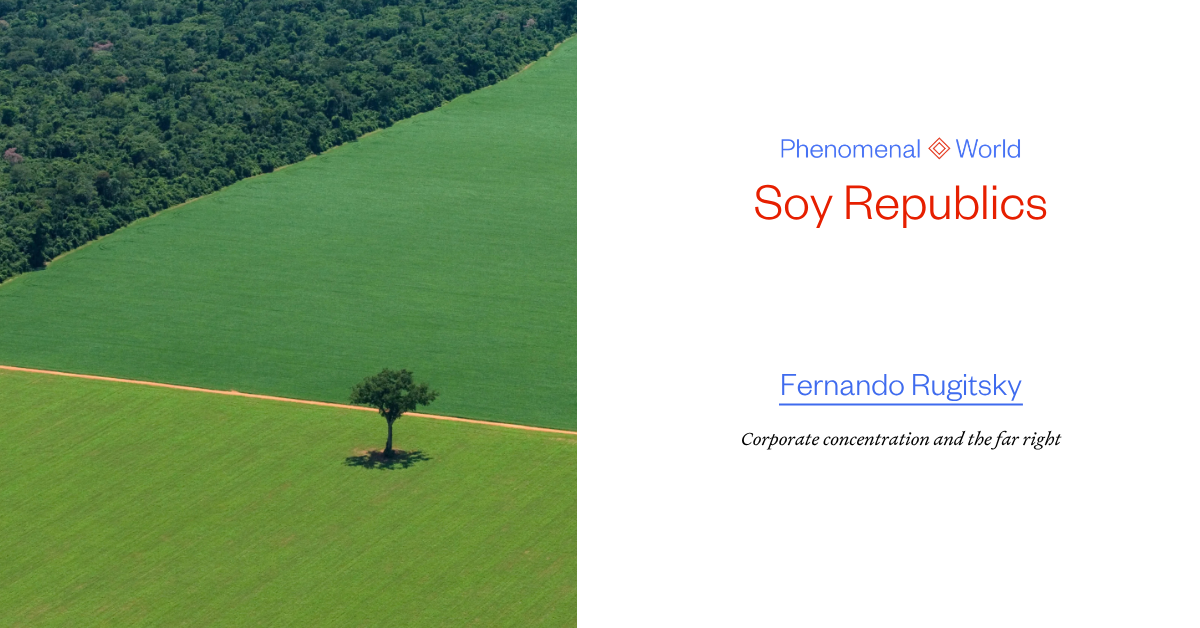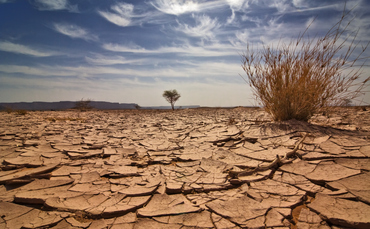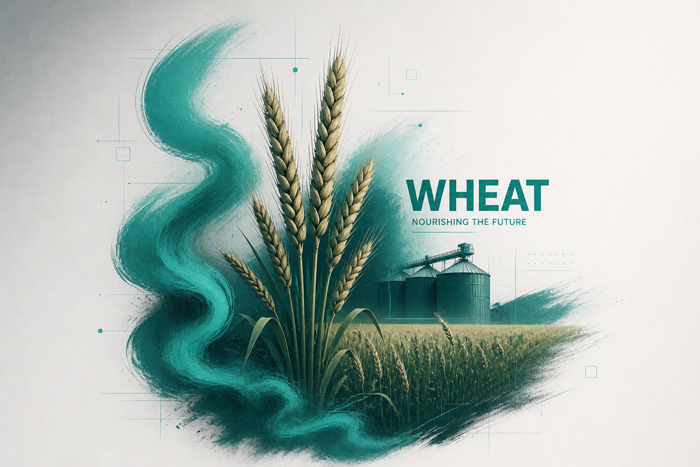
More farmers are being pushed toward financial distress as fertilizer, fuel and operational costs remain elevated. At the same time, traders are increasing bullish exposure to soft Commodities including Wheat, Soybean, Sugar, Cocoa, Coffee and Corn, driven by geopolitics, supply concerns and fears of a possible “super” El Niño pattern in the second half of 2026.
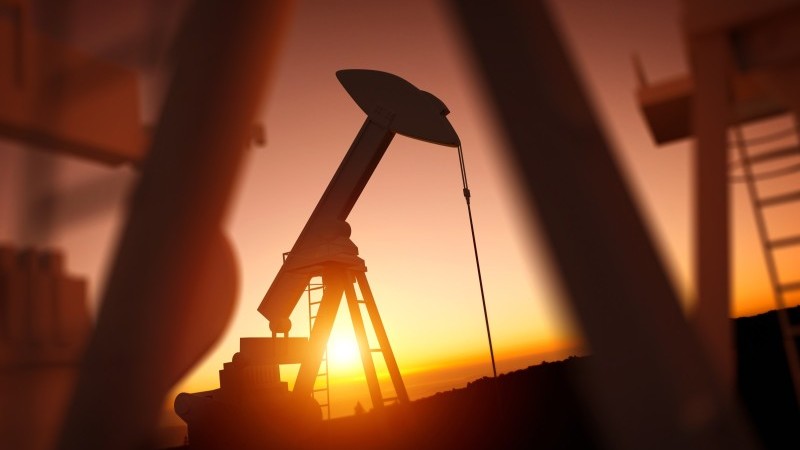
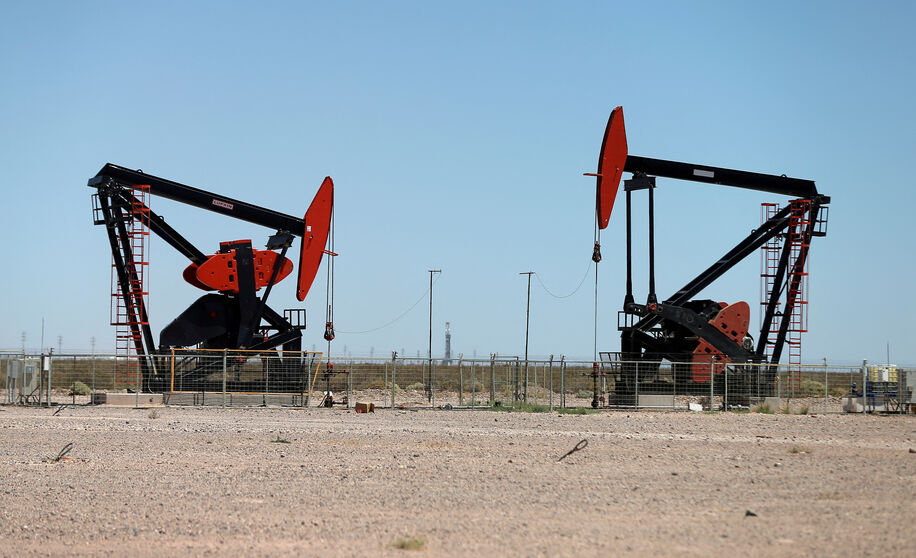
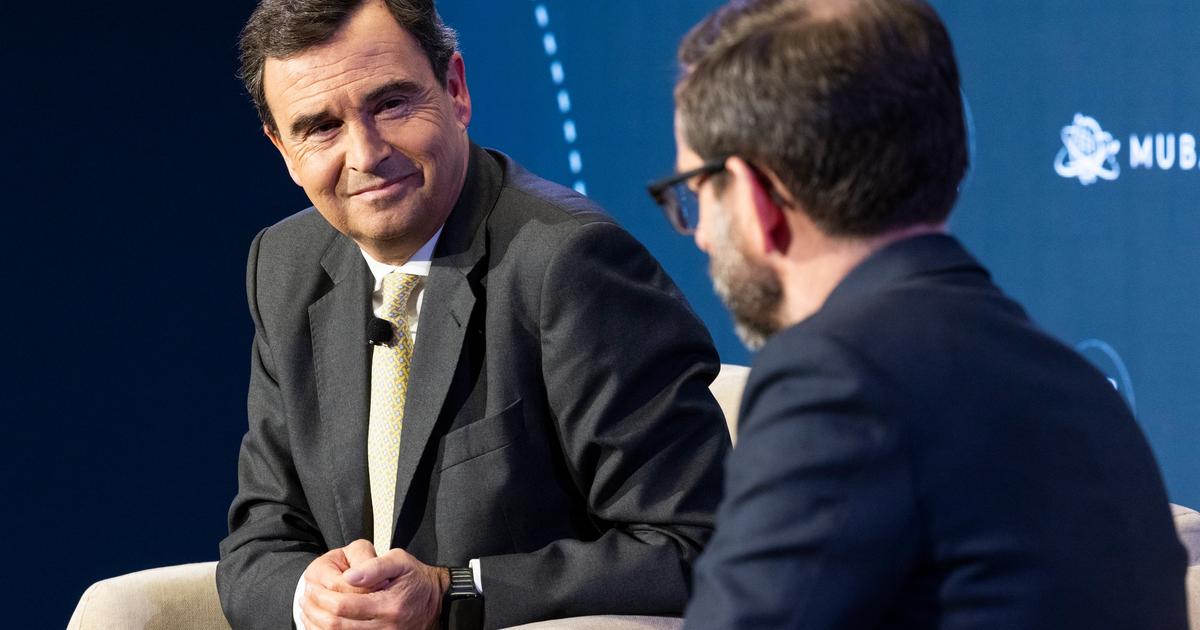
“Energy scarcity can quickly become food scarcity,” says Hansen. “Higher fuel and fertilizer costs pressure farmers, reduce margins and eventually show up in global food prices. Markets usually underestimate that chain reaction until it is already visible.”
This is the COVID playbook again – but potentially larger. In 2020, traders underestimated how quickly disrupted supply chains, thin inventories and emergency policy decisions could ignite explosive moves across Commodities. Those who recognised the regime shift early had the opportunity to capture historic price moves. Those who waited for confirmation were left chasing.
Today, the setup is broader, more geopolitical and more structural.
The Bullish Case Is Becoming Hard to Ignore
The strongest Commodity bull markets are not driven by optimism. They are driven by scarcity.
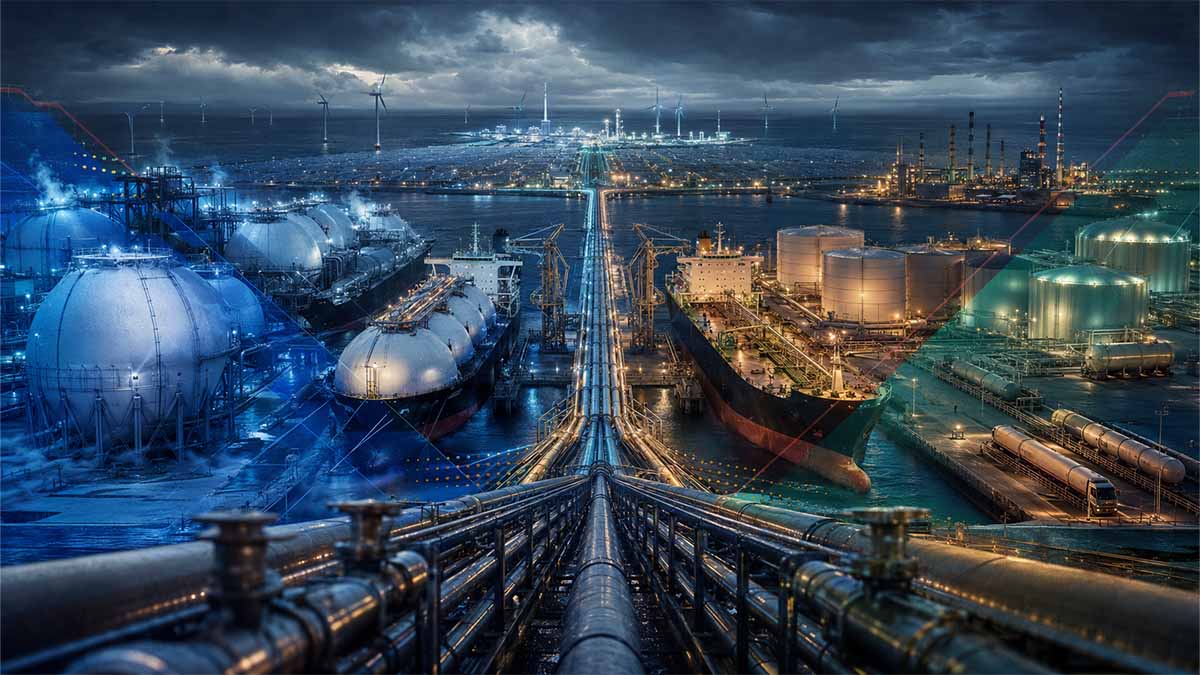
That is exactly the backdrop now forming. Governments are stockpiling strategic resources. Export restrictions are increasing. Trade routes are becoming weaponized. Energy security has become national security. Food security has become political security. Metals security has become industrial security.
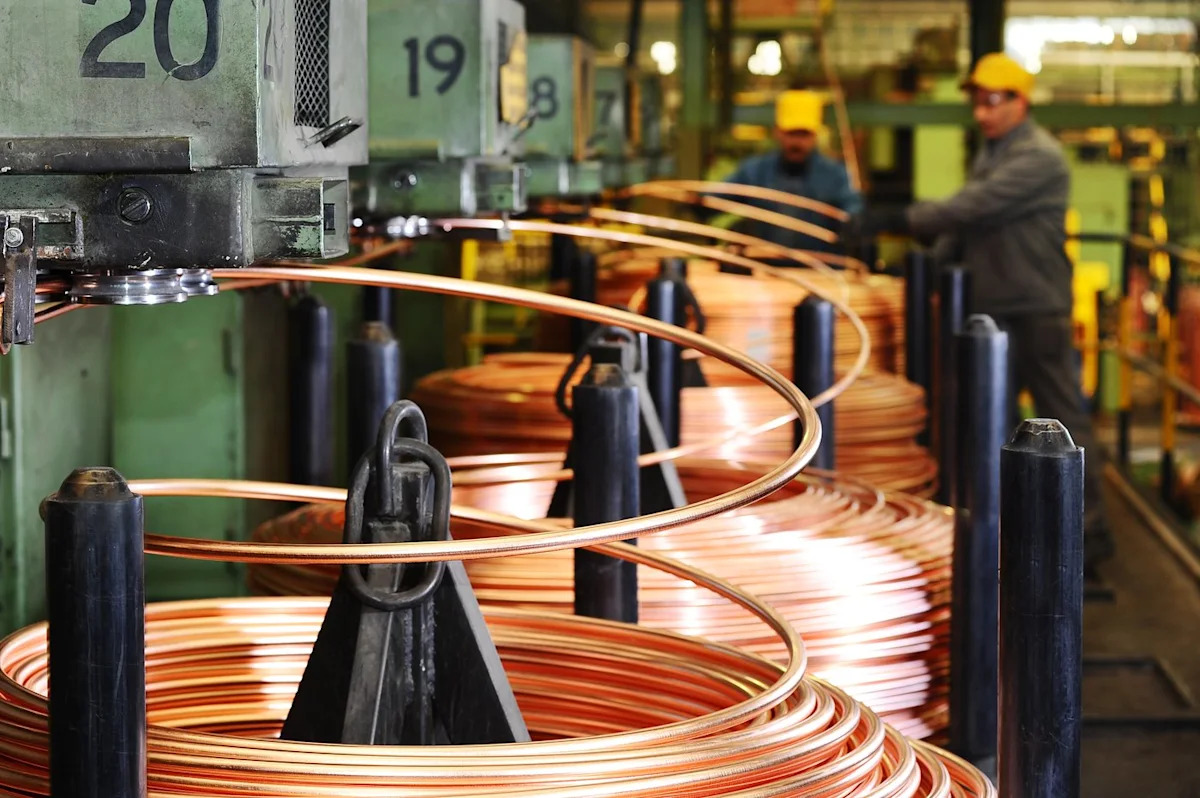
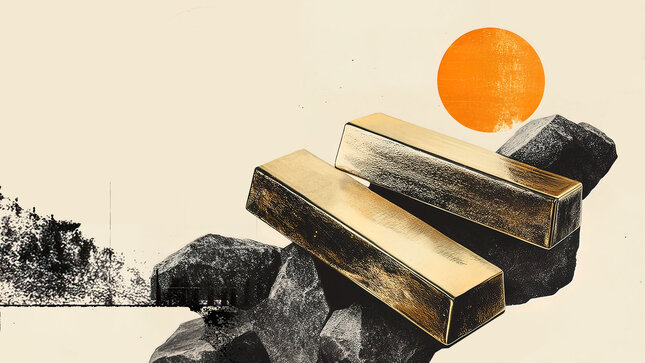
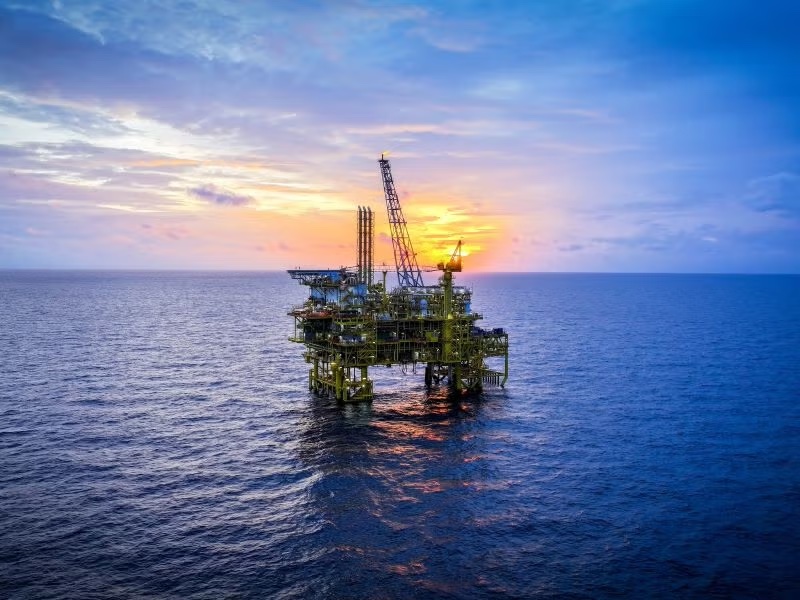
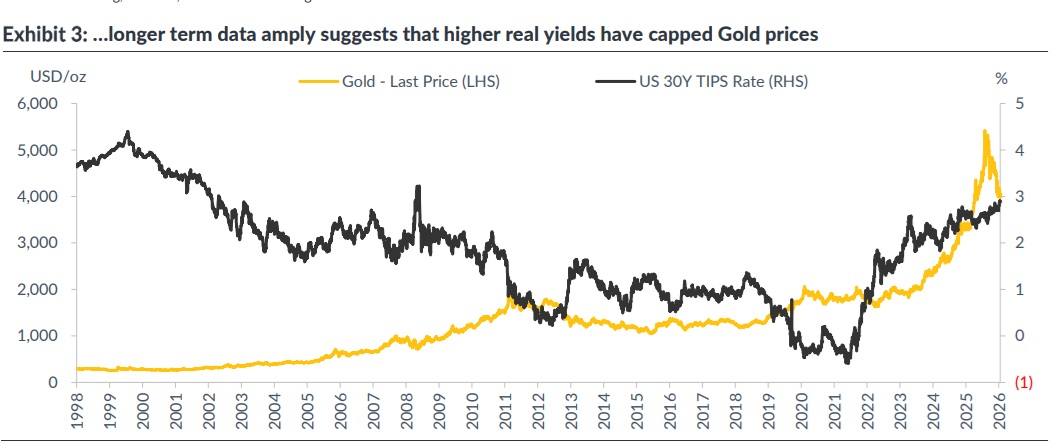
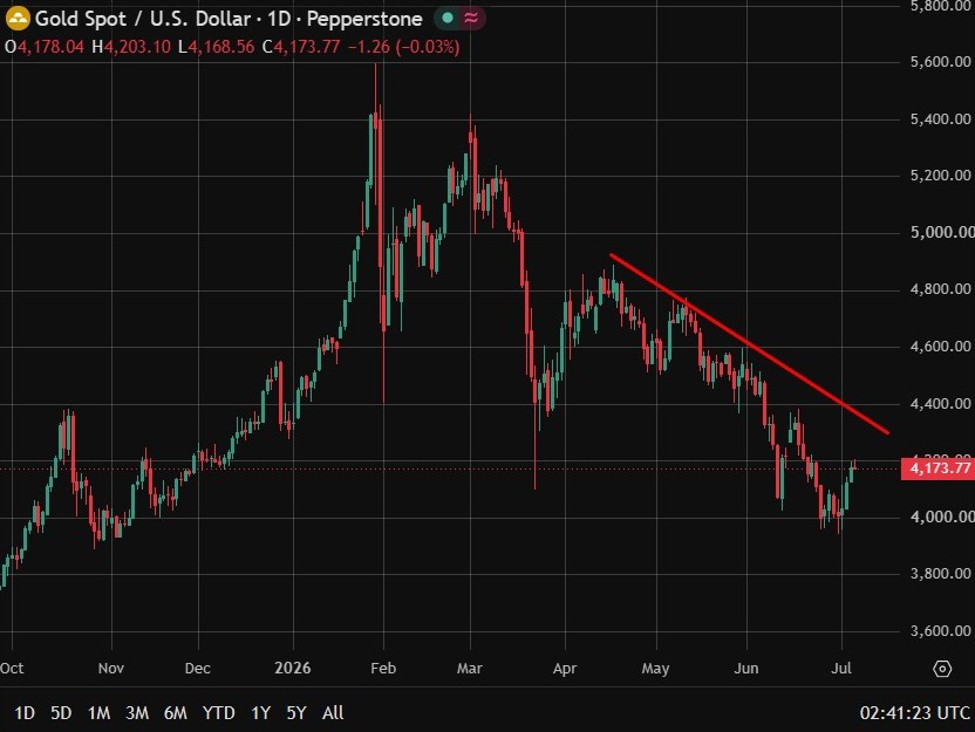
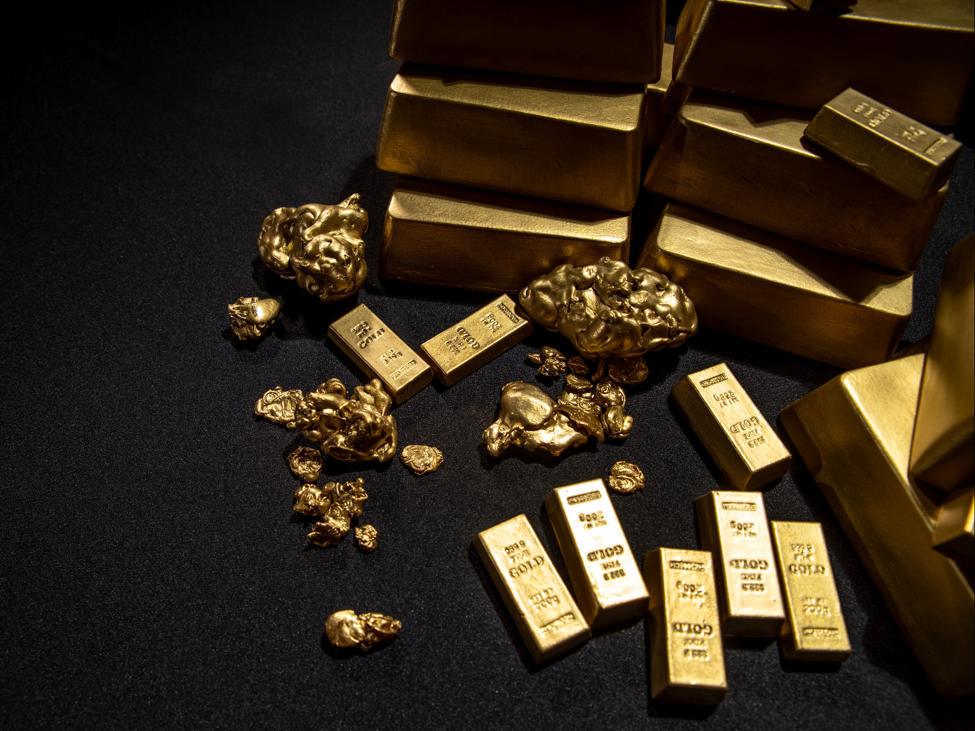
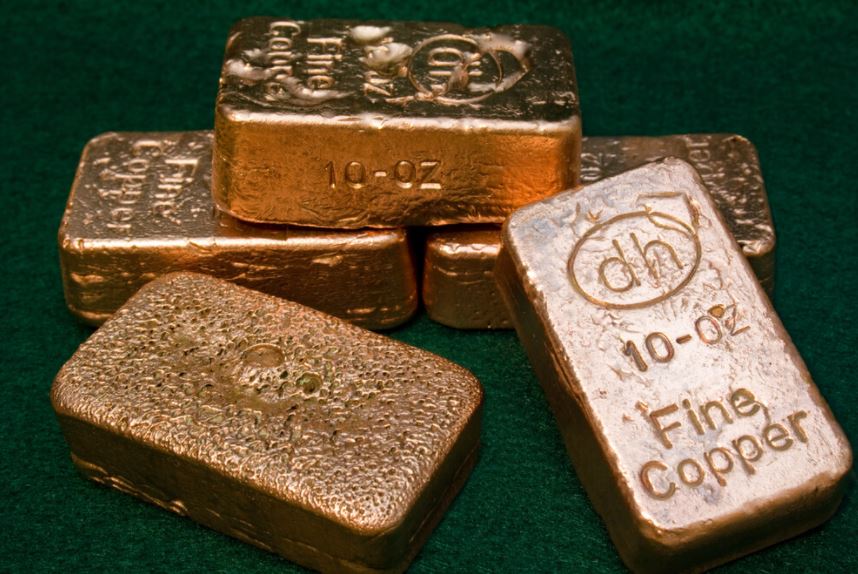
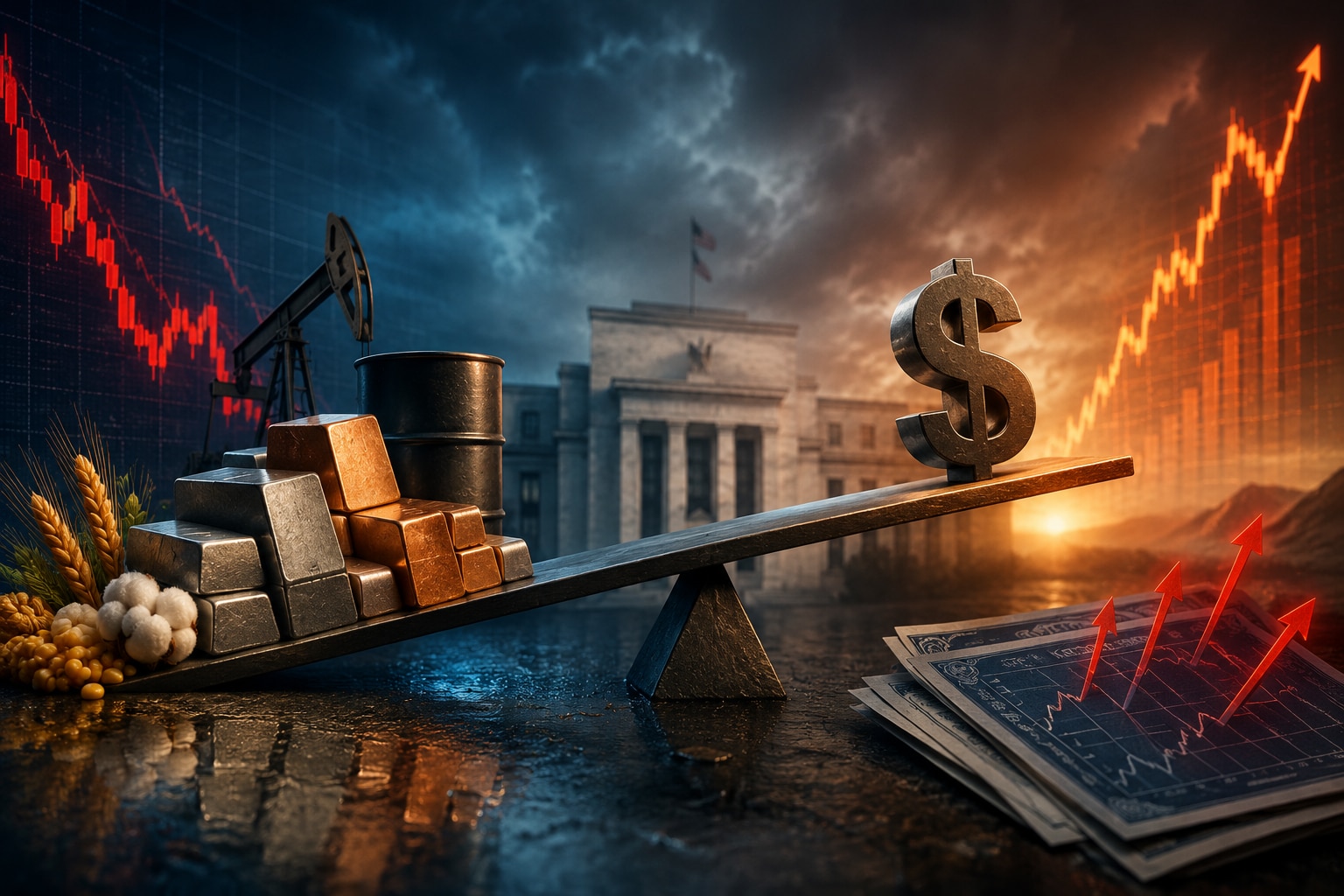
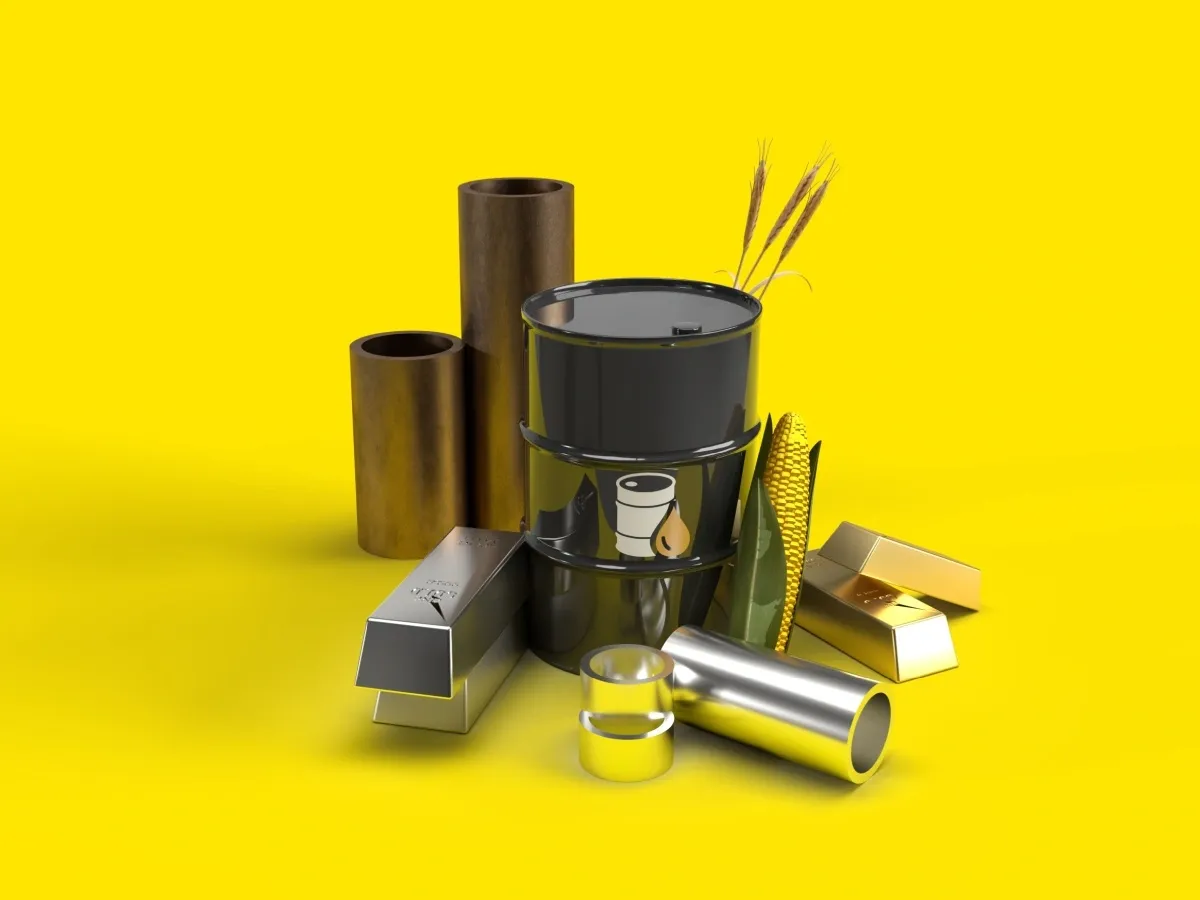
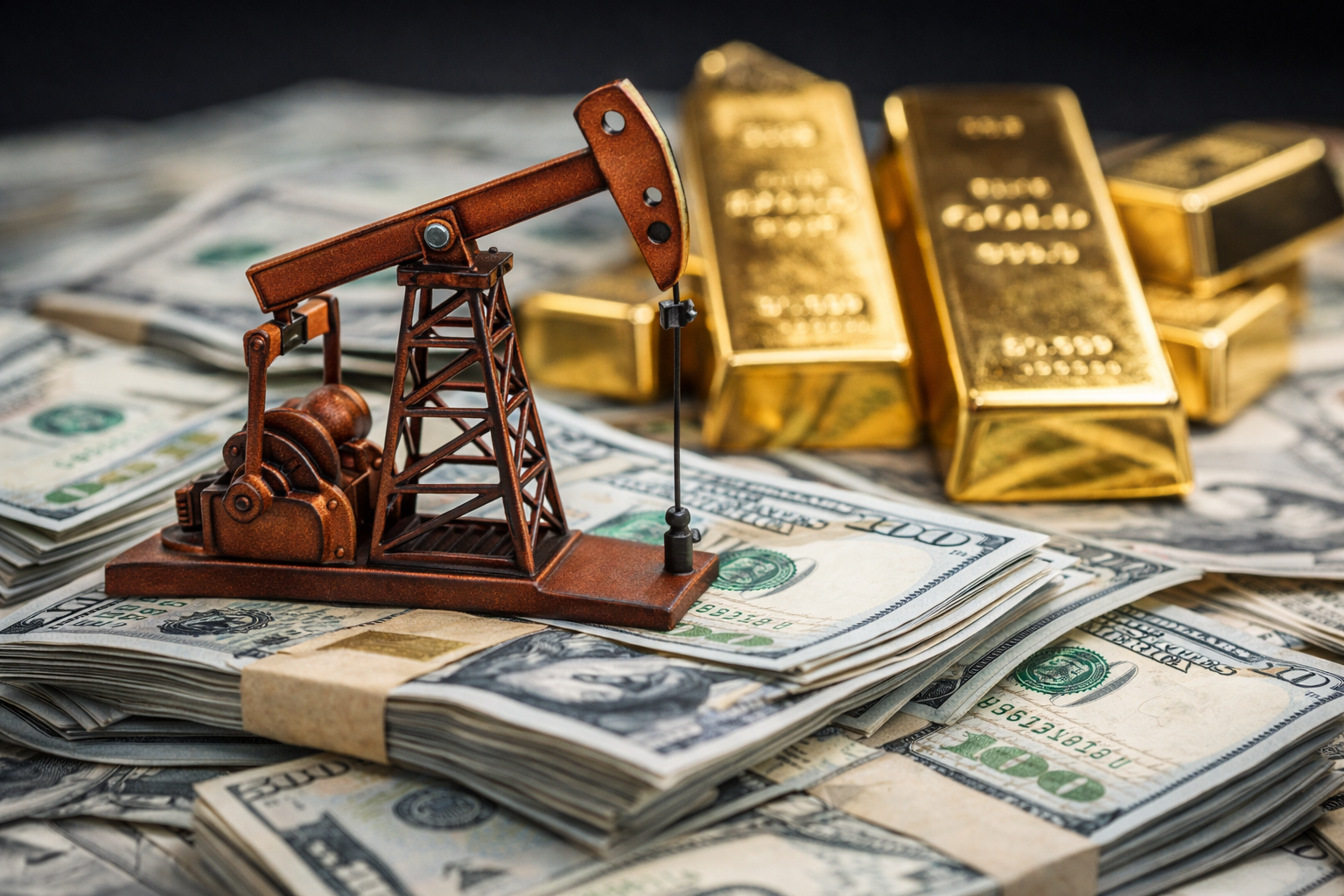
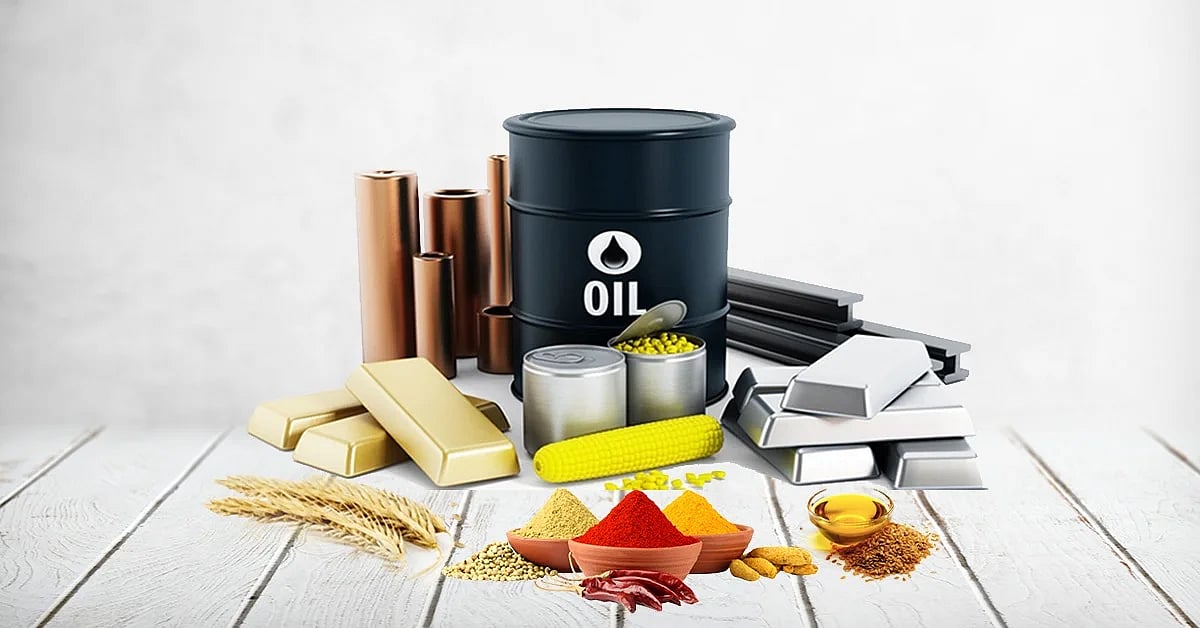
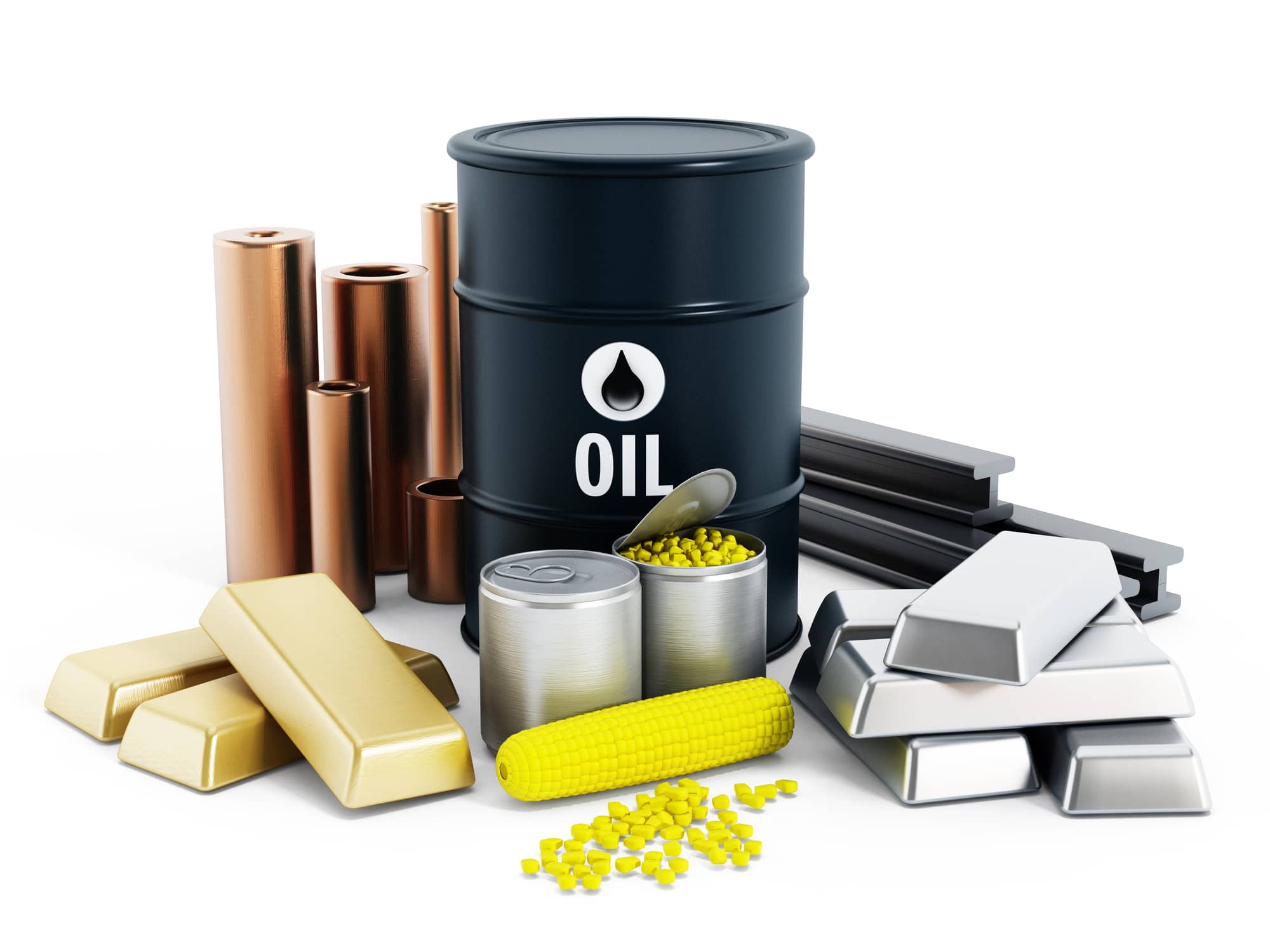
In this new world, Oil, Gold, Silver, Copper, Natural Gas, Uranium, Wheat, Soybean and other key Commodities are no longer ordinary inputs. They are strategic assets. And strategic assets do not behave like normal markets when supply is uncertain.
“The biggest moves in Commodities happen when the crowd realizes too late that scarcity is not temporary,” Hansen says. “By then, the early capital has already positioned and the late money is forced to chase.”
That is the bullish case now. Commodities are not merely reacting to one war, one blockade or one inventory report. They are beginning to price a world where supply is harder to secure, more expensive to move and increasingly controlled by governments rather than markets.
That is a regime change.
This Could Be The Defining Trade of fhe Decade
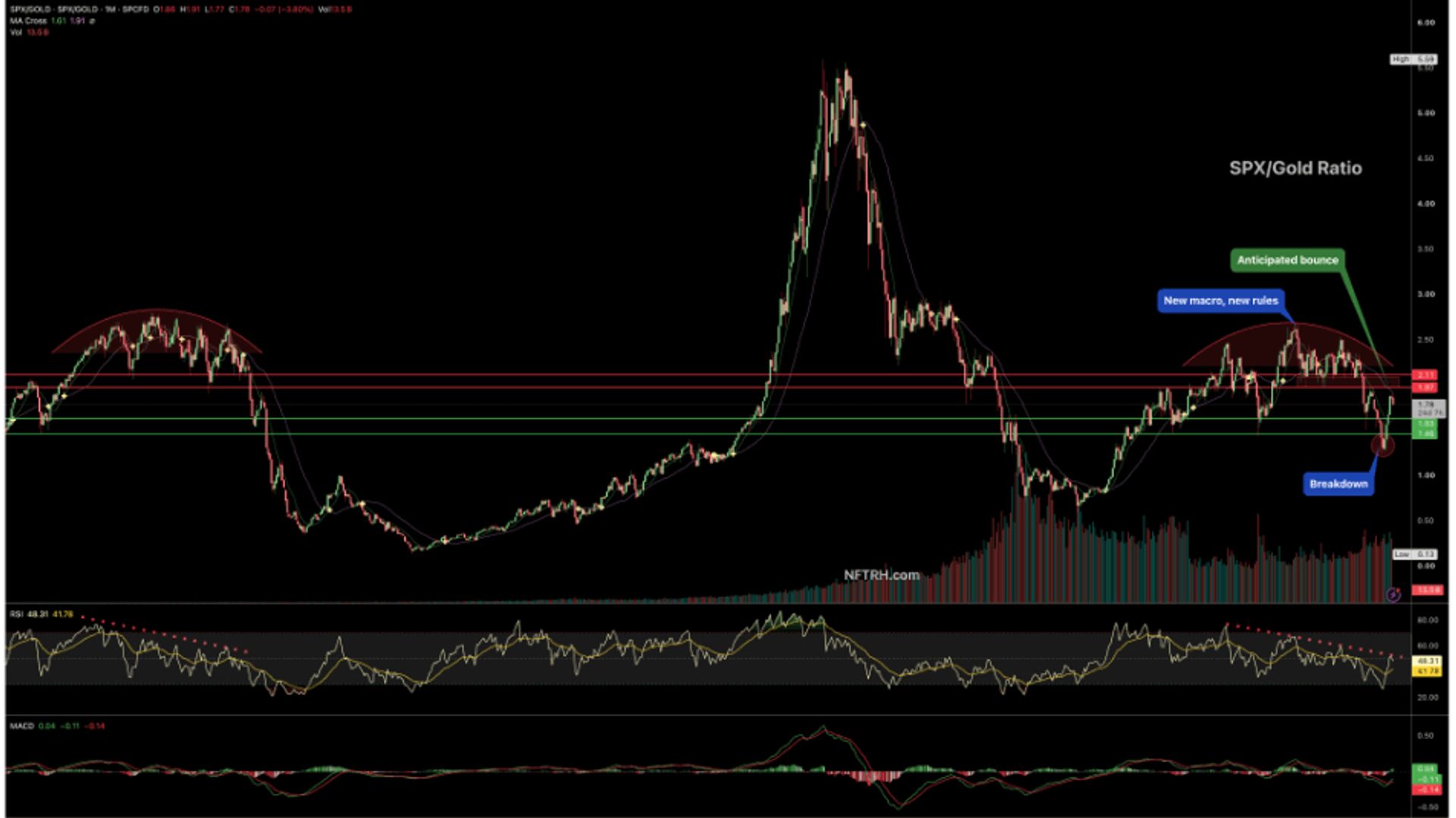
Markets are still behaving as though the old world will return: cheap energy, smooth global trade, abundant liquidity and frictionless supply chains. But that world may no longer exist.
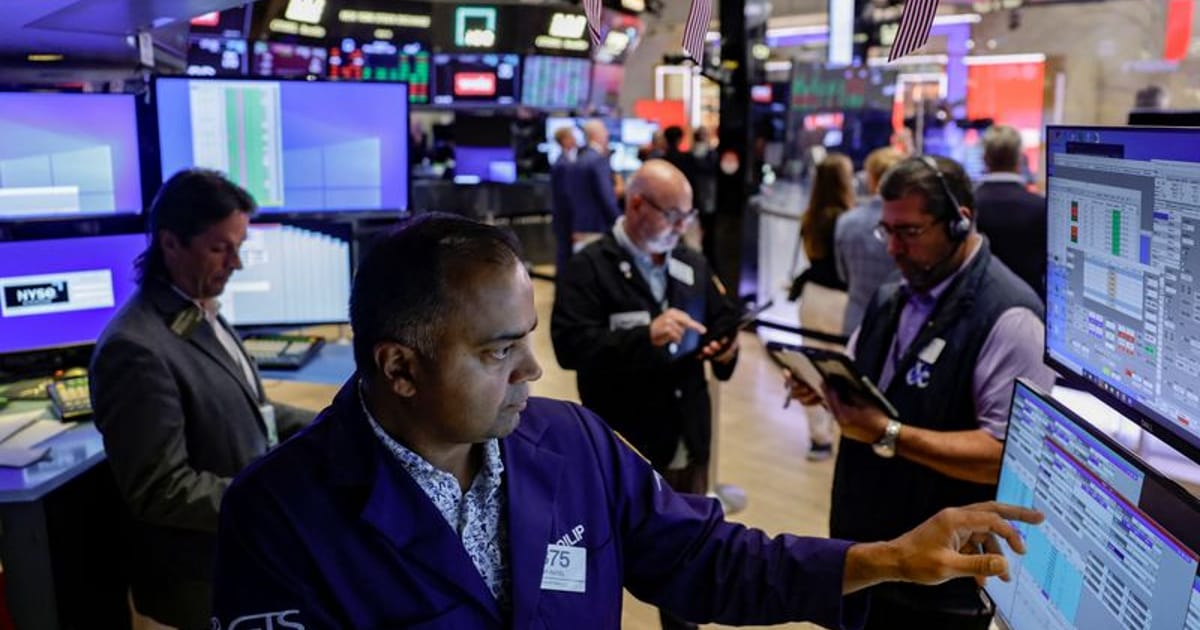
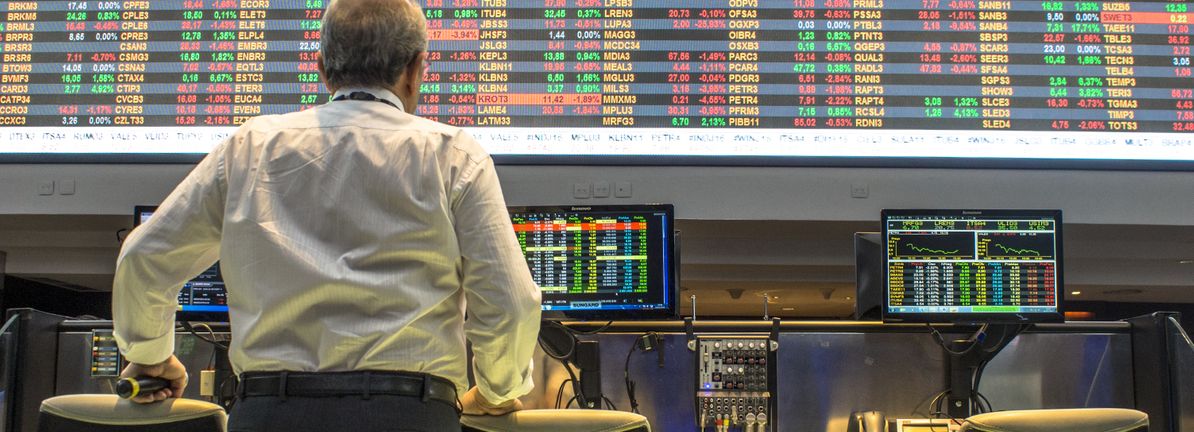
Equities are still pricing resilience. Bonds are still hoping for disinflation. Central banks are still trying to manage expectations. Commodities are pricing reality.
That gap is where the opportunity sits.
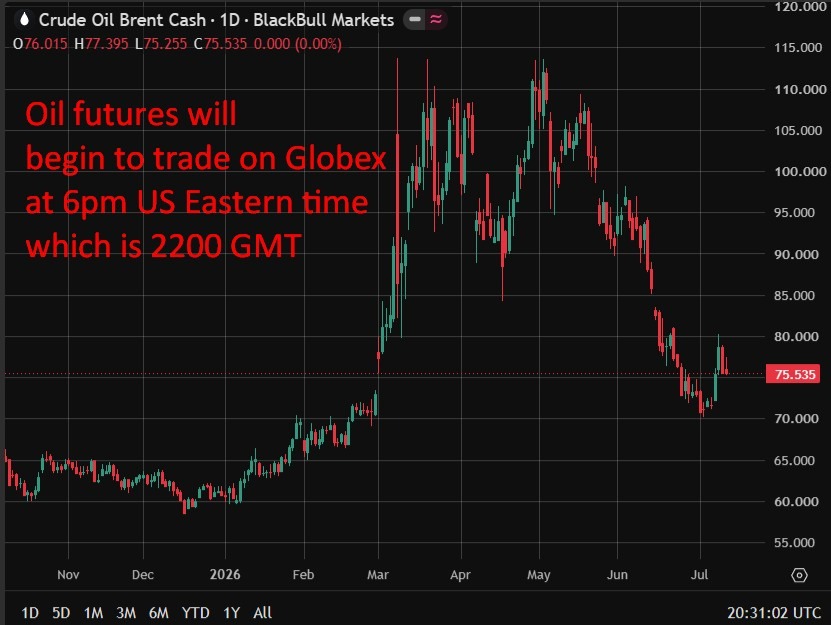
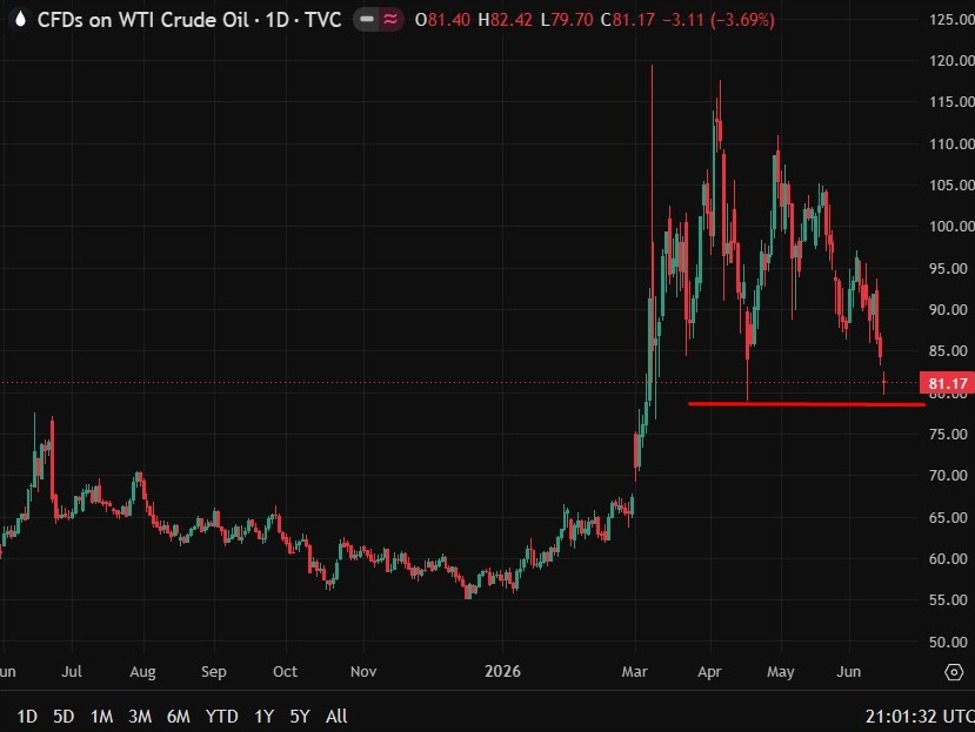
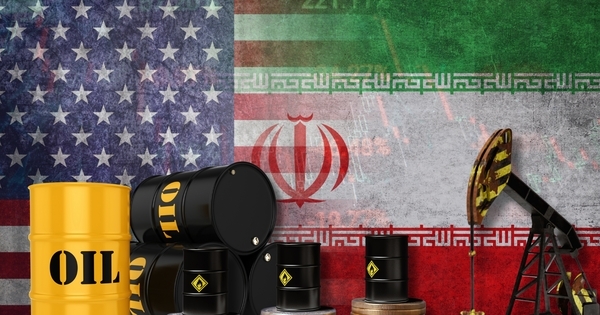
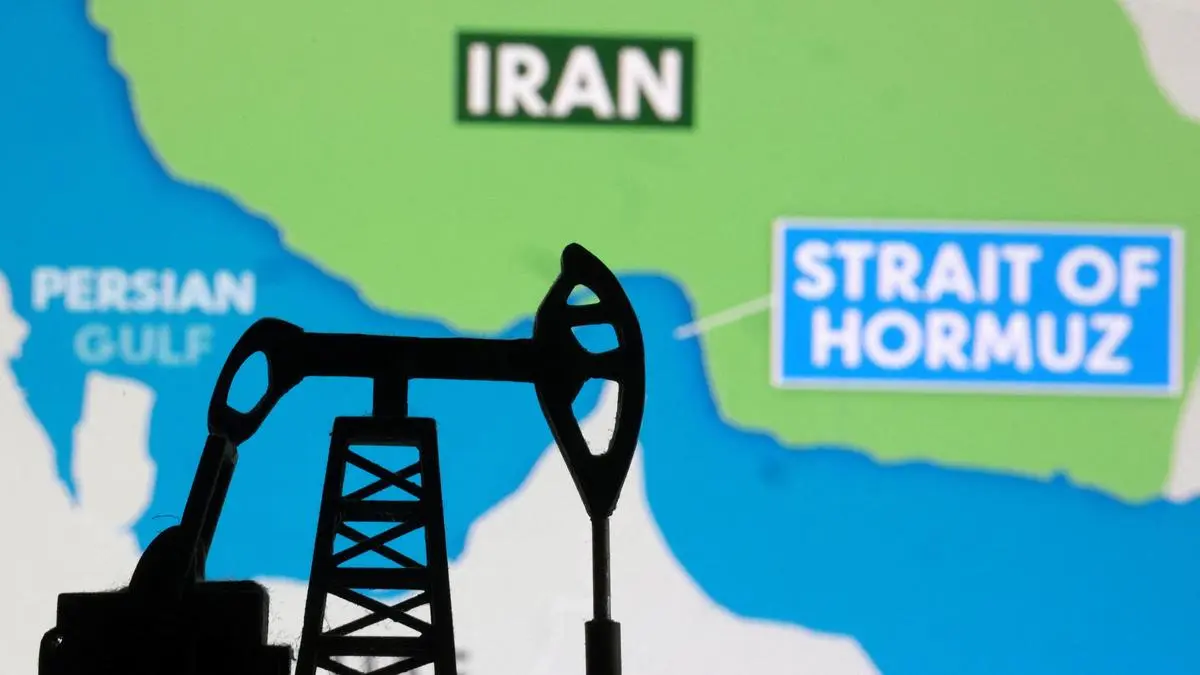
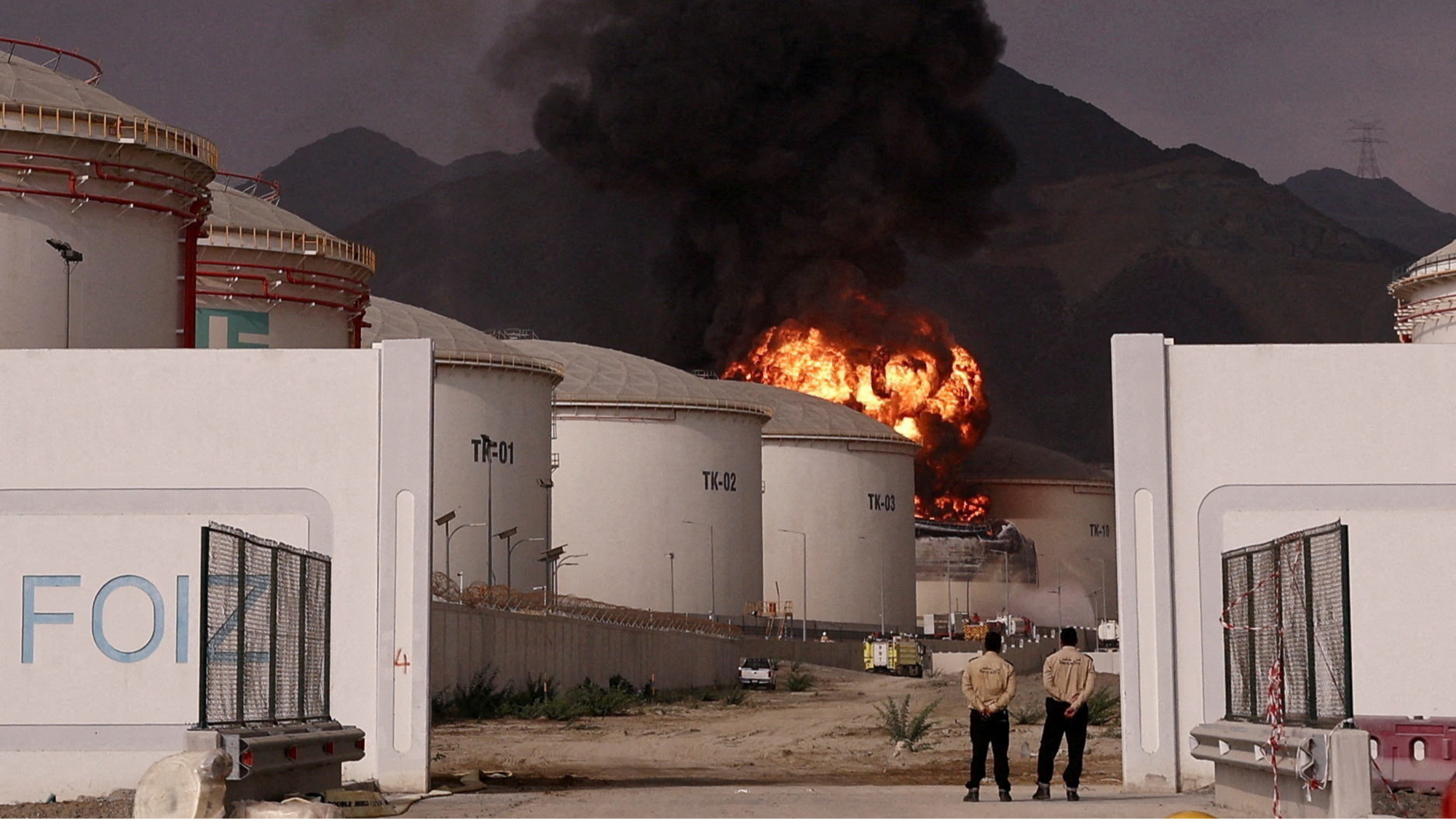
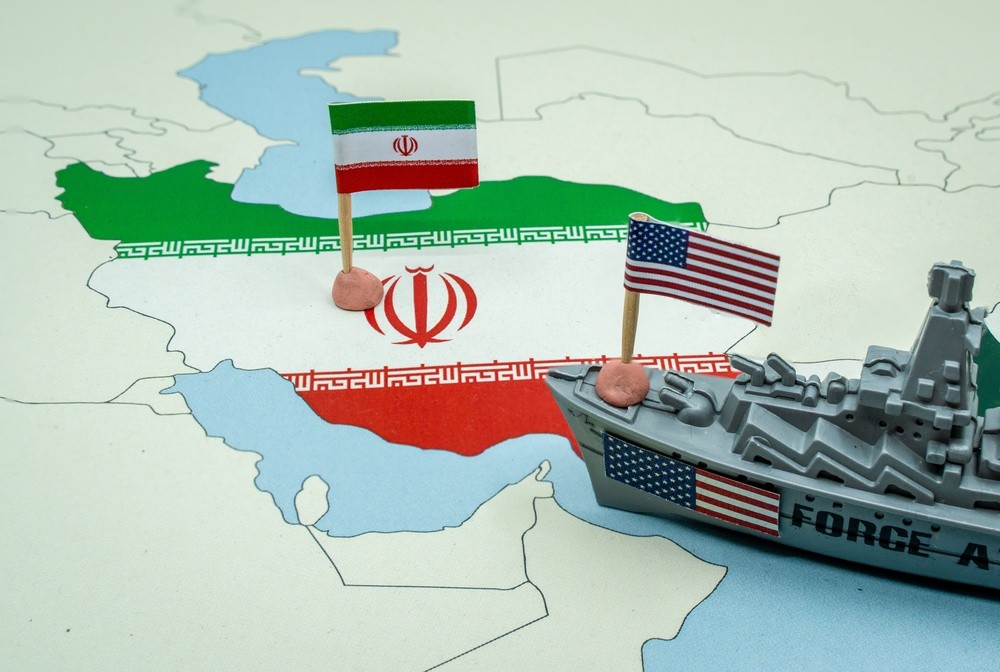
If inventories continue to fall, if Hormuz remains restricted, if food and energy pressures accelerate, then the next month could mark the beginning of one of the most powerful Commodity repricing’s in modern history.
At The Gold & Silver Club, our view is clear: this is not the time to sit passively on the sidelines. This is the time to recognize the pattern, understand the regime shift and position with discipline before consensus wakes up.
Because once scarcity becomes obvious, capital will not wait for permission. It will move fast. It will move aggressively. It will chase Oil, Gold, Silver, Copper, Natural Gas and Agricultural Commodities with the same urgency that defined the great inflation trades of the past.
By the time the crowd finally understands why Commodities are exploding higher, the greatest gains may already belong to those who acted early.
This is the window. This is the warning. And for traders who understand what is coming, this could be one of the biggest Commodity trading opportunities of the decade.