Inflation has done little to settle that argument. After briefly returning to the 2% target in mid-2024, price growth rose again, reaching 3.8% as businesses passed on increased costs to consumers, partly linked to changes in employers’ national insurance contributions.
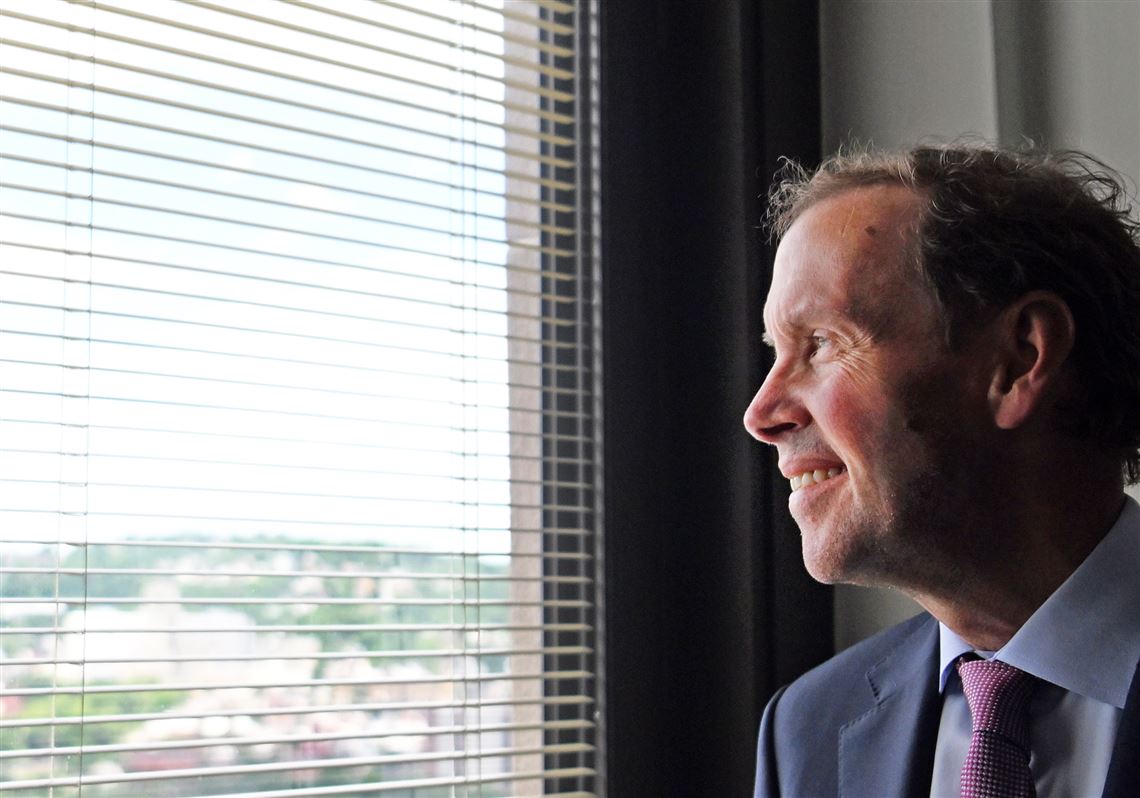
Pill has previously said the Bank should have been more “cautious” in cutting rates, particularly given how inflation expectations became embedded following Russia’s invasion of Ukraine. Those expectations, he argued, continue to shape wage demands and pricing decisions.
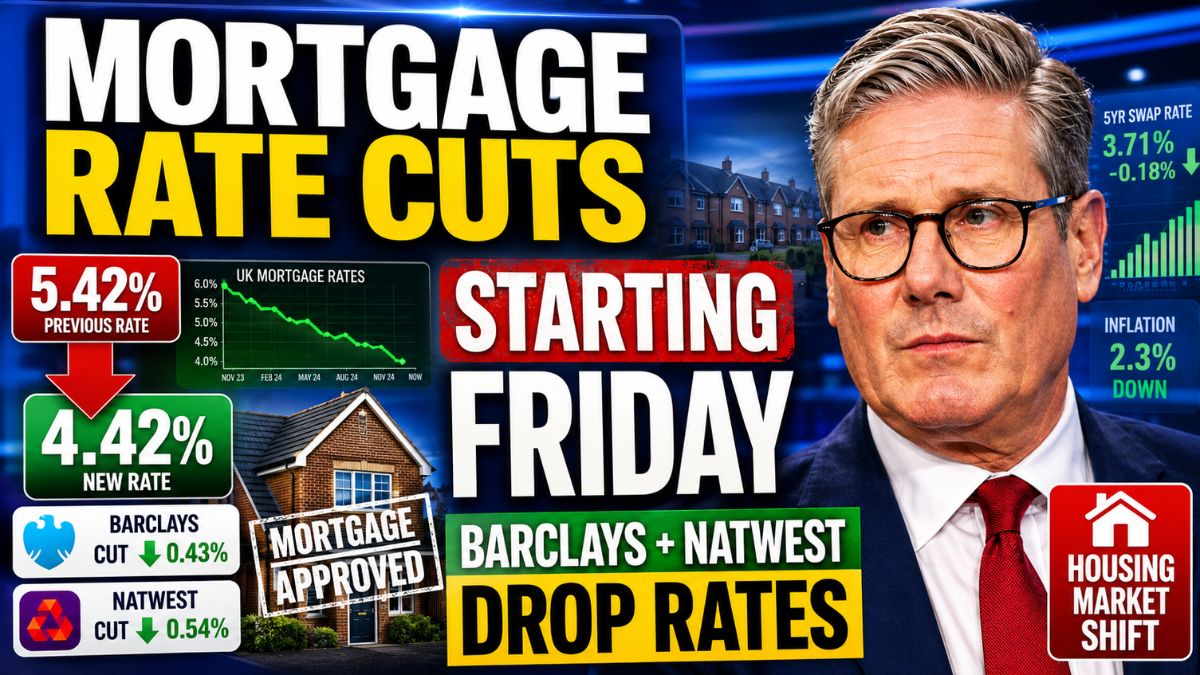
The significance lies less in the immediate decision than in what it signals. Persistent divisions within the MPC point to an uncertain path for rates, even if the headline decision is unchanged. Mortgage pricing continues to track movements in swap rates more closely than the base rate itself, leaving lenders guided by funding costs rather than policy signals alone.
Geopolitical risk is adding to that uncertainty. Economists suggest Pill could point to energy market volatility linked to tensions involving Iran as a potential trigger for renewed inflationary pressure. With inflation risks still in view, Pill has said monetary policy may need to “contain” any renewed spike.
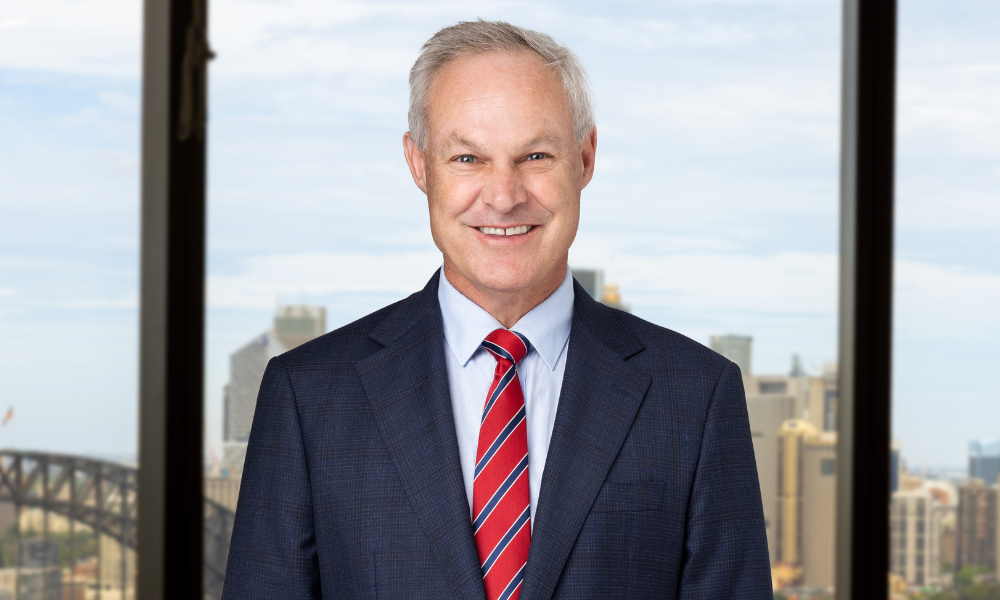
One area of agreement is the level of uncertainty. Sanjay Raja, Chief UK Economist at Deutsche Bank has suggested the possibility of a 25 basis point cut, citing potential “non-linear shocks” to the labour market and growth.