Artificial intelligence demand is driving a new wave of growth investing, centred on data centre infrastructure and emerging digital commodity markets.
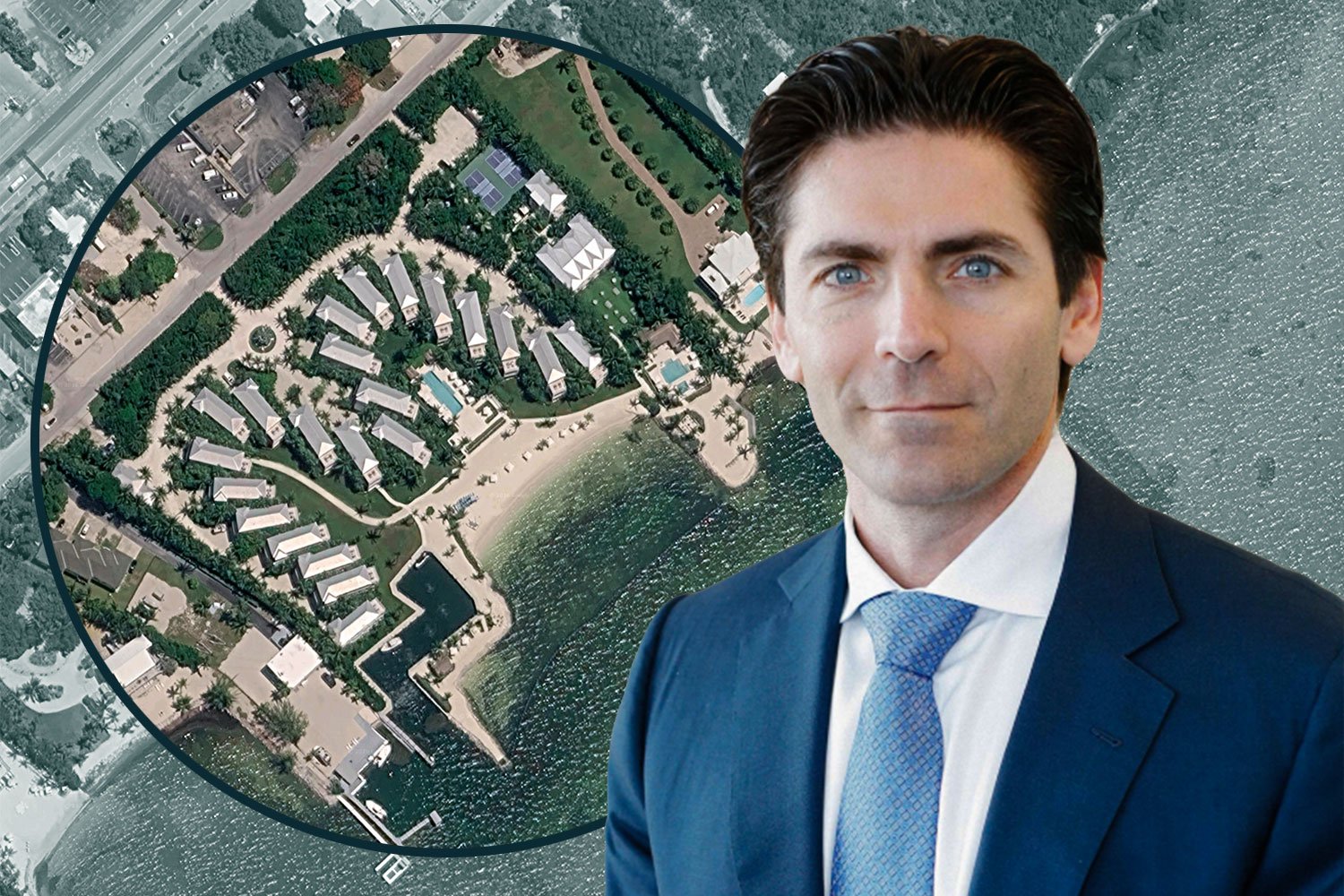
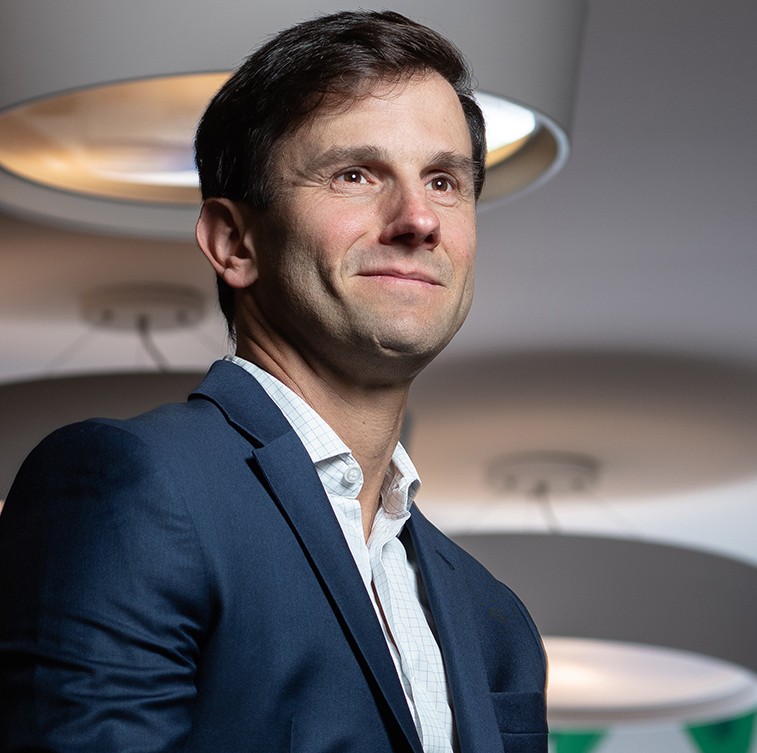
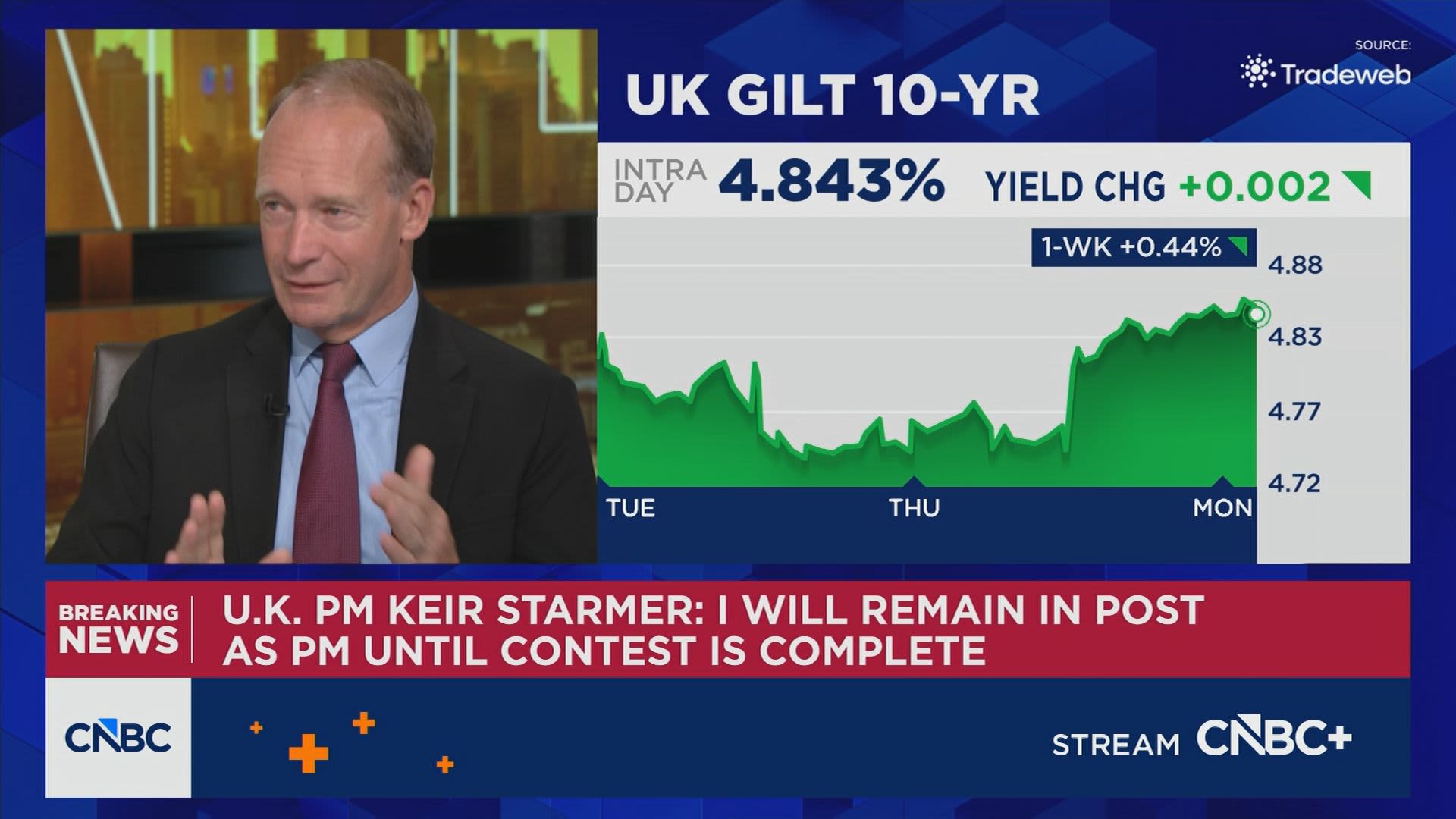
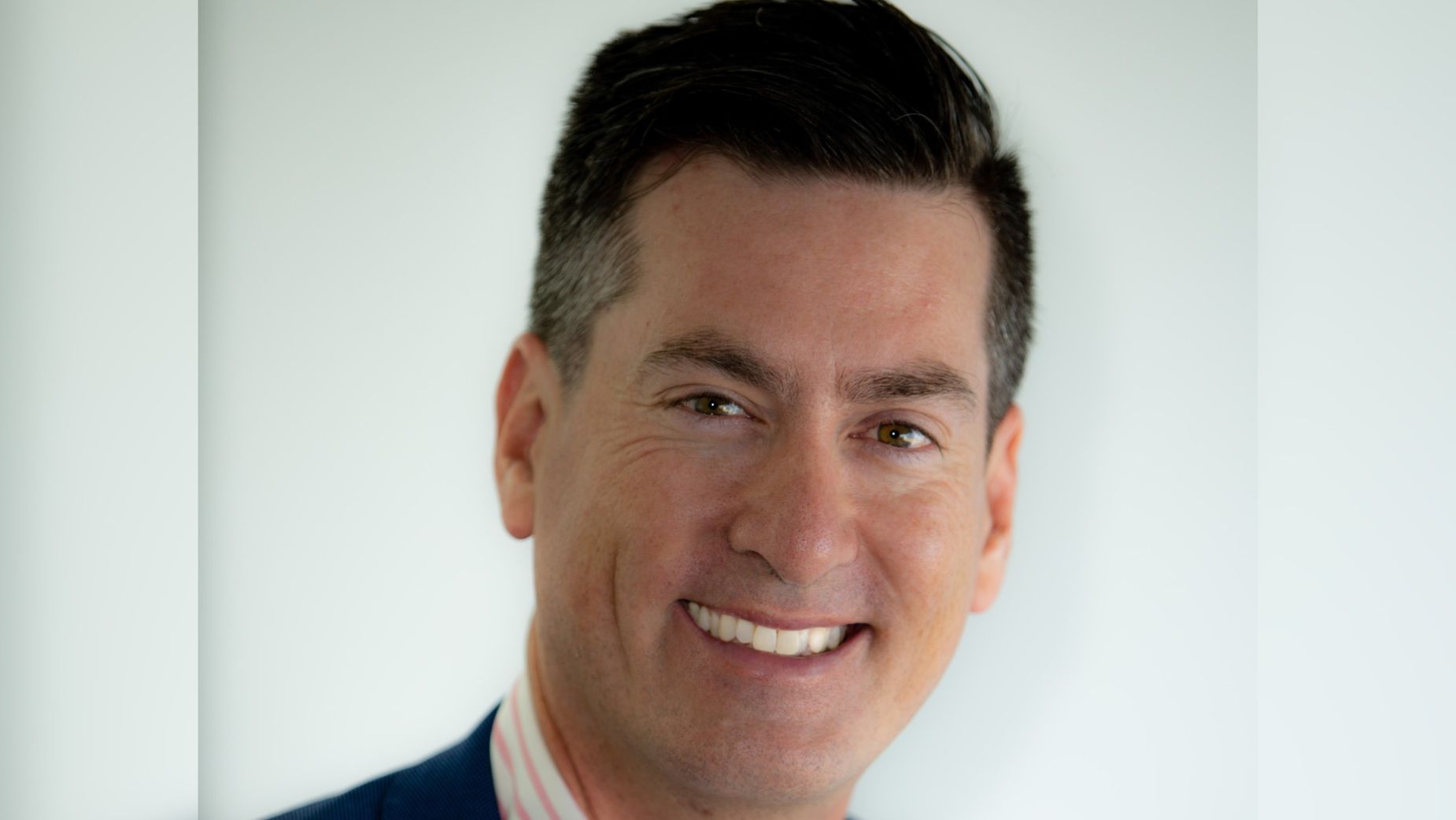
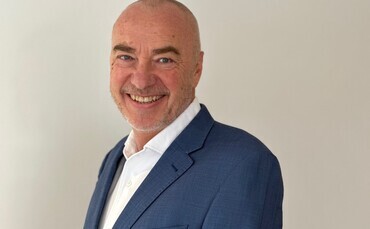
BNN Bloomberg spoke with Martin Toner, director of institutional research, growth and innovation at ATB Capital Markets, about companies benefiting from rising AI power demand, infrastructure buildouts and the evolution of physically settled commodity exchanges.
Key Takeaways
- Demand for AI data centre power remains a key long-term theme despite near-term concerns about slowing growth at major AI players.
- Companies are shifting from bitcoin mining to leasing power and infrastructure for AI workloads, improving margins and revenue visibility.
- Valuations in AI infrastructure hinge on execution, with significant upside tied to leasing capacity and scaling operations.
- Early-stage infrastructure players face financing needs but could unlock substantial value as customer contracts are secured.
- Physically settled commodity exchanges are emerging as a new growth area, offering better hedging tools and strong potential network effects.

Read the full transcript below:
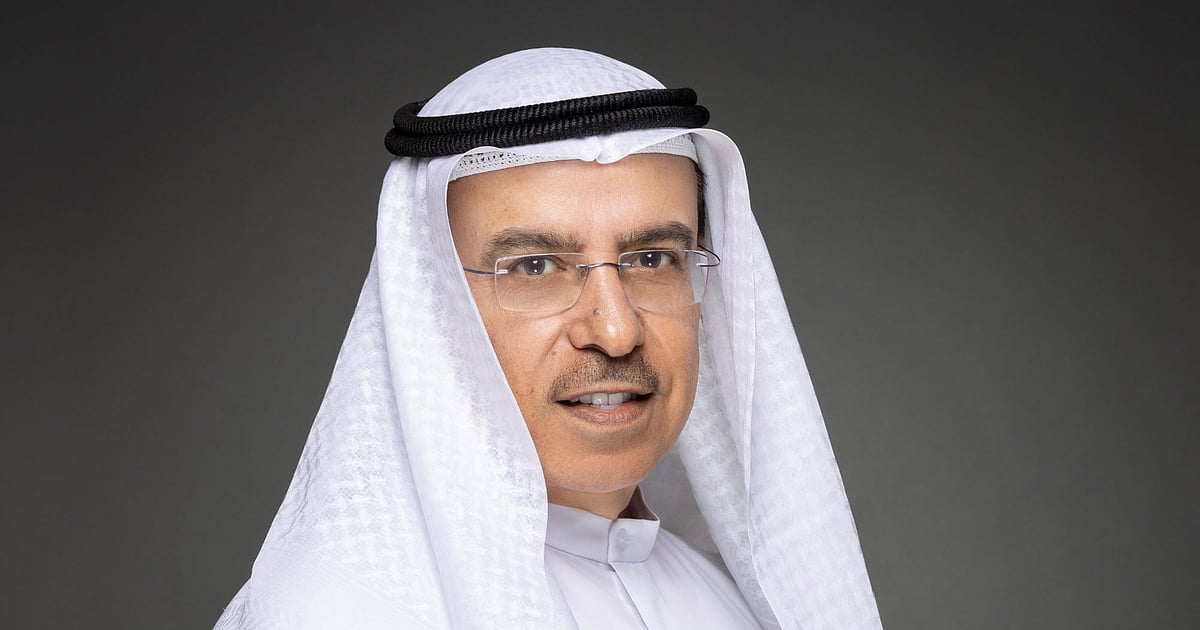
ANDREW: On Hot Picks today, we are focusing on three growth and innovation stocks. Who better to walk us through that than Martin Toner, director of institutional research, growth and innovation at ATB Capital Markets. Martin, always great to see you. Thanks for joining us.
Before we get going, could we just touch on this story in The Wall Street Journal about OpenAI having slower growth than hoped? Do you attach — I mean, we see these stories, obviously — AI slower than expected to pay off, for example.
MARTIN: Yeah. I mean, they have made some big commitments — trillions of dollars of spend. The company’s revenue growth has been doubling every six months. At some point, the company gets absolutely massive if you double every six months, right?
Good growth stocks, basically, see revenue growth slow at a slower pace than the market and investors are expecting. And yeah, this is hurting these stocks this morning. But I still think the demand for power from AI data centres is a great theme that investors should take a look at.
ANDREW: Well, let’s have a look at TeraWulf then, WULF. You see promise in this one? Remind us what they do, Martin, please.
MARTIN: Yeah, so TeraWulf is a company that is developing data centres for AI. Their biggest customer is Fluidstack, which is part-owned by Google. And TeraWulf themselves are about 10 per cent owned by Google.
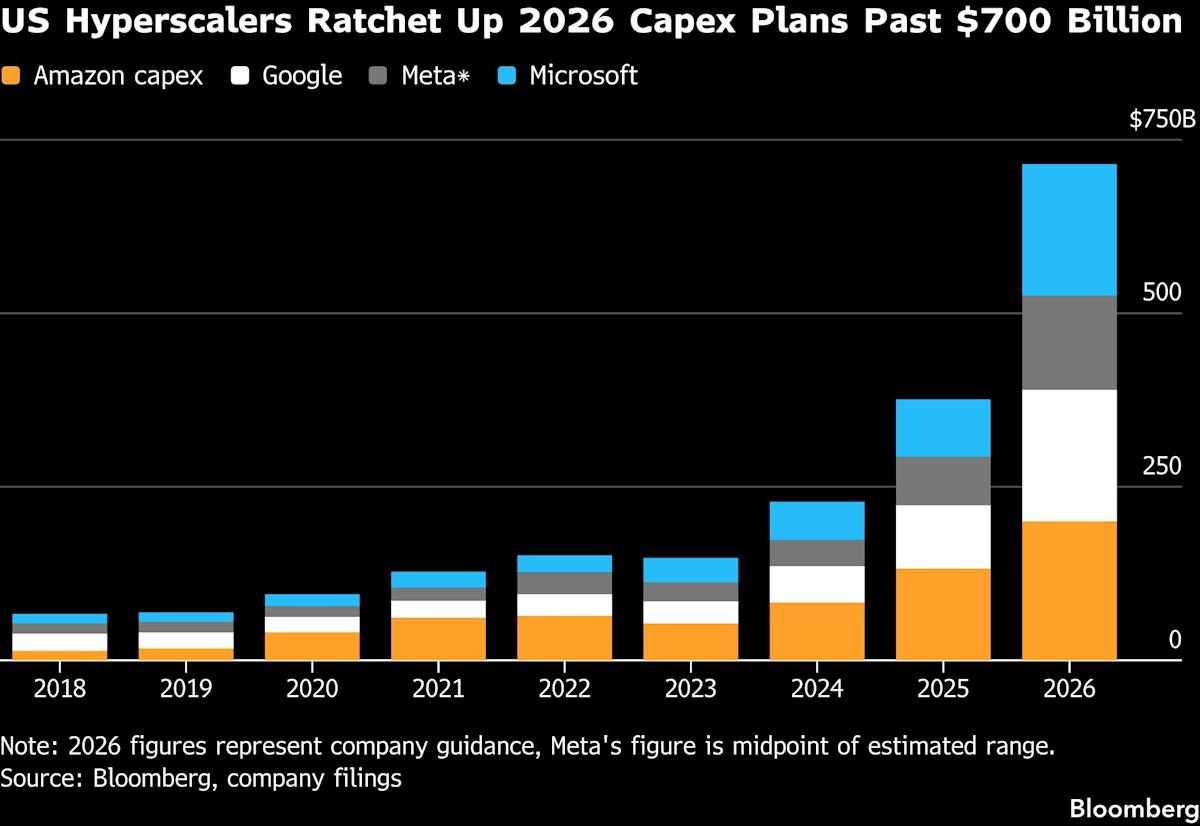
When I was last on, there was a lot of talk about a data centre bubble. These stocks have all taken a really big break — TeraWulf included. It peaked around $15 back in November. Since then, deal terms for these companies have actually kept improving. The hyperscalers’ capex plans have moved up. And very recently, there has been a lot of positive news in this space that has helped these stocks move up.
ANDREW: And so are their roots in power generation? Are they actually building the data centres?
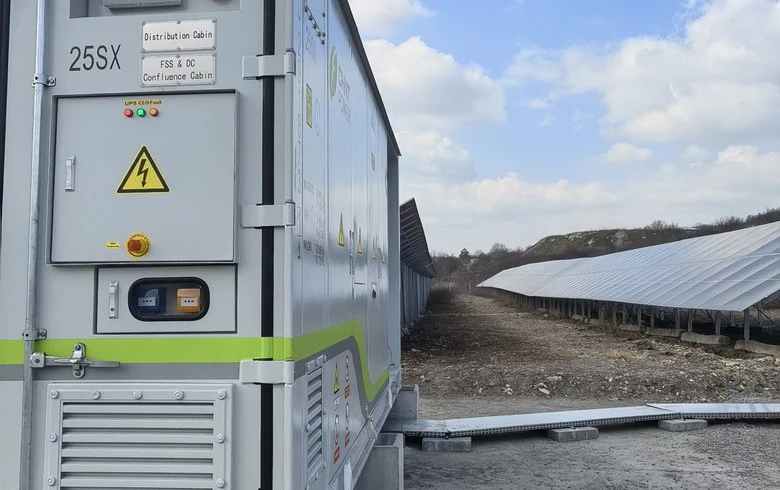
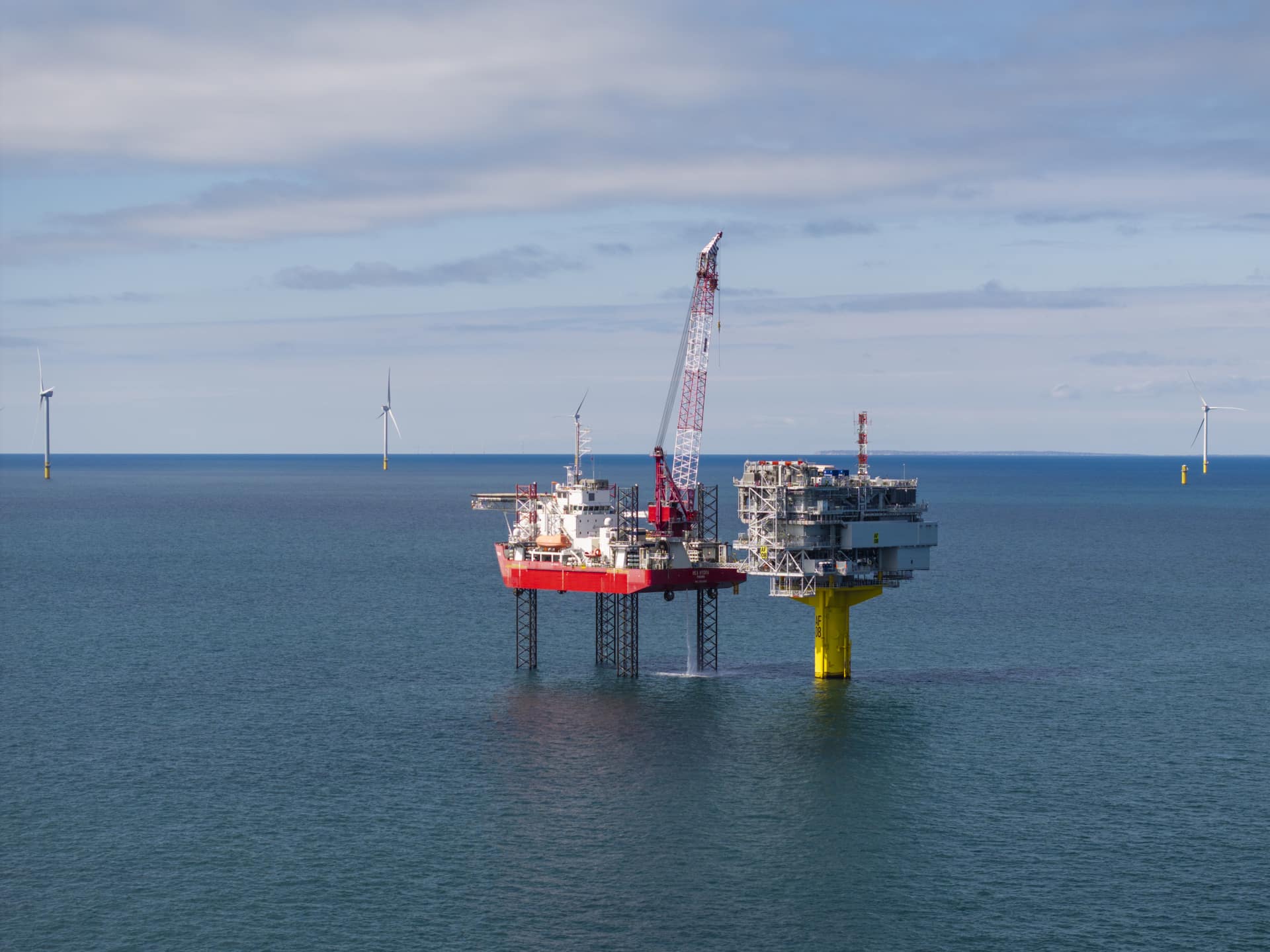
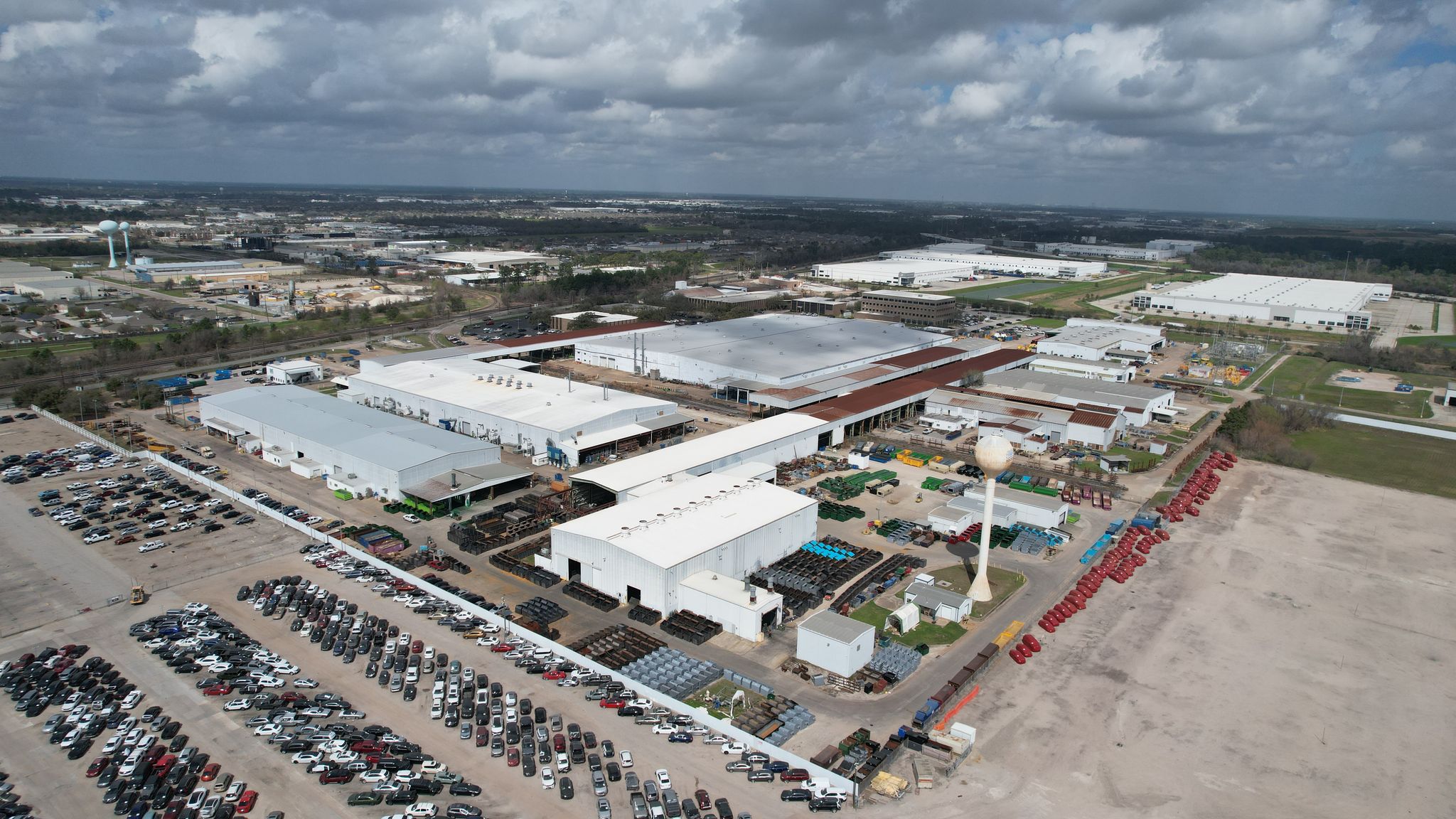
MARTIN: Yeah. So the company was born from the purchase of a large asset close to Niagara Falls that could take 750 megawatts of power. They first started bitcoin mining on that site, and then when AI data centre demand came, they pivoted. They started leasing it out to customers who needed power and data centre capacity for AI.
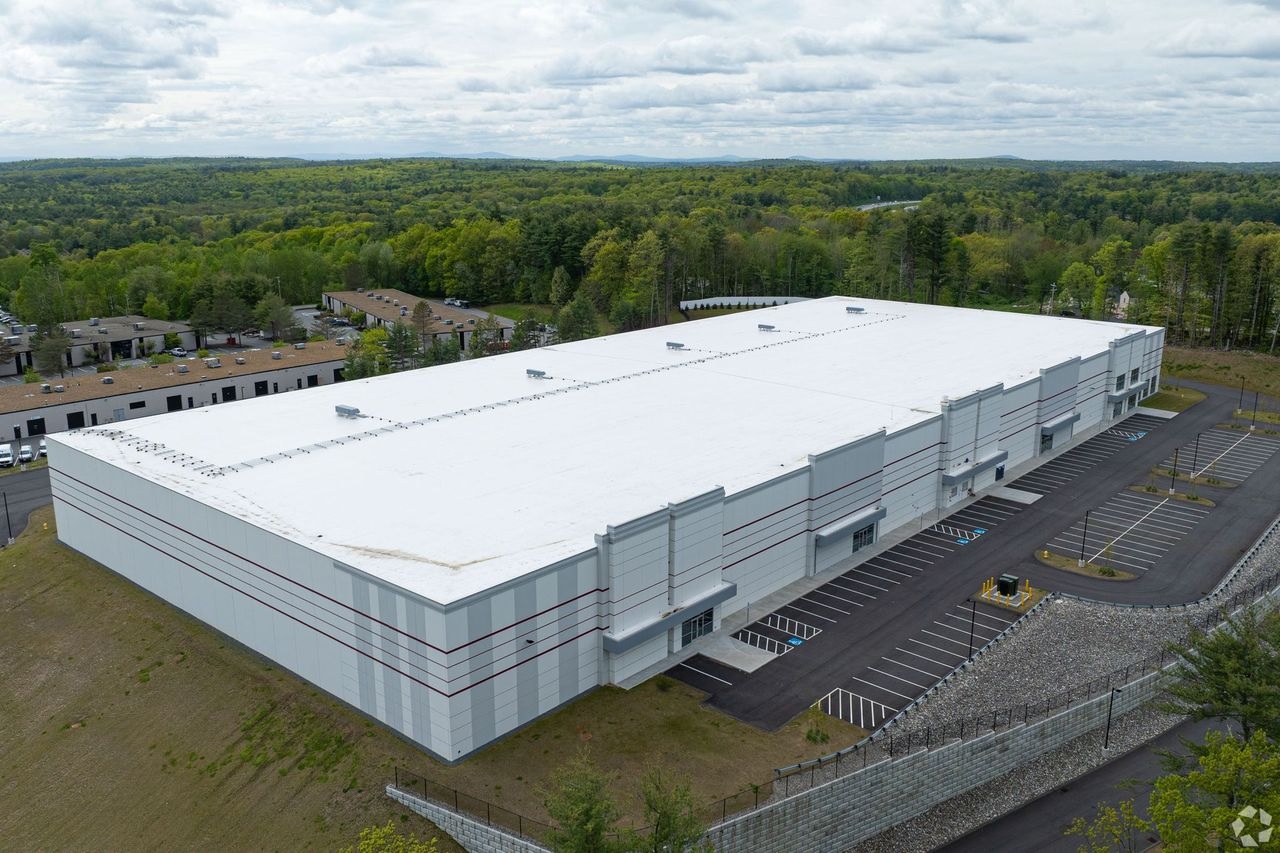
So they are actually building data buildings that will house racks for data centres, and then they lease those buildings to customers who bring in their racks and GPUs and start consuming power and doing AI. The company basically gets paid rental revenue per megawatt of power delivered.
The standard for these companies is about $1.5 million per megawatt. They have high margins, so they generate about $1 million in EBITDA per megawatt. If TeraWulf is able to lease and deliver that entire facility, that would be about $700 million of EBITDA. The company has an enterprise value of about $15 billion, so that is roughly a 20-times EBITDA multiple. Mature data centre companies trade in that range.
The difference is that TeraWulf is growing significantly faster — three to four times faster. We believe the company has now become an operating company. When you go from being an asset owner to an operating company, you can start getting a multiple similar to mature data centre companies like Digital Realty.
ANDREW: We’re tight for time. Sorry about that. Keel Infrastructure used to be known as Bitfarms. What do they do, and why are you drawn to the stock?
MARTIN: Similar story, but a fast follower to names like TeraWulf. They have yet to find their first customer. They trade at around $1 million per megawatt of their portfolio, while TeraWulf trades at about $5 million. So five times the value.
Investors will be rewarded when this company signs its first customer. We expect that to happen late summer or sometime in the fall. They have about 500 megawatts that they can lease out in the near term. That would generate about $500 million in EBITDA and could create about $5 billion in value.
They will need to finance it — likely debt and possibly more equity. But the company currently has about a $1.5-billion enterprise value, so there is significant upside potential on that catalyst.
ANDREW: And finally, this is a very different company — Abaxx Technologies. You just started coverage of this one. It is an exchange where people trade commodities, but physical commodities?
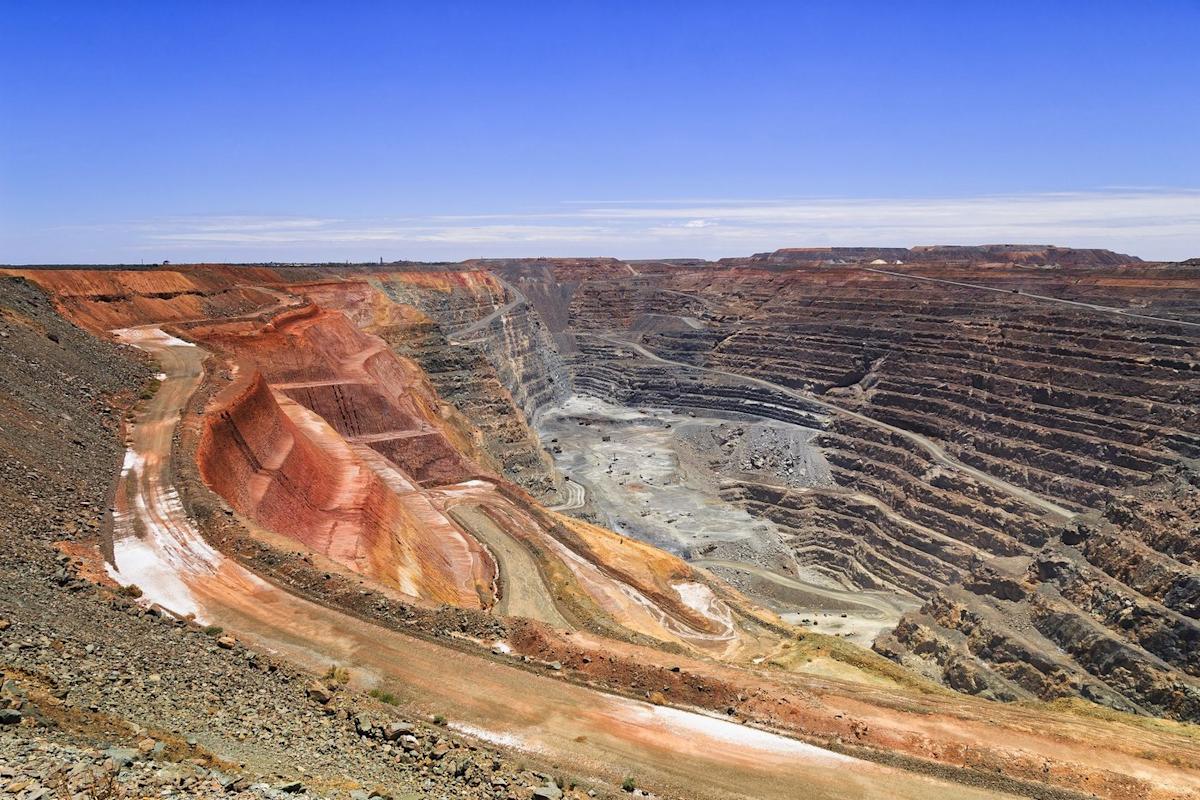
MARTIN: That’s correct. This is the first exchange to receive regulatory approval in about a decade. They are bringing a clean-sheet design technology stack to commodity markets. All of their contracts are physically settled.
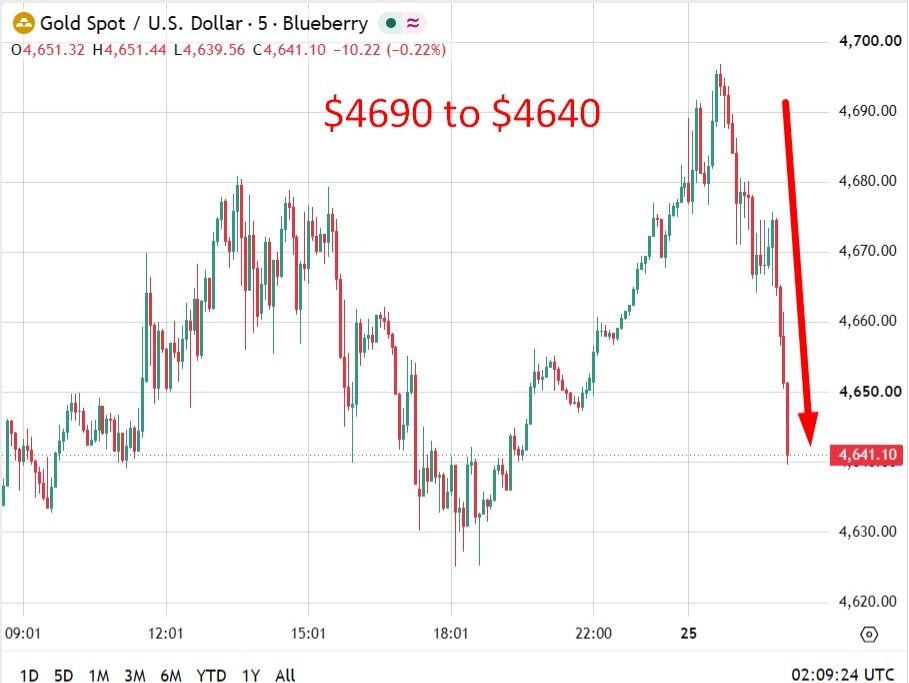
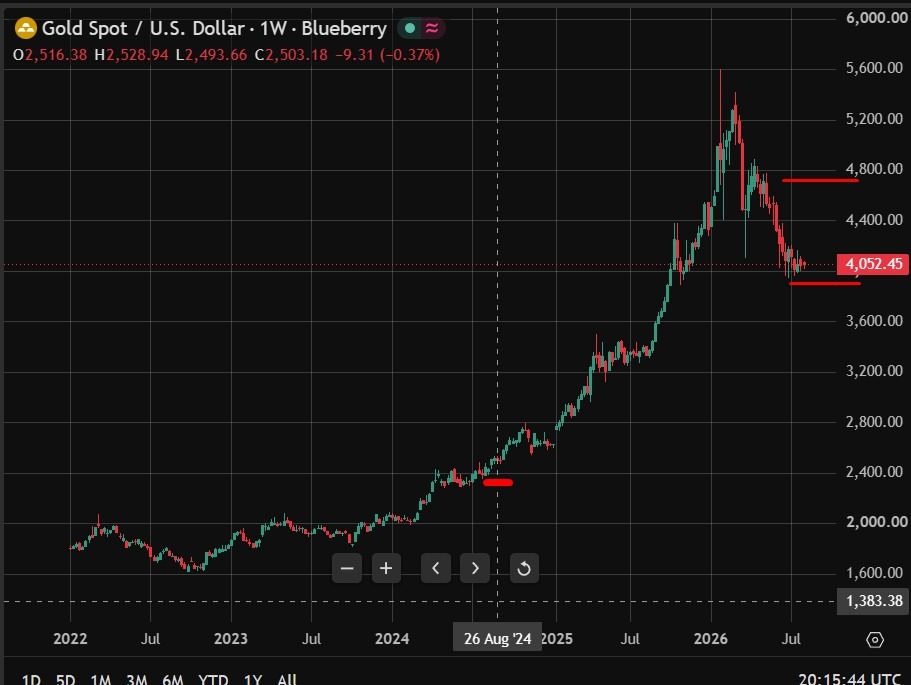
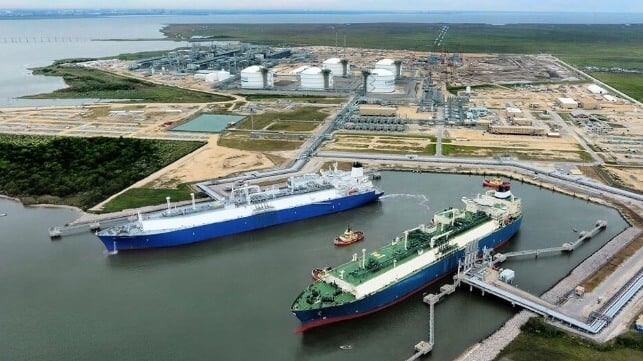
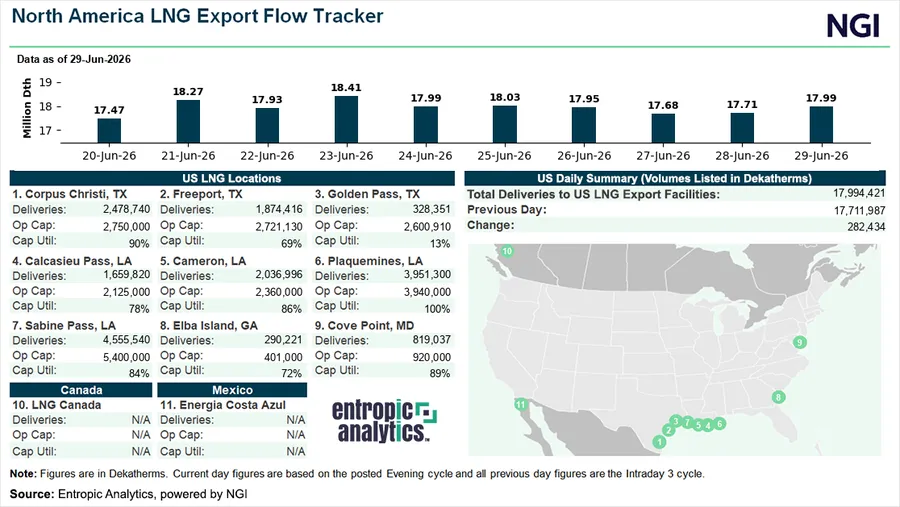
Their LNG and gold contracts are unique. In LNG, it is the only physically settled contract that exists. For gold, it is the only physically settled contract in Asia. Without physically settled futures, participants rely on benchmarks like Henry Hub, which are not great hedges for LNG and can introduce risk.
We believe Abaxx’s contracts will find a market. The stock is very expensive on a trailing or forward price-to-sales basis, but you should think of it like a biotech. It takes years to develop the product and get to revenue.
When the solution finds a market, revenue can be significant and margins extremely high. Exchanges tend to be natural monopolies — when a contract gains traction, there is usually one dominant venue. That creates strong network effects and supports higher multiples. If Abaxx succeeds, there is significant upside potential.
ANDREW: Martin, thank you very much indeed. You gave us three fresh ideas there. Martin Toner, director of institutional research, growth and innovation at ATB Capital Markets.
| DISCLOSURE | PERSONAL | FAMILY | PORTFOLIO/FUND |
|---|---|---|---|
| WULF NASDAQ | N | N | N |
| KEEL TSX | N | N | Y |
| ABXX CBOE | N | N | N |
—
This BNN Bloomberg summary and transcript of the April 28, 2026 interview with Martin Toner are published with the assistance of AI. Original research, interview questions and added context was created by BNN Bloomberg journalists. An editor also reviewed this material before it was published to ensure its accuracy and adherence with BNN Bloomberg editorial policies and standards.