Developed nations ease bank rules to help absorb the surge in government bonds.
JAKARTA – Governments in advanced economies are becoming increasingly reliant on banks to absorb surging sovereign debt amid weakening capacity in the global bond market and the growing role of hedge funds in debt markets.
Although considered risky, relaxing regulations to allow banks greater flexibility to buy government bonds is viewed as safer than allowing hedge funds to dominate the market further.
According to Reuters, public debt in advanced economies has surged sharply since the 2008 global financial crisis. Data from the International Monetary Fund (IMF) shows that government debt in advanced economies rose from 69% of gross domestic product (GDP) in 2007 to 108% last year.
At the same time as governments’ financing needs have increased, Basel III regulations have tightened banking rules. As a result, the cost for banks to hold government bonds on their balance sheets has become more expensive.
Analysis by the Bank for International Settlements (BIS) showed that banks’ holdings of government bonds in advanced economies fell from 25% of GDP in 2013 to 20% in 2018.
Over recent years, central banks filled the gap through large-scale bond-buying programmes. However, that support has begun to fade as global monetary policy tightens.
As a result, several major banks are urging regulators to relax leverage ratio rules so they can purchase more sovereign debt.
Barclays estimates that partially exempting UK government bonds from leverage ratio calculations could create room for up to £150 billion in additional gilt purchases.
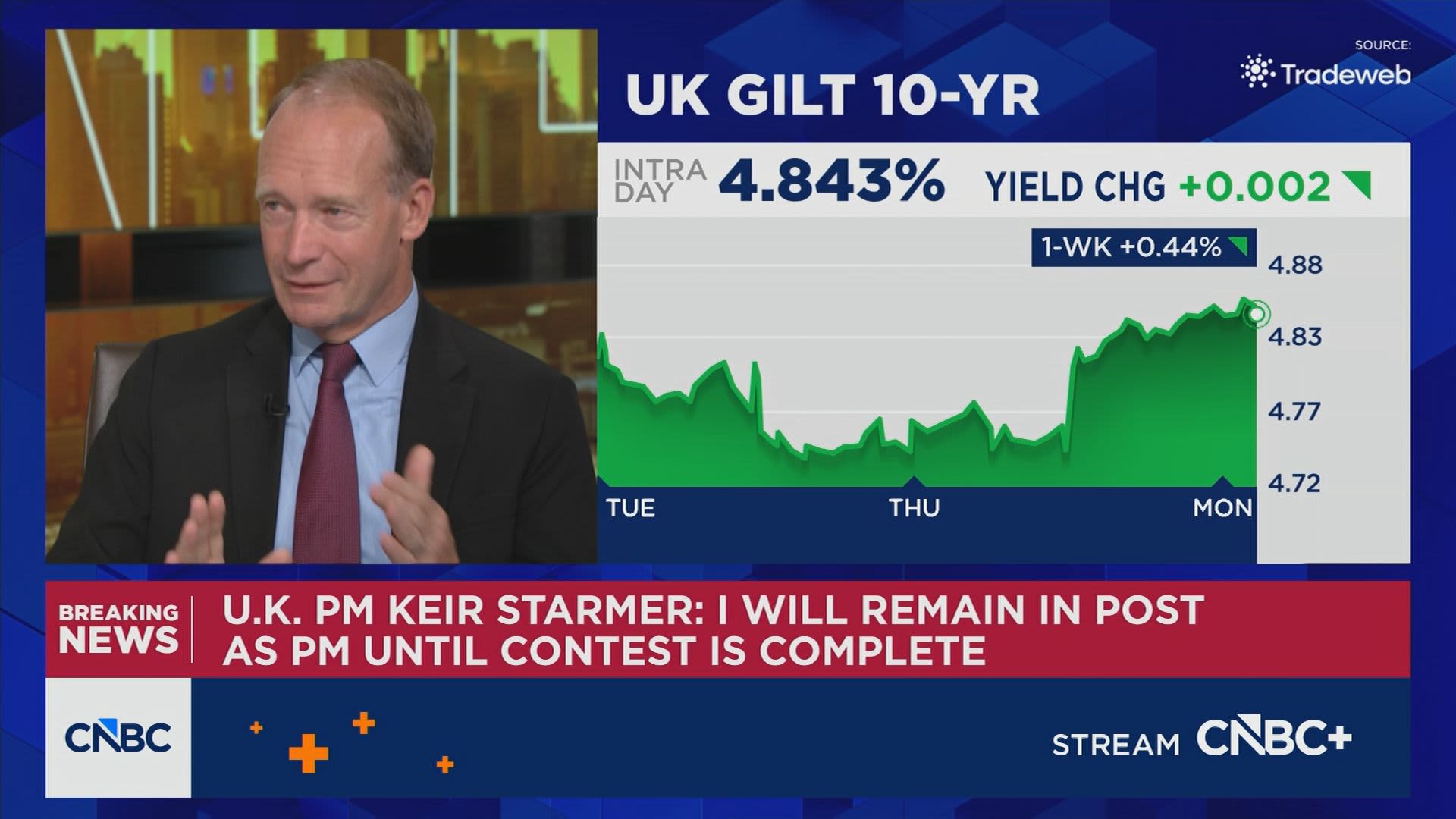
Although the impact on government borrowing costs is expected to be limited, the move is seen as important for maintaining liquidity in the bond market. Barclays estimates the policy would lower UK bond yields by only around 20 basis points and reduce government interest costs by roughly £2.5 billion annually. That figure remains small compared with total UK public spending of £1.3 trillion.
On the other hand, the growing dominance of hedge funds in government bond markets is raising fresh concerns.
Data from the US Office of Financial Research shows that hedge funds’ long and short positions in the US Treasury market surged to nearly US$4 trillion by the end of 2025, four times higher than in 2013.
A similar trend is also emerging in the eurozone, Japan, and the UK. Hedge funds are using cheap borrowing in repo markets to purchase large quantities of government bonds.
In the UK, hedge fund repo positions in government bonds jumped from minus £46 billion in 2022 to £97 billion in November last year.
Regulators are concerned because hedge funds rely heavily on debt, or high leverage, and do not have direct access to central bank protection. During the market panic of the 2020 pandemic, many hedge funds worsened volatility by aggressively selling bonds as prices swung wildly.
The BIS believes hedge funds are unsuitable to form a core part of the global bond market infrastructure because they face limited oversight and are vulnerable to triggering instability in the financial system. By contrast, banks are considered better equipped to manage interest rate risk and maintain liquidity in government bond markets.
Even so, regulators remain cautious because they are still haunted by the risk of a “doom loop”, a situation in which a banking crisis and a sovereign debt crisis reinforce each other. Similar risks shook Europe during the 2010s and resurfaced during the collapse of Silicon Valley Bank in 2023 due to poor bond risk management.
The BIS is now pushing for tighter restrictions on hedge fund leverage through stricter clearing rules and the implementation of minimum haircuts to prevent repo financing from becoming excessively cheap.
However, the experience of the Federal Reserve shows that relaxing leverage ratio rules in 2020 and earlier this year helped encourage banks to provide greater liquidity in government bond markets.
Without such measures, central banks may once again have to intervene directly to support sovereign debt markets amid an ever-growing wave of global debt. (DH/LM)