Investment experts have welcomed the unexpected 0.5% rise in GDP announced last week, but ahead of inflation figures to be announced tomorrow, the latest interest rate announcement next week and further impacts of the energy crisis, they warned there could be challenges to come for the UK property investment market and the economy as a whole.
In the three months to February 2026, real gross domestic product (GDP) grew by 0.5%, compared with the three months to November 2025, according to the ONS. It follows a 0.3% increase in the three months to January 2026, and no growth in the three months to December 2025. In the month to February 2026, monthly GDP grew by 0.5% in February 2026, following 0.1% growth in both January 2026 and December 2025.
An update on interest rates is expected next week, when the Monetary Policy Committee is expected to hold interest rates for the second month running after a previous cut to 3.75% in February. Predictions are that they could rise again later this year if inflation climbs too high.
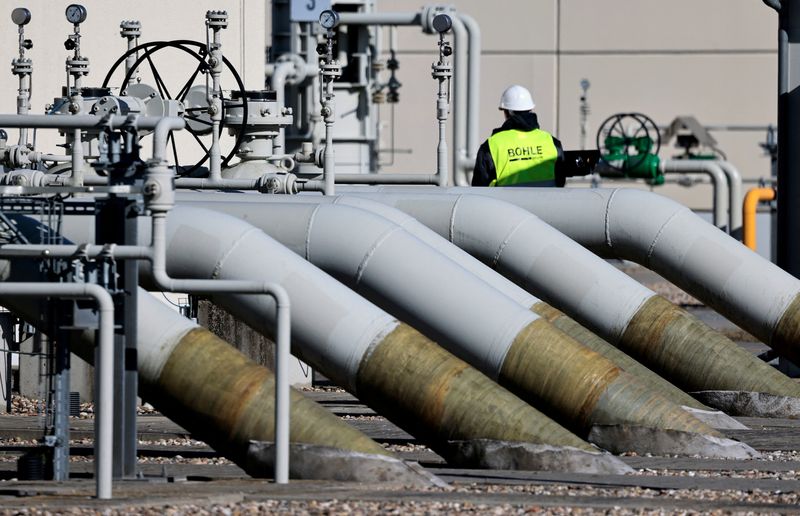
Focus on the energy shock
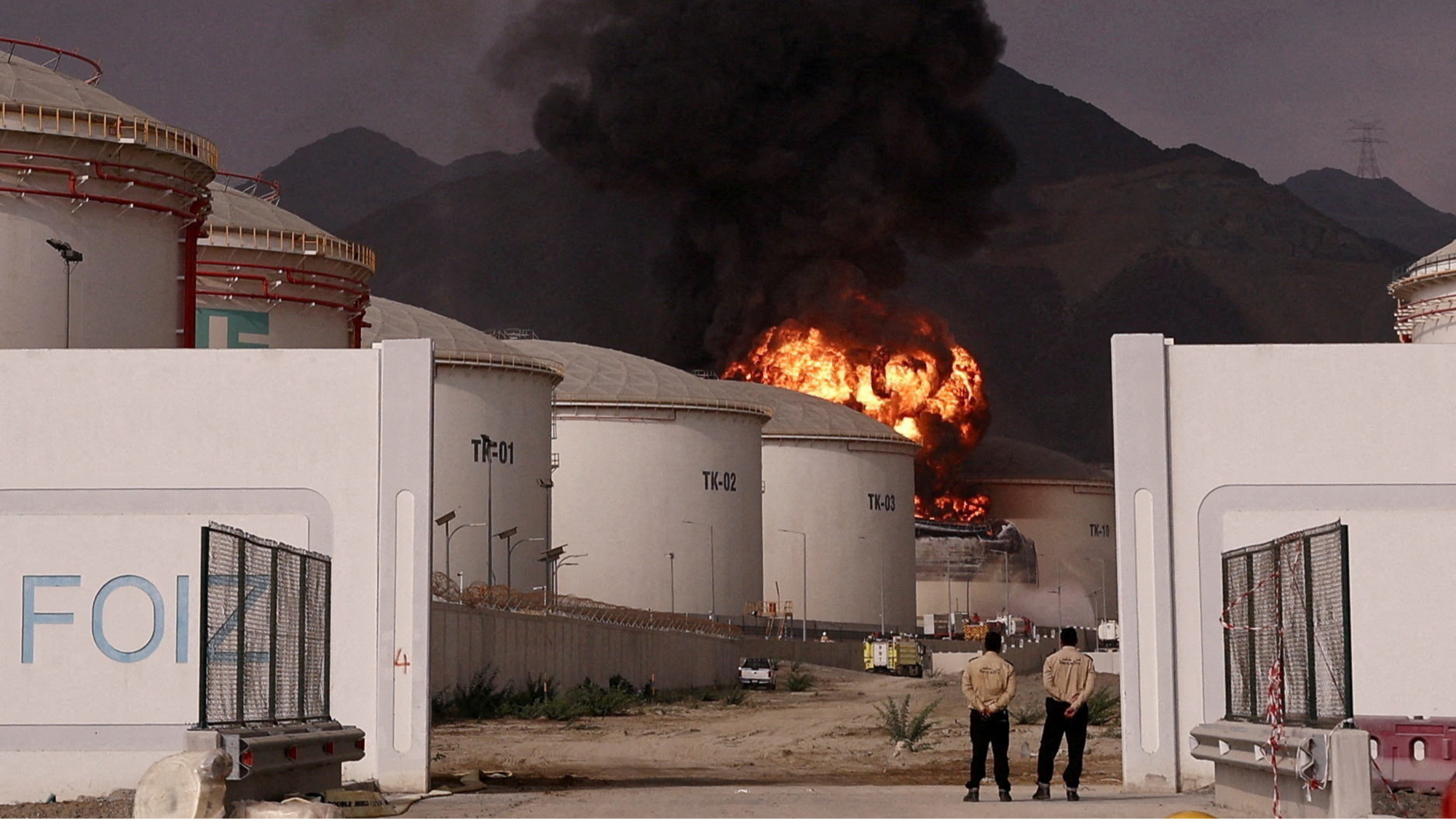
Adam Hoyes, senior asset allocation analyst at Rathbones, said: “February’s GDP data suggests the UK economy was in reasonable health before the conflict in the Middle East began, but our attention remains on the impact of the energy shock caused by the conflict in the Middle East.
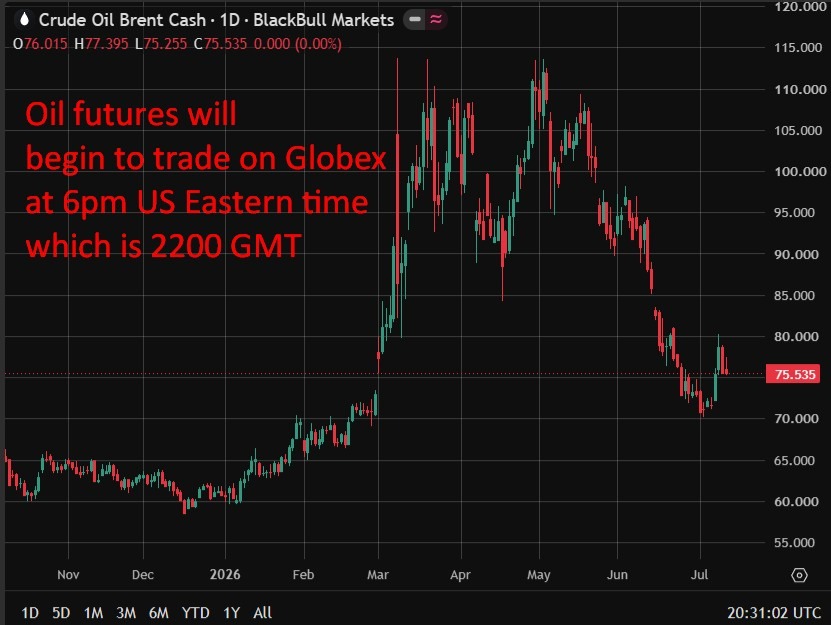
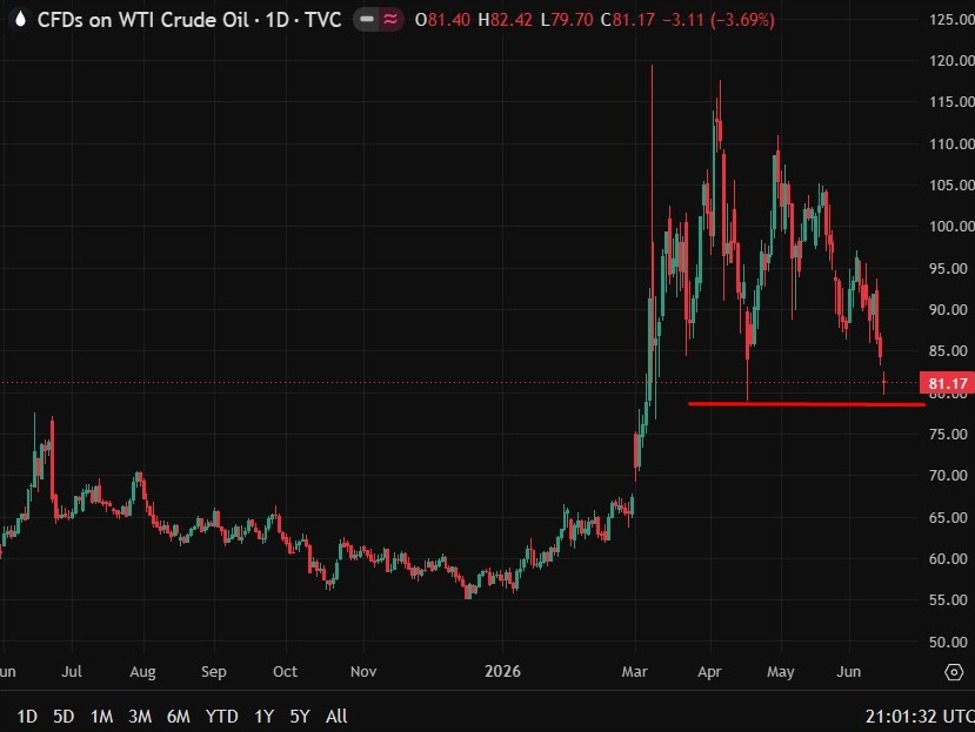
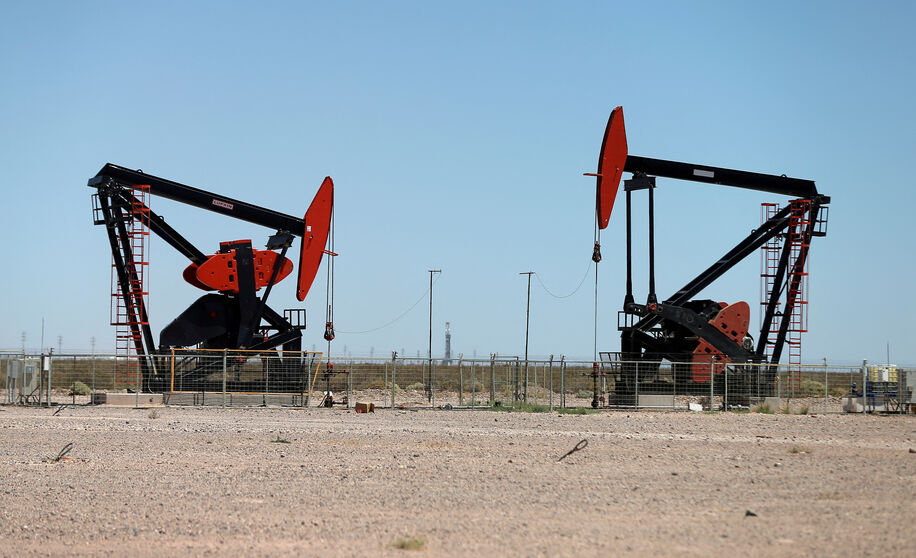
“The data is old news given the spike in energy prices caused by the outbreak of war in the Middle East on the final day of February. Oil and natural gas prices are substantially higher than they were two months ago, which will weigh on UK GDP growth. We have already seen evidence that this is occurring from timelier indicators such as the S&P Global PMI surveys, with the composite index there falling close to a level consistent with stagnation in March.
“The evolution of the conflict, and by extension, energy prices, will be key for the economic outlook in the UK and the rest of the world over the coming months and quarters. Should energy prices remain elevated around recent levels for an extended period, we think UK GDP growth would slow to a crawl.”
The International Monetary Fund (IMF) also warned this week that the energy shock will hit the UK the hardest of the world’s advanced economies and has downgraded its UK growth predictions from 1.3% to just 0.8%. The OECD made a similar forecast last month.
Eurozone inflation
Meanwhile, Katy Stoves, investment manager at Mattioli Woods, reflected on the recent European Central Bank’s announcement that Eurozone inflation had risen to 2.6%, saying that although it represents a degree of relative near-term stability (especially relative to last month’s reading in the US), “it is stability at an uncomfortable level.”
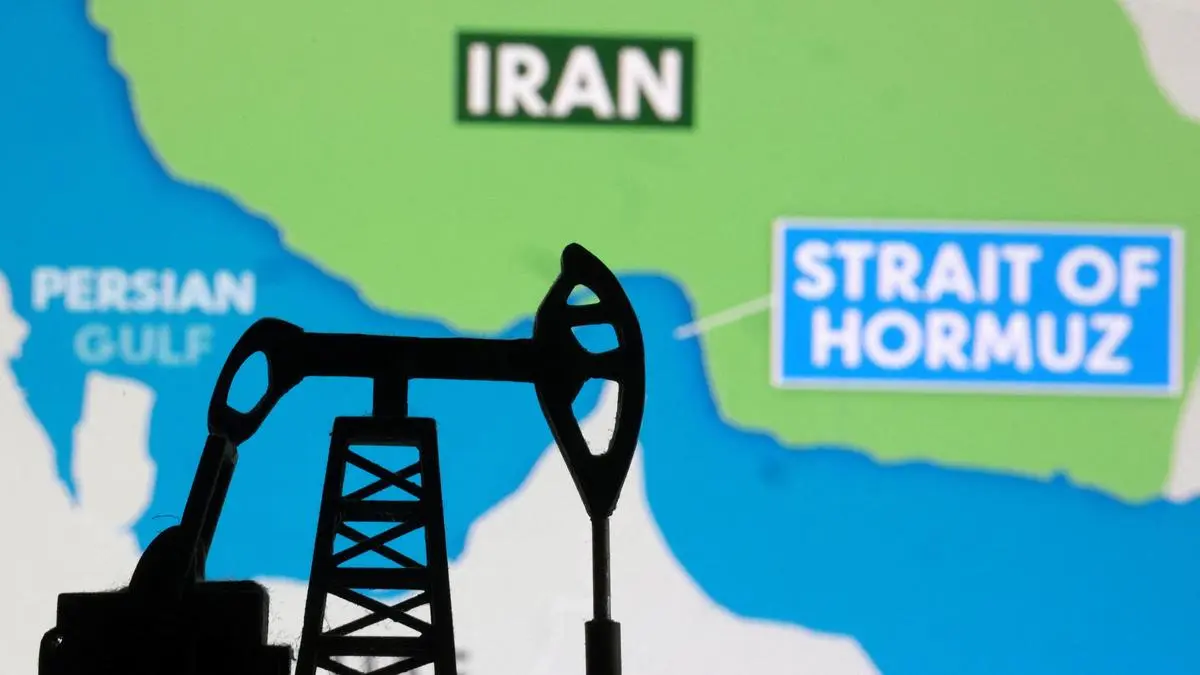
She said the ECB’s 2% target remains elusive, and the forces sustaining elevated inflation show little sign of easing, in addition to the fact that the data doesn’t reflect some of the most recent disruptions, such as the consequences of the Strait of Hormuz closure. “There is a reasonable case that the worst of the inflationary impulse remains ahead,” she warned.