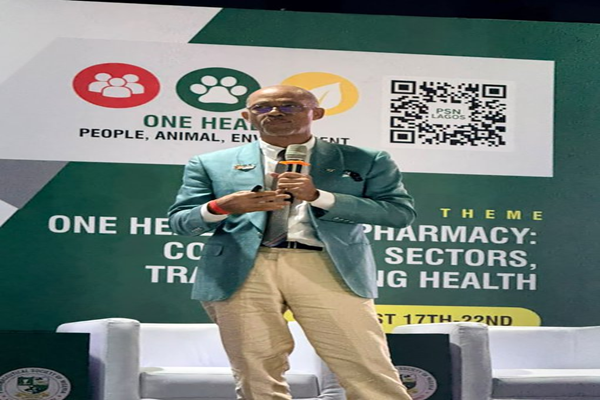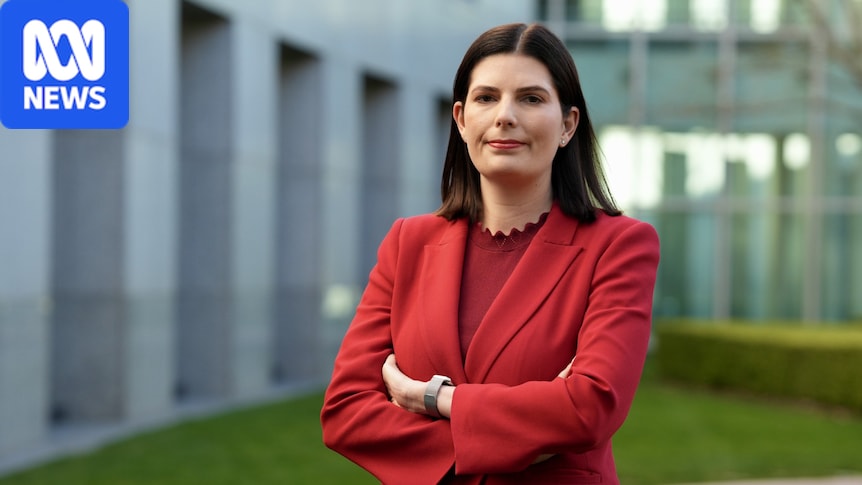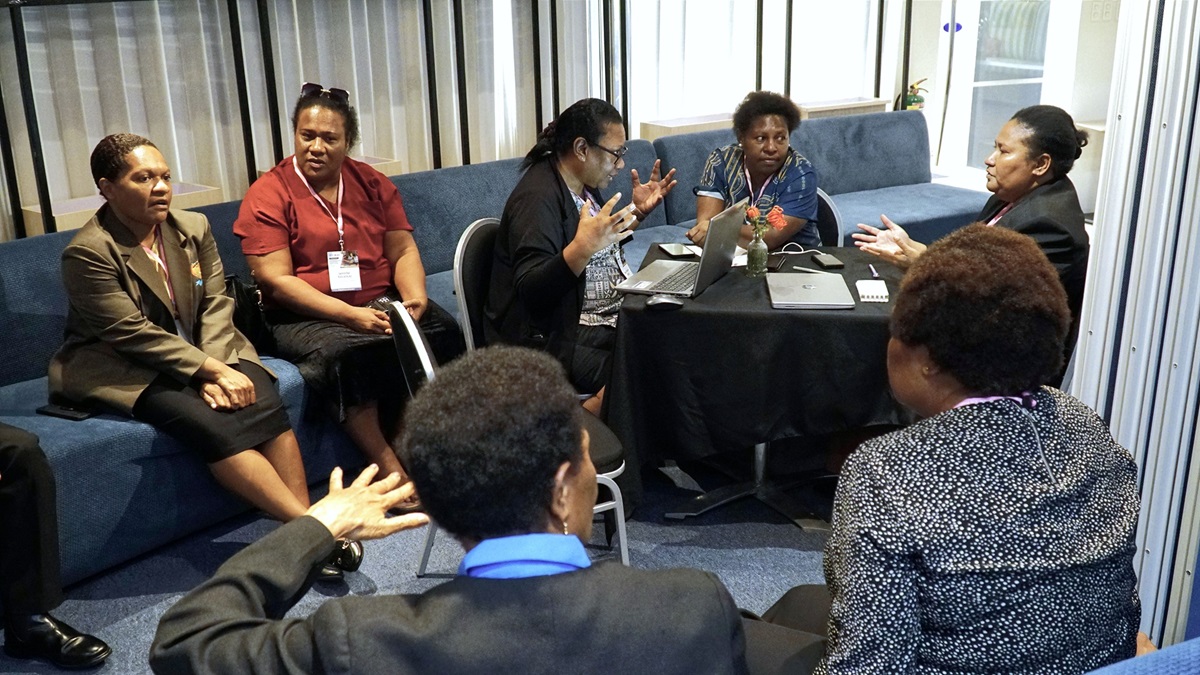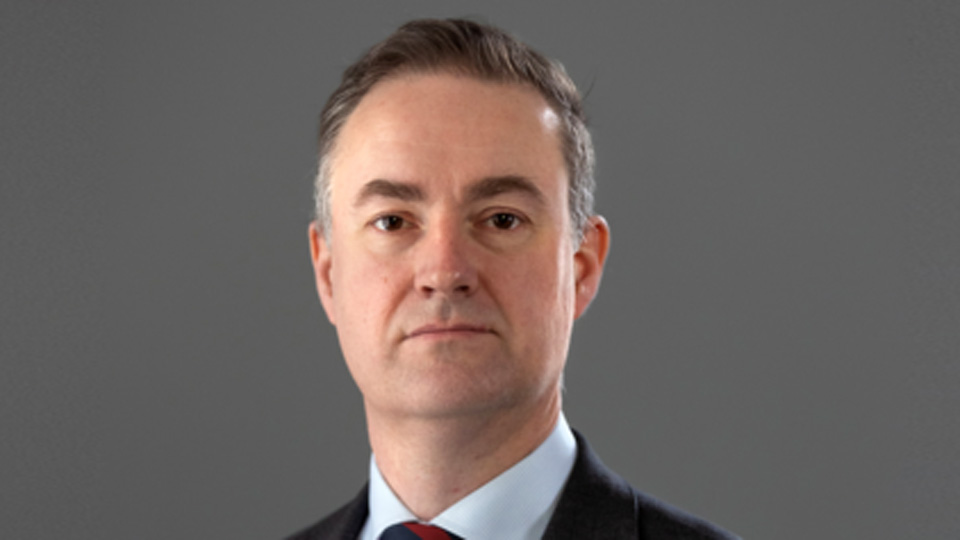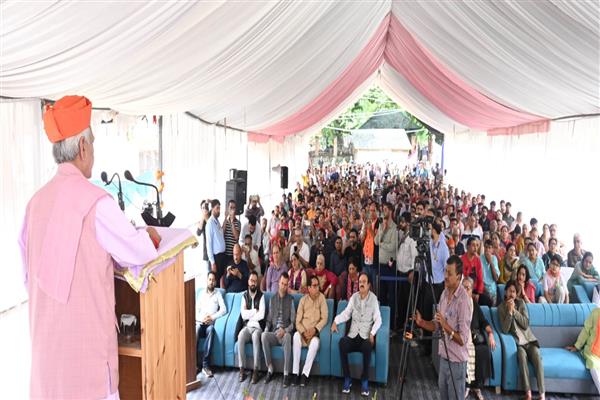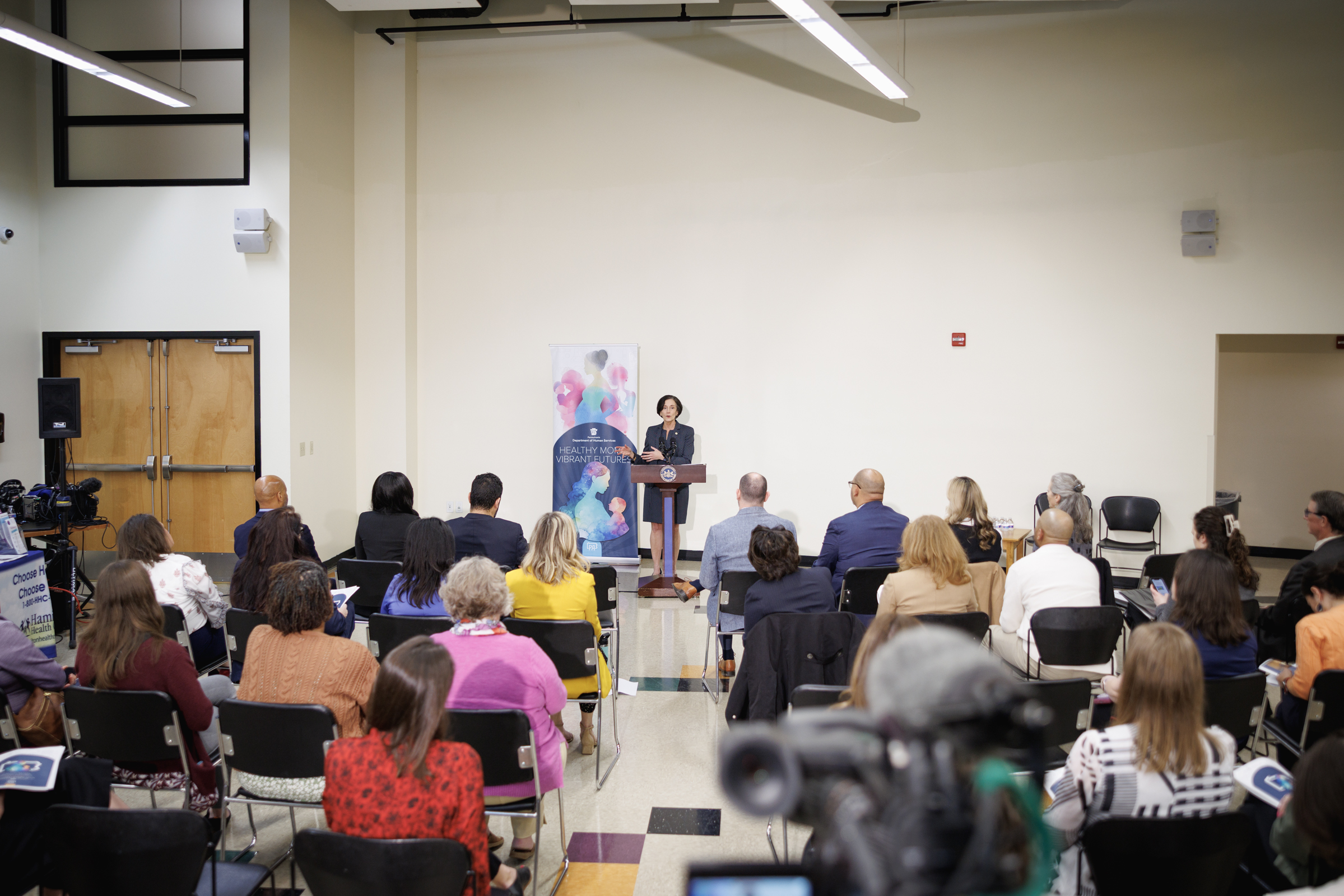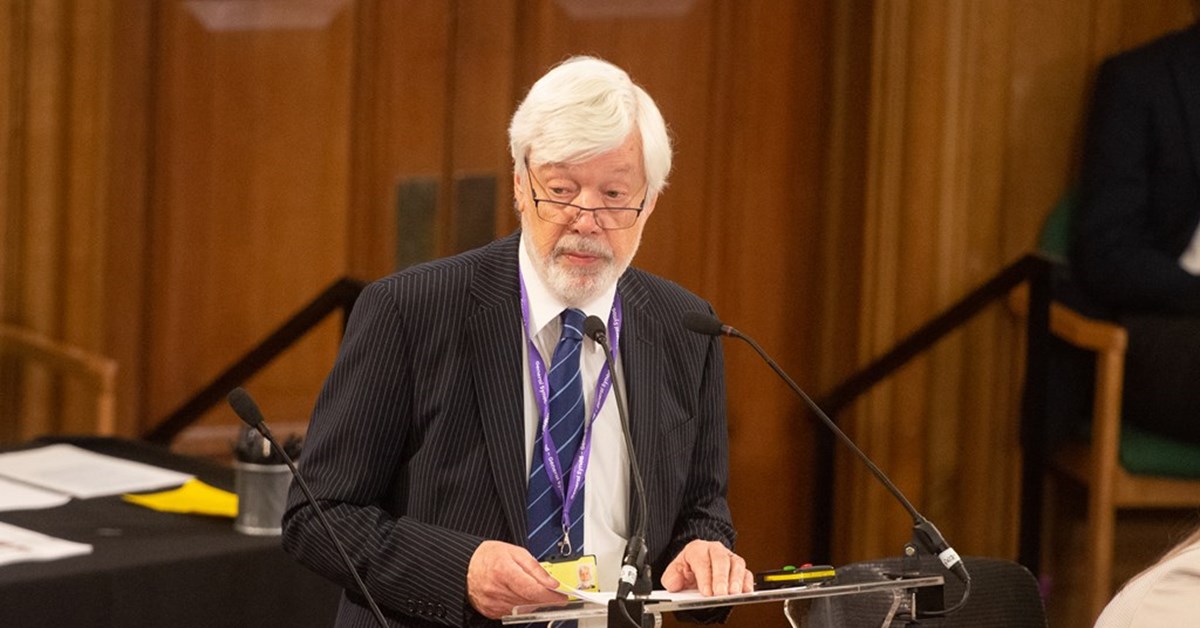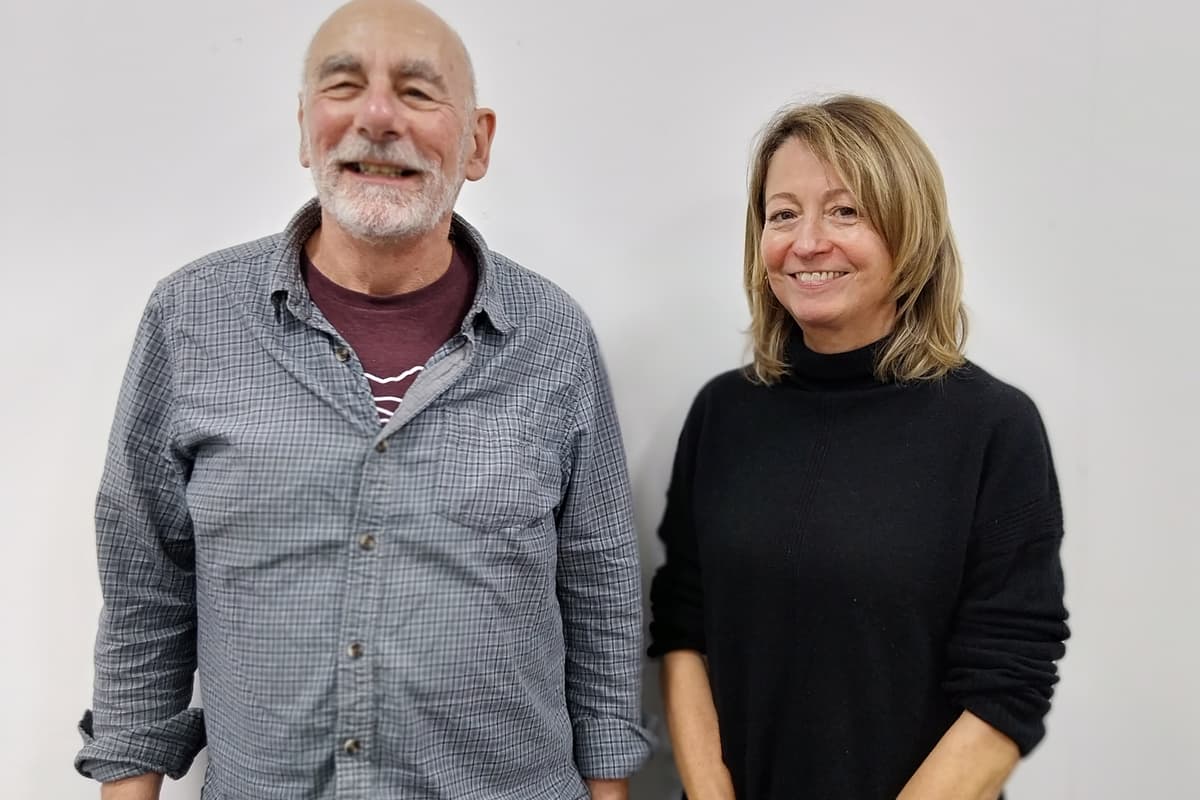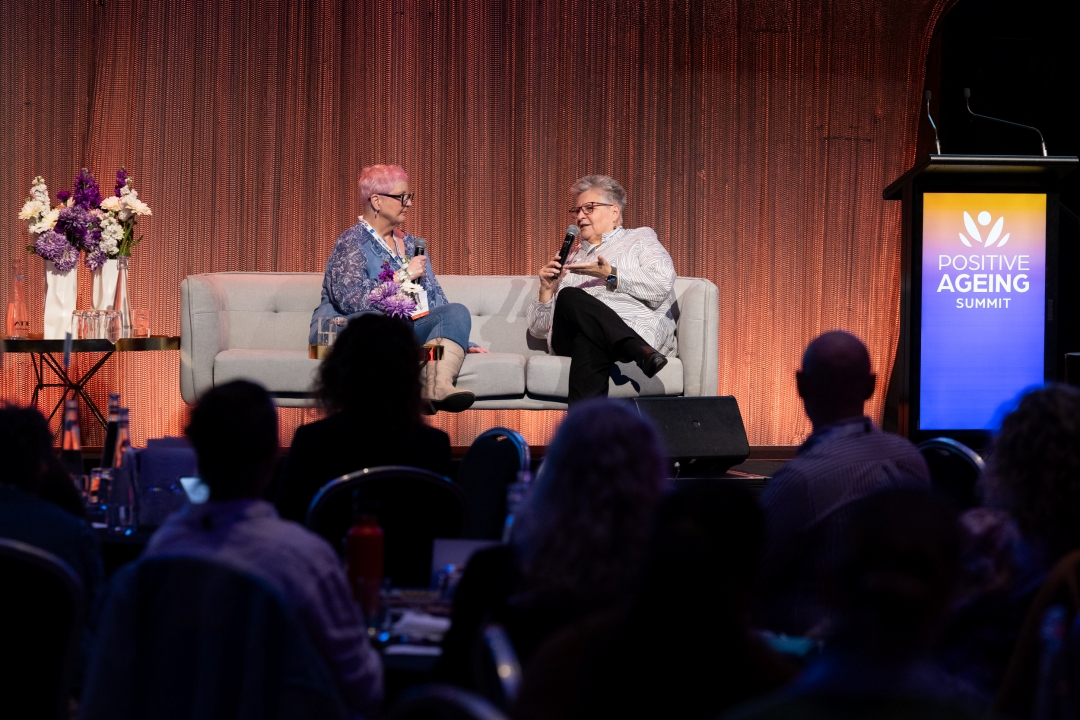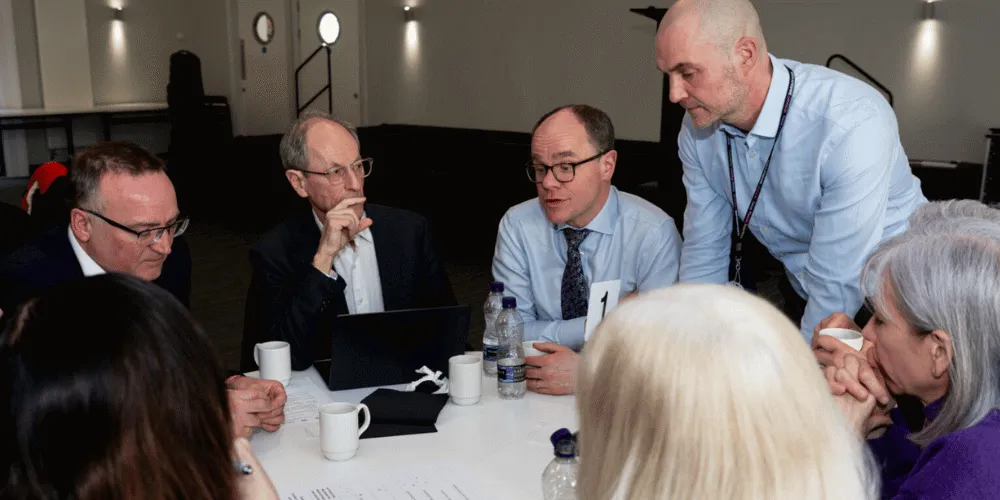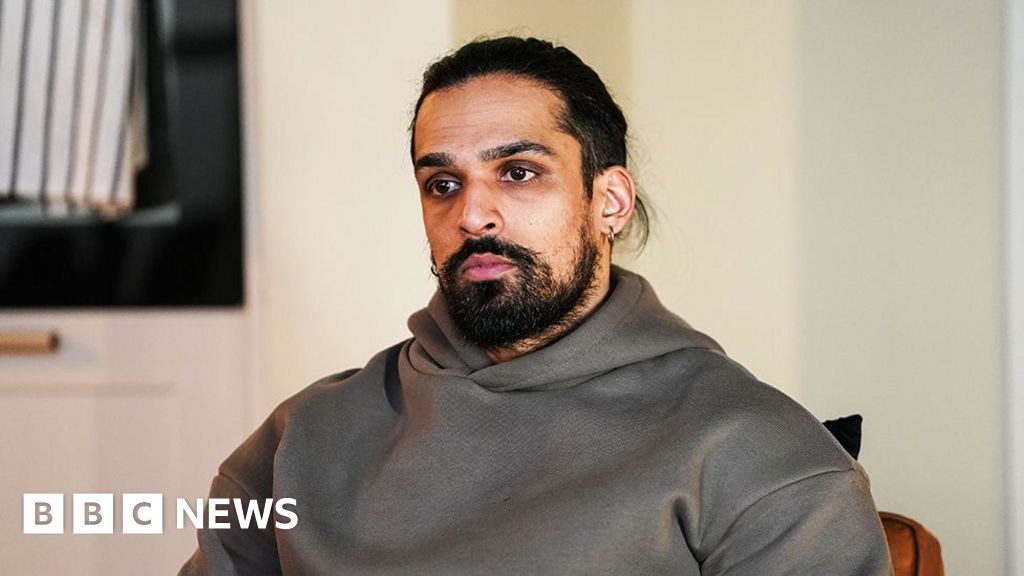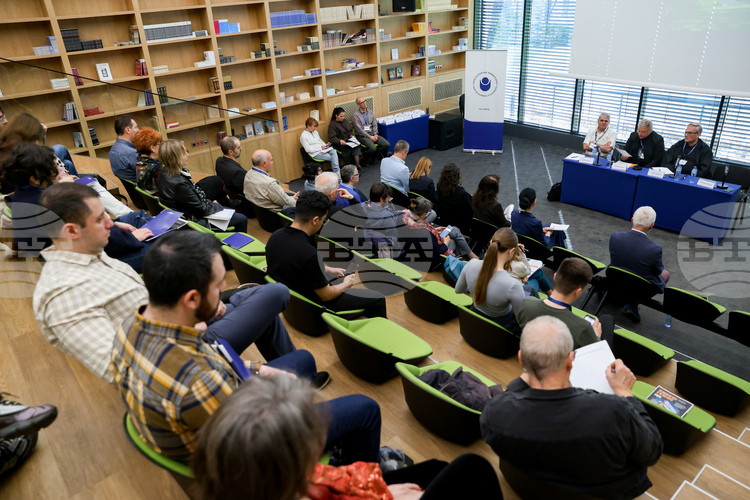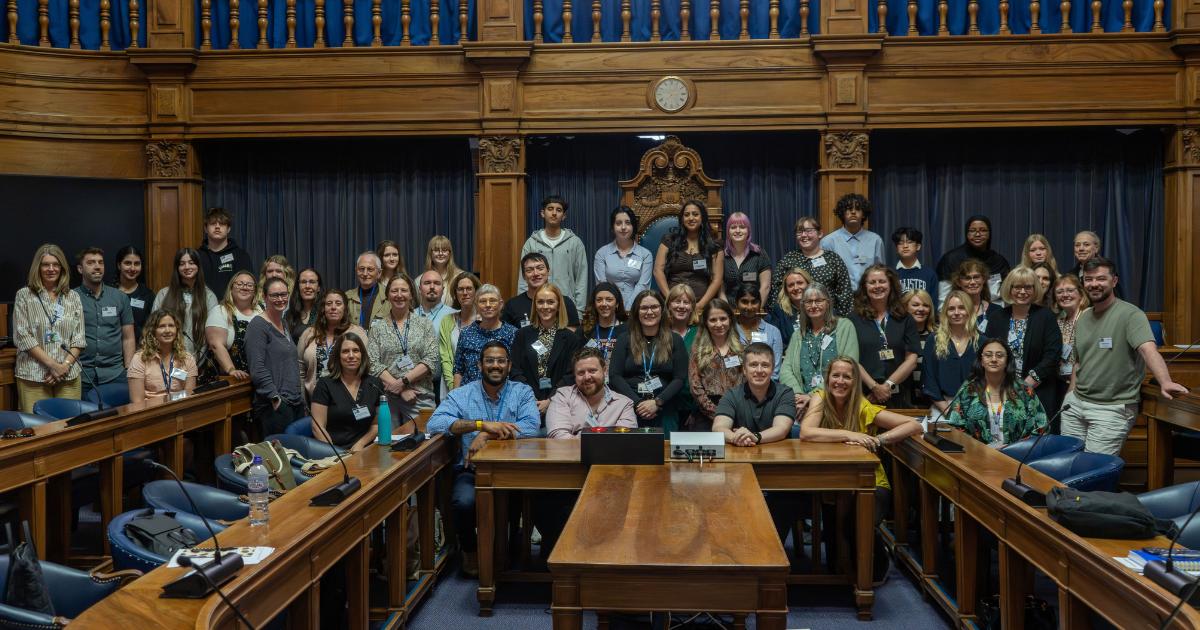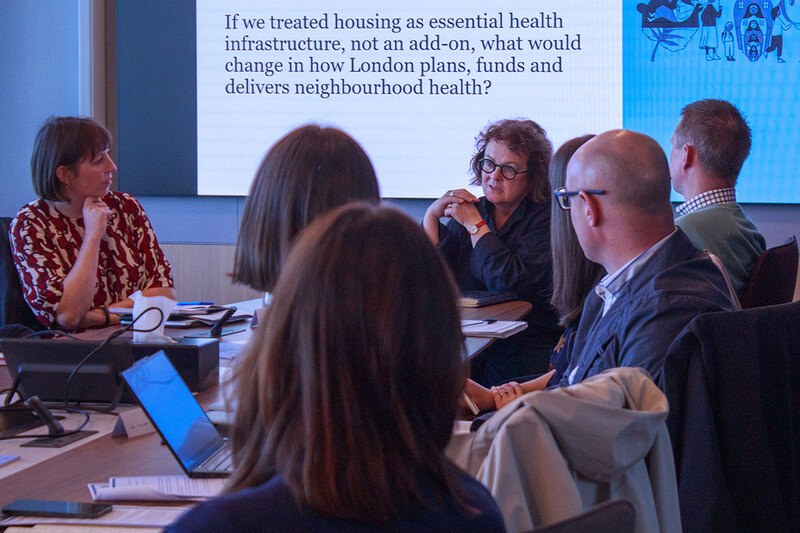
Andrew van Doorn, chief executive officer of HACT, who also chaired the event, said there needs to be “an explicit consideration around housing as part of health conversations”.
“If we’re honest, often housing is a kind of a side hustle in health thinking, but actually, what we’ve heard, and we know… it’s not a side hustle. It’s core and fundamental to those things that drive poor health outcomes for people.”
Mr van Doorn also stressed the importance of ensuring social landlords are part of decision-making.
He said: “How do we make sure that the social landlords – who are the deliverers of the vast majority of social housing in London [alongside] local government – how do we make sure that they’re at the table?
“Because they’re the organisations with the professional workforce, with the assets, they’re the people who are going into homes.
“How do we make sure that landlords and the G15 and others are in that conversation? And how do we ask and make sure that the NHS and health planners think about that?”
He said the neighbourhood health agenda is “a massive opportunity to get this right, because it is transferring resource”.
Michael Bell, chair of NHS West and North London Integrated Care Board (ICB) and chairman of Lewisham and Greenwich NHS Trust, told attendees that his ICB is shifting significant resources out of hospitals and into the community.
He said: “We will be shifting £120m this year. By the end of the three-year period, we will have shifted between £350m and over £700m from acute care into neighbourhood health.
“This is dramatic. This will make a real difference – £700m goes quite a long way in the acute sector, but not that far. In primary care and in community services, that’s transformative, absolutely transformative.
“So the future is potentially bright. We need to work with you to make sure that we’re getting housing around the table.”