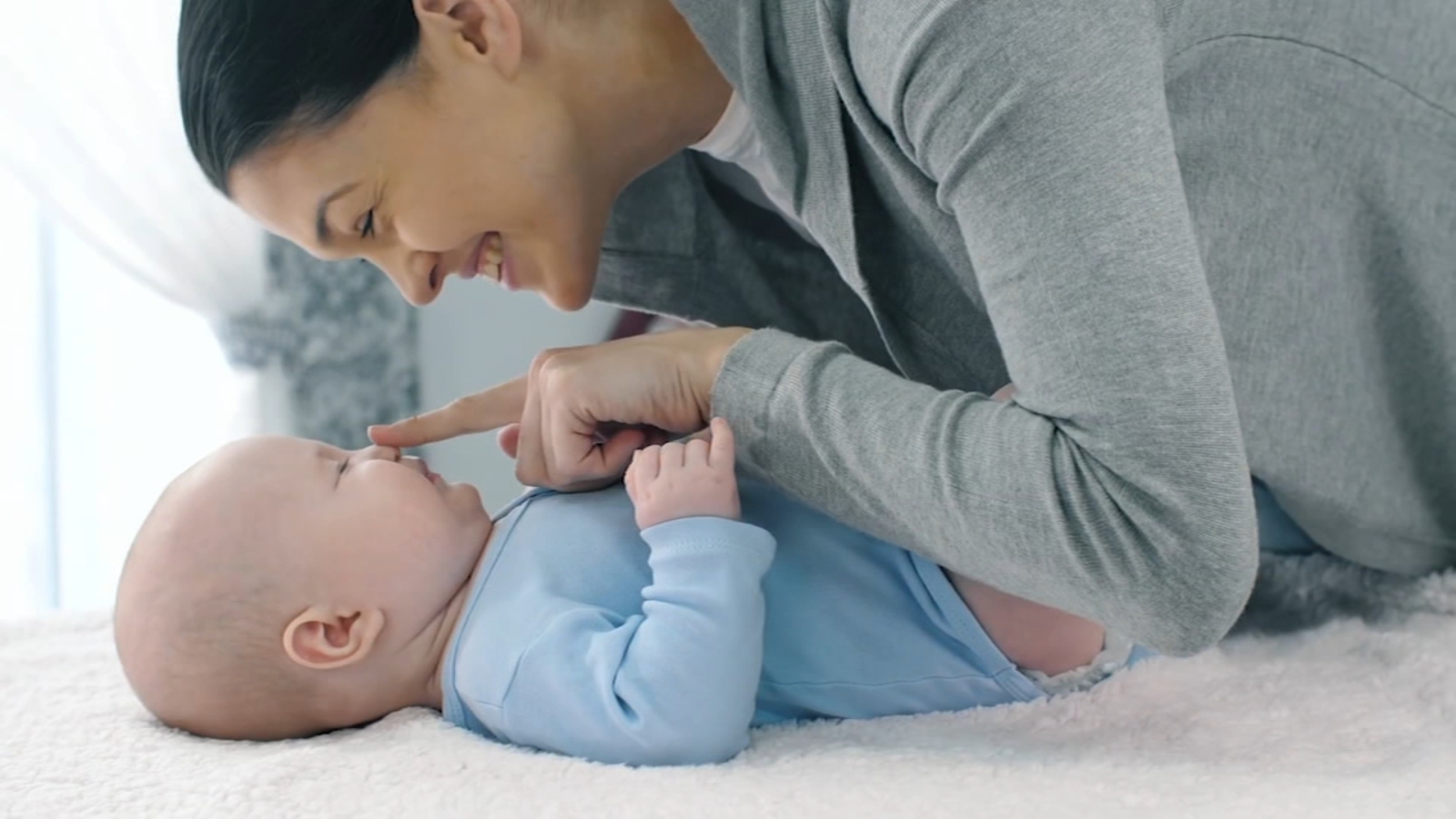
A father doesn’t get a rulebook when a baby arrives. New parents figure things out in real time, often while running on little sleep.
Every smile, missed cue, or awkward moment feels small. But new research shows those early interactions can leave a physical mark that lasts far longer than anyone might expect.

Family life in the first year is busy and loud and messy. It is also when patterns start to form.
How parents work together, respond to stress, and share attention all begin to shape the home environment. That environment, it turns out, can reach deep into a child’s body years later.
Fathers, children, and health
A recent study followed families from a baby’s first year through elementary school. The researchers weren’t looking at memories or emotions. They were tracking physical health, including blood sugar control, inflammation, and markers tied to heart health.
What stood out was the role fathers played very early on. Fathers who were warm, responsive, and supportive with their babies around 10 months old helped create smoother co-parenting relationships by the time the child was two.
Years later, those same children showed healthier blood markers at age seven. The reverse was also true.
When fathers were less sensitive early on, family interactions became more strained. That tension did not stay emotional. It showed up later in the child’s bloodwork.
At-home observations
The study did not rely on surveys or memory. Families were visited at home when the child was 10 months old and again at 24 months.
Parents were recorded playing with their child for 18 minutes. Trained evaluators later watched the videos and carefully coded behavior.
The team noted how quickly parents responded, how warm they were, and whether their reactions fit the child’s age. They also paid close attention to co-parenting.
In some families, parents naturally took turns or played together. In others, one parent competed for the child’s attention, which often caused the other parent to pull back and disengage. These patterns made a difference.
Measuring child health
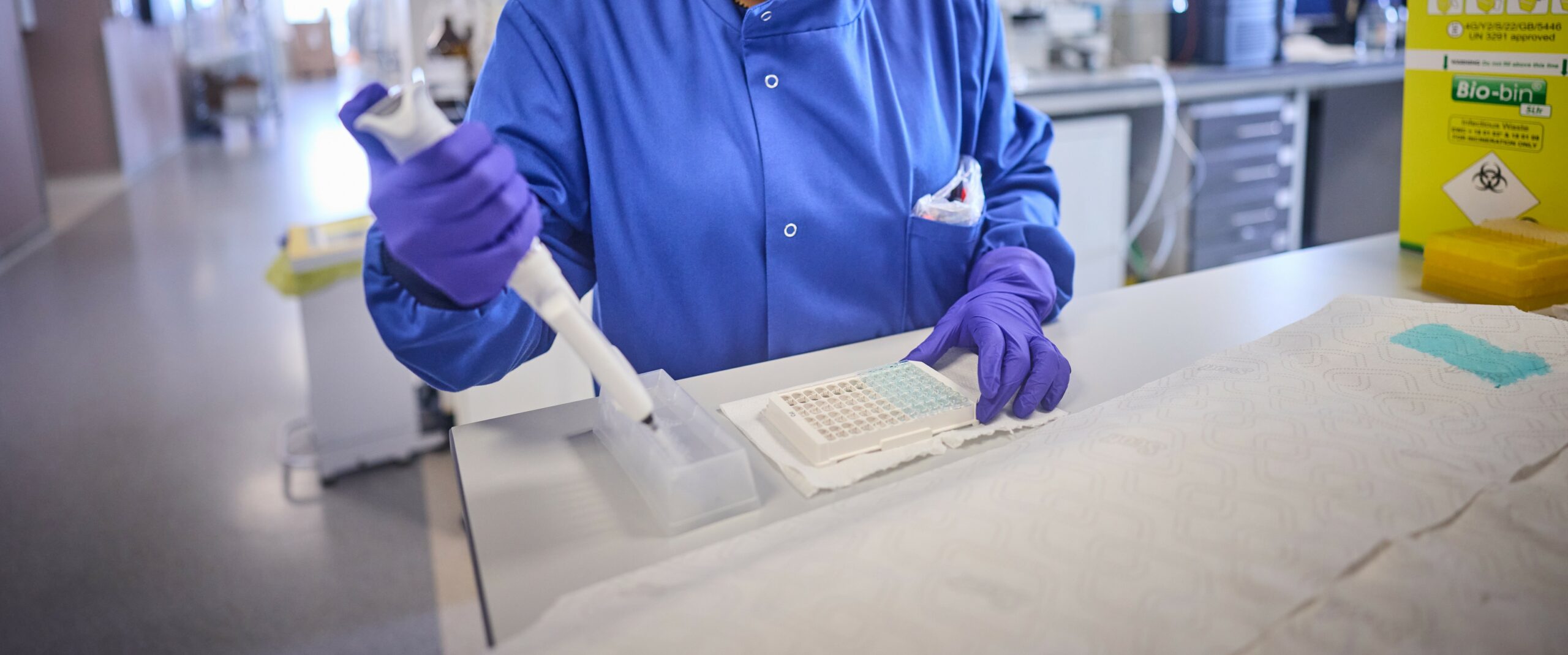
When the children turned seven, researchers collected dried blood samples. They measured cholesterol, glycated hemoglobin, interleukin-6, and C-reactive protein.
Together, these markers offer a window into heart and metabolic health, as well as inflammation in the body.
Fathers who showed less sensitivity when their child was 10 months old were more likely to engage in competitive or withdrawn behavior during family play at 24 months.
Children exposed to more of that competitive-withdrawal pattern had higher levels of HbA1c and CRP at age seven. Those markers are linked to blood sugar regulation and inflammation.
This connection stretched across more than six years, from infancy to second grade.
Why fathers impact child health
This research was conducted by a team at Penn State’s College of Health and Human Development. Alp Aytuglu, one of the lead researchers, explained that this does not mean mothers are unimportant.
“Everyone in the family matters a lot,” said Aytuglu. “Mothers are often the primary caregivers, and children are experiencing the most growth and development.
“The takeaway here is that in families with a father in the household, dads affect the environment in ways that can support – or undermine – the health of the child for years to come.”
A mother’s warmth at 10 months, or her co-parenting behavior at age two, did not predict the child’s physical health at age seven in the same way. That result surprised the researchers.
Different role in the family system
Past research has shown that high-conflict or unstable households raise the risk of health problems in children, including inflammation, blood sugar issues, and obesity.
Most of that work focused on mothers. This study widened the lens to include the full family system.
One possible explanation is how roles often play out in two-parent households. Mothers are frequently the primary caregiver, so their behavior may set the baseline for daily life.
Fathers may reinforce that norm or disrupt it, making their behavior especially noticeable within the family dynamic.
“No one will be surprised to learn that treating your children appropriately and with warmth is good for them,” said study senior author Professor Hannah Schreier.
“But it might surprise people that a father’s behavior before a baby is old enough to form permanent memories can affect that child’s health when they are in second grade.”
“It is generally understood that family dynamics affect development and mental health, but those dynamics affect physical health as well and play out over years.”
Collecting the data
Another strength of the study was how the data were collected. Study co-author Professor Jennifer Graham-Engeland noted that researchers studying parenting are often forced to rely on parents’ self-reports of their behavior.
“When any of us self-report something, we can be influenced by what we remember or how we want to be seen – which may not represent how we actually behaved. And, of course, children this young can’t report on how their parents acted,” said Graham-Engeland.
“The Family Foundations data made possible this intimate look into family lives as well as the connection of those interactions to later biological indicators of health. We believe this allowed us to create a more accurate picture of the influence of fathers than was possible previously.”
Every family is different
The researchers are careful to note the limits of the study. It focused on families with a mother, a father, and their first child. Family structures vary widely. Dynamics shift when more children arrive or when families change shape over time.
Still, the message is clear. Early family interactions matter in ways that go beyond feelings or behavior.
“What I hope people will take from this research is that fathers, alongside mothers, have a profound impact on family function that can reverberate through the child’s health years later,” Aytuglu said.
“As a society, supporting fathers – and everyone in a child’s household – is an important part of promoting children’s health.”
Those quiet moments on the living room floor may be doing more than keeping a baby busy. They may be helping shape a healthier future, one interaction at a time.
The full study was published in the journal Health Psychology.
—–
Like what you read? Subscribe to our newsletter for engaging articles, exclusive content, and the latest updates.
Check us out on EarthSnap, a free app brought to you by Eric Ralls and Earth.com.
—–