Building a career as a trader is usually straightforward. You’ll probably start your career in a bank, and you may aspire to work for a hedge fund. But, if you work in commodities trading, you have a third and possibly better option: commodities trading houses.
Click here to join the bubble by eFinancialCareers, our new anonymous community. ✍️
Commodities trading houses are very secretive. They have a right to be – they are usually privately owned by their senior management. “Commodities traders are a different species,” a commodities banker told us back in 2022. “They keep a very low profile, but make huge amounts of money over time.”
A recent research paper by management consultancy Oliver Wyman noted that the total trading value pool for commodities was around $92bn in 2025, down by 10% from the 2024 and nearly half of what it was in 2022. Power & gas, as well as oil, made up the majority of the revenue pool.
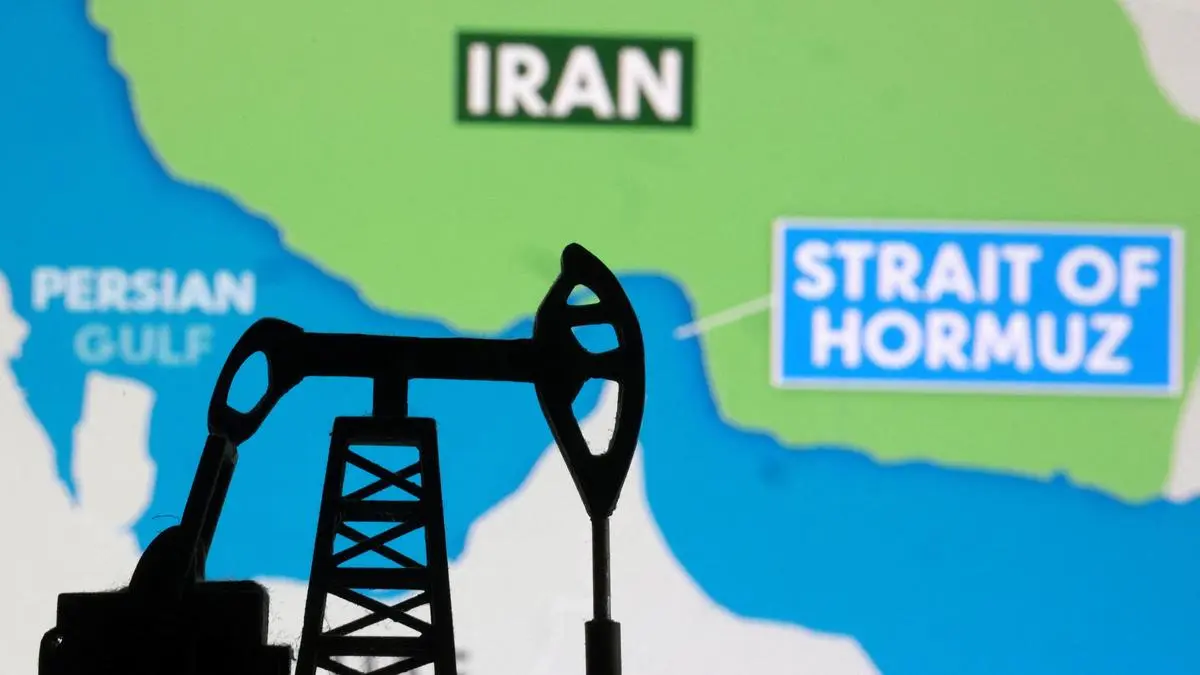
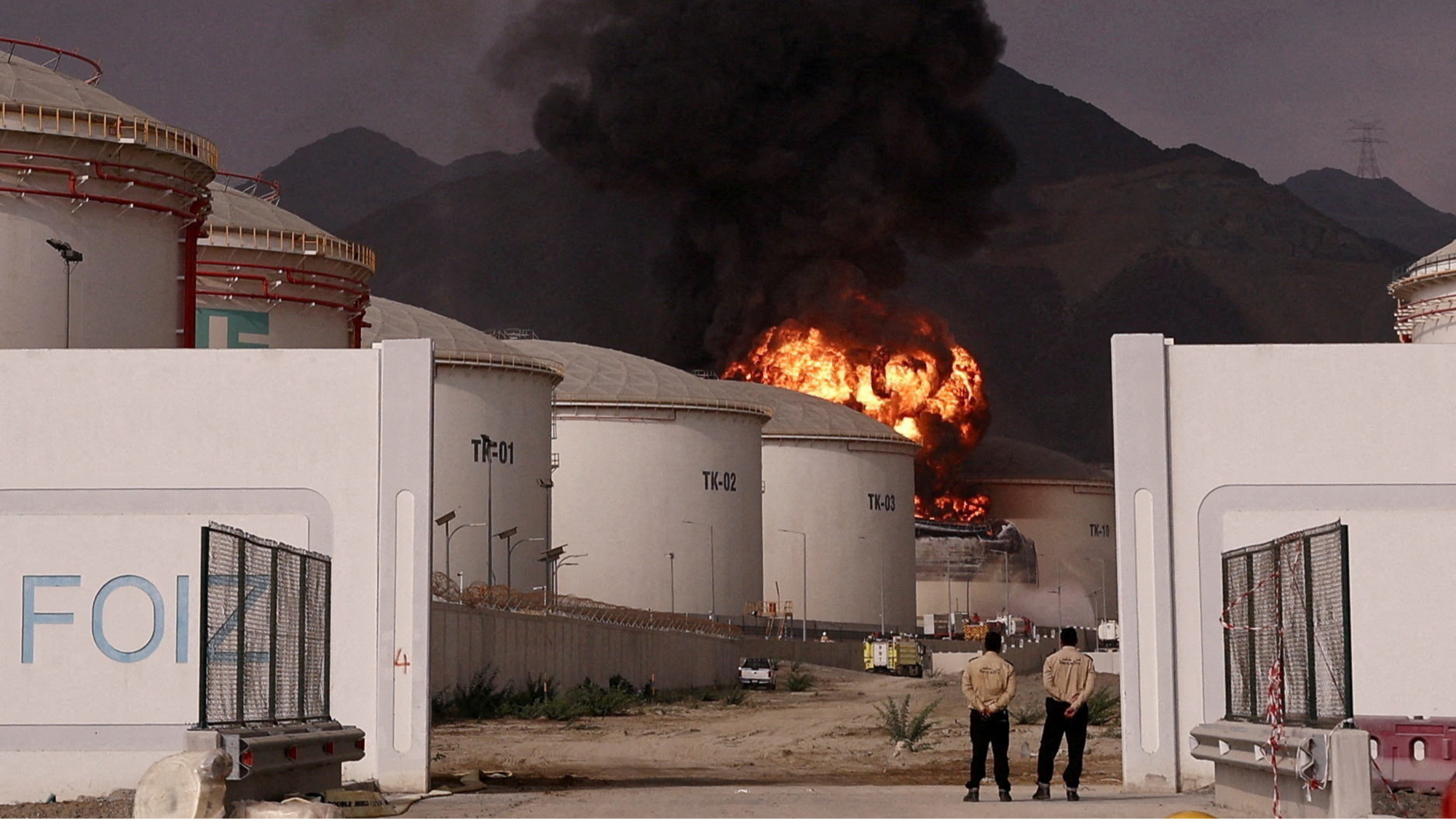
2022, however, was a bit of a special case The Russian invasion of Ukraine blew commodities prices out of the water, especially in fossil fuels. Will war in the Middle East mean 2026 replicates 2022? Bloomberg reported yesterday that the world’s biggest commodities trading firms are thriving, with a year’s worth of profits being made in the first quarter of this year alone.
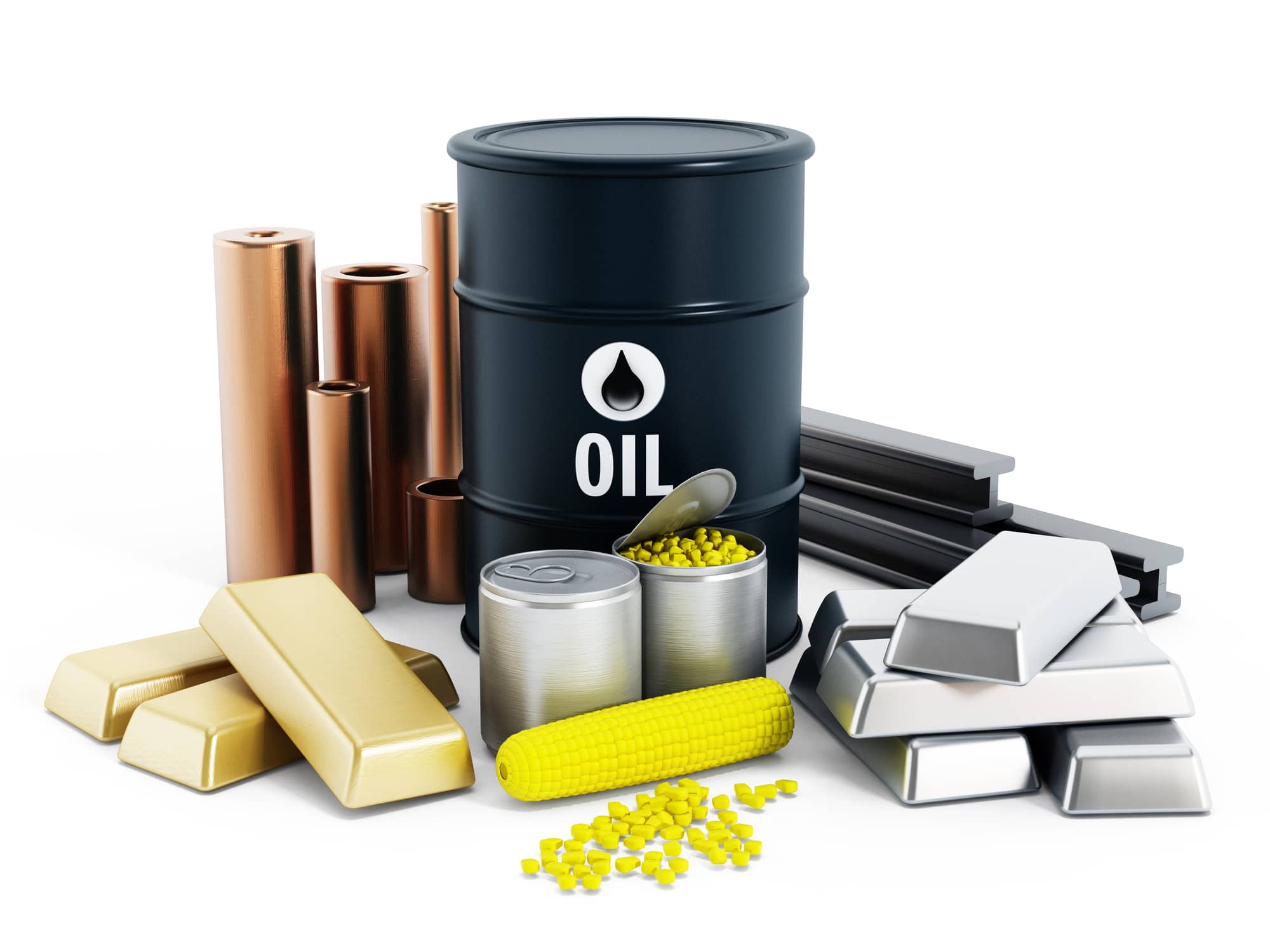
Which are the top commodities trading houses? This depends what you trade. Commodities are generally split into two categories: softs and hards. Softs are things that are grown, such as soybeans, pigs, or corn. Hards are things that are pulled from the earth, such as metal ores or crude oil. Trading either can be very lucrative.
Aside from the four main “soft” traders and the three main “hard” traders, there are also a number of smaller trading houses, as well as substantial trading operations bolted onto traditional resource extractors, and the commodities trading arms of major non-commodities firms such as banks and hedge funds.
Archer Daniel Midland
Founded in 1902, Archer Daniel Midland (ADM) is based in Chicago and is huge. It’s an agricultural commodities trader – according to a recent report from Reveal Intelligence, ADM traded some 100m tons of wheat, corn, and soybeans, the third most in the world after Cargill and Bunge.
Archer Daniel Midland, Bunge, Cargill, and Louis Dreyfus make up ABCD – the world’s largest agricultural traders, which make up 50% to 60% of the world’s trade in wheat, corn, and soybeans according to Reveal Intelligence.
Bunge
Founded in 1818 and based in Amsterdam, Bunge is the second-largest agricultural commodities trader in the world, moving some 142m tons of wheat, corn, and soybeans annually according to Reveal Intelligence.
Bunge has some 23,000 employees globally. All of the ABCD are huge firms with tens of thousands of global employees – Bunge is one of the smallest, alongside Louis Dreyfus.
Cargill
Cargill is a behemoth – the largest private company in the United States, in fact. Founded in 1865, it is the largest agricultural trader in the world by volume, moving some 217m tons of wheat, corn, and soybeans annually according to Reveal Intelligence.
Cargill had around $145bn in revenue for the 2025 fiscal year, at a time when it had around 155k global employees – more than twice as much revenue and almost twice as many employees as Morgan Stanley.
Louis Dreyfus
Louis Dreyfus Company is the last of the ABCD of agricultural trading giants. Headquartered in Rotterdam, it was founded in 1851 and is the smallest of the ABCD, moving just 83m tons annually of wheat, corn, and soybeans according to Reveal Intelligence.
Trafigura
Trafigura is one of the largest privately-held companies in the world (all of the huge commodities traders are). The firm reported 2025 revenue of $240bn – about as much as Goldman Sachs, Morgan Stanley, and Citigroup combined. That figure was slightly below its 2024 revenue, to boot.
Founded in 1993 as a spin-off from fellow commodities trader Vitol (which is slightly further down the list), Trafigura trades most everything. Its specialities are energy (especially crude oil and LNG), minerals, and metals. The firm operates a global logistics network.
Trafigura’s main UK subsidiary, Trafigura Limited paid its 35 UK employees an average of $230k each for their work in 2024, the last year for which figures are available. At the very highest level, however, things are wild: Trafigura’s global employee-shareholders received $3bn in dividends for 2025. There are around 1,400 such people. That comes to $2.1m each in dividends, on average.
Mercuria
Mercuria is also a huge global trading house. Founded in 2004 by former Cargill traders Marco Dunand and Daniel Jaeggi, the firm is based in Switzerland and domiciled in the Cayman Islands. It had $128bn of revenue in 2025, and $1.43bn net income.
Mercuria traders broadly, as the other commodities trading firms do. It’s a power trader first and foremost, including natural and LNG, but also trades some metals.
Mercuria pays well. It had 159 employees in its London office as of the year ending September 2025, and it spent $290k paying each of them on average. Mercrucia’s two founders split a $1bn profit between themselves after a blockbuster 2023, Bloomberg reported.
In 2024 Mercuria hired Nick O’Kane from Macquarie, who was earning $40m a the bank. The implication is that Mercuria pays even more than that.
Vitol
As of 2025, Vitol is the largest privately held company in the world (by revenue). It’s the 14th largest company in the world full-stop, bringing in more money than Shell, Toyota or Microsoft despite having just 1,800 employees to those three companies’ 103k, 381k, and 228k, respectively. In 2025, Vitol generated $343bn in revenues.
Founded in 1966 by Henk Viëtor, whose nickname was Vitol, Vitol is mostly focused on trading crude and refined hydrocarbons – it traded around 8m barrels per day across 2025, equivalent to the daily production of Iran and the UAE combined, or Chevron, Shell, and BP combined.
Vitol also pays well. In London, for 2024, its main subsidiary (Vitol Services Limited) paid its 196 people an average of £2.9m ($4.0m). And it paid its 600 partners, who own the firm, more than $10bn for their work in 2024 – an average of $17.6m each. Not bad at all.
Gunvor
Gunvor is one of the smaller commodities trading houses,. However it generated $144bn in revenues for 2025. It also made over $1.6bn in profit. The firm was founded in 2000 by Gennady Timchenko and Torbjörn Törnqvist, the former of which is a Russian oligarch on the US sanctions list since 2014. Törnqvist is a Swede.
Gunvor is also prominent in oil & gas trading, especially natural gas, LNG, and power trading. Its recent expansion into metals has also been successful, and the division made 10% of the firm’s gross profit in 2025.
Owner by Timchenko and Törnqvist for most of its history (made difficult by Timchenko’s sanctioning in 2014), it was bought out by the firm’s management in December 2025 and is now owned by the firm’s senior leadership. New CEO Gary Pedersen joined Gunvor back in 2024 from hedge fund Millennium, where he was a senior portfolio manager.
Despite the turbulent last few years, the firm pays its people well. Its 64 London-based employees earned an average of £626k ($846k) for their work in 2024, the last year for which figures are available.
Glencore
Glencore is an interesting animal, as far as commodities traders go. Founded in 1974 as a pure trader by Americans Marc Rich and Pincus Green, it had a difficult few years from 1983 to 1993, with Marc Rich in the spotlight especially – he was eventually pardoned by Bill Clinton in the last hours of his presidency.
Glencore evolved into a traditional resource extracting company, starting with its 1990s investment and 2013 acquisition of Xstrata, one of the world’s largest coal producers. It now derives much of its financial activity from mining, although it still has prominent trading desks.
Glencore spent £7.1bn on personnel costs in 2025, across 140k employees; around £50k on average. This includes miners. Traders will make more.
Other commodities traders
There are also a lot of traders employed by major resource extractors, such as BP, Shell, and ExxonMobil in the oil & gas industry and BHP or Rio Tinto in the mining industry. Generally, these firms have slightly more conservative risk profiles and don’t have the same spectacular pay packages as other firms on the list.
Still, the traders that work for big extractors are valued in the market, and it’s not uncommon for them to end up at hedge funds or commodities trading houses.
Banks
Most banks that are heavily involved in trading will likely have substantial commodities platform. They mainly deal with commodities derivatives and futures.
They can be spectacularly well-paid. Macquarie’s star trader, Nick O’Kane, earned around $100m across three years on the commodities trading desk that he built at the firm from 2005. Finews calculated that his team generated 60% of Macquarie’s profits.
But as we noted above, he still left Macquarie for Mercuria in 2024, to grow its gas and energy business from Dubai. Presumably there was higher pay on offer; that he moved to Dubai specifically is perhaps an indicator as to his motivations. Between income tax and medicare, top earners in Australia have an effective tax rate of almost 50%.
Goldman Sachs was also known to pay its very best commodities traders more than $30m each after a bumper year (2021).
Hedge Funds
Aside from banks and dedicated commodities traders, the world’s hedge funds also have huge and substantial commodities trading desks. These traders are closer in function to what banks do than what commodities trading houses do, generally, and are not involved in the same facilitation that the latter are.
They can be spectacularly well-paid. Citadel hired Tom Nutt in October of last year from Shell, where he spent 9 years and was head of European gas trading. We speculated that he would be paid around $21m for his work at Citadel.
Have a confidential story, tip, or comment you’d like to share? Contact: +44 7537 182250 (SMS, WhatsApp or voicemail). Telegram: @SarahButcher. Signal: sarahbutcher.22 Click here to fill in our anonymous form, or email editortips@efinancialcareers.com.
Bear with us if you leave a comment at the bottom of this article: comments are moderated intermittently by human beings. Sometimes these humans might be asleep, or away from their desks, so it may take a while for your comment to appear. You must take sole responsibility for comments you post on this site. We will take reasonable steps to weed out anything that we consider to be offensive or inappropriate.