More than 30 civil society organisations across 25 countries have issued a coordinated call on the World Bank Group to stop channelling public funds into industrial livestock production and redirect that financing toward smallholder-led, sustainable food systems.
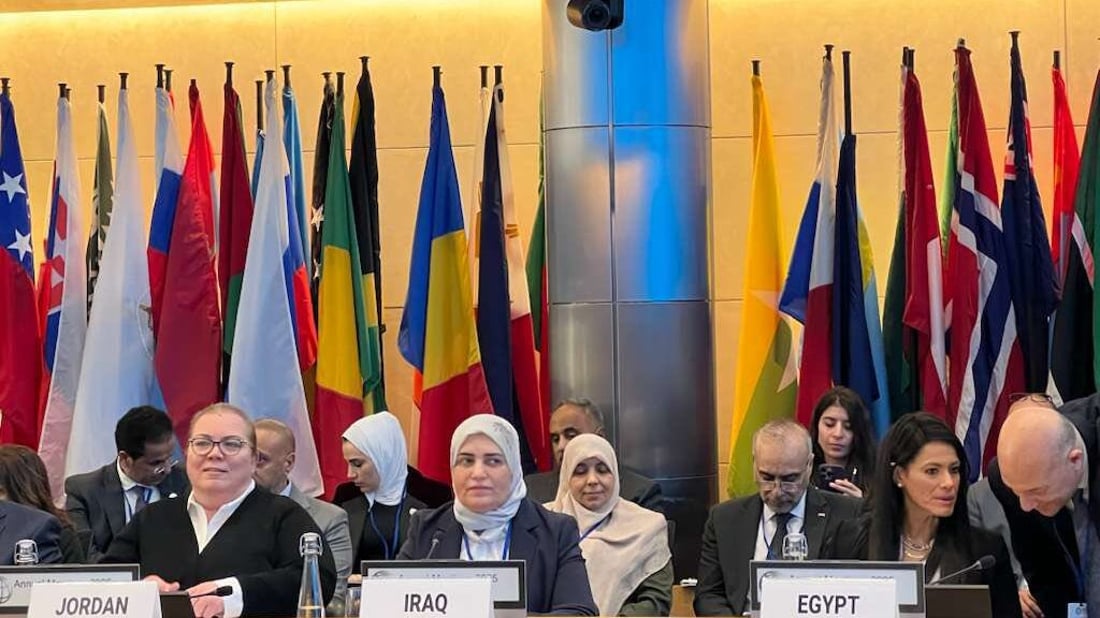
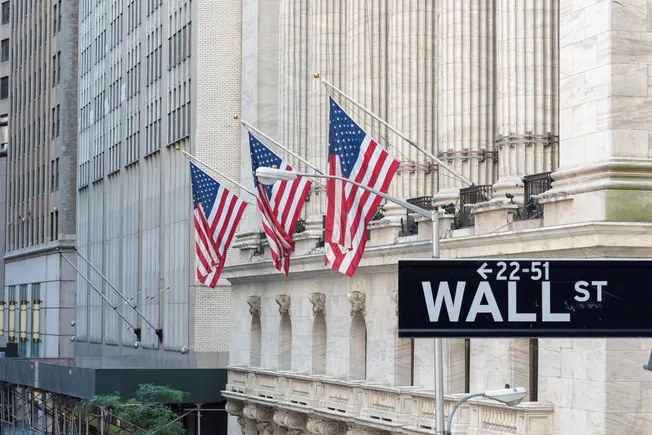
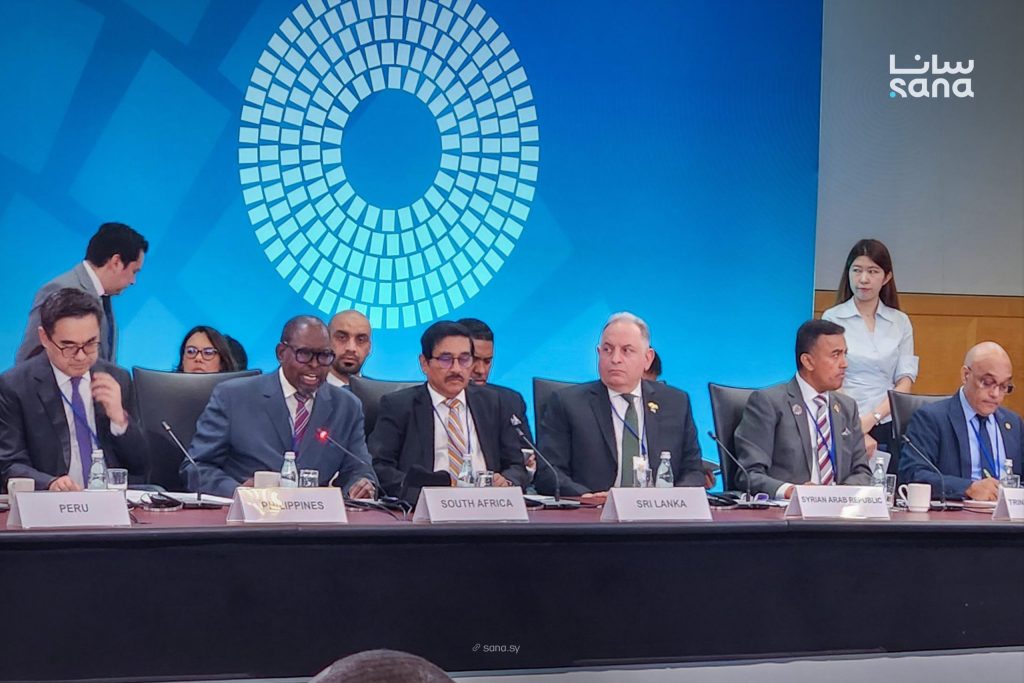
The campaign, timed to coincide with the World Bank and International Finance Corporation (IFC) Spring Meetings this week, argues that continued support for factory farming contradicts the institution’s own commitments on climate, biodiversity, and equitable development.
The scale of the financing in question is substantial. The World Bank Group invested approximately $1.4 billion in industrial livestock production between 2023 and 2024 alone, while the IFC approved 38 industrial livestock investments worth nearly $2 billion between 2020 and 2025. Despite mounting criticism, the World Bank Group has announced plans to expand its agribusiness portfolio to $9 billion annually by 2030.
Africa sits at the centre of these concerns. A 2023 white paper by the Stop Financing Factory Farming Campaign (S3F) found that Sub-Saharan Africa received 22 of 62 animal agriculture projects across developing regions, valued at approximately $1.4 billion. That represents roughly 42 percent of the $3.3 billion in total direct support from development finance institutions globally, raising questions about the long-term consequences for rural livelihoods, ecosystems, and climate resilience across the continent.
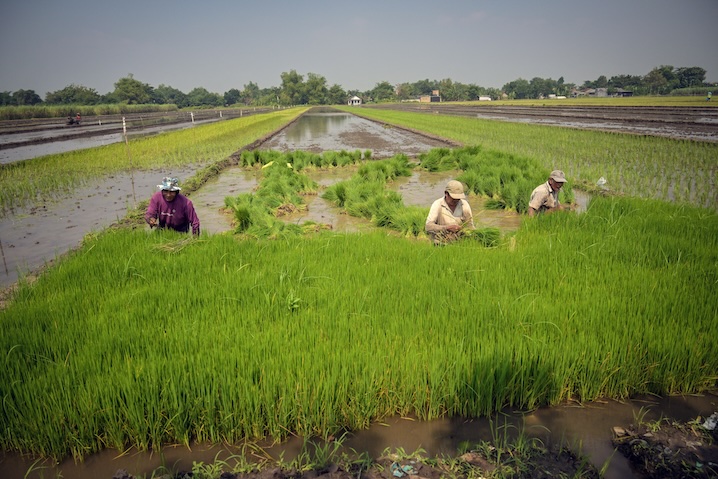
World Animal Protection, one of the organisations behind the push, warned that industrial livestock investment risks dismantling the smallholder farming systems that currently produce the majority of Africa’s food supply. Sally Kahiu, External Affairs Lead at World Animal Protection, said public funds should be directed toward investments that “strengthen smallholder farmers, protect ecosystems, and ensure long-term food security.”
Campaigners also flagged a timing opportunity: the IFC is currently conducting a once-in-a-decade review of its environmental and social Performance Standards, which advocates say creates a direct opening to align public finance with climate goals and sustainable development objectives.
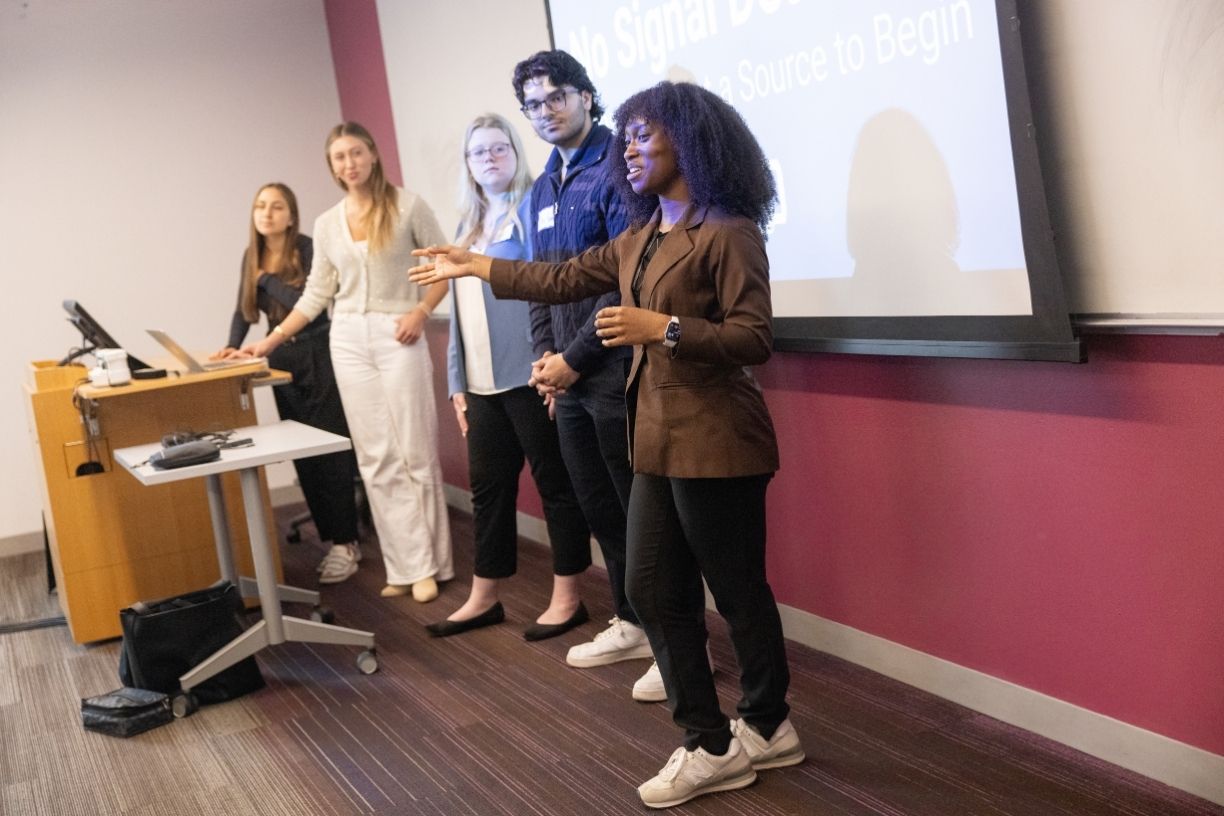
Opeyemi Elujulo, Executive Director of Youth in Agroecology and Restoration Network (YARN) and S3F Youth, Policy and Campaign Lead, described the issue as one not only of what is being funded but of what is being ignored. She called agroecological and community-led food systems “chronically underfunded,” arguing that redirecting financial flows toward them is both a moral and strategic necessity.
The S3F Campaign continues to press international financial institutions to adopt transparent policies that phase out support for large-scale industrial livestock operations.