Tyler Betts, managing director at Overchain, explores why stablecoins are becoming a more common topic in client conversations as digital finance moves further into the mainstream.
Stablecoins may not sit on most IFAs’ recommended asset lists. But they are increasingly showing up in client conversations. Not as a core investment – but as a question: “Should I be paying attention to this?”
As digital assets move further into mainstream finance and regulatory guardrails become clearer, that question is coming up more often – particularly with internationally mobile and digitally engaged clients.
For many advisers, the challenge is not whether to recommend stablecoins – but how confidently they can discuss them.
This Is Less About Allocation – More About Understanding
In most cases, clients are not approaching stablecoins as a traditional investment.
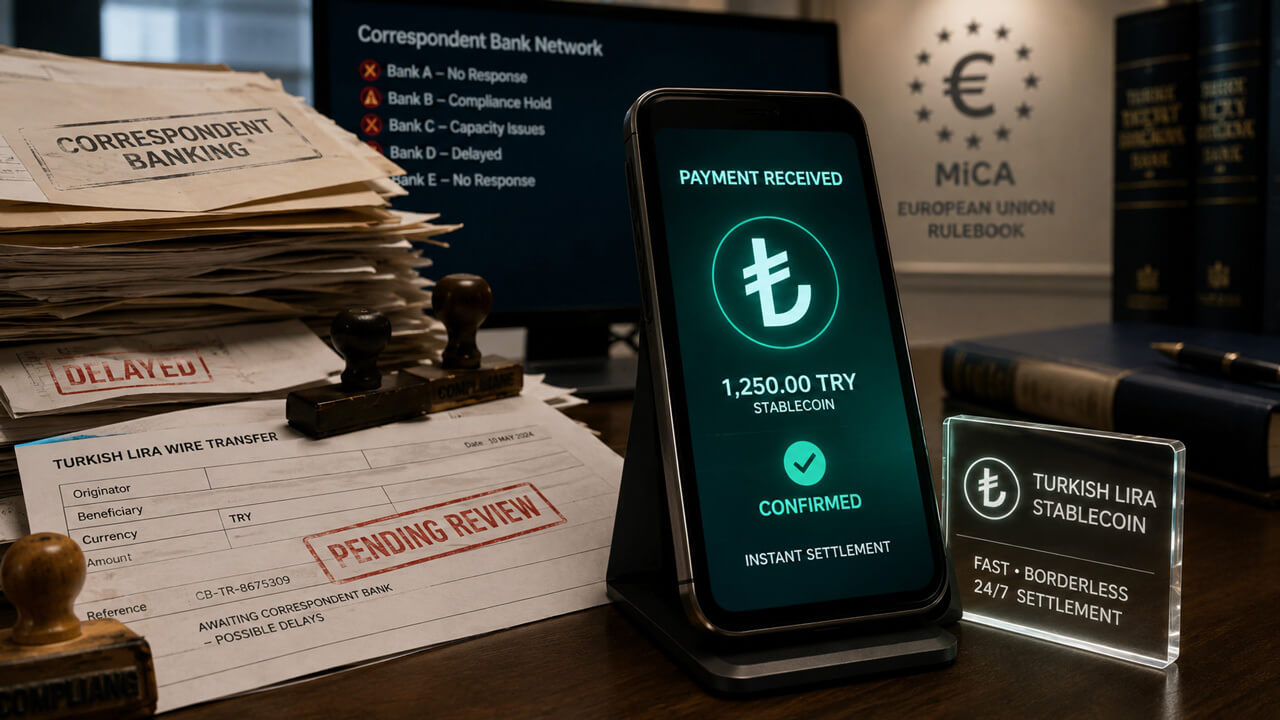
They are asking about moving money internationally, avoiding delays and fees, or understanding how digital payments are evolving.
That distinction is critical.
In many use cases, stablecoins function closer to payments infrastructure than traditional asset classes. They are designed for price stability, not capital growth – and that changes how they should be framed in client discussions.
For IFAs, the value lies in being able to separate practical utility from investment speculation.
A Quick Refresher: What Are Stablecoins?
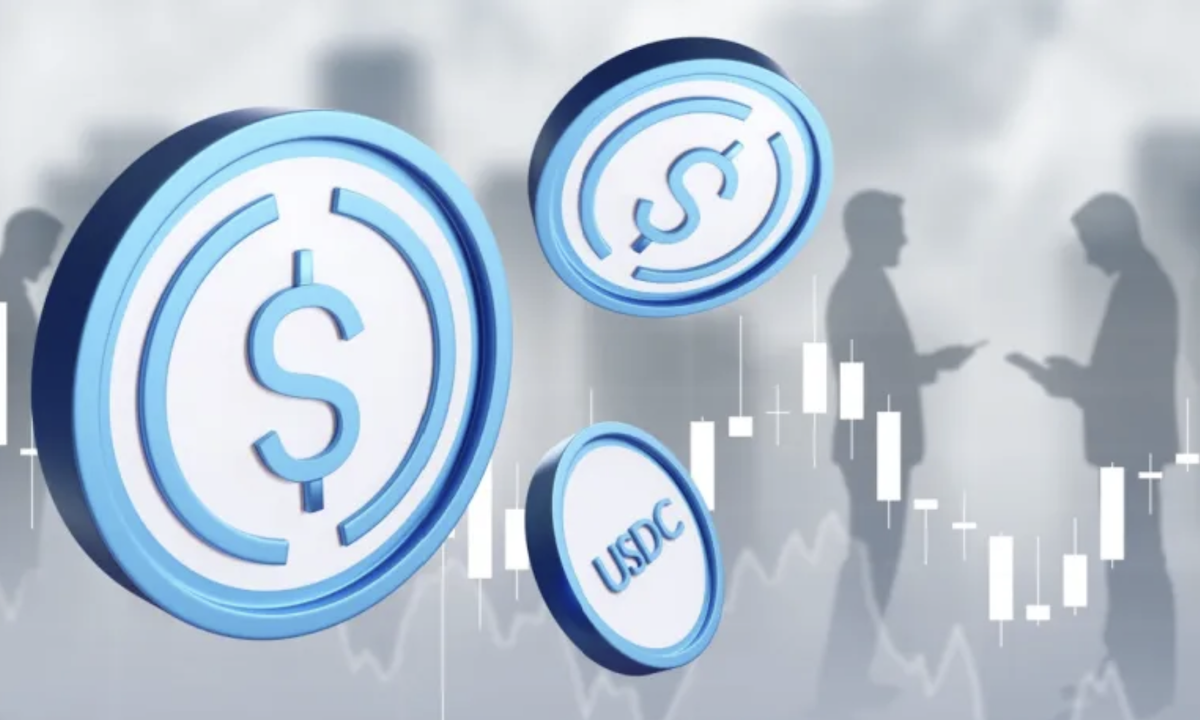
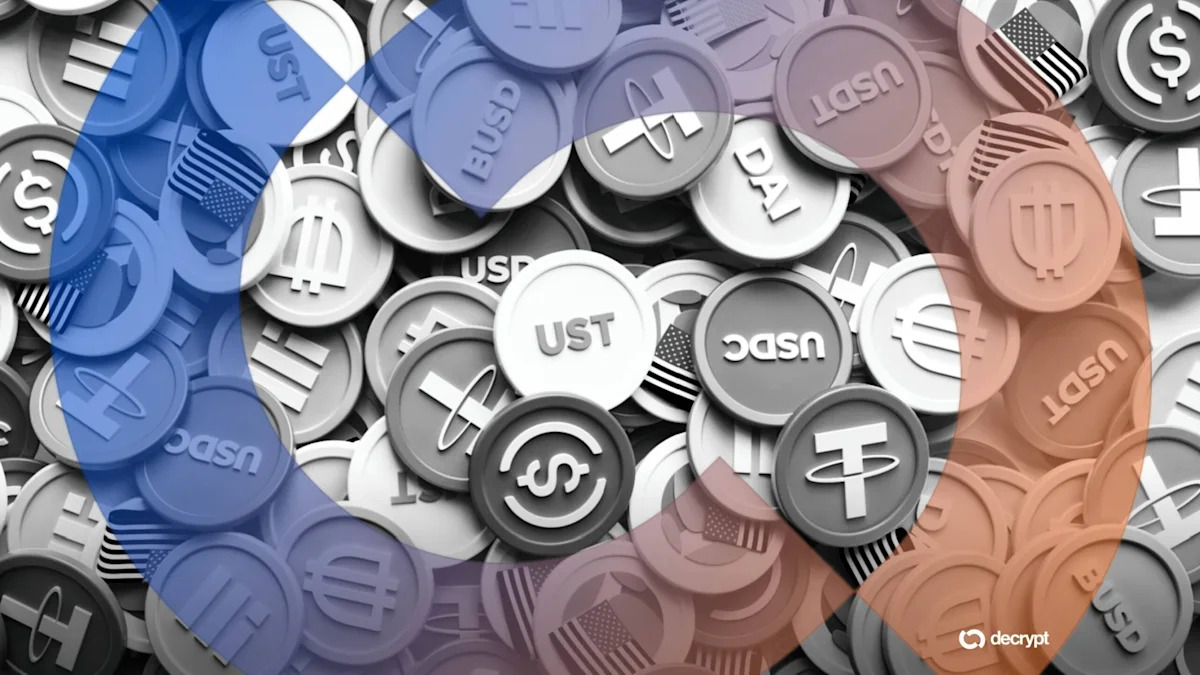
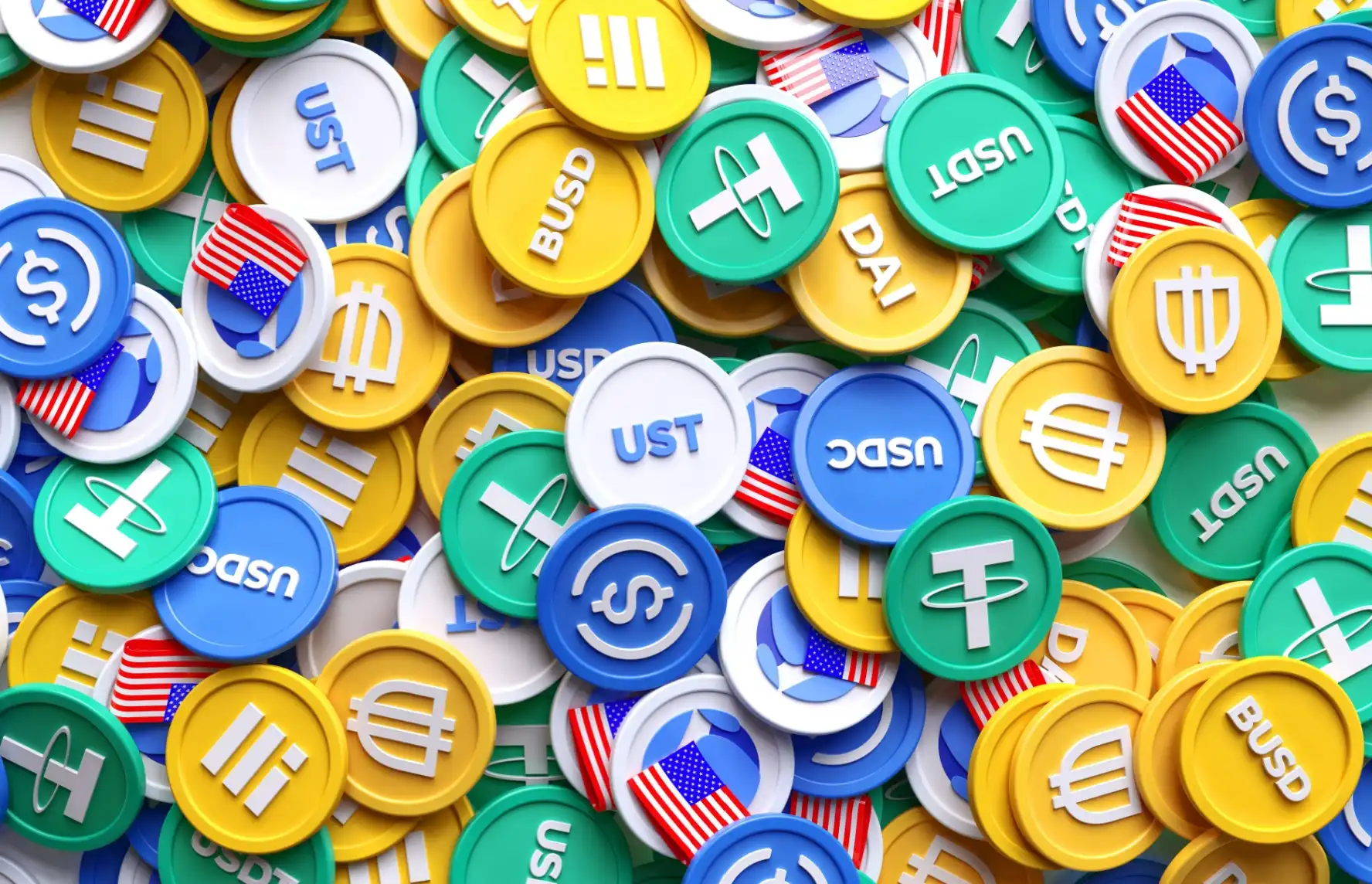
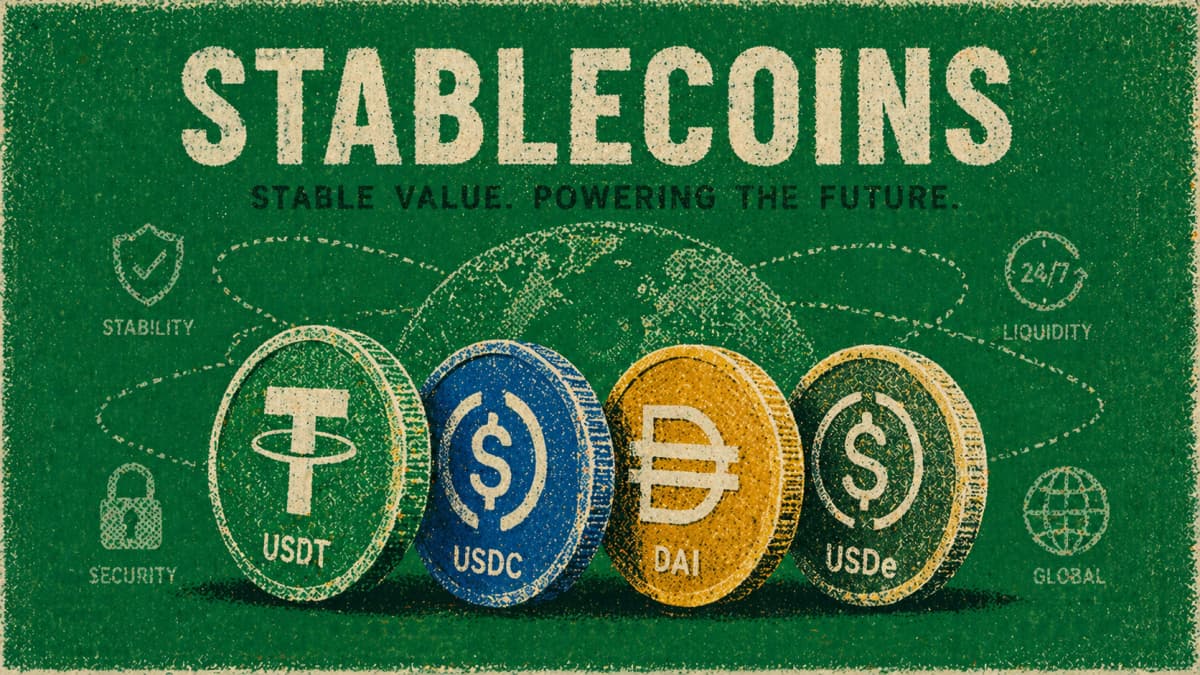
At their simplest, stablecoins are digital tokens designed to maintain a stable value – typically by being backed 1:1 by fiat currencies such as the US Dollar or Euro. They can be transferred 24/7, often with rapid settlement and transparent transaction records.
In practice, they function as digital representations of fiat currency, used across digital asset markets and increasingly in cross-border transfers and treasury operations.
Their reliability depends on a number of factors, including the quality of the reserves; how those reserves are managed; and how transparent the issuer is. That’s where due diligence is most important.
Why Clients Are Bringing This Up
Interest is typically driven by three things:
- Greater mainstream coverage of digital finance
- Frustration with slow or expensive international transfers
- Curiosity about how payments are evolving
For internationally active clients – business owners, entrepreneurs, or those managing wealth across jurisdictions – stablecoins can appear as a practical solution to real inefficiencies.
What was once an exploratory topic is becoming a more informed and practical discussion in client conversations. That’s where advisers add real value – by helping clients understand where stablecoins are useful, and where they are not.
Four Questions That Keep the Conversation Grounded
When stablecoins come up, a simple framework can help keep discussions practical and aligned with suitability requirements:
1. Is this about investment return or payment efficiency?
Stablecoins are not growth assets. Clarifying intent avoids confusion with portfolio allocations.
2. Does the client understand issuer risk?
Stability depends on the credibility of the issuer and the composition of its reserves.
3. How is custody being handled?
Self-custody and third-party custody introduce very different operational and security considerations.
4. How does the client move back into fiat?
Redemption rights, liquidity, and conversion routes should be clearly understood.
This keeps the conversation anchored in risk, not hype.
Regulation Is Improving – But It’s Not the Same as Protection
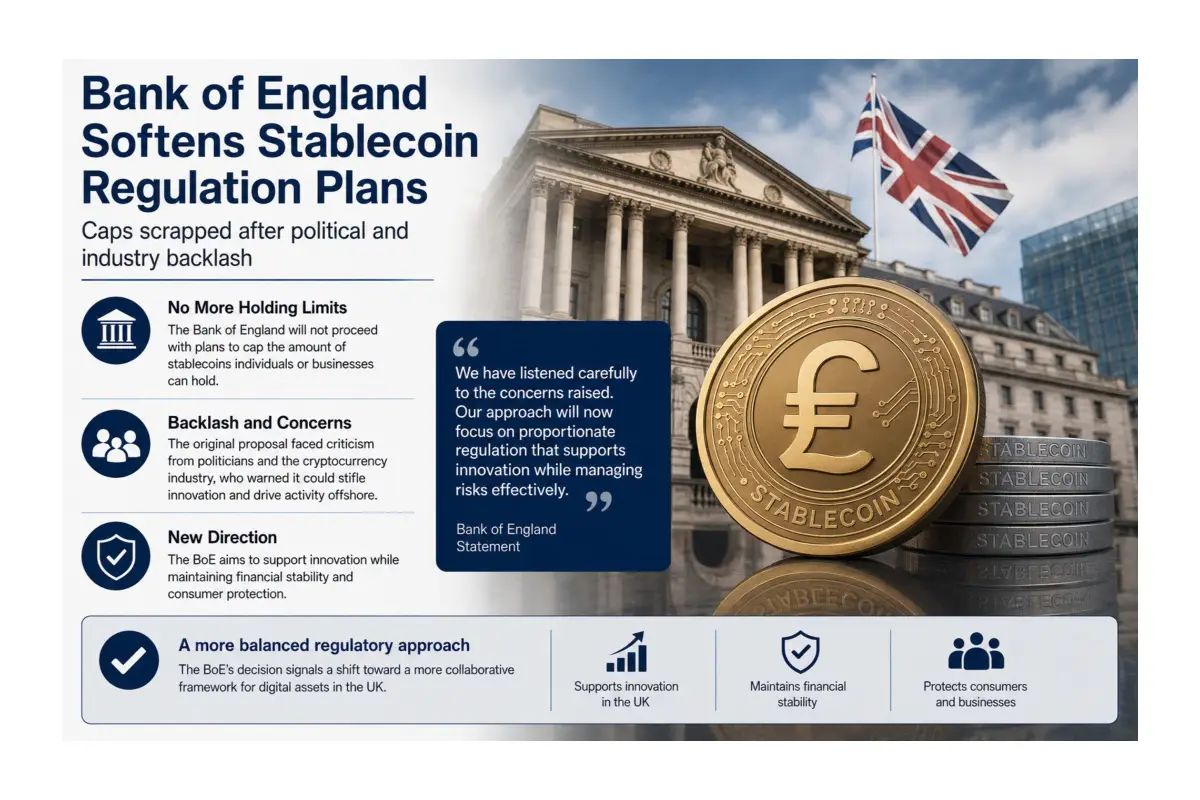
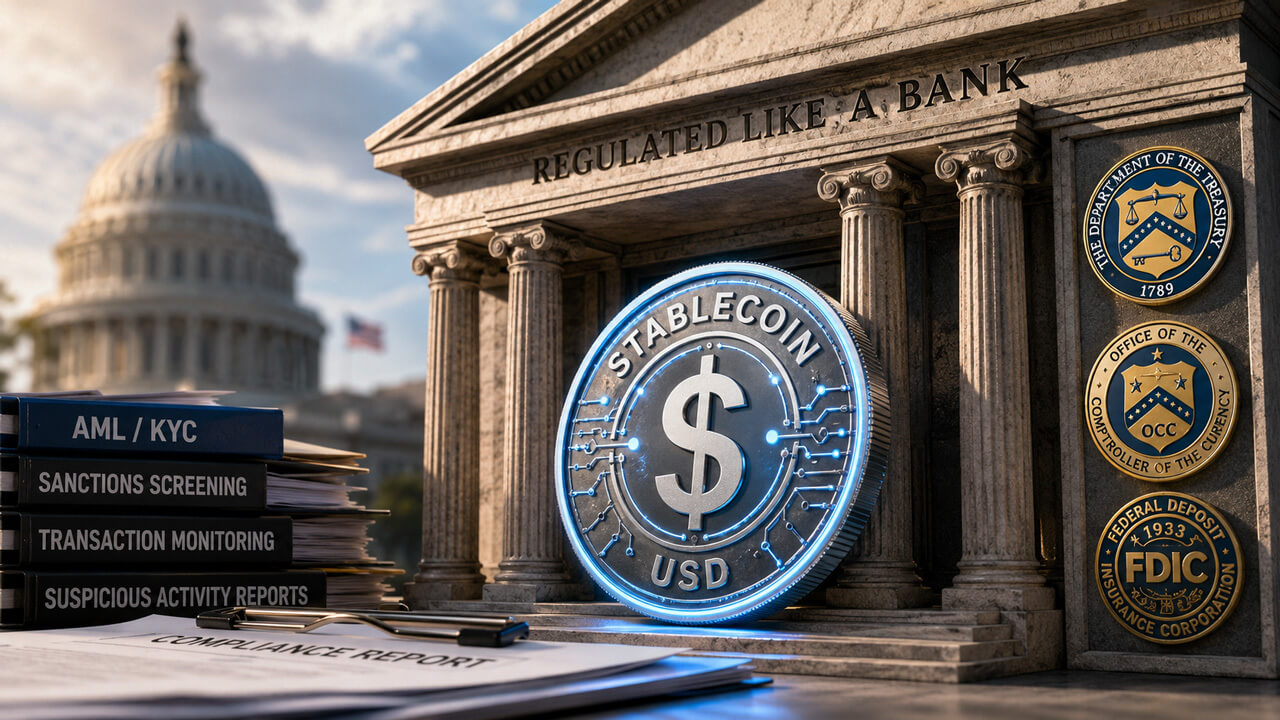
The UK regulatory environment is evolving. The FCA has strengthened oversight of crypto promotions, and the Government has outlined plans to bring fiat-backed stablecoins into the payments regulatory perimeter. Globally, regulators are increasingly focused on reserve transparency and consumer protection.
Frameworks like the FATF “Travel Rule” also now apply, requiring crypto service providers to collect and share transaction data.
But stablecoins are not FSCS-protected deposits. For advisers operating under Consumer Duty, that distinction is critical. Clear explanation, careful positioning, and proper documentation remain essential.
Where the Risks Actually Sit
Stablecoins are designed for stability, but like any financial instrument, they require proper assessment of risk.
Key areas to assess include:
- Reserve transparency and audit frequency
- Jurisdiction of issuance and regulatory oversight
- Redemption mechanisms and liquidity
- Counterparty and operational risk
- Platform risk when accessed via exchanges
Clients may also encounter yield opportunities linked to stablecoins.
These are typically generated through lending or liquidity provision – and introduce additional credit and liquidity risks that differ significantly from traditional fixed income products.
Where Stablecoins May – and May Not – Fit
Stablecoins are unlikely to play a role in core retirement or long-term accumulation strategies.
They are most relevant in specific scenarios, including:
- Short-term cross-border liquidity
- International business transactions
- Treasury-related discussions
- Internationally active and increasingly global client base
Across payment infrastructure more broadly, institutional interest in stablecoins is being driven by settlement efficiency rather than speculation – a distinction that can help guide client conversations.
For some advisory firms, this may also extend to exploring partnerships with regulated payment providers to support clients who want to use these rails in a controlled way.
Knowledge Before Adoption
Stablecoins do not require endorsement to warrant understanding. But they are becoming part of the financial landscape clients are engaging with – whether advisers are ready or not.
For IFAs, the goal is not to become crypto specialists. It is to understand enough to respond with clarity, confidence, and balance.
Because increasingly, the value is not in having all the answers, but in being able to guide the conversation.
Tyler Betts is Managing Director of Overchain, with nearly two decades of experience across cryptocurrency, payments and foreign exchange. He has worked extensively on the design and operation of regulated payments and digital asset infrastructure for financial services businesses.