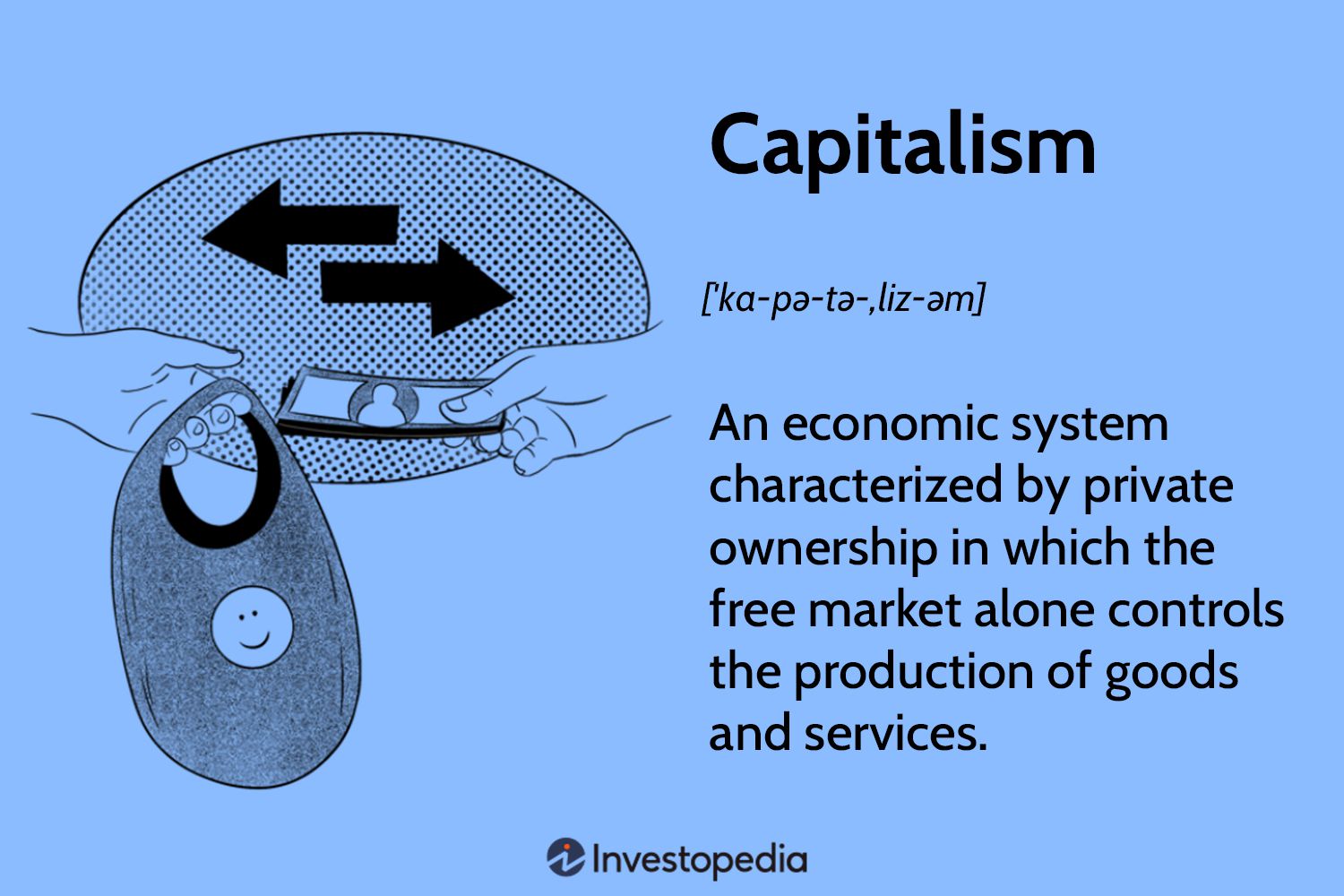

Human beings are creatures that pursue profit. Our most explicit motive in life is gain, and the capitalist market economy has been sustained by the desire to increase “my wealth and my family’s wealth.” Yet humans are not mere machines of self-interest. When we see someone hungry, it is only natural to share a piece of bread, and when we encounter a person in danger, we sometimes rush in without calculating costs and benefits.
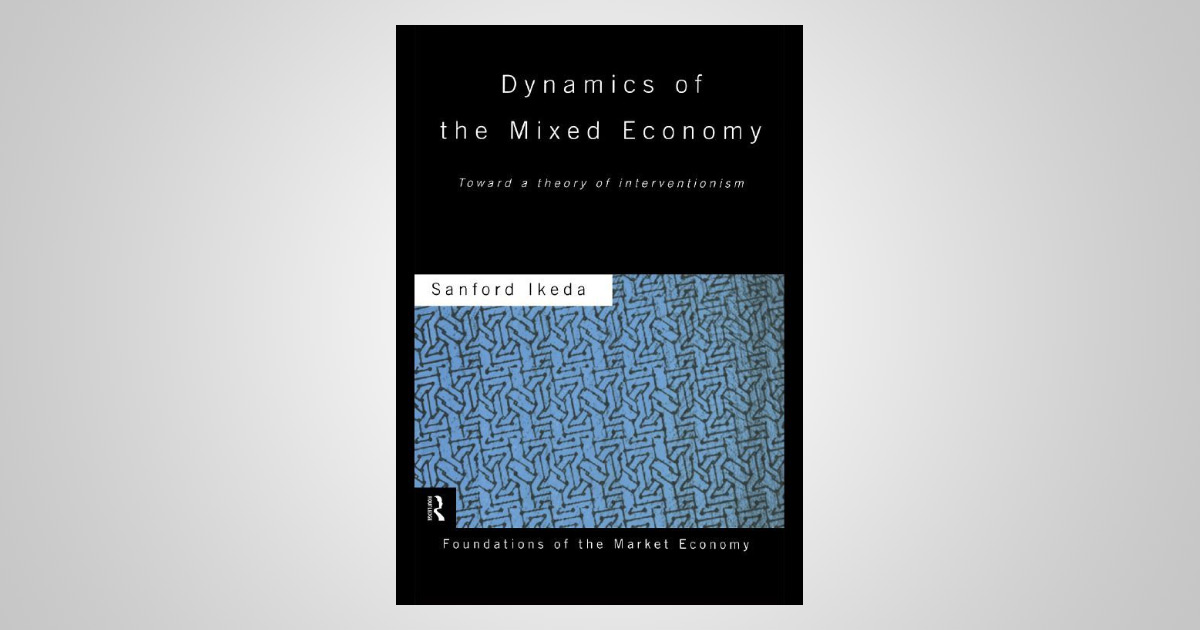
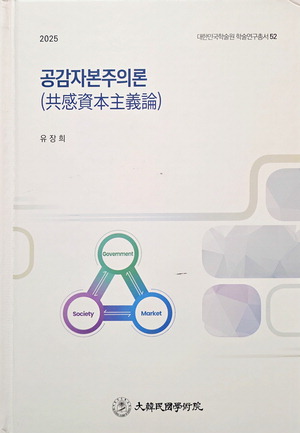
The new book Theory of Empathic Capitalism is a reflection on what we have overlooked in the capitalist market economy: altruism. Its core premise is that the history of capitalism has largely ignored the fact that humans are also beings who seek the “common good.”
“Is coexistence and mutual flourishing possible without denying free competition?” Holding on to this question, the author closely examines the theories of Alan Pennington on selfish altruism, as well as the work of Daron Acemoglu, Simon H. Johnson, and James A. Robinson. By engaging with the ethics of Emmanuel Levinas, the author argues that “the logic of altruistic coexistence can fully be applied in today’s society,” and, in turning to Jeremy Rifkin, nods to the idea of “a capitalism in which the instinct for the common good is brought to life.”
Private-sector models that pursue the common good already exist in reality. The author surveys sites where the common good is being put into practice, as if embarking on an intellectual journey without borders. A representative case is The Akshaya Patra Foundation in India. Launched with the motto “A hungry child cannot study,” this school meal project began on a small scale, serving 1,500 children, and now provides meals to 2 million children across 22 states in India.
The section that reviews Thomas Piketty’s Capital in the Twenty-First Century is particularly engaging. Piketty compared the rate of return on capital (r) with the growth rate of the community (g) and formulated the inequality r > g. This became a symbolic expression of the inequality accumulated throughout human history. The author challenges Piketty’s argument. One example is the question, “When calculating the rate of return on capital, did you include human capital within the concept of capital?” Human capability is also a kind of capital, the author notes, and the method of calculation should therefore change. He criticizes Piketty for using an unduly narrow definition of capital.
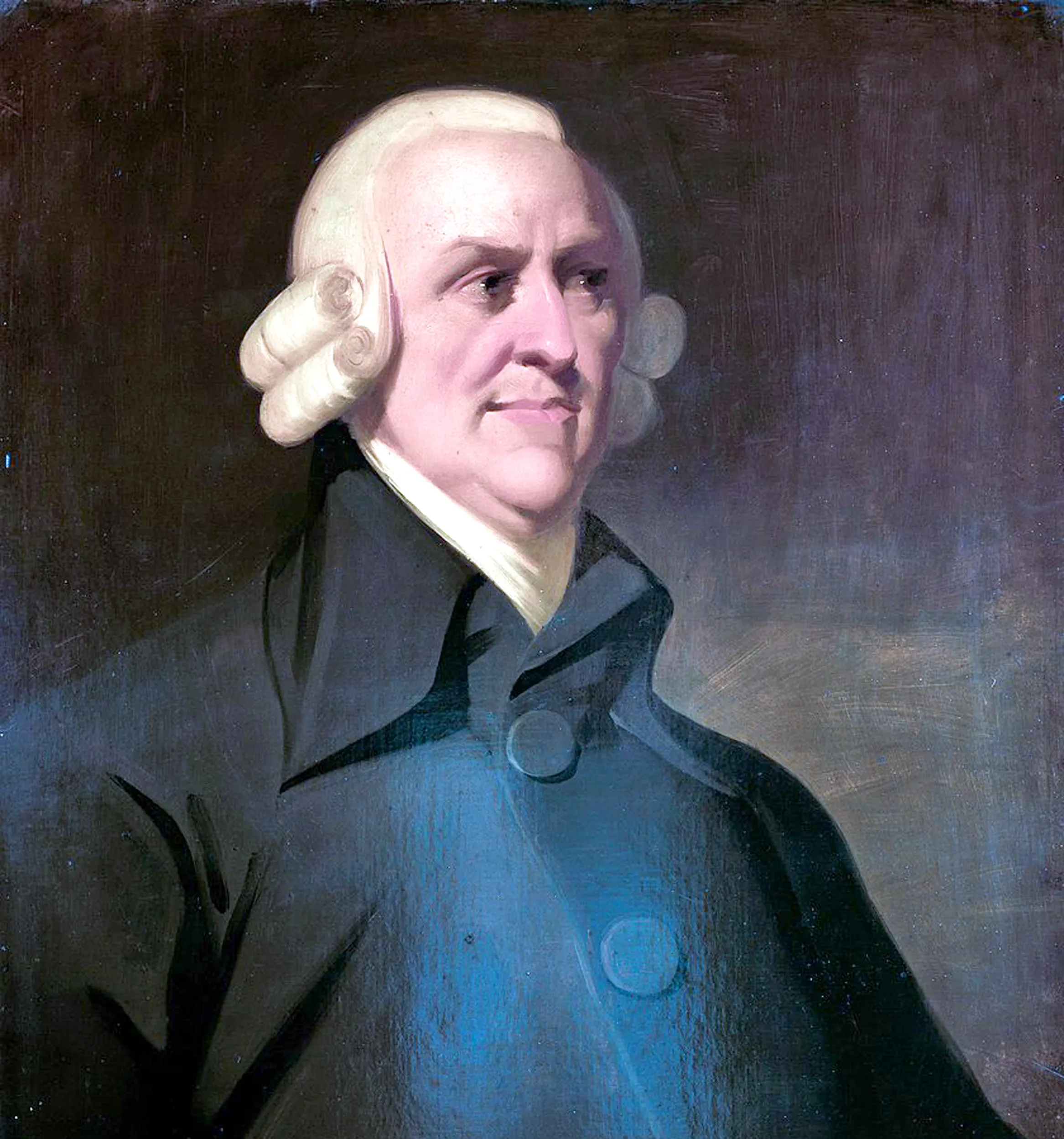
The author also shakes his head at Piketty’s proposal for a wealth tax, arguing that “this is a theory that seeks to overturn the institutional character of freedom, autonomy, and competition that capitalist market economies have consistently upheld since the time of Adam Smith and that many capitalist countries still maintain.” Instead of government coercion, he calls for reducing imbalances through voluntary, autonomous initiatives that arise from the private sector’s own moral disposition. This argument reconnects with his proposals for pursuing the “common good” and for creating a kind of public common-good fund.
[Reporter Kim Yu-Tae]
This article has been translated by GripLabs Mingo AI.