SoftBank (TSE:9434) stock has been in focus after CEO Masayoshi Son outlined plans for multibillion euro and dollar investments in AI data centers in France and the U.S., alongside upbeat comments on AI’s long term potential.
See our latest analysis for SoftBank.
At a share price of ¥218.7, SoftBank’s 90 day share price return of 4.39% comes alongside a 1 year total shareholder return of 3.15% and a 3 year total shareholder return of 65.06%. This suggests momentum has been building over the longer term as investors react to its large AI data center plans and IPO prospects in key holdings.
If Son’s AI push has your attention, it could be worth widening your research to other data and chip infrastructure opportunities using our 48 AI infrastructure stocks
With SoftBank stock sitting at ¥218.7 and recent returns relatively modest compared with its AI ambitions, the key question is whether markets still undervalue this €75b and $500b data center push or already price in future growth?
Most Popular Narrative: 8% Undervalued
With SoftBank trading at ¥218.7 against a narrative fair value of ¥237.79, the current price sits below what this widely followed framework considers reasonable, given its AI and digital infrastructure plans.
Continued scaling of digital infrastructure (data centers, 5G network migration, and capacity expansion up to 300MW) positions SoftBank to benefit from the proliferation of connected devices and enterprise cloud migration, driving network/data usage, growing ARPU, and enabling additional high margin platform services.
Curious what kind of revenue trajectory and margin uplift would support that higher fair value, even with a lower future P/E multiple in the model? The narrative leans on measured growth, tighter profitability, and a specific discount rate that together justify only a modest gap to today’s price, yet signal clear conviction in the earnings path.
Result: Fair Value of ¥237.79 (UNDERVALUED)
Have a read of the narrative in full and understand what’s behind the forecasts.
However, investors still need to watch for rising network and labor costs, as well as the risk that AI and data center spending fails to generate matching demand.
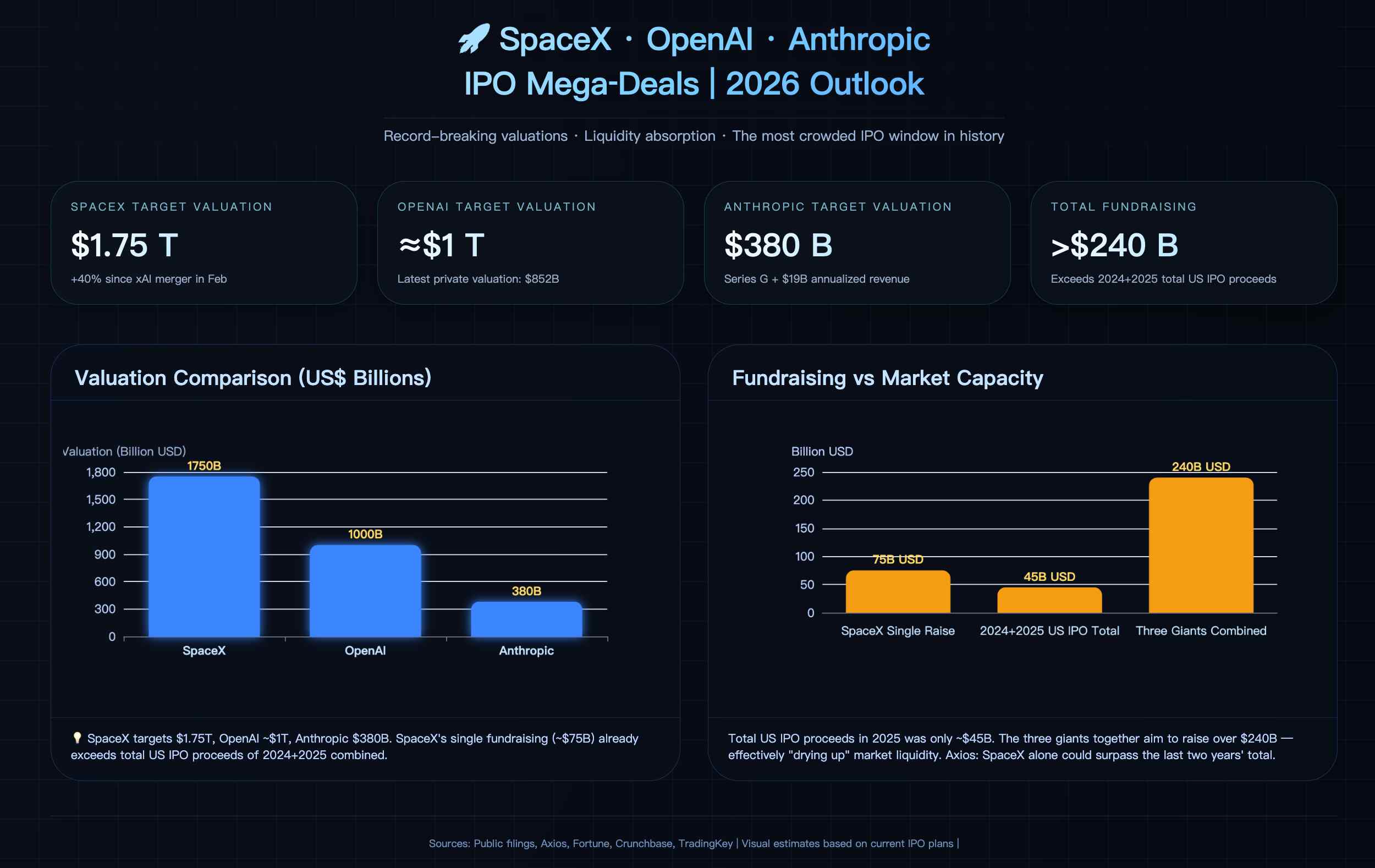
Wall Street’s queuing for one rocket. While SpaceX counts down to its IPO, other companies tied to the new space race are already in orbit. → 20 Compelling Space Companies watchlist · Global Space Race Investing Ideas screener · Scan the sector by valuation on Rocket Lab’s valuation page.
Another View Using Market Ratios
While the narrative fair value suggests SoftBank is 8% undervalued at ¥218.7, the current P/E of 19.3x paints a tighter picture. It sits above the Asian wireless telecom average of 18.1x and the peer average of 15.2x, and also above a fair ratio of 13.3x, which implies the market could shift toward lower multiples. For you, that raises a simple question: is the AI story strong enough to justify paying above these comparison points?
See what the numbers say about this price — find out in our valuation breakdown.

Next Steps
With sentiment on SoftBank split between optimism on AI growth and caution on valuation and costs, it makes sense to move quickly and inspect the details yourself to see what holds up. To help you weigh both sides of the story, take a closer look at the 3 key rewards and 1 important warning sign.
Looking for more investment ideas?
If SoftBank has sharpened your thinking, do not stop here. Broaden your watchlist with focused stock ideas built from clear fundamentals and detailed screening.
This article by Simply Wall St is general in nature. We provide commentary based on historical data
and analyst forecasts only using an unbiased methodology and our articles are not intended to be financial advice. It does not constitute a recommendation to buy or sell any stock, and does not take account of your objectives, or your
financial situation. We aim to bring you long-term focused analysis driven by fundamental data.
Note that our analysis may not factor in the latest price-sensitive company announcements or qualitative material.
Simply Wall St has no position in any stocks mentioned.
New: Manage All Your Stock Portfolios in One Place
We’ve created the ultimate portfolio companion for stock investors, and it’s free.
• Connect an unlimited number of Portfolios and see your total in one currency
• Be alerted to new Warning Signs or Risks via email or mobile
• Track the Fair Value of your stocks
Have feedback on this article? Concerned about the content? Get in touch with us directly. Alternatively, email editorial-team@simplywallst.com