(Bloomberg) — Private capital firms are starting to swap software systems for hard hats as the artificial intelligence boom forces the industry into a quick rethink of its priorities.
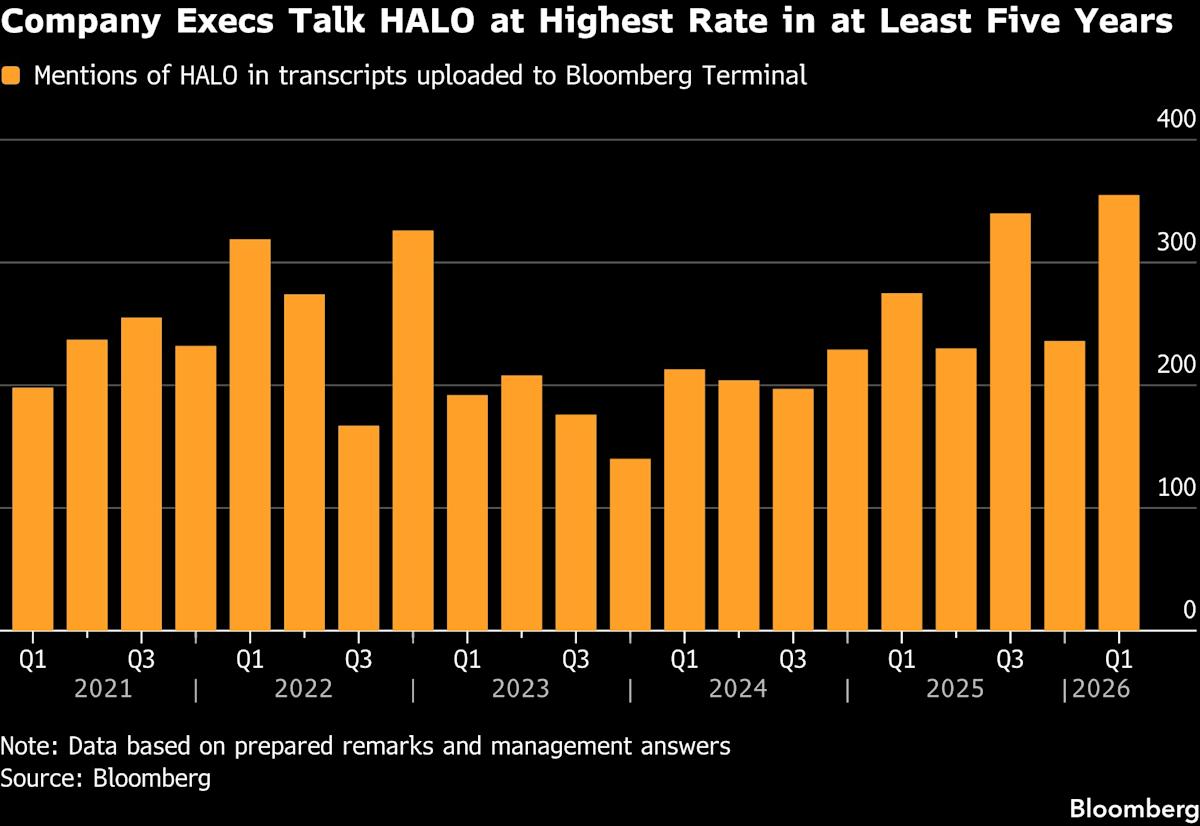
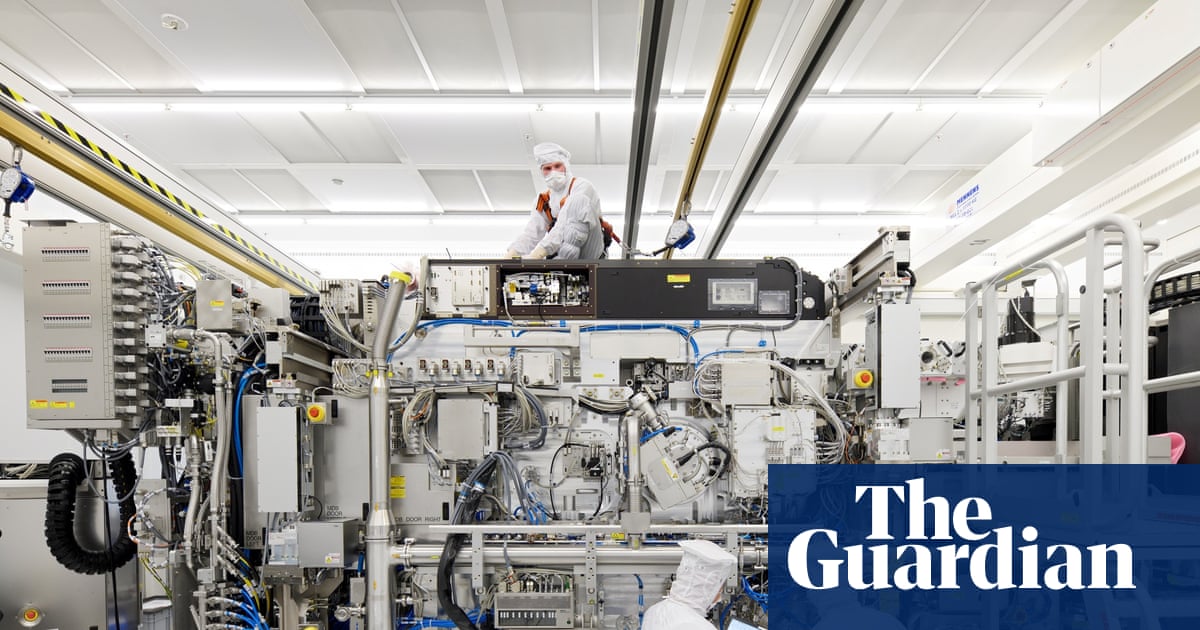
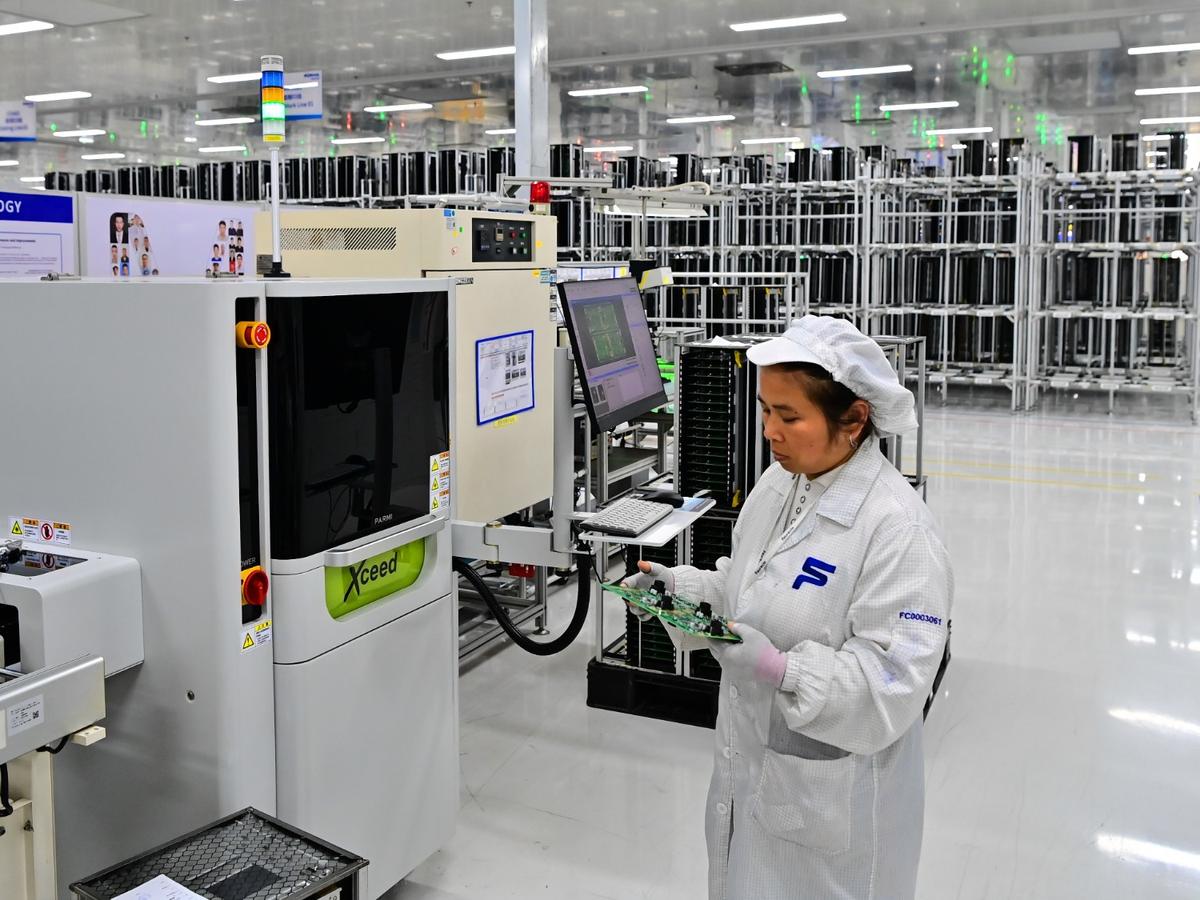
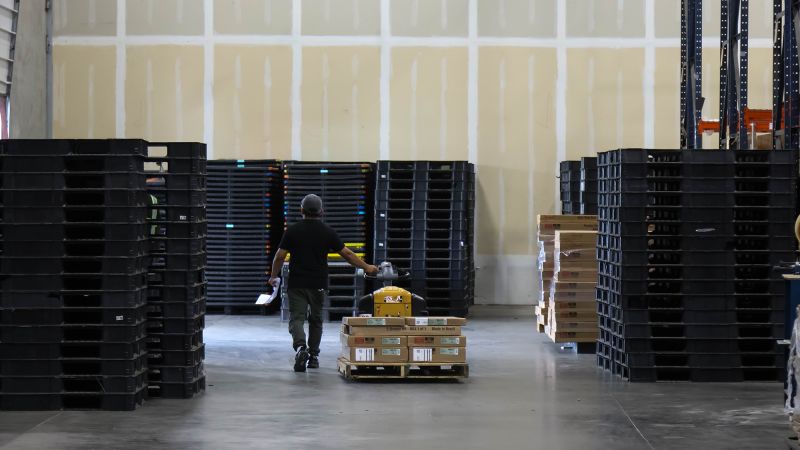
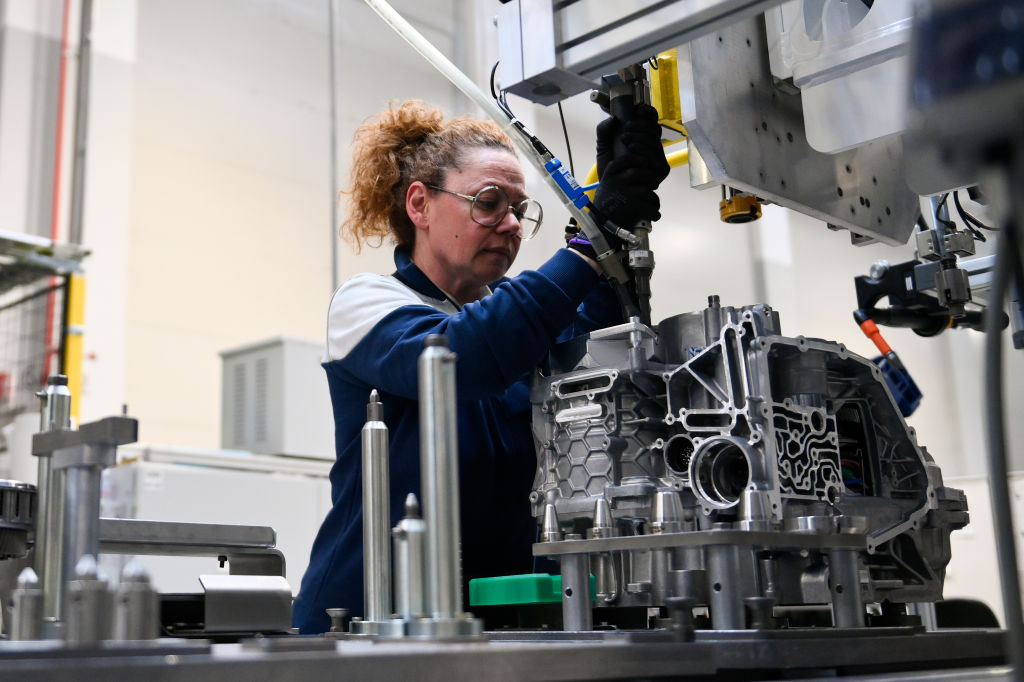
The likes of Blackstone Inc., Bain Capital and Brookfield Asset Management Ltd. have all been talking of an increased focus on heavy assets with low obsolescence. This so-called HALO trade is targeting makers of everything from ship engines to conveyor belts that are considered less likely to be made extinct by AI.
Most Read from Bloomberg
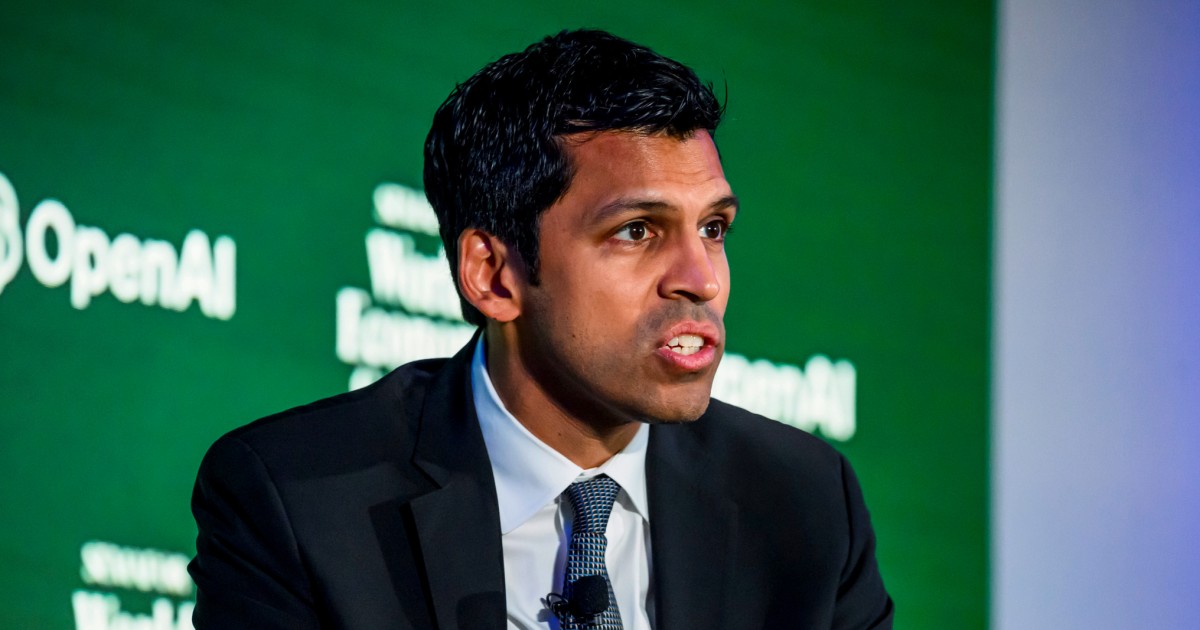
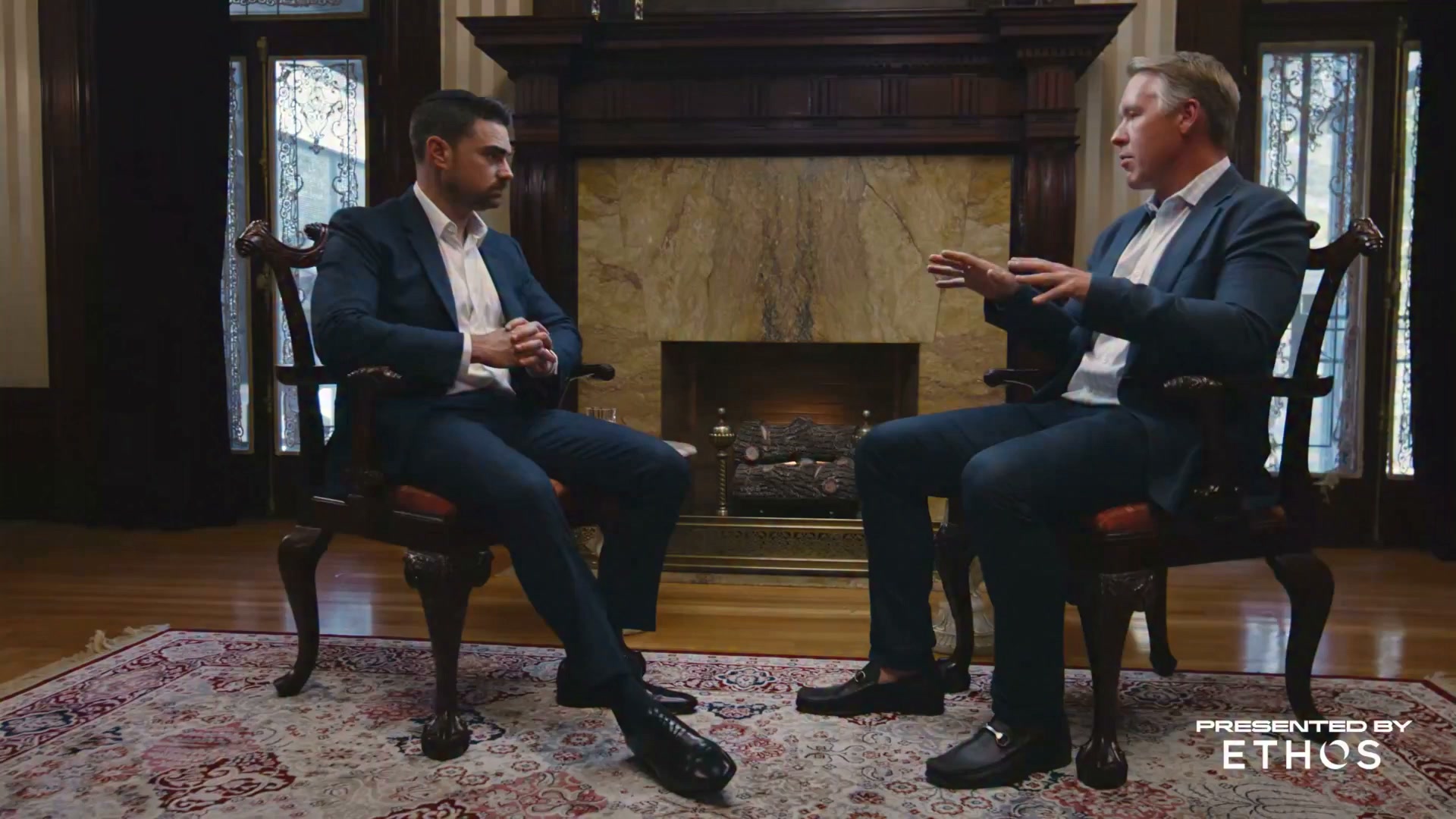
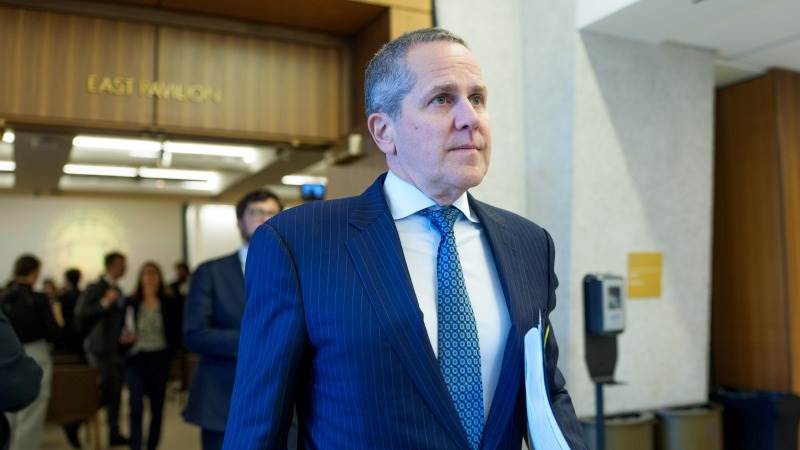
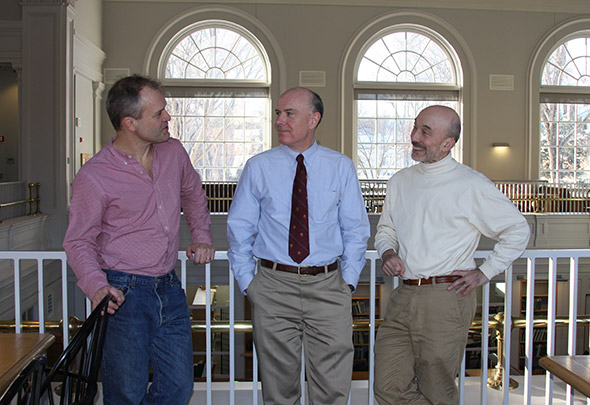
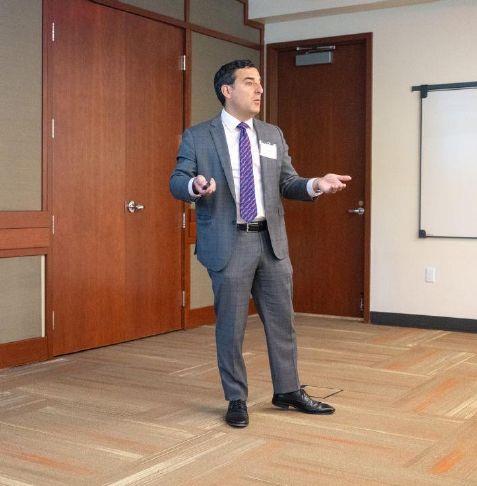
“People are looking for terra firma,” Blackstone President Jonathan Gray said in an interview. “There is a lot of interest across public and private markets in real, tangible assets – medical supplies, energy, real estate, industrials.”
Jonathan Gray, president and chief operating officer of BlackstoneSource: Bloomberg
Some of the hottest deals in the European market right now underscore the shift. Private equity buyers are competing for Volkswagen AG’s heavy diesel engine unit, there’s a three-way battle shaping up for British aerospace supplier Senior Plc, and Advent and Cinven are discussing the sale of TK Elevator at a potential value of €25 billion ($29 billion).
Meanwhile, firms including Triton Partners, Warburg Pincus and Brookfield have been raising new funds to invest in industrial technologies, data centers and the once-unloved defense sector.
Anuj Ranjan, chief executive officer of Brookfield’s private equity unit, said more capital was moving into industrials for two key reasons: a need to secure supply chains following the pandemic, and the potential for AI to transform the way things are made.
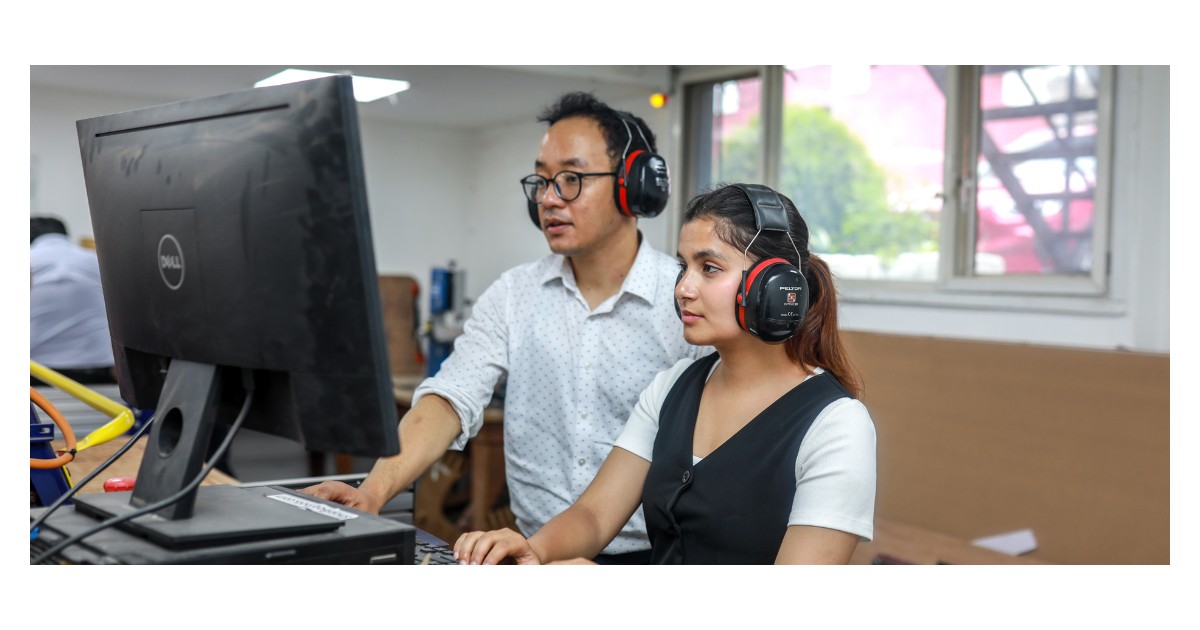
“Manufacturing is one of the least digitized sectors in the world,” Ranjan said. “Industrial businesses may still look similar from the outside five years from now, but what they produce and how they produce it won’t look or feel the same.”
Software Selloff
The HALO shift is coming at the expense of fresh bets on software, a sector that’s benefited from more than $1 trillion of private equity investment over the last five years, according to data compiled by Bloomberg — roughly double what the industry has spent on industrials over the period.
The start of 2026 has brought a reckoning in the form of new AI tools from startups like Anthropic PBC that threaten the business models of many software-as-a-service companies sitting in private equity portfolios. It’s suddenly led to fears of overexposure to the sector and potential writedowns on assets that become hard to sell.
A number of software exits by private equity firms have already stalled. These include EQT AB’s sale of Thinkproject and TA Associates’ disposal of Unit4, people familiar with the matter said, asking not to be identified discussing confidential information. Elsewhere, Hg has postponed an initial public offering of Visma, people with knowledge of the plans have said.
Bain Capital partner Robin Marshall estimates that about 40% of assets held by buyout firms are exposed to software businesses. Concrete signs of how this will impact owners could emerge around the end of March, when firms perform scheduled mark-to-market exercises for the first quarter.
“There will be a challenge around where some of the marks are for the industry,” said Marshall, who is co-head of global private equity at Bain Capital. “Sales that were going to happen in 2026 might then continue to be pushed out.”
Spokespeople for EQT and TA Associates declined to comment.
Credit Rotation
The HALO rotation is at play elsewhere in the private markets, where credit investors including Blue Owl Capital, Cliffwater LLC and KKR & Co. have been feeling the strain because of some of the loans they’ve made to the software sector.
“The problem is that anyone who holds software, or SaaS assets, does not want to hear what the business is worth right now,” said Igno van Waesberghe, managing partner at financial services-focused investment firm Aquiline Capital Partners.
This is impacting deals in the debt markets.
In recent months, German health-care software company Dedalus paused a €1.3 billion leveraged loan deal on rising investor unease, and digital tools provider Team.Blue scrapped a planned two-part deal to amend, extend and reprice existing loans.
Conversely, a roughly €1.2 billion loan backing the buyout of infrastructure safety company Ramudden Global priced tighter than when it initially launched after strong demand. And investors are eagerly awaiting jumbo debt financings backing private equity takeovers of businesses including Continental AG’s industrial unit ContiTech.
“We are seeing a return to companies with assets and predictable cash flows that are probably slower growth and less exciting but are more palatable for investors in an uncertain context,” said Hadrien Servais, leveraged finance partner at law firm Simpson Thacher & Bartlett LLP.
To be sure, software deals are still getting struck. Thoma Bravo in February completed its acquisition of Dayforce Inc., a provider of software to help businesses manage recruiting, payrolls and employee development. And this month, Nordic Capital agreed to buy a majority stake in surveillance software firm TradingHub.
Dealmakers say private capital won’t abandon software firms — which have proved their ability to lock in loyal customers that create stable revenue for investors — but need some time to reassess how to approach the sector and others disrupted by AI.
“At this moment, there is no easy way to assess the terminal value of these businesses as their traditional customers seek more AI-enabled solutions,” said Shonnel Malani, a managing partner at Advent who advises on industrials buyouts. “Once investors figure out how to revalue these businesses,” he said, “they will start looking at them again.”
When that happens, investors will have become more discerning about the providers they’re willing to back, according to Servais at Simpson Thacher.
“At some stage, this somewhat blanket approach to software will dissipate and there’ll be a bifurcation between these companies,” he said. “Until then, investors will seek safe haven in HALO assets.”
–With assistance from Neil Callanan, Vinicy Chan, Ronan Martin and Dinesh Nair.