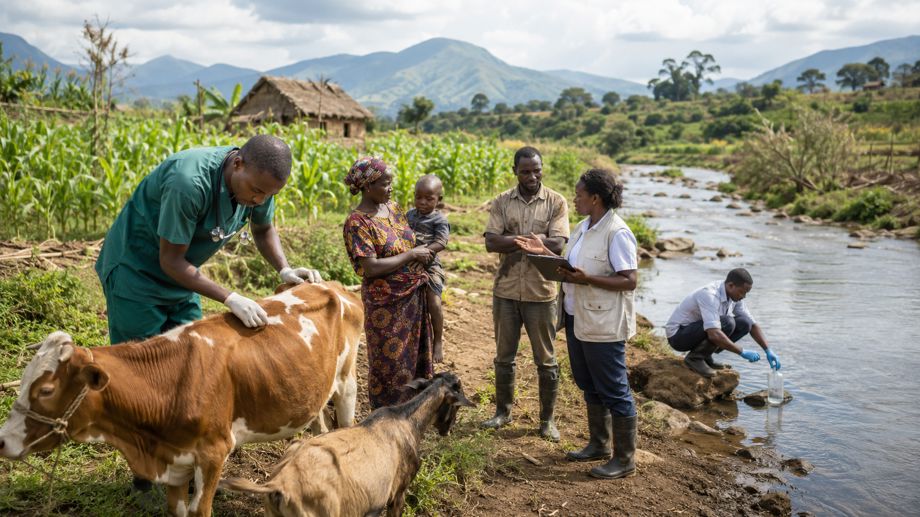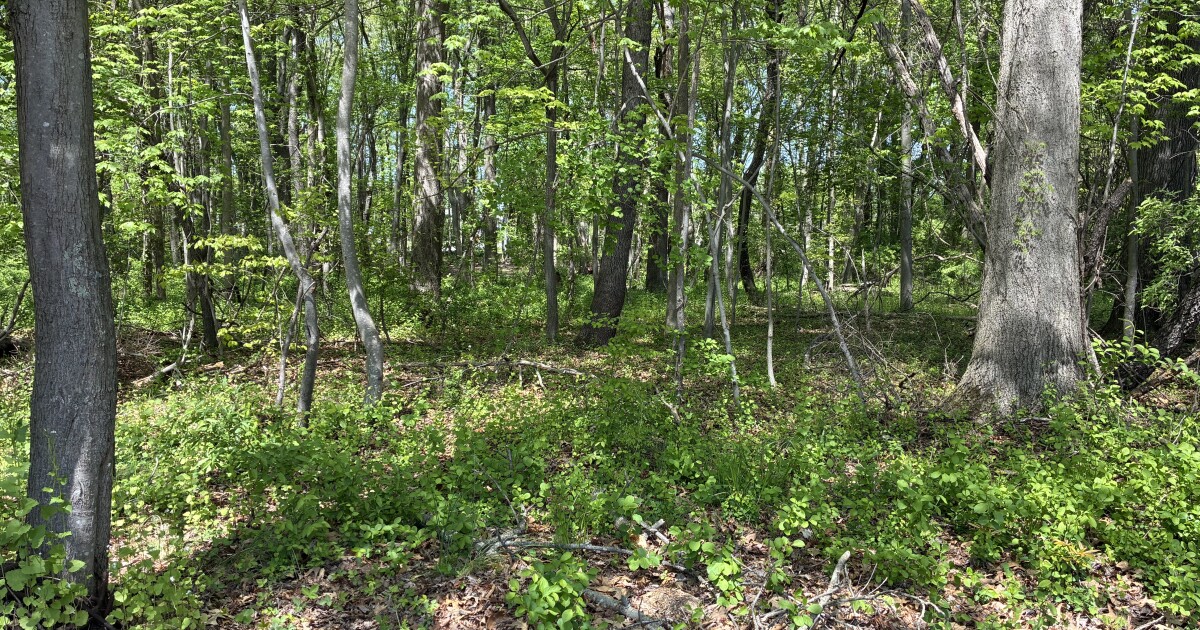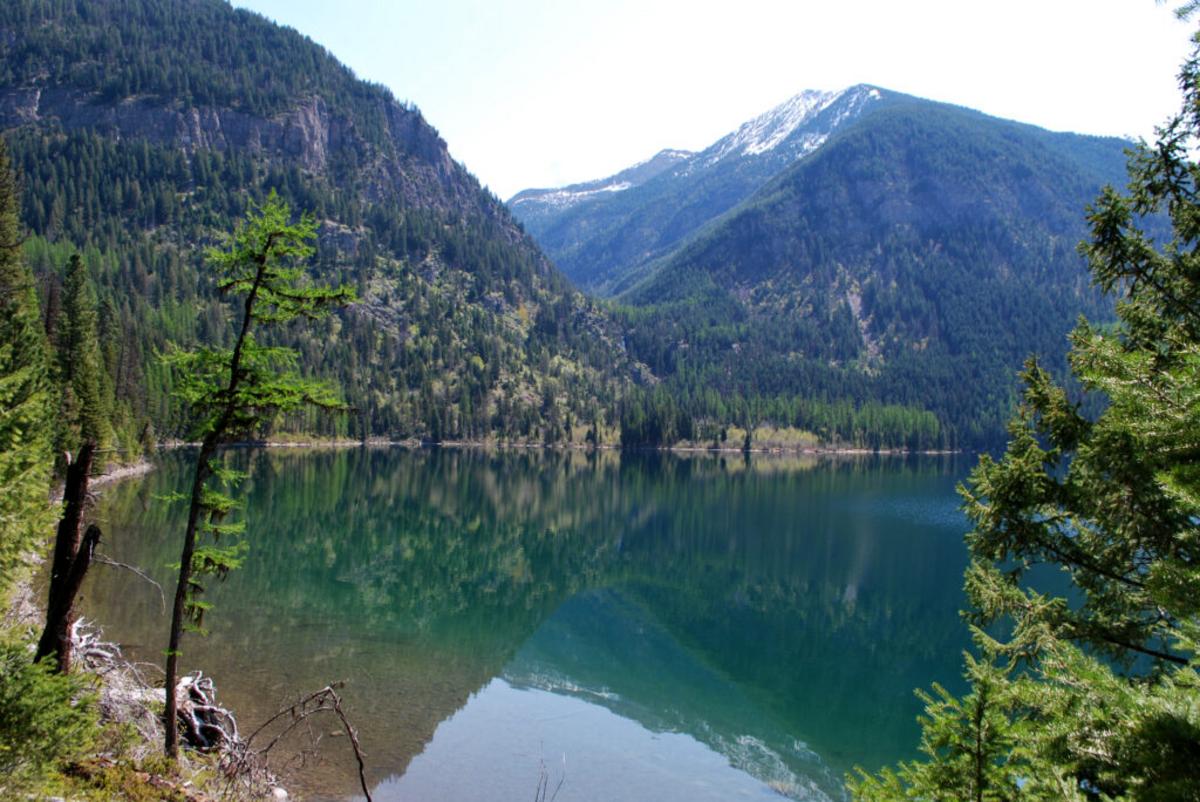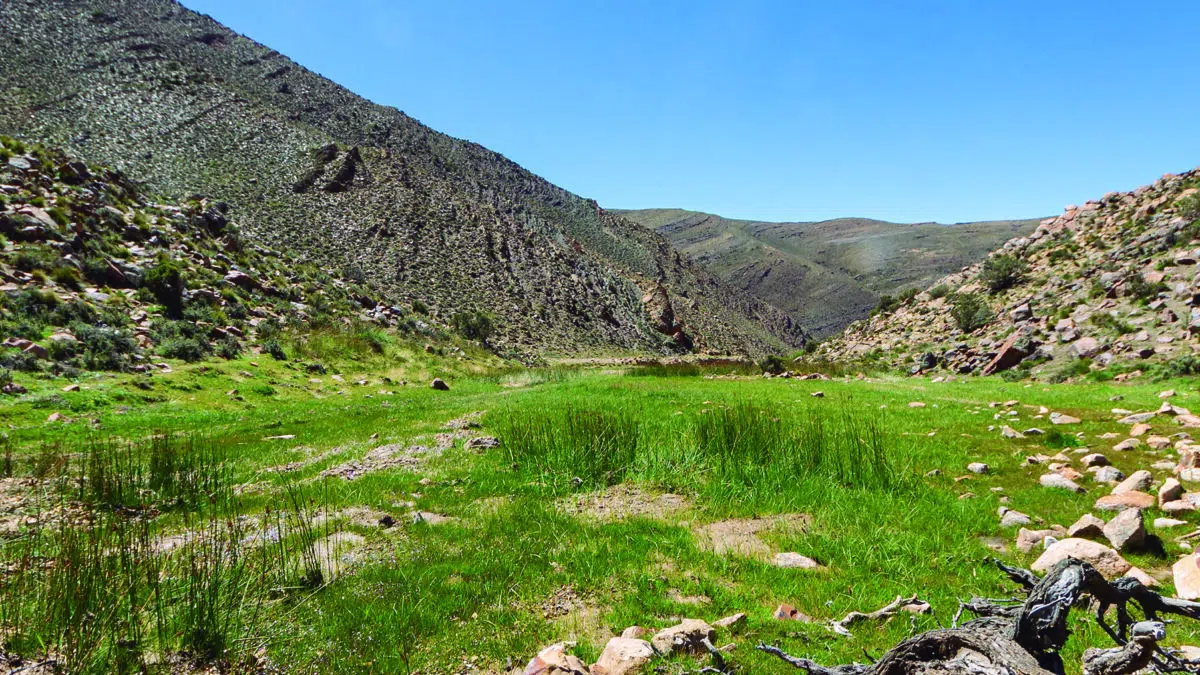
In the Villavicencio Natural Reserve, located in the Mendoza mountain range, a comprehensive health operation was carried out aimed at veterinary care in rural areas and the preservation of wildlife.
The initiative brought together the Wildlife Department of the Biodiversity and Ecopark Directorate, the Municipality of Las Heras, the Faculty of Veterinary Medicine of the Juan Agustín Maza University, the Iadiza-Conicet —through the Drylands Felids Group— and the Reserve’s Park Ranger Corps.
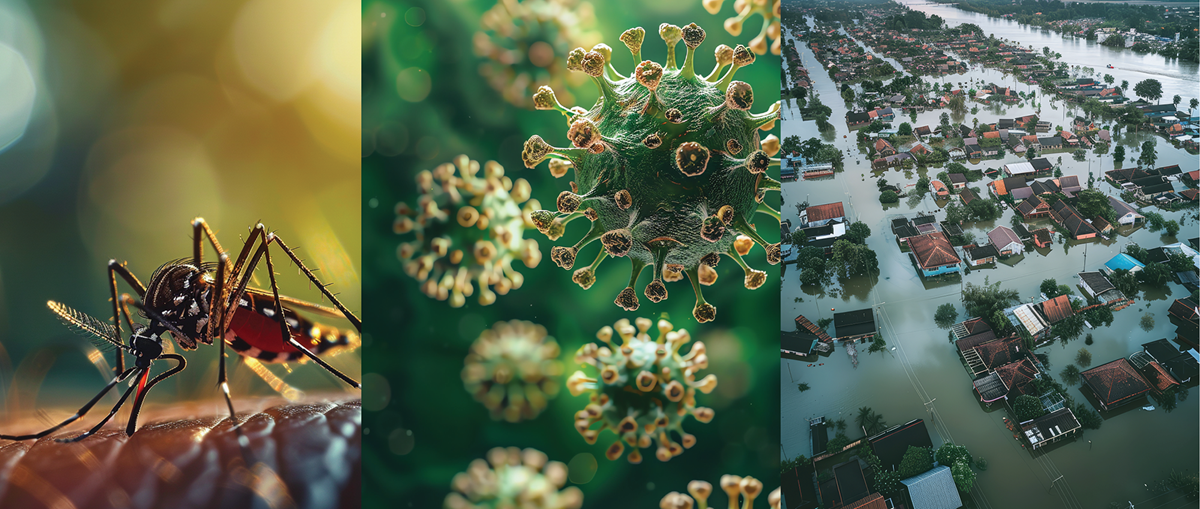
The goal was clear: to care for animal, human, and environmental health, reinforcing the idea that these three aspects are deeply connected.
Actions Taken
The day included:
- Primary veterinary care.
- Rabies and multiple vaccinations.
- Deworming.
- Sterilization surgeries.
The activities were concentrated in the rural areas of Santa Clara and El Jahuel, where residents could access check-ups and spaying for their pets without needing to travel to the city.
Prevention of Zoonotic Diseases
The background of the operation is key: to prevent the transmission of diseases between domestic animals, wildlife, and people. According to Ignacio Haudet, director of Biodiversity and Ecopark, more than 60% of human infectious diseases are of animal origin, which underscores the importance of these preventive actions.
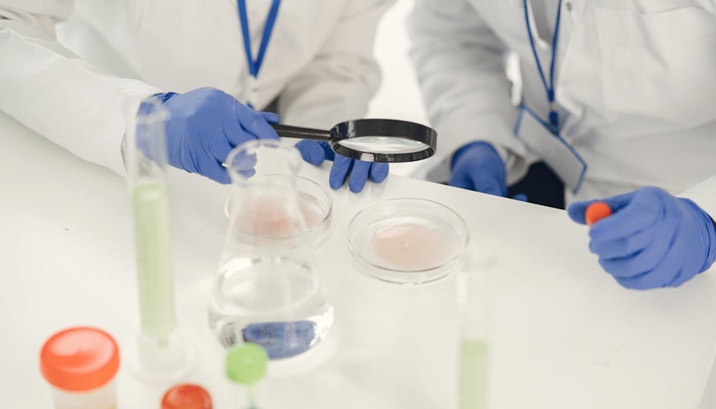
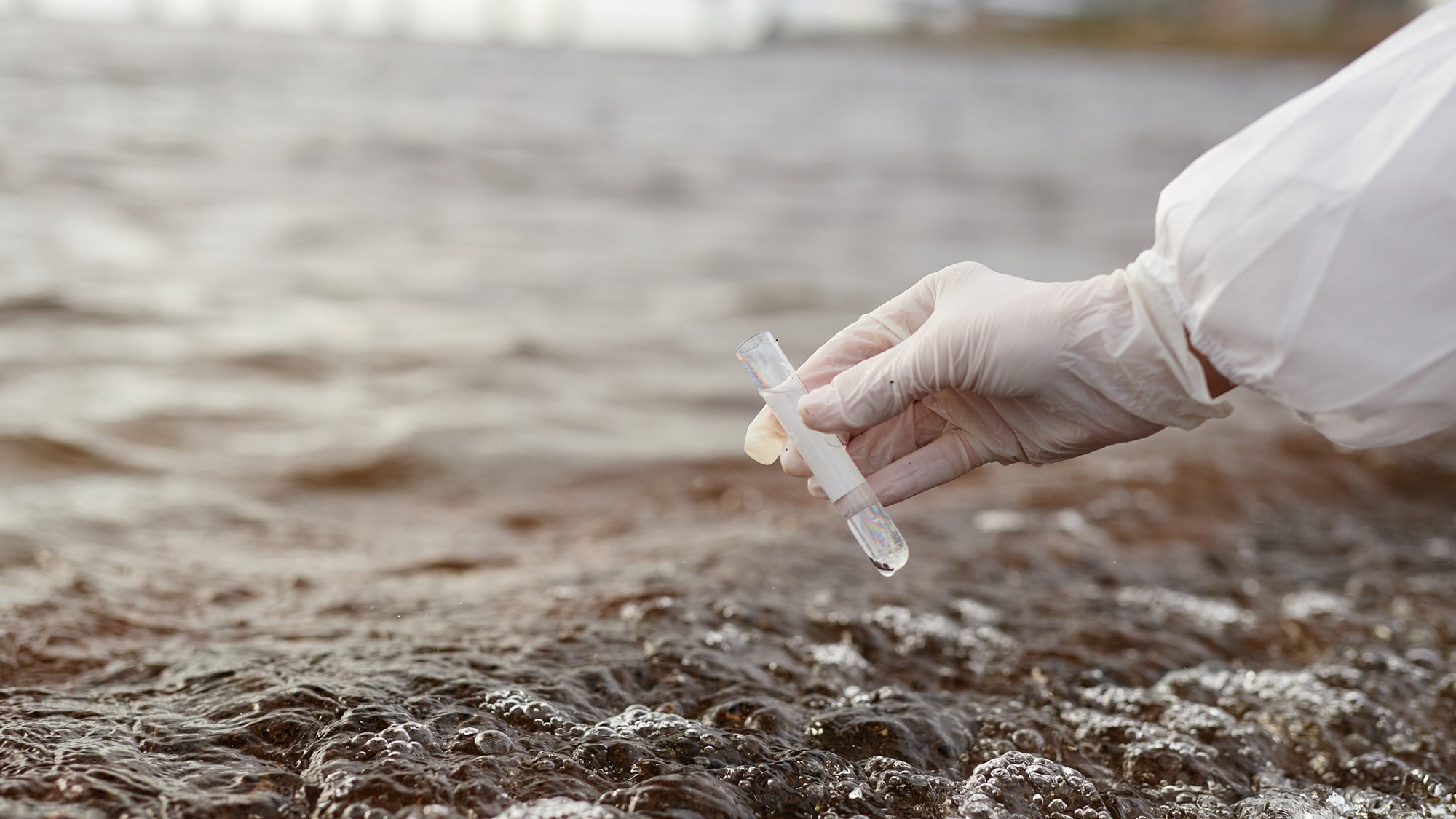
In addition to veterinary care, health surveys and sample collection were conducted to detect possible diseases that could affect wildlife.

Community Participation
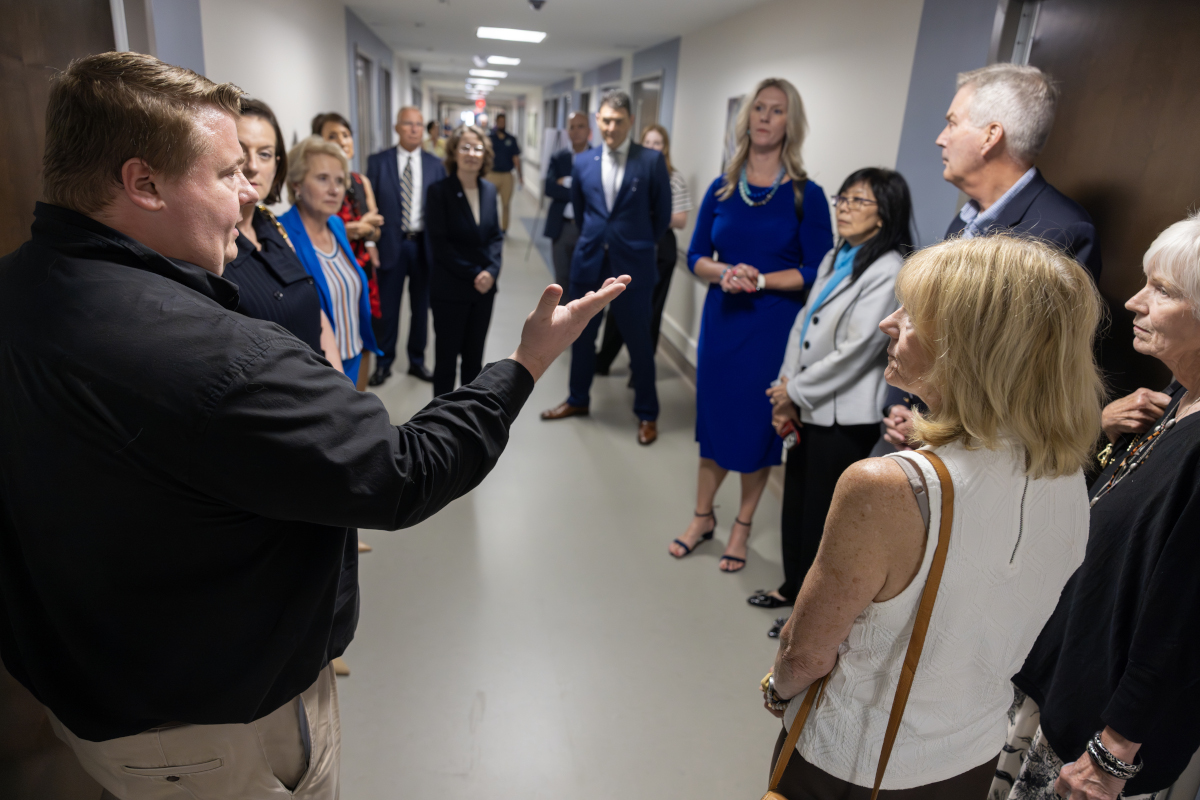
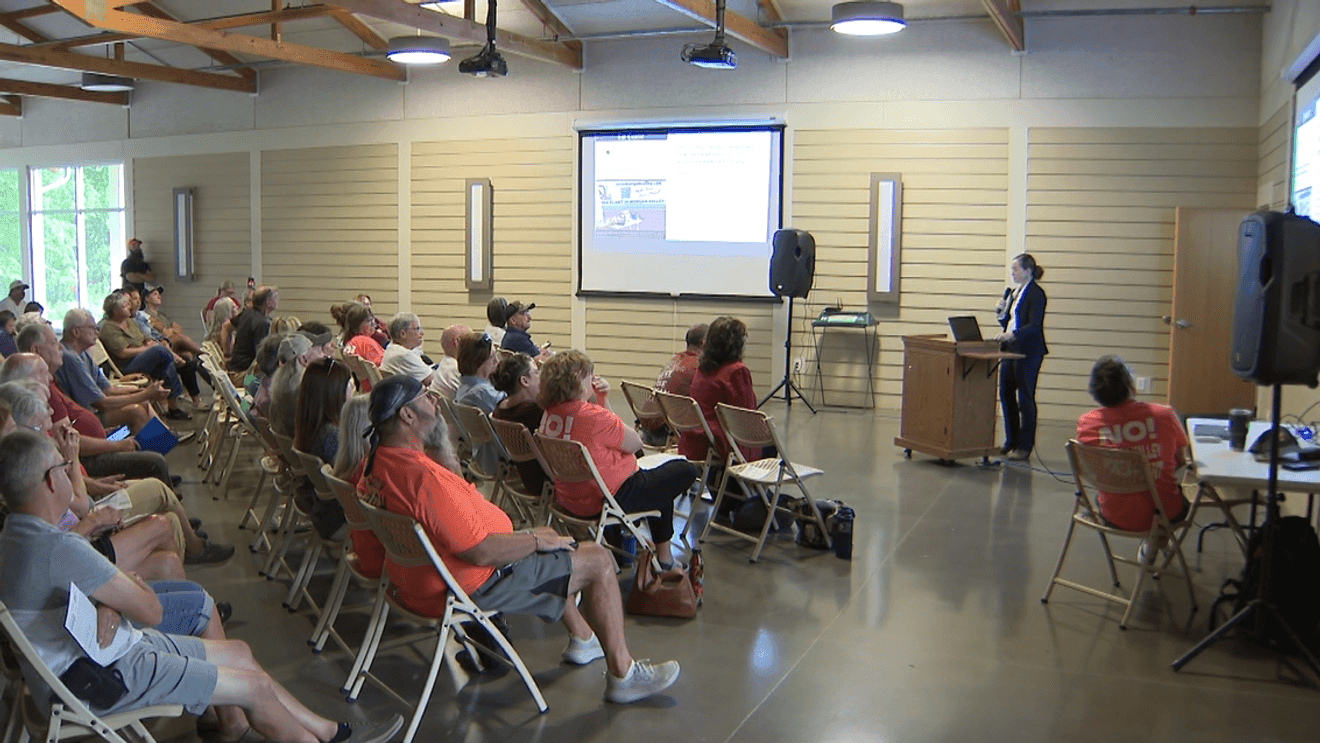
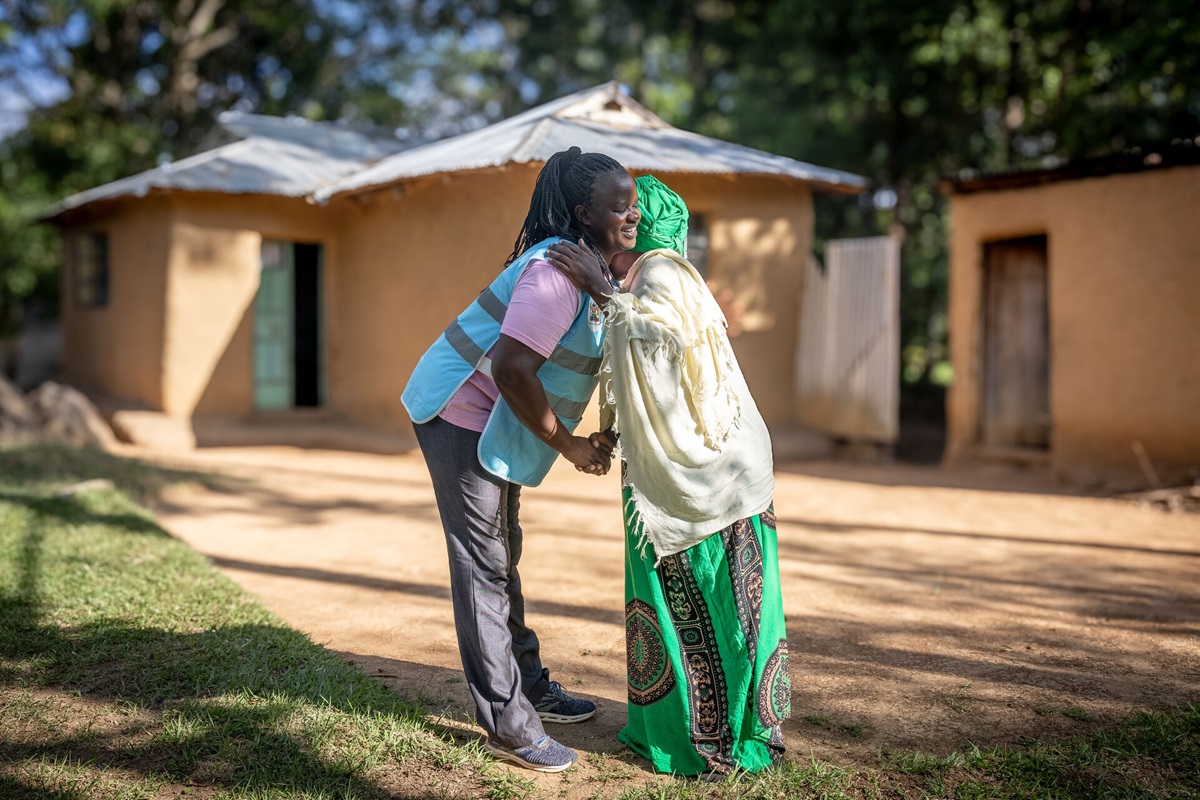
The operation also included instances of dialogue and advice with the community on responsible animal care and the use of the environment. The visible presence of professionals and park rangers in the territory strengthened the trust and environmental awareness of the residents.
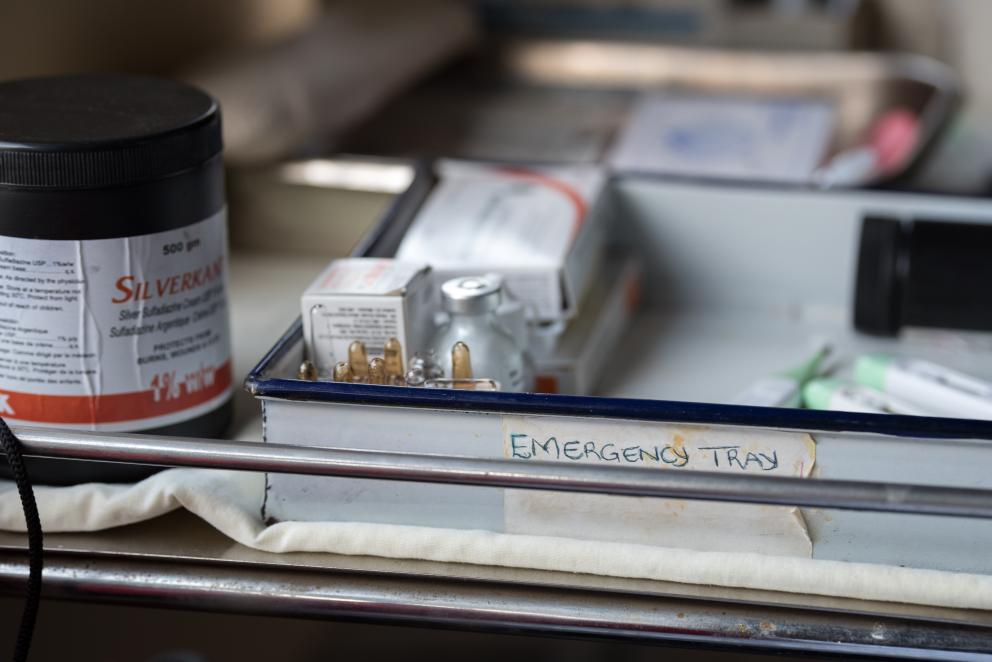
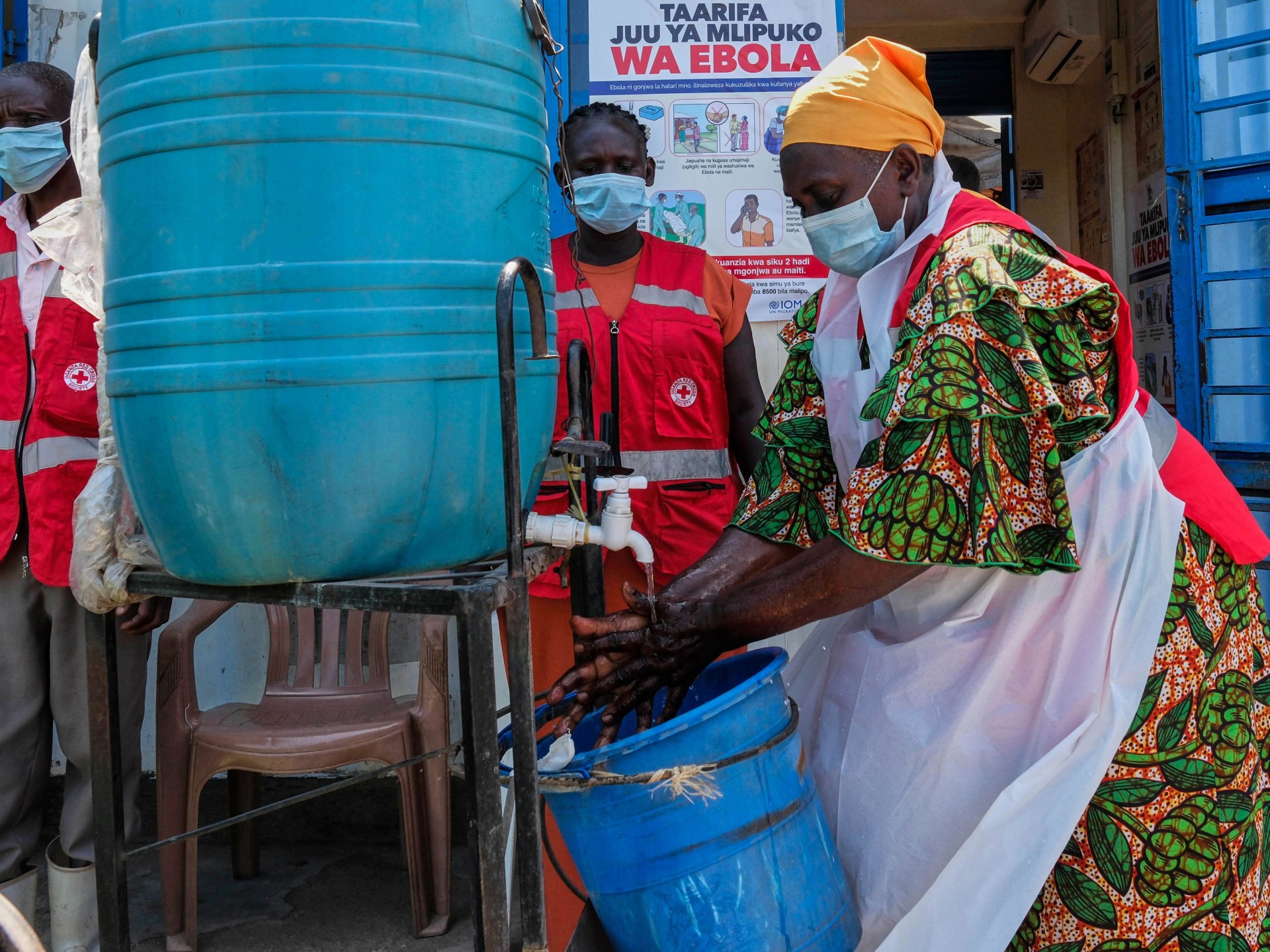
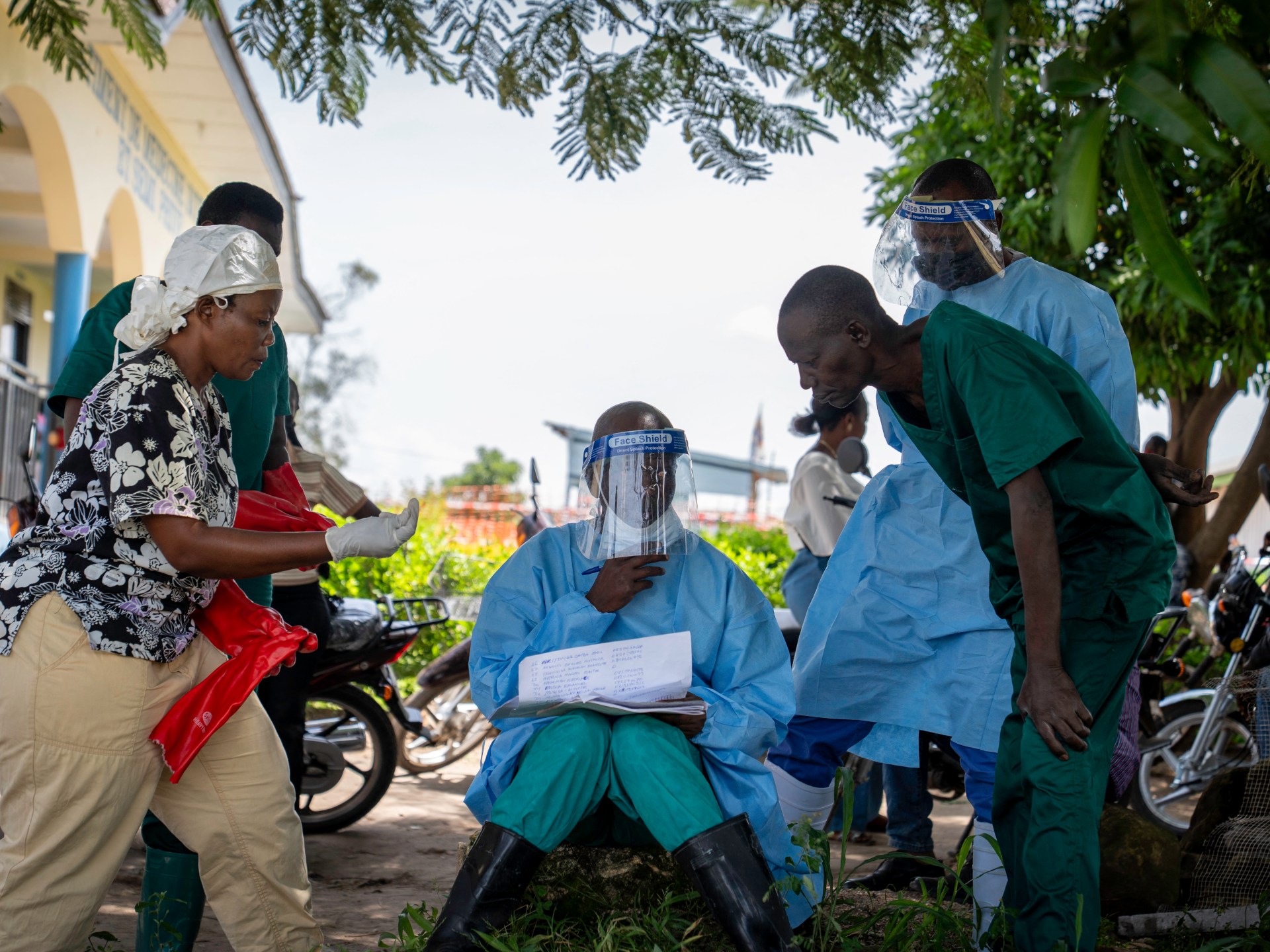
The team used surgical equipment, veterinary supplies, vaccines, and biosecurity elements, ensuring adequate conditions and sanitary standards in all practices carried out.
The Villavicencio Natural Reserve
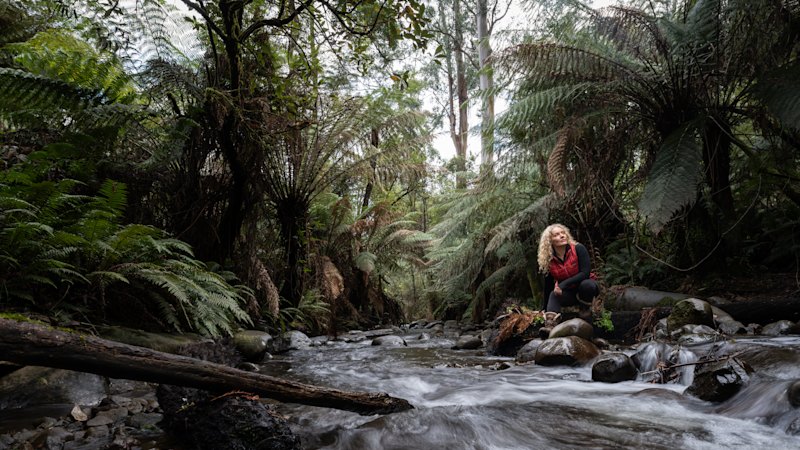
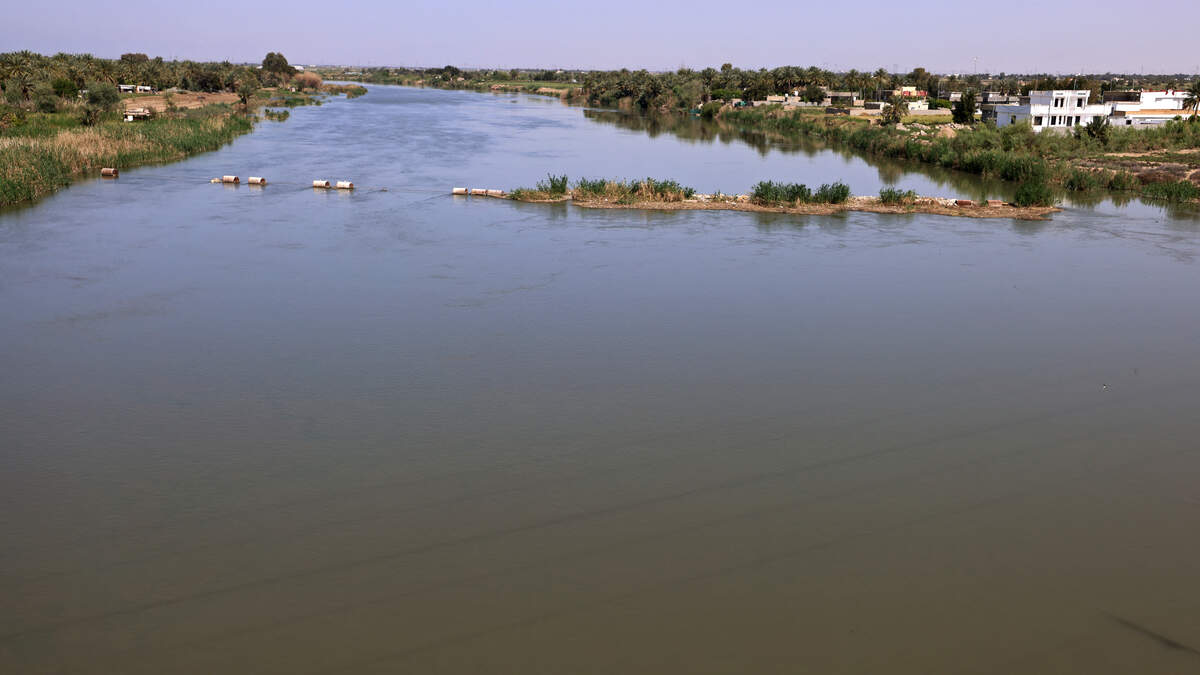
The reserve, located in Mendoza, protects more than 60,000 hectares of biodiversity, wetlands, and water resources.
- Conservation of biodiversity and water: it is home to more than 249 species of fauna and flora, including the Andean cat, which is endangered.
- Ramsar Site: declared in 2017 for the international importance of its wetlands, being the first private reserve in the country to receive this distinction.
- Historical and cultural heritage: it safeguards the Canota Monument and the historic Provincial Route 52, linked to the San Martín campaign.
- Education and sustainable tourism: it receives thousands of visitors and students each year, promoting environmental awareness.
- Sustainable private management: it functions as a model of private conservation, integrated into the Network of Refuges of Fundación Vida Silvestre.
The mega-operation in Villavicencio made it clear that human, animal, and environmental health are inseparable. Among vaccines, check-ups, and talks, the day reinforced the importance of a joint approach to sustain the balance of ecosystems as valuable as those of the Mendoza mountain range.