Overall Earnings Trends and Positive Result Ratios
The latest quarter saw 59.0% of companies delivering positive results, marking a significant uptick compared to the previous three quarters where positive outcomes hovered between 41.0% and 46.0%. This improvement suggests a gradual recovery in corporate earnings momentum after a subdued performance in the latter half of 2025. The March quarter’s 59.0% positive ratio is the highest in the last year, signalling a potential inflection point for market sentiment.
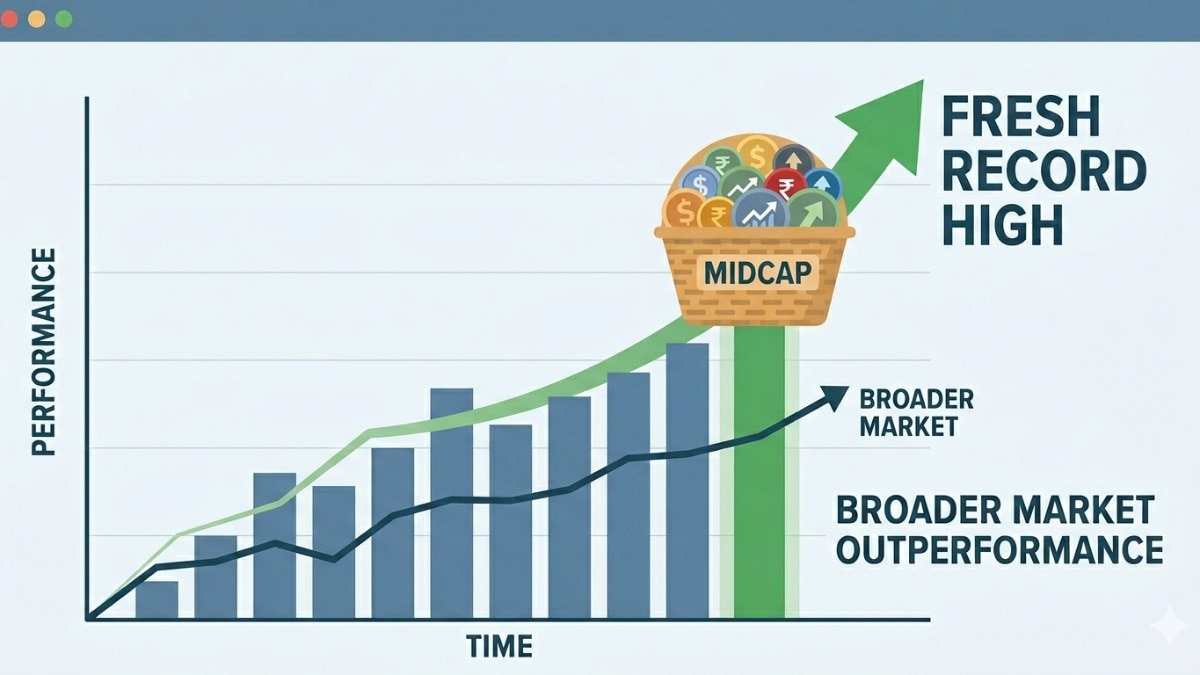
Breaking down by market capitalisation, mid cap companies outperformed notably with 82.0% reporting positive results, a sharp contrast to large caps where only 46.0% managed to beat expectations. Small caps also showed resilience with 56.0% positive results, indicating selective strength in smaller, more agile businesses. This divergence underscores the ongoing rotation within the market, favouring mid-sized firms that may be benefiting from niche sectoral tailwinds and operational leverage.
Sectoral Highlights and Top Performers
Among large caps, Nestle India stood out as a sector leader within FMCG, delivering robust earnings that reinforced its defensive qualities amid broader market volatility. The company’s steady performance reflects sustained consumer demand and effective cost management strategies, which continue to support margin expansion despite inflationary pressures.
In the mid cap space, Tata Investment Corporation emerged as a top performer within the Non-Banking Financial Company (NBFC) sector. Its strong quarterly results were driven by improved asset quality and higher interest income, signalling a stabilisation in the NBFC segment after a challenging period. This performance has contributed to the sector’s overall positive trend and investor confidence.
Small caps delivered some of the most impressive individual results, with Navkar Corporation in Transport Services, Waaree Renewable Energy in Power, and SG Finserve in NBFC sectors leading the pack. Navkar Corporation’s earnings growth reflects increased freight volumes and operational efficiencies, while Waaree Renewable’s results benefited from rising renewable energy demand and favourable policy support. SG Finserve’s strong showing highlights the ongoing recovery in credit demand and improved collections in the NBFC sector.
In-Depth Look at Sangam (India) Ltd’s Stellar Quarter
Among the 20 companies that declared results in the last 24 hours, Sangam (India) Ltd, a garments and apparels company with a market cap of ₹2,711.56 crores, delivered a very positive financial performance for the March 2026 quarter. The company’s score improved from 20 to 25 over the past three months, reflecting a bullish shift in investor sentiment.
Sangam India’s Profit Before Tax excluding other income (PBT LESS OI) surged by 217.5% compared to the previous four-quarter average, reaching ₹50.36 crores. Profit After Tax (PAT) also doubled, growing 112.0% to ₹34.08 crores. Operating profit to interest ratio hit a high of 3.78 times, indicating strong coverage of interest expenses. Net sales climbed to ₹883.92 crores, the highest in recent quarters, while PBDIT rose to ₹101.78 crores. Operating profit margin expanded to 11.51%, underscoring improved operational efficiency. Earnings per share (EPS) reached ₹6.54, the highest quarterly figure recorded by the company.
Upcoming Earnings to Watch
Investors will closely monitor results from LTM Ltd, Adani Energy Solutions Ltd, and Infosys Ltd, all scheduled to report on 23 April 2026. These companies represent key sectors including industrial manufacturing, renewable energy, and IT services, and their earnings will provide further insight into sectoral trends and broader economic conditions.
Market Capitalisation and Earnings Quality
The disparity in positive result ratios across market capitalisation segments highlights the nuanced earnings landscape. Large caps, despite their size and market influence, have struggled to maintain consistent earnings beats, with only 46.0% reporting positive results this quarter. This contrasts sharply with mid caps, where 82.0% of companies delivered positive outcomes, suggesting that mid-sized firms are currently better positioned to capitalise on growth opportunities and operational improvements.
Small caps, with a 56.0% positive result ratio, continue to show selective strength, particularly in sectors such as transport services and renewable energy. The strong performances of Navkar Corporation and Waaree Renewable Energy exemplify this trend, as these companies benefit from sector-specific tailwinds and favourable regulatory environments.
Sectoral Patterns and Investor Implications
The FMCG sector, represented by Nestle India among large caps, remains a defensive haven amid economic uncertainties, with steady demand supporting earnings resilience. The NBFC sector, particularly in the mid and small cap segments, is showing signs of recovery, driven by improved asset quality and credit demand. Transport services and renewable energy sectors are emerging as growth engines within the small cap universe, reflecting broader structural shifts in the economy.
For investors, these earnings trends suggest a strategic focus on mid cap and select small cap stocks with strong fundamentals and sector tailwinds. Large caps may require more selective stock picking, given the mixed earnings outcomes and ongoing margin pressures.
Conclusion: Earnings Season Signals Gradual Recovery
The March 2026 quarterly results indicate a gradual but meaningful recovery in corporate earnings, with mid caps leading the way and small caps showing pockets of strength. Large caps face challenges but continue to offer defensive qualities in certain sectors. As the market digests these results, investors should remain vigilant to sectoral shifts and earnings quality, positioning portfolios to benefit from emerging growth opportunities while managing risks associated with uneven earnings performance.
Looking Ahead
With key companies such as Infosys and Adani Energy Solutions set to report shortly, the earnings season is far from over. These results will be critical in shaping market direction and investor confidence heading into the second quarter of 2026. Monitoring earnings trends across market caps and sectors will remain essential for informed investment decisions in the evolving market landscape.
Get Started for only Rs. 16,999 – Get MojoOne for 2 Years + 1 Year Absolutely FREE! (72% Off) Start Today