Lake Resources (ASX: LKE) reported steady progress on its Kachi lithium project’s direct lithium extraction (DLE) technology and regulatory milestones in its December quarterly update.
The company also highlighted its current liquidity position, which serves as crucial bridge capital supported by an ATM facility as it progresses toward a Final Investment Decision (FID).
Kachi Project Advances with EIA Progress
The Kachi project continues to advance, with the Exploitation Environmental Impact Assessment (EIA) timeline now targeted for 1H2026.
While this represents a shift from earlier expectations of an H2 2025 approval, securing this permit remains a critical “gating” prerequisite for FID and most forms of non-recourse project finance.
Notably, Ramsar Zone 3 zoning has been approved for the area, which is a major environmental and regulatory milestone.
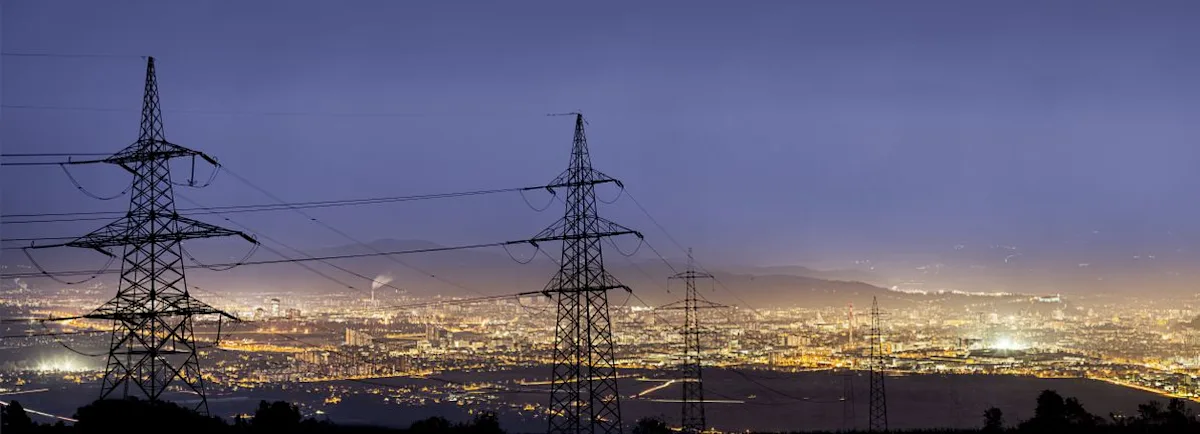
Efforts to optimise Kachi’s power supply have also advanced significantly, highlighted by YPF Luz officially completing the Front-End Engineering Design (FEED) study for the delivery of power to the project.
These initiatives aim to reduce operating costs and secure a reliable grid connection.
Lake Resources maintains an extensive tenement portfolio totalling 105,953.06 hectares in Catamarca.
Technology Underwritten by Gen 4, Upside in Gen 5
Kachi’s current Definitive Feasibility Study (DFS) Addendum economics are underpinned by its technology partner Lilac Solutions’ Gen 4 ion-exchange DLE technology as the base case.
However, Lilac’s newer Gen 5 technology provides substantial potential upside and is expected to further lower both capital and operating expenditures for the project.
Construction of Lilac’s commercial-scale Gen 5 ion-exchange module manufacturing line in Nevada, USA, is now complete.
Further demonstrating the viability of this extraction method, a binding 10-year offtake agreement with Traxys North America was announced post-quarter for Lilac Solutions’ own planned facility in Utah.
While this offtake is specific to Lilac rather than Lake Resources, it serves as a strong commercial validation of the DLE technology pathways that will be deployed at Kachi.
Liquidity and Path to Project Financing
As of December 31, 2025, Lake Resources held cash and equivalents of A$15,326,000.
The net cash outflow from operating activities for the quarter was A$4,157,000, with a year-to-date operating outflow of A$9,518,000.
The company’s unused financing facilities totalled A$75,764,000, indicating significant standby equity capacity.
Pro-forma liquidity, including post-quarter option exercise proceeds of A$500,000, stood at approximately A$15.8 million as of December 31, 2025.
This current cash position acts as vital “bridge capital,” providing sufficient runway to cover permitting, partnering, and transaction costs.
However, with Kachi Phase One construction Capex estimated at US$1.16 billion, the project will ultimately require a broader funding package, including partner equity and strategic project financing, to move into development.
Cost Reduction and Operational Efficiency
Lake Resources has demonstrated a focus on financial discipline, with 2025 calendar-year cash outlays reduced by approximately 45% compared to 2024.
This aligns with ongoing efforts to optimise project economics while preserving the bridge capital required to reach FID.
The company previously disclosed an inadvertent breach of Listing Rule 7.1, which was related to an administrative error in the deduction of 41,000,000 Acuity shares.
Remedial actions and governance enhancements have since been implemented to prevent any recurrence.
Lake Resources confirmed that this breach does not impact the validity of recent share or option issues.
Outlook and Key Developments
Lake Resources continues to de-risk its Kachi project through regulatory progress and the technological advancements of its DLE system provider.
Management is focused on cost optimisation and maintaining runway via its ATM facility while advancing towards key project milestones.
The market’s focus over the next 6 to 18 months will rest heavily on progress through the Exploitation EIA process and the execution of a bankable funding and partner package for the US$1.16 billion Kachi Phase One build.