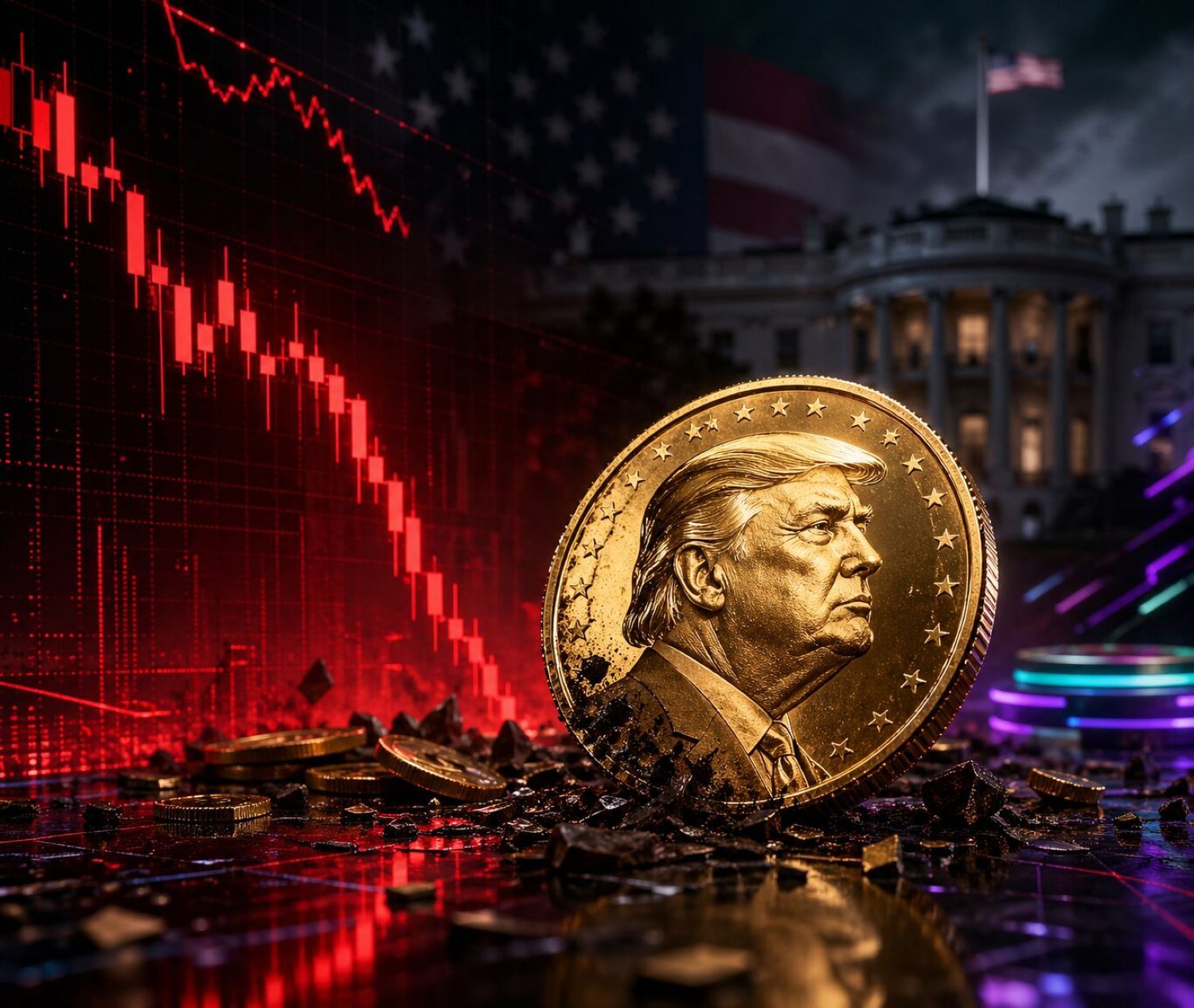
A cluster of Solana tokens with names like World Collective Oil Reserve, Russian Oil Asset Fund, and Global Digital Oil Reserve has pulled in more than a thousand combined search clicks over the past few weeks, and a large share of those searches come from people asking the same question. Do these tokens actually give exposure to the price of oil? The short answer is no, and the gap between what these tokens sound like and what they actually do is wide enough to cost an uninformed buyer real money.
This is a comparison built for one decision. If you want exposure to the oil market, here is the honest difference between a Solana token themed on petroleum and an instrument that genuinely tracks crude. Both can sit in a portfolio. They are not the same trade, and confusing one for the other is the mistake this article exists to prevent.
What Oil Narrative Tokens Actually Are
Oil narrative tokens are crypto assets, almost always issued on Solana, that wrap themselves in the vocabulary of the energy industry. The names do the heavy lifting. WCOR brands itself as a “digital strategic oil reserve.” ROAF leans on Russian oil and geopolitics. GDOR borrows the language of a global reserve program. Each one sounds like it might be a fund, a custody arrangement, or some kind of structured claim on petroleum.
None of them are. An oil narrative token is a fungible Solana token traded mostly through decentralized exchange liquidity pools. It is not backed by physical crude, it does not represent a barrel of oil, and it does not hold a futures contract or a share of any reserve. There is no audited custodian sitting behind the ticker. The token exists, the oil in the name does not.
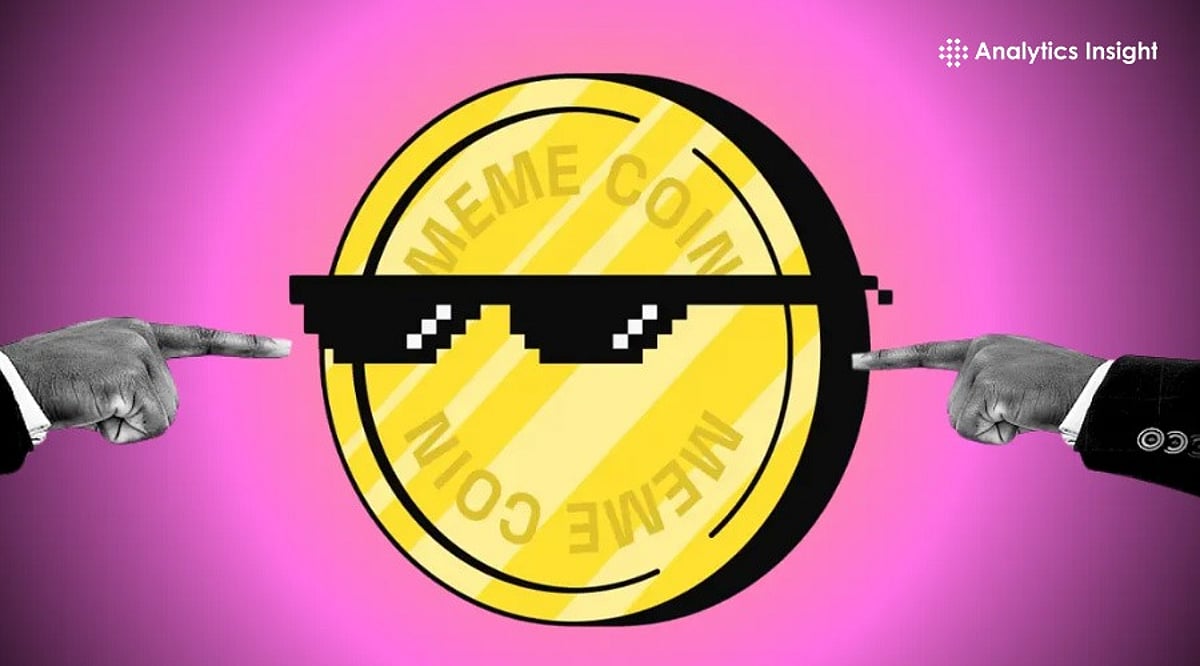
What drives the price is sentiment and the strength of the story. When energy and geopolitics dominate headlines, traders rotate into anything that carries the theme, and a token named after an oil reserve catches that flow. The value comes from attention, not from a commodity. That makes these tokens closer in mechanics to a memecoin than to a fund. Phemex has a plain-English breakdown of why traders chase meme coins that maps almost perfectly onto narrative-driven tokens like these. The petroleum framing is the meme. Strip it away and you are holding a thin micro-cap Solana token whose price moves on hype cycles.
What Real Oil Exposure Looks Like
Real oil exposure means your position rises and falls with something traceable to the actual crude market or to the companies that produce it. Several instruments deliver this, each with its own mechanics and trade-offs.
Oil ETFs are the most familiar route, and the best-known is the United States Oil Fund, ticker USO. It does not store barrels in a tank, but instead holds listed crude oil futures contracts and rolls them forward as they approach expiry, aiming to track the daily percentage change in the price of light sweet crude. The exposure is real, but the structure introduces a nuance called roll cost. When near-term futures are cheaper than later-dated ones, a condition called contango, the fund sells low and buys high every time it rolls, which creates a slow drag on returns over long holding periods. That is why USO often diverges from the spot oil price over time. It tracks oil imperfectly, and the imperfection is documented and measurable.
Energy equity ETFs take a different angle, with funds like the Energy Select Sector SPDR Fund, ticker XLE, holding shares of oil and gas companies such as ExxonMobil and Chevron. This is exposure to the oil business rather than the commodity itself. When crude rallies, these companies tend to earn more and their shares often follow, but the link runs through earnings, dividends, balance sheets, and broader equity-market sentiment. It is oil-correlated rather than oil-pegged.
Oil futures are the most direct instrument of the group, since a WTI or Brent futures contract is a standardized agreement priced off the crude market that gives leveraged, near-pure exposure to the oil price. Futures also demand active management, because they use margin, they expire, and they can move against a leveraged position fast. The exposure is direct, but it is not a passive holding.
Tokenized commodity products are an emerging and genuinely legitimate category, built as compliant asset-backed tokens where each unit is a verifiable claim on a real commodity or a regulated fund. Some are properly backed and audited, and the important point is that a real tokenized commodity product publishes its backing and its custodian. An oil narrative token does neither, which is the line that separates the two categories.
Oil Narrative Token vs Oil ETF or Futures: The Direct Comparison
The cleanest way to see the difference is side by side. Every row below answers a question a trader should ask before putting money into either category.
|
Dimension |
Oil narrative token |
Oil ETF or futures |
|
Real oil exposure |
None, sentiment only |
Yes, tracks crude or oil equities |
|
What drives the price |
Crypto narrative and hype |
The actual oil market |
|
Backing |
None verified |
Futures, physical, or equity holdings |
|
Regulation |
Unregulated |
Securities or commodities regulated |
|
Volatility |
Extreme, micro-cap and thin |
Market-level, far more contained |
|
Liquidity |
Shallow DEX pools |
Deep, listed on major venues |
|
Best use case |
Pure speculation on a story |
Actual oil-price exposure |
The takeaway is not that one is good and one is bad. It is that they answer different questions. If the question is “how do I get exposure to the oil price,” the right-hand column is the answer. If the question is “how do I take a high-risk bet on a trending crypto narrative,” the left-hand column is the answer. Picking the left column while believing you bought the right column is the costly error.
Why the Confusion Happens and Why It Matters
The confusion is engineered, not accidental. A token called World Collective Oil Reserve is named that way precisely because “oil reserve” signals safety, scale, and a connection to something tangible. National strategic petroleum reserves are real government programs, and borrowing that vocabulary lends a micro-cap Solana token an air of institutional weight it has not earned.
Search behavior makes it worse. Someone reads a headline about oil prices, types “oil reserve token” or “how to buy oil crypto” into a search engine, and lands on a tradable asset that appears to answer the question. The token is right there, it has a chart, it has a price. Nothing on the surface tells the buyer that the petroleum link is a theme rather than a holding. CoinGecko’s data pages for tokens like WCOR list price and market cap but cannot tell you the name is marketing.
Here is why the distinction is not academic. Oil narrative tokens are micro-cap assets with thin liquidity, often a market cap in the low tens of millions and daily volume that can be moved by a single large order. A real oil ETF trades against the global crude market with deep liquidity and regulated disclosure. A buyer expecting commodity-grade stability from a narrative token is holding something that can drop 30% or more in a session when attention rotates away. The instrument did not fail, because it was never an oil instrument to begin with. And unlike crude itself, which has supply, demand, and inventory data published weekly, a narrative token has no fundamental floor to catch it.
How to Choose Based on What You Actually Want
Start with the goal, then pick the instrument. This is the order that prevents the mistake.
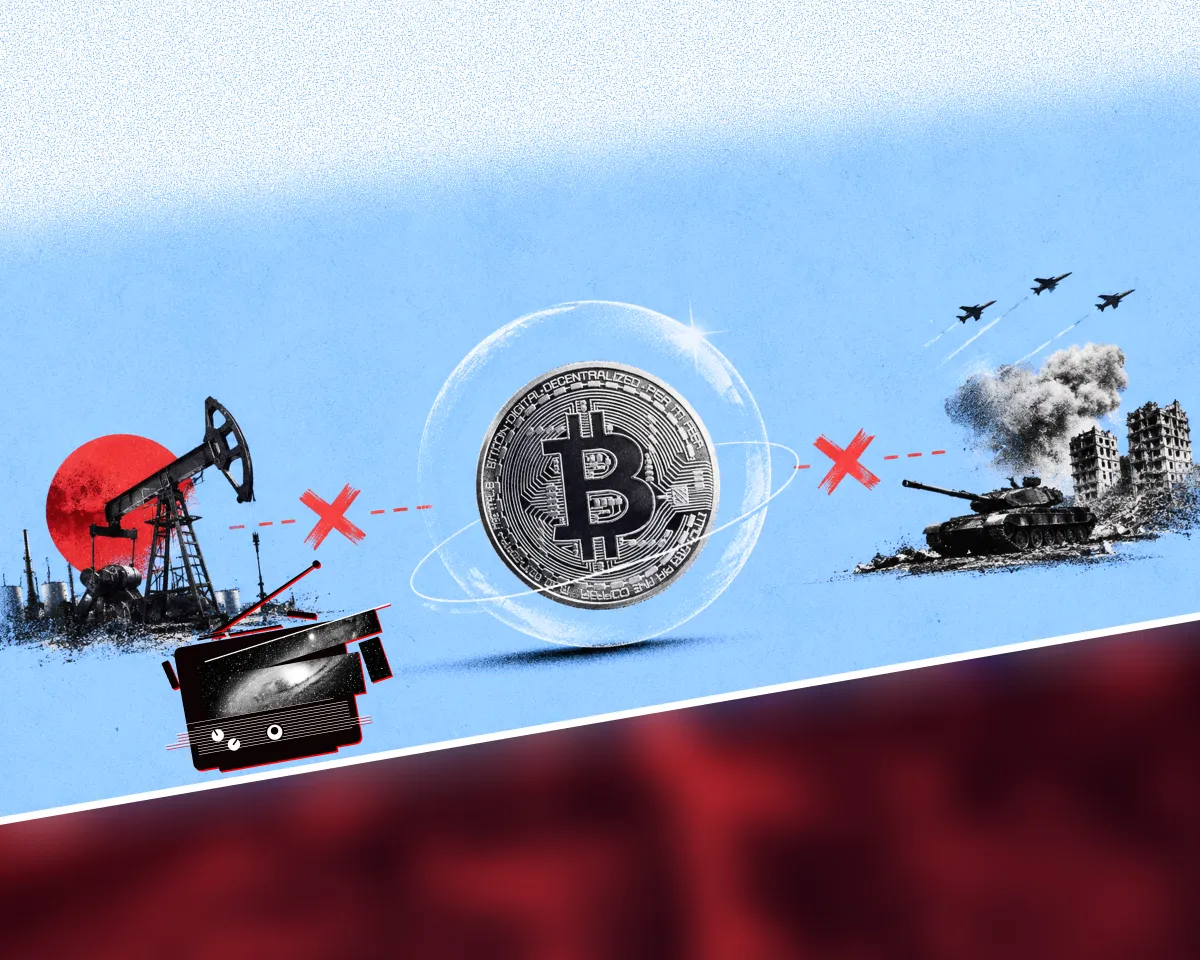
If you want to express a view on the price of oil, a hedge against energy costs, or a position tied to global crude supply and demand, the answer is a commodity instrument. An oil ETF like USO gives passive, regulated exposure with the roll-cost caveat for long holds. Oil futures give direct, leveraged exposure for active traders who can manage margin and expiry. Energy equity ETFs give oil-correlated exposure with the cushion and the dilution of company fundamentals. Phemex offers commodity perpetual contracts through its TradFi suite, and the beginner’s guide to trading crude oil walks through how that works for traders who want oil exposure without leaving a crypto account. Oil also has a real macro link to digital assets, which Phemex covers in its breakdown of how oil prices connect to Bitcoin.
If instead you want a high-risk, high-volatility bet on crypto market sentiment, and you understand that the oil branding is a story rather than a claim, then an oil narrative token is exactly that trade. Named plainly, it is a speculative position on attention and narrative rotation. Some traders do make money timing these rotations, and that is a legitimate trade in its own right. It is just not an oil trade, and it should be sized as a small slice of a high-risk allocation, never as a commodity hedge.
The single rule worth remembering is this. If an asset cannot tell you what it holds and who audits it, it is not giving you exposure to that thing. It is giving you exposure to a story about that thing.
Frequently Asked Questions
Do oil narrative tokens like WCOR or ROAF give real oil exposure?
No. These tokens are not backed by physical crude, do not hold oil futures, and do not represent a claim on any reserve. Their price is driven entirely by crypto market sentiment and the strength of the energy narrative attached to the name, so they move independently of the actual oil price.
What is the safest way to get exposure to the oil price?
For most people, a regulated oil ETF such as USO is the simplest route, since it tracks crude through listed futures and trades on a major exchange. Active traders may prefer oil futures directly for leveraged exposure, while energy equity ETFs like XLE offer a less direct, company-driven version. Each carries its own risk, but all three have a verifiable link to oil that narrative tokens lack.
Why does an oil ETF not perfectly match the oil price?
Most oil ETFs hold futures contracts rather than physical barrels, and they must roll those contracts forward before expiry. When later-dated futures cost more than near-term ones, a state called contango, each roll creates a small loss that drags on returns over long holding periods. The ETF still tracks oil, but the futures structure causes measurable divergence from spot prices over time.
Are any tokenized commodity products legitimate?
Yes, a small but growing category of compliant, asset-backed tokens does represent verifiable claims on real commodities or regulated funds, with published backing and named custodians. The difference from a narrative token is transparency. A real tokenized product can show you what it holds and who audits it, while an oil narrative token offers only a themed name.
Bottom Line
Oil narrative tokens and commodity instruments answer two different questions, and the price of getting them confused is paid by whoever expected crude exposure and bought a story instead. A token named after an oil reserve is a speculative bet on crypto sentiment and narrative rotation, with no backing, no regulation, and micro-cap liquidity that can swing 30% in a day. An oil ETF, an oil futures contract, or an energy equity ETF has a traceable, regulated link to the actual market. Before committing capital, decide which question you are answering. If the goal is oil exposure, the instrument has to be able to name what it holds. If it cannot name what it holds, you are not buying oil at all. You are buying a word.
This article is for informational purposes only and does not constitute financial or investment advice. Cryptocurrency trading involves substantial risk. Always conduct your own research before making trading decisions.