Author: Nancy, PANews
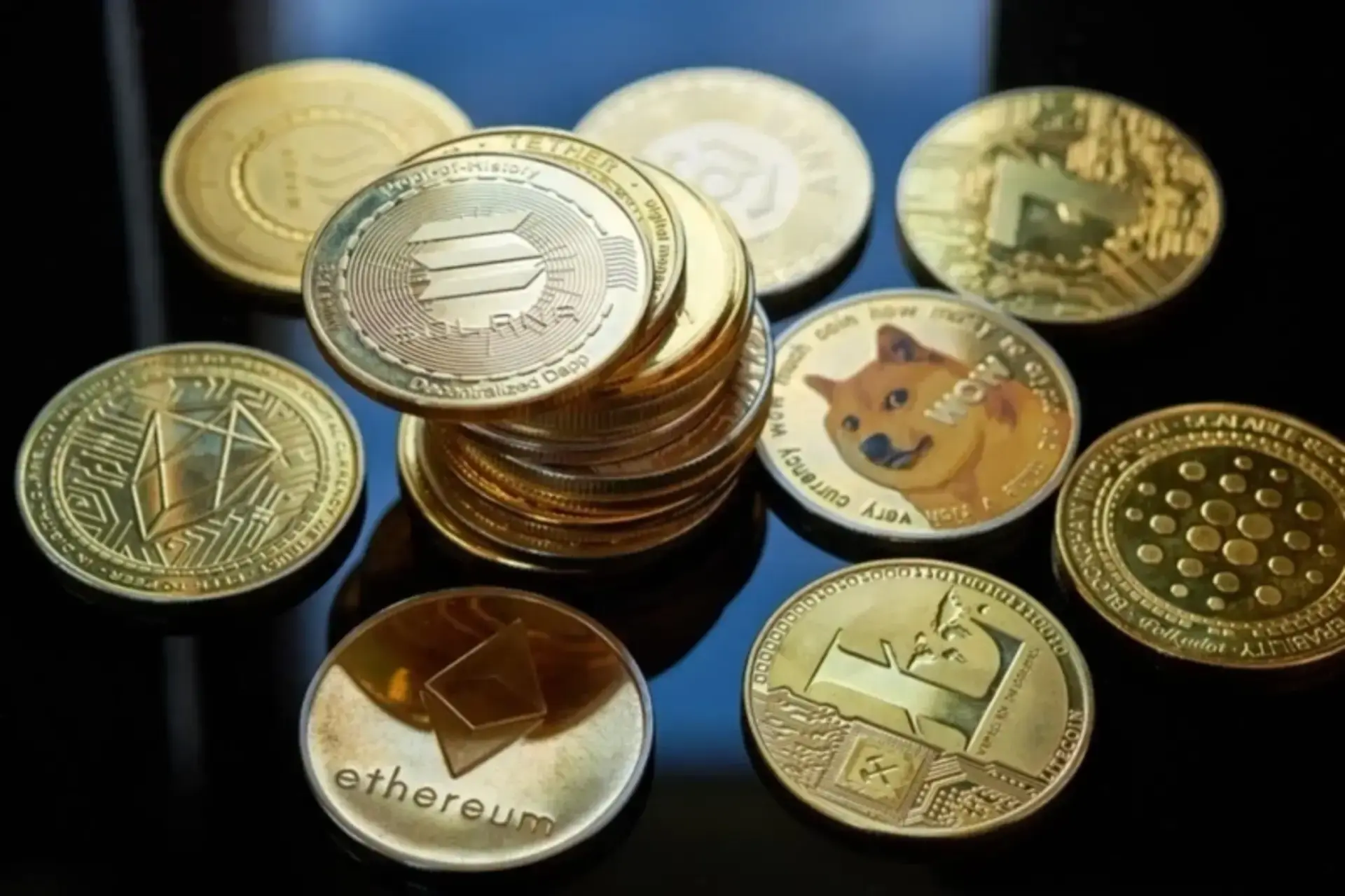
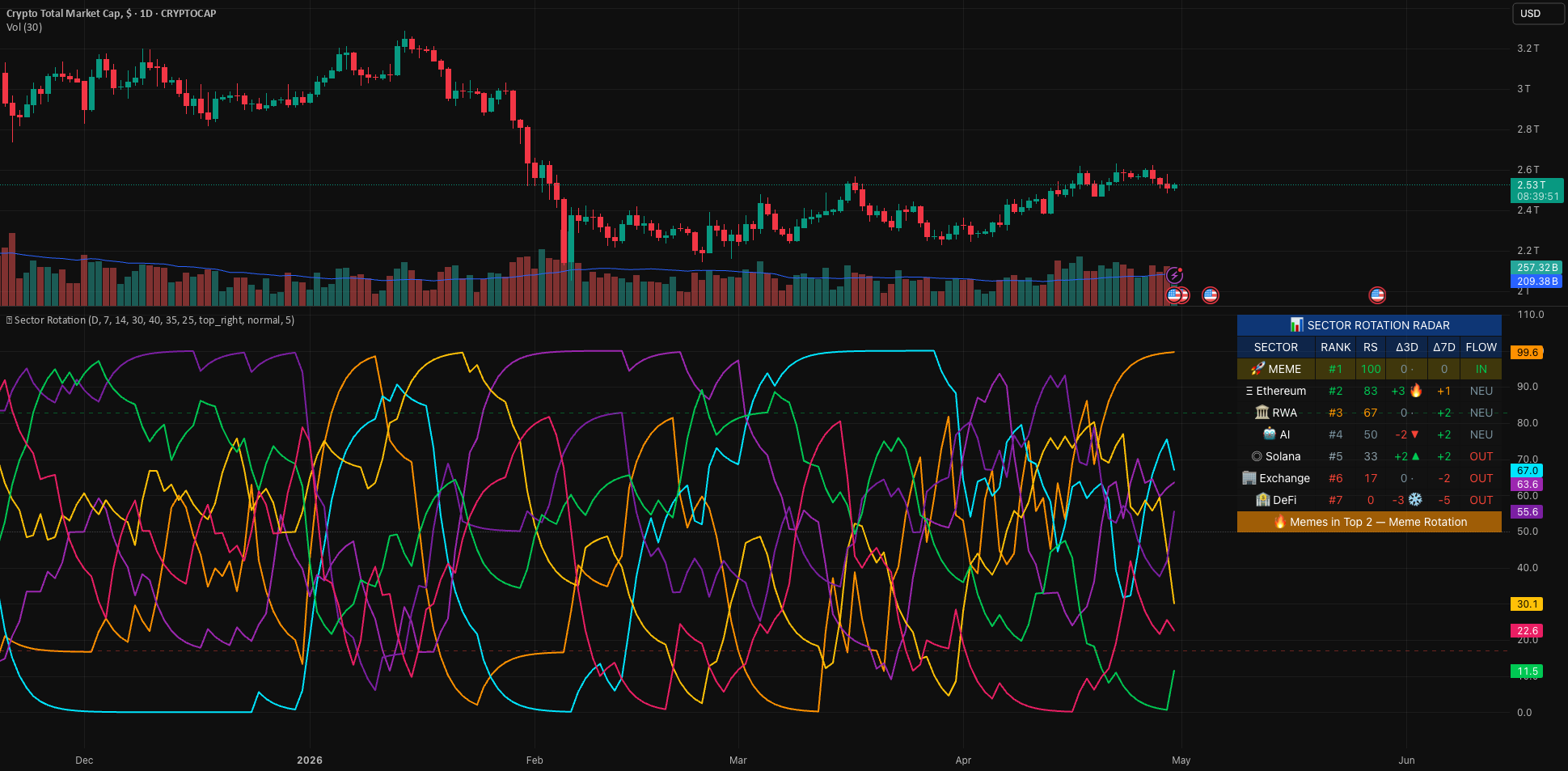
The recent surge in prices has suddenly revitalized the long-dormant altcoin market. Some tokens have seen continuous price increases, even experiencing dramatic price swings of several times or even dozens of times in a short period, suggesting a possible restart of the altcoin season.
However, this is not a sign of a full-scale recovery for altcoins, but rather a localized frenzy dominated by a few strong tokens.
The era of widespread price increases is over; strong cryptocurrencies are taking over the altcoin market.
The altcoin market did not experience the widespread price surge that the market had been hoping for.
According to data from CoinGecko’s top 1000 tokens by market capitalization, the top 30 tokens by market capitalization saw an average increase of 153.5% over the past 7 days, significantly outperforming mainstream assets such as Bitcoin, Ethereum, and Solana. These tokens were mainly concentrated in sectors such as memes, inscriptions, AI, and infrastructure.
However, further analysis reveals that this altcoin rally was not evenly distributed, but rather dominated by a very small number of exceptionally performing assets. The top 10 gainers all exceeded 100%, with RAVE, Binance Life, and ORDI leading the pack with gains of 1596.2%, 307.2%, and 265.4% respectively. The remaining 20 tokens performed relatively moderately, mainly concentrated in the 40%-100% range, averaging around 65.6%. In other words, a few top performers drove the overall market performance.
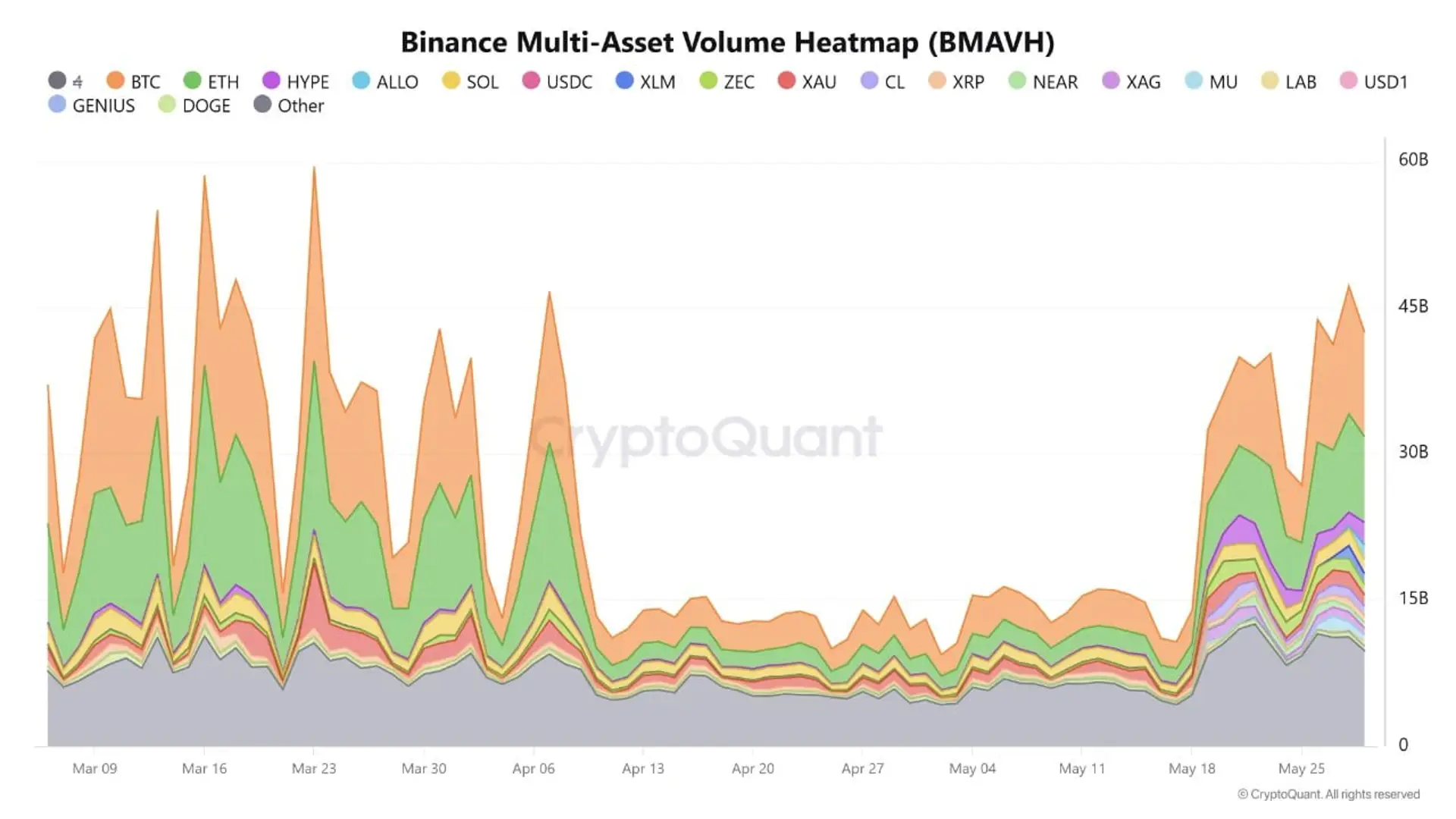
Trading volume data also confirms this. Although overall trading volume has rebounded somewhat, funds have not flowed in evenly, but rather concentrated on a few tokens. In the past 24 hours, the average trading volume of these tokens was approximately $140 million, with ORDI, BIO, and BASED alone accounting for nearly 70% of the trading volume, demonstrating a very strong concentration of funds.
If we break it down further, the assets that have surged in this round can be roughly divided into two categories. One category consists of projects that have just reached new highs and are in a strong uptrend. Twelve projects have all hit new highs within a month, with most breaking their all-time price records in the last two days. These tokens have good liquidity and high market attention, but they have already accumulated a large amount of profit-taking, and their current prices have retreated by an average of about 29.5% from their peak. Once new funds weaken or sentiment shifts, a sharp correction is very likely to occur.
Another category consists of deeply oversold assets experiencing a rebound. There are 13 tokens that have been below their all-time highs for over a year, with some even exceeding four years, and an average maximum drop of 95.4%. Because the actual circulating market capitalization of these projects has shrunk significantly, they can be quickly boosted with only a small amount of capital, achieving an average increase of 104.4% in the recent rebound.
From a market capitalization perspective, most cryptocurrencies currently have a market cap between $20 million and $80 million. These low-to-mid-cap projects, due to their smaller circulating supply, exhibit significantly stronger price elasticity under the same amount of capital inflow compared to high-cap projects, making them more prone to rapid price surges. Looking at the eight projects with market caps exceeding $100 million, the average increase was approximately 340%, indicating that these projects initially had relatively low market capitalizations, allowing them to achieve such strong gains. However, as market caps are rapidly inflated, achieving similar increases in the future will become significantly more difficult.
Limited upside potential; altcoins enter an era of divergence.
Although altcoin prices and trading volumes have shown signs of recovery, the upside potential may be limited given the overall insufficient liquidity in the crypto market and Bitcoin’s continued dominance.
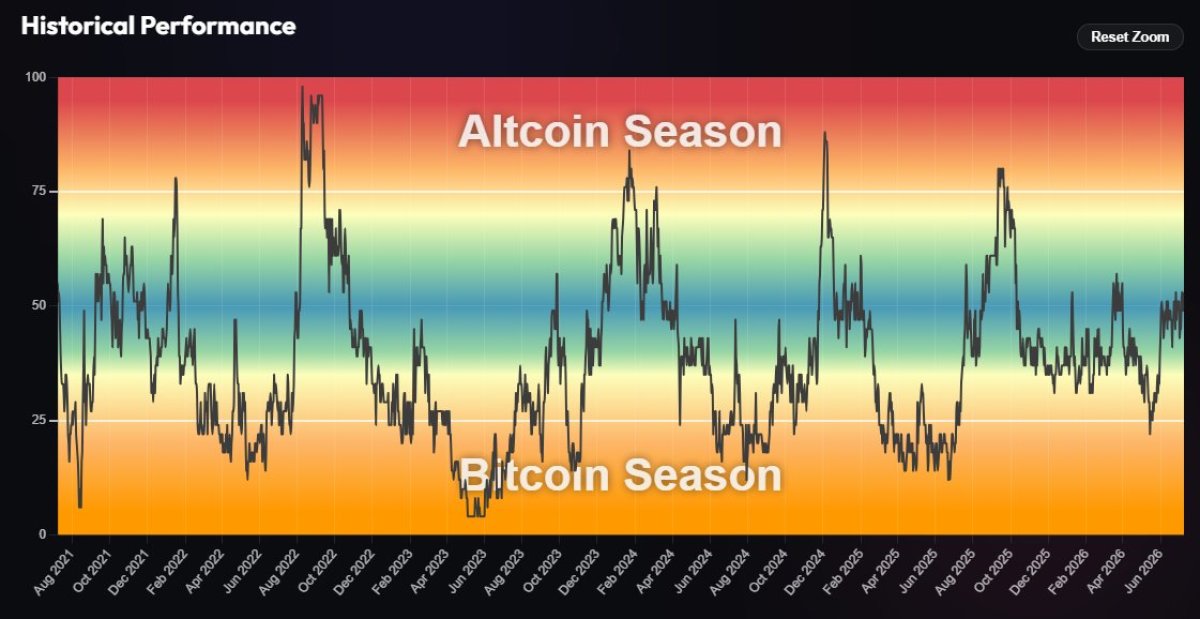
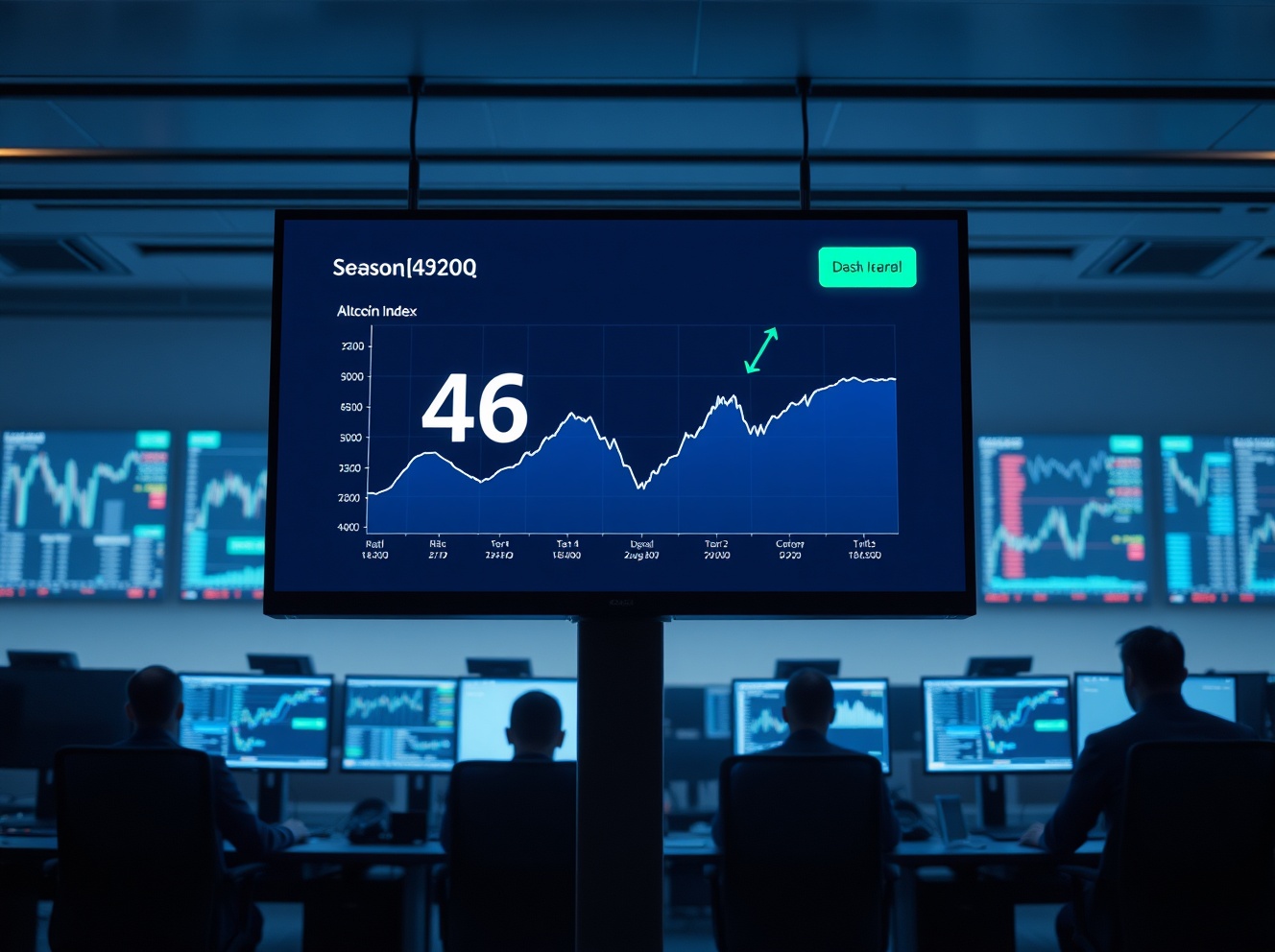
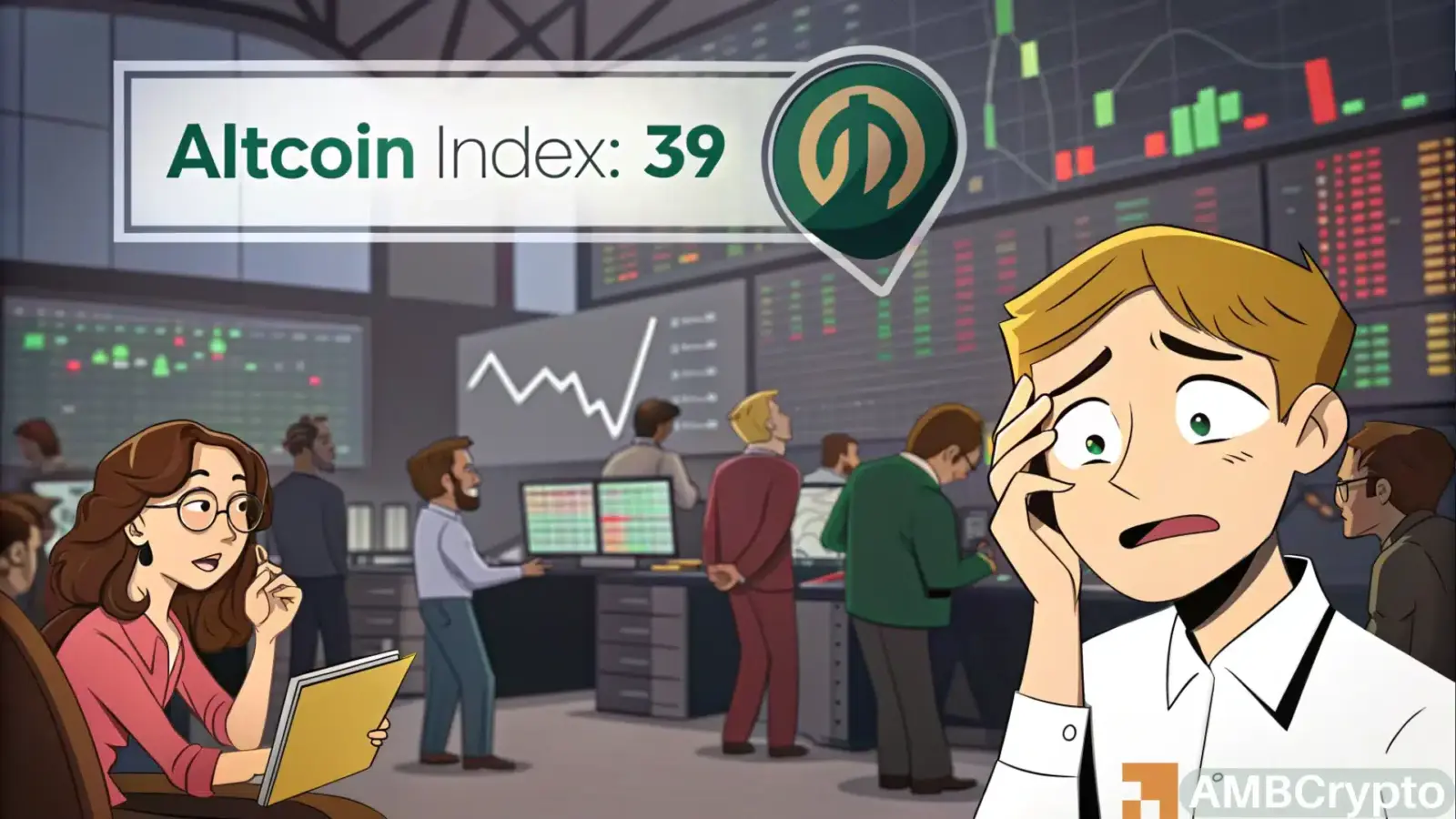
According to the altcoin seasonal index tracked by CoinGlass, the current altcoin seasonal index is 36, which means that the overall market has not yet formed a broad-based altcoin season. The vast majority of tokens are underperforming Bitcoin, and funds are more concentrated on a few strong coins.
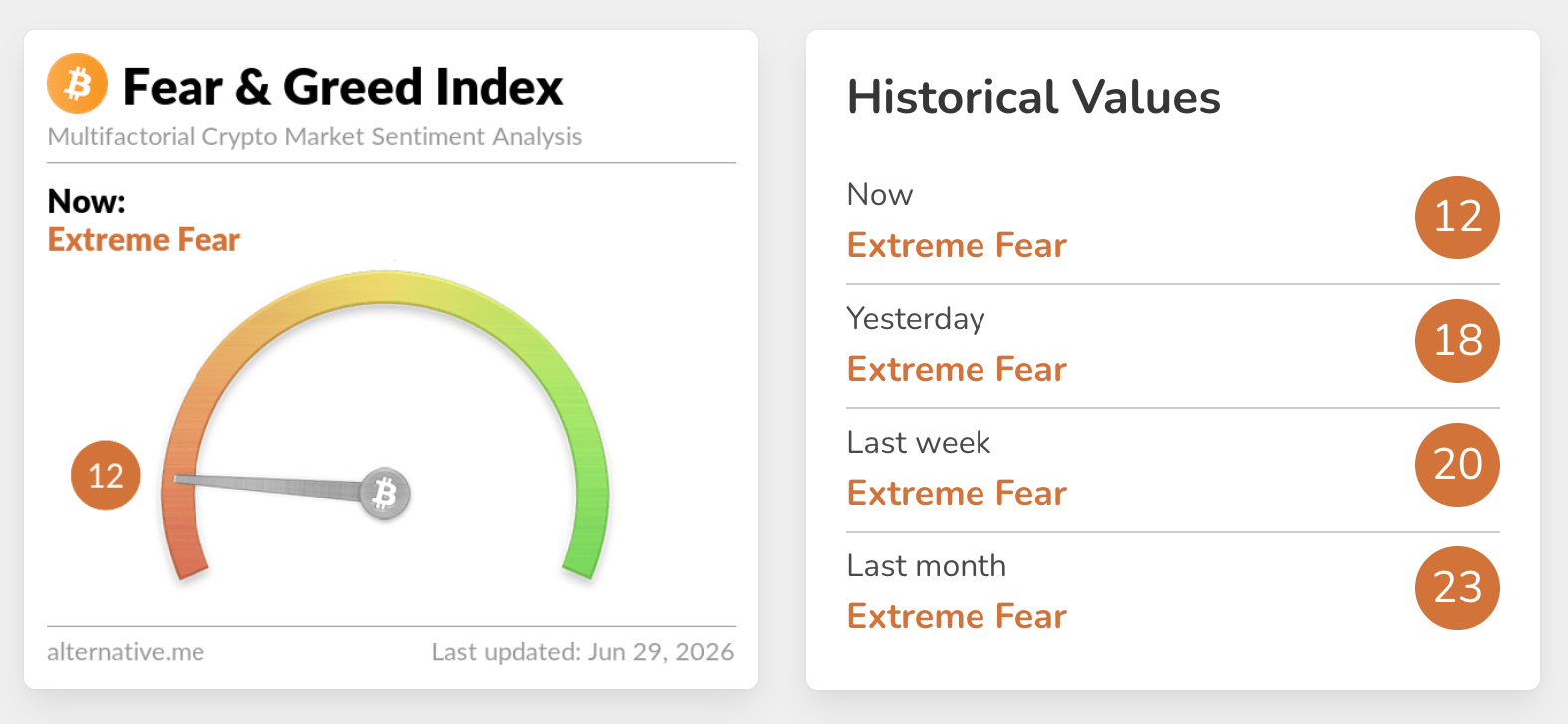
Meanwhile, CoinGlass’s Fear & Greed Index, a barometer of crypto market sentiment, shows the index currently at 22, placing it in the fear zone. This low level reflects cautious sentiment among market participants, indicating an overall oversold or pessimistic state. The fear zone has historically occurred approximately 30.68% of the time, a relatively common characteristic during bear markets in crypto, suggesting that the current rebound is not yet based on a strong emotional resonance.
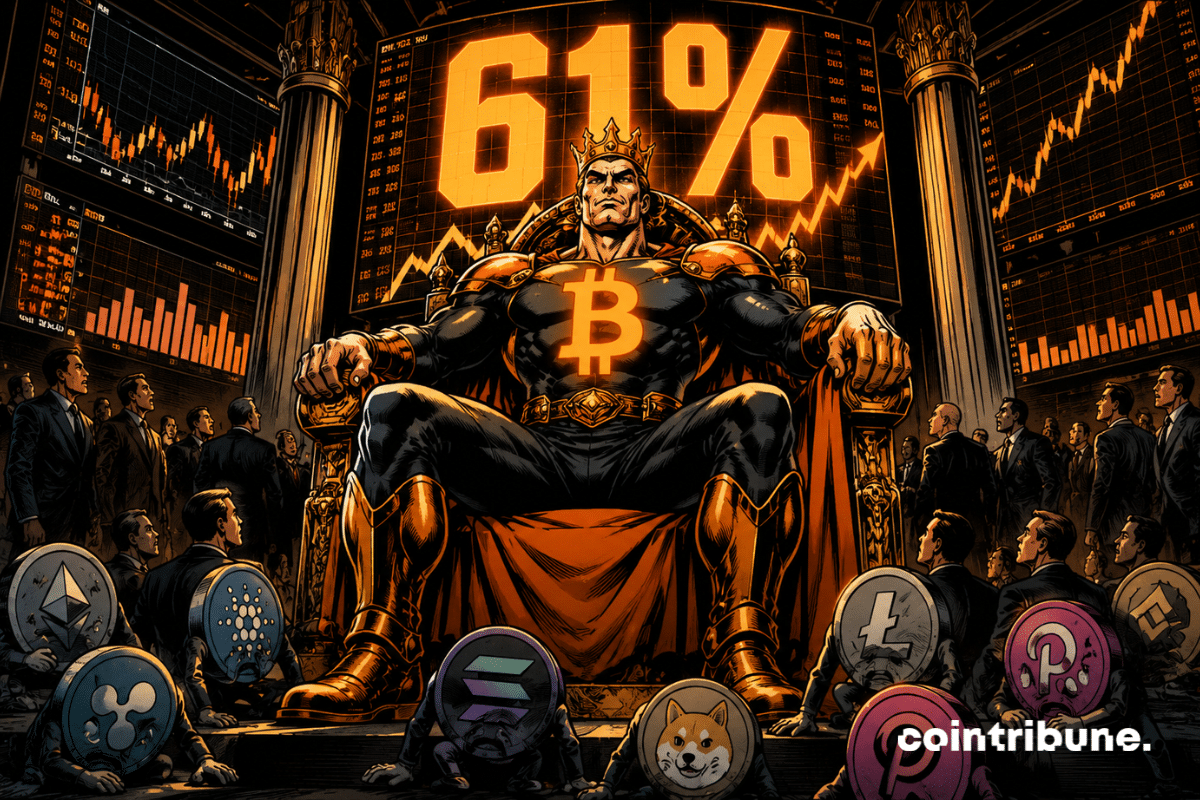
More importantly, the current altcoin market is still in a phase dominated by Bitcoin. According to CoinGecko data, Bitcoin currently holds a 56.8% market share in the crypto market, while Ethereum holds 10.7%. Until Bitcoin’s absolute market share declines significantly, altcoins will remain more of a rotating asset rather than a leading trend.
The recent surge in altcoin prices is likely driven by these main factors:
Firstly, easing geopolitical risks have provided significant macroeconomic support for the recent altcoin rebound. Recent signs of easing tensions between the US and Iran have significantly reduced market risk premiums, driving a collective recovery in global risk assets. As a high-beta asset, the crypto market is highly sensitive to changes in geopolitical sentiment. With the easing of risk aversion, investor risk appetite has rebounded, and some profit-taking has rotated from mainstream assets like Bitcoin to more volatile altcoins, amplifying the upward momentum of some strong performers.
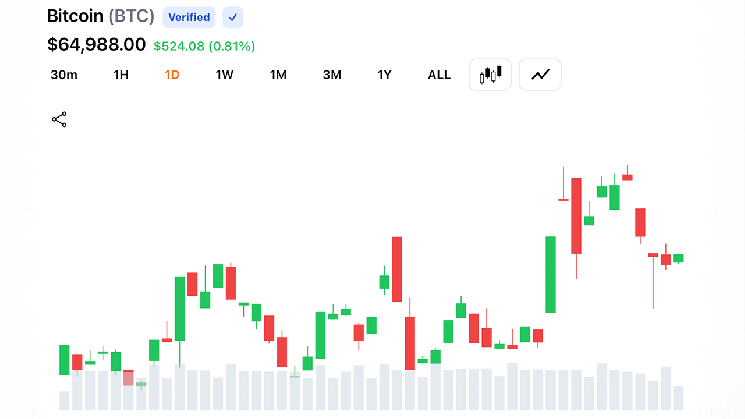
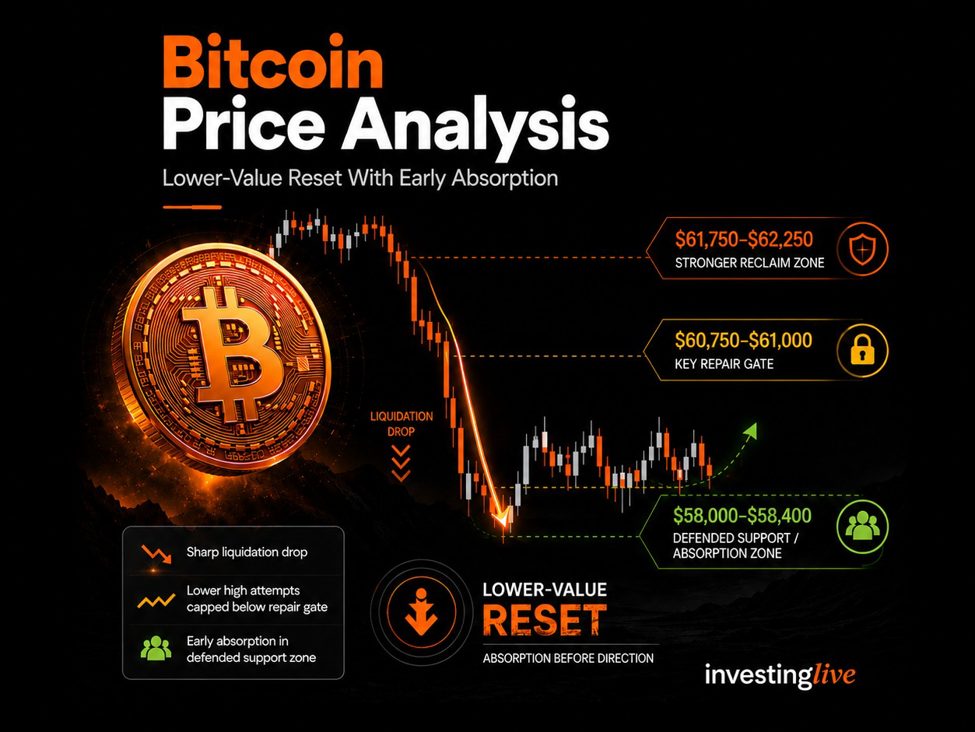
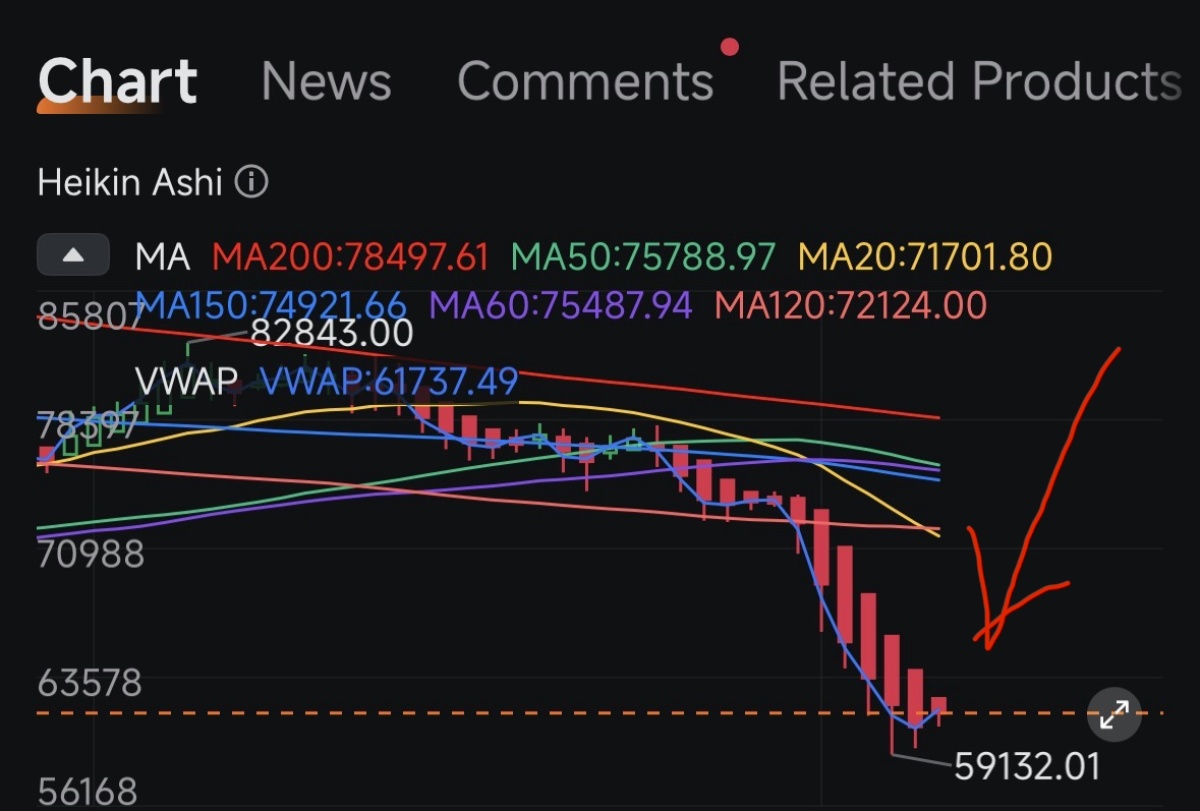
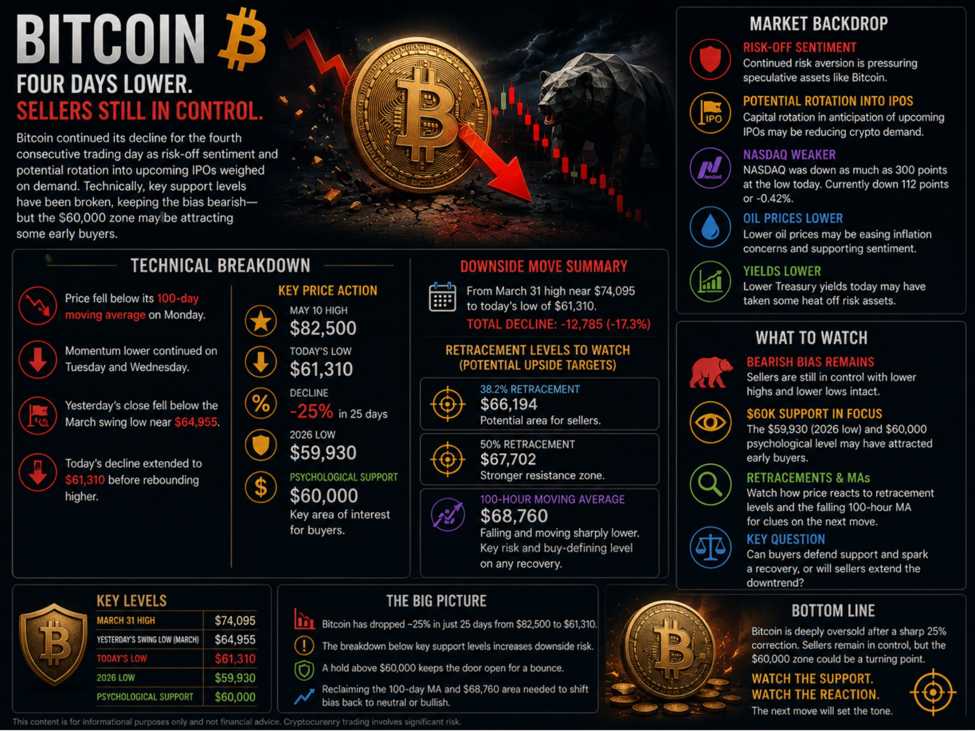
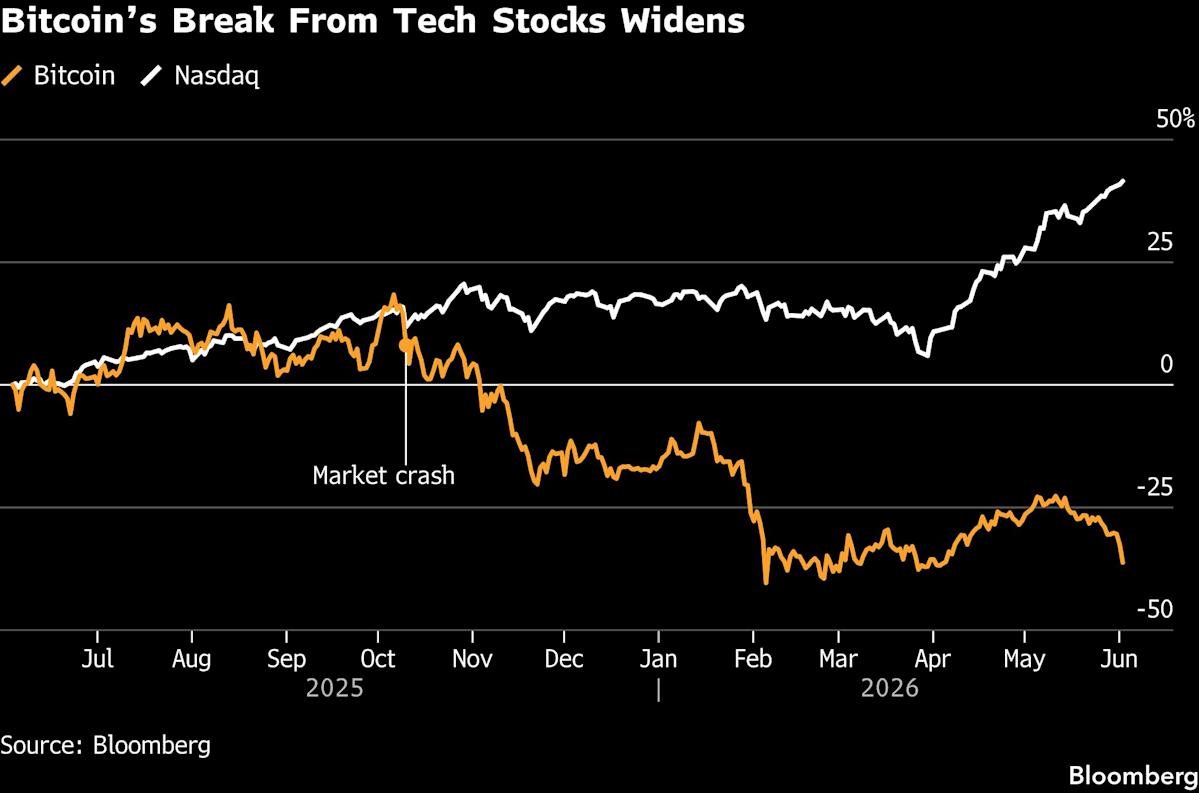
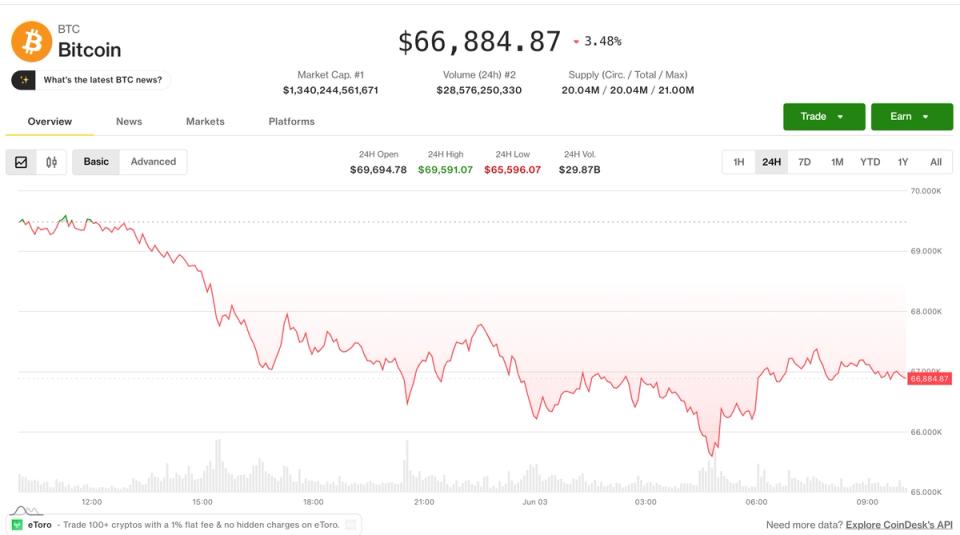
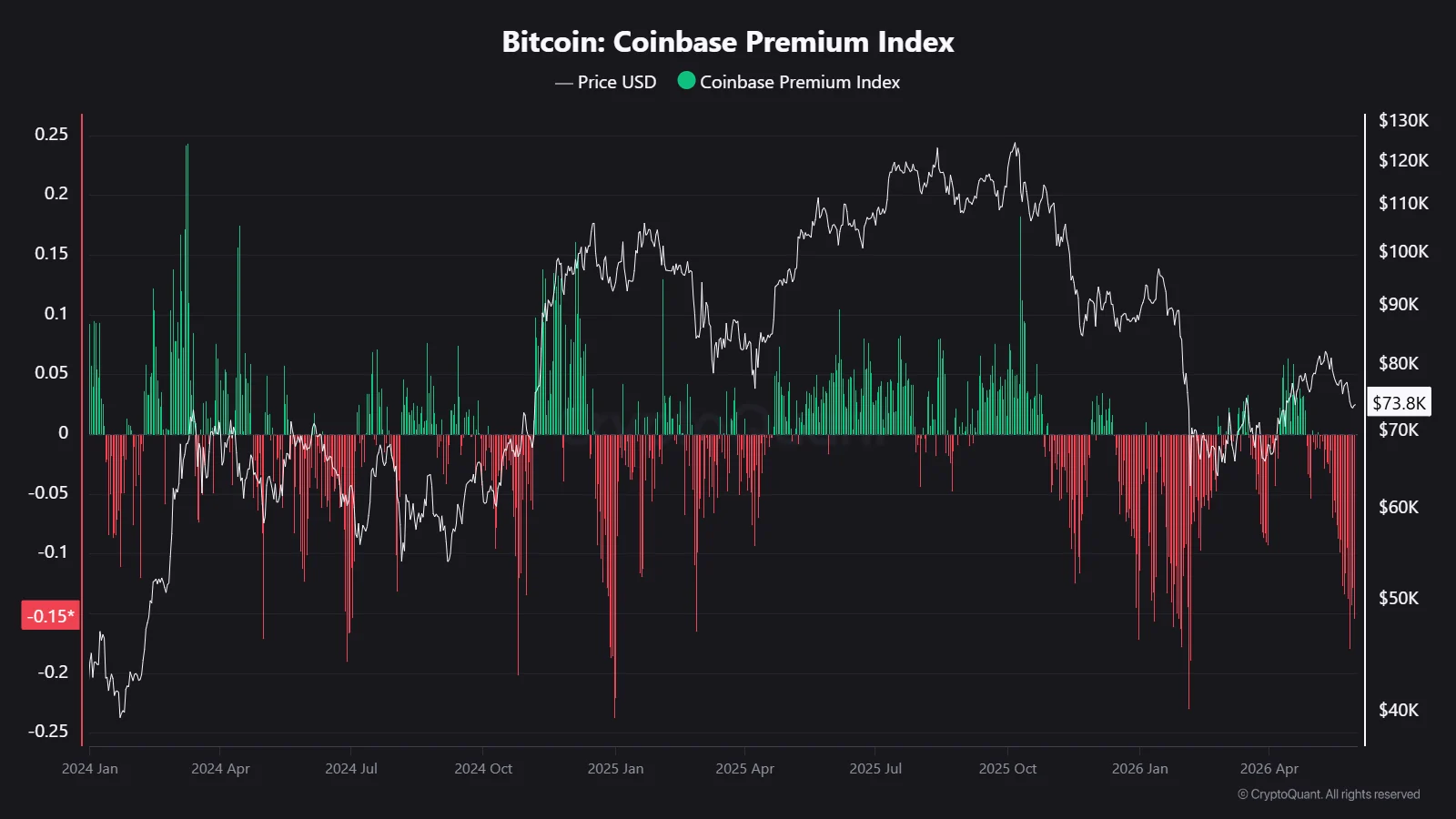
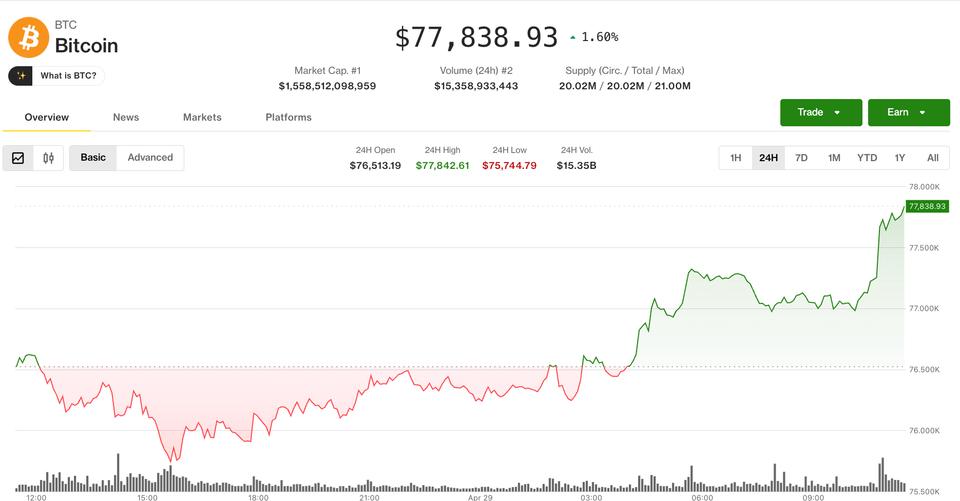
Secondly, there’s the rotation of profits. Bitcoin has been consistently strong recently, approaching $75,000, and early investors have already reaped considerable profits. As Bitcoin enters a period of consolidation at high levels and its upward momentum slows, some profits are flowing out and into altcoins with smaller market capitalizations and greater potential for growth, seeking even higher returns.
In particular, many established altcoins are in severely oversold territory. Once liquidity is replenished, a rapid rebound is likely to be triggered. Coupled with the amplifying effect of the derivatives market, this will further push up prices. However, it should be noted that the rebound of these assets mainly depends on the restoration of sentiment or external catalysts, rather than an improvement in fundamentals.
Secondly, there is a high degree of control by major players. The violent price surges of a few cryptocurrencies are due to the concentrated control of the tokens by the project team or major players. These assets have extremely low liquidity, and their prices are easily manipulated, essentially resembling a liquidity game rather than free market pricing.
For example, over 90% of RAVE’s supply was concentrated in three Gnosis Safe wallets suspected of being controlled by a team or internal entities. This was achieved by inducing short sellers to build positions, tightening the supply and causing a short squeeze, leading to a price surge. Following this significant increase, the market experienced substantial selling pressure and whale dumping (related reading: 7-day surge of 80x, how did RAVE achieve a textbook-level short-selling kill with 90% control? ). SIREN was also observed to have experienced intense market manipulation after the major players regained control of over 93% of the tokens, resulting in a price surge. During the surge in Meme’s Binance Life token, its controlling group also continuously increased its holdings, at one point exceeding 22%.
Thirdly, narrative and news-driven factors. These include financing progress, sector rotation, and the driving effect of popular concepts such as AI, which provide short-term momentum for price increases. However, the sustainability and upside potential are limited, and the overall trend is more transaction-driven than trend-driven.
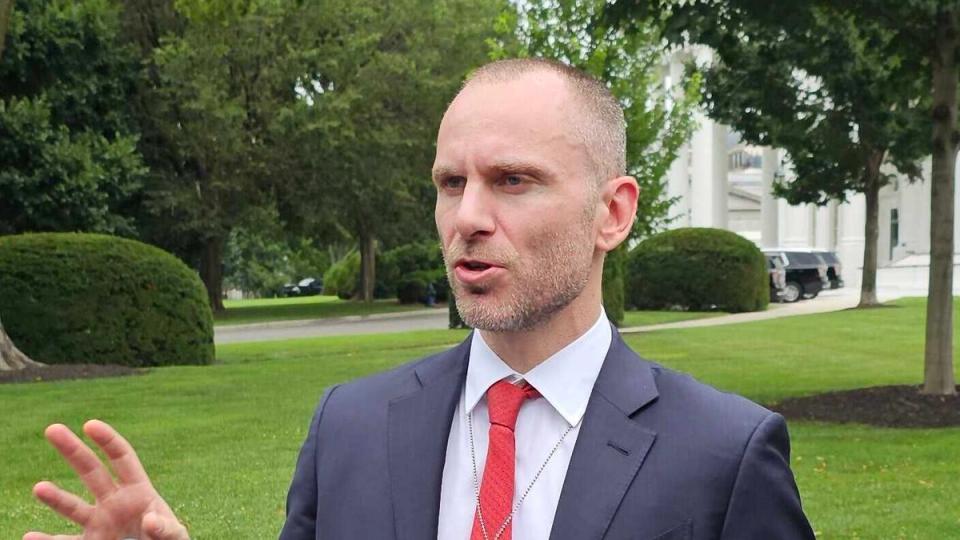
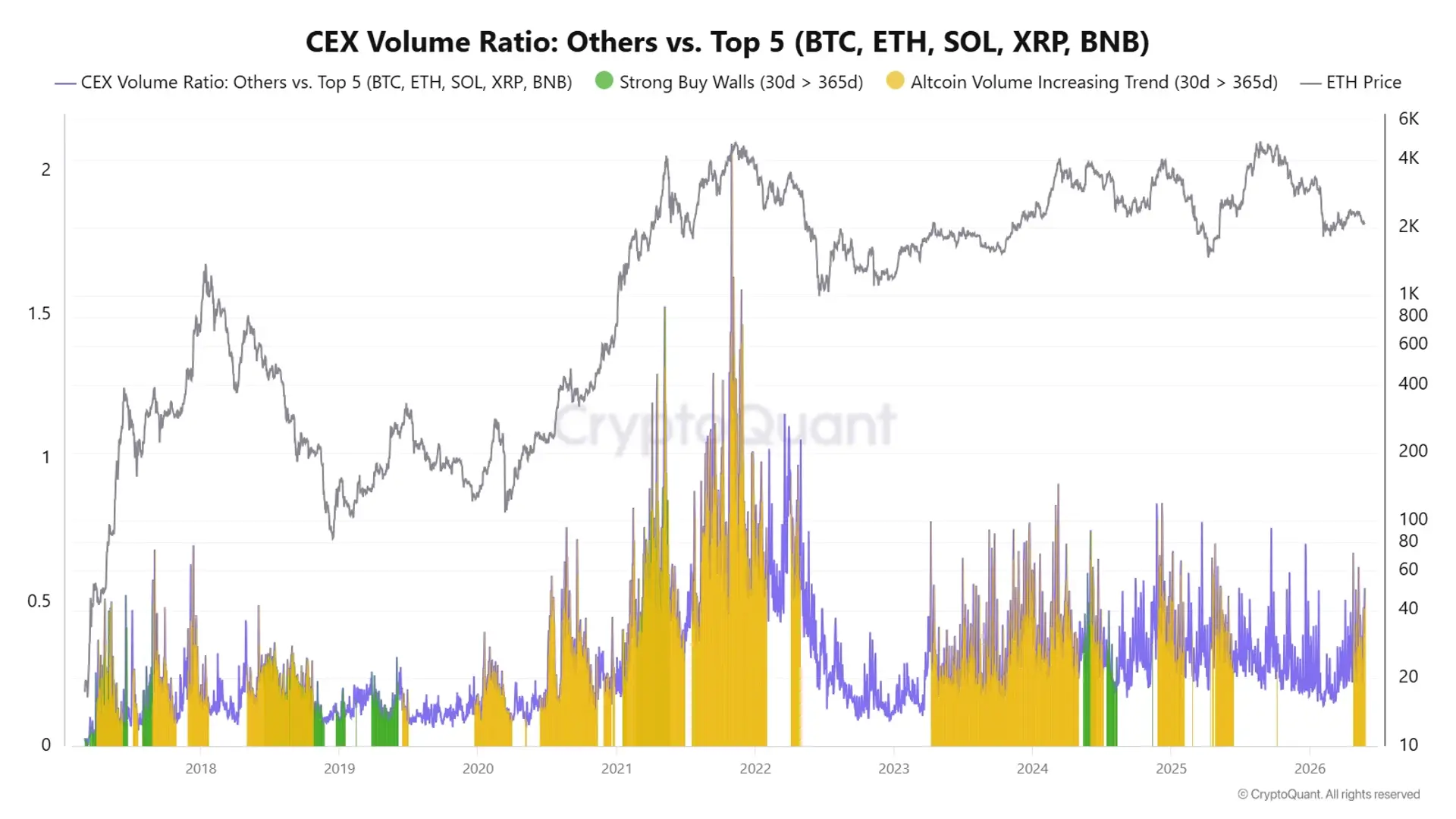
It’s important to note that among the tens of millions of altcoins, only a very small percentage are currently capable of truly driving up prices. Bitwise’s Chief Investment Officer, Matt Hougan, recently pointed out that the traditional altcoin season with its widespread price increases may be over, and the future will see a more differentiated and unconventional altcoin cycle.
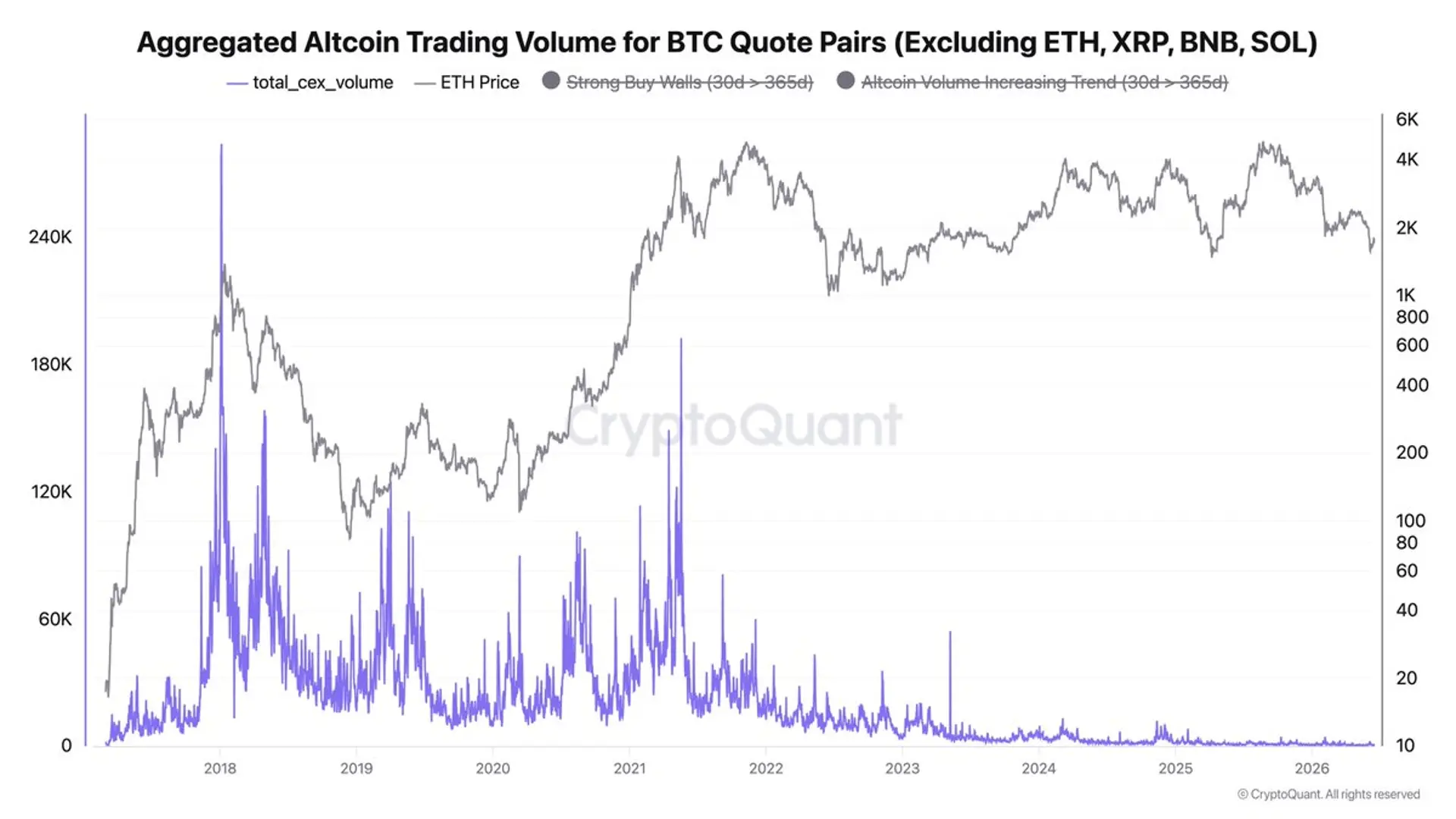
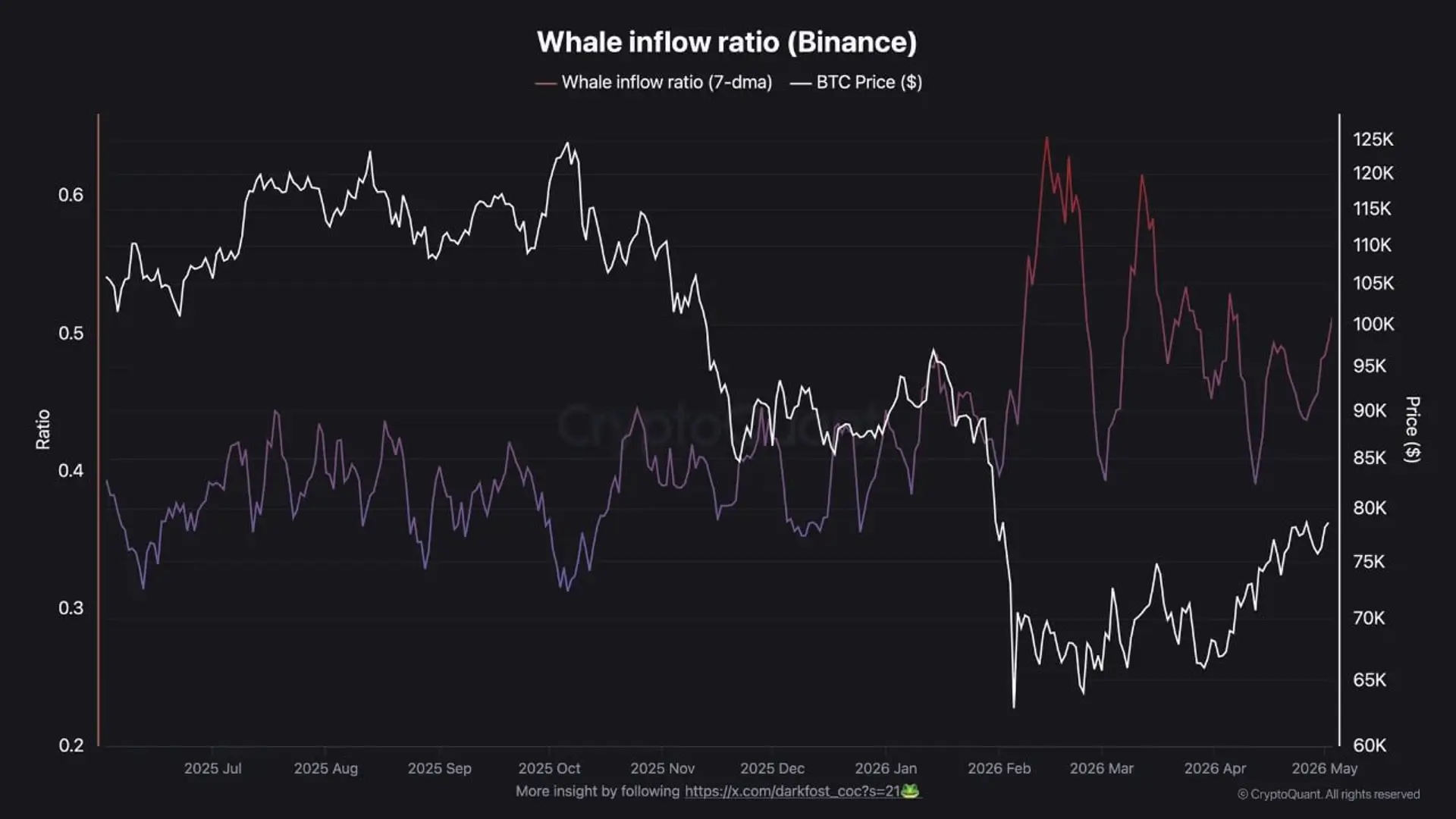
CryptoQuant analyst Darkfost also stated that approximately 47 million cryptocurrencies have been issued globally, and this massive quantity has severely diluted liquidity, making altcoins increasingly vulnerable.
Overall, while a few strong altcoins amplified the market rally, most assets remain in a liquidity vacuum. Investors should remain vigilant and wary of profit-taking pressure, market manipulation by large investors, and the sharp fluctuations caused by low liquidity.