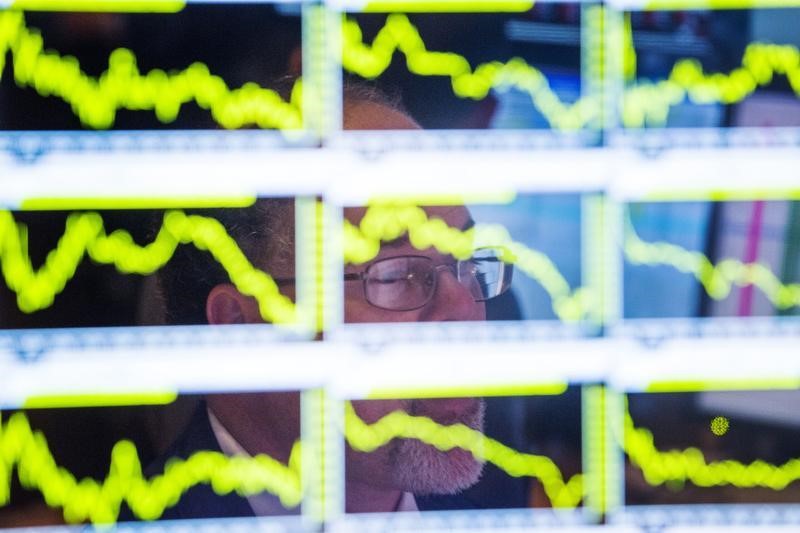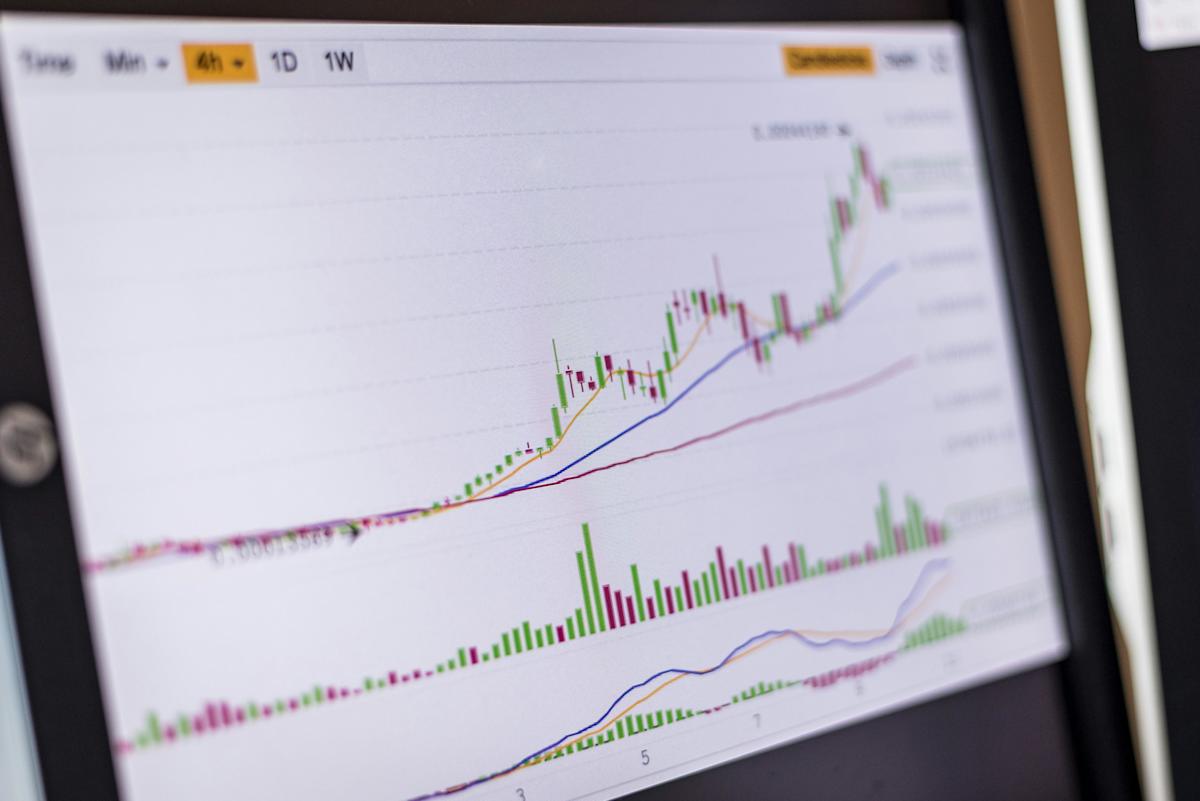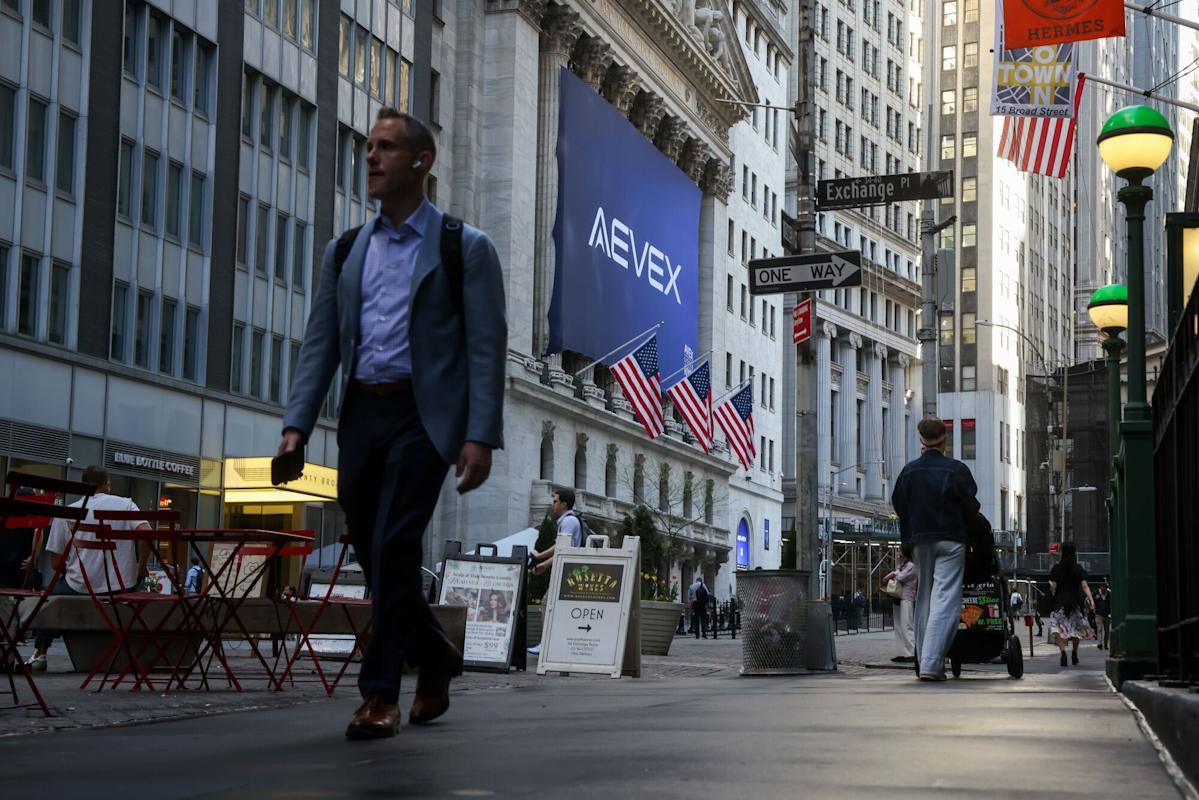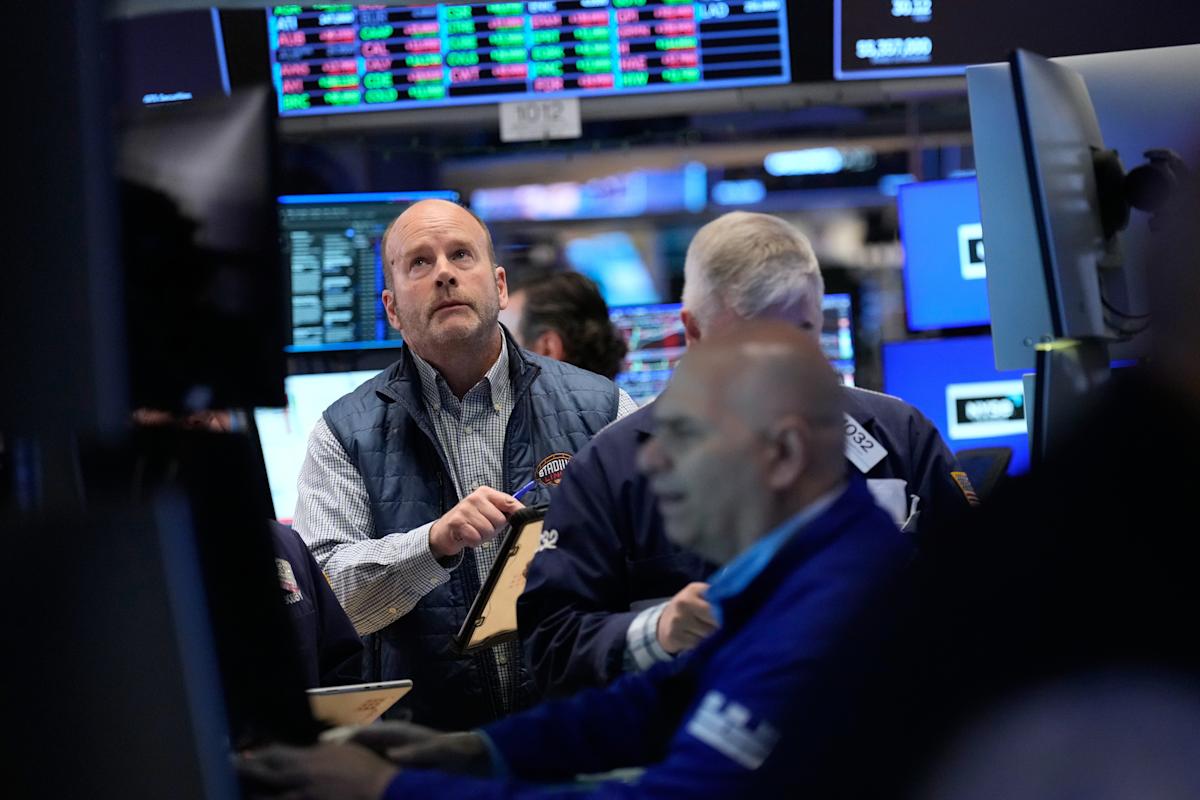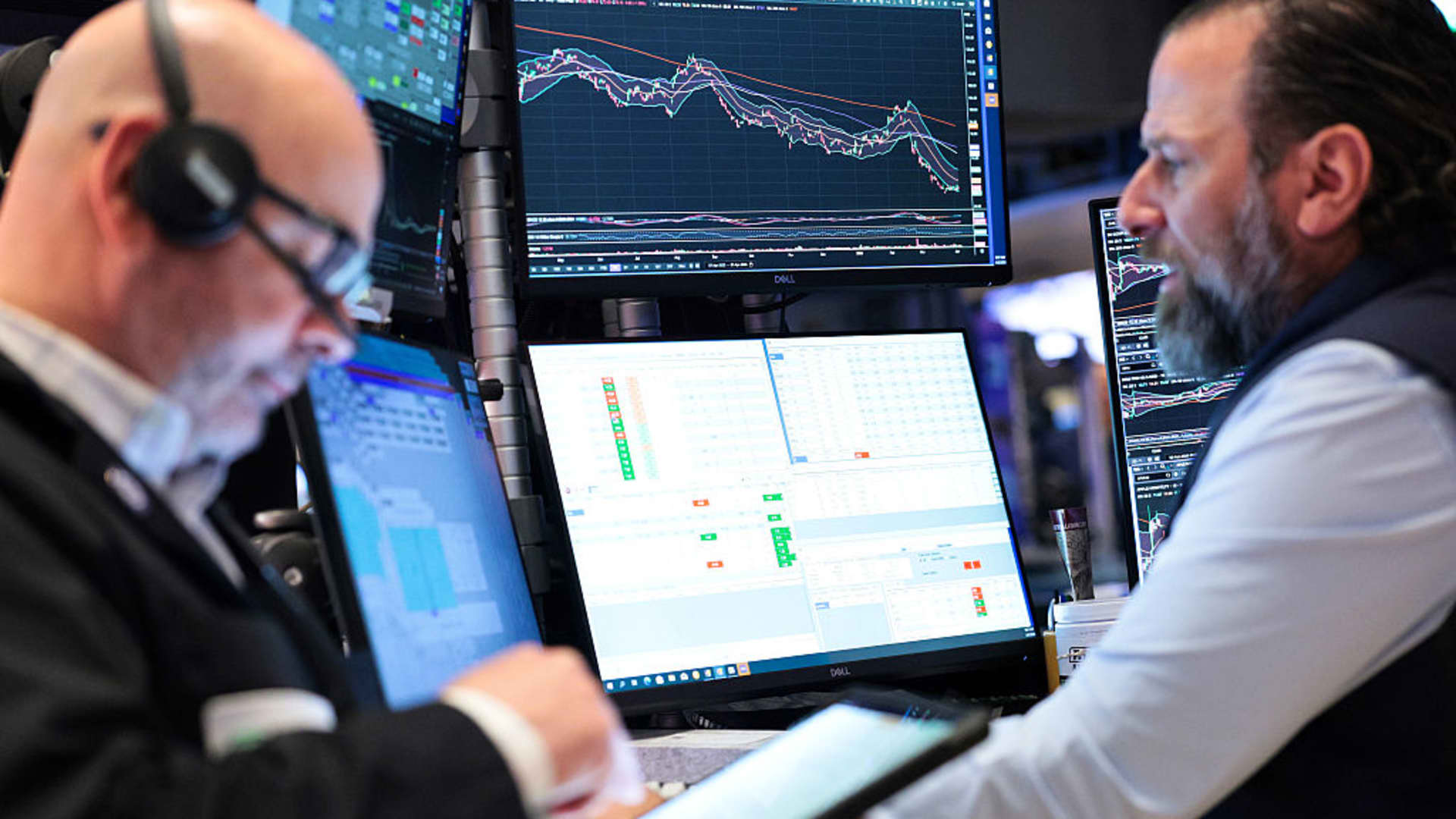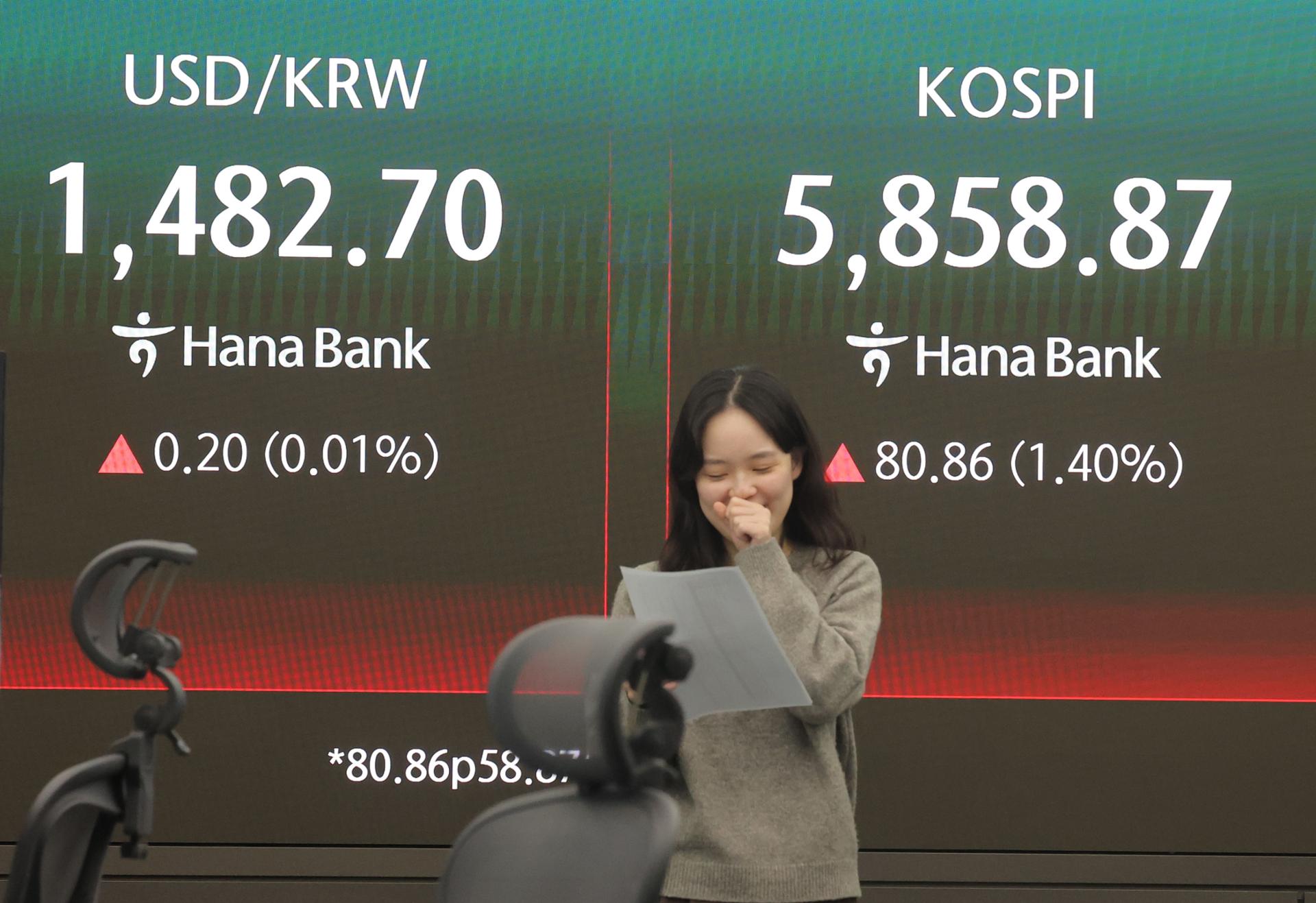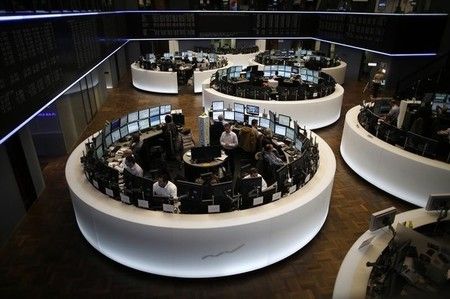
Wall Street navigated a volatile environment driven by shifting geopolitical tensions and monetary policy uncertainty. The market initially surged following a positive U.S.-China summit. However, escalating friction with Iran and surging oil prices triggered a sharp sell-off. Mixed economic data, including rising weekly jobless claims and slightly below-estimate April retail sales growth of 0.5%, tempered investor enthusiasm.
Investor sentiment remained fragile as participants weighed fluctuating crude prices and hawkish monetary undertones. Although temporary pauses in Middle East conflicts briefly lifted the Dow, subsequent Federal Reserve meeting minutes reignited anxiety. Fed officials expressed deep concern over persistent inflation fueled by global conflicts and elevated energy costs, holding interest rates steady at 3.5% to 3.75%. This cautious stance, combined with shifting expectations toward potential future rate hikes later this year, kept the markets on edge, overshadowing resilient domestic factory data like the NY Empire State Manufacturing Index, which jumped to 19.6.
Amid such market conditions, risk-averse investors who seek returns subject to low risk may opt for large-cap value mutual funds, such as Tcw Relative Value Large Cap Fund (TGDVX – Free Report) , Putnam Large Cap Value (PEYAX – Free Report) , Nuveen Large Cap Value Fund (TCLCX – Free Report) and Blackrock Large Cap Focus Value Fund (MDBAX – Free Report) as the major holdings to achieve their objective.
Why Invest in Large-Cap Value Mutual Funds?
While mutual funds investing in value stocks have the potential to deliver higher returns and exhibit lower volatility compared to growth and blend counterparts, large-cap funds usually provide a safer option than small-cap or mid-cap funds. Thus, investors may look for large-cap value funds to earn in a moderate-return, volatile environment.
Value funds generally invest in stocks that tend to trade at a price lower than their fundamentals (i.e., earnings, book value, debt-equity) and pay out dividends. Value stocks are expected to outperform the growth ones across all asset classes when considered on a long-term investment horizon and are less susceptible to trending markets.
Meanwhile, large-cap funds have exposure to large-cap stocks that are expected to provide a long-term performance history and assure more stability than what mid or small caps offer. Companies with a market capitalization of more than $10 billion are generally considered large caps. However, due to their significant international exposure, large-cap companies might be affected by a global downturn.
We have thus selected four large-cap value mutual funds that boast a Zacks Mutual Fund Rank #1 (Strong Buy), have positive three-year and five-year annualized returns and minimum initial investments within $5000, and carry a low expense ratio of less than 1%. Notably, mutual funds, in general, reduce transaction costs and diversify portfolios without an array of commission charges mostly associated with stock purchases (read more: Mutual Funds: Advantages, Disadvantages, and How They Make Investors Money).
Our Picks
Tcw Relative Value Large Cap Fund invests most of its assets, along with borrowing, if any, inequity securities of large-capitalization companies. TGDVX advisors consider large-cap companies as those with market capitalization within the range of companies listed on the Russell 1000 Index at the time of purchase.
Matthew J. Spahn has been the lead manager of TGDVX since March 31, 2003. Most of the fund’s exposure is in companies like JPMorgan Chase (4%), Intercontinental Exchange(3.7%) and The Bank of New York Mellon (3.7%) as of Jan. 31, 2026.
TGDVX’s three-year and five-year annualized returns are 20.3% and 12.6%, respectively. TGDVX has an annual expense ratio of 0.85%.
To see how this fund performed compared to its category, and other 1 and 2 Ranked Mutual Funds, please click here.
Putnam Large Cap Value fund invests most of its net assets in common stocks of U.S. companies that, according to its advisors, are currently undervalued by the market and have potential for capital growth, current income, or both. PEYAX advisors choose to invest in companies based on valuation, financial strength, growth potential, competitive position in its industry, projected future earnings, cash flows and dividends.
Darren Jaroch has been the lead manager of PEYAX since Aug. 29, 2012. Most of the fund’s exposure is in companies like Alphabet (4%), Citigroup (3.8%) and Cisco Systems (3%) as of Jan. 31, 2026.
PEYAX’s three-year and five-year annualized returns are 19.5% and 13.4%, respectively. PEYAX has an annual expense ratio of 0.85%.
Nuveen Large Cap Value Fund invests most of its assets, along with borrowings, if any, in equity securities of large-capitalization value companies. TCLCX advisors may also invest a small portion of its net assets in foreign investments.
Charles J Carr has been the lead manager of TCLCX since Nov. 15, 2018. Most of the fund’s exposure is in companies like Alphabet (4.7%), JPMorgan Chase (3.8%) and Johnson & Johnson (2.9%) as of Jan. 31, 2026.
TCLCX’s three-year and five-year annualized returns are 17.5% and 11%, respectively. TCLCX has an annual expense ratio of 0.71%.
Blackrock Large Cap Focus Value Fund invests most of its assets, along with borrowings, in equity securities of large-cap value companies. MDBAX advisors also invest in derivative products.
David Zhao has been the lead manager of MDBAX since Nov. 15, 2019. Most of the fund’s exposure is in companies such as Wells Fargo(4%), Amazon.com(3.5%) and Citigroup (3.5%) as of Dec. 31, 2025.
MDBAX’s three-year and five-year annualized returns are 16.2% and 10.5%, respectively. MDBAX has an annual expense ratio of 0.80%.
Want key mutual fund info delivered straight to your inbox?
Zacks’ free Fund Newsletter will brief you on top news and analysis, as well as top-performing mutual funds, each week. Get it free >>