Almost half of police officers in the UK have considered stopping contributions to their pension due to mounting financial pressures, according to a major new national report – with 7 per cent going on to cease payments altogether.
The latest Police Family Finance Index Report (Spring 2026), published by Police Friendly, has highlighted ongoing concerns around long-term financial security across the police workforce.
One of the most shocking results reveals that 46 per cent of police officers have considered opting out of their pension in the past 12 months, with 7 per cent going on to stop contributions altogether.
The findings point to a growing trend driven by the ongoing cost-of-living crisis, with rising housing costs, inflation, and stagnant real-term pay forcing many officers to make difficult short-term financial decisions – often at the expense of their future.
Younger officers are particularly affected. Those under 35 are significantly more likely to both consider and act on pension opt-outs, highlighting a potential long-term generational impact on retirement outcomes.
Tiff Lynch, National Chair of Police Federation of England and Wales, said: “We’ve seen again this week the very real dangers officers face; bravery and selflessness, running towards danger to protect the local community.
“What the public aren’t told is that those same officers are doing it on pay that means they struggle to pay the bills.
“Up to 10,000 officers may already have stopped paying into their pensions just to get through the month.
“This is not sustainable. A minimum 7 per cent annual pay award for the next three years is both fair and affordable because the alternative is losing experienced officers and putting public safety at risk.”
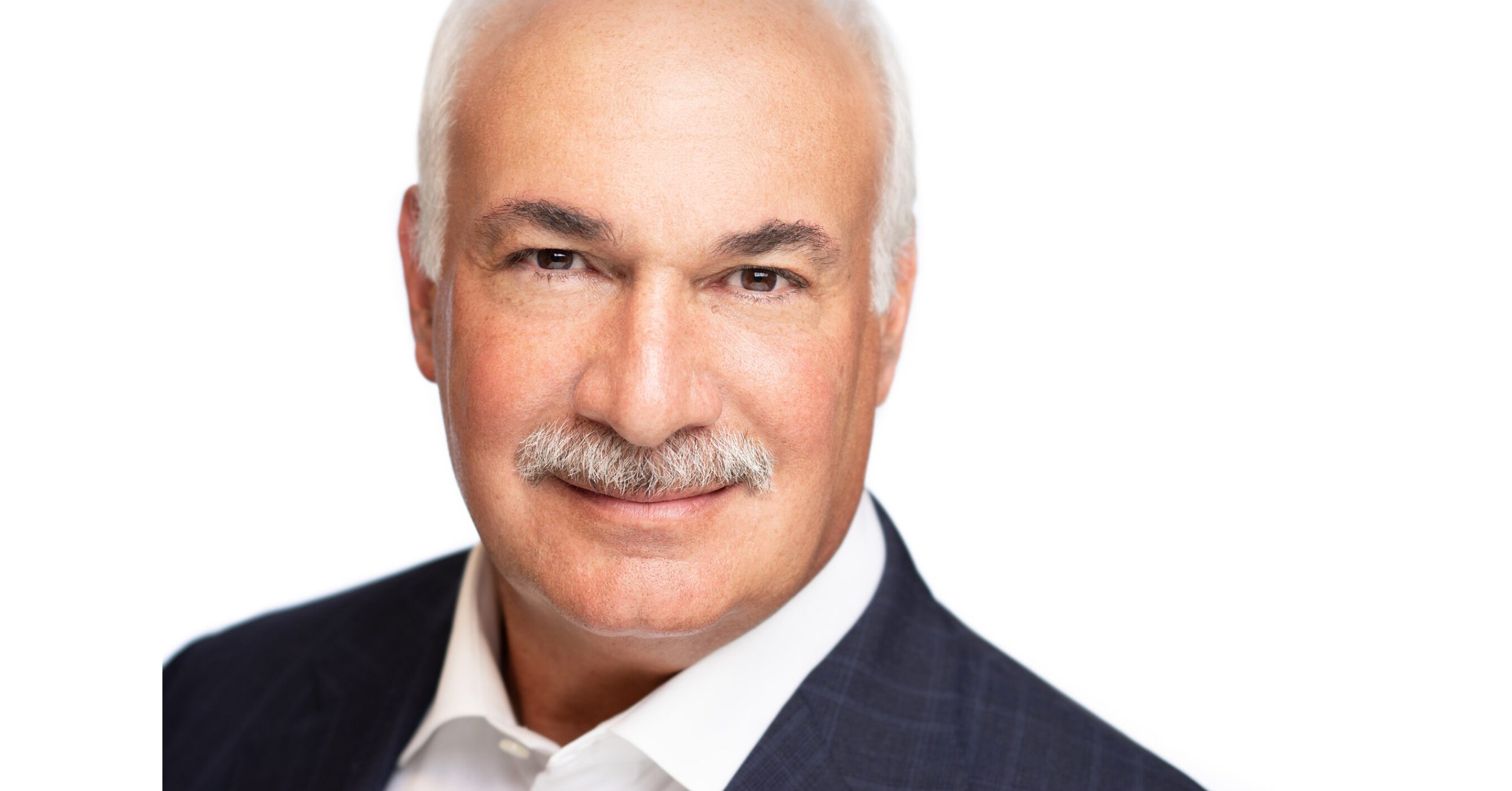
Annette Petchey, Chief Executive Officer at Police Friendly, said: “The fact that nearly half of police officers have considered opting out of their pension should be a real wake-up call.
“There is a common assumption that police officers have their police pension to fall back on – a safety net for their future. But what we are now seeing is individuals having to make very difficult trade-offs between meeting today’s costs and protecting their future.
“When police officers feel compelled to step away from their pension, it can place strain on their own financial security and, for many, have wider implications for their families. It highlights just how challenging the current situation has become.
“For younger officers especially, opting out – even temporarily – can have a lasting impact on retirement outcomes. But officers quite clearly don’t feel there is an alternative.
“Ultimately, this isn’t all about pensions. It’s about whether police officers can afford to build a stable life and look ahead to a retirement that reflects the dedication they have made to the service.”
The report, based on over 13,500 responses from across the UK police family, also highlights:
• 68 per cent of police officers report current financial concerns
• 56 per cent say their financial situation has worsened over the past year
• Nearly 4 in 10 are in significant debt when housing costs are included
• 15 per cent report missing meals due to lack of money.
With many officers reporting they have less than £100 left at the end of each month, pension contributions – often a substantial deduction from take-home pay – are increasingly viewed as unaffordable in the short term.
However, the report warns that stepping away from pension contributions could have significant long-term consequences, particularly as housing costs in retirement continue to rise, and homeownership becomes less certain.
For those renting in later life, a standard police pension alone may not be enough to cover ongoing housing costs. In many cases, this could require an additional retirement savings pot in the region of £400,000 to £800,000, depending on individual circumstances
Andy Rhodes OBE QPM, Service Director of the National Police Wellbeing Service, said: “The findings from Police Friendly’s latest survey echo the serious concerns we have about the financial challenges faced by those in policing.
“These findings can’t be viewed in isolation. We cannot underestimate the weight financial instability can have on a person’s mental health and wellbeing.
“Year-on-year, Police Friendly release findings from their annual survey – and the results get worse each time around. This is just one of many elements highlighting the growing strain and pressures being placed on the shoulders of police officers and their families.
“The only way we can stop this is for multiple key stakeholders to collaboratively address the key issues.
“We recognise that it can be difficult to reach out for support using work systems. If you are working in policing, or you have left the service, or you are a family member, and you are concerned about your finances or would like reliable advice, there are numerous confidential, independent options we must keep promoting.”
The findings also suggest that many officers are missing out on opportunities to build financial resilience beyond their pension – whether that’s saving for a first home, supporting family milestones, or creating a more secure retirement.
Annette added: “There is a clear need for better support, clearer communication, and improved financial education to help officers fully understand the value of their pension and the implications of opting out.
“Organisations such as Police Friendly continue to play an important role in supporting officers through financial education, savings options and wider long-term financial wellbeing initiatives.
“Helping individuals build confidence and resilience in their financial decisions is essential if we are to improve both short-term stability and long-term financial security across the Police Family.”
“Without this, we risk a generation facing increased financial insecurity later in life.”