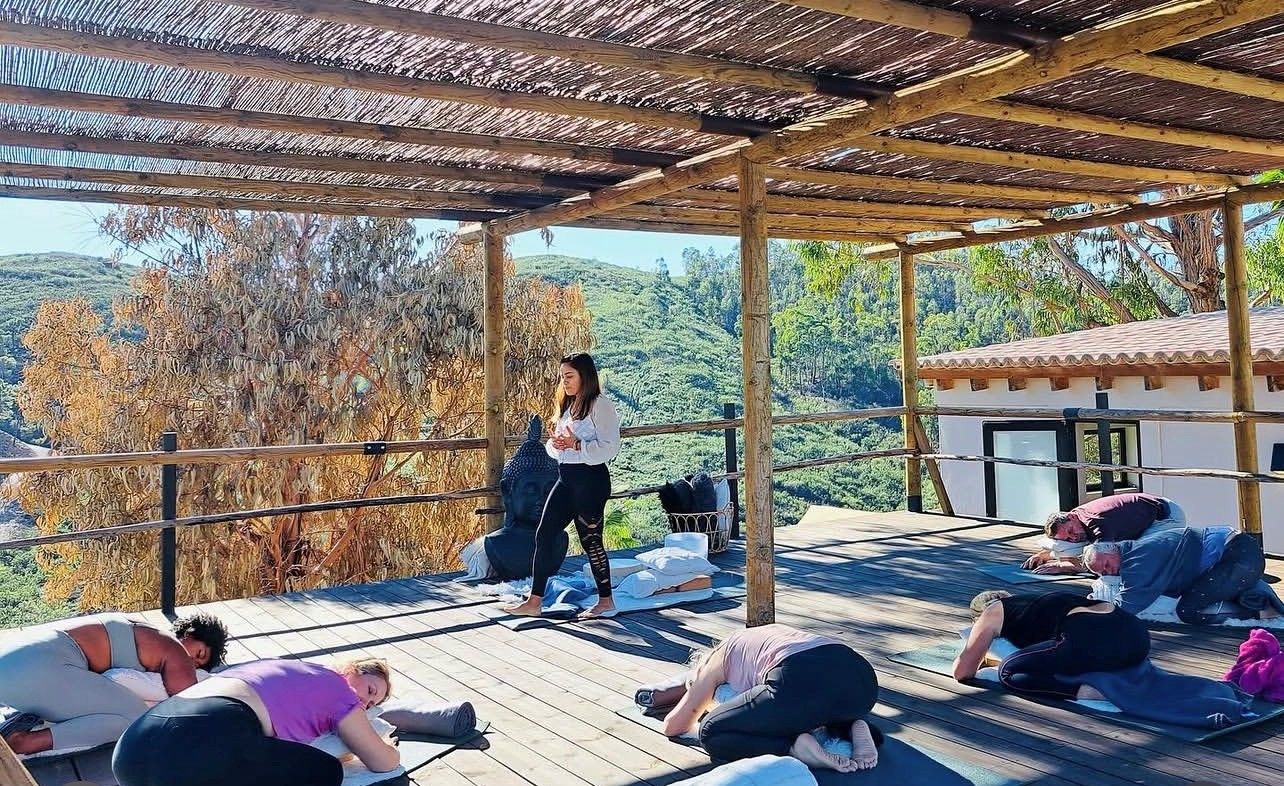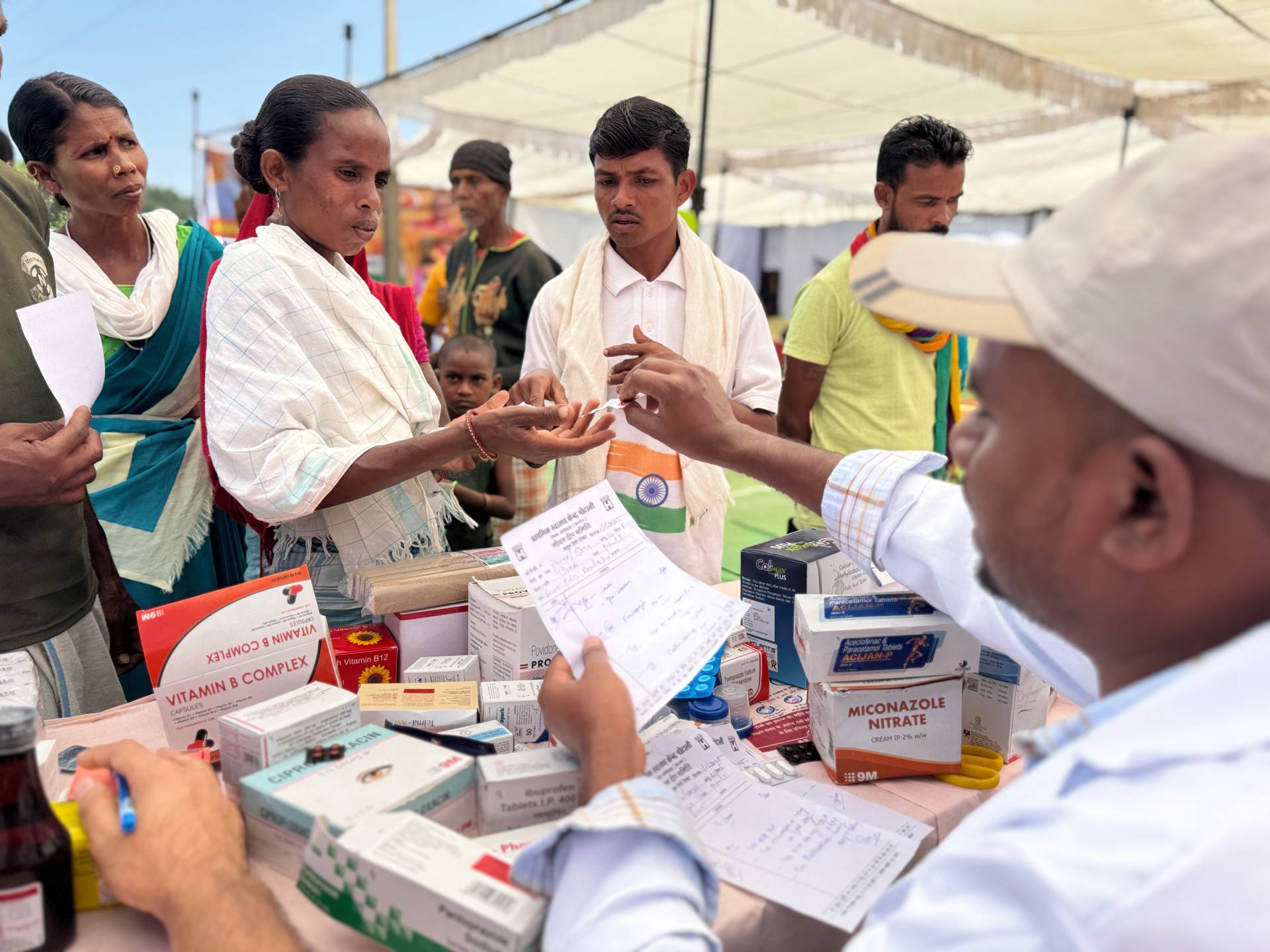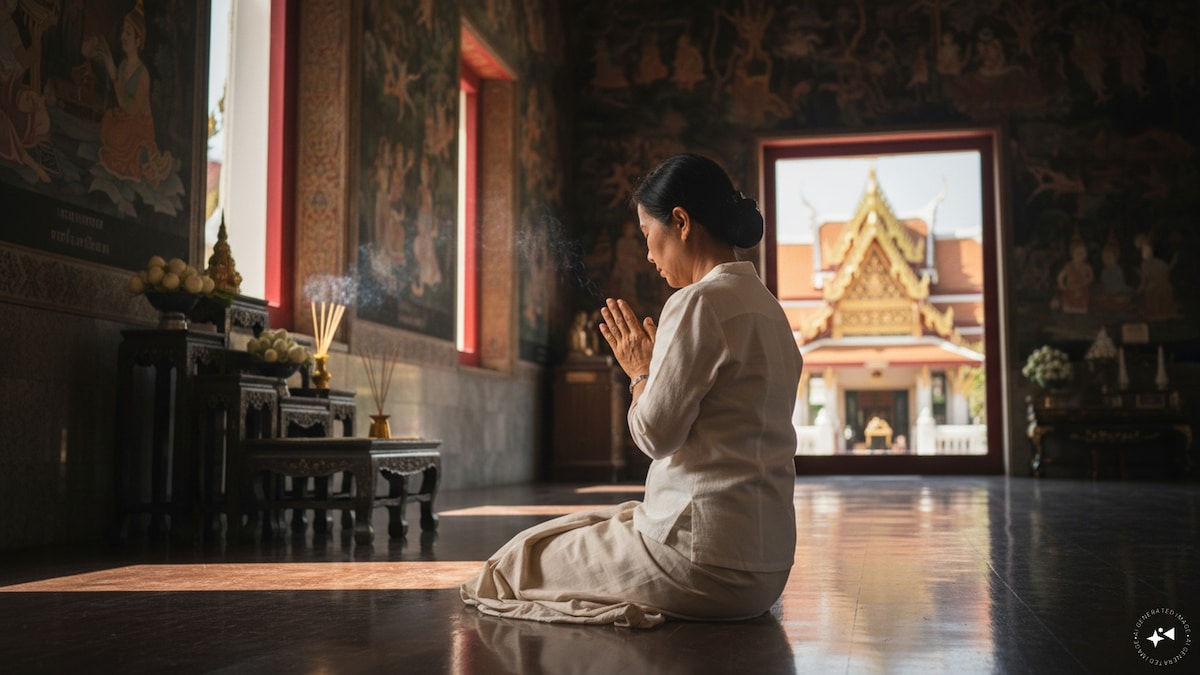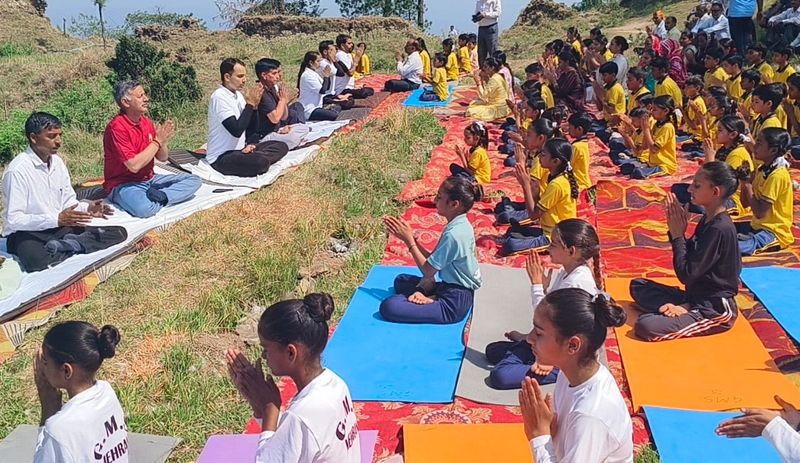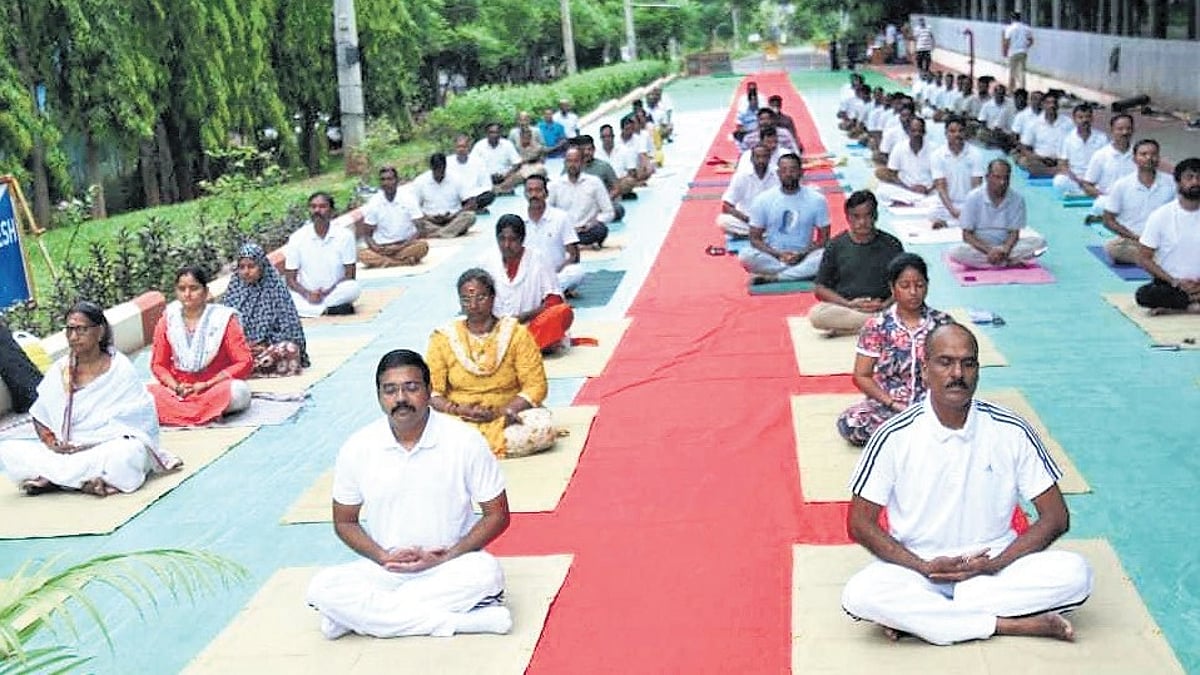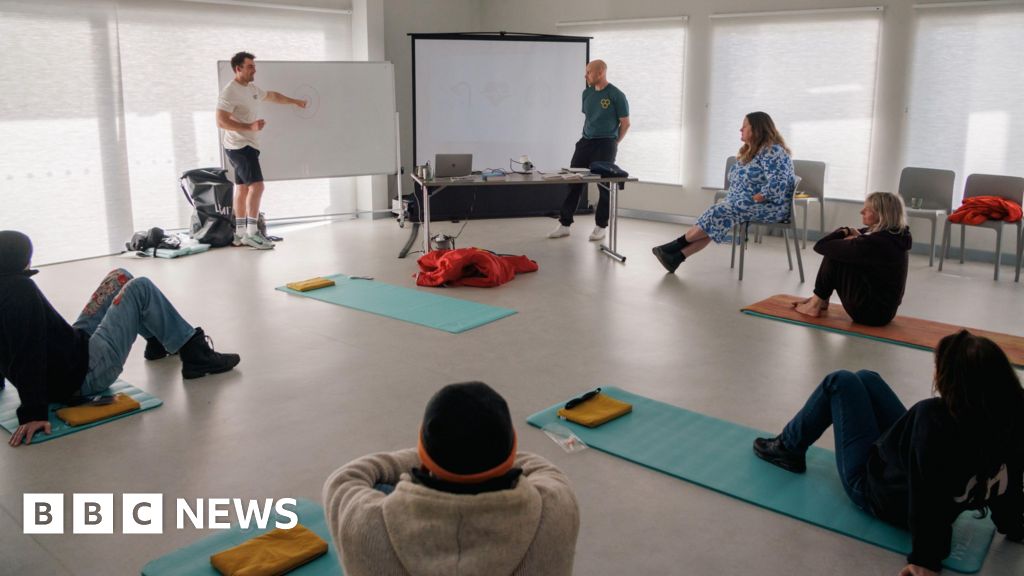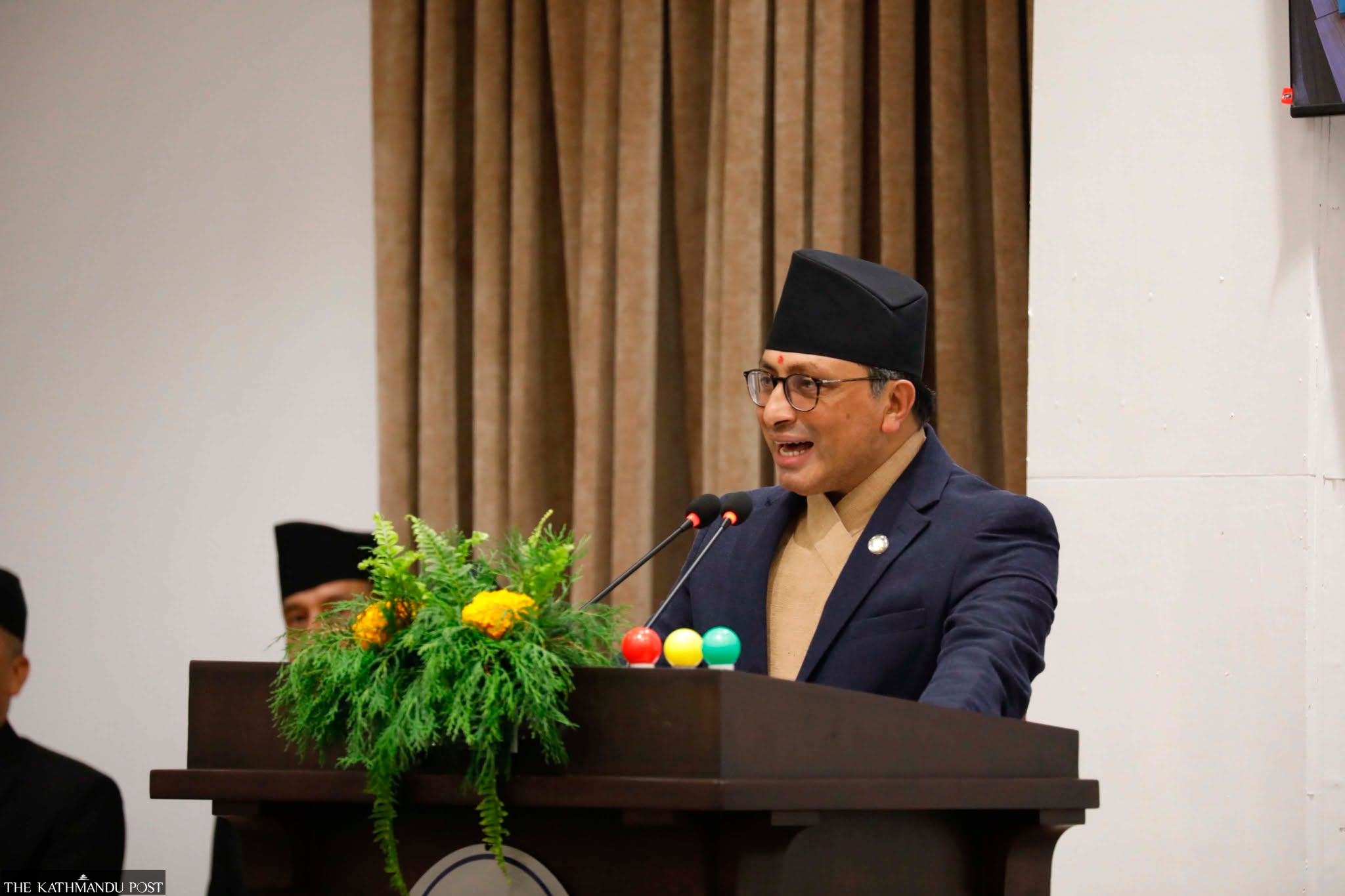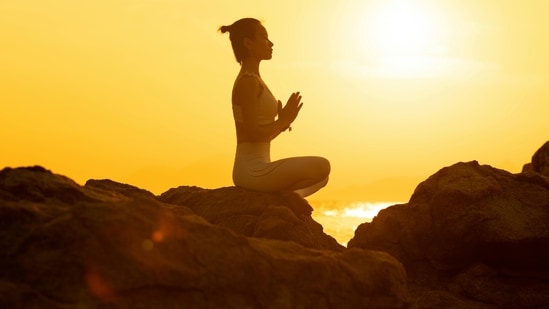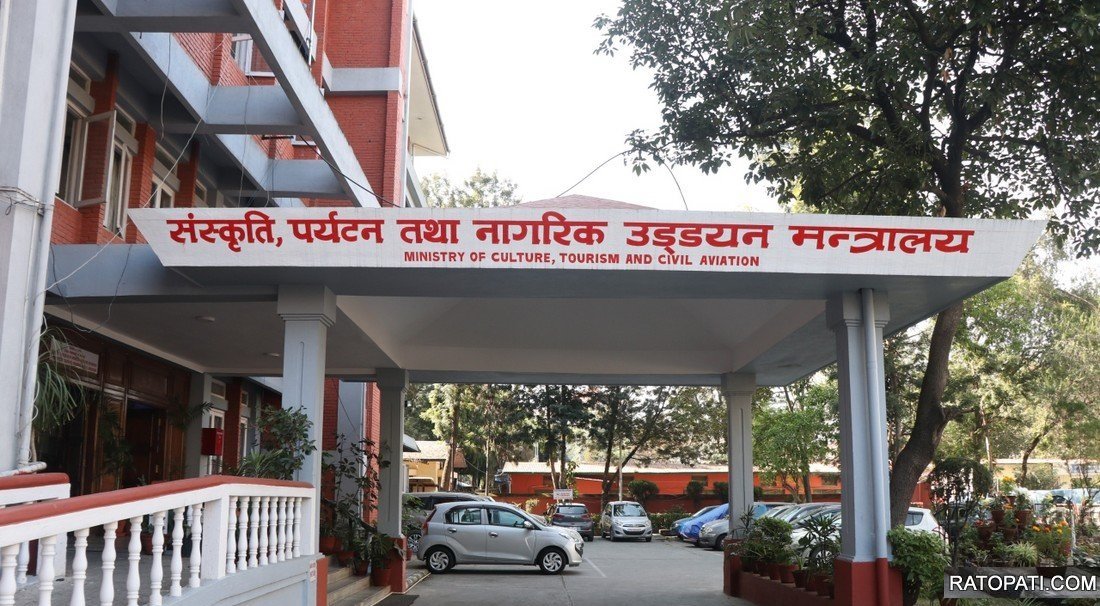
Kathmandu. The Government of Nepal, Ministry of Culture, Tourism and Civil Aviation has unveiled a five-year action plan to develop the country’s health tourism. The Ministry has unveiled the National Health Tourism Strategy (2026-2035) and action plan, promoting natural beauty, cultural heritage, and unique spiritual traditions globally. According to the Ministry of Tourism, this strategy aims to establish Nepal as one of the world’s leading health tourism (wellness tourism) destinations in the long term. The government has set an ambitious goal of attracting 11 percent of the total international tourists visiting Nepal by 2030 specifically for health services. This strategy, with the main goal ‘Health Tourism Destination Nepal, Basis of Economic Prosperity,’ is expected to improve the overall economic condition of the country through the development of the tourism sector. Four Pillars, Health Programs in Mountain Climate The strategy has put forward an action plan based on four main pillars: destination development, quality service, trust building, and inclusive benefits. Lumbini, the birthplace of Lord Buddha, will be developed as a spiritual health destination, while hilly areas like Nagarkot and Dhulikhel will be promoted as eco-retreat villages. Health programs based on the precious herbs found in the high Himalayan regions like Manang and Mustang and the high mountain climate will be operated, as mentioned in the strategy. By 2030, the goal is to establish integrated health centers in at least five major areas of the country, and health tourism will be established as a major tourist identity of Nepal along with mountaineering and trekking. Inclusive development has been prioritized by ensuring at least 30 percent of the employment generated in this sector for women, youth, and local communities. The ministry plans to strictly implement national standards and codes of conduct to ensure service quality. Utilizing Nepal’s geographical diversity, the strategy plans to divide the country into various ‘clusters’ to develop health services. According to the ministry, the Kathmandu Valley will be developed for yoga, meditation, and spas as a center for spiritual and cultural integration, while Pokhara and the Annapurna region will be made nature-based yoga and retreat centers. Lumbini, the birthplace of Lord Buddha, will be developed as a spiritual health destination, while hilly areas like Nagarkot and Dhulikhel will be promoted as eco-retreat villages. Health programs based on the precious herbs found in the high Himalayan regions like Manang and Mustang and the high mountain climate will be operated, as mentioned in the strategy. International Branding and Digital Marketing To ‘brand’ Nepal in the international market, the government has announced a digital portal called ‘Heal in Nepal’ and a campaign called ‘Wellness Nepal.’ The United States, Germany, the United Kingdom, and Australia have been classified as priority countries for market promotion, while neighboring countries China and India, along with Southeast Asian countries, have been placed in the second priority.
Mandatory permits and minimum qualification criteria have been set for yoga and meditation teachers, spa therapists, and Ayurvedic healers. Services include Panchakarma, Shirodhara, various types of massage, Vipassana, sound healing, and chakra healing, encompassing both traditional and modern methods.
Digital marketing will emphasize partnerships with influencers, user-generated content, and international travel portals. A system of certifying service providers in three tiers—bronze, silver, and gold—based on their service quality has been arranged, allowing tourists to easily identify quality services. The government will adopt a ‘Tri-Path’ training system for producing and managing skilled manpower. This includes professional certification for new manpower, capacity building for working professionals, and development of communication and behavioral skills required for the international market. Mandatory permits and minimum qualification criteria have been set for yoga and meditation teachers, spa therapists, and Ayurvedic healers. Services include Panchakarma, Shirodhara, various types of massage, Vipassana, sound healing, and chakra healing, encompassing both traditional and modern methods. Establishment of Nepal Health Tourism Development Fund To facilitate the investment environment, the government plans to facilitate through a ‘one-door mechanism’ and establish a separate ‘Nepal Health Tourism Development Fund.’ Health parks will be constructed in Pokhara and Lumbini on a public-private partnership model. However, challenges such as pandemics, lack of infrastructure, and emigration of skilled manpower have been identified as major risks in the strategy. A crisis management plan and insurance will be arranged to mitigate these risks. A high-level committee headed by the Secretary of the Ministry of Tourism, with representation from various ministries and the private sector, will oversee the successful implementation and continuous monitoring of the strategy.