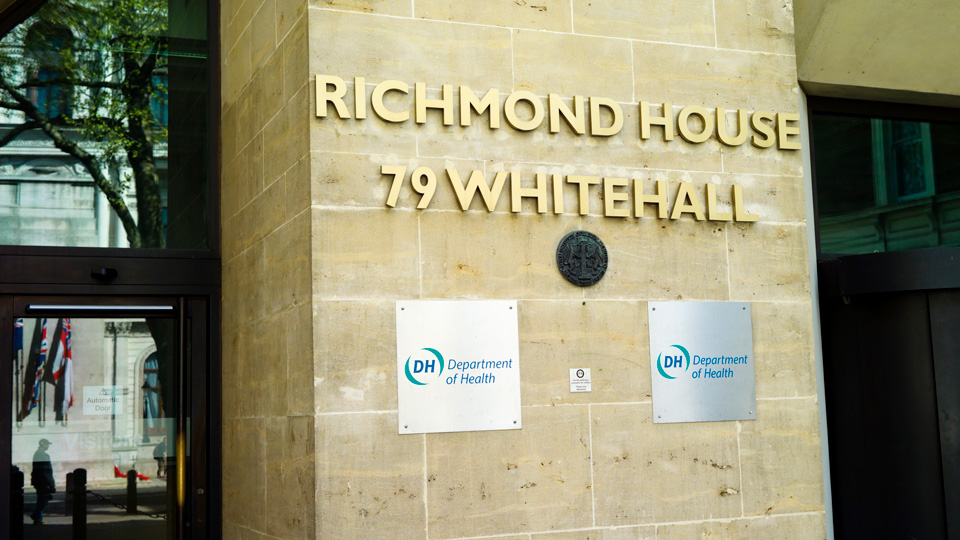
HHS Secretary Robert F Kennedy Jr is reshaping the Department of Health and Human Services by framing public health challenges as spiritual maladies rather than chronic diseases. As reported by The Guardian, this shift coincided with a White House move in early 2025 to eliminate 20,500 positions across the agency.
Kennedy characterized the national state of health as a moral decline during his first address to employees in February 2025. This ideological transition has occurred alongside significant funding reductions for scientific research and public health programs led by budget director Russell Vought.
“Spiritual and physical maladies thrive on one another,” stated Robert F Kennedy Jr, Secretary of the Department of Health and Human Services.
The secretary suggested that addressing health issues requires an internal vigilance against forces that seek to keep the American public compliant. He later intensified this rhetoric while addressing medical students in March 2026, during a period when the U.S. faced its most severe measles resurgence in over three decades.
“Malevolent forces,” said Kennedy.
He argued that these perceived threats must be countered through specific traditional family activities. Kennedy has promoted unproven remedies like raw milk and vitamin A while questioning the safety of established vaccines.
“spiritual warfare,” stated Kennedy.
He described these family gatherings as a necessary defense in a cosmic struggle against institutional science. Critics argue this language serves as a signal to the Christian nationalist movement.
“sacred ritual,” said Kennedy.
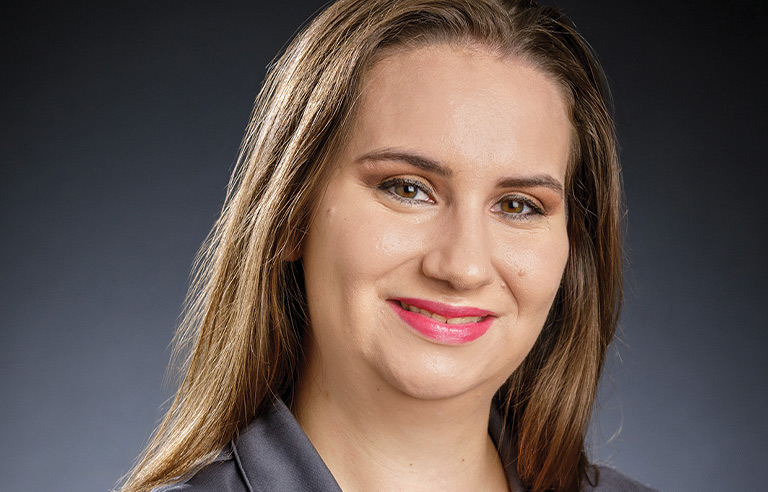
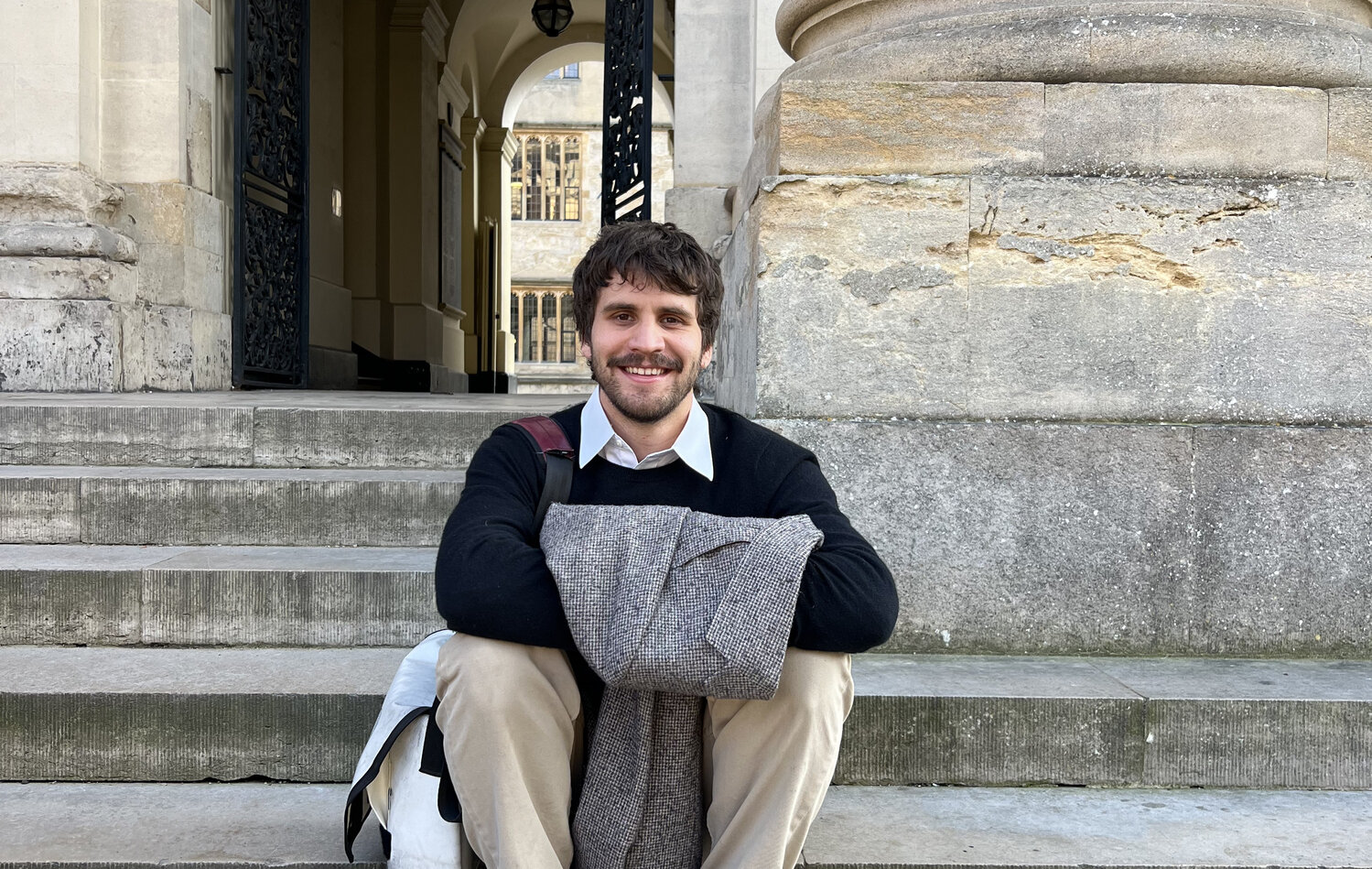
Savannah Tate, a doctor of psychology who grew up within the Christian nationalist movement, suggests that this specific terminology is used to mobilize a particular religious-political ecosystem. She notes that the movement seeks to elevate biblical law over secular democratic institutions.
“The ‘warfare’ thing is a dog whistle to stoke Christian nationalist ideology,” says Savannah Tate, Psychologist.
Tate argues that the use of mystical rhetoric is a strategy to maintain authority through fear. She observes that the advancement of medicine is viewed by some as a threat to religious dependency.
“spiritual warfare,” says Tate.
Tate explains that these terms are part of a binary, war-centric vocabulary designed to keep followers alert against various enemies. This rhetoric often aligns with the goal of placing militant Christian authority over government institutions.
“spiritual attack,” says Tate.
She identifies a deeper insecurity regarding the loss of social power within these religious factions. Medicine’s ability to prevent illness is framed as a challenge to divine reliance.
“It’s a lot about fear of losing power overall,” says Tate.
She emphasizes that as scientific understanding grows, the movement fears a decrease in spiritual dependence. This sentiment is echoed by academic observers who see a shift toward authoritarian relationships with the public.
“Fear that the more medicine we figure out and the more we’re able to help people from getting sick, the less that people will depend on God,” says Tate.
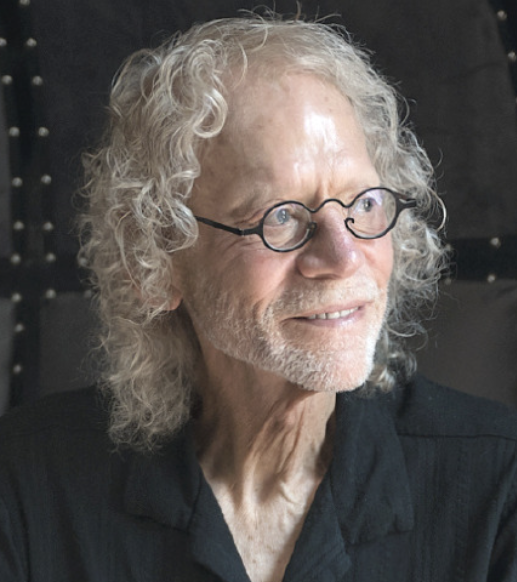
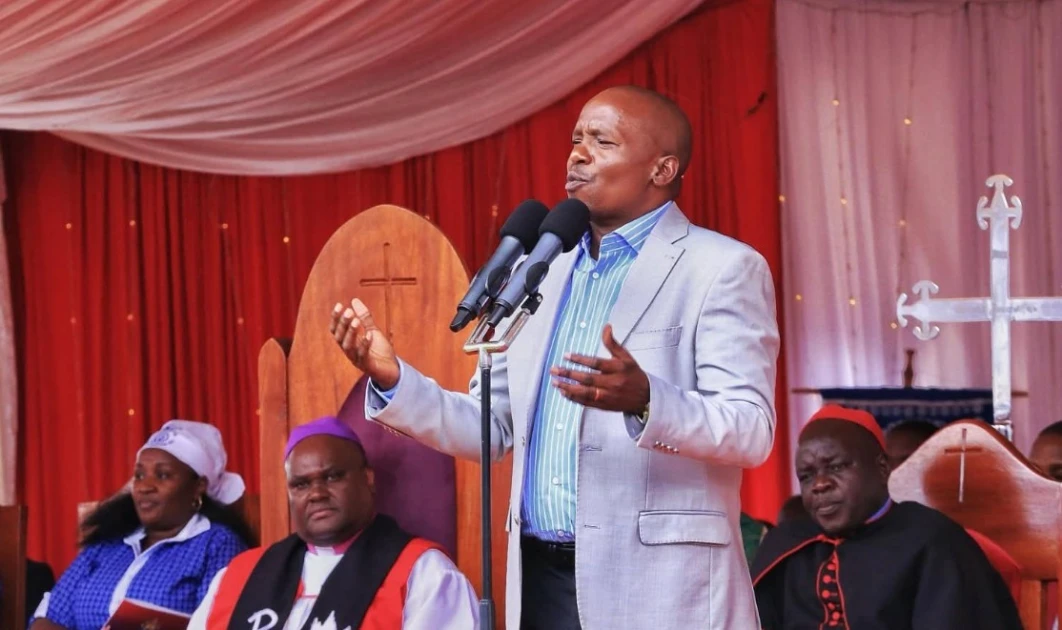
The Rev. Dr. Gary Gunderson, a professor of public health science, describes the current administration’s approach as an attempt to erode the social contract based on science. He views the movement as being more concerned with exercising power than traditional teachings.
“I do think the term ‘Christofascist’ is appropriate theologically as well as politically,” says the Rev Dr Gary Gunderson, Professor of Public Health Science.
Gunderson notes that this aggressive political vision differs significantly from mainstream Protestant or Catholic faiths. He points to the replacement of trust in government with a more rigid authority structure.
“What we’re seeing in the US today is the attempt to use religion and Christian nationalism to erode a scientifically based social contract of trust between government and the people, and replace it with a more authoritarian relationship,” adds Gunderson.
Demetre Daskalakis, an epidemiologist who resigned from the CDC in protest, warns that the agency is experiencing a spread of fundamentalism. He challenged the administration’s framing of expertise as a religious trait rather than a democratic one.
“One of the things that the secretary of health says frequently is that trusting experts is a feature of religion, not a feature of democracy,” says Demetre Daskalakis, Epidemiologist.
Daskalakis expressed concern that the current environment within the HHS prioritizes cultish religiosity over scientific evidence. He noted that this shift impacts the agency’s core mission of promoting health equity.
“In fact I think what we’re seeing is a cultish religiosity,” says Daskalakis.
He highlights that the dismissal of equity suggests a fundamental misunderstanding or opposition to public health work. This ideological shift has coincided with the removal of key advisory committees.
“The job of public health is “about creating health equity,” says Daskalakis.
Daskalakis argues that if the administration disagrees with the concept of equity, it is contrary to the mission of protecting the population. Meanwhile, budget cuts have significantly reduced funding for the CDC and NIH.
“If equity is something that they don’t agree with,” he says, “it probably means that they either don’t understand the importance of that work, or it is somehow contrary to their mission.”
Budget director Russell Vought has overseen the removal of hundreds of millions of dollars from research grants and public health programs. Vought, nicknamed “the Reaper,” has previously described social safety nets in harsh terms.
“cancerous,” described Russell Vought, Budget Director.
Vought used this terminology to describe the Affordable Care Act. He applied similarly aggressive language to Medicaid, which provides healthcare access to millions of low-income Americans.
“weaponized monstrosity destroying the lives of children,” stated Vought.
These fiscal policies have led to the defunding of research into Alzheimer’s, cancer, and diabetes. In 2025 and 2026, measles cases surged as states increased religious vaccine exemptions, leading to at least two child fatalities in Texas due to lack of containment funds.