Colleges and universities nationwide have expanded mental health services in response to rising student demand. But as offerings grow, a new study from the Ruderman Family Foundation finds their increasing scope and the shifting language used to describe them are making it harder for students to understand and navigate the available support.
The study, conducted in partnership with the Public Good Projects, draws on a review of 50 institutional websites, national survey data and interviews with 15 senior practitioners at institutions including Pennsylvania State and Ohio State Universities.
Nearly all reporting institutions offer a comprehensive wellness program, making counseling, referral and well-being services available to students. More than 90 percent also report training clinicians to work with a range of student populations, including racial and ethnic minorities, LGBTQ+ students, neurodivergent students, and those with substance use concerns.
At the same time, the share of institutions reporting peer-to-peer support programs increased from 63 percent in 2024 to 73 percent in 2025—a 10-point jump in a single year. But the study finds that students often do not consider peer programs mental health resources and continue to associate support primarily with individual therapy, overlooking the broader ecosystem of care available to them.
Hanna Shaul Bar Nissim, deputy director at the Ruderman Family Foundation, said that while it’s good news that colleges are expanding and diversifying mental health services, students are not always able to recognize or connect with the language used to describe them.
“We’re seeing a growth in awareness, we’re seeing a growth in funding, we’re seeing shifts in policies within universities, but we’re not seeing much utilization by students,” Bar Nissim said.
Bar Nissim pointed to a range of ways services are made visible to students, from website and social media promotion to outreach during admissions and midterms. But the issue transcends communication channels.
“Even the words ‘mental health’ are used less and less, and we’re hearing more on wellness, well-being and overall experience,” she said. “You see new roles within universities—well-being officers, wellness centers, wellness [vice presidents]—these are emerging over the last five to 10 years and becoming more embedded in senior administration, but that doesn’t always resonate with students.
“If they have anxiety or stress or other mental health conditions, they don’t always associate mental health services and wellness services as one,” she added. “So yoga or faith-based groups—which can serve as gateways to mental health services—are not always identified as part of that system.”
Counseling gaps: The study found that the average wait time to see a counselor at the colleges covered was 4.2 days—but at some institutions, students waited up to 24 days. Those delays are driving greater reliance on telehealth and community partnerships; 96 percent of institutions referred students to off-campus counseling.
That shift introduces new challenges, the report notes, including the need to clearly distinguish campus-based services from contracted care. It also limits institutions’ ability to monitor the quality and continuity of treatment off campus.
Bar Nissim said that even when institutions have strong leadership and dedicated funding, they are often unable to scale services quickly enough, making telehealth and off-campus support a faster alternative.
“It’s not so much a funding issue—because there is funding at the federal, state and private levels—but a communication and stigma issue,” Bar Nissim said. “There are many groups and subgroups operating with different models. But there is a broader shift and growing acknowledgment among university leadership of the need to support a healthier student experience.”
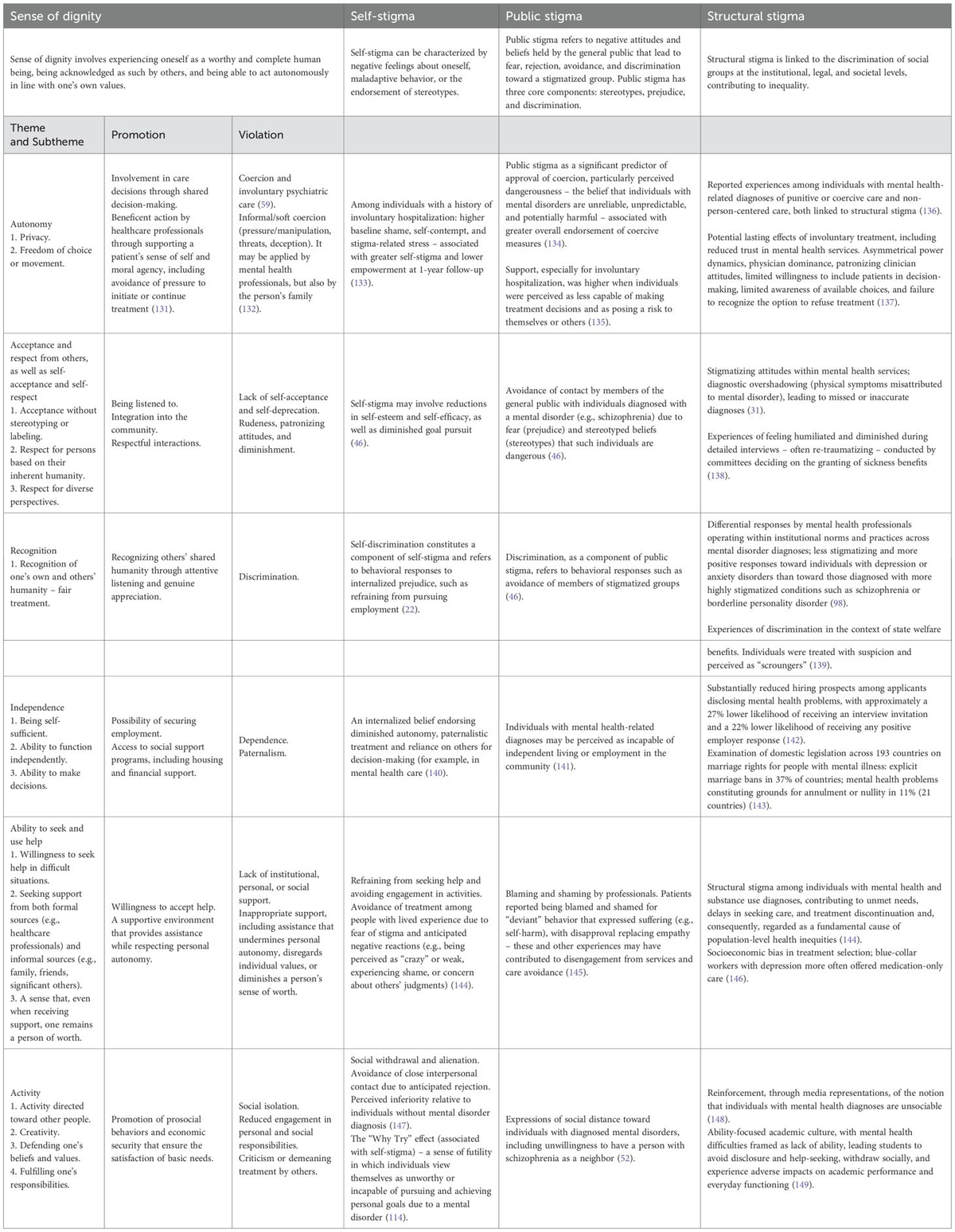
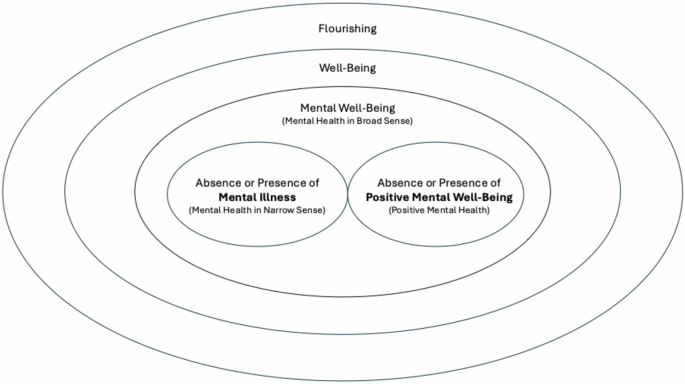
Making services clearer: To help institutions improve student uptake, the study introduces a conceptual framework for categorizing campus mental health and well-being supports, mapping service types, navigation pathways, staffing roles, physical locations and institutional policies into a single model.
Bar Nissim said the framework is intended to help students more easily identify available support while allowing institutions to benchmark services and identify gaps.
“We are seeing universities shift budgets and create new senior administrative roles focused on wellness and mental health—positions with real authority,” Bar Nissim said. “It’s not just titles; it’s people with the expertise to lead strategic change across campuses. This shift in mindset is taking hold, but it takes time.”
Get more content like this directly to your inbox. Subscribe here.