1. Which mid-cap stocks are performing well?
Several US mid-cap stocks are showing strong momentum in 2026. Archrock is gaining from rising natural gas demand and long-term energy contracts. Century Aluminum is benefiting from higher aluminum prices and stronger US manufacturing activity. FormFactor and Cognex are seeing growth from AI and semiconductor demand, while IPG Photonics is expanding in medical and defense laser technologies. These stocks are also seeing positive earnings revisions from analysts.
2. Why are investors buying mid-cap stocks?
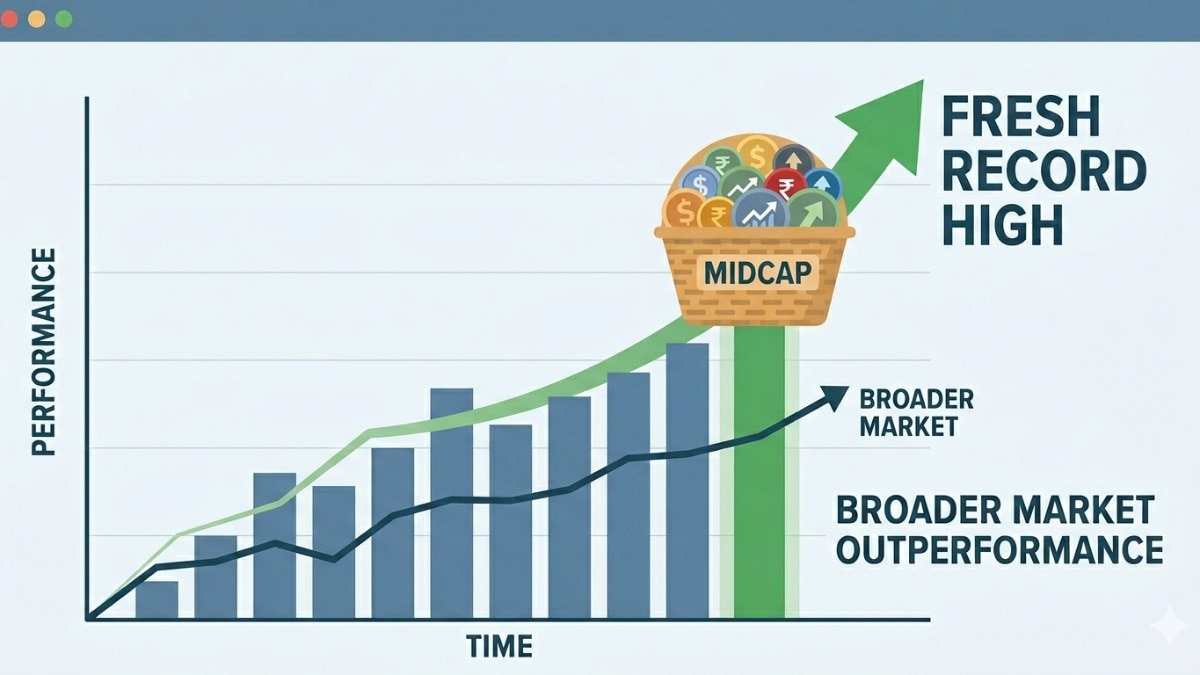
Investors are turning to mid-cap stocks because they offer a balance between growth and stability. Many large-cap tech stocks have already rallied sharply, making valuations expensive in some cases. Mid-cap companies still have room to grow while already having established businesses and steady revenue streams. In 2026, sectors linked to AI, energy, automation, and manufacturing are helping many mid-cap stocks outperform the broader market.
3. Is FormFactor a good AI stock to buy?
FormFactor is becoming an important stock for investors tracking the AI sector. The company supplies testing equipment used in advanced semiconductors and high-bandwidth memory chips like HBM4. These chips are critical for AI servers and data centers. As more companies invest in generative AI and cloud computing, demand for semiconductor testing tools is expected to rise, which could support FormFactor’s revenue and earnings growth.
4. Why is Archrock stock rising?
Archrock is getting attention because demand for natural gas infrastructure remains strong in the US. The company’s fleet utilization is around 96%, which shows high demand for its compression services. Around 85% of its business is linked to long-term contracts, helping generate stable cash flow even during volatile energy markets. Investors are also watching growing LNG exports and AI-related power demand, both of which support natural gas consumption.
5. Are US mid-cap stocks safer than small caps?
Mid-cap stocks are often seen as less risky than small-cap stocks because the companies are usually more established and financially stable. Many mid-cap firms already have proven management teams, stronger balance sheets, and better access to capital markets. However, they can still offer faster growth potential than many large-cap companies. Investors should still monitor earnings growth, debt levels, and sector conditions before investing in any mid-cap stock.