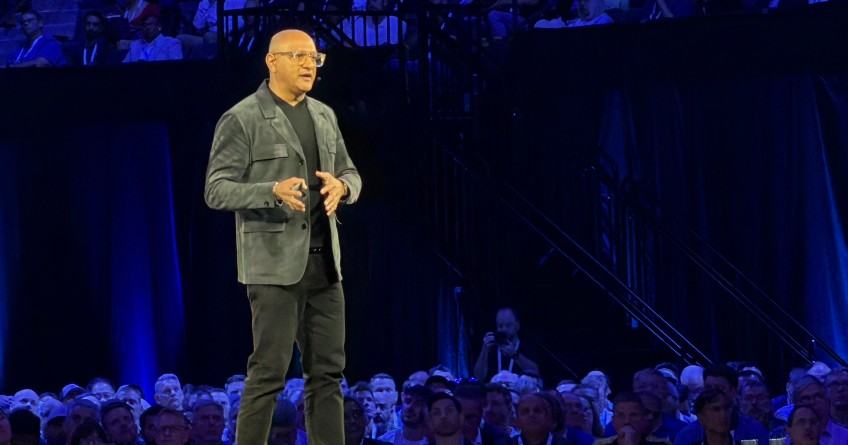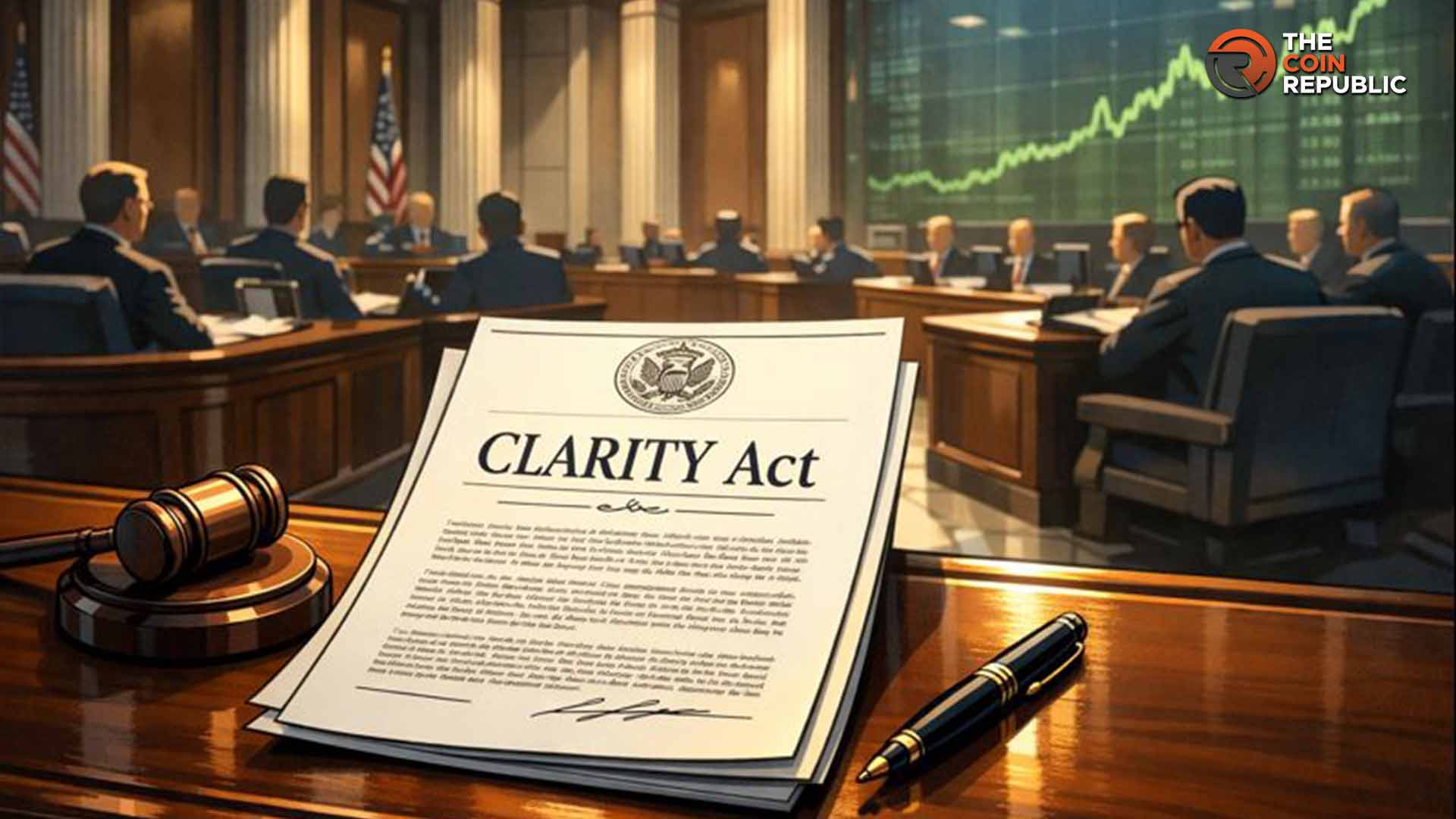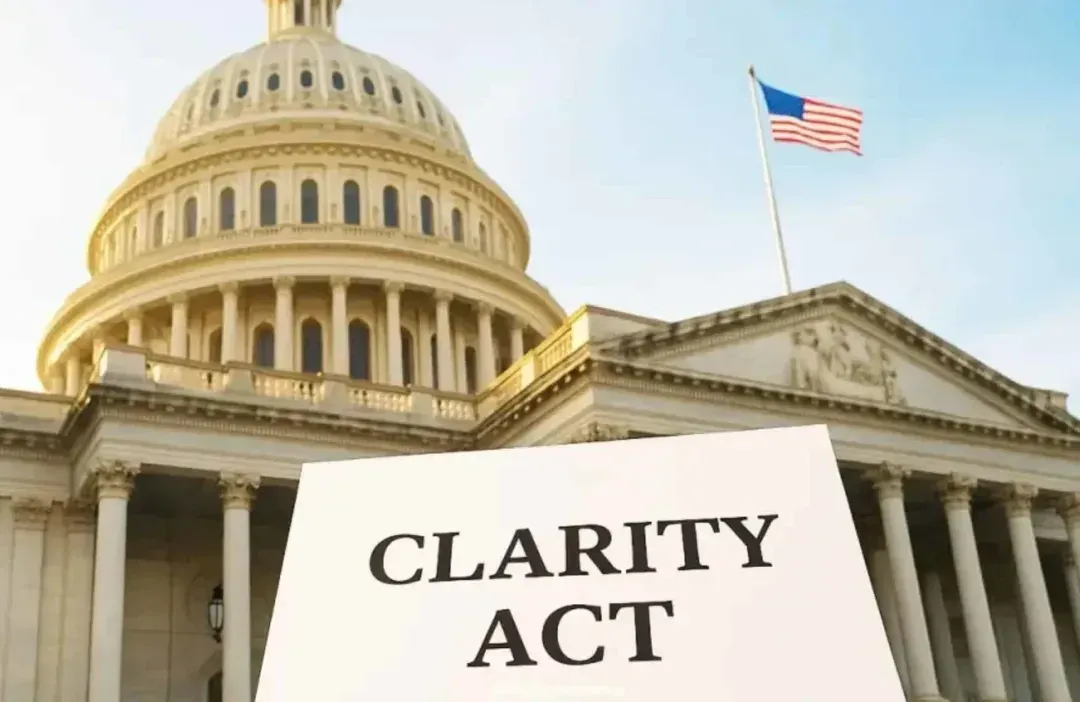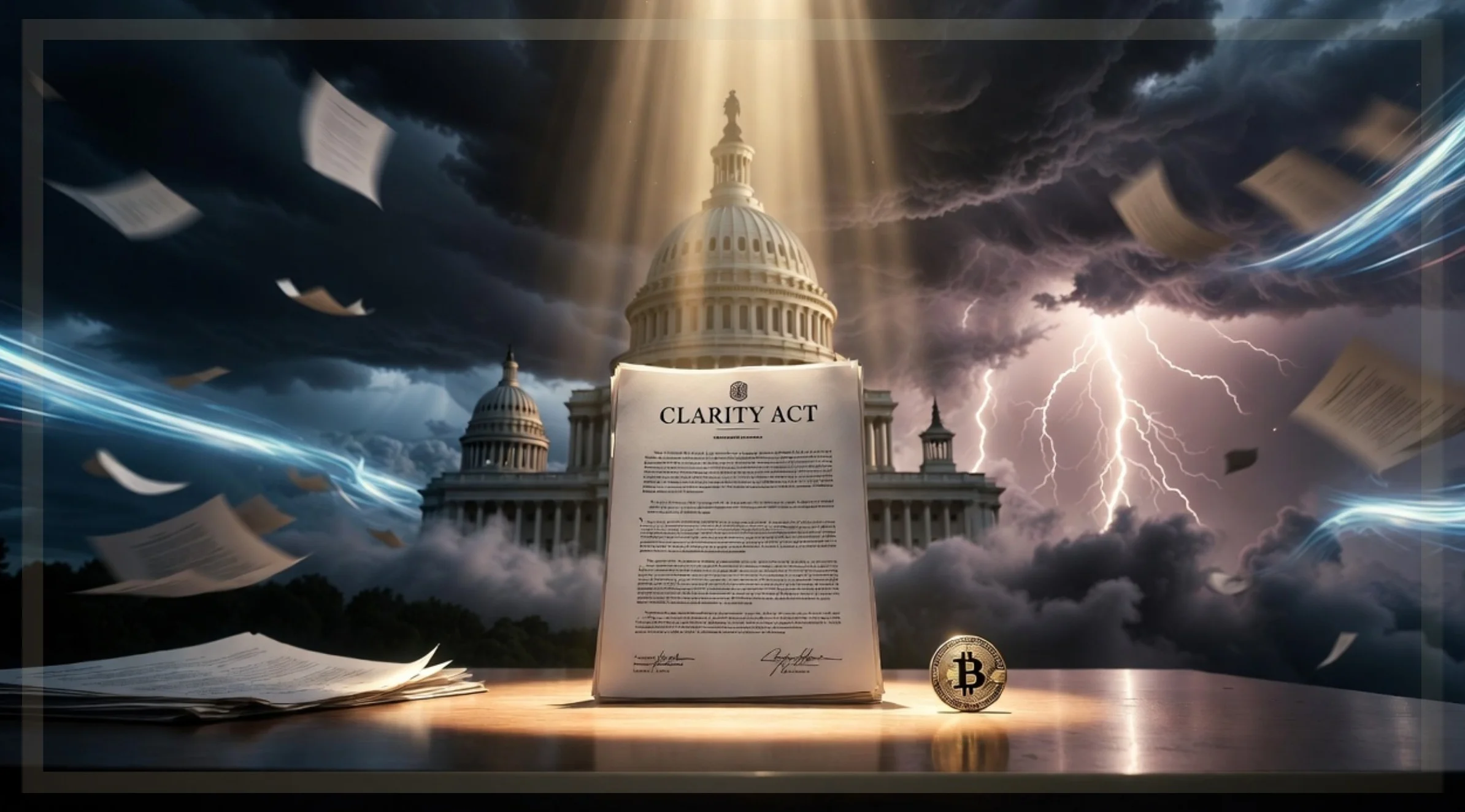
The long-awaited regulatory clarity for crypto and banking is edging closer to reality. Patrick Witt, Executive Director of the President’s Council of Advisors on Digital Assets, delivered a strong signal of progress this week, confirming that the hard-fought stablecoin yield compromise is holding and that negotiators are rapidly clearing the final obstacles to the Digital Asset Market Clarity Act (CLARITY Act).
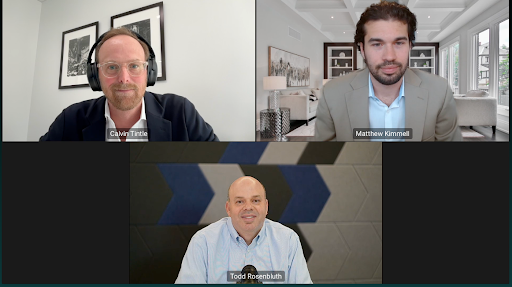
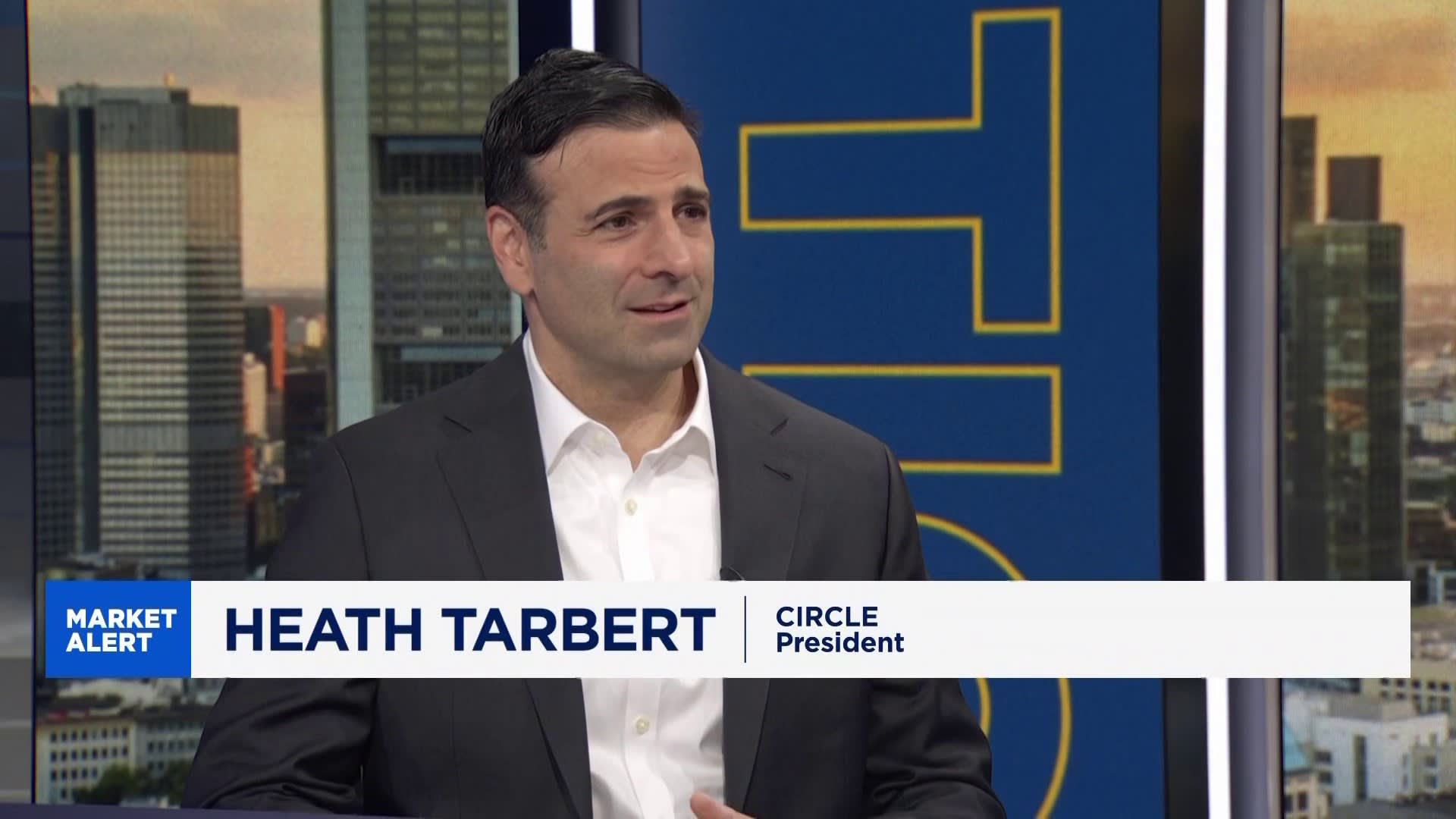
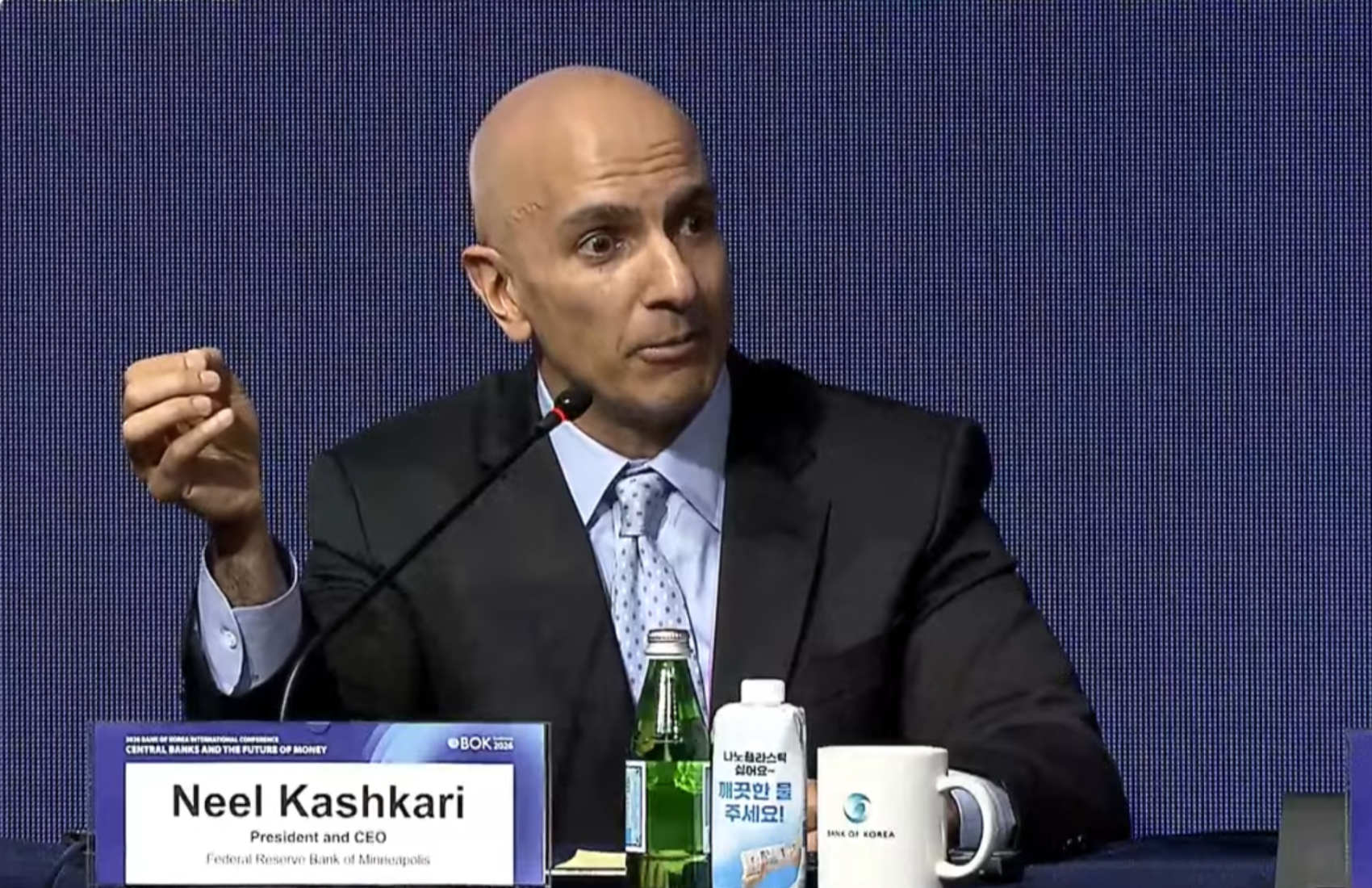
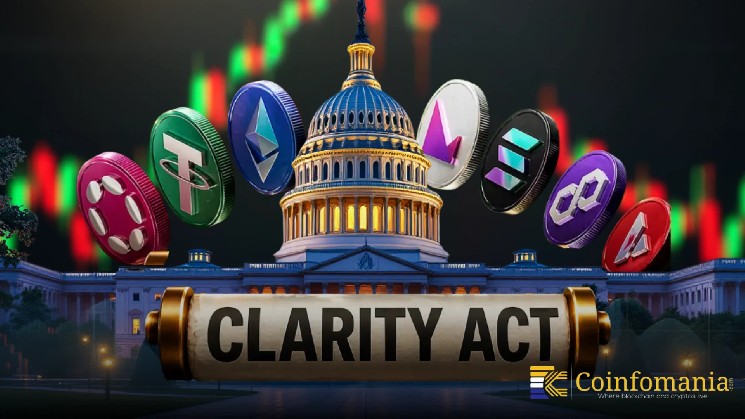
In a recent CoinDesk TV interview, Witt expressed confidence that the Senate is now well positioned to advance the Digital Asset Market Clarity Act.
This stands as one of the most important pieces of legislation to hit capital markets and banking in years. With the contentious stablecoin yield issue largely resolved, negotiators have turned their full attention to wrapping up the remaining technical and policy details.
Stablecoin Yield Compromise Proves Durable
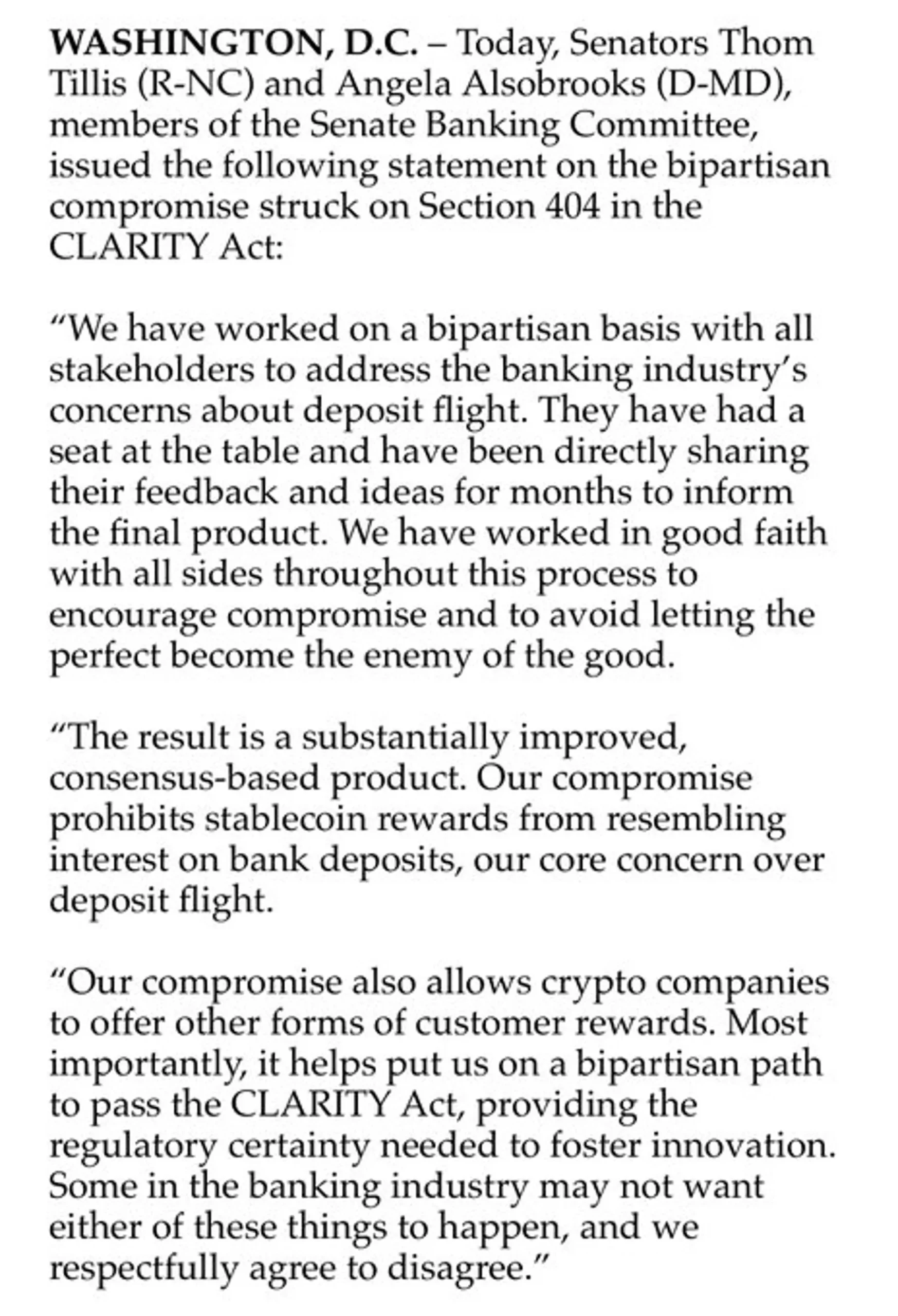
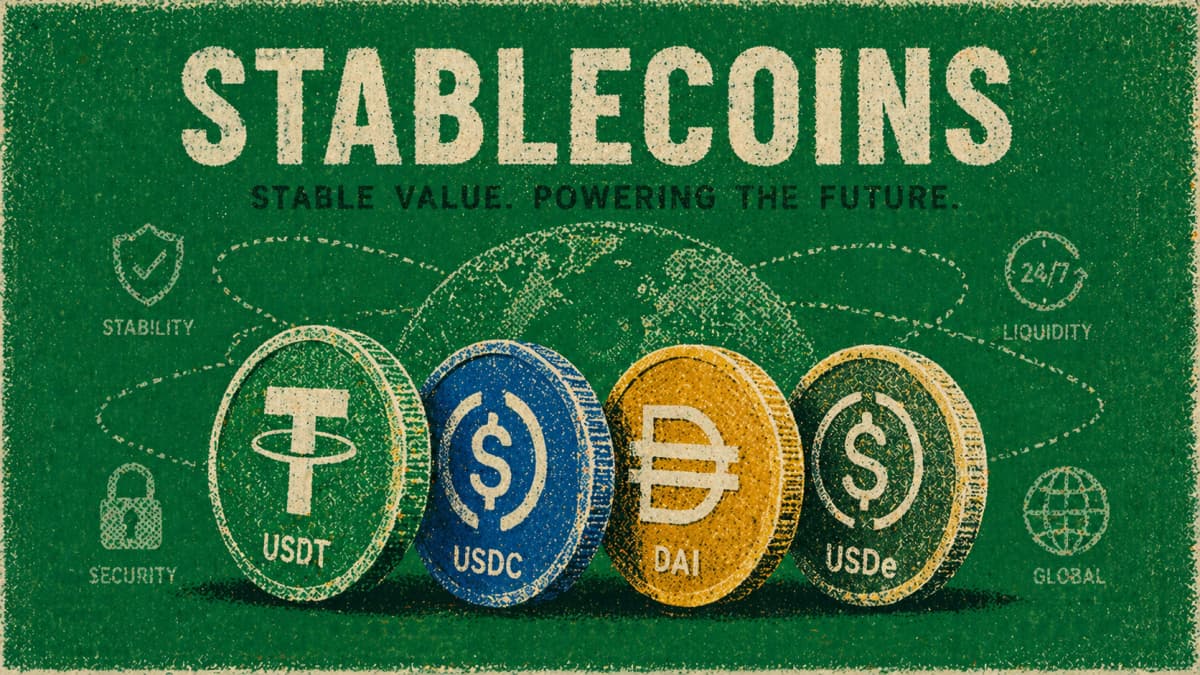
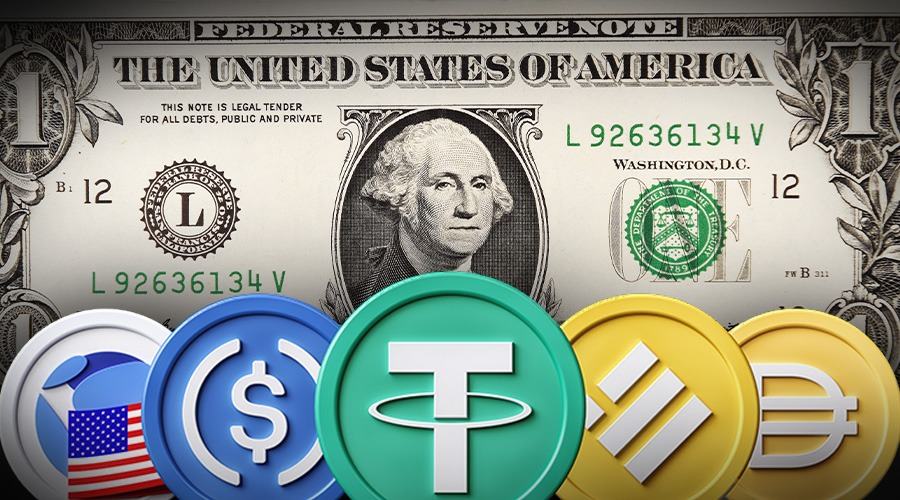
The yield breakthrough was the critical unlock everyone had been waiting for. Senators from both parties reached an agreement in principle that prohibits passive yield on stablecoins while still permitting activity-based rewards tied to genuine payments, transfers and platform usage.
Witt confirmed the deal looks built to last. “We’re hopeful that the compromise that has been reached will be durable and will hold,” he said. Solving this divisive question has now unlocked real momentum on the rest of the bill.
This balanced framework eases banking sector concerns around potential deposit flight. At the same time it protects space for innovation and delivers tangible benefits to users in the stablecoin ecosystem.
Recent White House economic analysis reinforces the point, showing that even aggressive yield restrictions would offer only marginal protection to bank lending while imposing noticeable costs on consumers and overall market efficiency.
Why the CLARITY Act Delivers Long-Awaited Certainty
The CLARITY Act (H.R. 3633) passed the House with strong bipartisan support. The vote tally reached 294 to 134 back in July 2025. At its heart, the bill creates a clear statutory distinction between digital commodities, which fall under CFTC oversight, and investment contracts that remain with the SEC.
For traditional banks and digital asset firms alike, this means much-needed regulatory certainty around tokenized assets, stablecoins, custody obligations and broader market infrastructure.
The legislation introduces new registration categories for exchanges, brokers, dealers and custodians. It also establishes robust requirements for AML programs, capital standards and institutional-grade custody solutions.
Title IV dives into the practical operational plumbing that digital firms must now build. This includes secure cold and hot wallet separation, multi-party computation or multi-signature controls, real-time monitoring, SOC 2 audits and full Bank Secrecy Act compliance. Many of these obligations will apply soon after final rules are published, so early preparation has become essential.
Tokenization Gains Momentum as Congress Focuses In
The CLARITY Act arrives at a pivotal moment for the tokenization of real-world assets. On-chain activity has already hit impressive milestones, and the House Financial Services Committee’s historic hearing on tokenization highlighted the urgent demand for clear rules covering custody, settlement and investor protection.
By setting out a comprehensive market structure, the bill aims to enable responsible scaling of tokenized securities, deposits and payments. Banks that adapt strategically could find themselves leading this important evolution rather than reacting to it.
Next Steps Toward Becoming Law
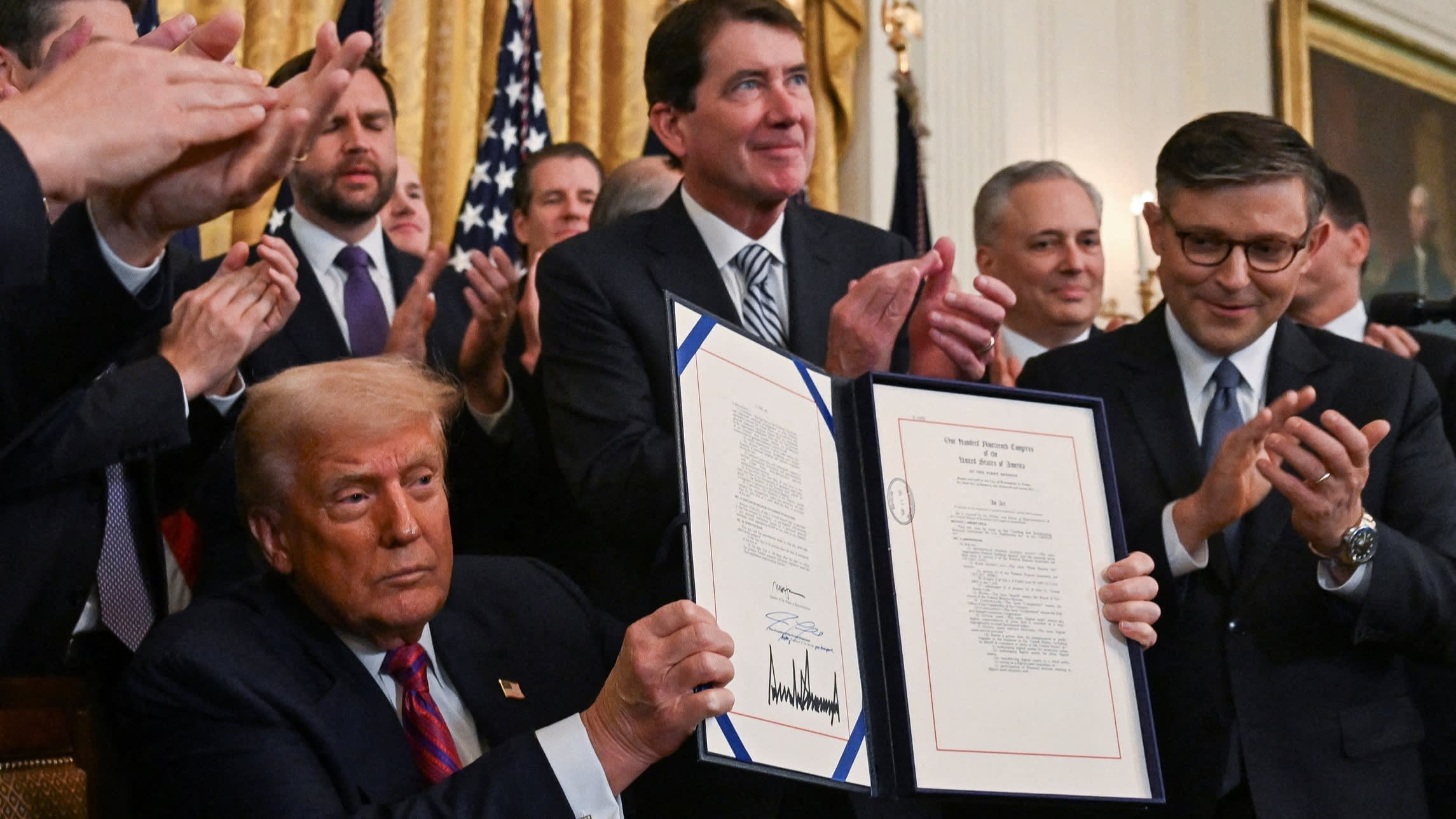
With the yield compromise holding, the Senate Banking Committee is eyeing a markup in the coming weeks, potentially as early as late April. A successful markup would open the door to a full floor vote requiring 60 votes, followed by reconciliation between Senate and House versions and, ultimately, presidential signature.
According to Witt, several issues previously viewed as intractable have already been resolved quietly behind the scenes. These include stronger protections against illicit finance in decentralised finance and other governance elements. While he stopped short of listing every resolved item, his tone conveyed clear acceleration in progress.
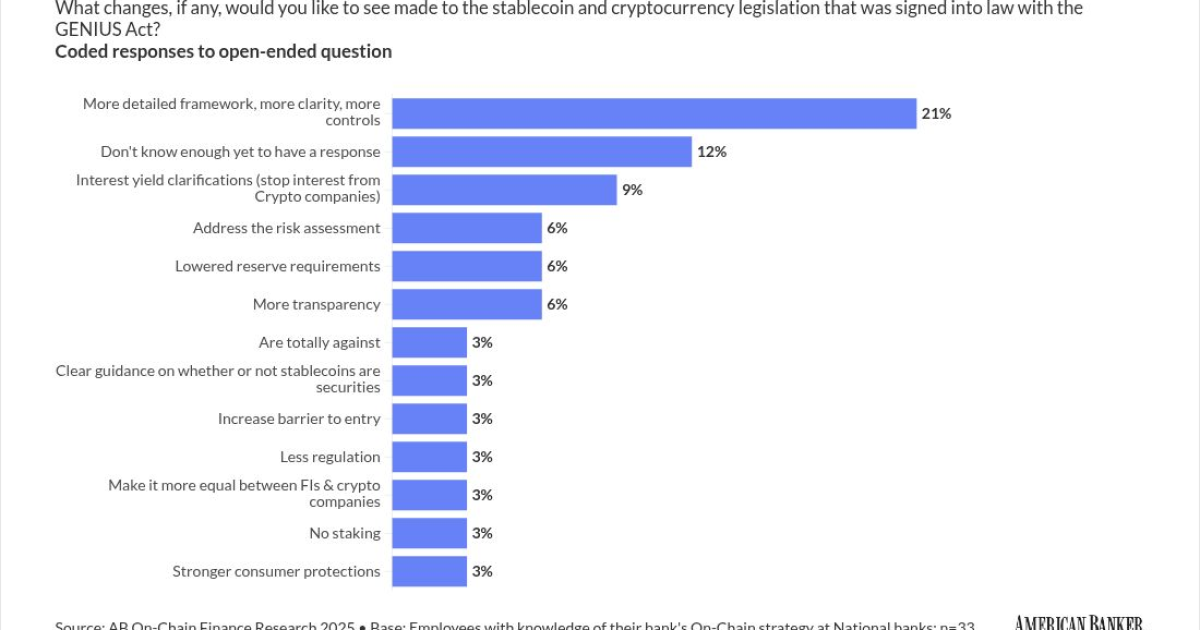
Opinions inside banking groups remain divided on stablecoins. Some see genuine opportunity while others feel competitive pressure. The American Bankers Association continues to raise concerns, yet the White House stance is pragmatic. Overly restrictive measures risk handing ground to offshore issuers and slowing the tokenization wave that could modernise U.S. capital markets.
Witt stated that opinions among bankers vary significantly, often depending on how familiar they are with the technology: “Some of them are going to view stablecoins more positively. Some are going to be a little bit more threatened by them“.
When properly regulated, stablecoins need not cannibalise traditional banking. Instead, they can complement deposit-taking and lending, particularly in the areas of payments and settlement.
Firms operating in this space should treat the current momentum as a clear call to action. Whether gearing up for new CFTC registration, upgrading custody infrastructure or aligning AML programs, the window for operational readiness is narrowing quickly. The recent SEC-CFTC memorandum of understanding classifying major assets such as Bitcoin and Ethereum as digital commodities further highlights how fast the jurisdictional landscape is shifting.
After years of regulatory uncertainty, Witt’s message is straightforward: the toughest hurdles are being cleared, and the route to comprehensive market structure reform is now coming into clear view.
Author: Ruben McCarthy
See Also:
CLARITY Act Title IV: The Expensive Plumbing Digital Firms Must Build Now | Disruption Banking
White House Slams CLARITY Act Yield Ban | Disruption Banking