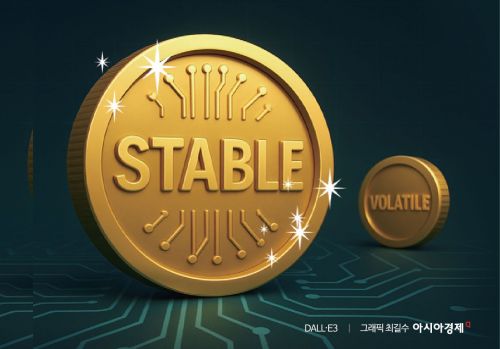
Global payments giant Stripe is building what it calls the “AWS for money,” and crypto tech is at the center of that plan.
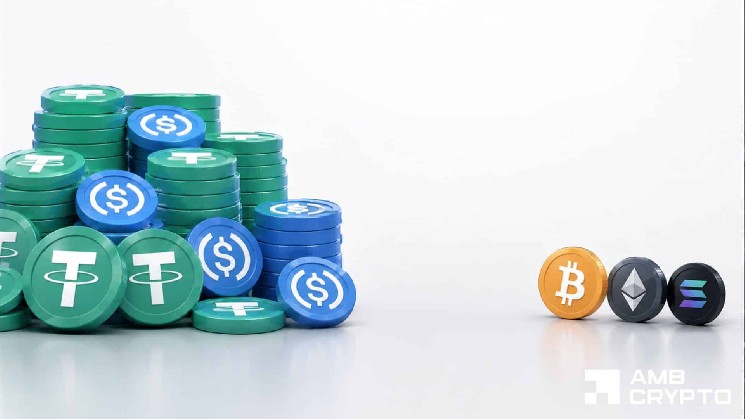
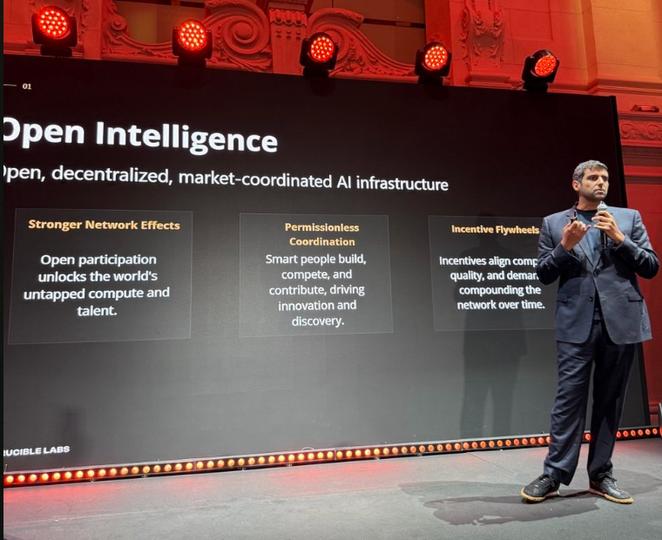
Speaking at the RWA Summit in Cannes, France, Adrien Duchâteau, Stripe’s head of crypto go-to-market, said the company is now integrating stablecoins and blockchain across its core payment stack as it looks to modernize how money moves globally.
“We’re putting product by product more of our stack onchain,” he said.
The move builds on the firm’s long, if uneven, history with crypto. Stripe was one of the earliest major tech companies to embrace bitcoin , enabling BTC payments as early as 2014 before pulling back in 2018 as volatility made it impractical for merchants, Duchâteau said. The company returned in 2021 with a dedicated crypto team, betting that the underlying technology had matured enough to support real-world use, he added.
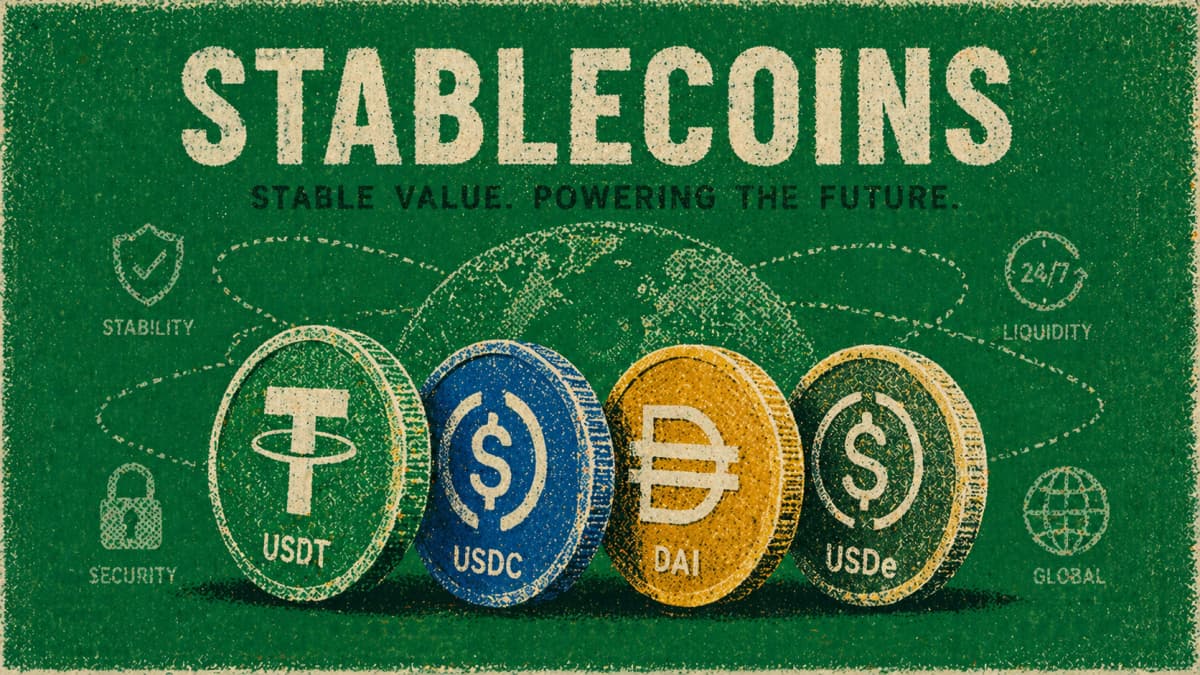
Speeding up payments with stablecoins
The company’s blockchain ambition focuses on fixing a core problem: global payments remain slow and expensive. Cross-border transfers, Duchâteau explained, still rely on systems like SWIFT, which can take days to settle. For platforms paying creators or contractors, that delay often dictates payout schedules.
Stripe processes nearly $2 trillion in annual payments — roughly 2% of the global GDP — and serves over 5 million businesses around the globe, so even incremental improvements to settlement could have wide-reaching effects, he said.
“We’re operating in T+3 networks,” he said, meaning that a transaction often takes three days from the moment of payment to settlement. “If you reduce that to zero, that is a magnitude of change.”
To realize that vision, Stripe acquired stablecoin infrastructure firm Bridge for $1.1 billion in 2024, then bought crypto wallet provider Privy. It also teamed up with crypto investment firm Paradigm to develop a payments-focused blockchain called Tempo, which went live last month with infrastructure partners like Mastercard, UBS, Klarna and Visa.
The company is already rolling out stablecoin features. Merchants can accept stablecoins at checkout, including through Shopify, while platforms like Remote.com allow users to receive payouts in crypto. Through Bridge, it also helps fintechs like Klarna and Slash issue and integrate stablecoins in their operations.
Where banking rails fall short
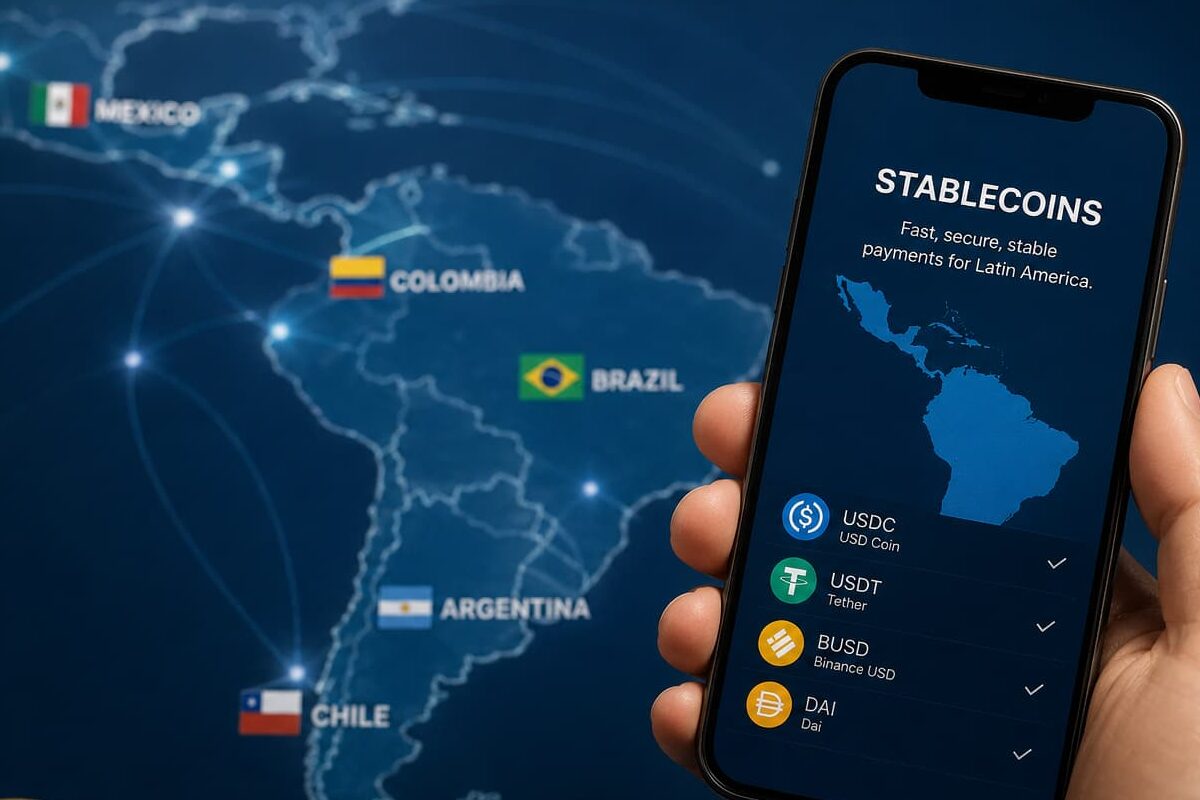
Demand is emerging in places where traditional systems fall short. Duchâteau pointed to users in emerging markets seeking dollar exposure, as well as a growing number of customers turning to stablecoins after card payments fail.
“We’re seeing people whose cards get declined switch to stablecoins,” he said.
Stripe’s approach is not to replace fiat, but to abstract the difference. Over time, Duchâteau said, users shouldn’t need to know whether a transaction runs on traditional or blockchain rails.
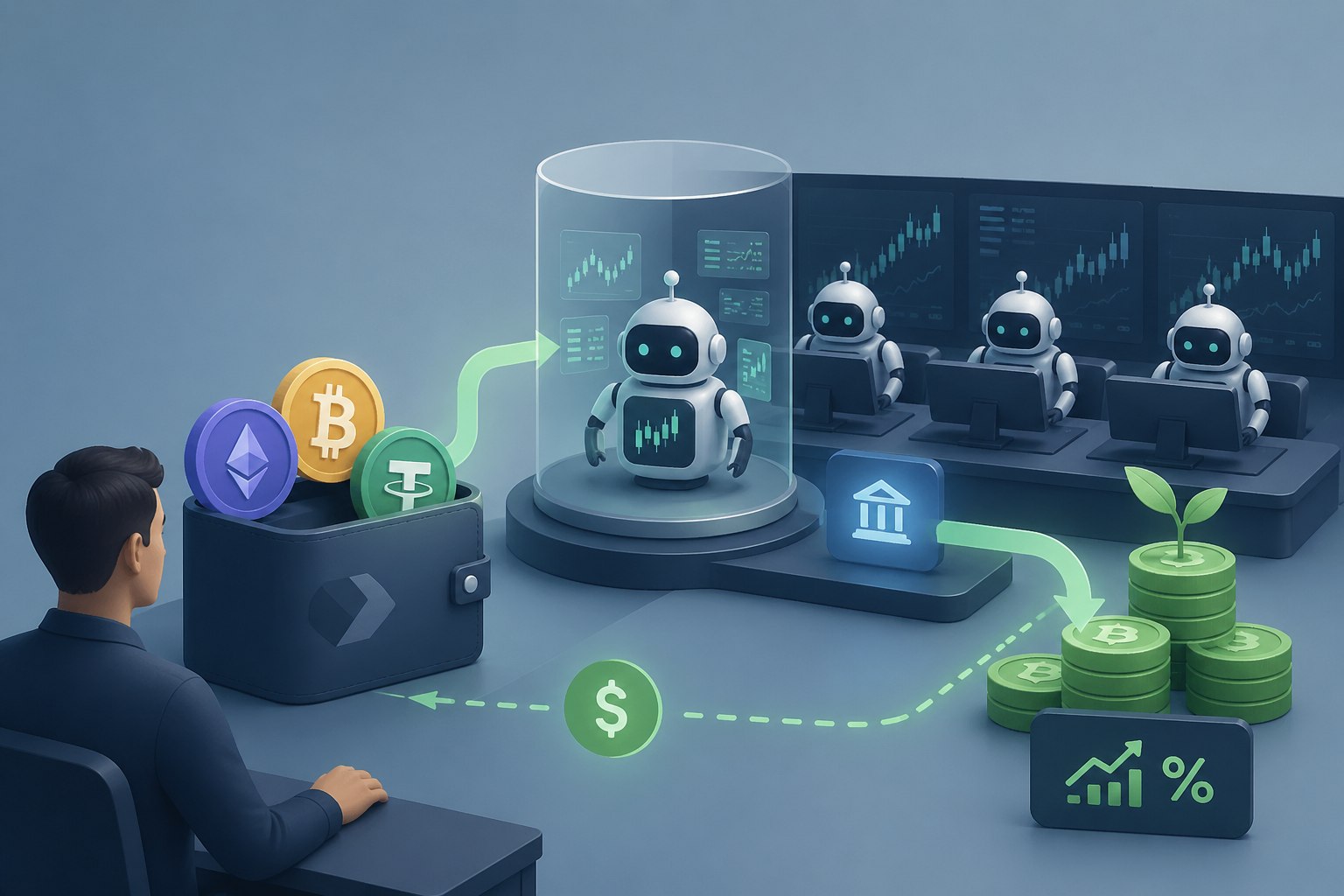
Stripe’s ambition, he said, is to become “AWS for money,” routing and orchestrating money movements across systems, similar to how cloud platforms manage computing resources globally.
That includes future products beyond payments, such as offering yield or capital access in markets where Stripe has had limited reach before. Duchâteau pointed to emerging countries like Argentina as an example, where stablecoins and decentralized finance (DeFi) could enable services that are difficult to deliver through traditional banking.
“The technology wasn’t there before. Now we’ve come to a point where we can actually realize it,” he said. “We’re super excited and we’re doubling down.”