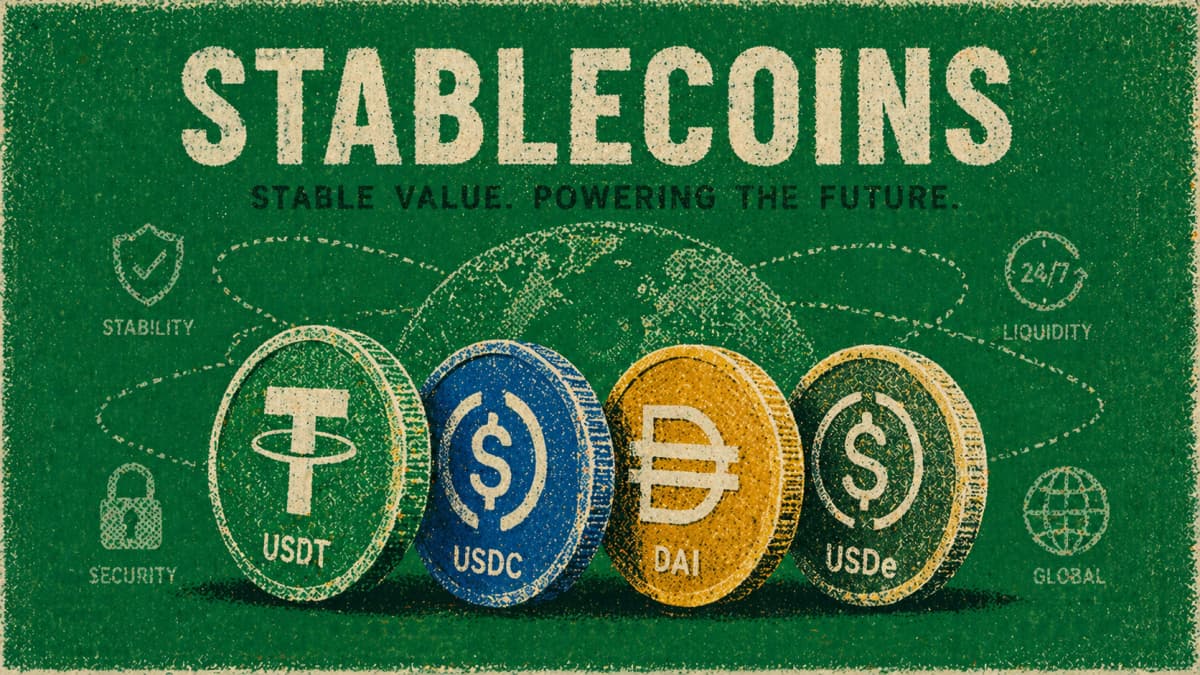
NEW YORK— A growing number of middle-market CFOs are taking a closer look at stablecoins as practical tools for moving money, with interest now outpacing that of traditional cryptocurrencies, according to new data from PYMNTS Intelligence.

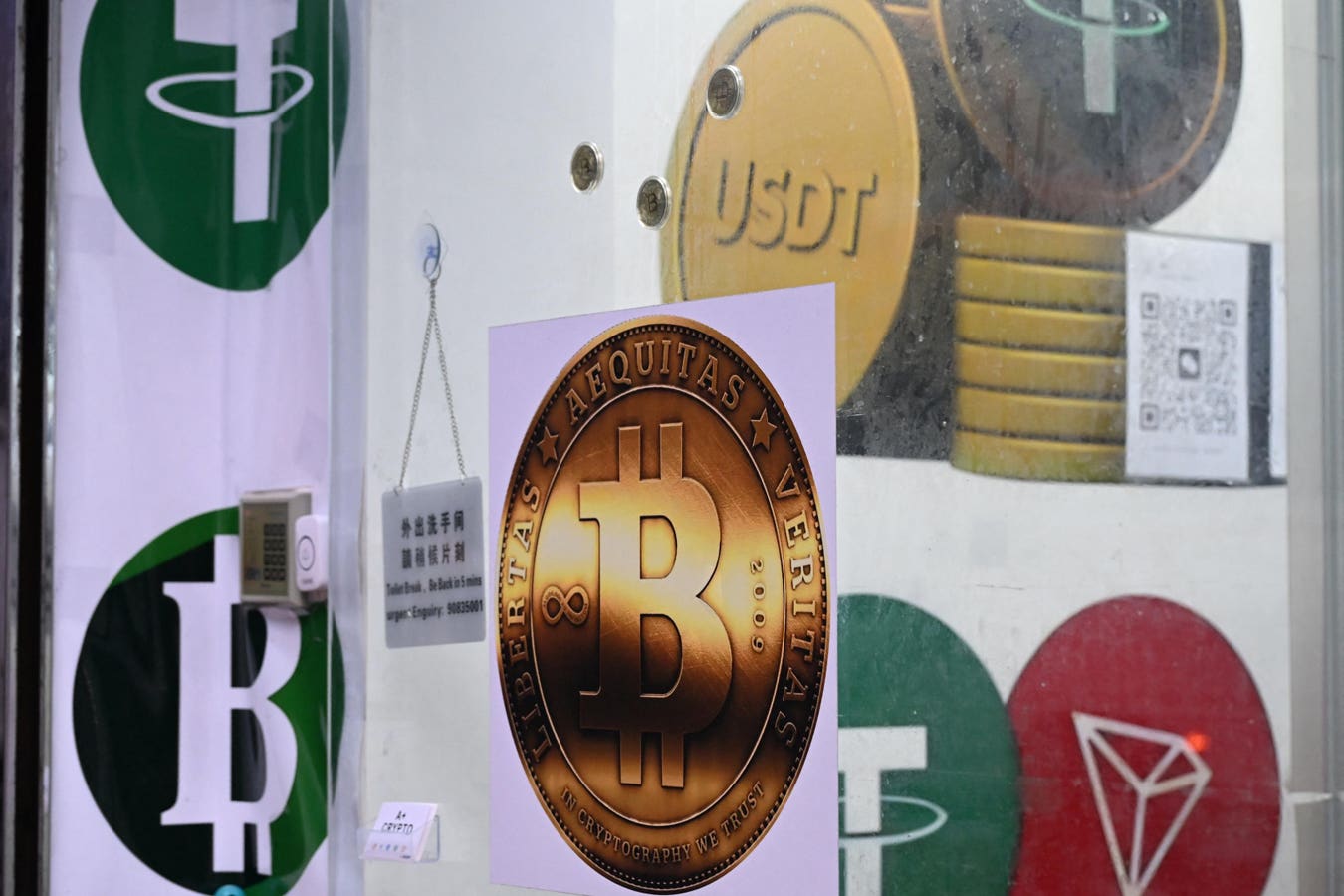
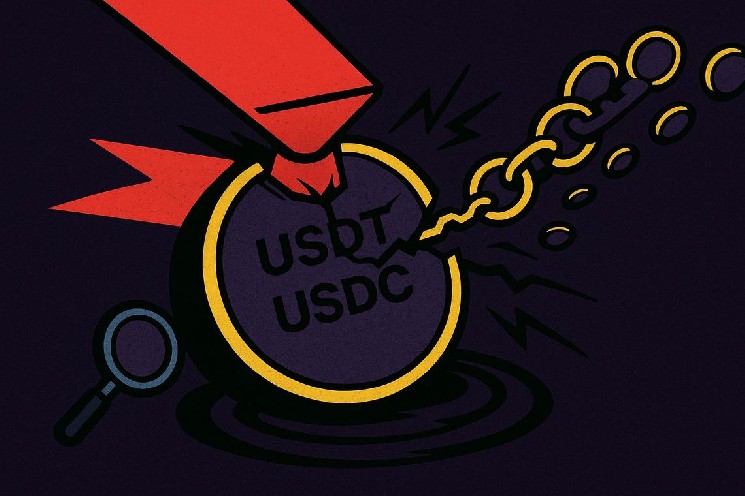
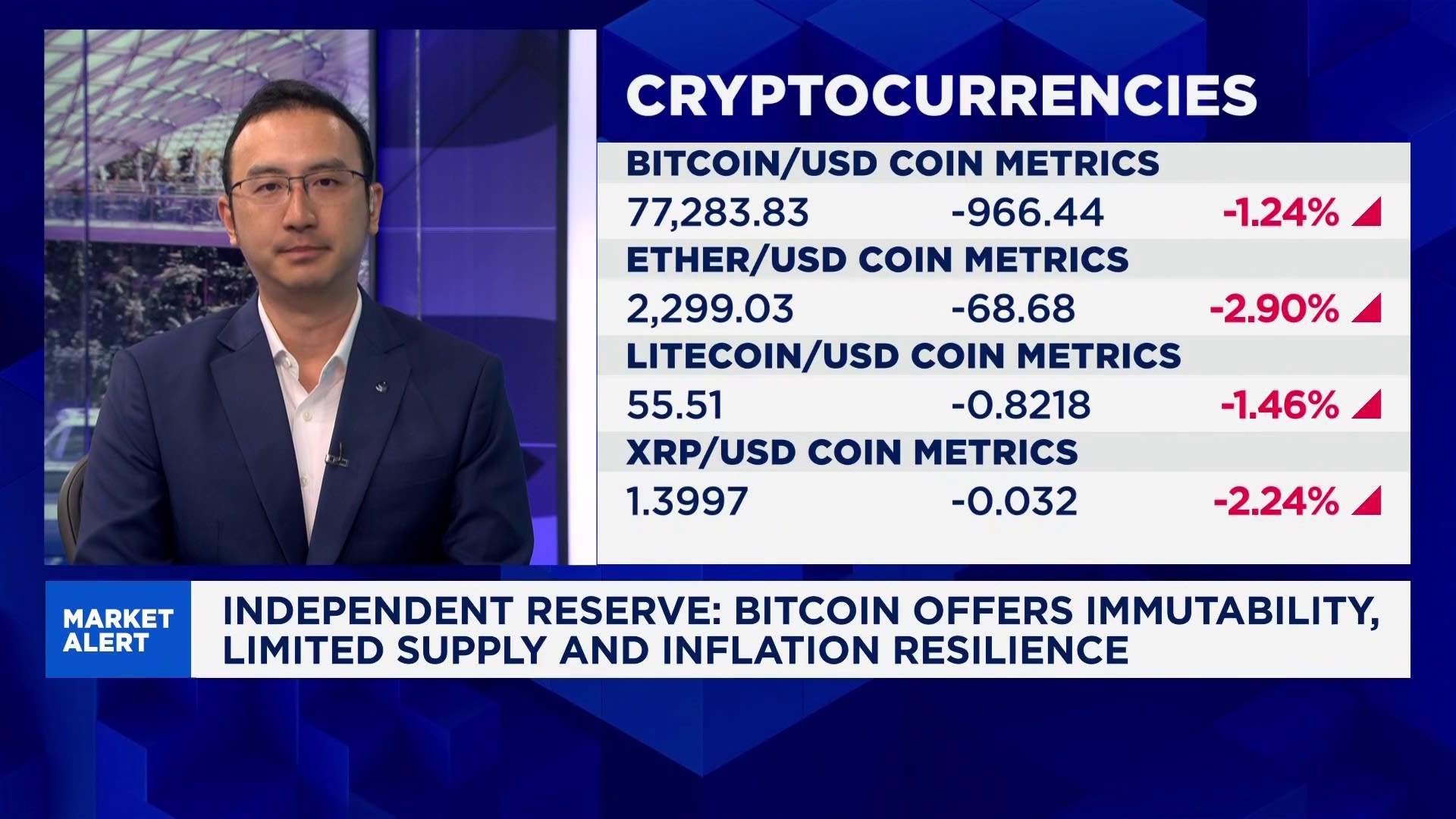
PYMNTS reported that 42% of middle-market firms have discussed, tested or used stablecoins, compared with 30% for cryptocurrencies, signaling that finance chiefs increasingly see stablecoins as payment infrastructure rather than speculative assets.
PYMNTS said actual usage remains modest, but stablecoins are still running ahead of crypto on that front as well, with 13% of companies reporting real-world stablecoin use versus just 5% for cryptocurrencies. The report found adoption remains restrained by familiar concerns, including regulatory uncertainty, bank connectivity and the challenge of fitting digital assets into existing treasury and finance workflows.
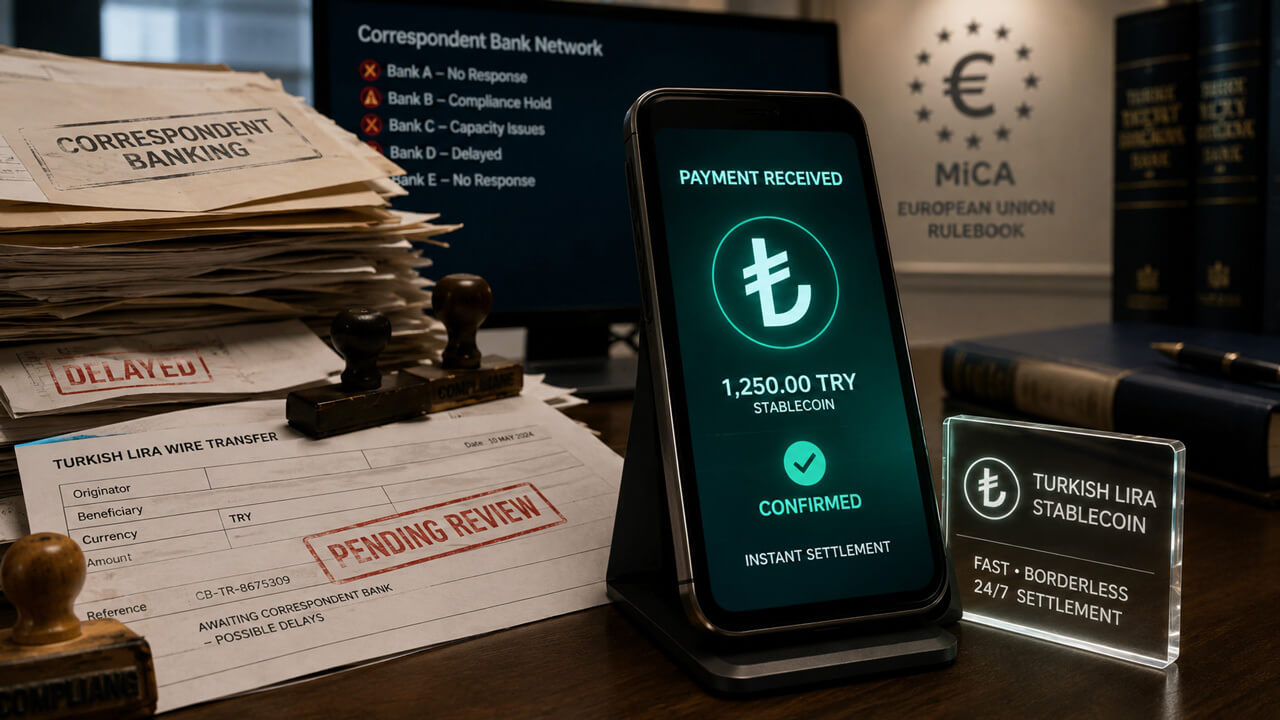
According to PYMNTS, CFOs are largely viewing stablecoins as transaction rails for supplier payments, cross-border transfers and settlements with financial partners, not as long-term holdings. The report noted that 88% of companies receiving stablecoin payments convert them immediately into U.S. dollars, reinforcing the idea that businesses are treating the tokens as a faster payments mechanism rather than a store of value.
PYMNTS also found traditional financial institutions could play a key role in how adoption develops, as companies showed a preference for bank-integrated access over direct wallet-based use. Roughly 12% of firms are using bank-connected channels for stablecoin activity, a sign that banks—and potentially credit unions through treasury and payments partnerships—could be well positioned if they can embed stablecoin functionality into familiar commercial payments tools.
Still, PYMNTS said the path to broader use remains gradual. While 77% of CFOs cited regulatory uncertainty as a barrier for cryptocurrencies and 67% said the same for stablecoins, about 40% also pointed to integration challenges, underscoring that wider adoption will likely depend less on hype and more on whether stablecoins can be woven seamlessly into existing Treasury operations.