image:
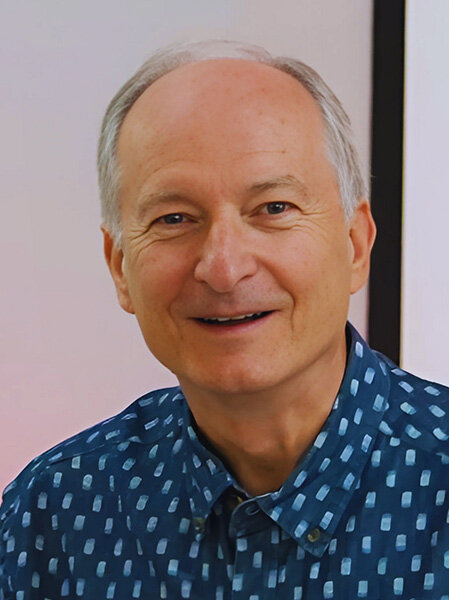
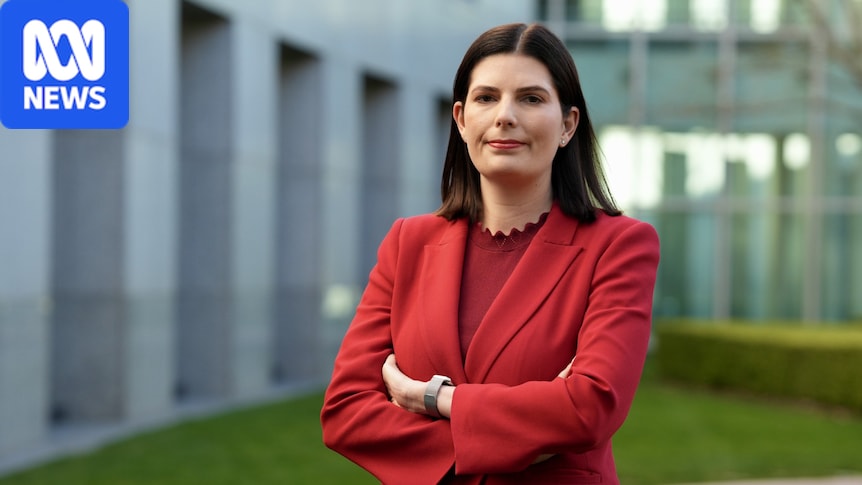
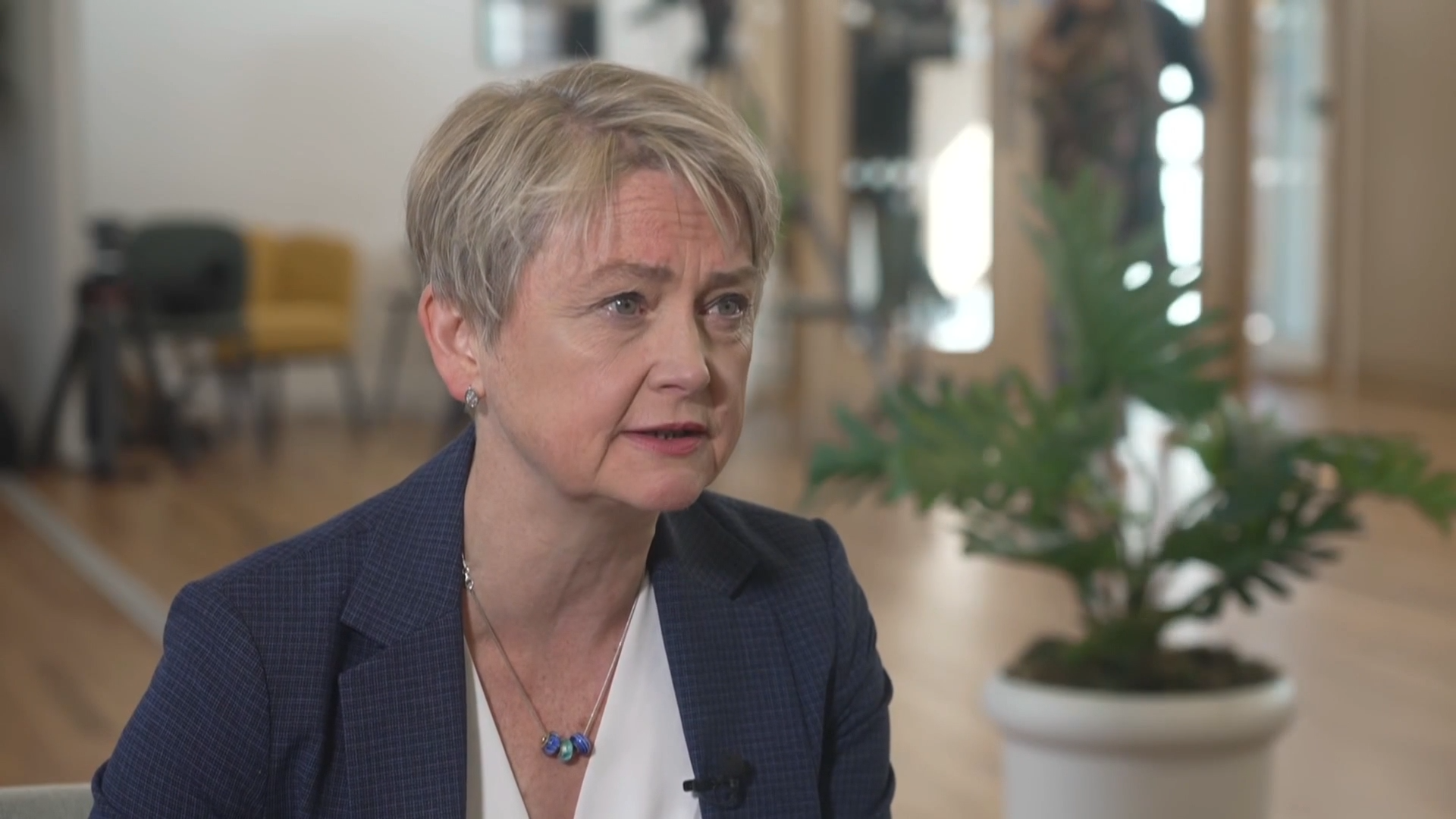
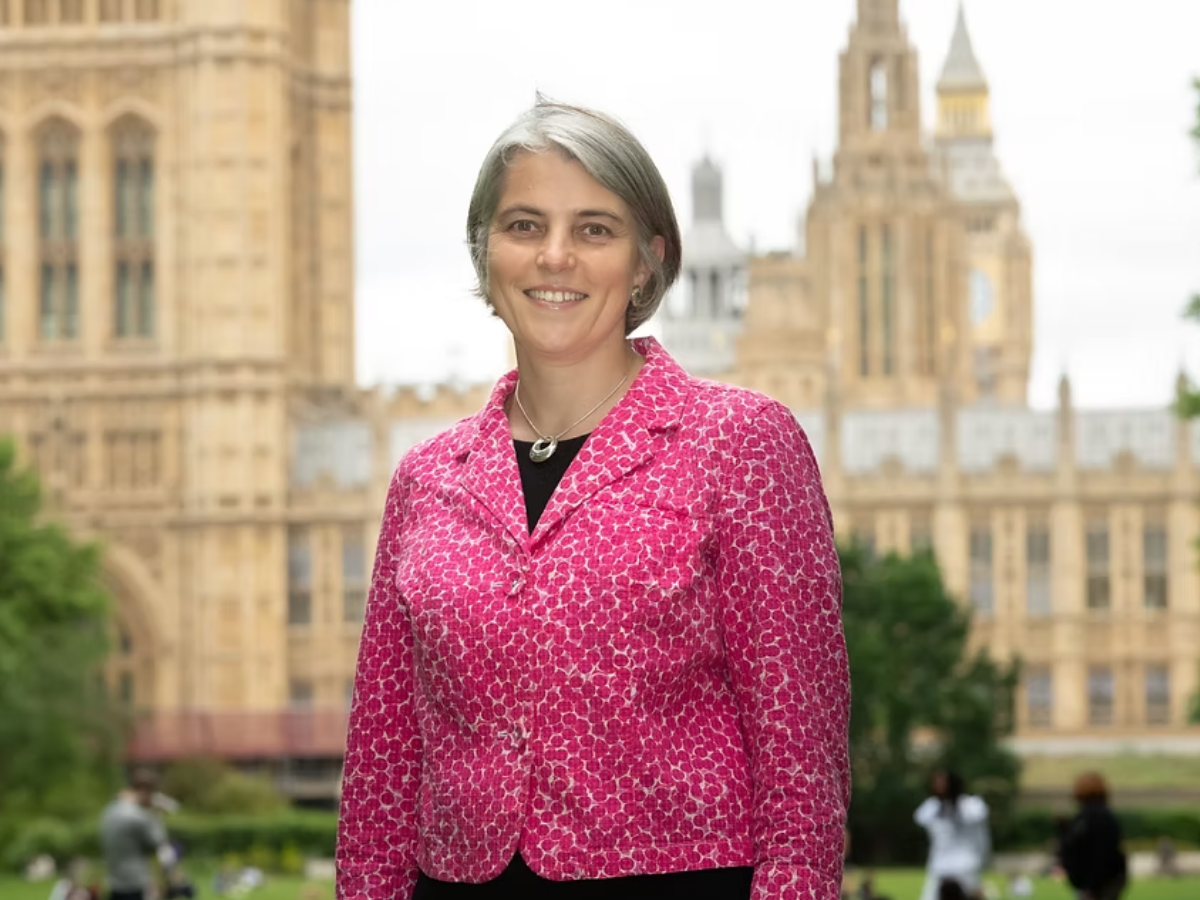
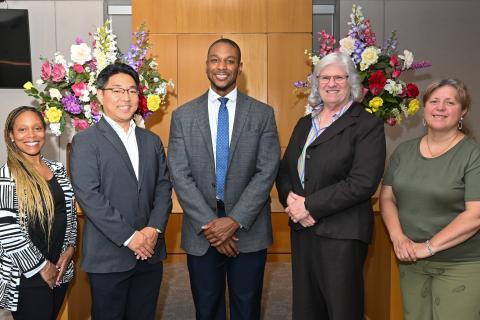
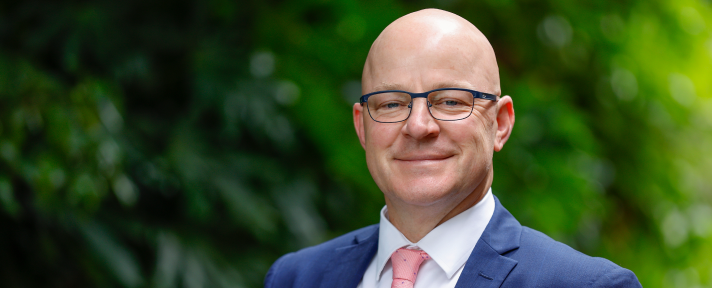
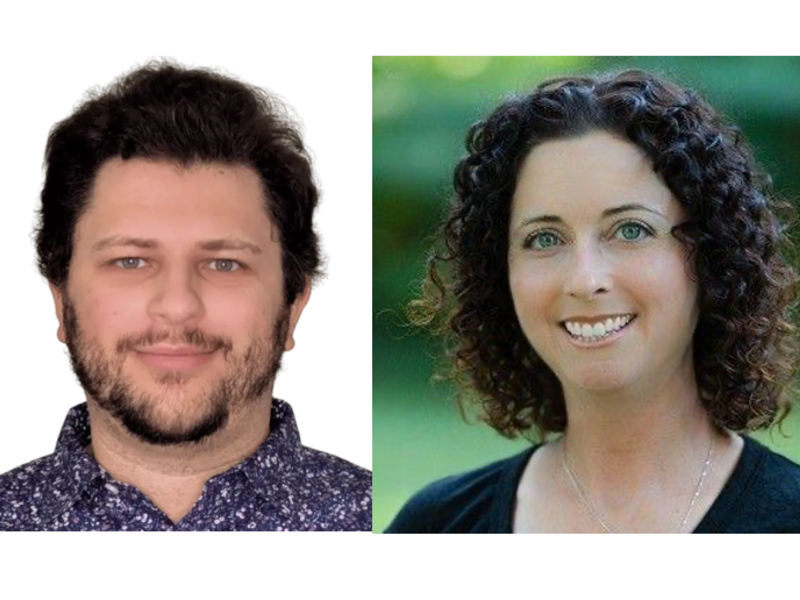
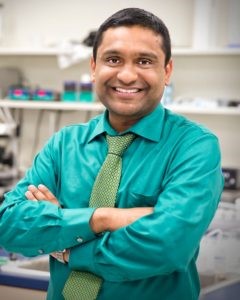
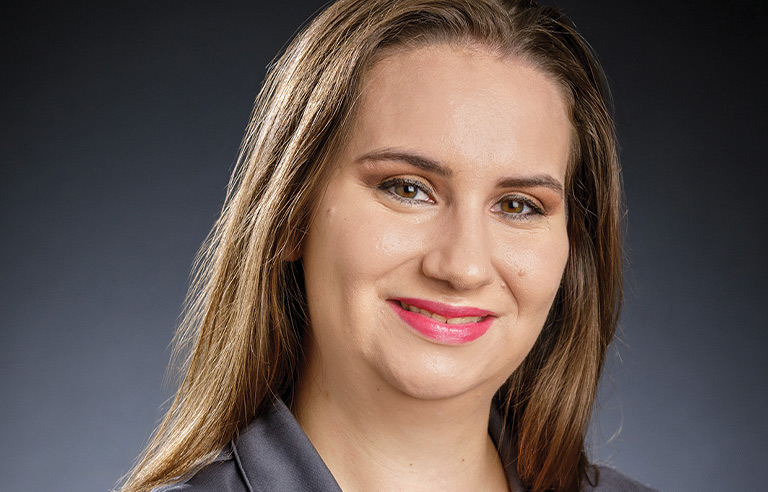
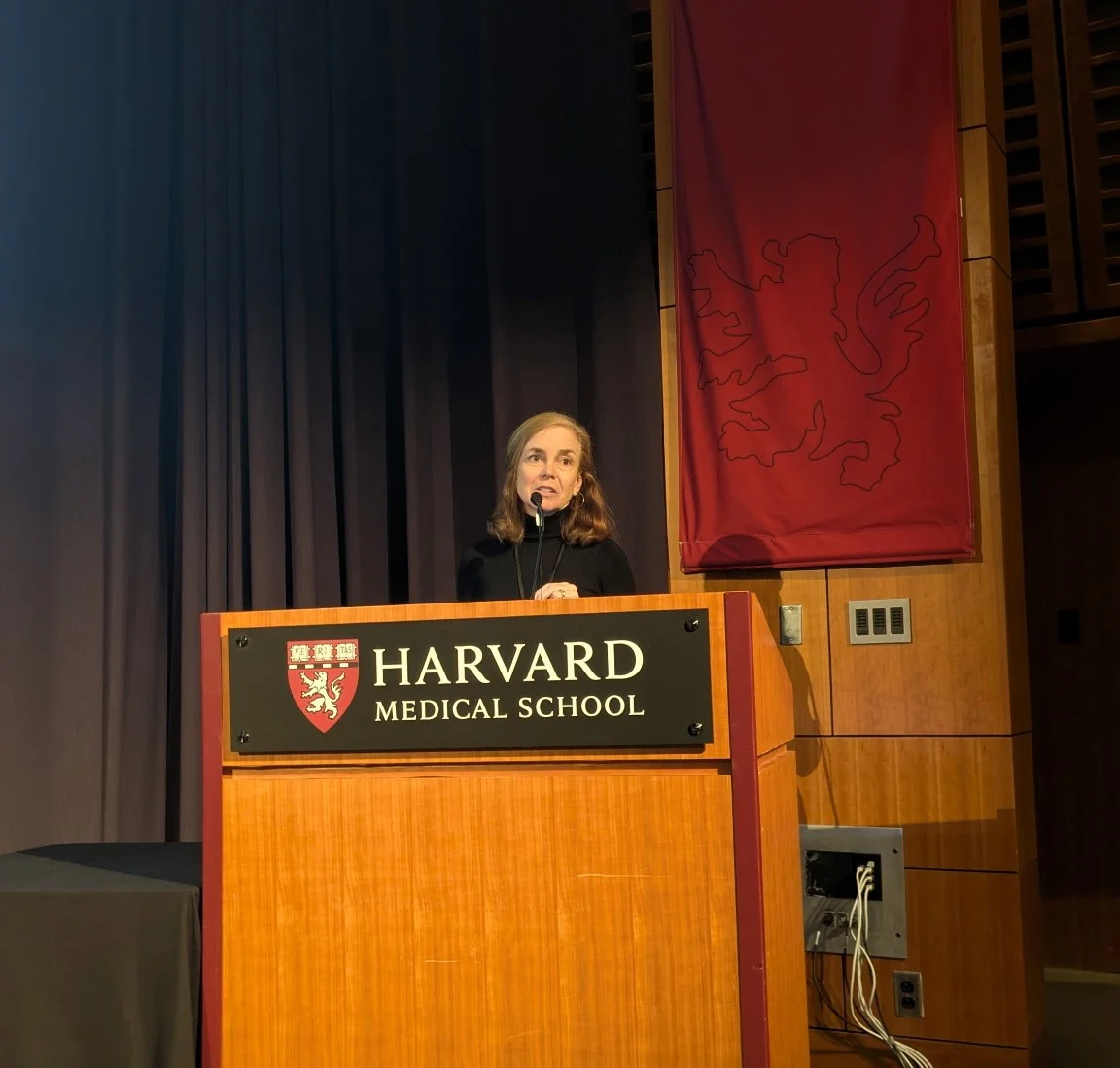
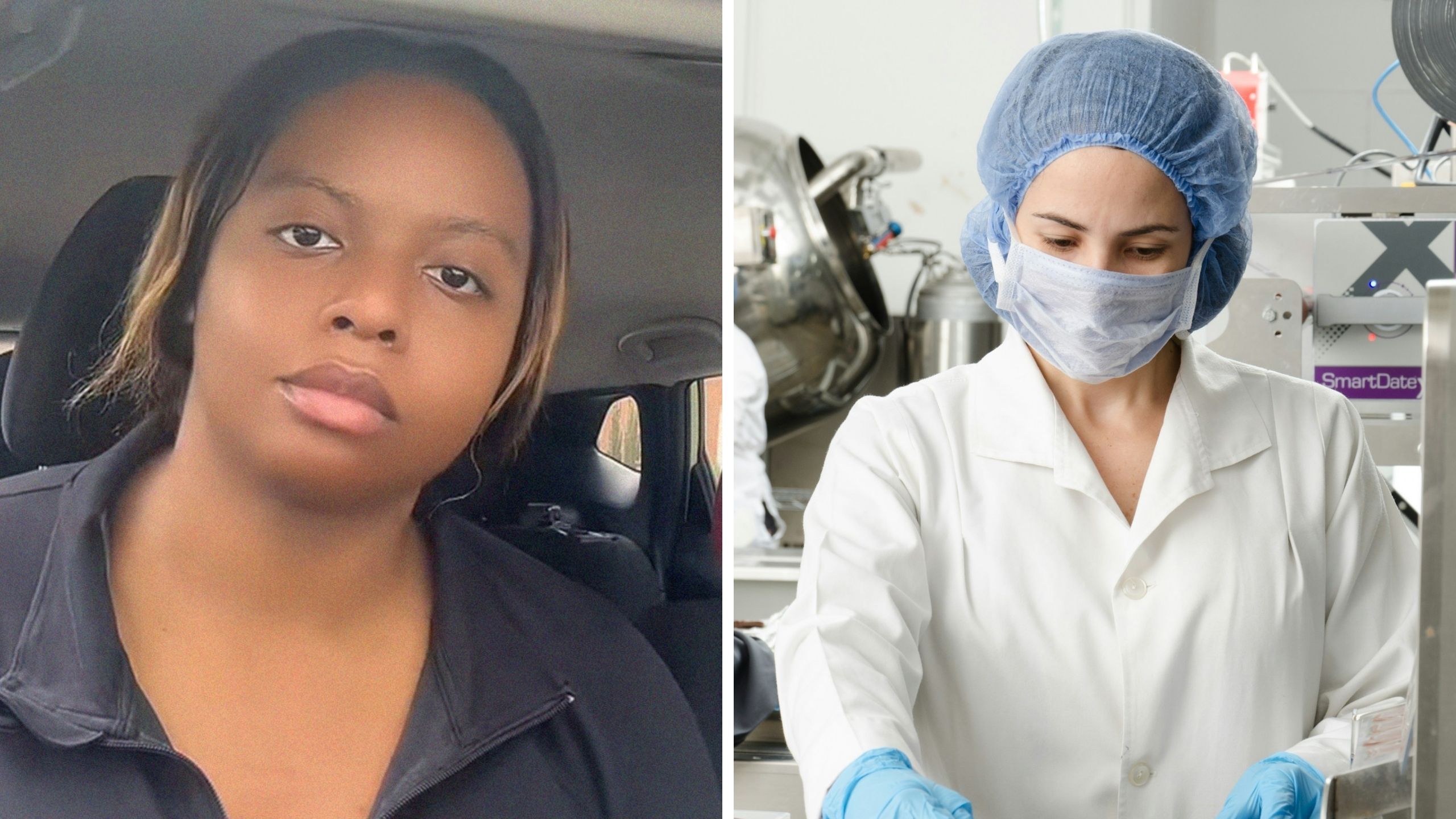
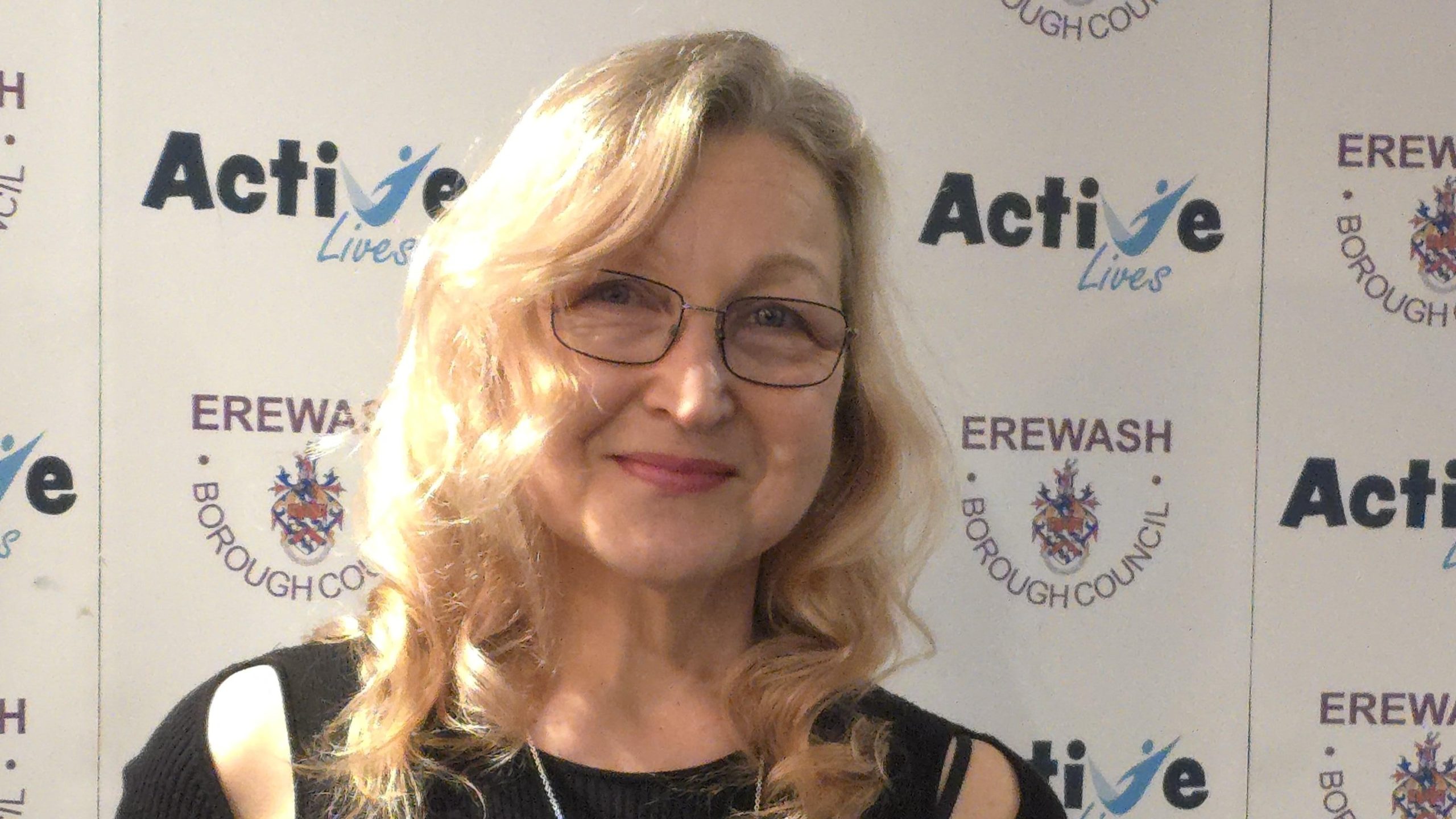
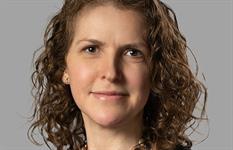
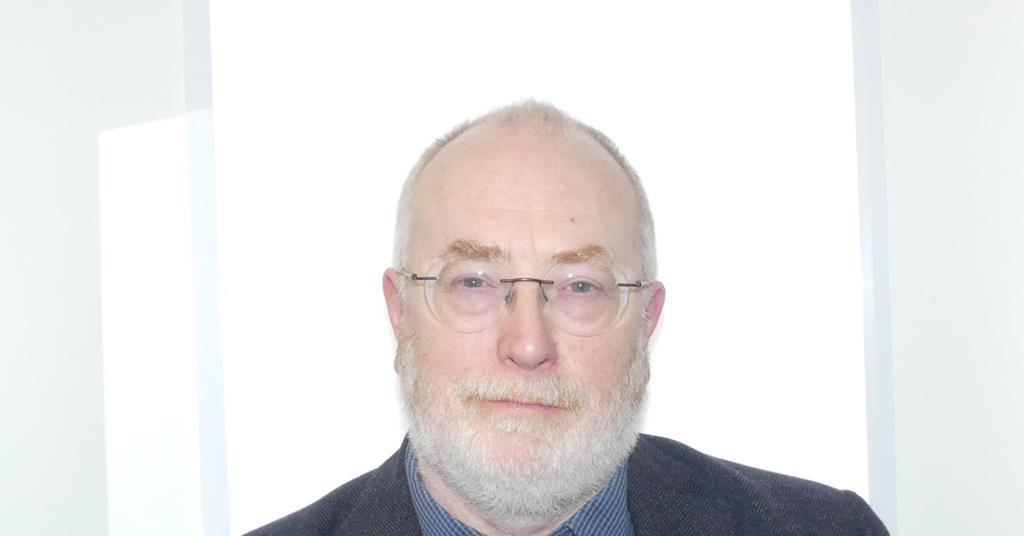
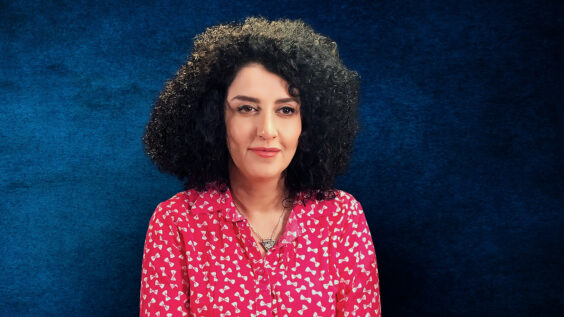
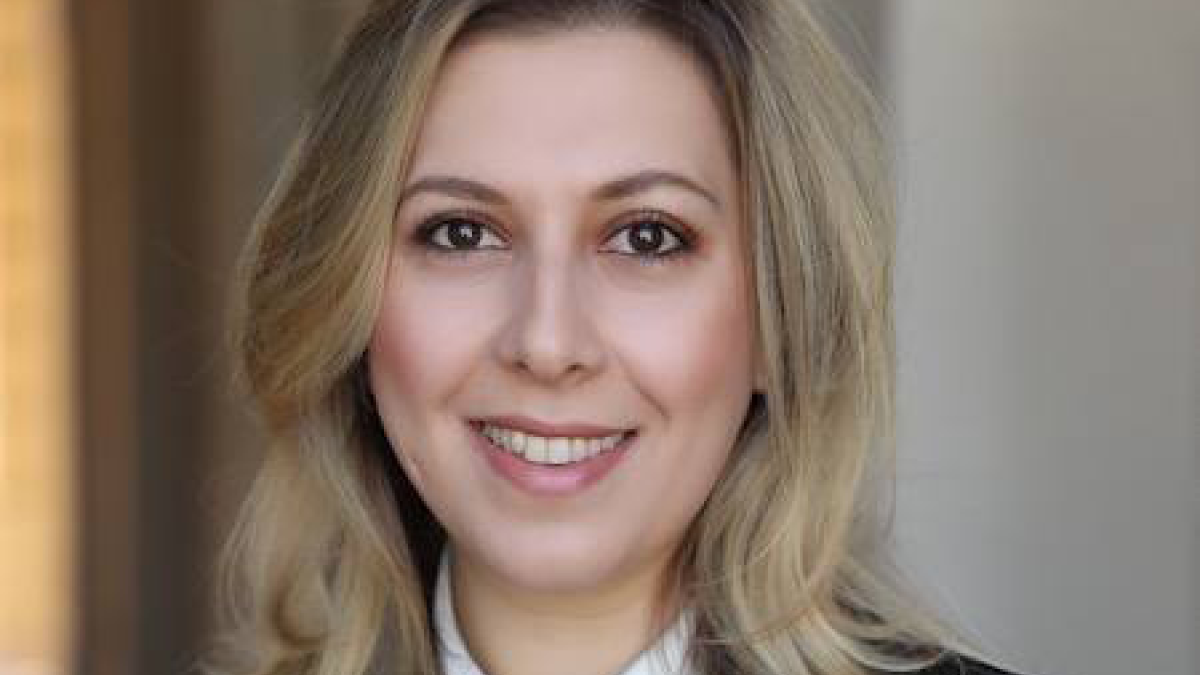
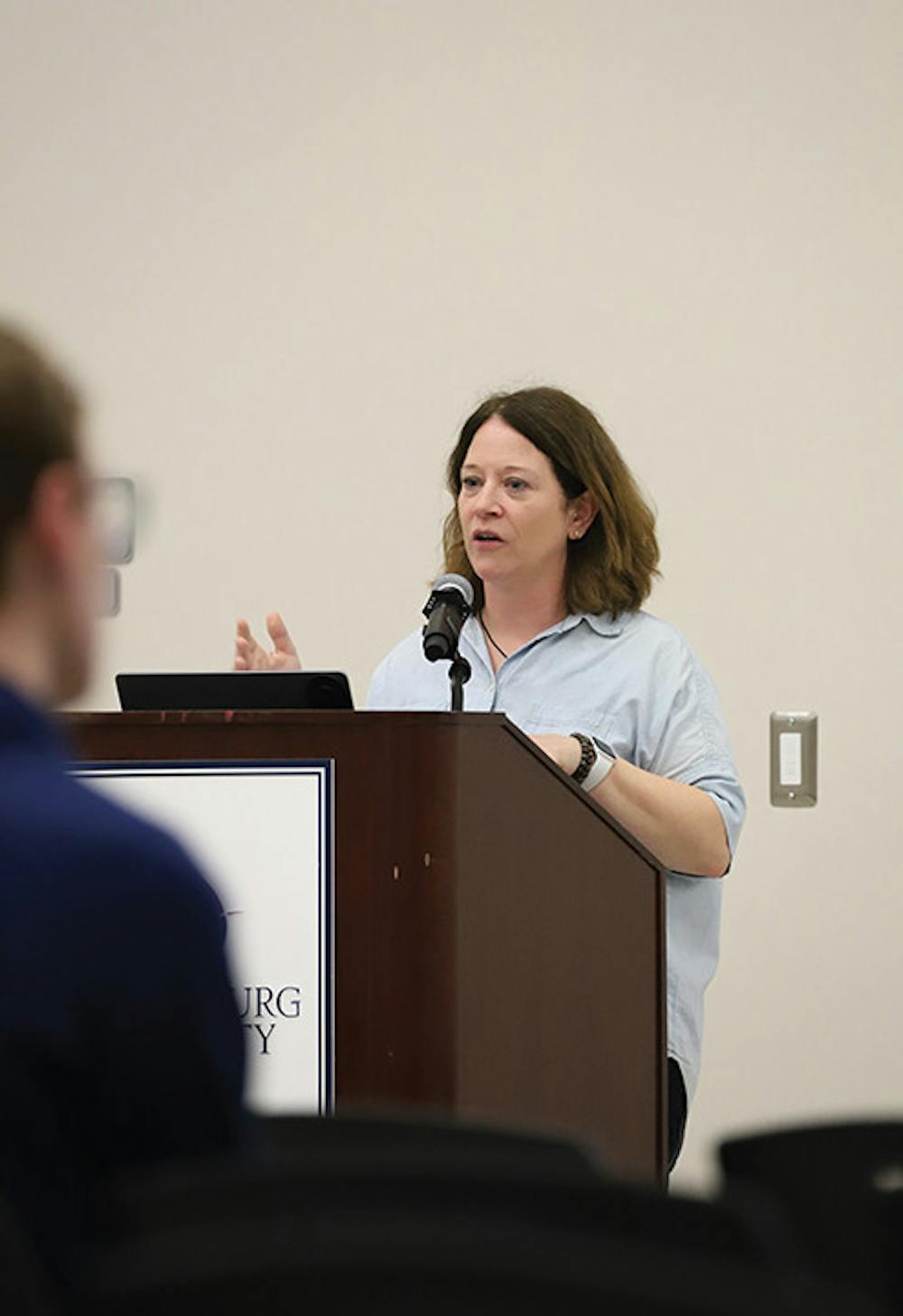
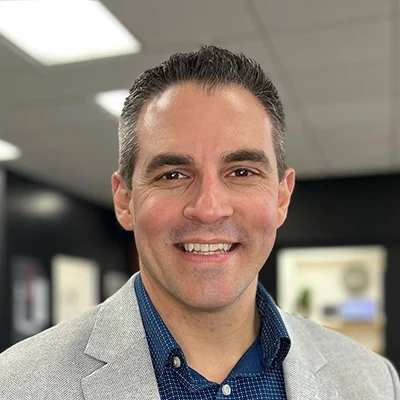
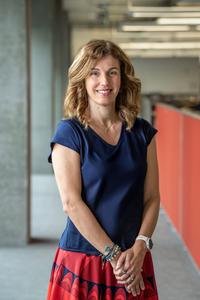
Vaia Lida Chatzi, MD, PhD, receives NIEHS RIVER award for PFAS research.
Credit: Photo: USC/Gus Ruelas
A Keck School of Medicine of USC physician-scientist has received the highly competitive Revolutionizing Innovative, Visionary Environmental health Research (RIVER) award from the National Institute of Environmental Health Sciences (NIEHS), part of the National Institutes of Health. The $10 million grant will support research on the health effects of per- and polyfluoroalkyl substances (PFAS), as well as efforts to translate these discoveries into real-world solutions, led by Vaia Lida Chatzi, MD, PhD, professor of population and public health science and pediatrics at the Keck School of Medicine.
PFAS, which are used in many everyday products and industrial processes, are known as “forever chemicals” because they accumulate in the environment and human body over time. They are now found in the blood of nearly all U.S. residents. Chatzi and her colleagues have helped uncover links between PFAS and numerous health problems, but many questions remain about the biological mechanisms behind these risks and how to mitigate them.
Despite growing evidence of harm, major gaps remain in understanding how PFAS affect the body, who is most at risk, and how to effectively reduce exposure and disease burden.
The new grant will fund research on the link between PFAS and metabolic conditions, including obesity, type 2 diabetes and metabolic-associated steatotic liver disease. Chatzi and her colleagues will combine several research methods to investigate these links and identify ways to reduce risk. They will conduct large-scale studies of more than 50,000 people, analyze human tissue samples in the lab, use advanced technology to search for a “signature” of PFAS exposure and work directly with affected communities to develop practical, tailored solutions.
“This funding allows us to take a broad, action-focused approach,” Chatzi said. “Our goal is not only to uncover how PFAS impact the body, but to use that knowledge to develop tools and strategies to prevent disease and protect communities.”
The RIVER award gives long-term, flexible funding to leading researchers in environmental health sciences, affording them the freedom to pursue new research directions outside of traditional grant rules and requirements. It is given to researchers with a strong track record of impactful research.
“Dr. Chatzi brings extraordinary scientific vision to work that is increasingly important for safeguarding public health,” said Carolyn C. Meltzer, dean of the Keck School of Medicine and the May S. and John H. Hooval Dean’s Chair in Medicine. “Her research is answering pressing questions about the risks behind everyday chemical exposures, while translating those insights into solutions that can make a real difference.”
Linking PFAS exposure to health
The project’s overarching goal is to build a “precision environmental health” approach that connects the dots between PFAS exposure, disease risk and ways to reduce that risk, using four main approaches.
First, they will analyze data from more than 50,000 people across 18 research studies to understand how PFAS exposure relates to metabolic health throughout the lifespan. They will look for changes in genes, proteins and other biological markers and explore whether those changes are linked to things like weight, blood sugar, cholesterol and other signs of metabolic health.
Next, the researchers will study how PFAS alter metabolic processes by studying human tissue samples in the lab. They will use sophisticated lab models, including 3D models of human tissue such as the liver and pancreas, to uncover how PFAS disrupt metabolic processes at the cellular level.
Chatzi and her team will also analyze complex health and biological data (known as “multi-omics”) related to PFAS exposure. Their goal is to identify specific biological signatures of PFAS exposure that can help flag people at higher risk and guide targeted health interventions.
Finally, the researchers will collaborate with the Silent Spring Institute, which is leading a community-based approach to research, in which communities partner with scientists to answer critical questions. Chatzi and her team also work closely with affected communities, such as Southern California neighborhoods with high PFAS levels in public water systems, to develop practical, culturally relevant tools to reduce exposure and improve health.
Growing the evidence base
In the coming years, the researchers aim to generate evidence to inform public health guidelines and regulatory decisions around PFAS. They also expect to create new tools to identify the earliest biological effects of PFAS exposure, as well as scalable strategies to reduce exposure and prevent disease.
Chatzi also directs the NIEHS-funded Southern California Superfund Research Program for PFAS Assessment, Remediation and Prevention (ShARP) Center and the USC Center for Translational Exposomics Research (CTER).
Her past research has demonstrated the effects of PFAS on liver disease in adolescents, bariatric surgery outcomes, liver cancer and other metabolic health issues.
About this research
This work is supported by the National Institute of Environmental Health Sciences [1R35ES035051].
In addition to Chatzi, the project’s other investigators are Max Aung and Jesse Goodrich from the Department of Population and Public Health Sciences, Keck School of Medicine of USC, University of Southern California; Ana Maretti-Mira and Lucy Golden from the Department of Medicine, Keck School of Medcine of USC, University of Southern California; David Conti from the Colorado School of Public Health; Laurel Schraider and Katherine Boronow from the Silent Spring Institute, Newton, Massachusetts; and Sue Fenton from the Center for Human Health and the Environment, North Carolina State University.
Disclaimer: AAAS and EurekAlert! are not responsible for the accuracy of news releases posted to EurekAlert! by contributing institutions or for the use of any information through the EurekAlert system.