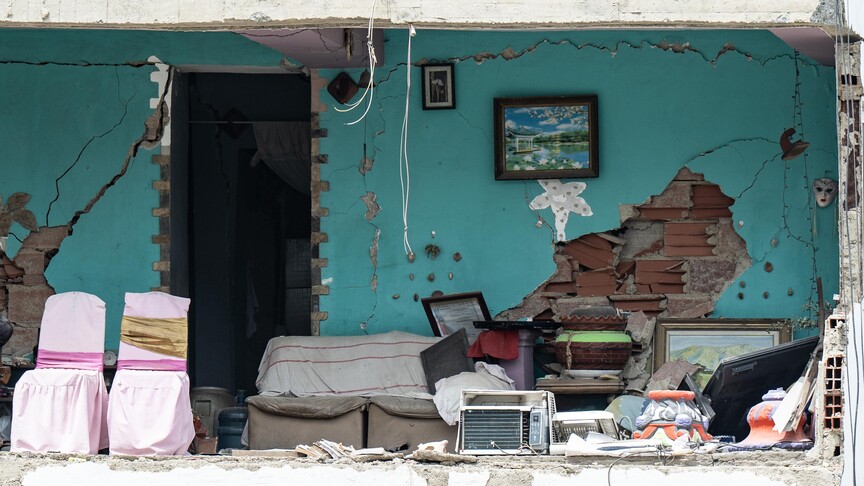
In the realm of geriatric health, the intersection between psychological factors and physical vulnerability remains a critical area of investigation. A groundbreaking study recently published in BMC Geriatrics sheds new light on a nuanced psychological mechanism influencing the frailty of older adults who have survived the traumatic experience of an earthquake. Researchers E.Ö. Yazgan and E. Türker reveal that the fear induced by earthquake exposure serves as a pivotal mediator between spiritual well-being and the frailty status among elderly survivors. This intricate relationship offers compelling insights into how internalized emotional states can dynamically affect the resilience or deterioration of physical health in vulnerable populations.
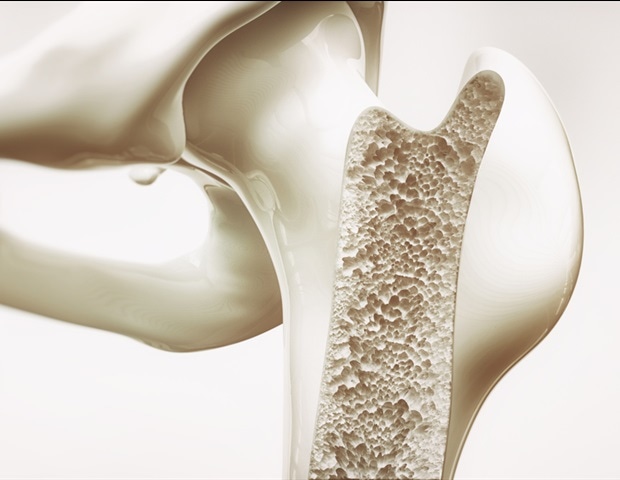
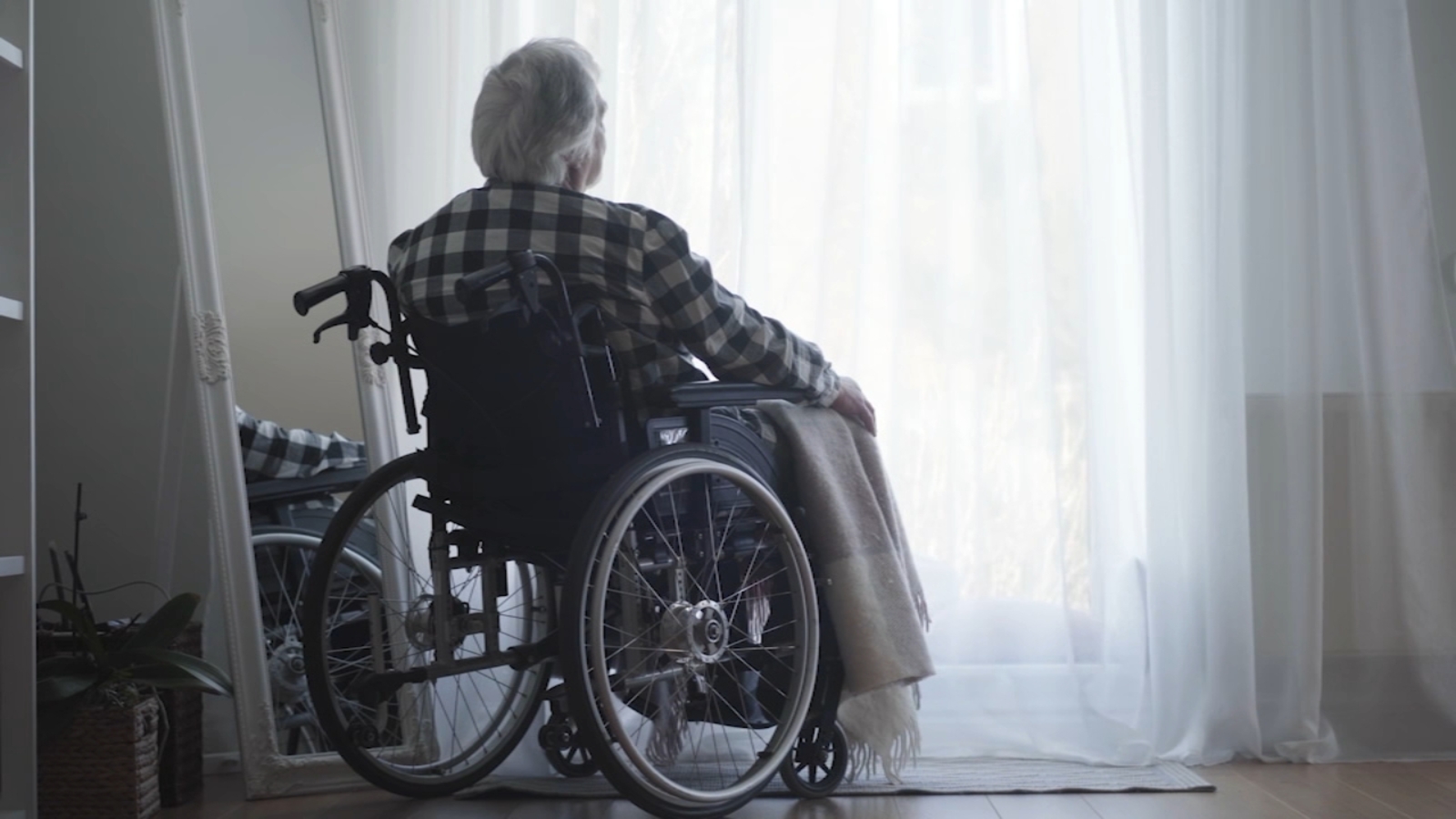
Frailty, a multidimensional syndrome characterized by diminished strength, endurance, and physiological function, significantly raises the risk of adverse health outcomes, including falls, hospitalization, and mortality in the elderly. While physical determinants of frailty have been extensively studied, the present investigation underscores the critical role psychological factors play in exacerbating or alleviating frailty. The study posits spiritual well-being—a sense of purpose, connectedness, and existential meaning—as a protective psychological asset that, when compromised by trauma-induced fear, could modulate the extent of physical vulnerability in older earthquake survivors.
The pathway illuminated by the research intricately ties the profound subjective experience of fear during and after seismic events to changes in spiritual well-being, revealing that heightened fear levels substantially impair the protective benefits usually conferred by a strong spiritual foundation. This mediation effect reveals that earthquake fear acts as a psychological barrier, diminishing spiritual resources that would otherwise support resilience against physical decline. The findings challenge simplistic conceptions of frailty as merely a biological condition, emphasizing the profound psychophysical interdependencies in traumatized elderly populations.
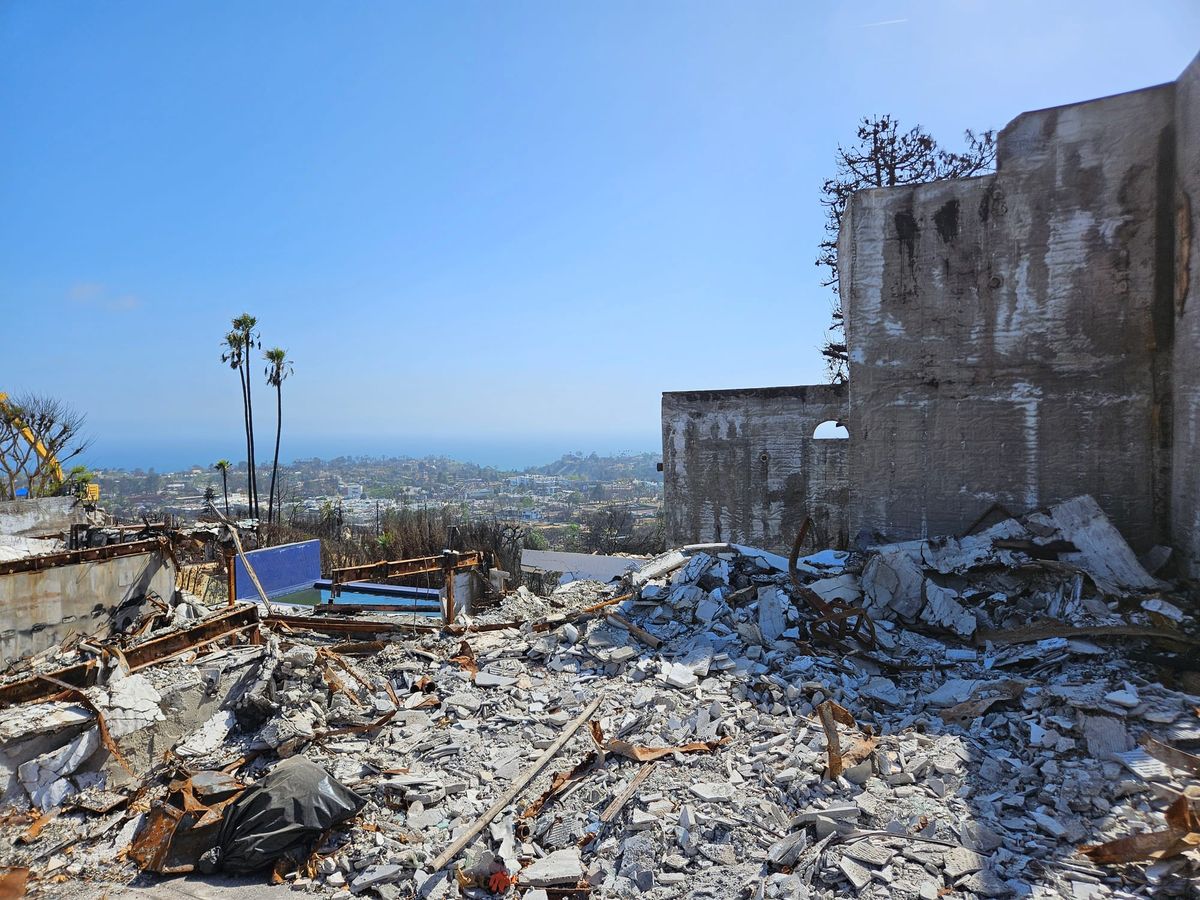
Earthquakes represent one of nature’s most abrupt and destructive phenomena, and the trauma experienced by survivors permeates both mind and body. The study articulates that such trauma triggers persistent fear well beyond the event itself, engendering hypervigilance, anxiety, and existential distress. For older adults, these enduring psychological burdens impose direct strains on physiological systems—the dysregulation of stress hormones, inflammatory responses, and autonomic nervous system imbalances—that cumulatively accelerate frailty. The research thus pioneers an understanding of fear as a biologically embedded mediator, transforming trauma into a functional detriment to physical health.
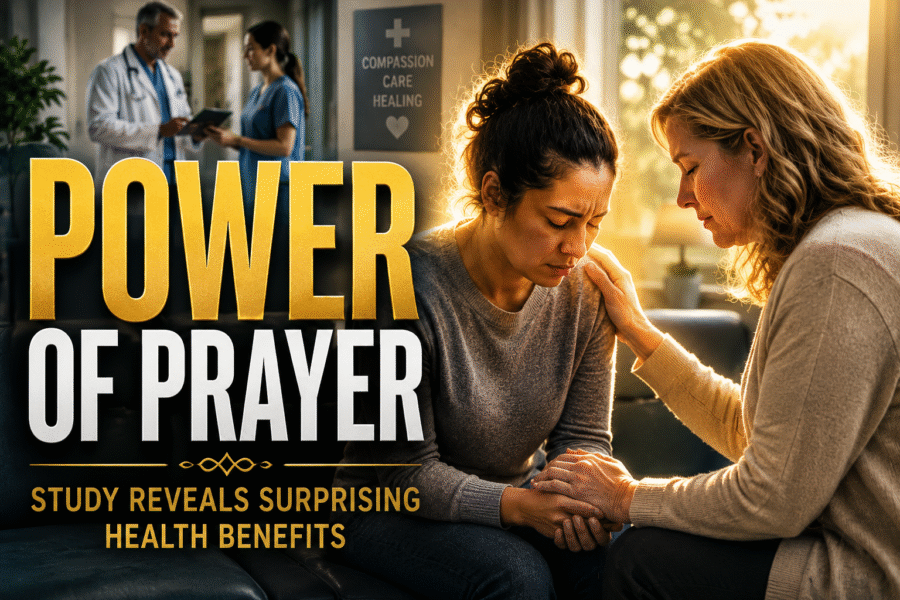
Spiritual well-being emerges in this context as a double-edged sword. While it traditionally functions as a reservoir of resilience—fostering hope, meaning-making, social connectedness, and emotional stability—its efficacy is compromised when overshadowed by intense earthquake fear. The researchers clarify that spiritual well-being is not merely religious belief but a holistic spiritual health dimension encompassing purpose in life, inner peace, and connectedness to something greater. When fear hijacks these spiritual capacities, it precipitates a cascade of psychological and physiological vulnerabilities that predispose to increased frailty.
The empirical methodology applied in the study involves validated psychometric instruments assessing spiritual well-being, earthquake-related fear, and frailty indices in a cohort of older adult survivors. This robust approach facilitates the quantification of indirect effects showing that fear significantly mediates approximately half of the relationship between spiritual well-being and frailty severity. Such rigorous quantification underscores the critical importance of addressing fear as a modifiable risk factor in geriatric health interventions tailored for disaster-affected elderly populations.
Crucially, the study’s findings imply that interventions aiming to bolster spiritual well-being must concurrently address the pervasive fear experienced by earthquake survivors to effectively mitigate frailty. Therapeutic models integrating mindfulness, trauma-informed care, and spiritual counseling could therefore be pivotal in breaking this deleterious cycle. The authors advocate for multidisciplinary approaches combining psychological, spiritual, and physical health strategies to enhance the holistic well-being and functional status of elderly disaster survivors.
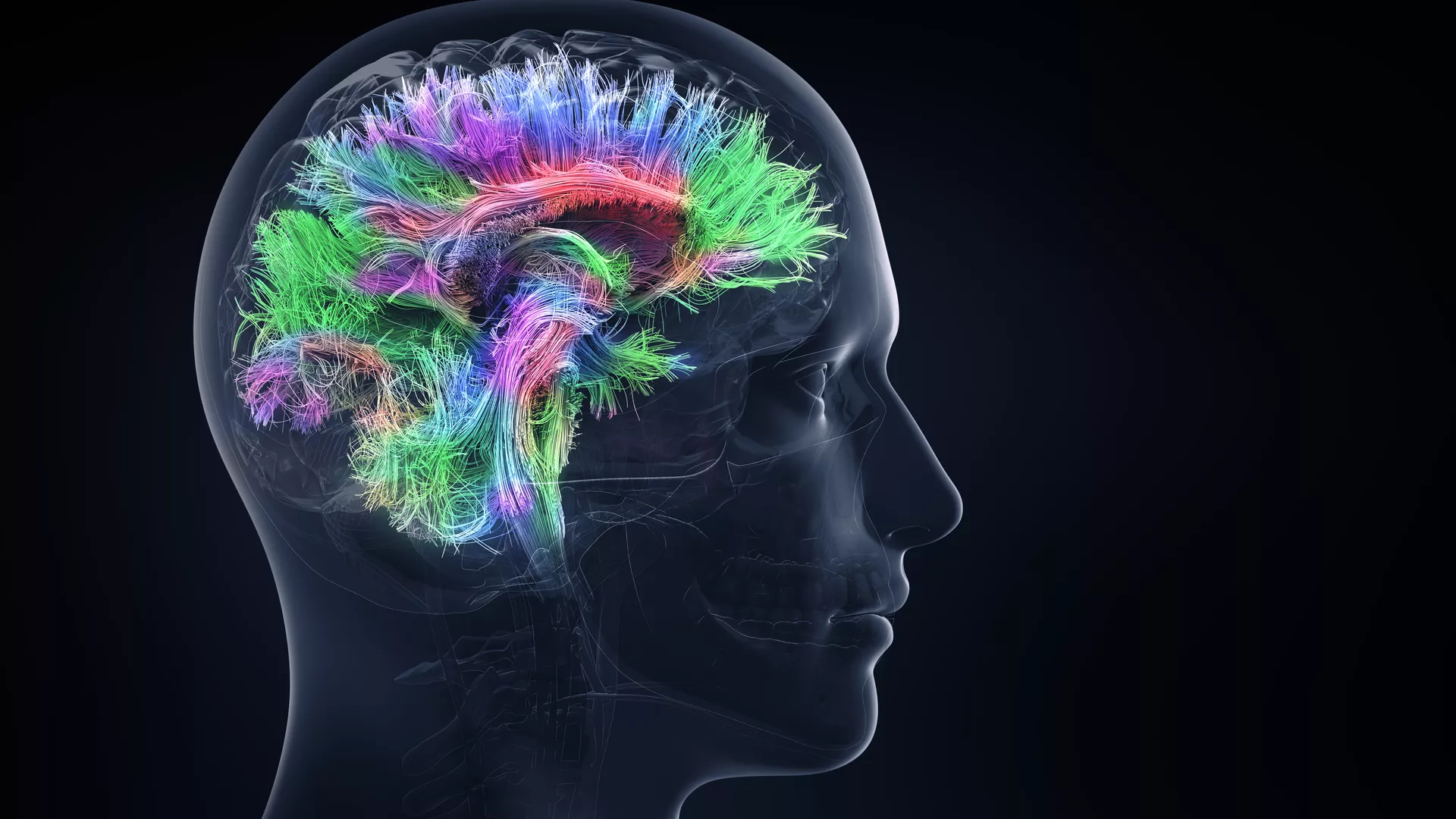
From a neuroscientific perspective, the chronic fear state likely disrupts neural circuits involved in stress regulation, emotional processing, and neuro-immune communication. This dysregulation can precipitate neuroinflammation, oxidative stress, and neuroendocrine disturbances—pathophysiological processes intricately linked to accelerated biological aging and frailty development. By situating fear as a mediator, the research elegantly bridges psychological trauma and its underlying neurobiological impact on aging trajectories, heralding new directions for mechanistic gerontology research.
Beyond individual health implications, this study bears significant ramifications for public health policy and disaster preparedness frameworks. The vulnerability of elderly populations to compounded psychological and physical decline following natural disasters demands proactive integration of mental health and spiritual support within emergency response plans. Recognizing the central role of fear and spiritual well-being in post-disaster recovery could revolutionize care models to prevent frailty progression and enhance quality of life among older adults.
Furthermore, the study calls attention to culturally sensitive dimensions of spiritual well-being across diverse elderly populations. Spirituality is expressed and experienced diversely, influenced by cultural, religious, and personal factors. Tailoring intervention approaches to align with these cultural nuances is essential to optimizing therapeutic efficacy and respecting personal meaning systems in disaster-affected elders. The authors highlight the urgency of developing culturally congruent spiritual care paradigms embedded within gerontological practice.
The mediating effect of earthquake fear elucidated by this research also prompts reevaluation of how psychological distress is diagnosed, quantified, and treated in elderly trauma survivors. Traditional metrics often underestimate pervasive yet subtle emotional processes undermining health resilience. Integrating fear measurement into routine geriatric assessments could enhance predictive accuracy for frailty risk and facilitate early intervention. This paradigm shift emphasizes comprehensive psychosomatic profiling as a cornerstone of modern geriatric medicine.
Technological advances in digital mental health platforms also emerge as promising conduits for delivering accessible spiritual and psychological interventions targeting fear reduction. Virtual reality, telemedicine, and AI-driven therapeutic modules could enable scalable personalized support for isolated elderly survivors grappling with post-earthquake trauma. The study signals a call for innovation in leveraging technology to synthesize psychological and spiritual care within frailty prevention frameworks.
In summary, the pioneering work by Yazgan and Türker fundamentally advances our comprehension of the complex psycho-spiritual mechanisms underpinning frailty in older earthquake survivors. Their identification of earthquake fear as a critical mediator crystallizes the intricate interplay between emotional trauma and physical health deterioration, foregrounding a multidimensional approach to geriatric resilience. The implications span clinical practice, neuroscience, public health, and health technology innovation—heralding a new frontier in holistic aging research amidst disaster scenarios.
As global populations age and climate-driven natural disasters increase in frequency and intensity, understanding and addressing the psychological determinants of frailty in vulnerable elders becomes a vital public health priority. This study’s insights chart a scientifically rigorous yet profoundly human path forward, advocating integrated care strategies that honor the full spectrum of elderly survivors’ lived experiences. In doing so, it positions spiritual well-being and fear management not only as therapeutic targets but as foundational pillars for sustaining health, dignity, and quality of life in the face of nature’s most harrowing challenges.
Subject of Research: The mediating role of earthquake fear in the relationship between spiritual well-being and frailty among older adult earthquake survivors
Article Title: The mediating role of earthquake fear in the relationship between spiritual well-being and frailty in older adult earthquake survivors
Article References:
Yazgan, E.Ö., Türker, E. The mediating role of earthquake fear in the relationship between spiritual well-being and frailty in older adult earthquake survivors. BMC Geriatr (2026). https://doi.org/10.1186/s12877-026-07515-6
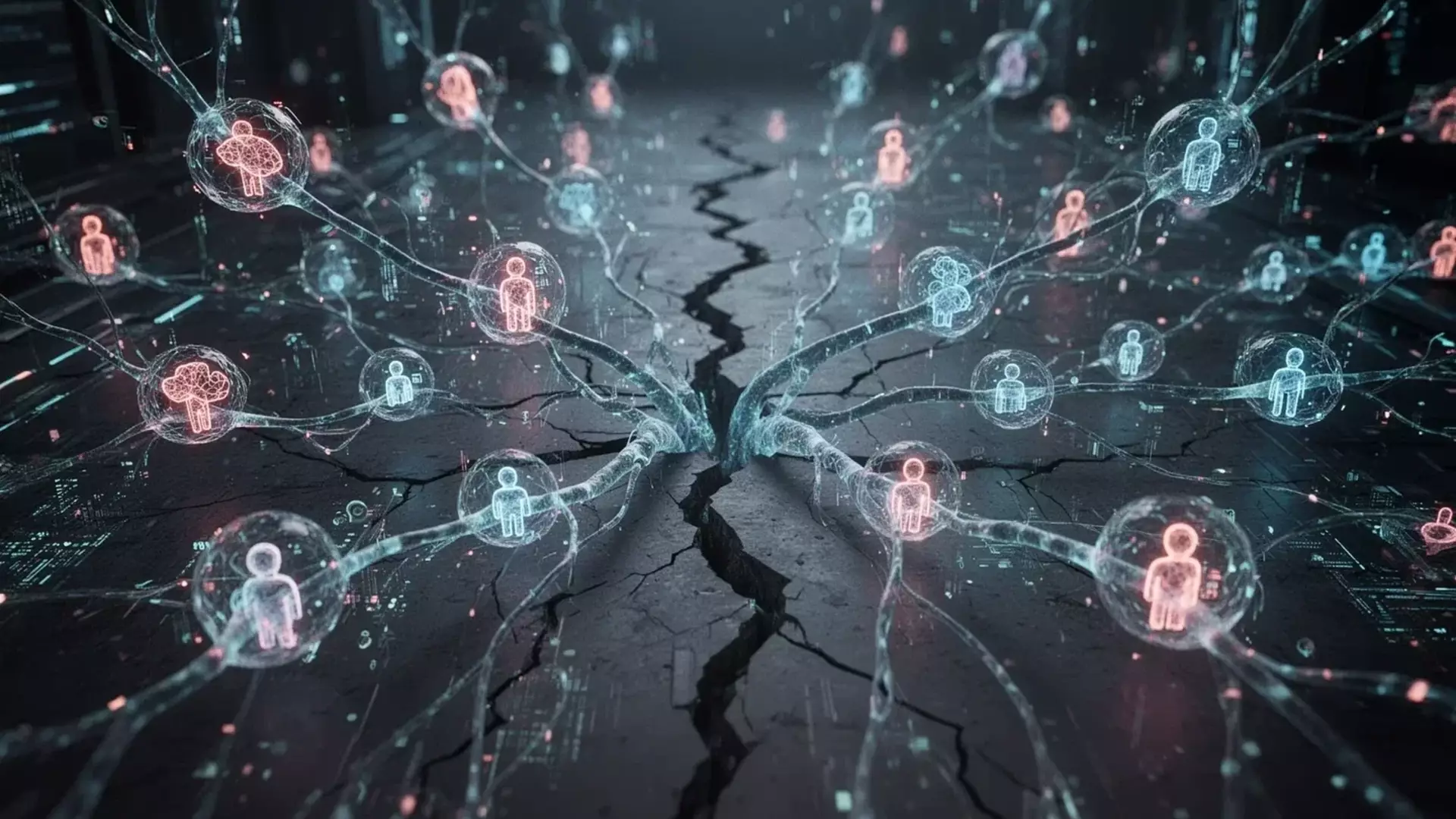
Image Credits: AI Generated
Tags: earthquake trauma and elderly frailtyemotional states affecting elderly healthfear as a mediator in health outcomesfrailty syndrome in elderly survivorsgeriatric health research on trauma effectsmental health after natural disastersphysical vulnerability in geriatric patientsprotective role of spirituality in agingpsychological impact on geriatric healthresilience factors in aging populationsspiritual well-being in older adultstrauma-induced psychological stress