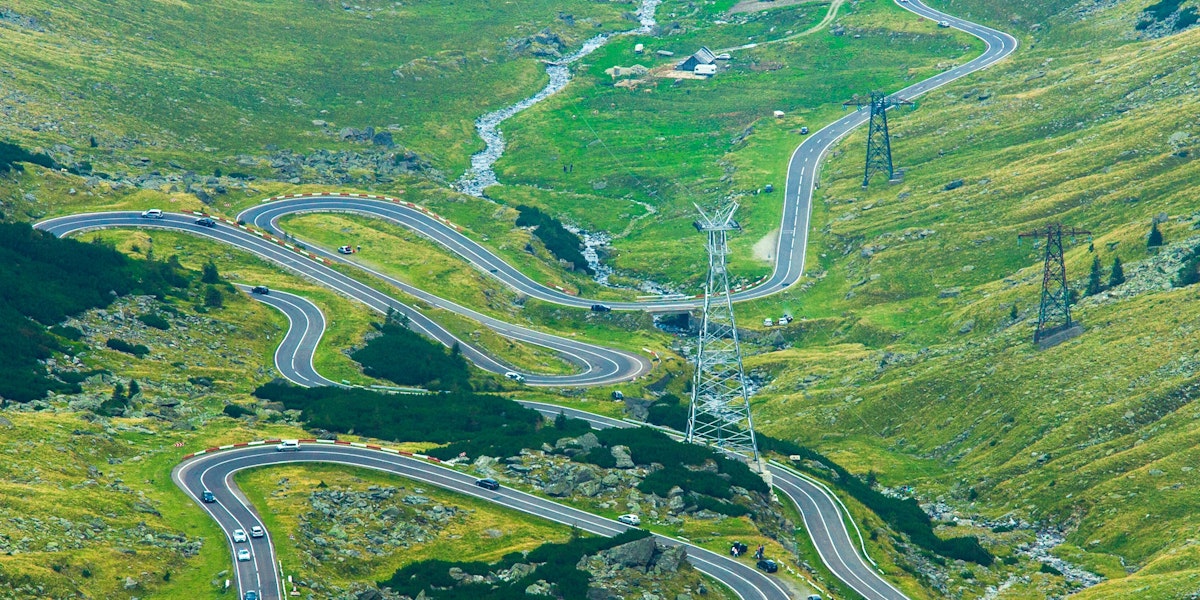
In Israel, that shift is especially urgent. The country faces prolonged heat, dry vegetation, strong winds and difficult terrain. In many areas, forests, roads, farms, infrastructure and communities sit close together, meaning a small ignition point can quickly become a major fire. But Israel’s short distances can also work in its favor: When a fire is detected early, crews can often respond fast.
4 View gallery
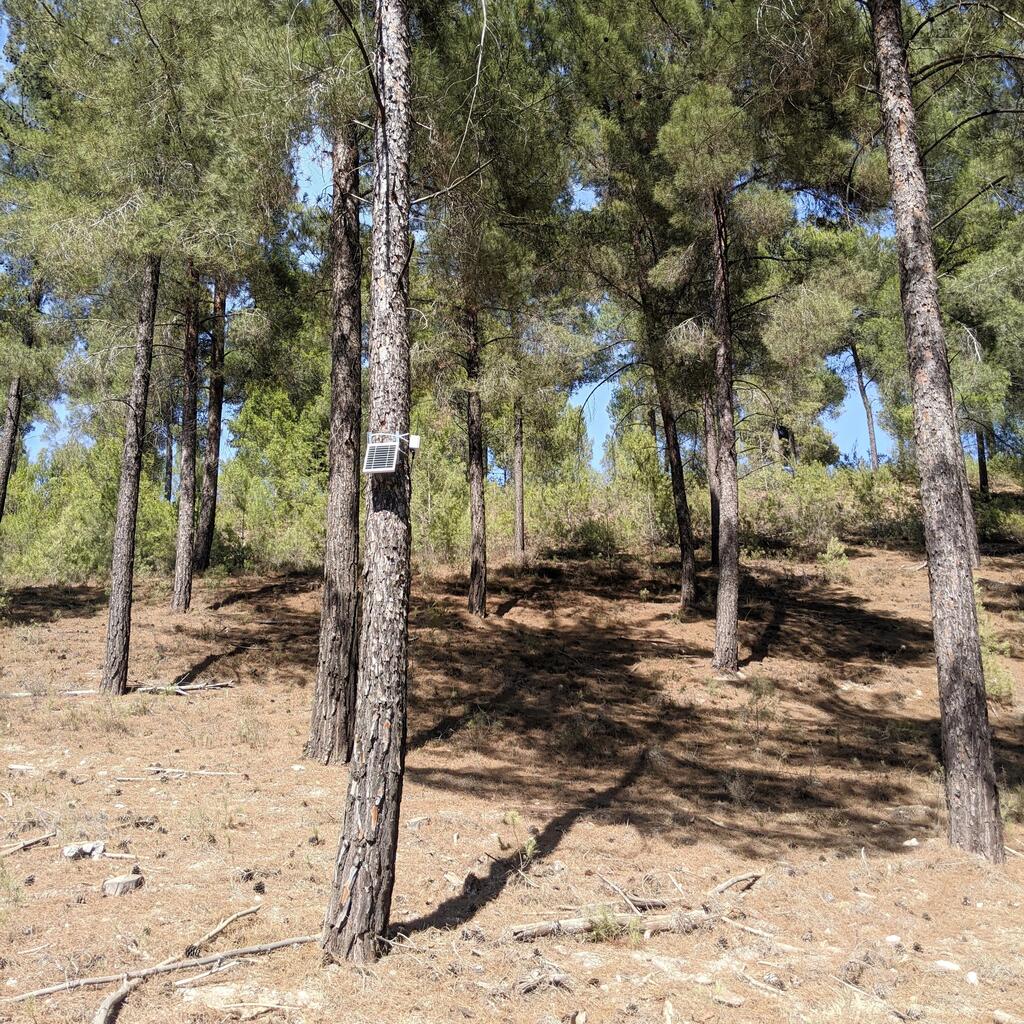
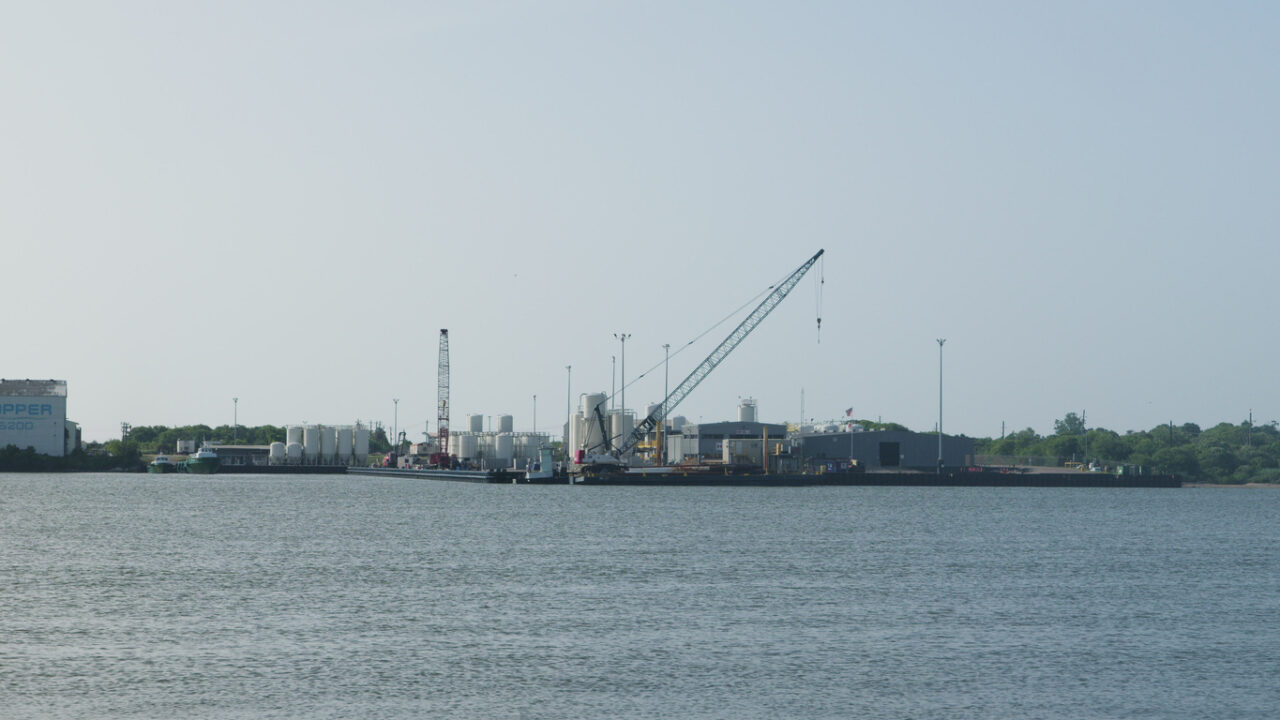
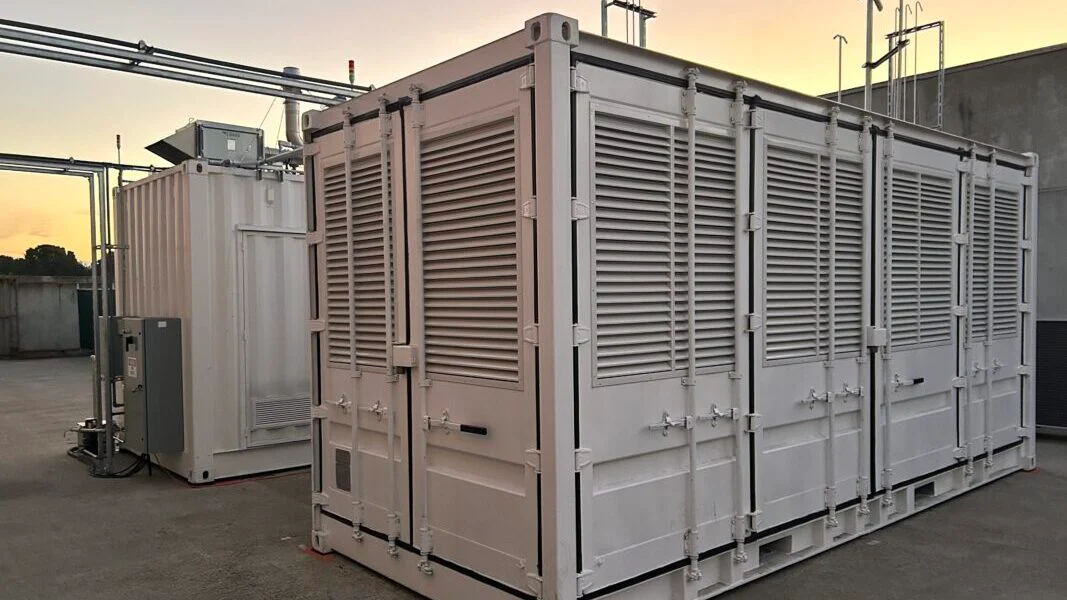
Preventing wildfires from spreading by detecting them as early as possible
(Photo: Firewave)
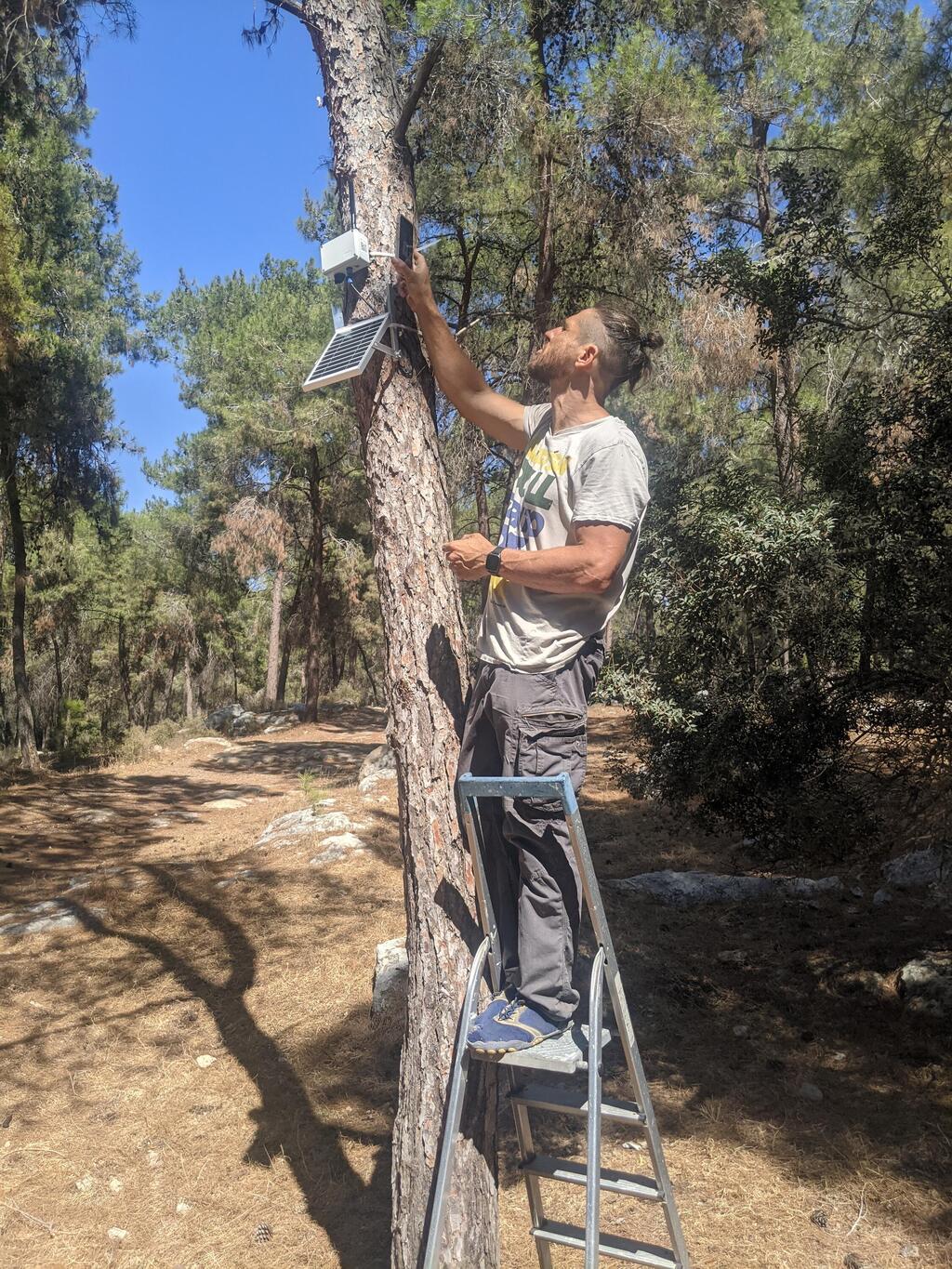
In that environment, the difference between detecting a fire after 20 minutes and detecting it after two minutes can determine whether the incident is contained or whether thousands of dunams of woodland are lost.
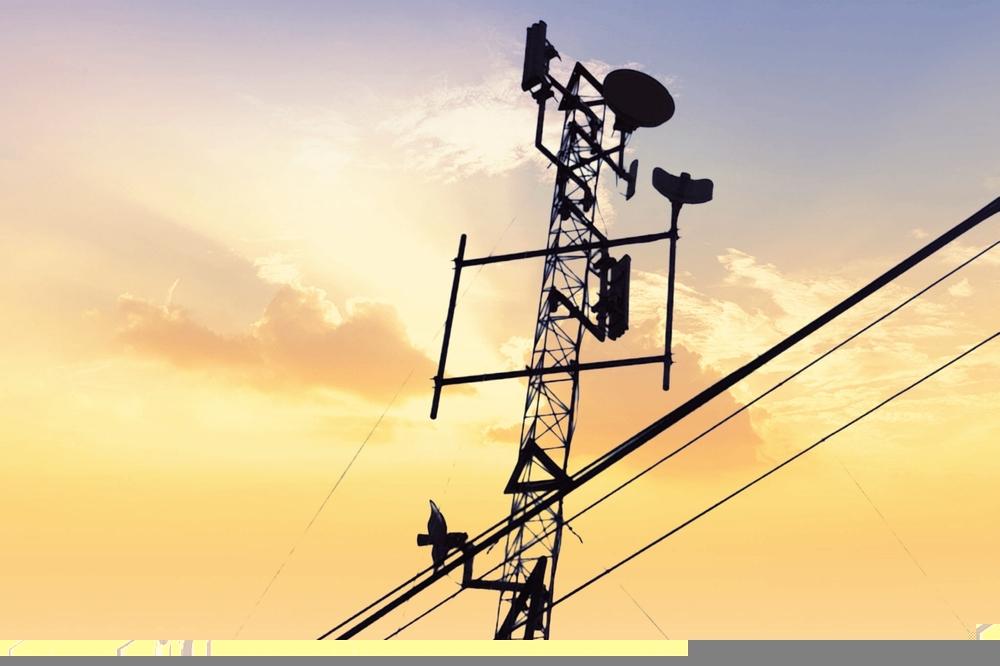
The most advanced wildfire technologies are now focused on narrowing the time between ignition and alert. Instead of waiting for a person to spot smoke or report flames, new systems continuously monitor the environment for the earliest signs of combustion. Many are designed as layered networks, combining artificial intelligence, thermal cameras, satellite monitoring, drones, ground sensors, mapping systems and even acoustic analysis.
AI-powered visual detection is among the most significant developments. Modern camera networks can scan large areas day and night, identify thin columns of smoke, detect unusual heat patterns and distinguish between real fire signals and environmental conditions such as haze or dust. Thermal cameras add another layer, especially at night or when visibility is poor. Machine-learning models can analyze images in real time and issue alerts earlier than traditional observation methods.
Satellites are also playing a larger operational role. Once used mainly for broad monitoring or damage assessment after fires, they are increasingly becoming part of early warning systems. Near real-time fire data, combined with AI image analysis, can help authorities identify hotspots quickly and build a regional picture of emerging threats — a need shared by countries facing severe wildfire seasons in Europe, North America, Australia and Latin America.
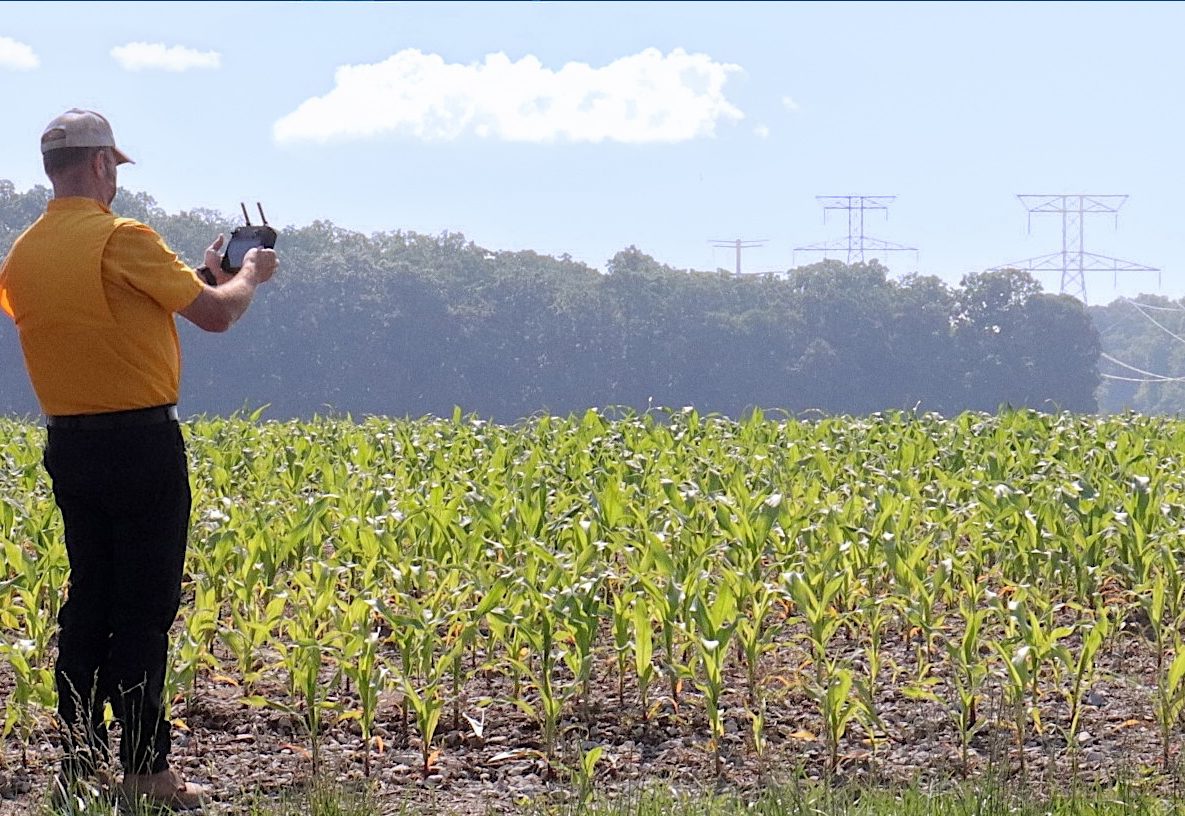
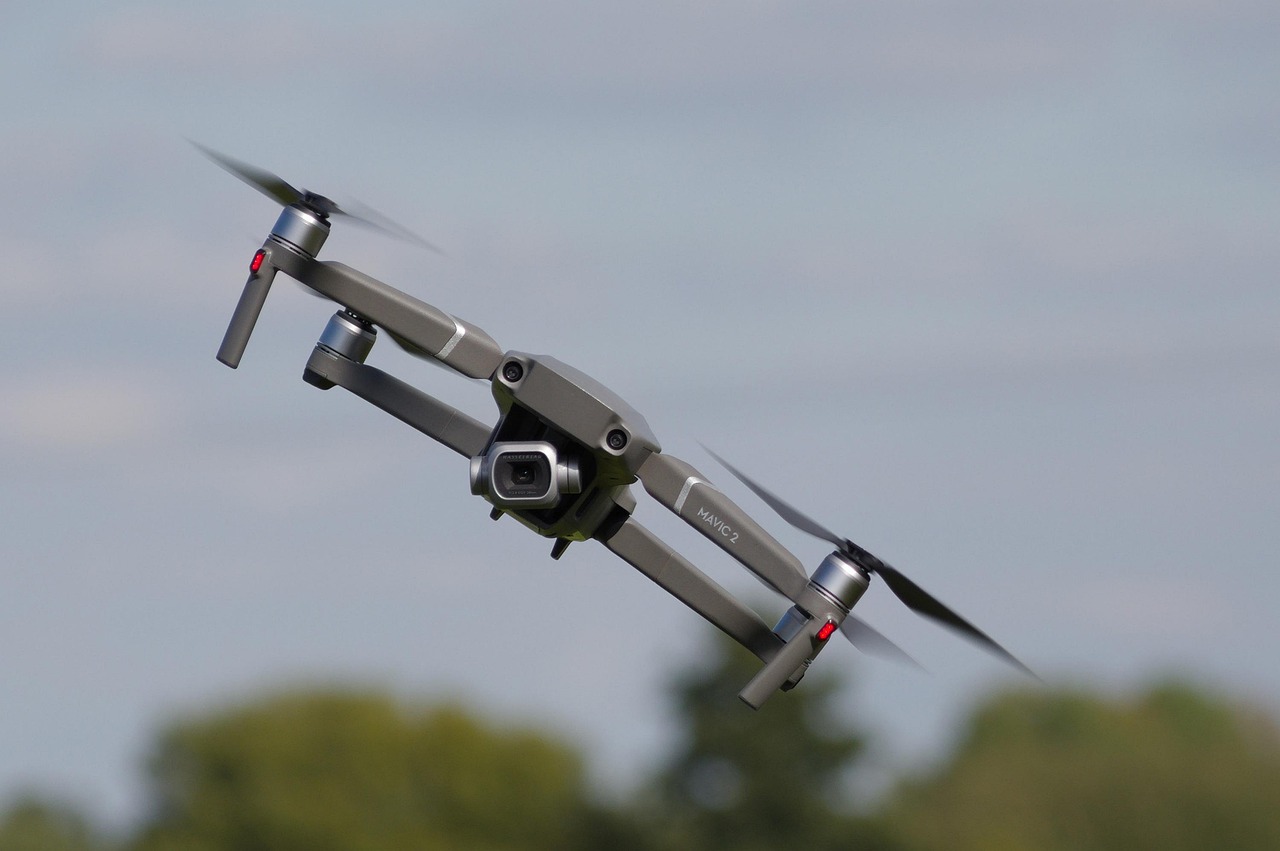
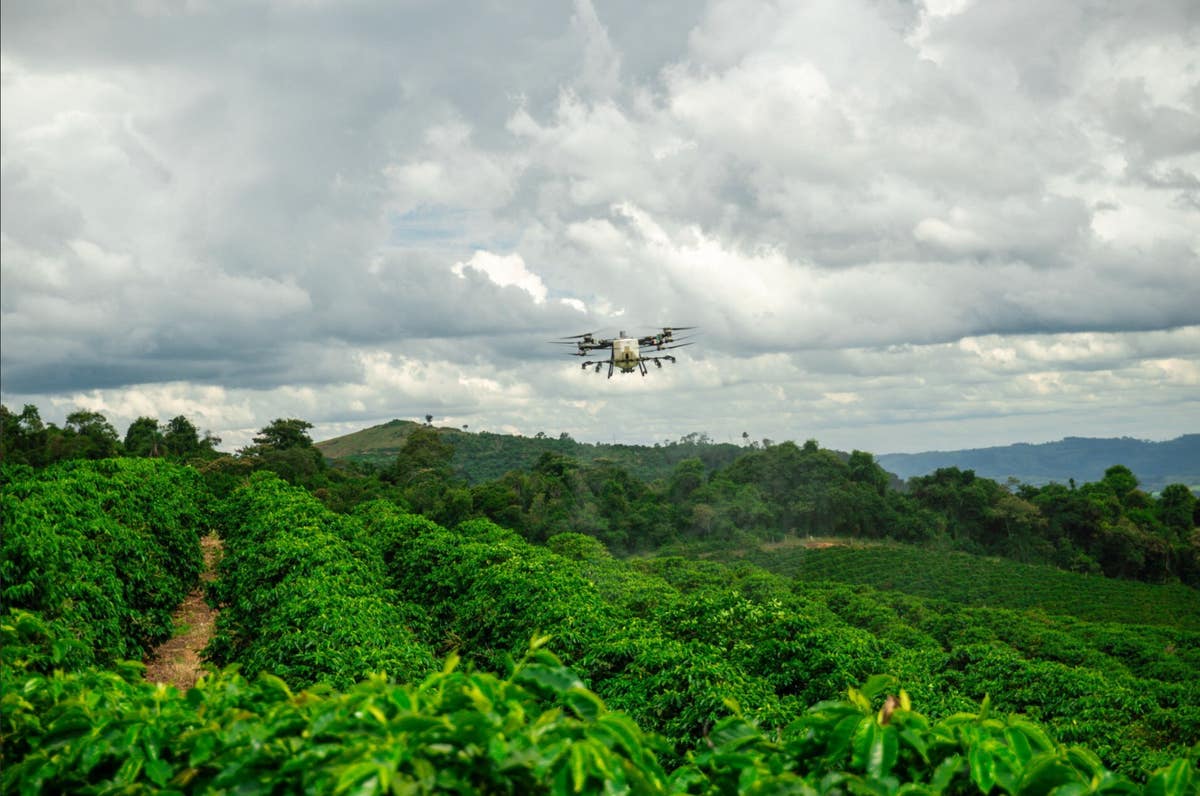
Drones add another layer of verification. Once an alert is triggered, drones can reach the area, confirm whether the threat is real, map the fire’s perimeter, assess wind direction and provide live information to decision-makers. In high-risk areas, that can reduce both false alarms and dangerous delays.
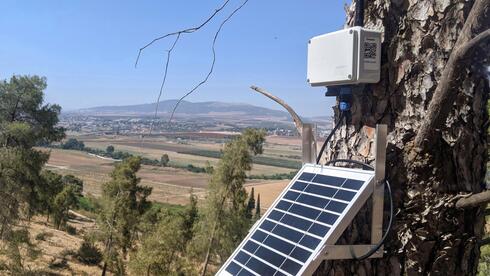
Cameras remain the dominant tool for early wildfire detection, but they are most effective in open areas and relatively flat terrain. Because they rely on line of sight, detection can be slower in dense forests, mountainous areas or places with limited visibility. Ground-based sensors can help fill that gap.
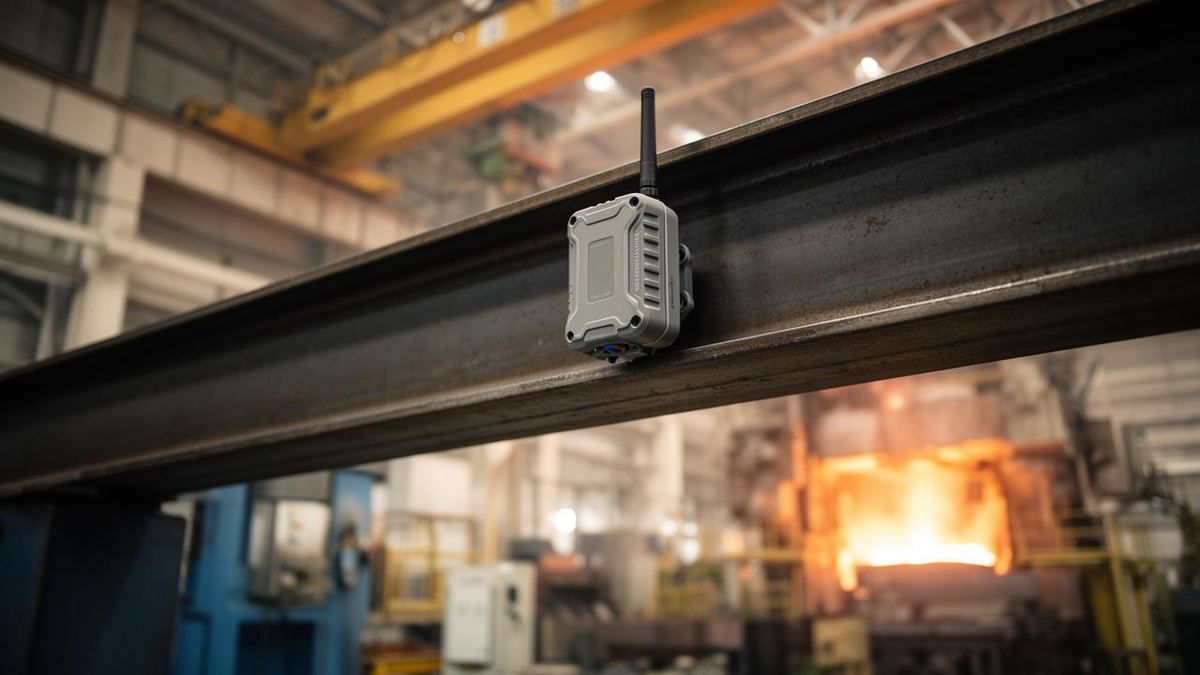
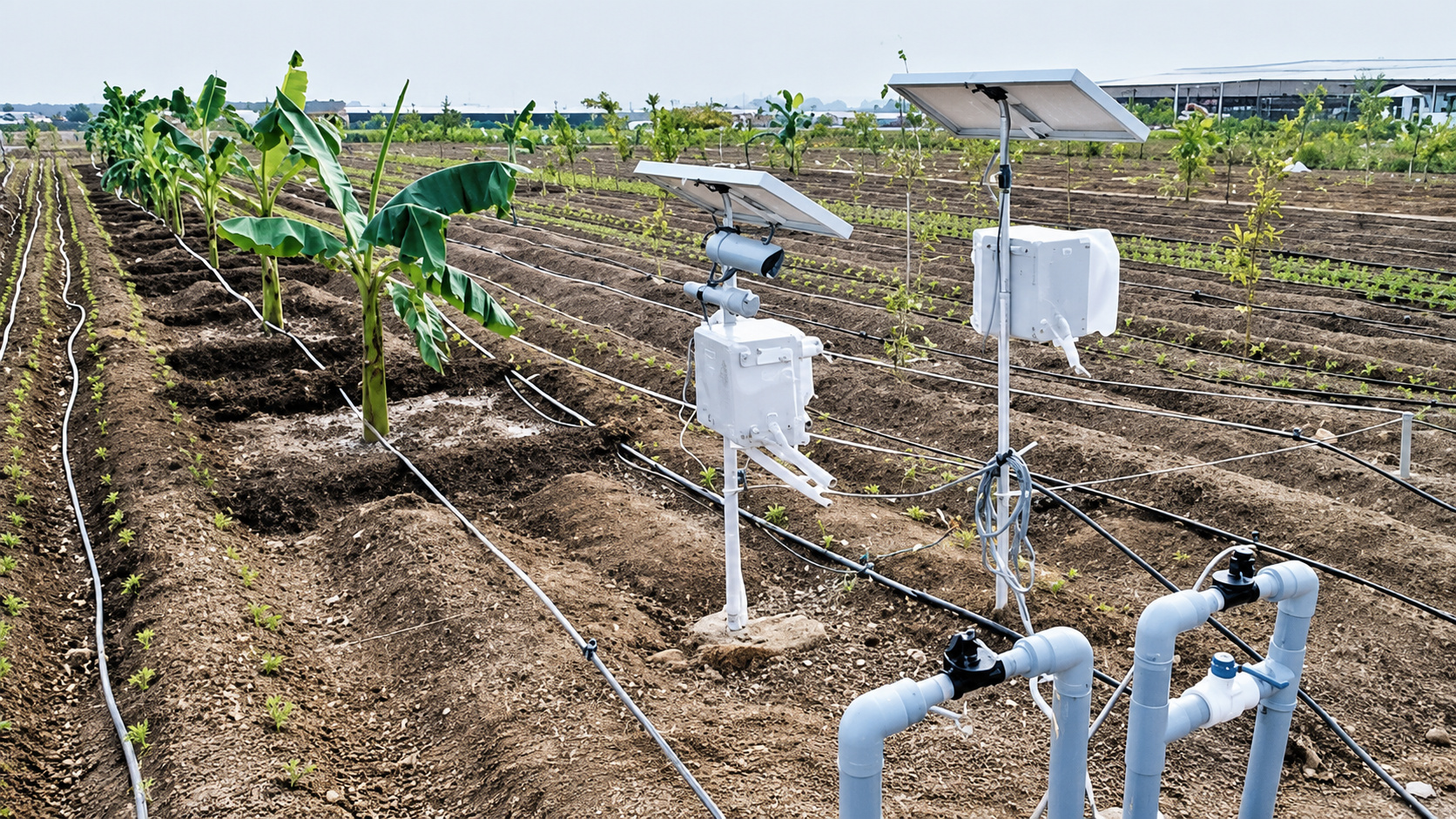
Modern sensor networks can measure temperature, humidity, smoke particles, gas changes and wind behavior. When combined with weather forecasts and fire-risk maps, they can help authorities move beyond detection to prediction — identifying where fires are more likely to start and where response teams should be positioned in advance.

One emerging field is acoustic fire detection. Fire produces sound patterns, including crackling vegetation, air turbulence and, in some cases, low-frequency pressure waves. Researchers and technology companies are exploring whether sound sensors and AI models can identify those signatures at an early stage.
The advantage is that acoustic systems do not depend entirely on visibility. A fire that starts behind a ridge, inside dense vegetation or in poor weather may still generate a detectable sound profile before smoke appears on camera. Recent studies suggest AI models trained on environmental audio can identify wildfire-related sounds with strong accuracy, while other research is examining the use of infrasound to detect smaller fires from longer distances.
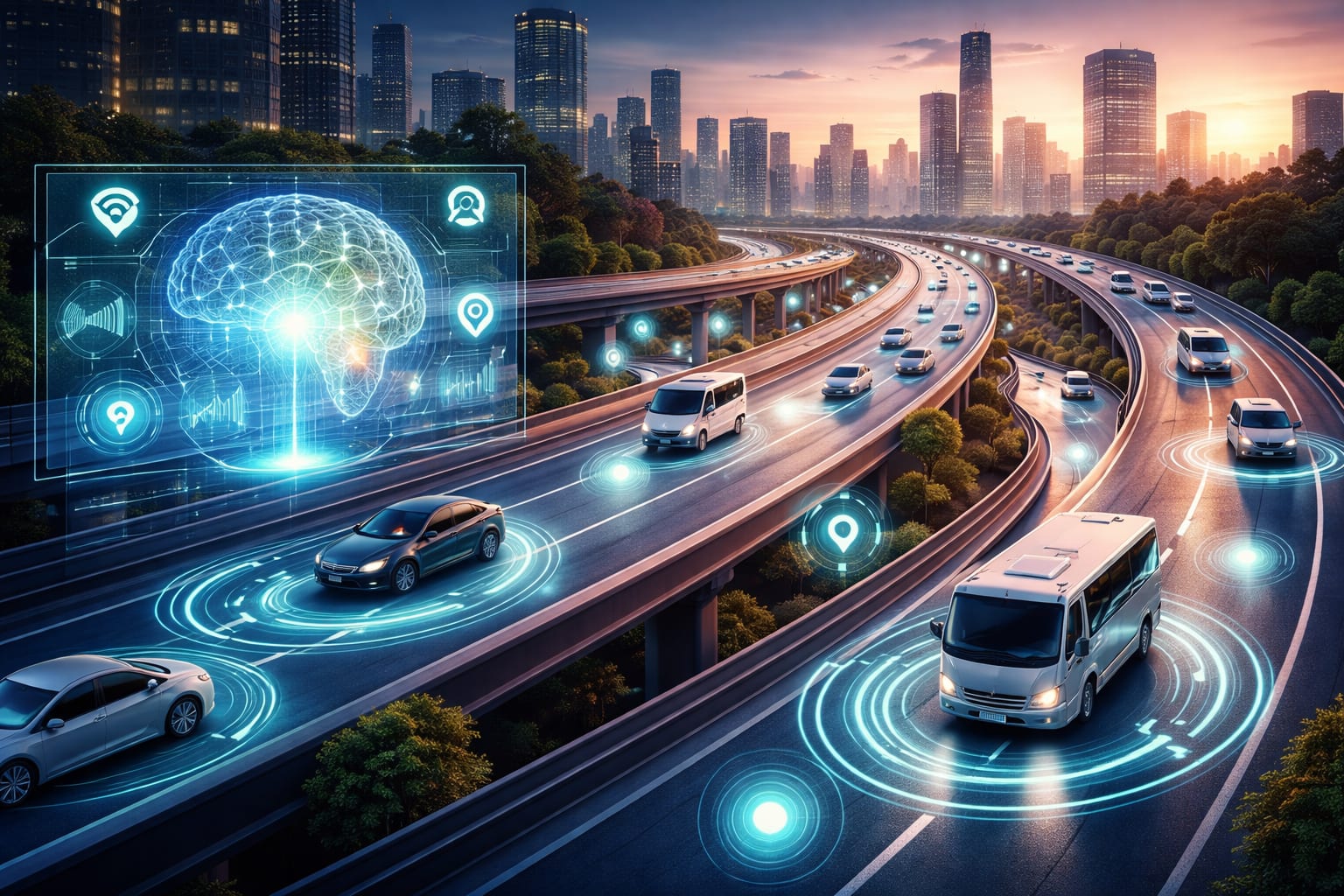
The broader technological shift is not about one better sensor, but about integrated systems. A camera may detect smoke, a thermal unit may confirm abnormal heat, a satellite may flag a hotspot and an acoustic sensor may register a fire signature — all feeding into the same command system in real time.
4 View gallery
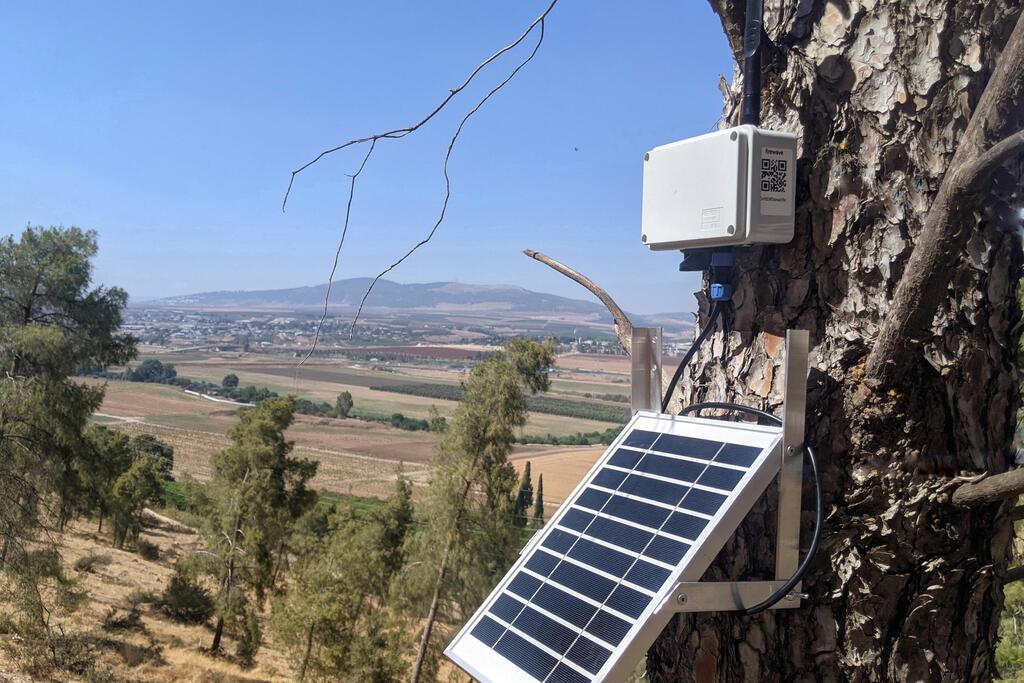
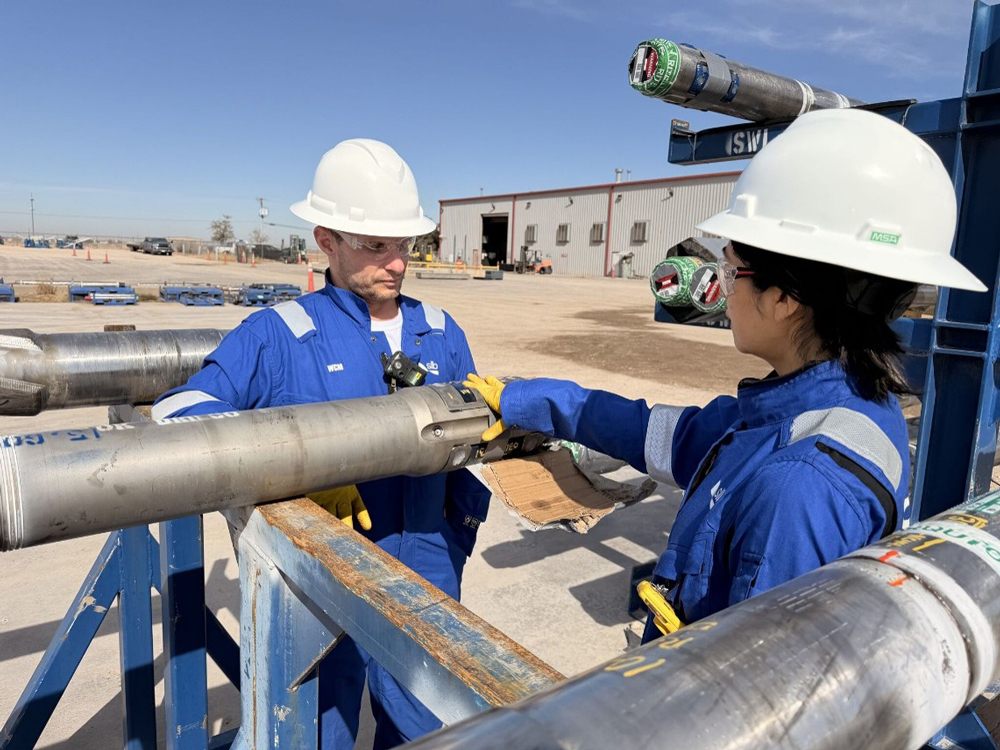
The most advanced wildfire technologies are now focused on narrowing the time between ignition and alert
(Photo: Firewave)
For Israel and other wildfire-prone regions, that approach could become crucial. Forest protection will depend not only on how quickly firefighters react once a blaze is visible, but on how quickly technology can identify danger when it begins.
Aircraft, fire engines and crews will remain essential. But because ignition cannot be eliminated entirely, resilience will increasingly depend on compressing time: detecting the first signs faster, confirming them more accurately and acting before a fire becomes a disaster.
The writer is co-founder and CEO of Firewave.