TradingKey – Although the rebound in SpaceX and AI stocks has created a favorable external environment to drive OpenAI’s listing this year as scheduled, the company’s own losses cannot be ignored.
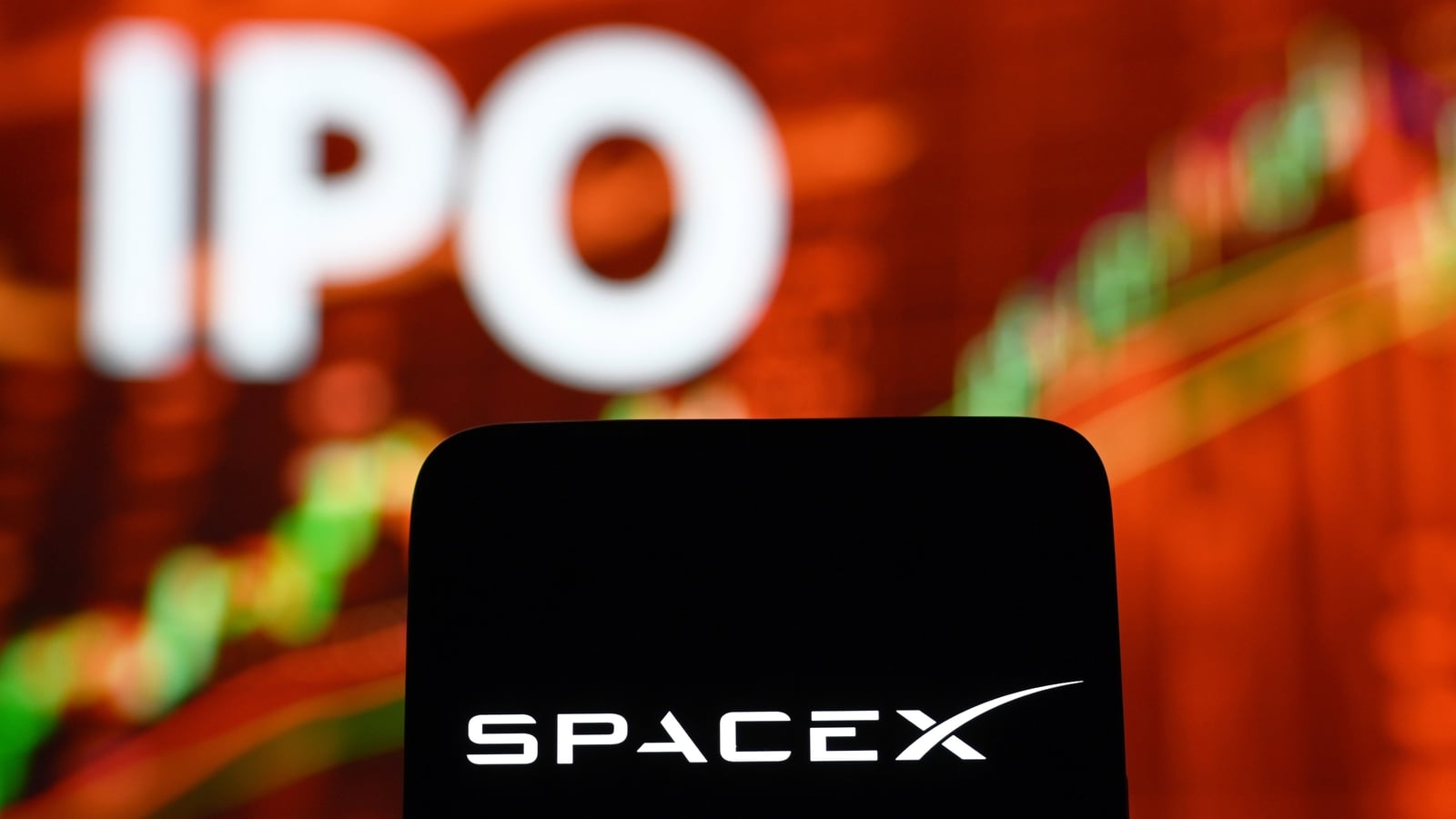
On June 29, Eastern Time, the recovery in the stock price of Elon Musk’s space company, SpaceX (SPCX), along with a collective rebound in AI stocks, bolstered market expectations for OpenAI to go public this year. Among them, options analyst Bob Lang believes that “the current capital market demand for high-quality AI companies remains strong, and OpenAI has an IPO window.”
According to data, SpaceX shares surged over 7%, breaking through $160 to close at $164.19, returning above its closing price on its first trading day. In addition, the Nasdaq Composite surged over 2%, and the Philadelphia Semiconductor Index closed up nearly 4%. In terms of individual AI stocks, Marvell Technology ( MRVL) surged over 4%, AMD ( AMD) rose over 3%, NVIDIA ( NVDA) and Micron Technology ( MU) both gained over 1%.
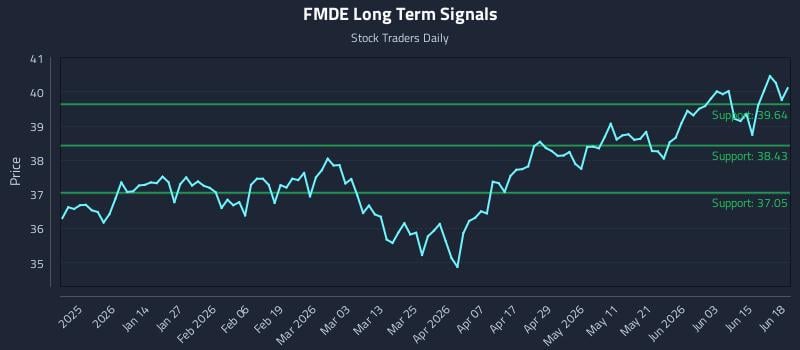
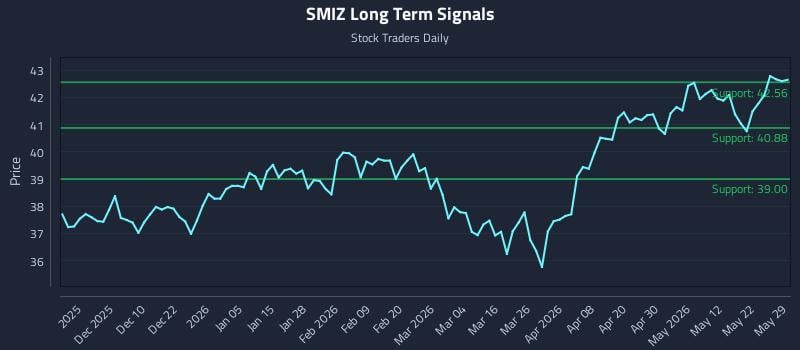
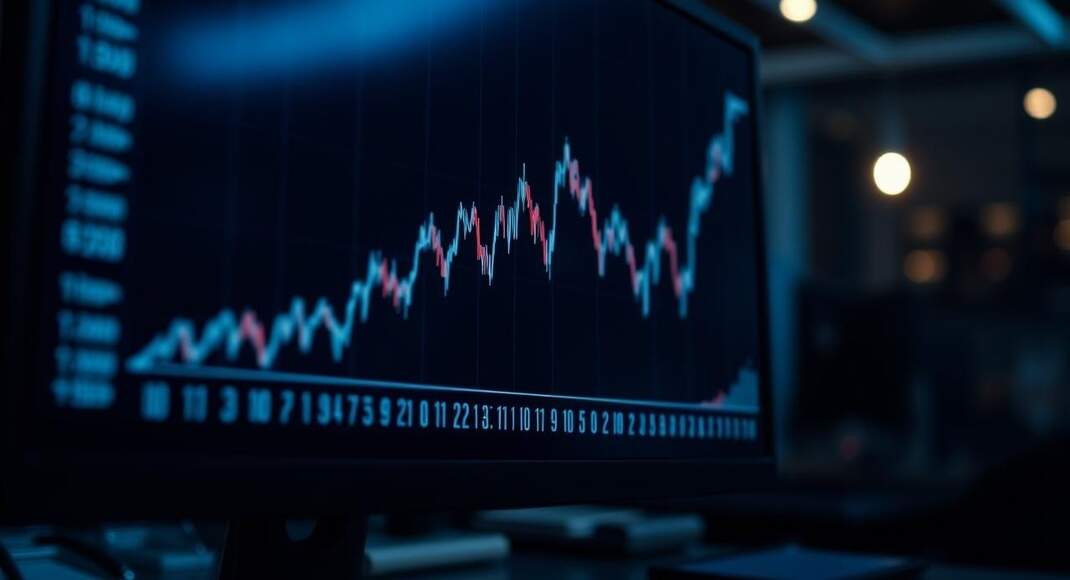
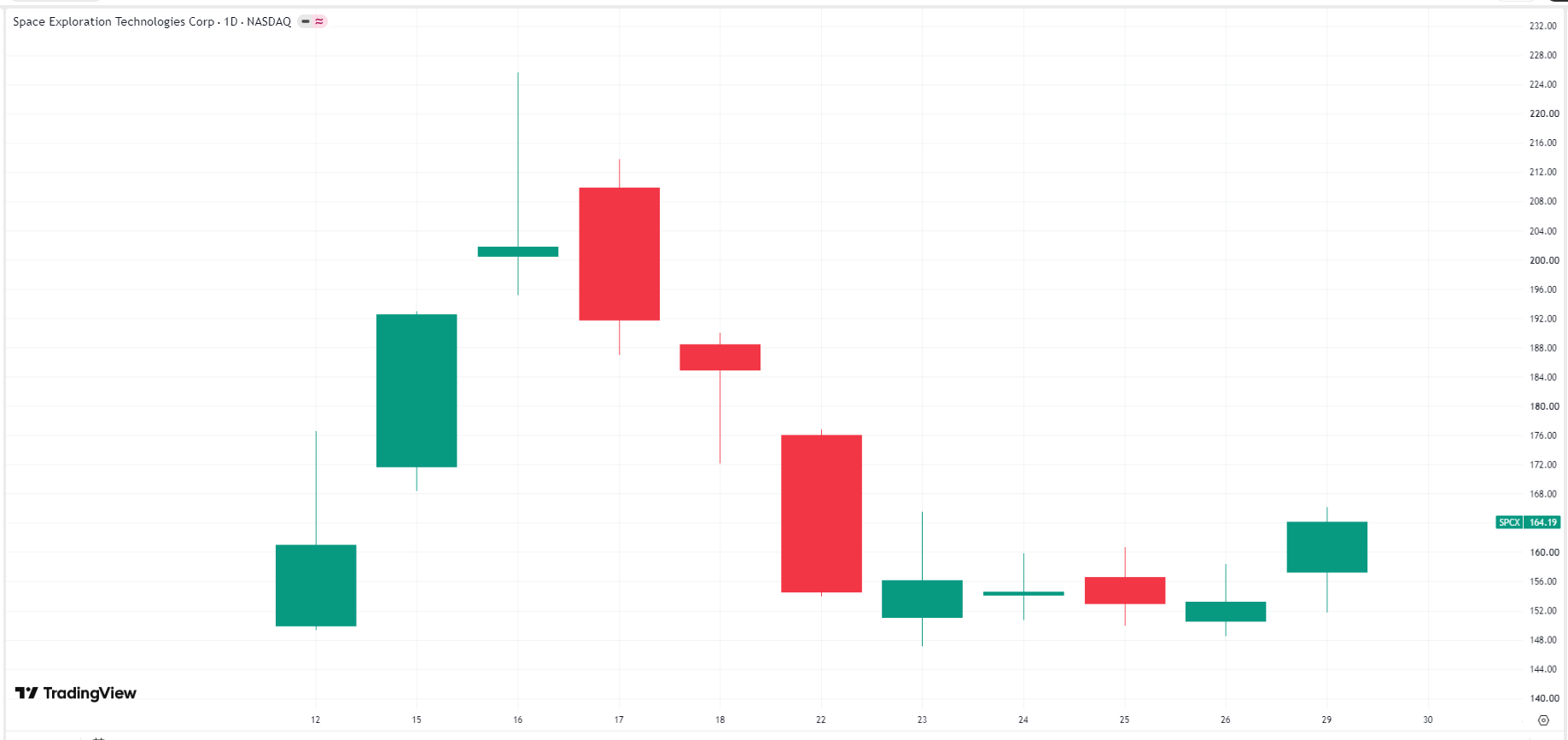 SpaceX stock chart, Source: TradingView
Last week, SpaceX and AI stock prices took a hit, leading to a general market belief that OpenAI’s listing would be postponed to next year, a sentiment shared by OpenAI insiders. According to The New York Times, citing three people involved in OpenAI’s internal discussions, OpenAI leans toward delaying its IPO to next year. This is because the company’s CEO is holding out for a $1 trillion valuation, but recent capital market performance has been weak. Why is OpenAI’s listing affected by the performance of SpaceX and AI stock prices?
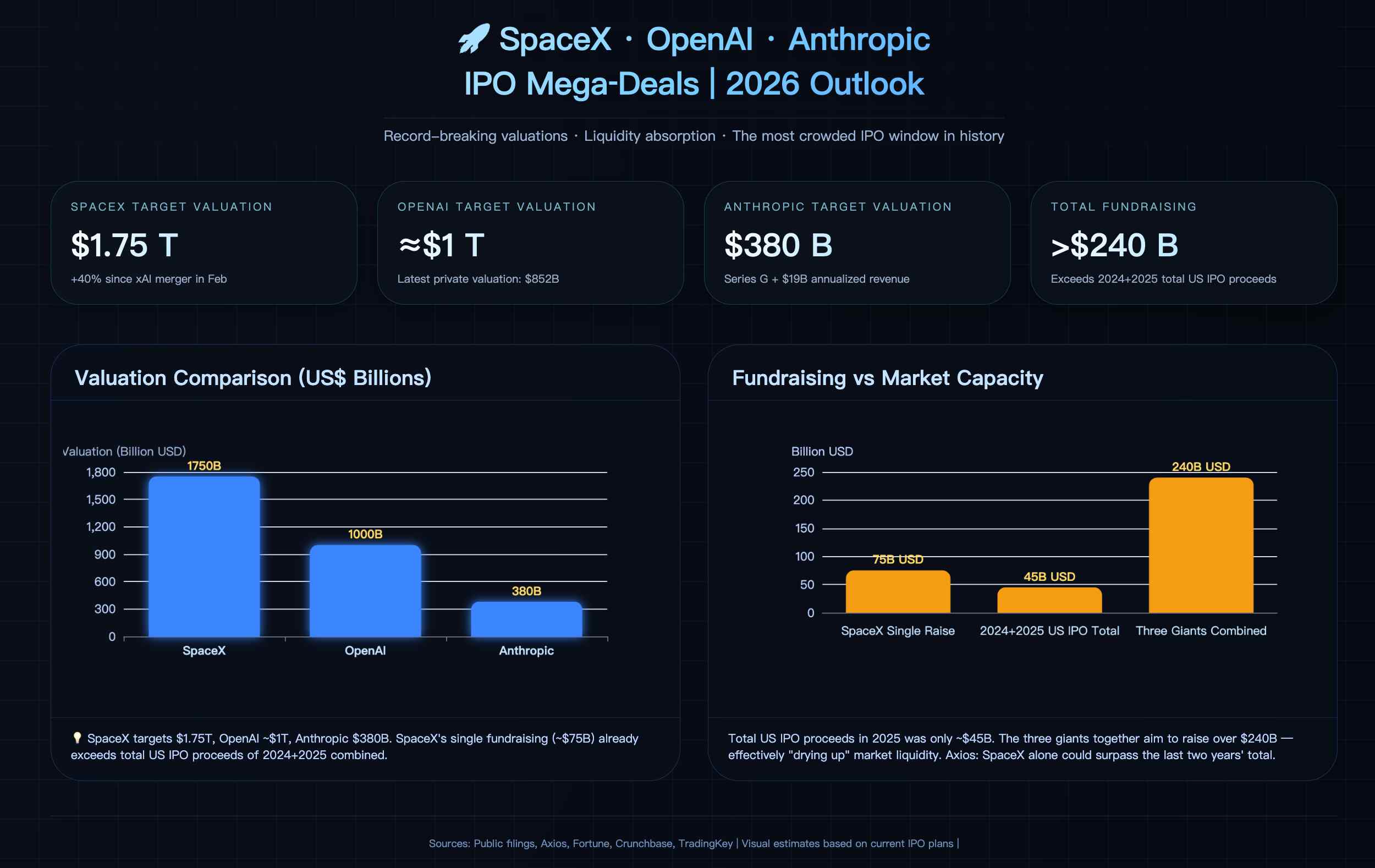
On June 12 this year, SpaceX completed the largest IPO in history, with its market value surpassing $2.1 trillion on its debut. The successful listing of this behemoth directly exerted a funding squeeze on OpenAI. In response, Wall Street investment banks such as Goldman Sachs ( GS ), Morgan Stanley ( MS) and other Wall Street investment banks warned that SpaceX’s epic fundraising scale and capital-attraction power have already consumed a massive proportion of available liquidity in the secondary market.
In addition, in late June, tech stocks in Japan, South Korea, and the US experienced sharp technical corrections due to elevated market levels, with notable examples being NVIDIA and Microsoft ( MSFT ), SoftBank, and Samsung Electronics. If the broader AI sector continues to correct, it indicates that the market is deleveraging the “AI bubble,” which would severely dent OpenAI’s premium space at IPO, making a $1 trillion market cap uncertain. Conversely, only when AI stocks stage a full-fledged revival will the market reignite its frenzy for OpenAI.
However, even with strong SpaceX and AI stock prices, is an OpenAI listing guaranteed to perform well? Not necessarily, as OpenAI’s losses are expanding. In the first quarter of 2026, OpenAI’s net loss exceeded $21.3 billion, compared to a full-year loss of $38.5 billion in 2025 and a loss of $5.1 billion in 2024, which is increasingly concerning. OpenAI’s high-growth, high-burn business model is not only hard-pressed to attract investors but may even trigger anxiety and panic.