- Planet Labs PBC (NYSE:PL) has been added to the Russell 1000 and Russell Midcap Index.
- The company also joined related growth benchmarks that track similar groups of stocks.
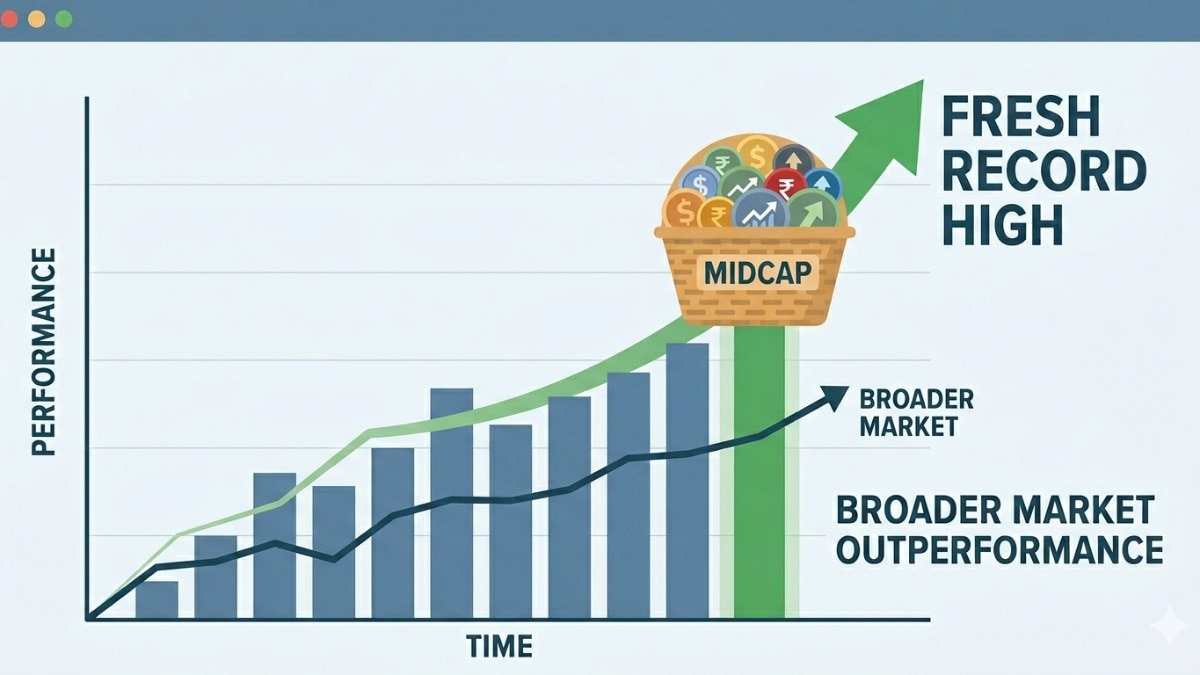
- These changes are tied to the latest index reconstitution, which often prompts portfolio adjustments by index-tracking funds.
Planet Labs enters these indexes with a recent share price of $31.61 and a return that is up 20.2% over the past week. The stock is down 32.0% over the past month, while the year-to-date return is up 54.9%. Over the past year, the return is very large, and the 3-year performance is close to 9x, with the 5-year return also very large.
For investors, inclusion in the Russell 1000 and Russell Midcap Index may change how Planet Labs trades as more index-linked capital adjusts to the new weightings. It will be important to watch how trading volumes, ownership trends, and pricing respond to these index moves over the coming months.
Stay updated on the most important news stories for Planet Labs PBC by adding it to your watchlist or portfolio. Alternatively, explore our Community to discover new perspectives on Planet Labs PBC.

See which insiders are buying and buying and selling Planet Labs PBC following this latest news.
For Planet Labs PBC, moving from the Russell 2000 into the Russell 1000 and Russell Midcap family signals a shift in how the market classifies the company. Index providers are effectively grouping Planet Labs with larger and more established mid-cap stocks, which can matter for how portfolio managers think about size, liquidity, and risk. Funds that track the Russell 1000 and Midcap indexes, as well as linked growth benchmarks, may need to buy Planet Labs, while funds tied to the Russell 2000 complex may sell as it exits those indexes. That mix of forced buyers and sellers can help explain recent volatility in the share price and trading volumes.
How This Fits Into The Planet Labs PBC Narrative
- The shift into larger-cap and growth-focused indexes lines up with the existing narrative that Planet Labs is targeting bigger contracts and higher-value solutions, particularly in defense and AI-powered geospatial services.
- At the same time, a move up the size spectrum could raise expectations for execution on large contracts and capital allocation, which may challenge the narrative if revenue or margins do not follow the higher-profile index status.
- Index-driven buying and selling pressure, and the potential impact on ownership concentration from passive funds, is not fully captured in the fundamental-focused narrative and may influence short-term trading more than long-term cash flow assumptions.
Knowing what a company is worth starts with understanding its story.
Check out one of the top narratives in the Simply Wall St Community for Planet Labs PBC to help decide what it’s worth to you.
The Risks and Rewards Investors Should Consider
- ⚠️ Planet Labs remains reliant on a concentrated set of large government and defense customers, which can make revenues and investor sentiment sensitive to contract timing or policy changes.
- ⚠️ Analysts have flagged 4 important risks for Planet Labs, including share dilution and ongoing losses, which could matter more as the stock attracts additional institutional attention through its new index memberships.
- 🎁 Inclusion in the Russell 1000 and Russell Midcap indexes can increase Planet Labs’ visibility with large asset managers and passive funds, potentially supporting deeper liquidity and a broader investor base.
- 🎁 The step up into growth-oriented benchmarks sits alongside the company’s focus on AI-powered intelligence services, which some investors view as a key driver of future revenue expansion.
What To Watch Going Forward
After this index reshuffle, keep an eye on how Planet Labs’ shareholder base evolves, particularly the split between passive and active holders, and whether trading volumes stay elevated. Monitor whether the share price reaction to future contract wins, revenue updates, or capital-raising plans changes as more index-linked capital is involved. It is also worth tracking how Planet Labs compares with other space and data-focused peers such as Maxar, Spire Global, and BlackSky in terms of index inclusion, contract momentum, and investor interest, as that relative context often shapes how larger funds allocate within the sector.
To ensure you’re always in the loop on how the latest news impacts the investment narrative for Planet Labs PBC, head to the community page for Planet Labs PBC to never miss an update on the top community narratives.
This article by Simply Wall St is general in nature. We provide commentary based on historical data
and analyst forecasts only using an unbiased methodology and our articles are not intended to be financial advice. It does not constitute a recommendation to buy or sell any stock, and does not take account of your objectives, or your
financial situation. We aim to bring you long-term focused analysis driven by fundamental data.
Note that our analysis may not factor in the latest price-sensitive company announcements or qualitative material.
Simply Wall St has no position in any stocks mentioned.
New: Manage All Your Stock Portfolios in One Place
We’ve created the ultimate portfolio companion for stock investors, and it’s free.
• Connect an unlimited number of Portfolios and see your total in one currency
• Be alerted to new Warning Signs or Risks via email or mobile
• Track the Fair Value of your stocks
Have feedback on this article? Concerned about the content? Get in touch with us directly. Alternatively, email editorial-team@simplywallst.com