His blue-chip harness racing résumé extends far beyond a successful New York breeding farm.
by Chris Lomon
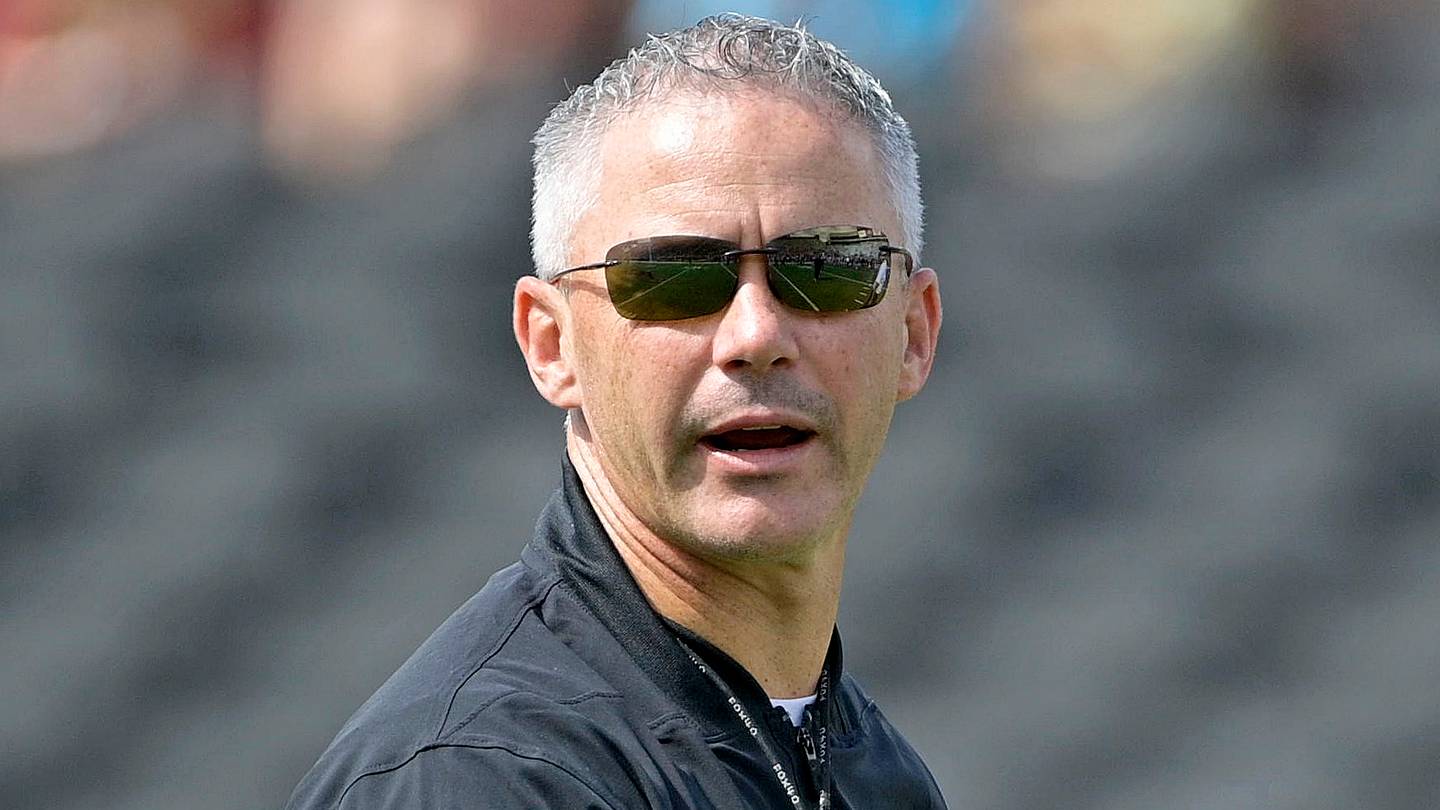
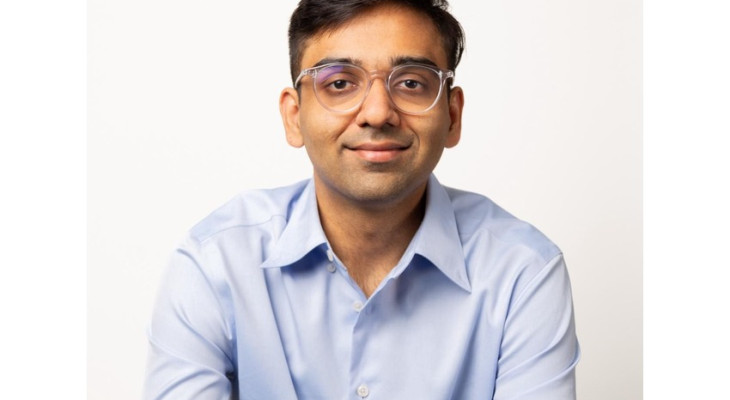
It is rather fitting that Michael Kimelman has fashioned a blue-chip harness racing résumé.
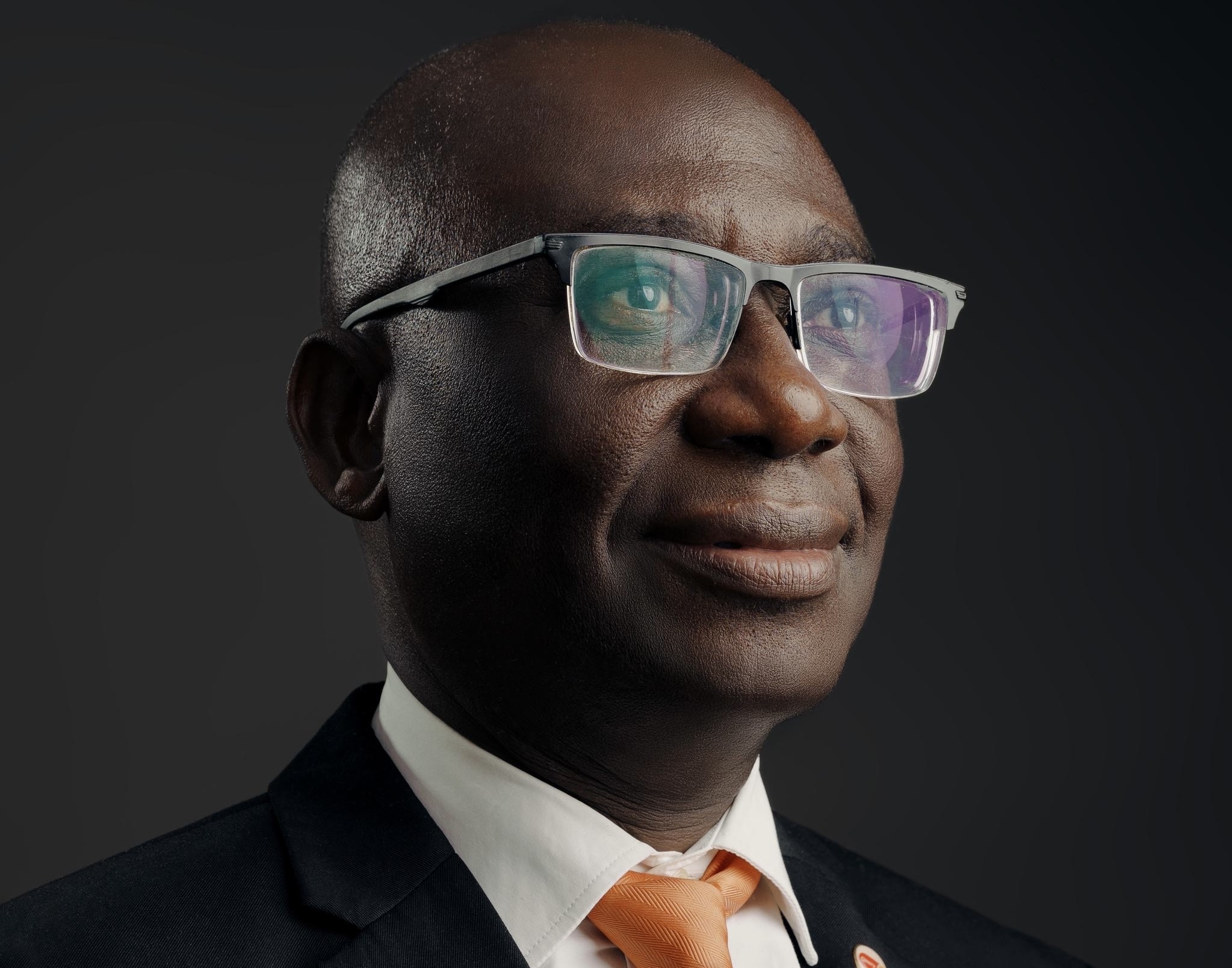
When the man whose name has become synonymous with standardbred success is officially inducted into the Harness Racing Hall of Fame in Goshen, NY on July 5, it will recognize a lifetime of contributions to the sport, including those made through Blue Chip Farms.
“As far as the most exciting thing about this [Hall of Fame induction], I would say that it is all the guys who are in there were my buddies, guys who were my friends in racing,” Kimelman said. “So, I’m excited to join them.”
Elected in the Veterans category, which allows the U.S. Harness Writers Association’s Hall of Fame screening committee to directly elect one longtime distinguished contributor who has reduced their day-to-day involvement in the sport, Kimelman joins an elite group of industry leaders.
The significance of the honor is not lost on him.
“I am very grateful,” Kimelman said. “I love the sport and it means so much to be part of something that is very special.”
Kimelman’s journey into harness racing began through an investment opportunity presented to his late father, Oscar Kimelman, himself a Hall of Fame Immortal. Oscar, along with sons Michael and Ted, quickly developed a passion for the sport and purchased a 600-acre property in Wallkill, NY, that would become Blue Chip Farms, home to some of the sport’s greatest stallions, including Most Happy Fella and Bettors Delight.
Michael forged an early connection to Most Happy Fella through horse ownership.
“When I bought my first horse, Meadow Tarport – my dad and I bought two-thirds of a horse for $20,000 – the first race she’s in, the horse that was second was a horse called Laughing Girl, who was the dam of arguably the greatest pacing sire who ever lived, certainly the one who put Blue Chip Farms on the map and put the New York Sires Stakes on the map,” he said.
Michael has a seemingly endless list of superlatives for Most Happy Fella.
It’s easy to understand why he would.
Foaled in 1967 in Kentucky, the son of Meadow Skipper out of the Good Time mare Laughing Girl won the 1970 Triple Crown and was voted Pacer of the Year.
“He was just outstanding,” Michael said.
Most Happy Fella stood as a star stallion at Blue Chip Farms in New York. At his passing in 1983, his offspring had earned over $55 million. His most famous progeny was the great Cam Fella.
“He had a stud fee of $40,000,” Michael said. “We didn’t have limits in those days, so he bred more mares than any stallion in the country. The good thing was that anyone who had the money could breed a mare to him. It wasn’t controlled by a handful of breeding farms – everybody could breed to Most Happy Fella. He was such a great producer that anyone who never had a great horse would get one because they had an inexpensive mare and got a home run.”
Michael also scored another major victory when he convinced Hall of Fame farm manager Bill Brown to join Blue Chip Farms, further cementing the operation’s reputation as one of North America’s premier breeding farms.
“What a great person and great horseman,” Michael said of Brown. “We were very lucky to have had him at our farm.”
Despite the demands of running a successful Wall Street investment firm, Kimelman and Baird, at the time, he served as president of Blue Chip from 1970 to 2001, before Michael’s partner and friend Thomas Grossman took over the reins of the farm.
Yet, Michael is by no means a one-trick pony when it comes to his long list of contributions to racing.
His impact on the industry extended well beyond standout pacers and trotters.
Michael was also part of a small but determined group, one that included longtime friend Norman Woolworth (the man who co-bred Most Happy Fella, along with David Johnston of Stoner Creek Stud), that led the way in strengthening ties between North American and European breeders and owners, which led to top European standardbreds racing in North America. The establishment of French wagering on the Hambletonian was also a part of the success of Michael’s group.
A famous, century-old French bistro in Paris would become an important venue for furthering the connection between the two groups.
“I found this little bistro named L’Ami Louis,” Michael said. “Today, it might be the most famous bistro in the world – it only seats 52 people. They close it one Sunday after the Prix d’Amérique – if you wanted to entertain people from Sweden, Italy, France and other places, everyone went to that race – for a party that the Hambletonian Society hosts. The Europeans treat us at the track and then we treat them at the bistro.”
Michael also has a deep admiration and respect for the Canadian racing scene.
“Dr. Glen Brown and what he did with the breeding operation (ABC Farms, later known as Armbro Farms) in Ontario was world-class,” Michael said of the highly prominent veterinarian, breeder, and executive, who is regarded as one of the most influential figures in Canadian harness racing. “They supported Blue Chip so much over the years and were stakeholders in Most Happy Fella.”
Michael has been equally impactful on the sport in his home state.
He was appointed by the New York State Senate Majority to the Board of the Agriculture and New York State Horse Breeding Development Fund. The fund, also known as the Sire Stakes Fund, administers the premier New York Sire Stakes racing program.
Michael served as an active trustee for several years, voting on critical annual purse allocations, racing schedules, and administrative policy updates. He officially stepped down from his role as a trustee of the Fund in June 2018.
“As soon as we bought Blue Chip Farms, they told me to go to Albany and the lobbyists will set you up, to meet all the important politicians,” Michael said. “I got up there and fired the lobbyists and I became the lobbyist. I took pictures of Blue Chip Farms and showed what we had done.
“I said, ‘If you put more money into this program, you will turn a lot of apple orchards and cattle farms into breeding farms. And you will make a huge difference in the agricultural scene in New York.’ And they agreed. They tied some of it to OTB, but the long and short of it was that two or three years later, our purses were phenomenal, and there was a huge influx of breeding farms in New York.”
Michael has also served on the board of the Hambletonian Society since 1987; he is today first vice president as well as a member of the Society’s executive committee and Breeders Crown committee, in the latter role setting up a key rights fee structure that has enabled the event to maintain its status as one of the standardbred racing’s marquee fixtures.
“I have been associated with the industry for a long time, and it is something that is truly special to me,” Michael said. “I have been very fortunate in so many ways, including the chance to work with so many great people.”