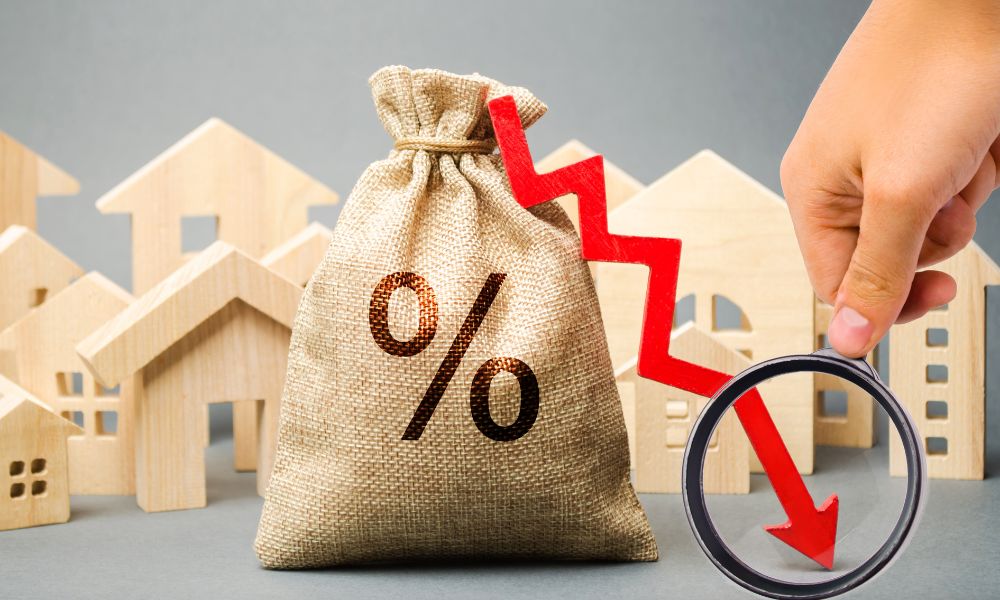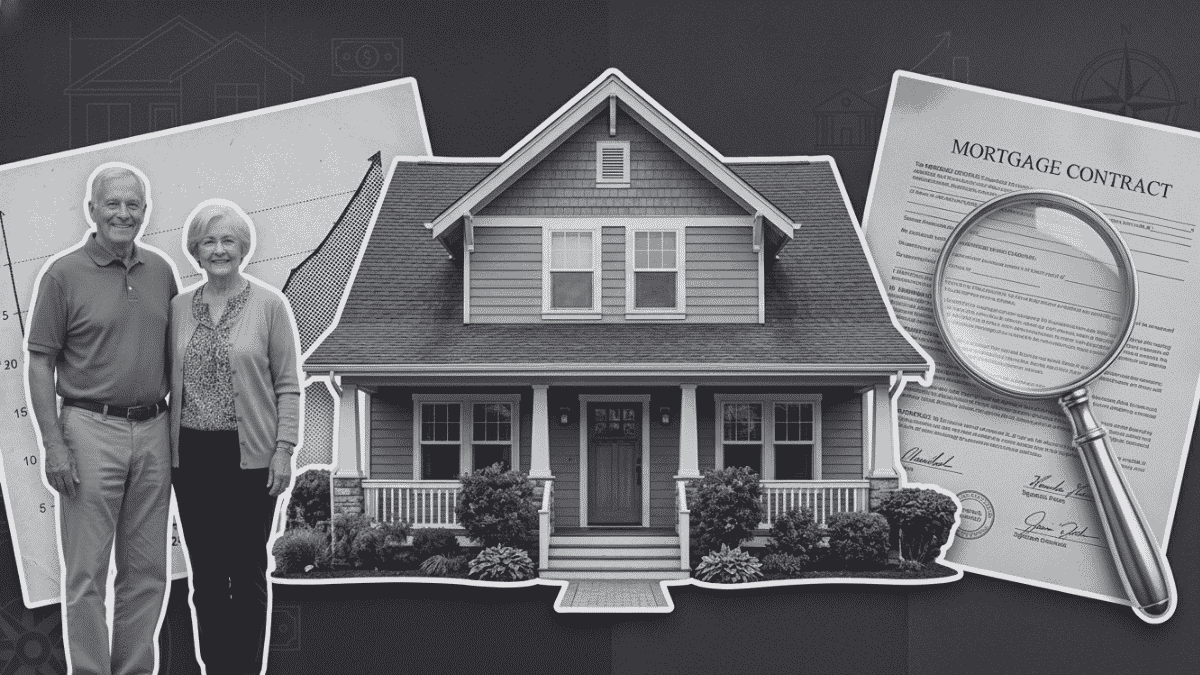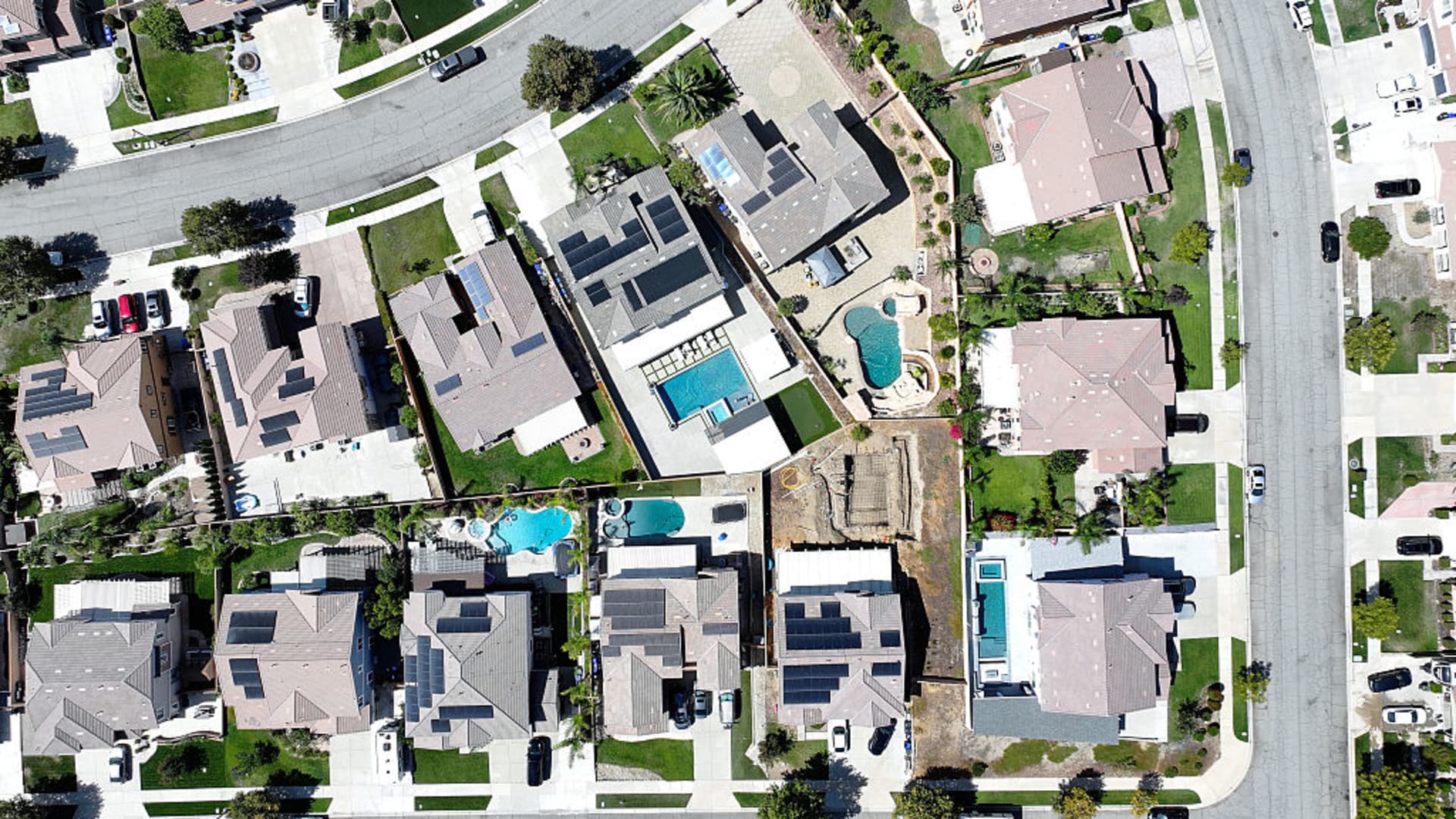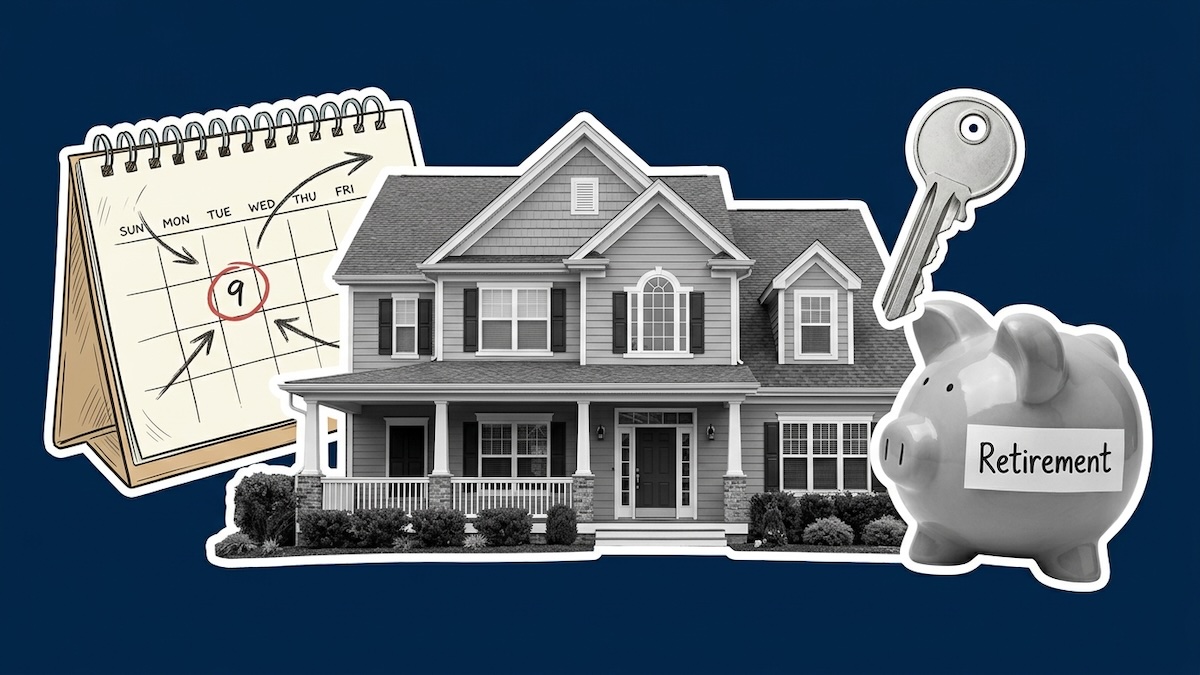
Homeowners 62 and older are sitting on more housing wealth than ever. Seniorhome equity climbed to a record $14.66 trillion in the third quarter of 2025, upalmost 2% from the previous quarter, according to the NRMLA/RiskSpan ReverseMortgage Market Index. Median home equity for homeowners 65 and older was$250,000 in 2022, up 47% from $170,000 just three years earlier, according toHarvard’s Joint Center for Housing Studies.
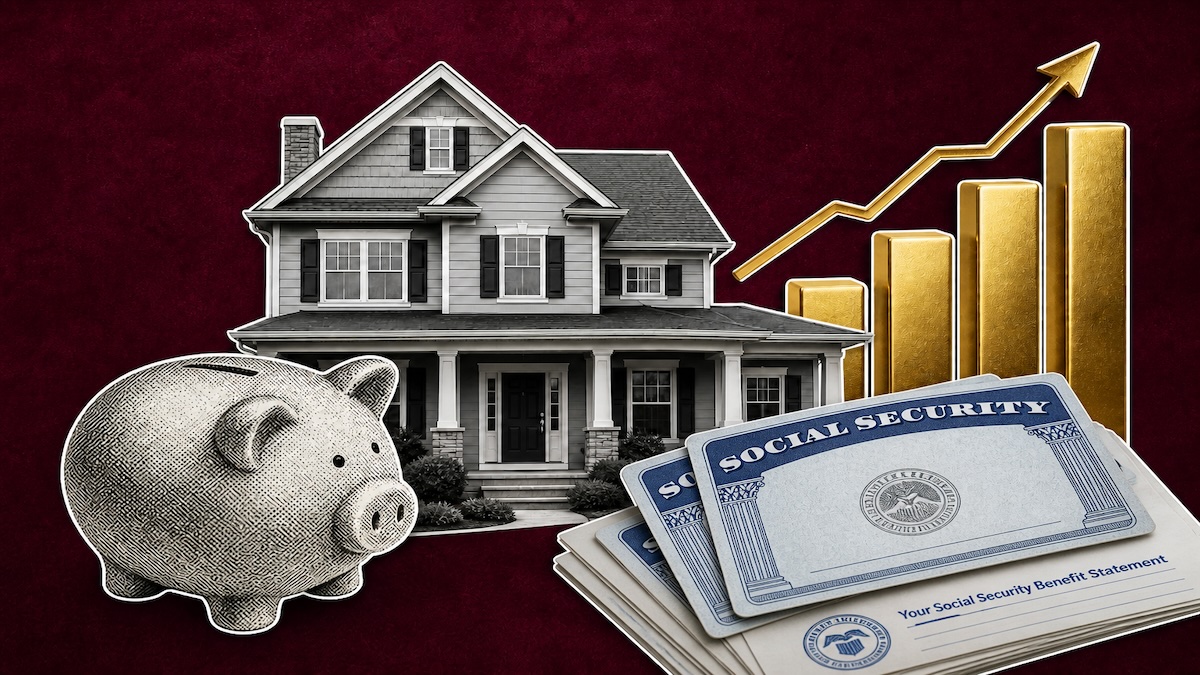
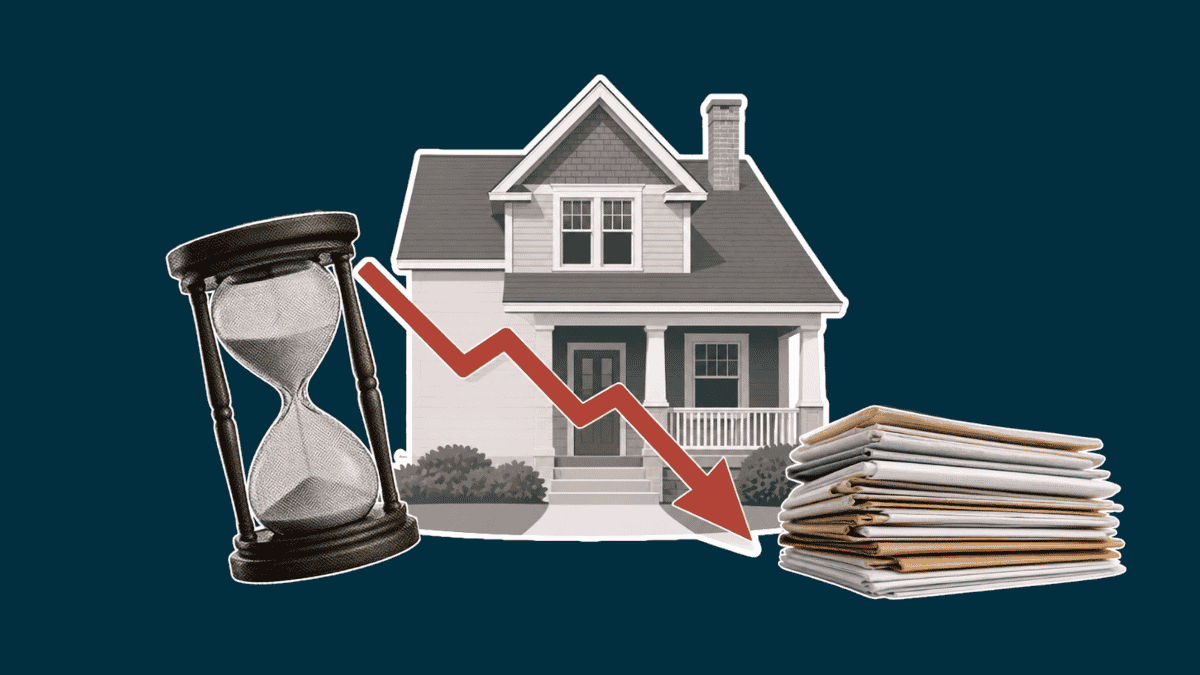
Many retirees see their homes as a safety net, the asset that will eventuallycover a move, a health scare, or a stretch where Social Security and savingscome up short. But this can be a significant financial mistake, as that safety net may be much smaller than it looks.
Olderhomeowners tend to sell for less than younger ones selling a similar home.Therefore, the equity they think they have, often based on a standard marketvaluation, may actually be thousands of dollars less than they wereanticipating.
Find Out: I can’t believe this $24,108 Social Security secret was so simple
Why homeowners over 70 often sell for less than expected
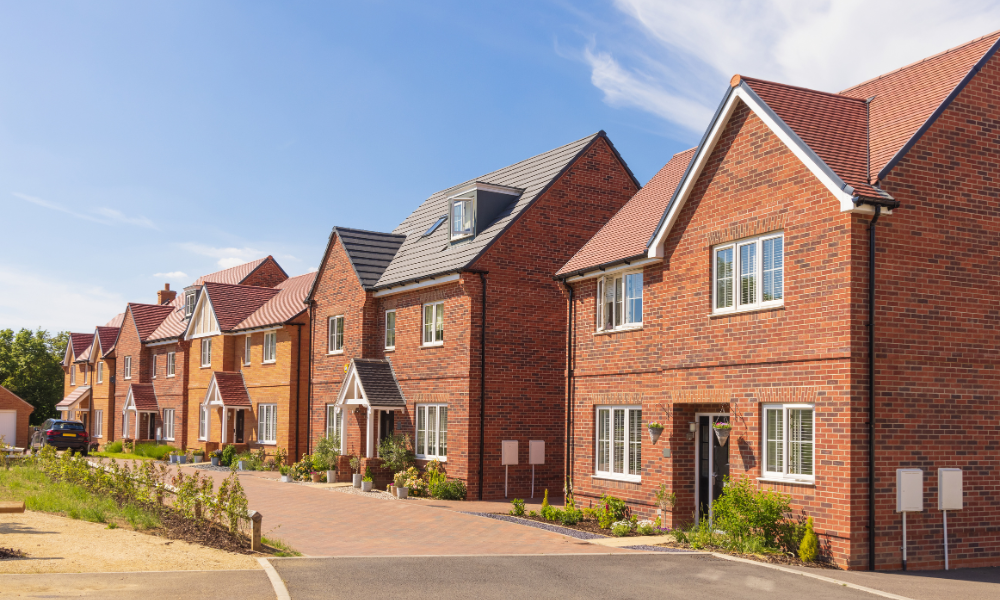
A seller in their 80s typically gets about 5% less than someone in their 40s or50s for a comparable home, according to a January 2026 research brief from theCenter for Retirement Research at Boston College. On a $429,300 home, thecurrent median sale price nationally, according to the National Association ofRealtors, that’s a loss of about $21,465.
The researchers found that older sellers’ homes tend to have more deferredmaintenance, things like an aging roof, an outdated kitchen, or decades-oldwiring and plumbing that a younger seller might have already replaced.
Buyers price all of that into their offer before they even make one. Plus, oldersellers are more likely to sell off-market, often directly to an investor,instead of listing publicly where competing buyers can push the price up. Aprivate sale to a single buyer means no competing bids and no upward pressure onprice.
Shopping for cheaper auto insurance? Enter your zip code here to get started.
Lower-than-expected home equity can be problematic for downsizing and careplans
A lower sale price is particularly difficult for retirees who are counting onthat money to fund a specific next step, such as a smaller home, an assistedliving move, or long-term care. If we take our example above, where theshortfall is over $21,000, that’s a big chunk missing from the equity you wereexpecting.
Assisted living now costs a median of $6,200 a month nationally, or about$74,400 a year, according to CareScout’s 2025 Cost of Care Survey. A retiree whocomes up short on the home sale may end up having to choose a smaller apartment,a second- or third-choice assisted living facility, a less convenient location,or ask family to help cover the gap in the first year or two.
Housing costs don’t disappear just because you’ve retired
Selling for less is only part of the picture. Many retirees are still paying fortheir homes well into retirement. The share of homeowners ages 65 to 79 carryinga mortgage rose from 24% in 1989 to 41% in 2022, and median mortgage debt overthat period jumped from $21,000 to $110,000, according to Harvard’s Joint Centerfor Housing Studies.
For these retirees, a chunk of any sale proceeds goes straight toward paying offwhat’s owed before it can fund anything else, so getting less than you expectedon the sale of your home can have an even bigger impact.
Save Money: Things to cut when living on retirement (many people ignore #11)
Even with home equity, many retirees still face a gap
Home equity alone doesn’t close the broader retirement savings gap either. Thetypical baby boomer faces an annual spending shortfall of about $9,000, orroughly 24% of what they’ll need, even after their other assets are factored in,according to Vanguard’s 2025 Retirement Outlook. Tapping home equity can helpclose that gap.
Vanguard’s researchers estimate that if boomers sold their homes outright andinvested the proceeds, the share who are financially on track for retirementwould rise from 40% to 60%. For most retirees, selling outright and becoming arenter isn’t realistic, though. Therefore, they downsize or move to assistedliving, all of which reduces how much actual liquid equity they receive from thesale of their property, so it may not fully close the $9,000 per year gap.
How to protect more of your home’s value before you sell
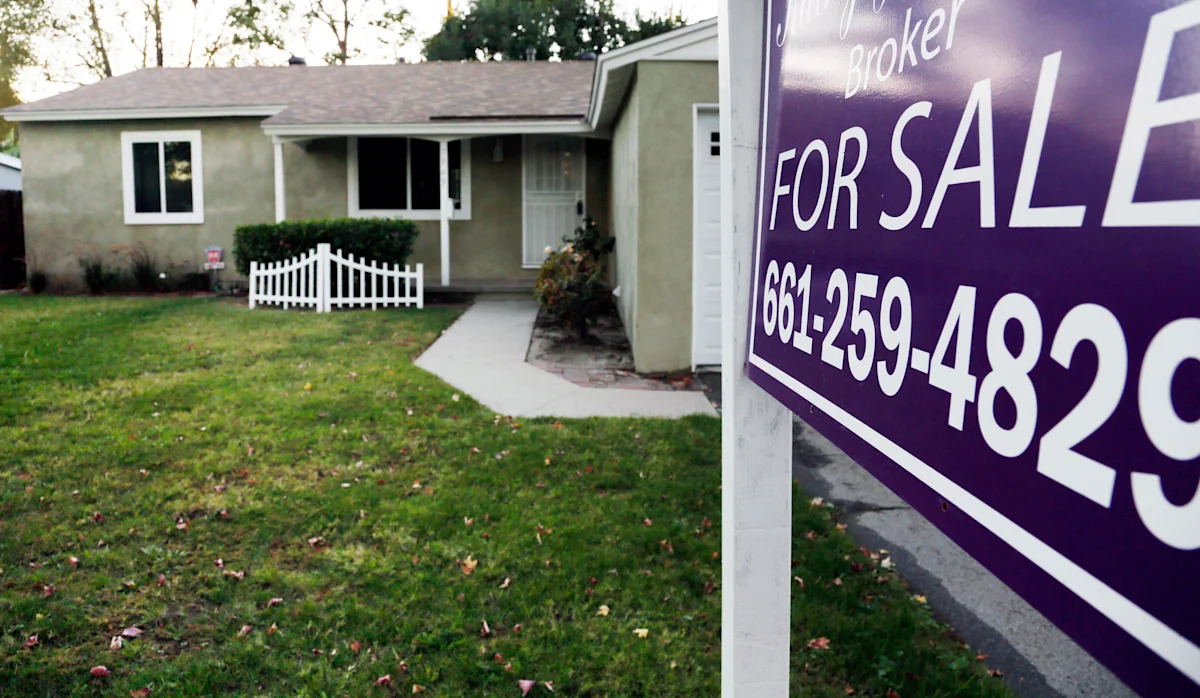
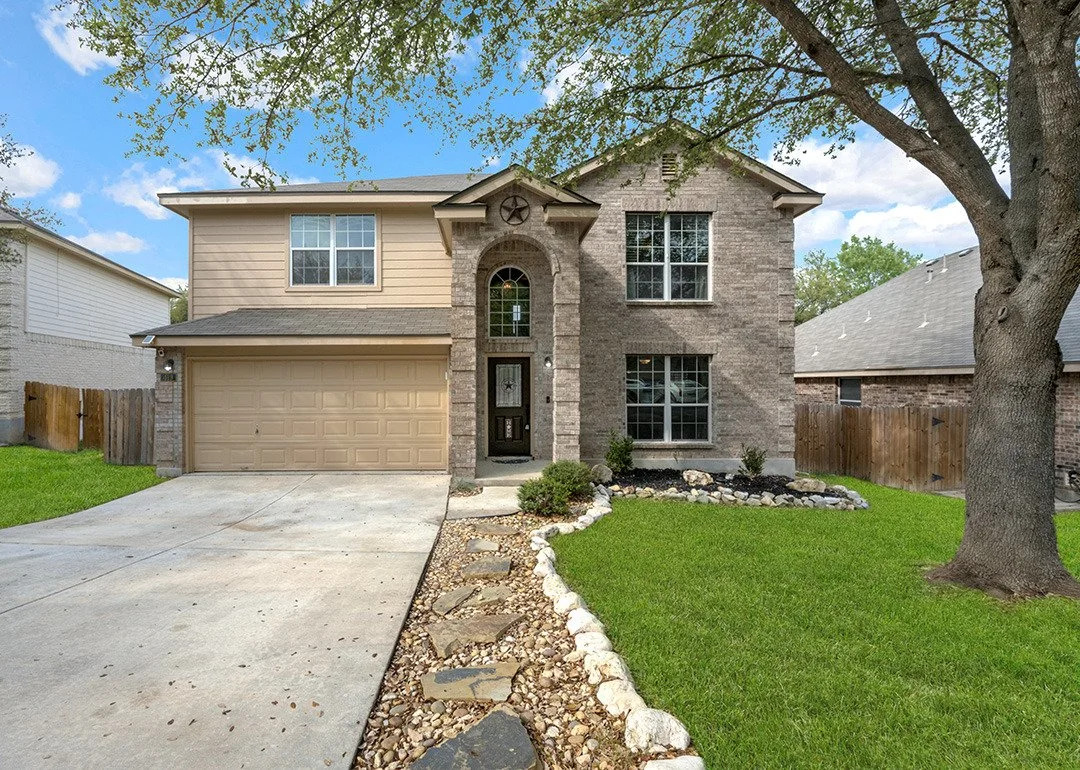
A few practical steps can help retirees hold onto more of their home’s valuewhen the time comes to sell. Tackling small repairs before listing, fresh paint,a working appliance or two, and basic curb appeal improvements can offset someof the deferred-maintenance discount and reduce lowball offers.
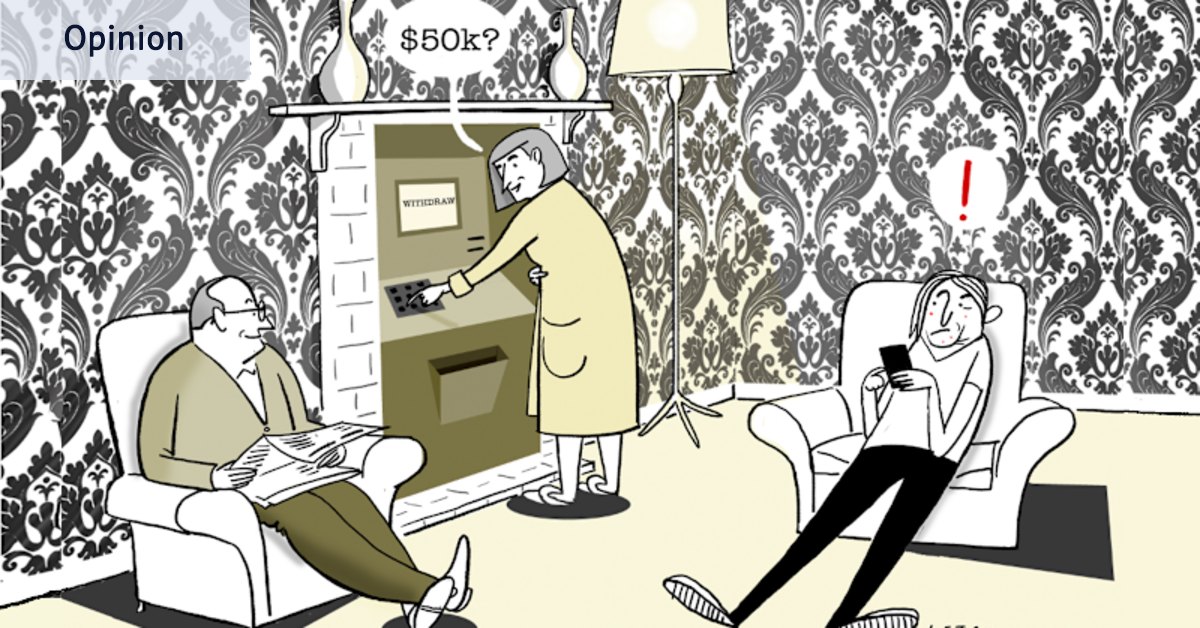
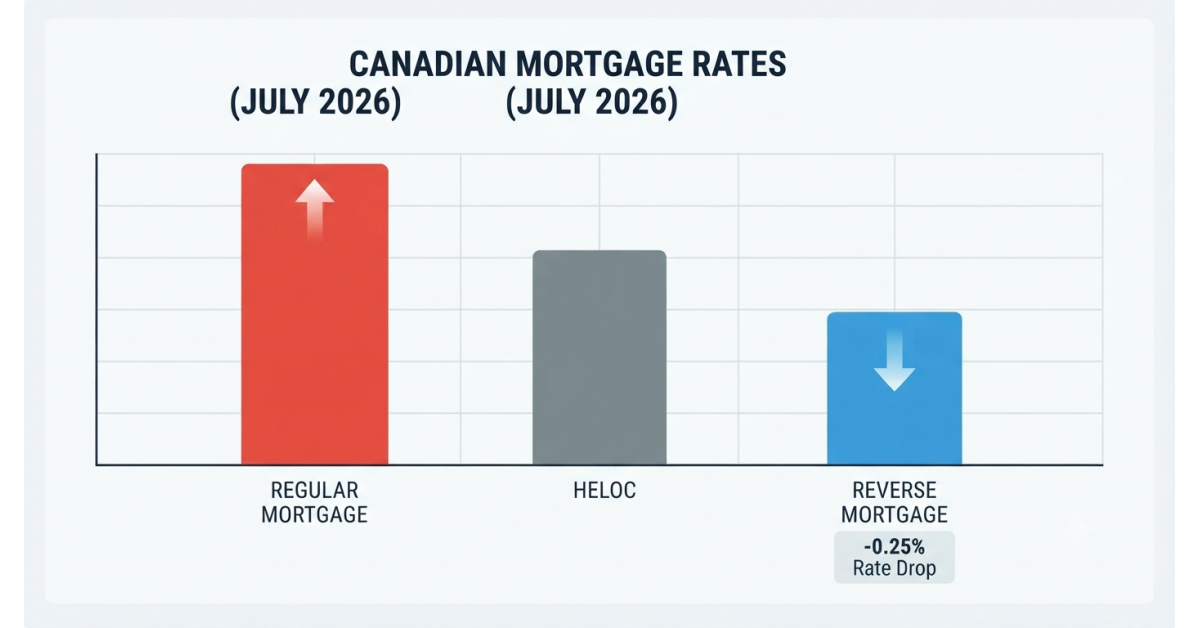
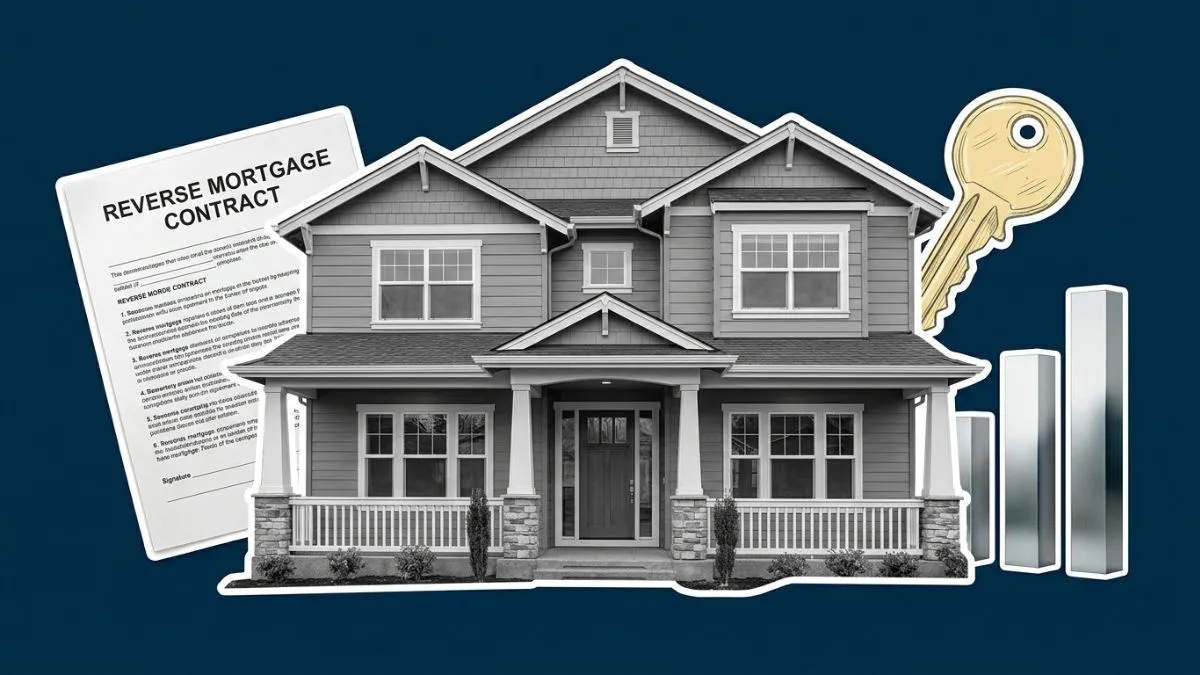
Listing on the open market rather than accepting the first private offer alsomatters, even when the public listing process feels slower than a quick investorsale. A HELOC or reverse mortgage could provide a way to access equity graduallyrather than relying entirely on a future sale. And any cash offer, especiallyfrom an investor, is worth a second opinion before accepting it for speed alone.
Bottom line
Only 9% of baby boomer homeowners say they plan to use home equity or a reversemortgage to fund retirement, according to Freddie Mac’s 2024 Baby BoomerConsumer Research survey. Most are counting on savings, Social Security, andpensions instead.
Home equity is real wealth, and for most retirees, it’s one of the largest assetsthey have. But it’s also illiquid and tied to market conditions, and the amounta retiree actually clears from a sale can come in lower than planned. The smart move for seniors is to treat home equity as a cushion, not a paycheck.
More from FinanceBuzz: