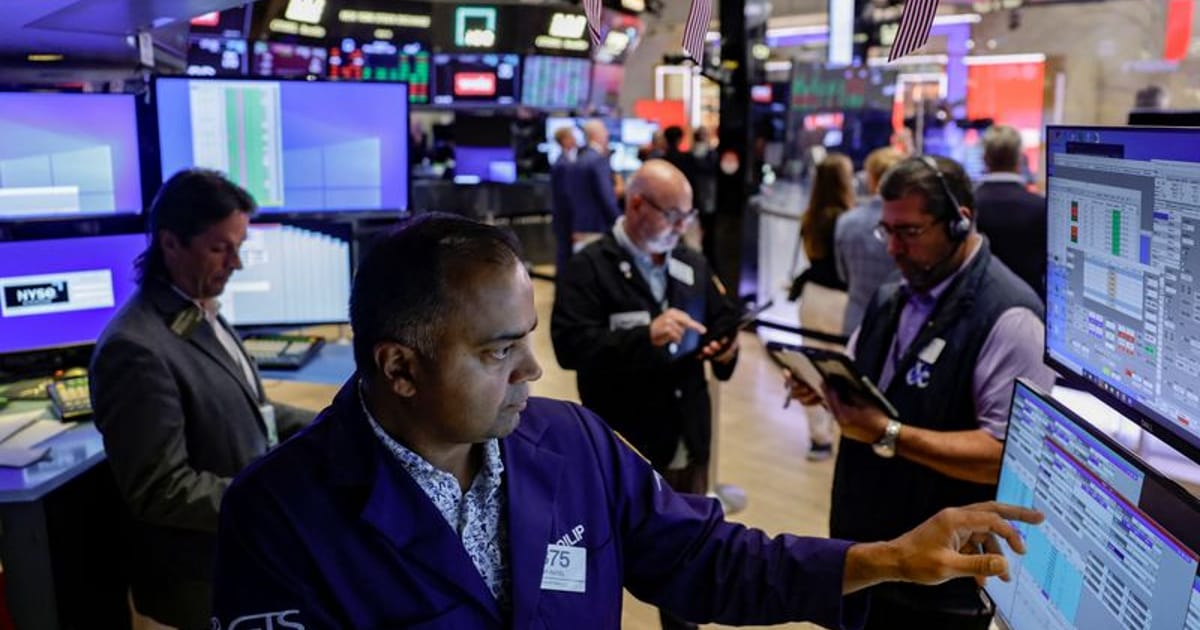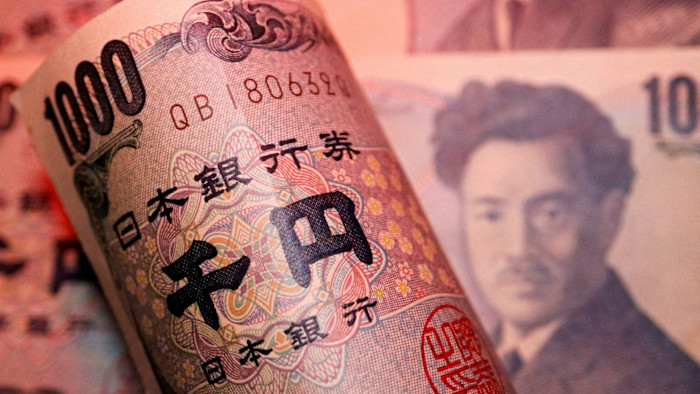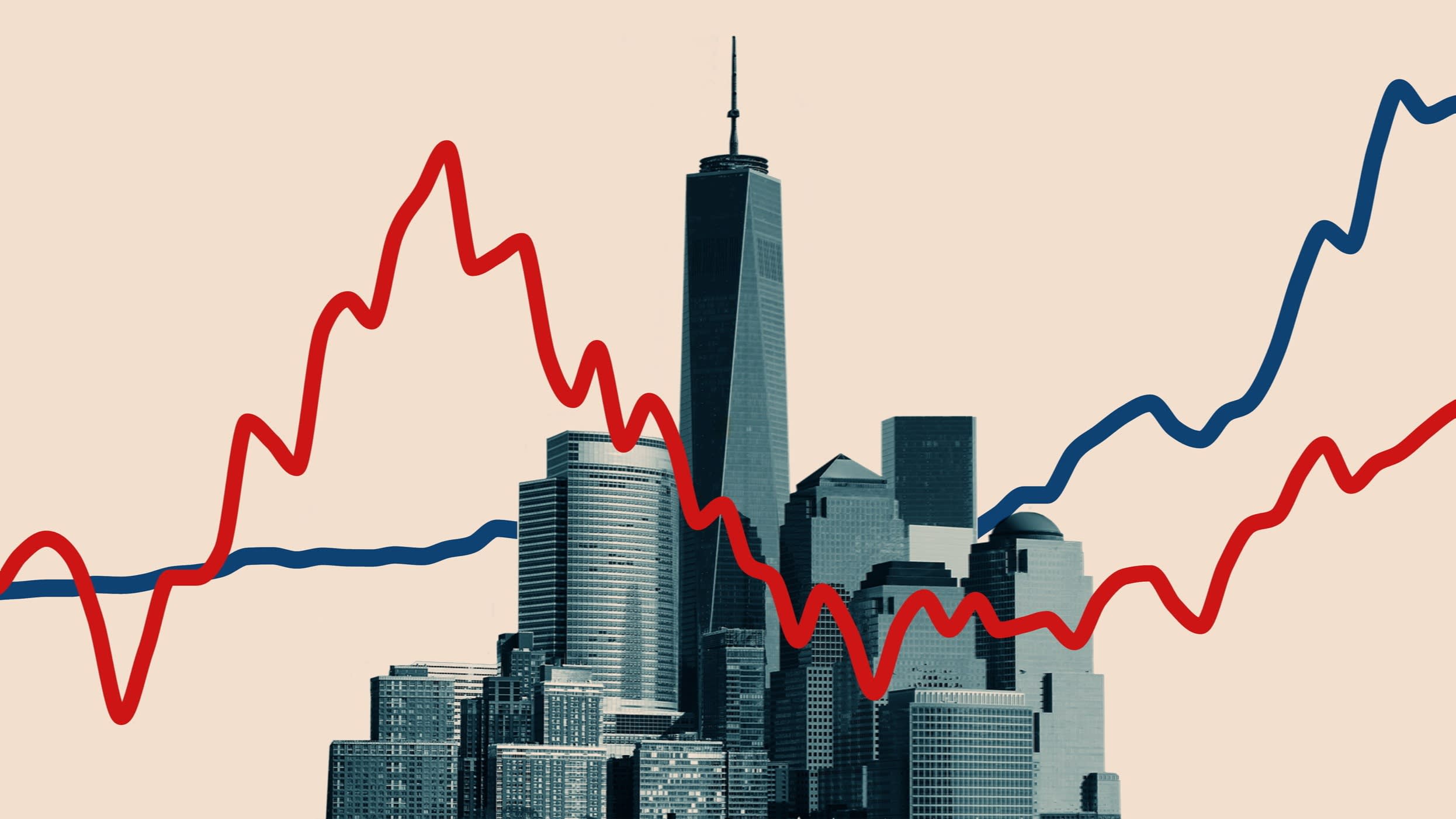
The benchmark 10-year JGB yield rose 5.5 basis points (bps) to 2.490%, the highest since early June 1997, while the five-year yield rose 4 bps to a record high of 1.900%. Yields move inversely to bond prices.
“Uncertainty over the outlook for the Middle East situation remains high, and lingering inflation concerns stemming from a prolonged rise in crude oil prices are likely to put upward pressure on JGB yields,” Keisuke Tsuruta, a senior bond strategist at Mitsubishi UFJ Morgan Stanley Securities, said in a note.
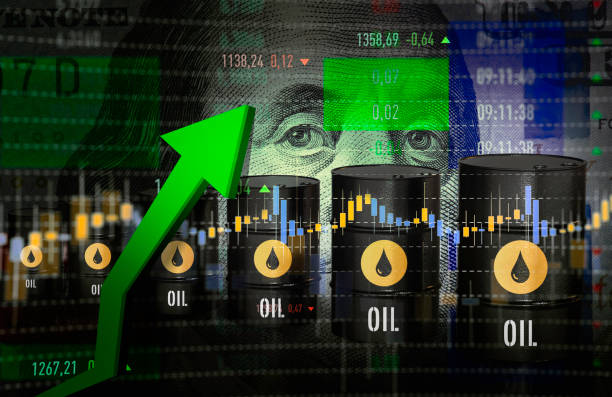
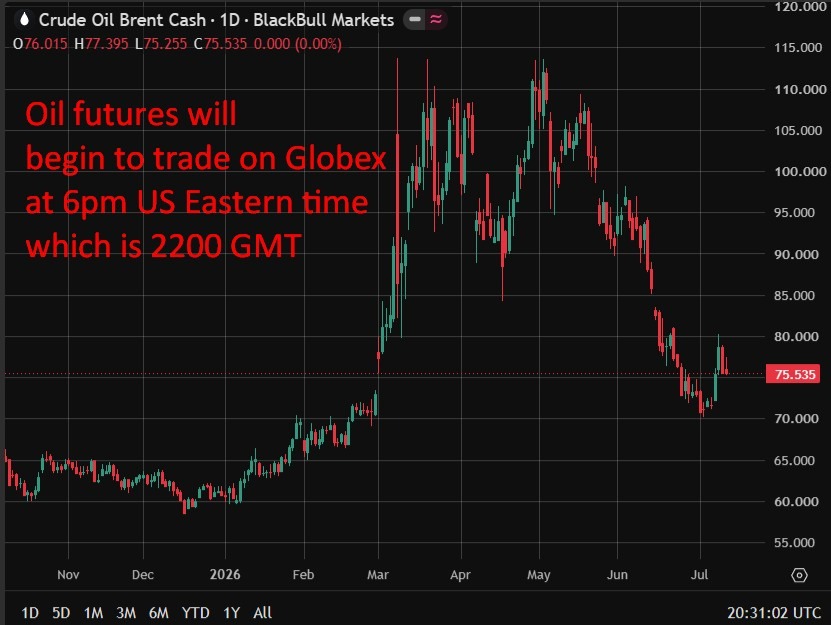
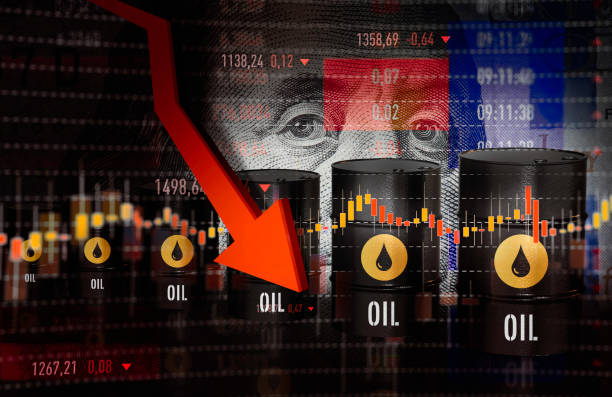
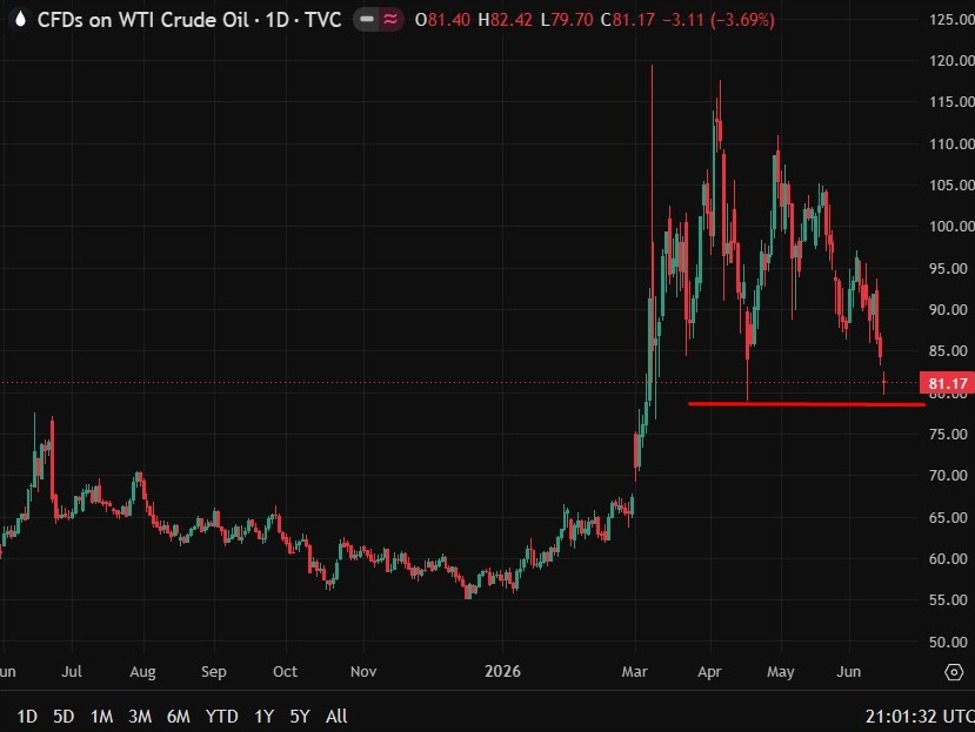
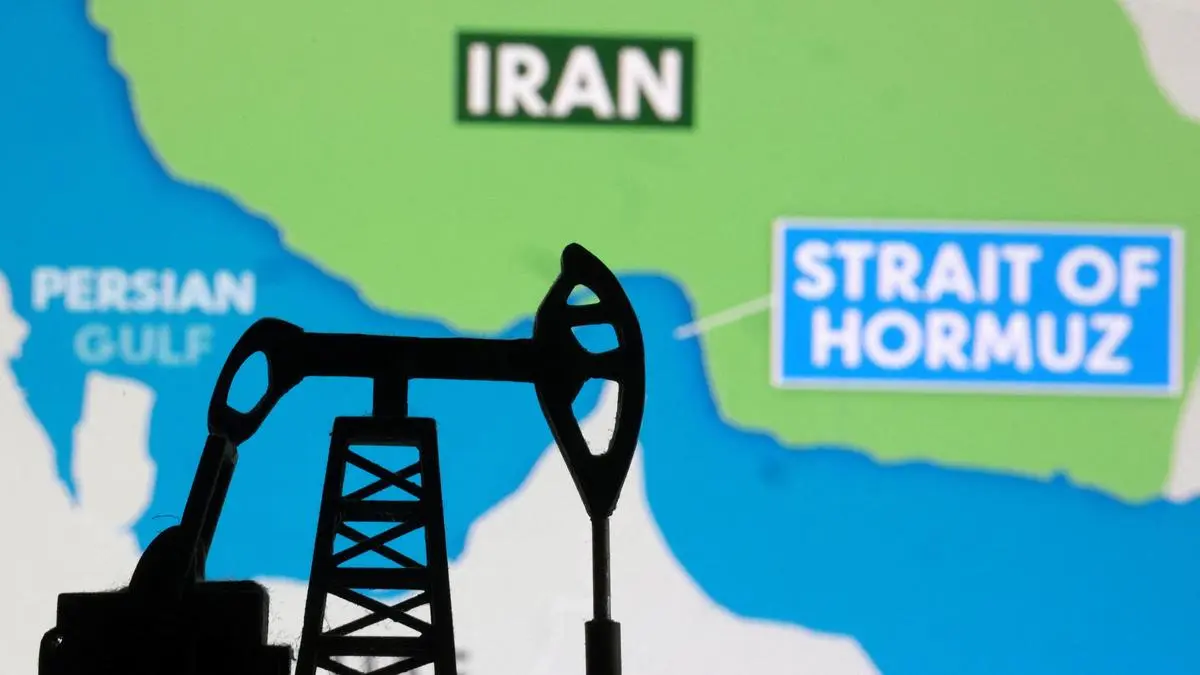
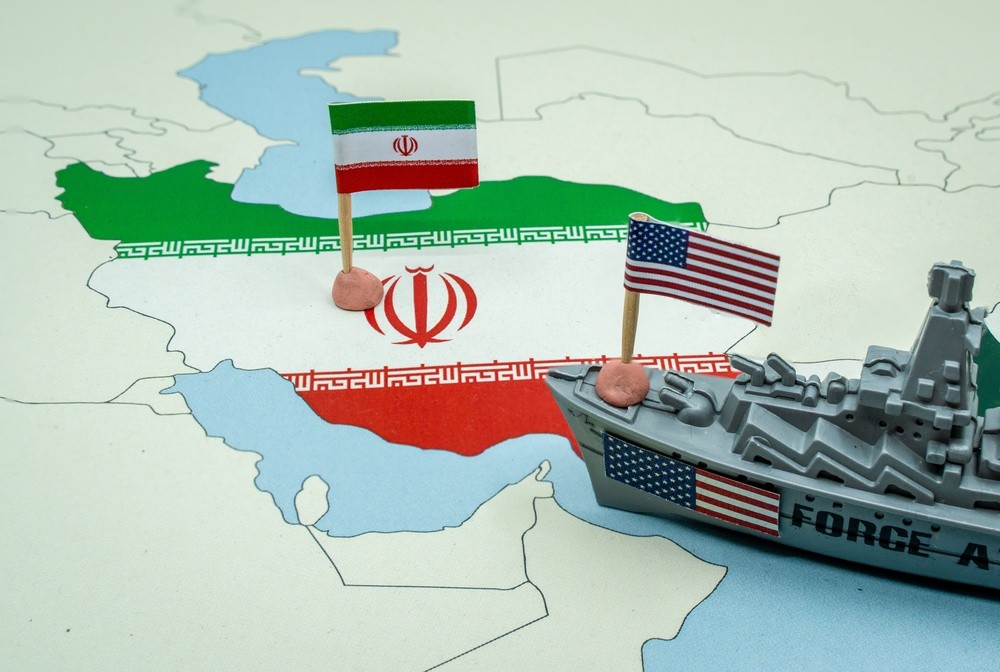
Japanese government bond yields have reached a 29-year peak. This surge is driven by escalating oil prices and inflation worries following the collapse of US-Iran peace talks. The US Navy’s planned blockade of the Strait of Hormuz has heightened these concerns. Investors are closely watching the Bank of Japan for any signals on potential interest rate hikes this month.
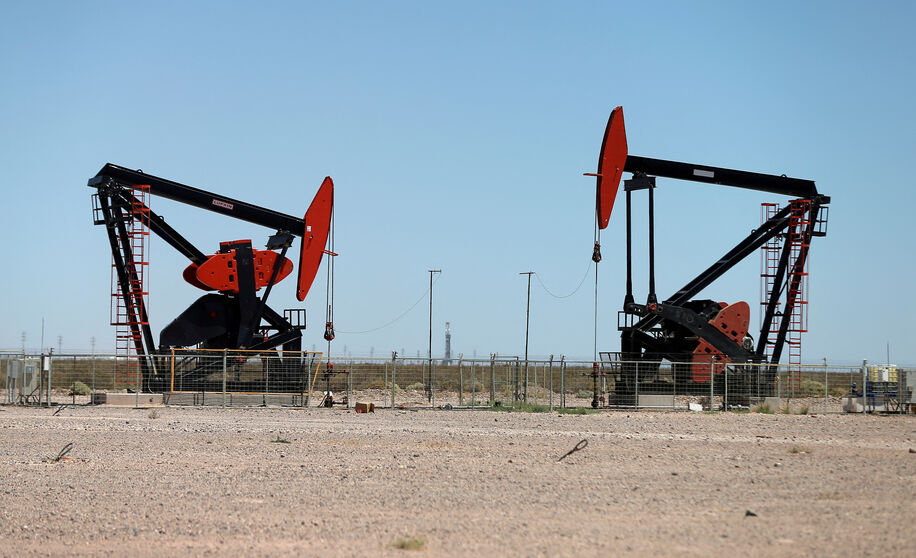
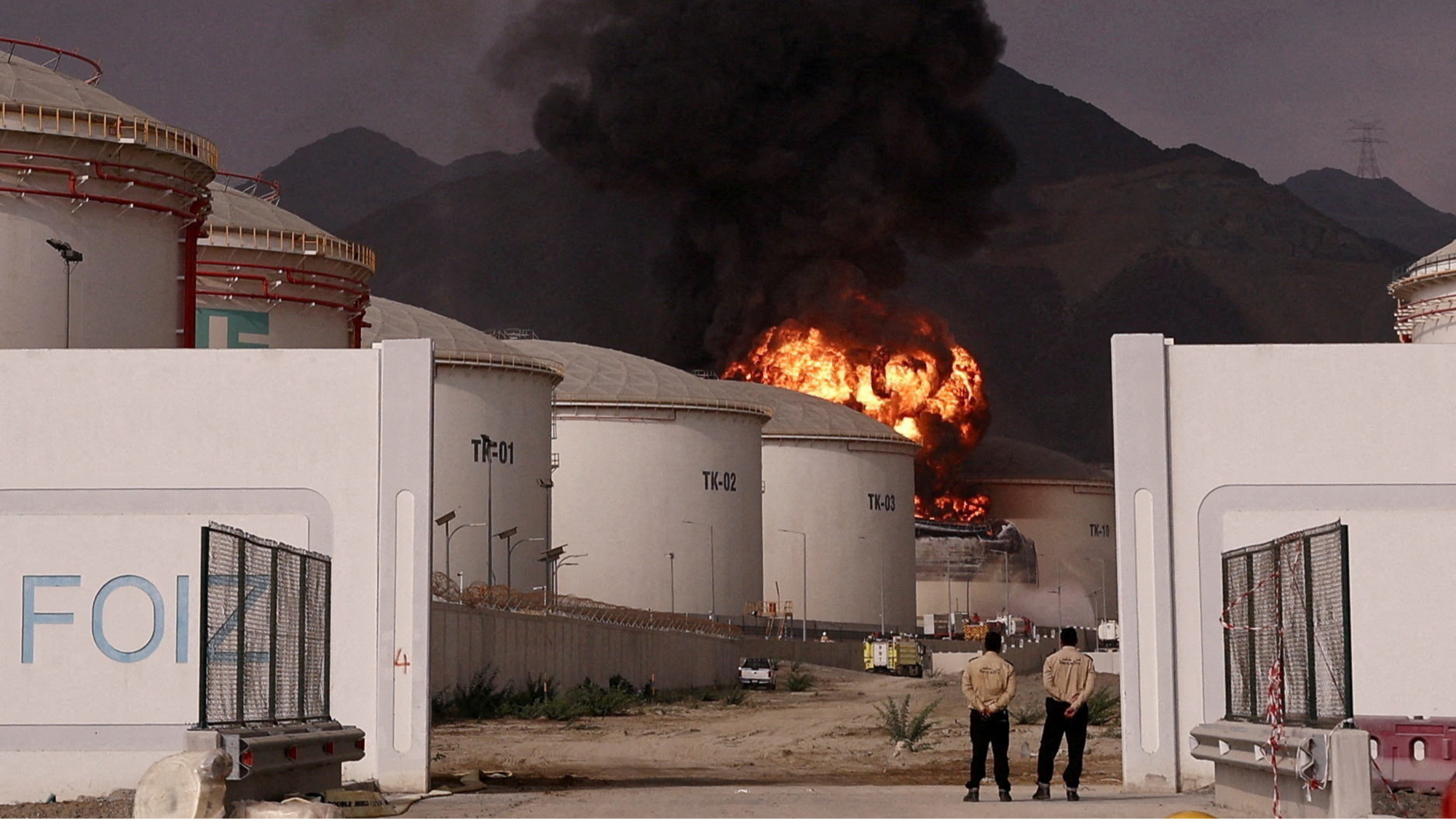
Government bond yields have been rising globally as elevated oil prices in the wake of the Iran war raised inflation risks, while the ceasefire reached last week remained fragile.
U.S. President Donald Trump said on Sunday that the U.S. Navy would start blockading the Strait of Hormuz, raising the stakes after marathon talks with Iran failed to reach a deal, jeopardising a fragile two-week ceasefire.

Later on Monday, Bank of Japan Deputy Governor Ryozo Himino will read Governor Kazuo Ueda’s address on his behalf at an event hosted by the Trust Companies Association of Japan.
Analysts said the event could be the BOJ’s last chance before its policy meeting later this month to signal whether it will raise interest rates this month. “(Ueda) was talking to parliament last week, outlining that policy was still clearly accommodative,” Kenneth Crompton, head of rate strategy at National Australia Bank, said in a podcast.
“So after a fairly hawkish outturn from their meeting back in March, that potentially still leaves some chance of an April move on the table.”
The two-year yield, the one most sensitive to BOJ policy rates, increased 1 bp to 1.41%. Other tenors were yet to be traded, as of 0044 GMT.
Interest rate swaps on Friday indicated a 57% chance of a BOJ rate hike this month, roughly in line with the day before, according to Tokyo Tanshi data.