If you’re an older Australian who owns their own home, a reverse mortgage lets you access the equity in your property without selling it or making ongoing repayments. This guide explains how they work, what you can borrow, the 2026 regulatory changes and the key risks.
- • Outstanding balances: $5.5 billion (June 2025) — growing at 12.4% annually
- • Australians 60+ hold $3 trillion in home equity; only 1% accessed via equity release
- • Current variable rates: 8.35–9% p.a.
- • ASIC April 2026: No Negative Equity Guarantee now mandatory
- • Average drawn at settlement: ~$150,000
A reverse mortgage is a loan for homeowners aged 60 or older that uses home equity as security. Unlike a standard home loan, no repayments are required while you live in the property. Instead, the outstanding balance — including compounding interest and fees — becomes due when you sell the property, move permanently into aged care, or pass away.
The loan can be taken as a lump sum, regular payments, or a line of credit, and used for any purpose. More than 40% of Australian reverse mortgage borrowers use the funds to repay existing debts (Deloitte 2026 survey). Only about 11 providers currently offer reverse mortgages in Australia, with Heartland Australia Holdings holding the largest market share.
You borrow against the equity in your home and continue living there without making repayments. Interest accrues on the outstanding balance and compounds over time — because there are no repayments, the balance grows at an accelerating rate. The loan is repaid from the proceeds of the property sale when you choose to sell, move into care, or upon death.
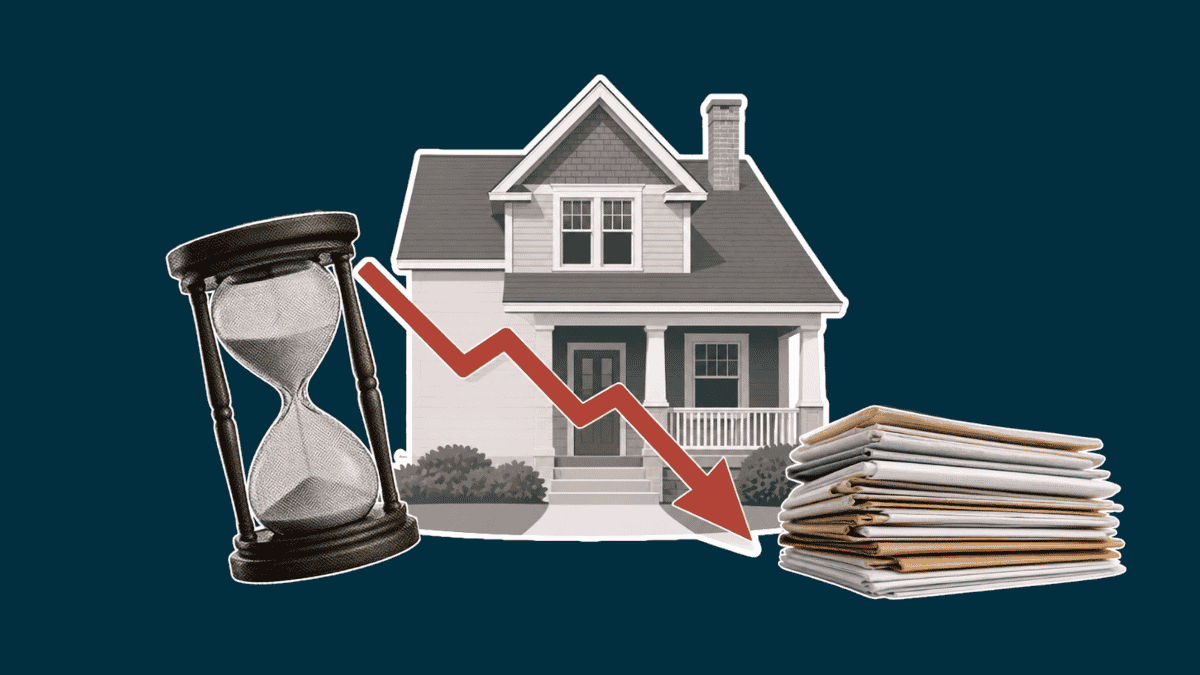
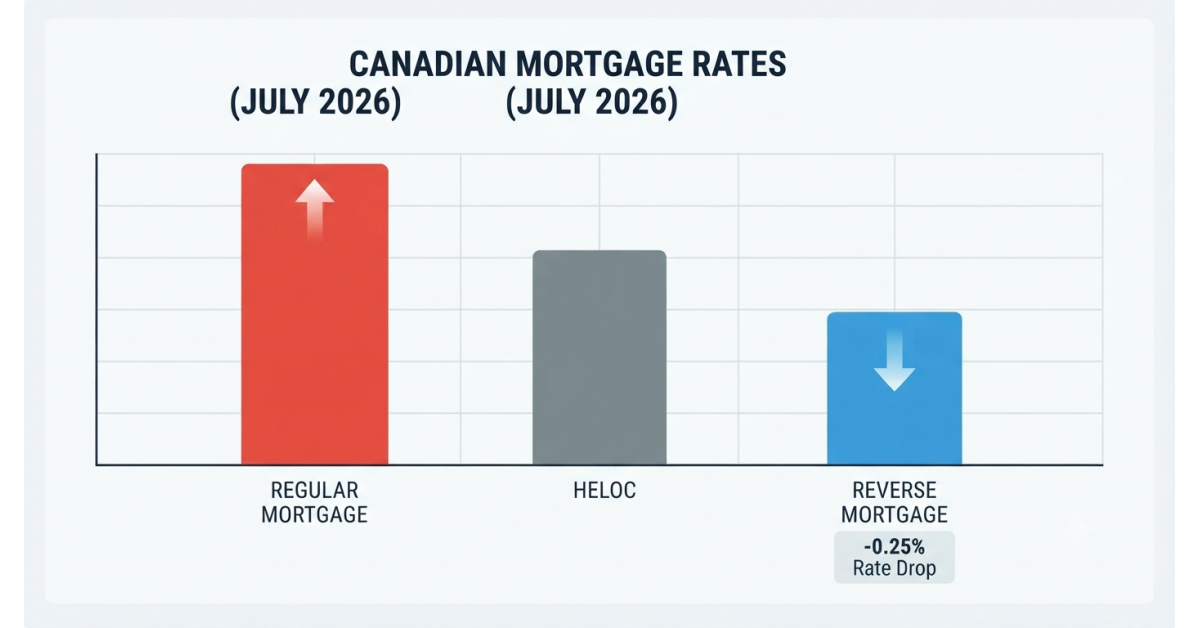
Current variable rates of 8.35–9% p.a. — significantly higher than standard home loan rates — mean a loan can grow substantially over a decade:
- After 5 years: ~$154,000
- After 10 years: ~$237,000
- After 15 years: ~$364,000
- After 20 years: ~$560,000
Use ASIC MoneySmart’s free reverse mortgage calculator to model how compounding will affect your equity over your expected loan period before committing.
The amount you can borrow scales with your age. As a general guide, borrowers can access approximately 15–20% of their property’s value at age 60, increasing by roughly 1% per year of age:
- Age 60: ~15–20% of property value
- Age 65: ~20–25%
- Age 70: ~25–30%
- Age 80: ~35–40%
- Age 90+ (ASIC cap): maximum 45% LVR (April 2026 regulation)
On an $800,000 property, a 65-year-old could typically borrow $160,000–$200,000. The average amount drawn at settlement in Australia is approximately $150,000. Minimum loan amounts typically start at $10,000–$20,000.
In April 2026, ASIC strengthened consumer protections for reverse mortgage borrowers with two key changes:
No Negative Equity Guarantee (NNEG) is now mandatory. All reverse mortgage contracts must include a NNEG — you can never owe more than your home’s sale value. If the loan balance exceeds the sale price, the lender absorbs the difference. Previously required under the National Credit Code since 2012, ASIC’s April 2026 rules formally standardised this across all providers.
LVR cap for older borrowers. Borrowers aged 90 and above are now subject to a maximum LVR of 45%, ensuring a minimum equity buffer is preserved regardless of age.
Lenders must also provide an ASIC-approved projection showing how the loan balance will grow over time. Borrowers are strongly encouraged — and in many cases required — to seek independent legal advice before signing.
Benefits: You retain ownership of and continue living in your home. No ongoing repayments required. Flexible drawdown options (lump sum, regular payments or line of credit). The No Negative Equity Guarantee protects you and your estate. Growing competition among providers offers more choice than a decade ago.
Drawbacks: Interest rates are substantially higher than standard home loans (8.35–9% p.a. vs 5.69–6.84% for variable home loans). Because there are no repayments, interest compounds continuously and can consume most or all of your equity over a long period. The loan becomes due if you permanently enter aged care — at a time when you may also need funds for an aged care Refundable Accommodation Deposit (RAD). Your estate receives whatever equity remains after repayment. The loan may affect your Age Pension entitlement. You remain responsible for all property maintenance, rates and insurance.
Independent advice is essential. Before taking out a reverse mortgage, seek advice from a licensed financial adviser and a lawyer. The interactions between a reverse mortgage, aged care costs, Centrelink entitlements and your estate are complex. Consider also whether downsizing, accessing superannuation or other options better suit your needs.