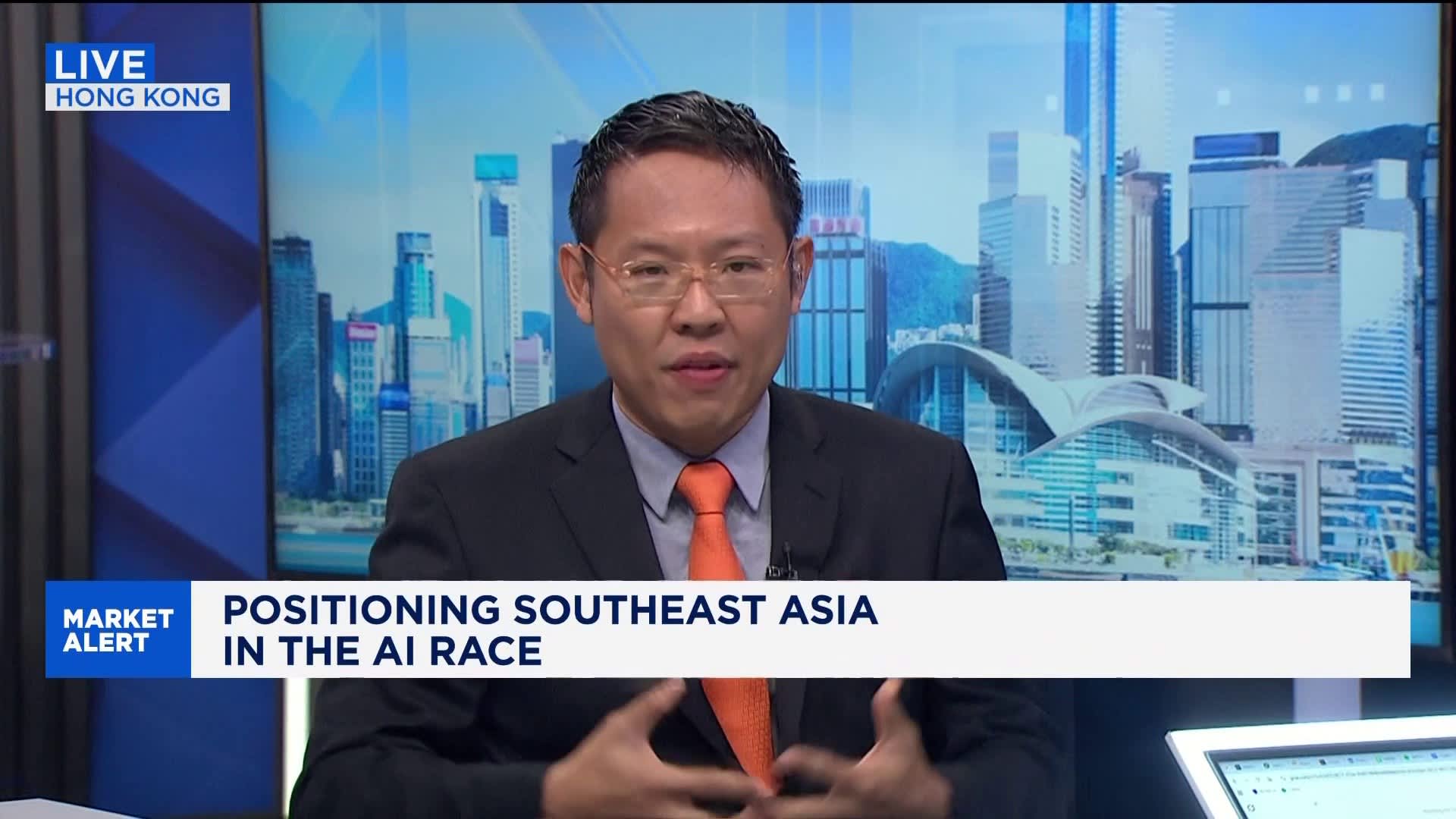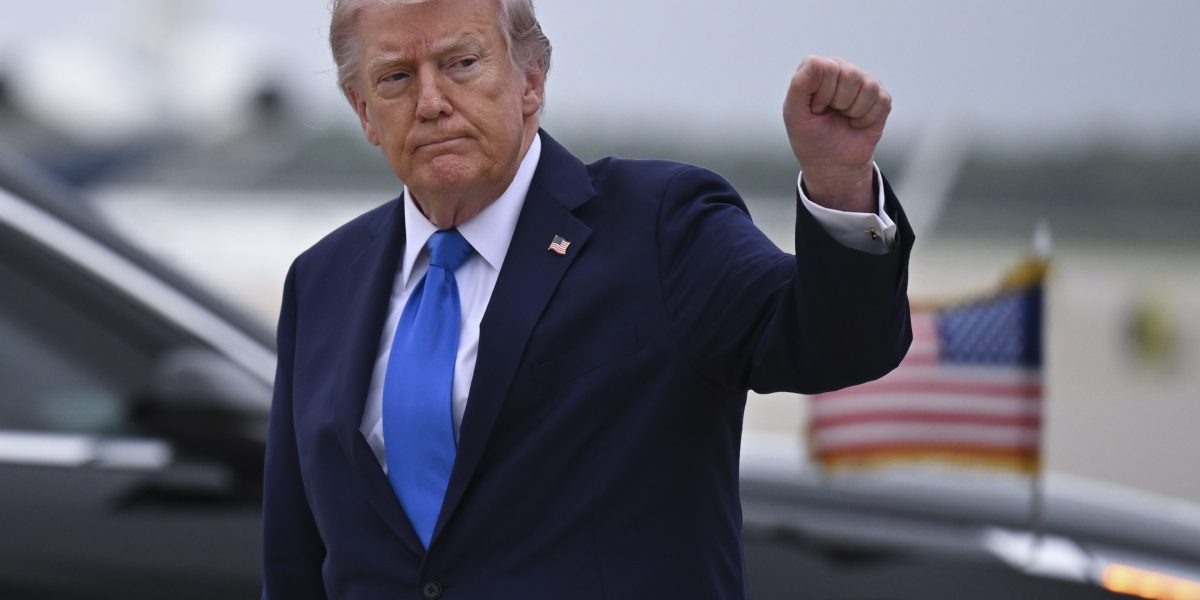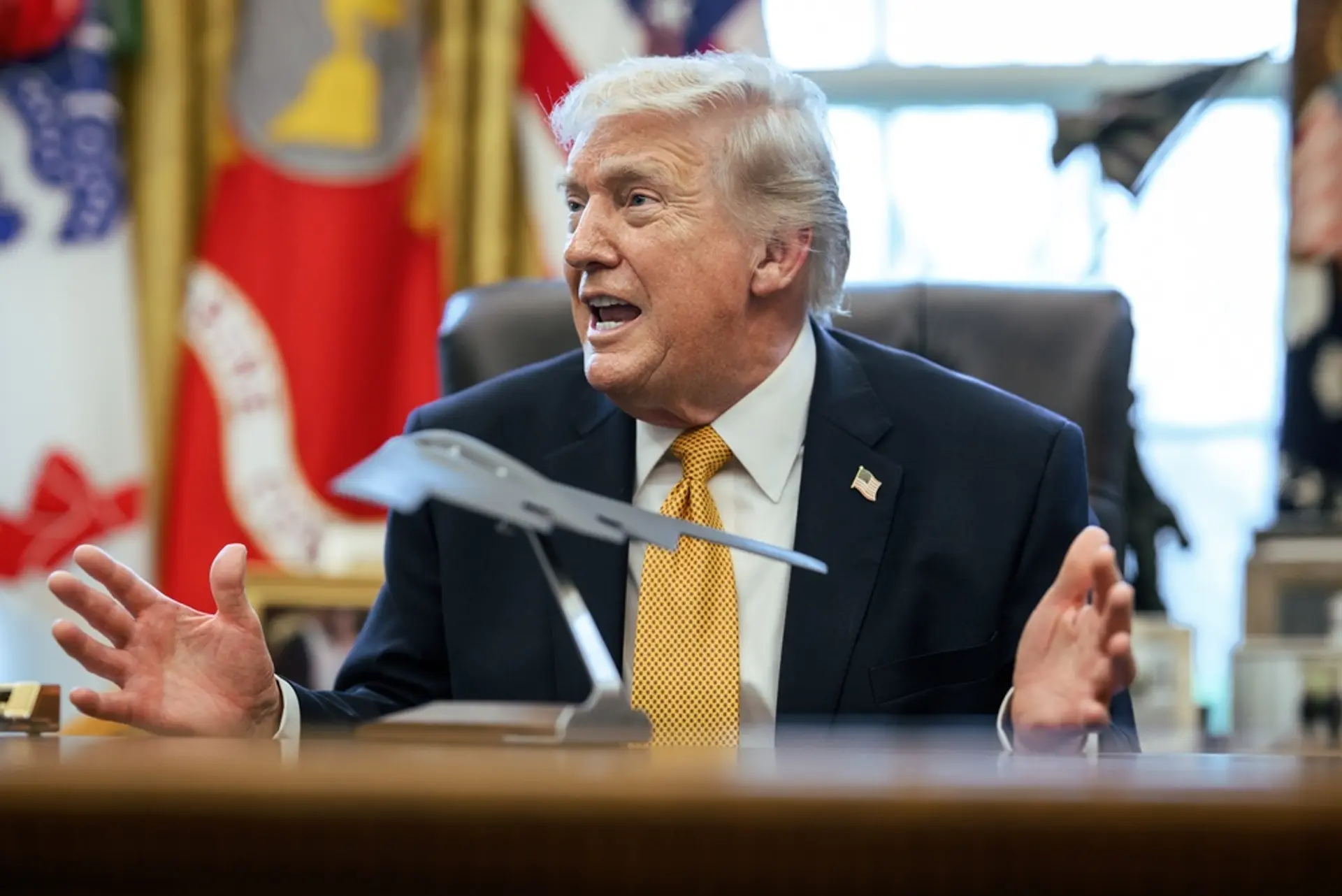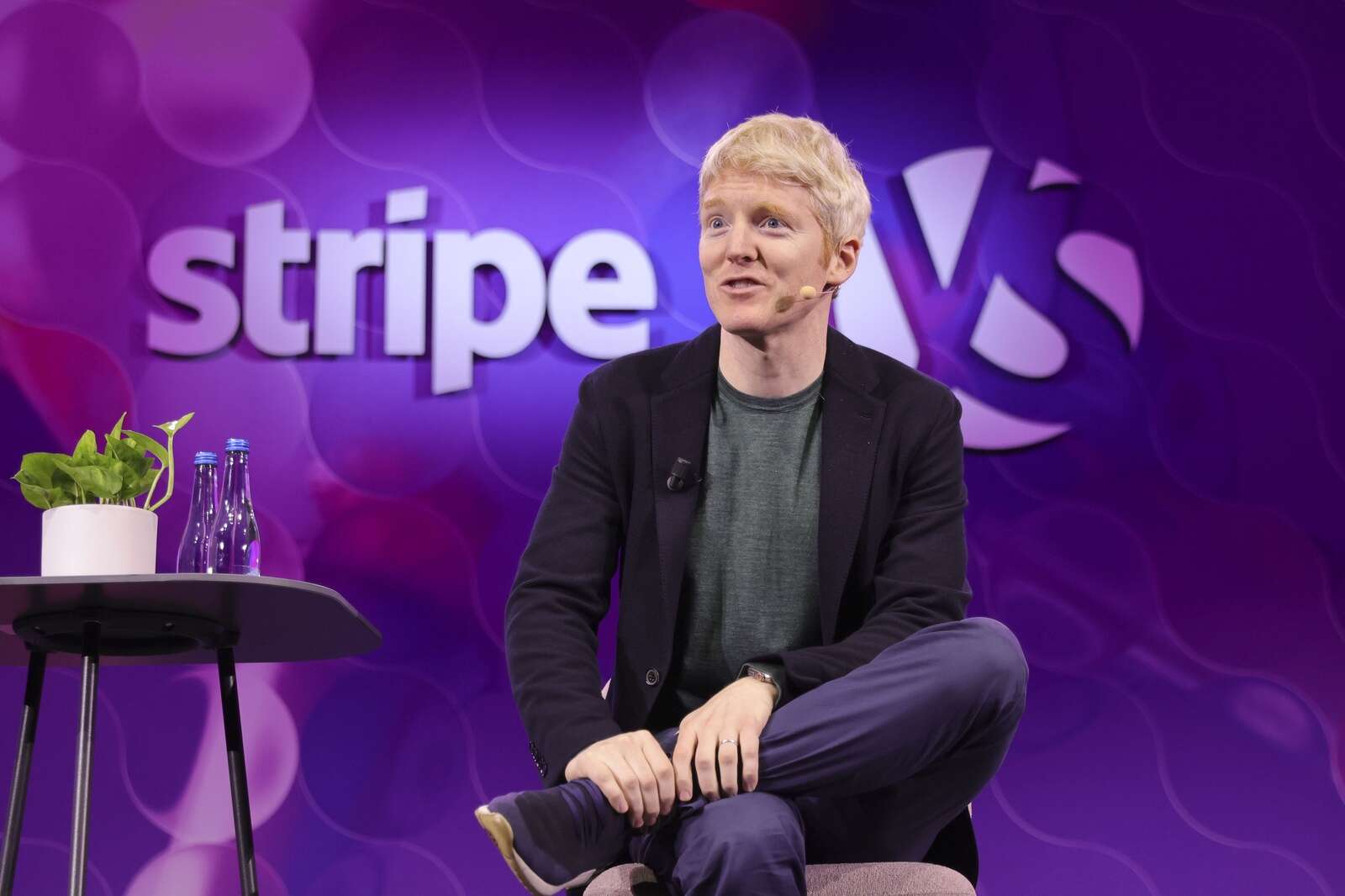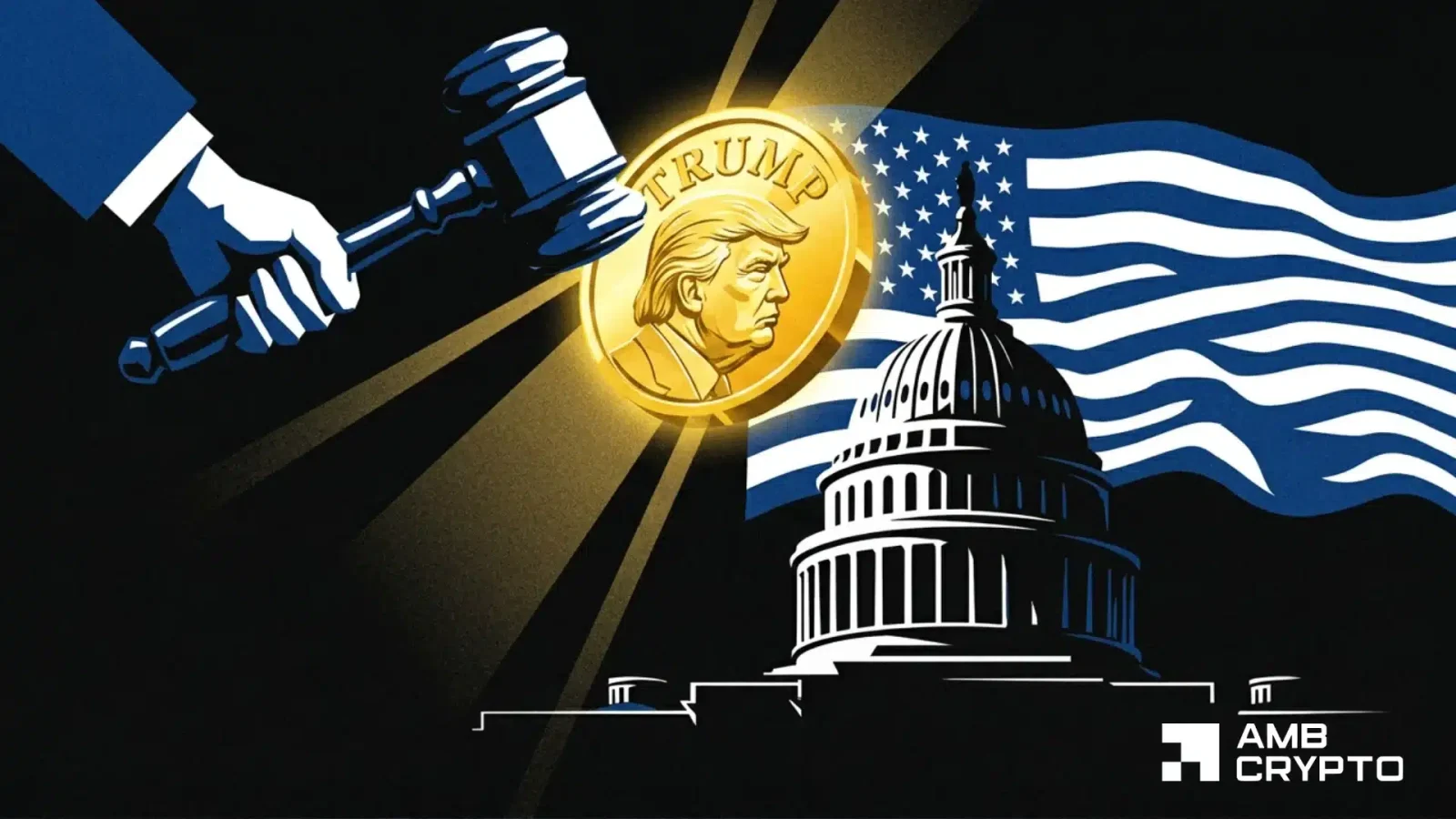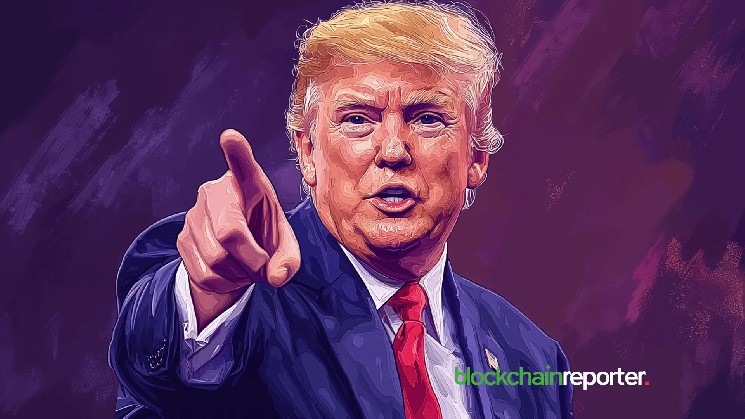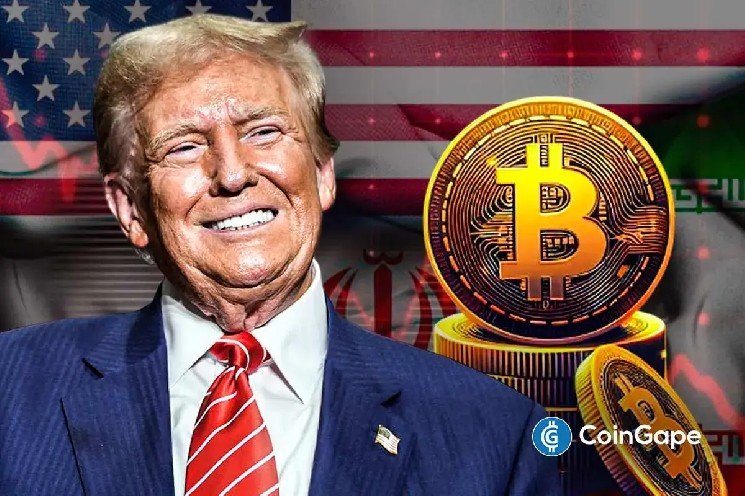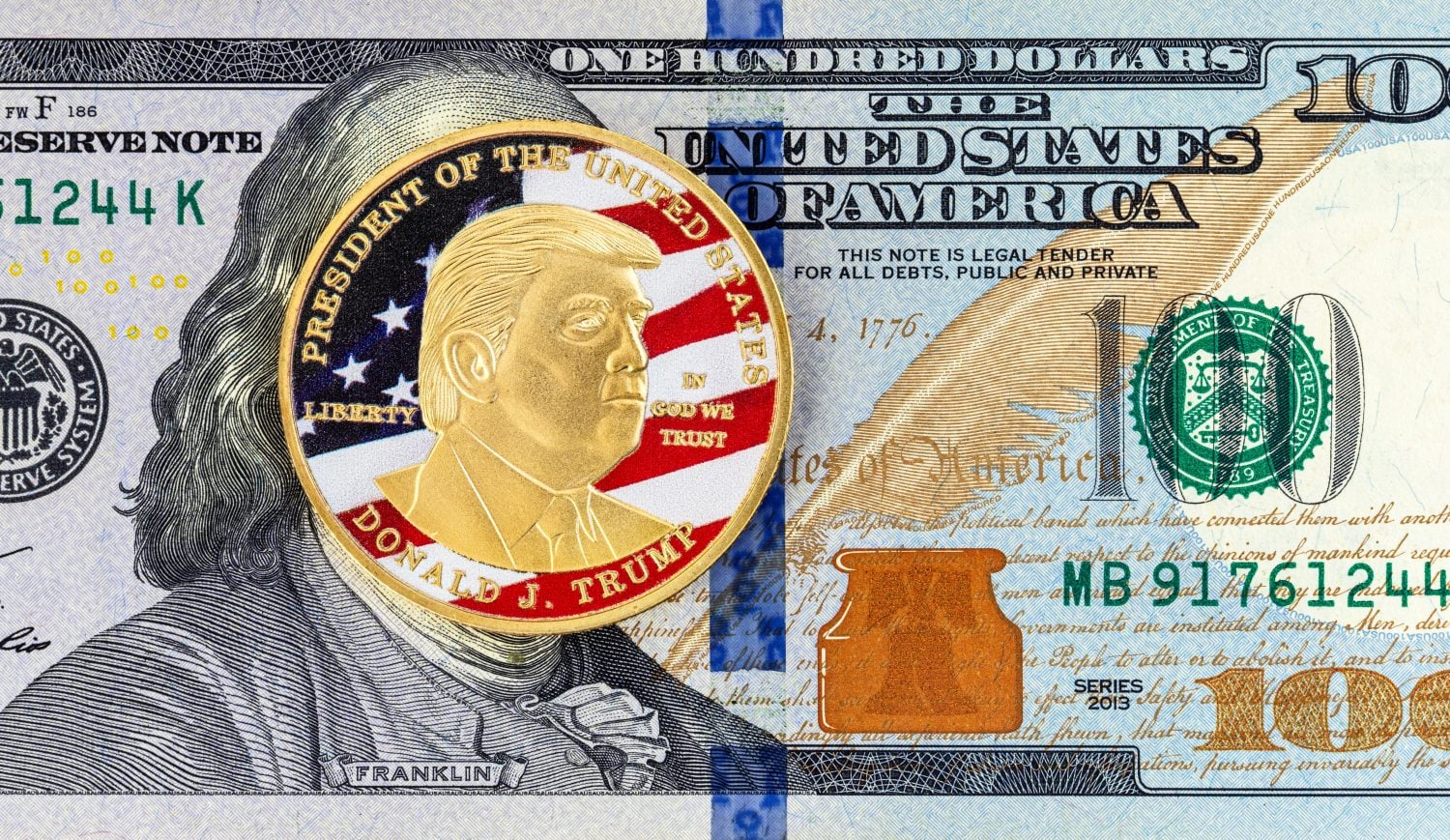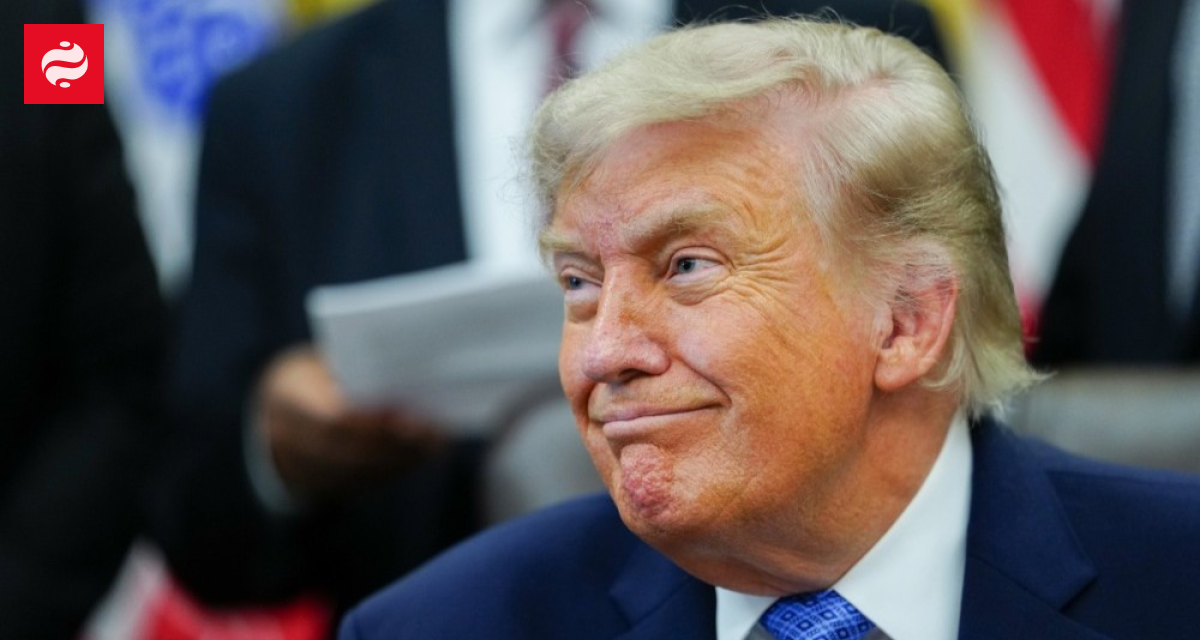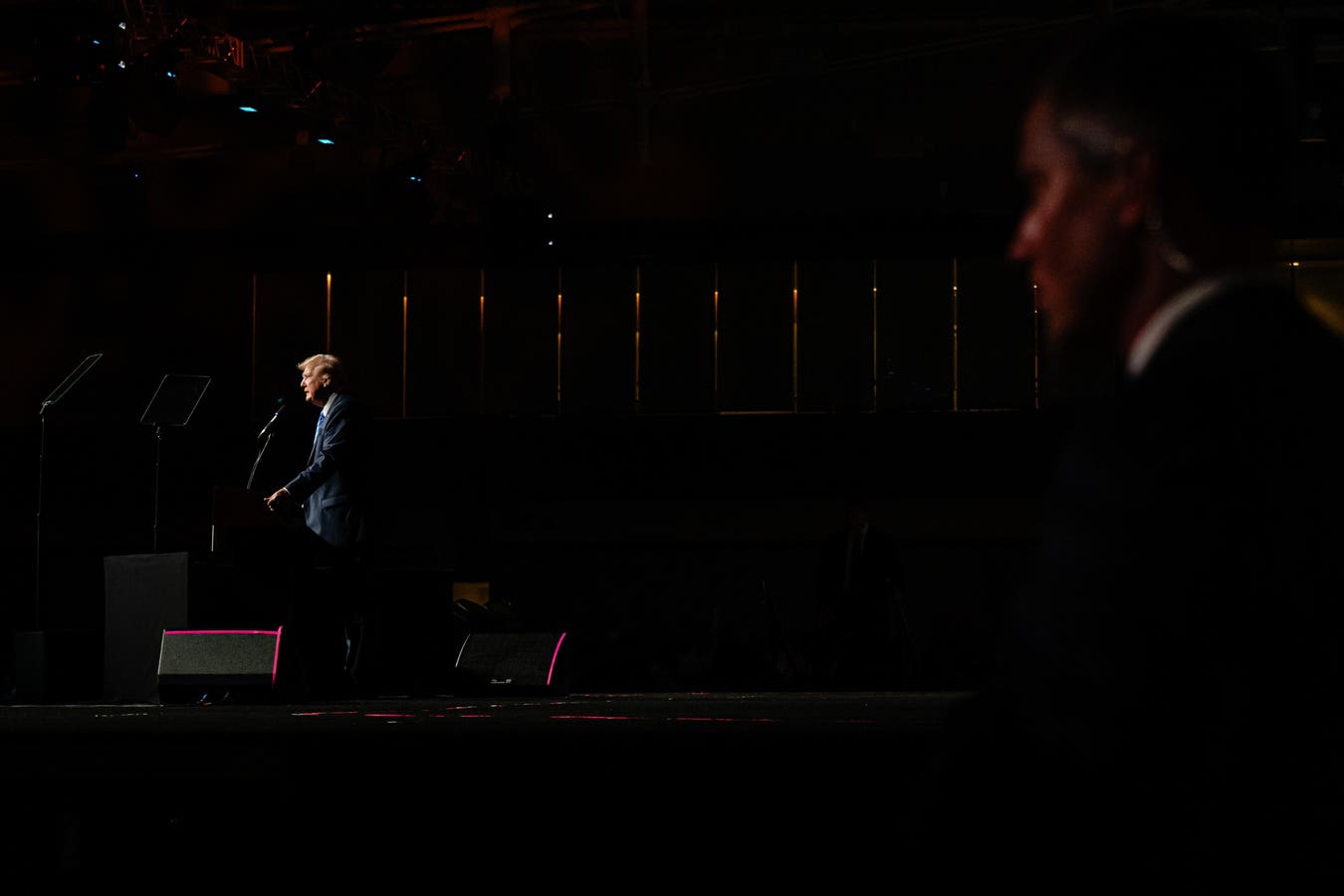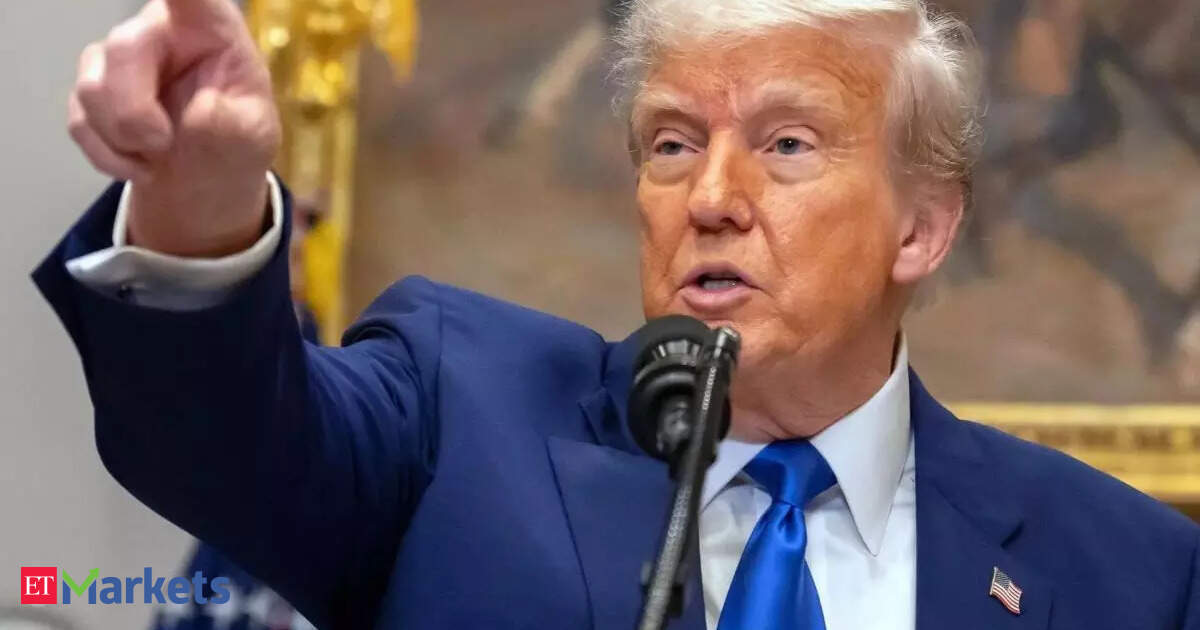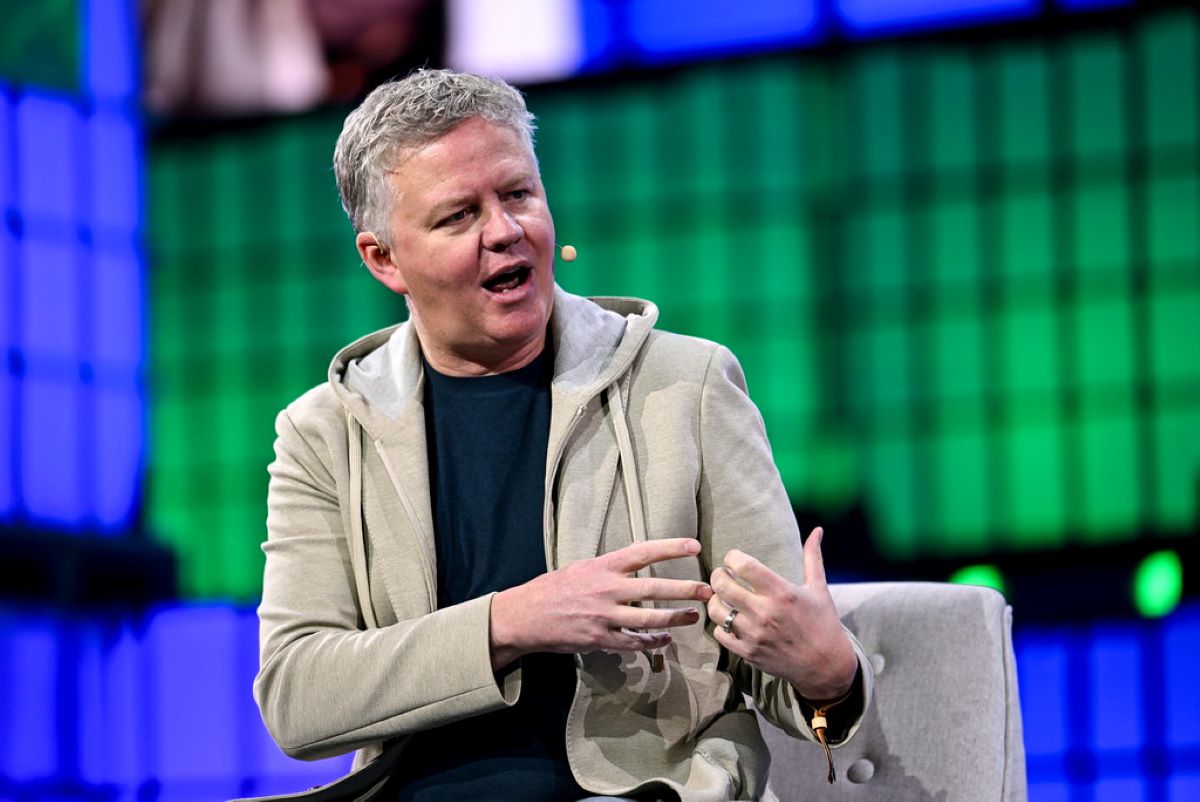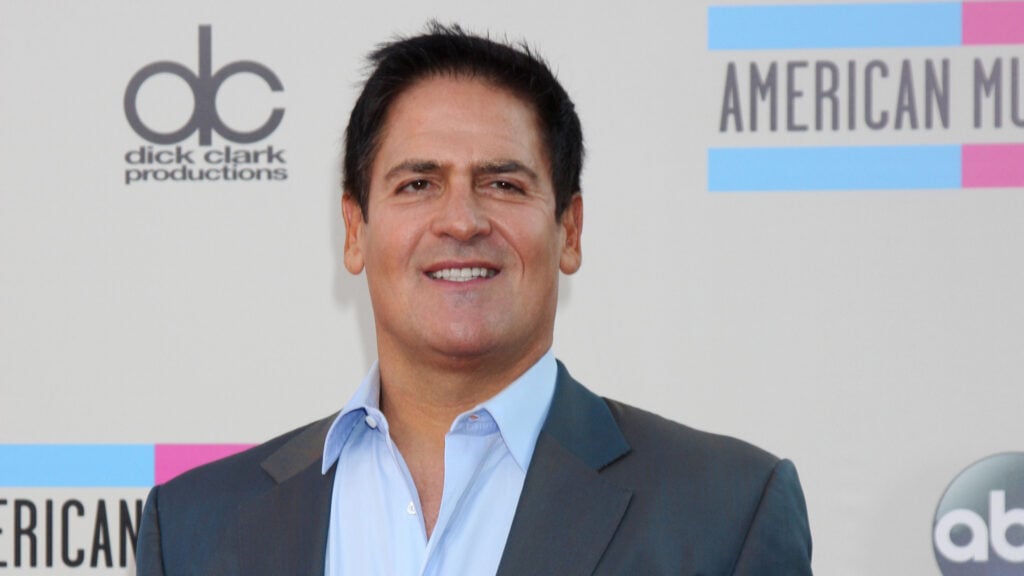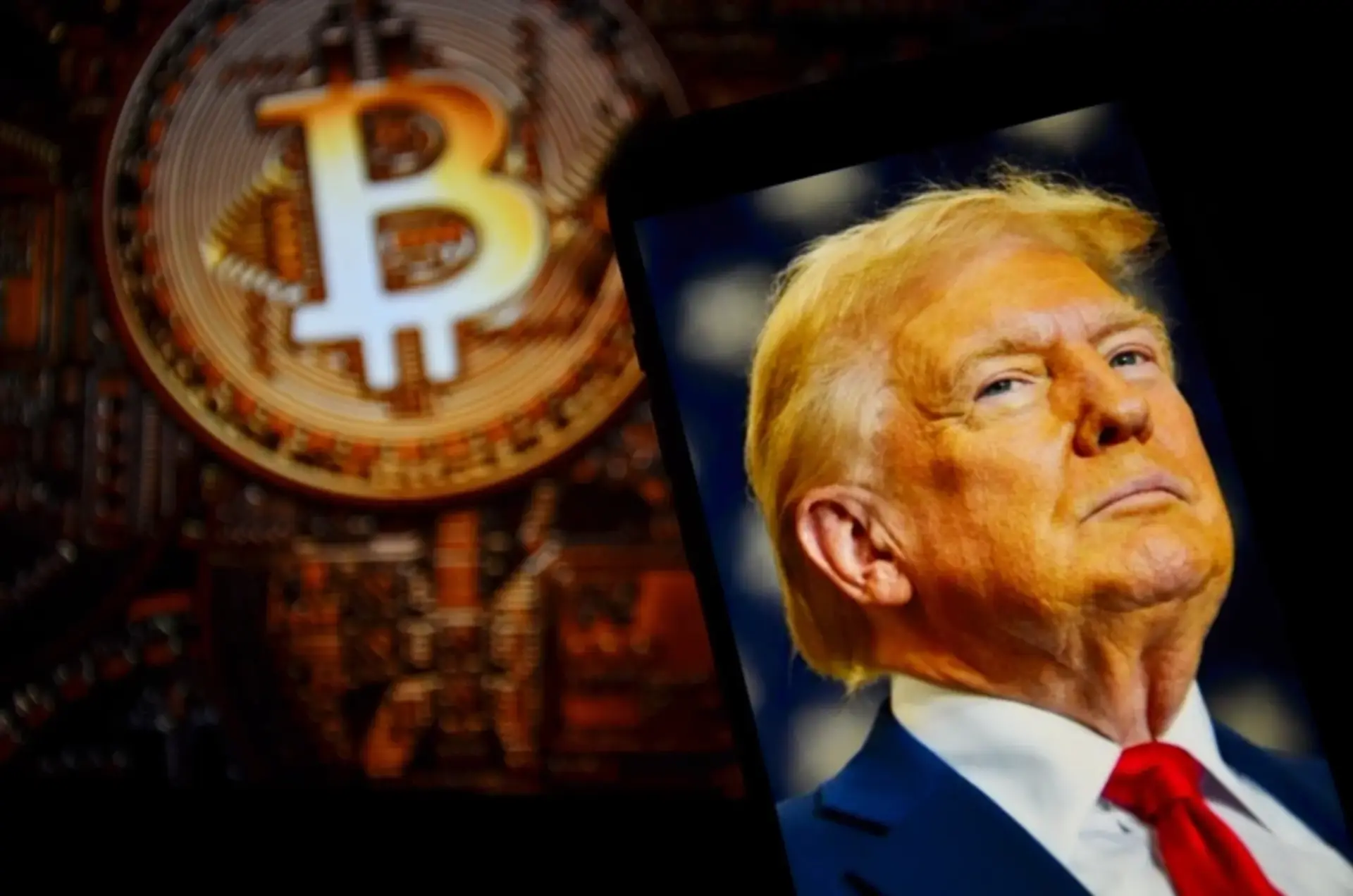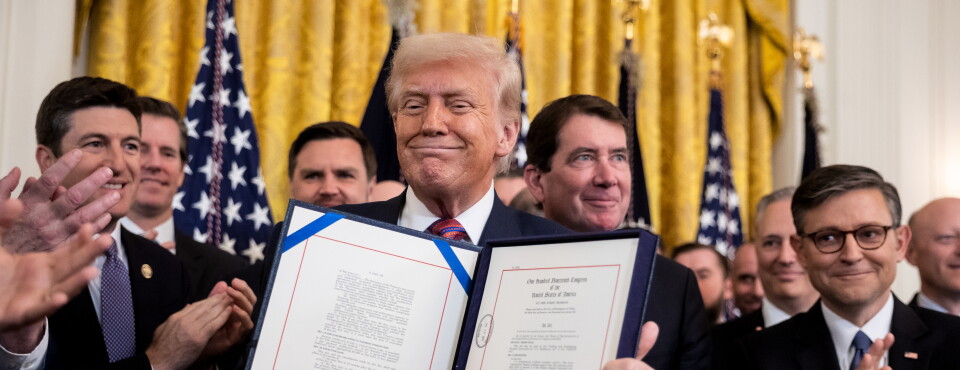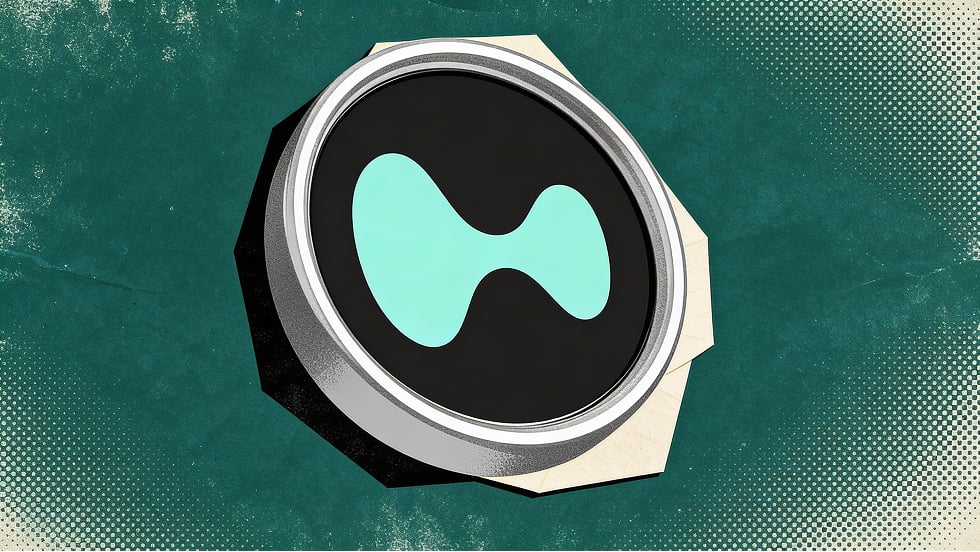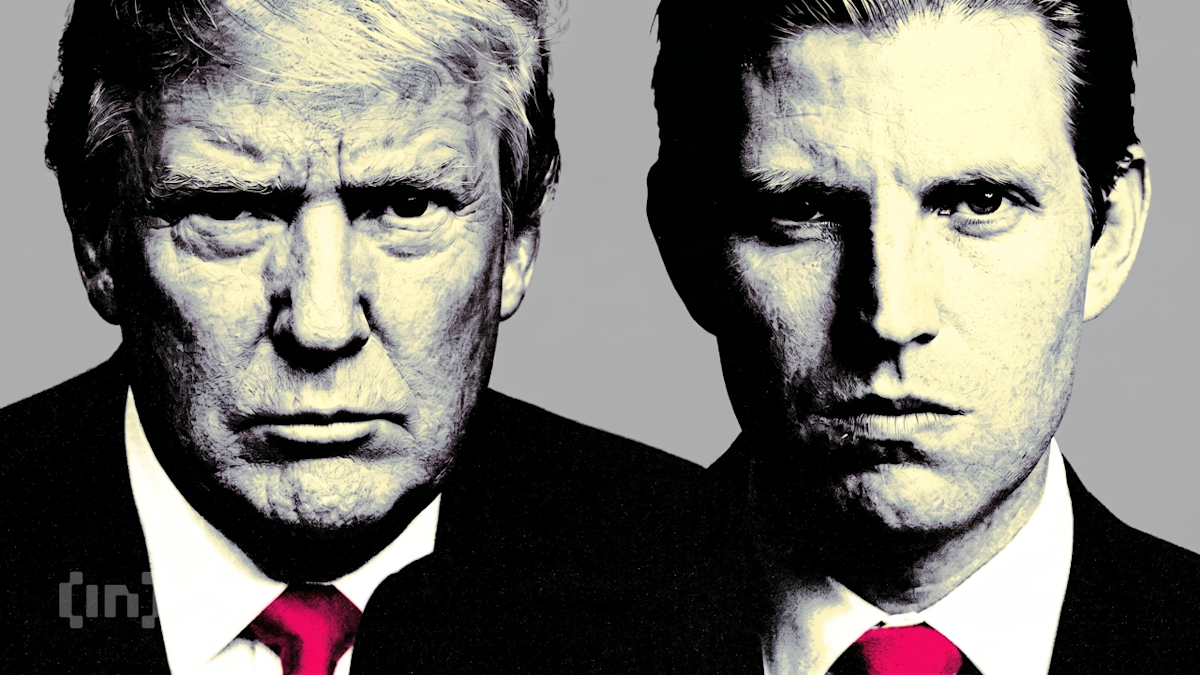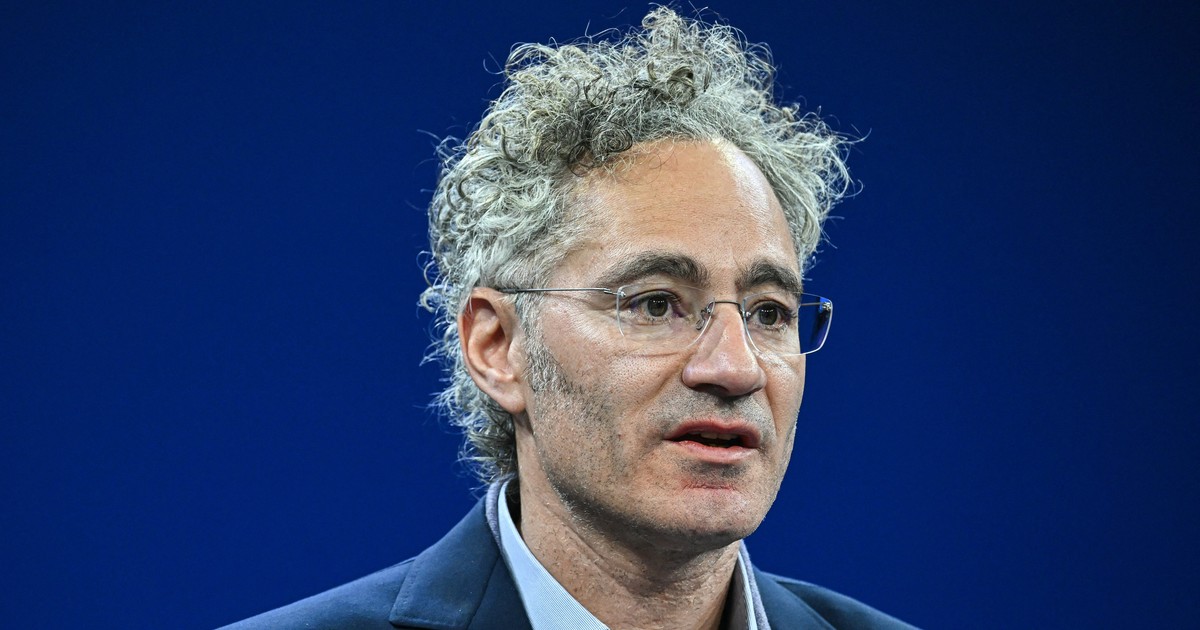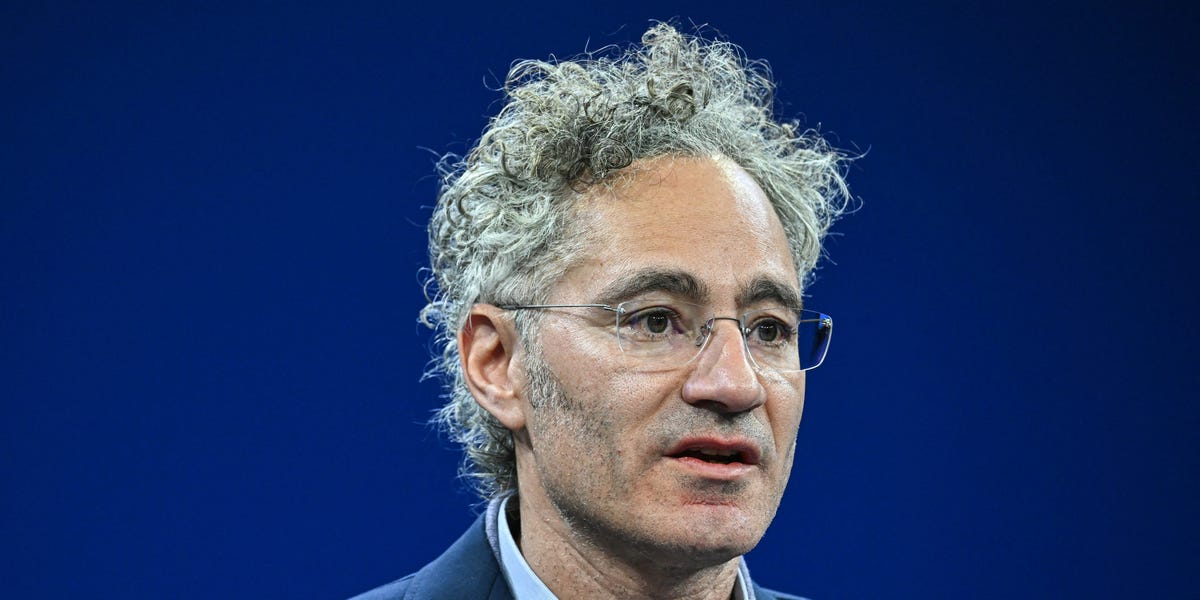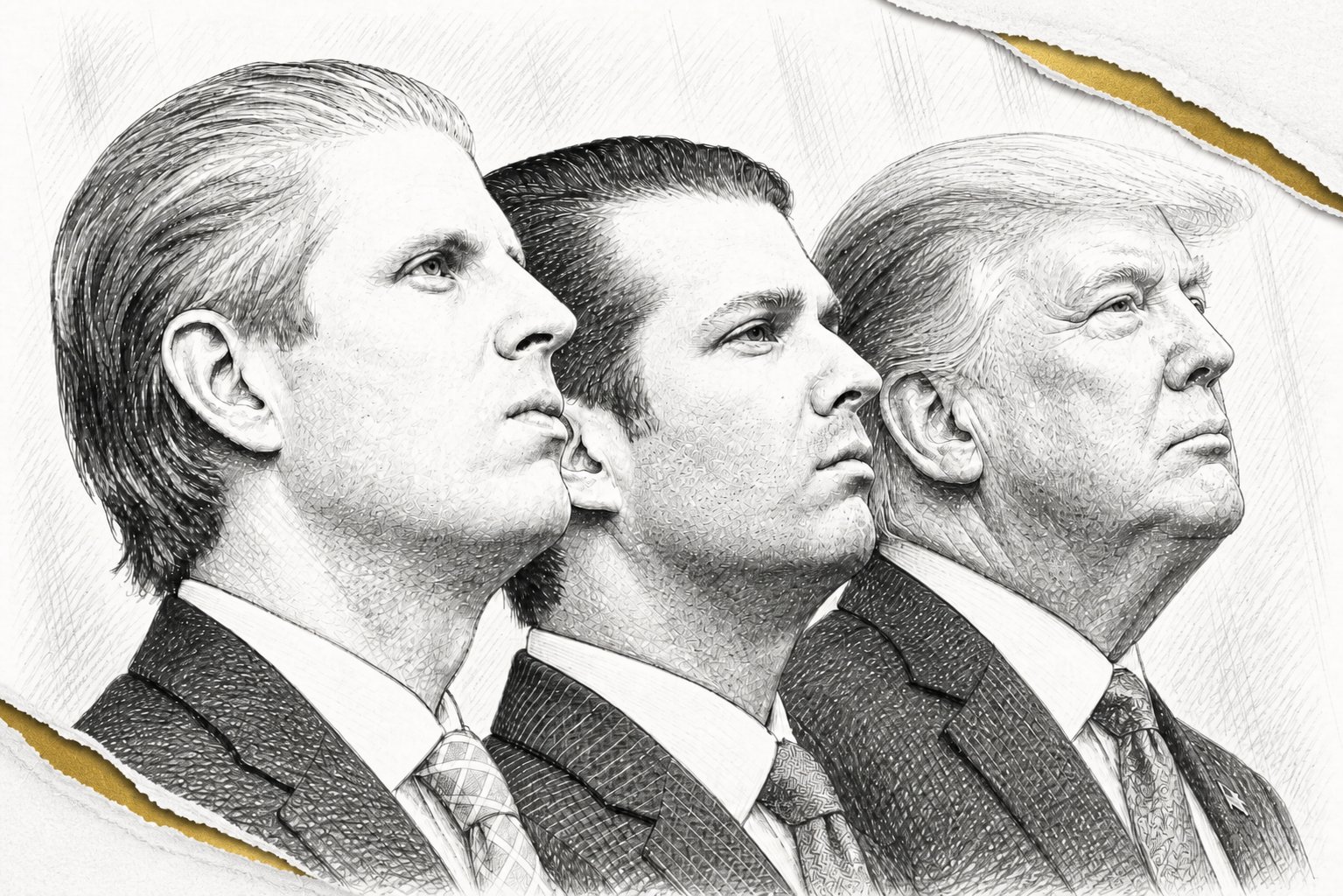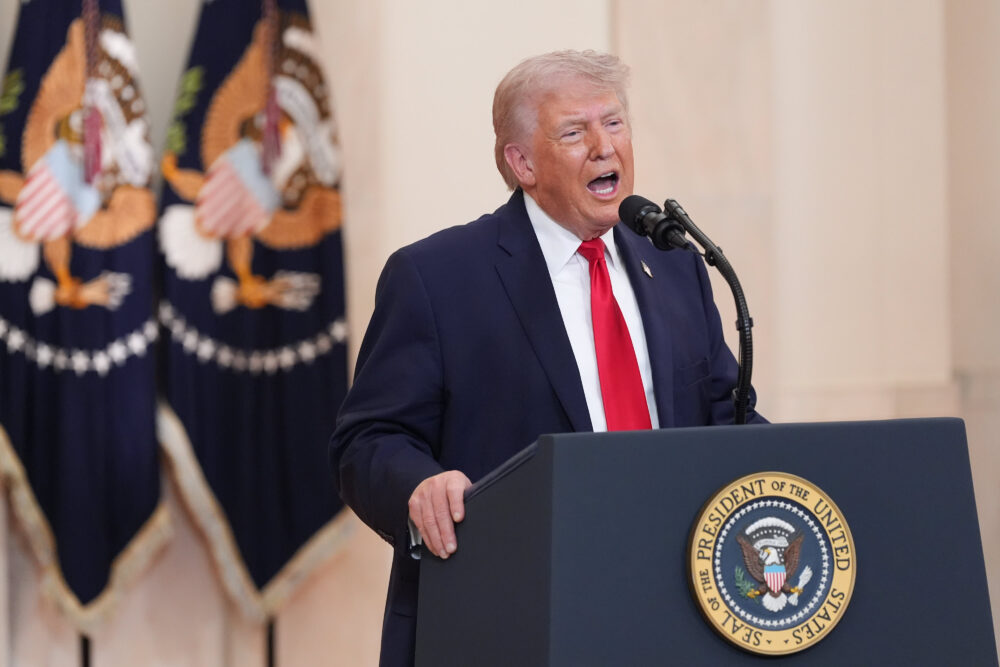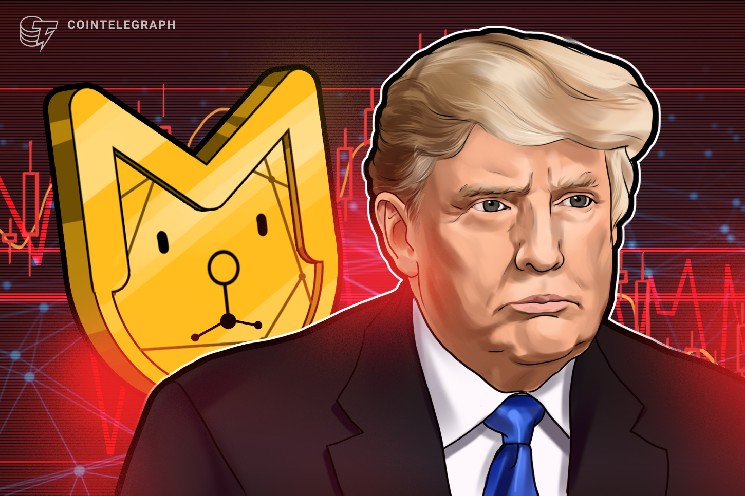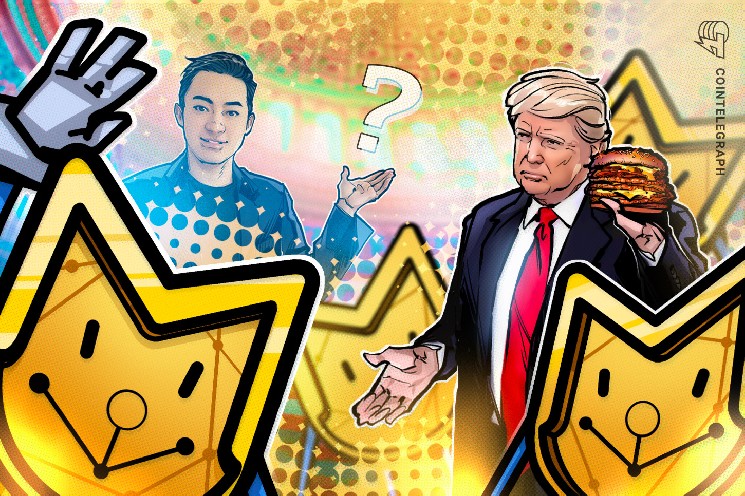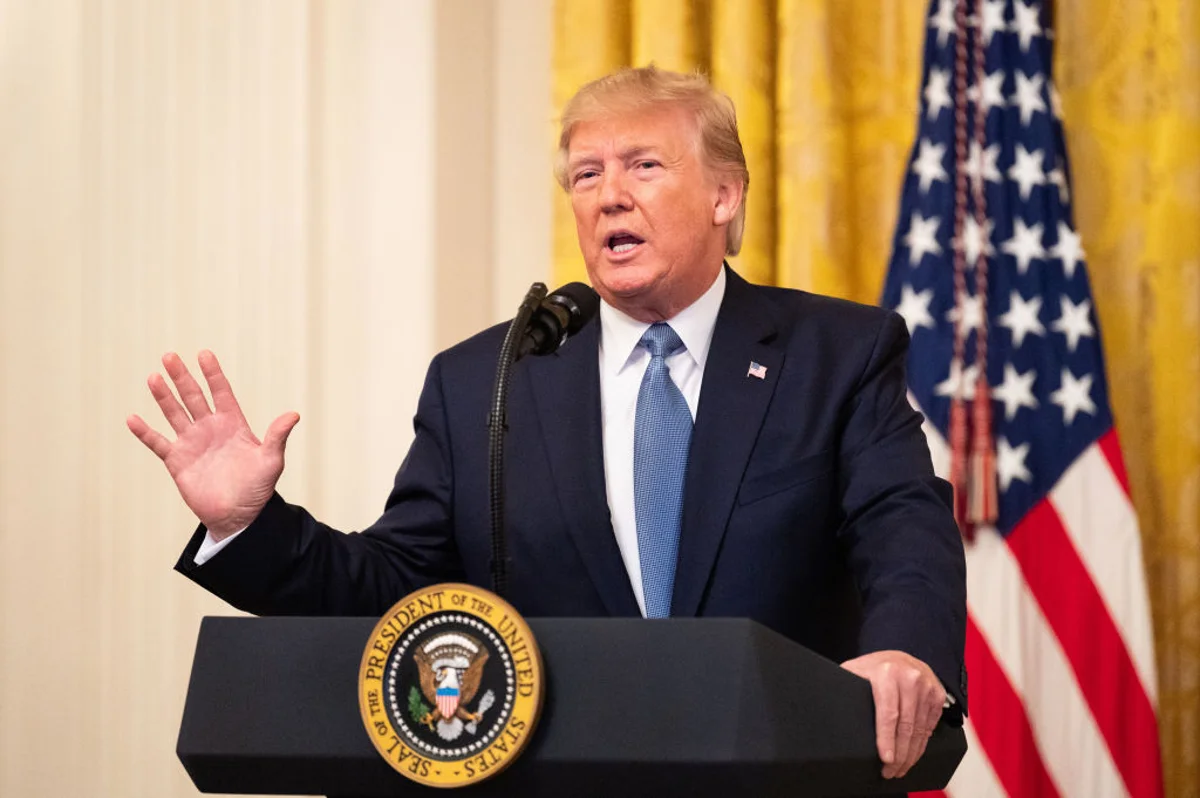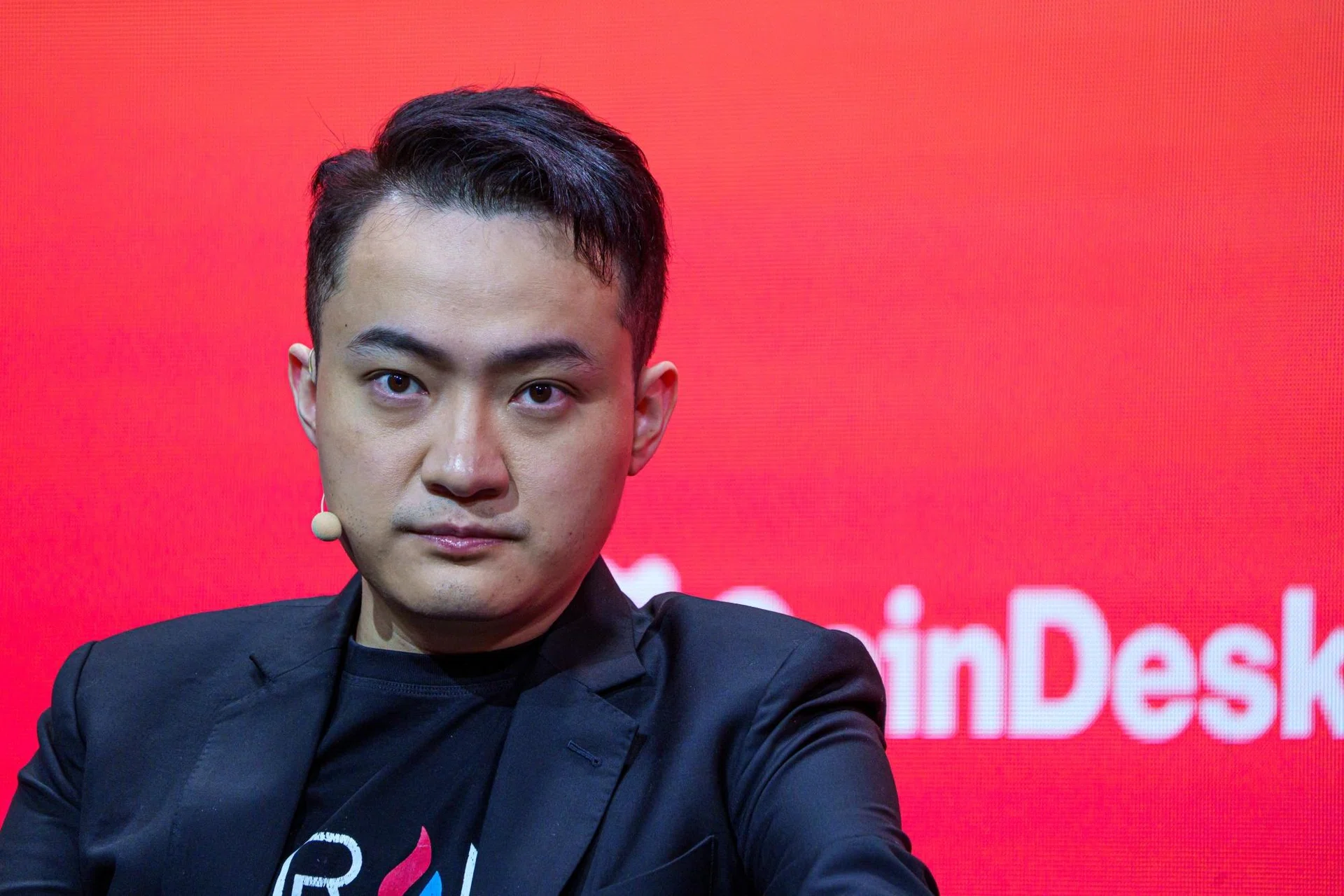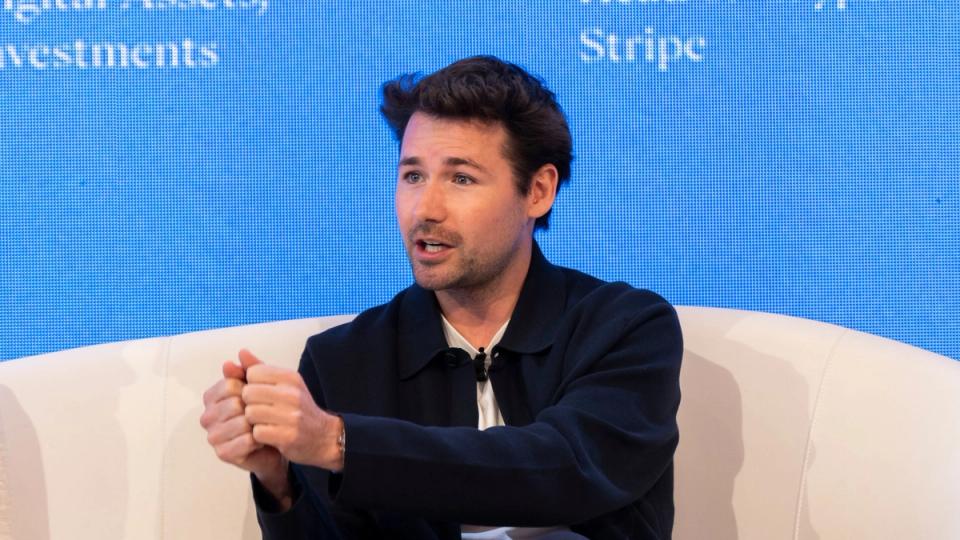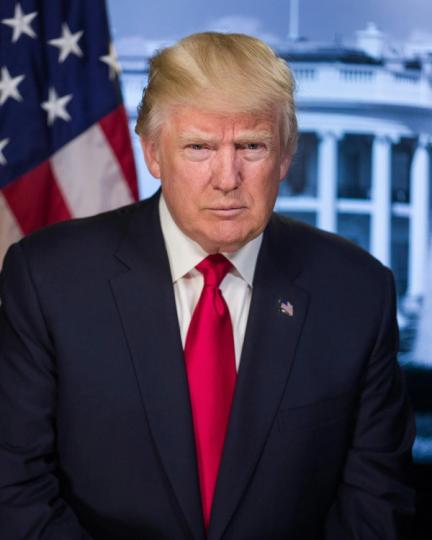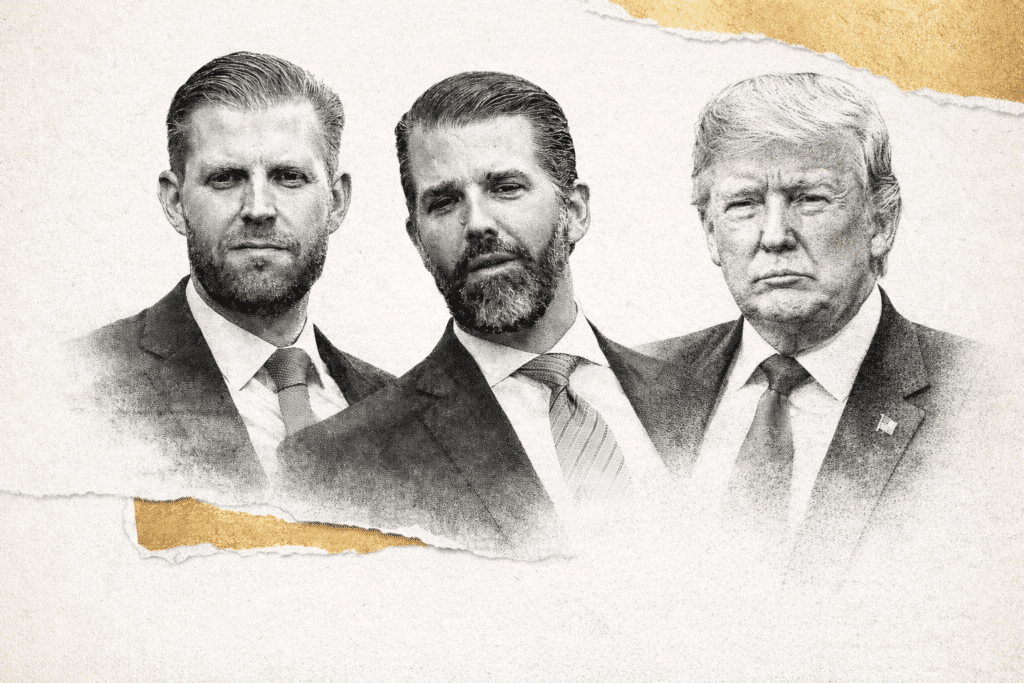
The billionaire crypto entrepreneur Justin Sun on Tuesday sued World Liberty Financial, the digital currency venture co-founded by Donald Trump and his sons, alleging that World Liberty illegally froze his holdings of tokens issued by the company.
Sun, the largest investor in World Liberty, alleged in the lawsuit, filed in a federal court in California, that the company secretly installed tools to prevent the sale of his tokens after they became tradeable in September 2025. The lawsuit also alleges that World Liberty threatened to “burn” – or permanently delete – his holdings, even while they were in Sun’s digital wallet.
Sun, the Hong Kong-based founder of the Tron cryptocurrency, bought $45m of WLFI tokens – about 3bn – and was later awarded a further 1bn tokens after being named as an adviser to World Liberty, the lawsuit said. In the lawsuit, Sun described himself as “one of World Liberty’s anchor investors”.
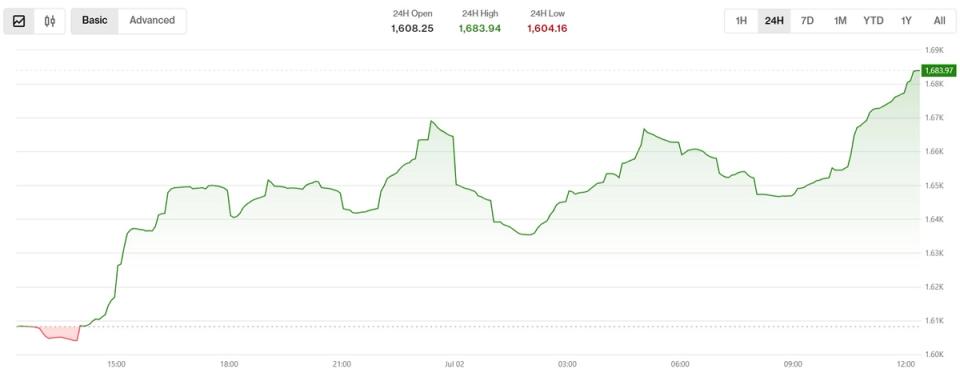
Sun’s portfolio of 4bn WLFI tokens is worth roughly $320m, according to Reuters calculations based on the latest WLFI price.
World Liberty Financial declined to comment on the lawsuit. A spokesperson for the company said earlier this week that Sun “is not an advisor at World Liberty Financial, and he has never held an operational role in the company”.
The White House did not immediately respond to a request for comment.
World Liberty is the most prominent of several lucrative crypto businesses co-founded or controlled by the Trump family, which has already made more than $1bn from World Liberty, according to a Reuters analysis. World Liberty’s bylaws state that 75% of the revenue from WLFI token sales is routed to the Trumps. World Liberty is under increasing scrutiny from some of its investors, who have complained for months about what they describe as the company’s lack of transparency, centralized governance structure and failure to respond to community complaints, Reuters reported this month.
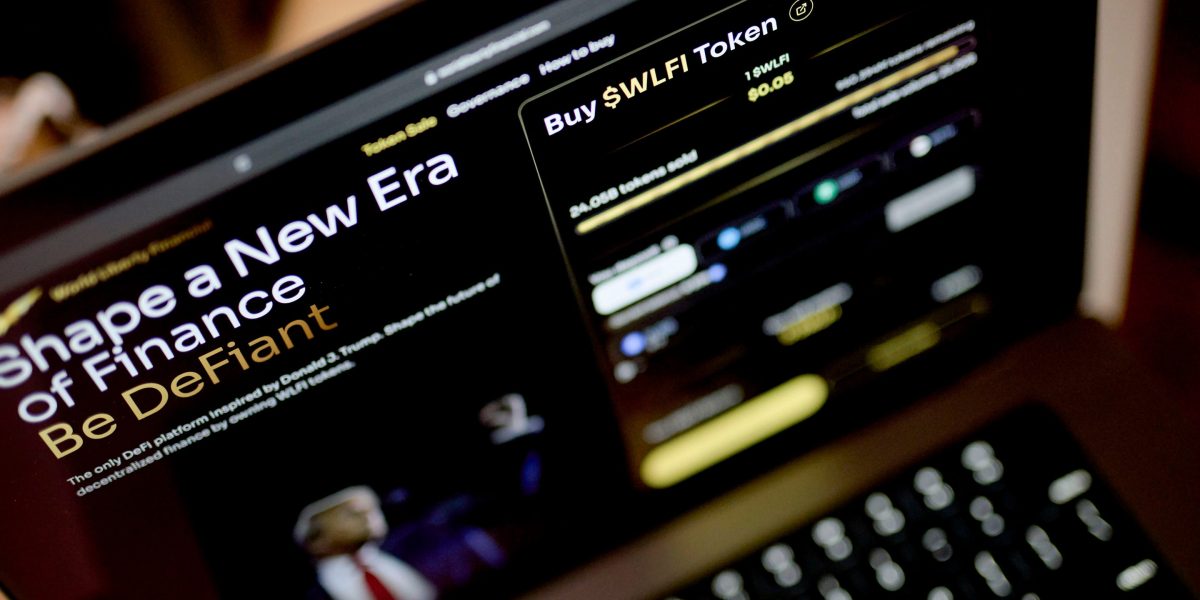
World Liberty’s structure means that the WLFI tokens Sun bought in 2024 are not equivalent to standard company shares. The tokens do not carry ownership in the company and holders are not entitled to dividends, although they do gain a limited say in the company’s governance.
The lawsuit caps a dramatic deterioration of relations between Sun and World Liberty.
In September, Sun claimed that the company had frozen his token holdings, and earlier this month alleged in a post on the social media platform X that World Liberty had secretly embedded what he described as a “backdoor blacklisting function” in the blockchain-based contracts used for the tokens.
That gave World Liberty “unilateral power” to “freeze, restrict, and effectively confiscate the property rights” of token holders without cause or recourse, Sun wrote on X.
World Liberty at that time responded to Sun’s allegations with a post on X that said: “We have the contracts. We have the evidence. We have the truth. See you in court pal.” The lawsuit said Sun “has long been (and remains) an ardent supporter of President Trump and the Trump family”.
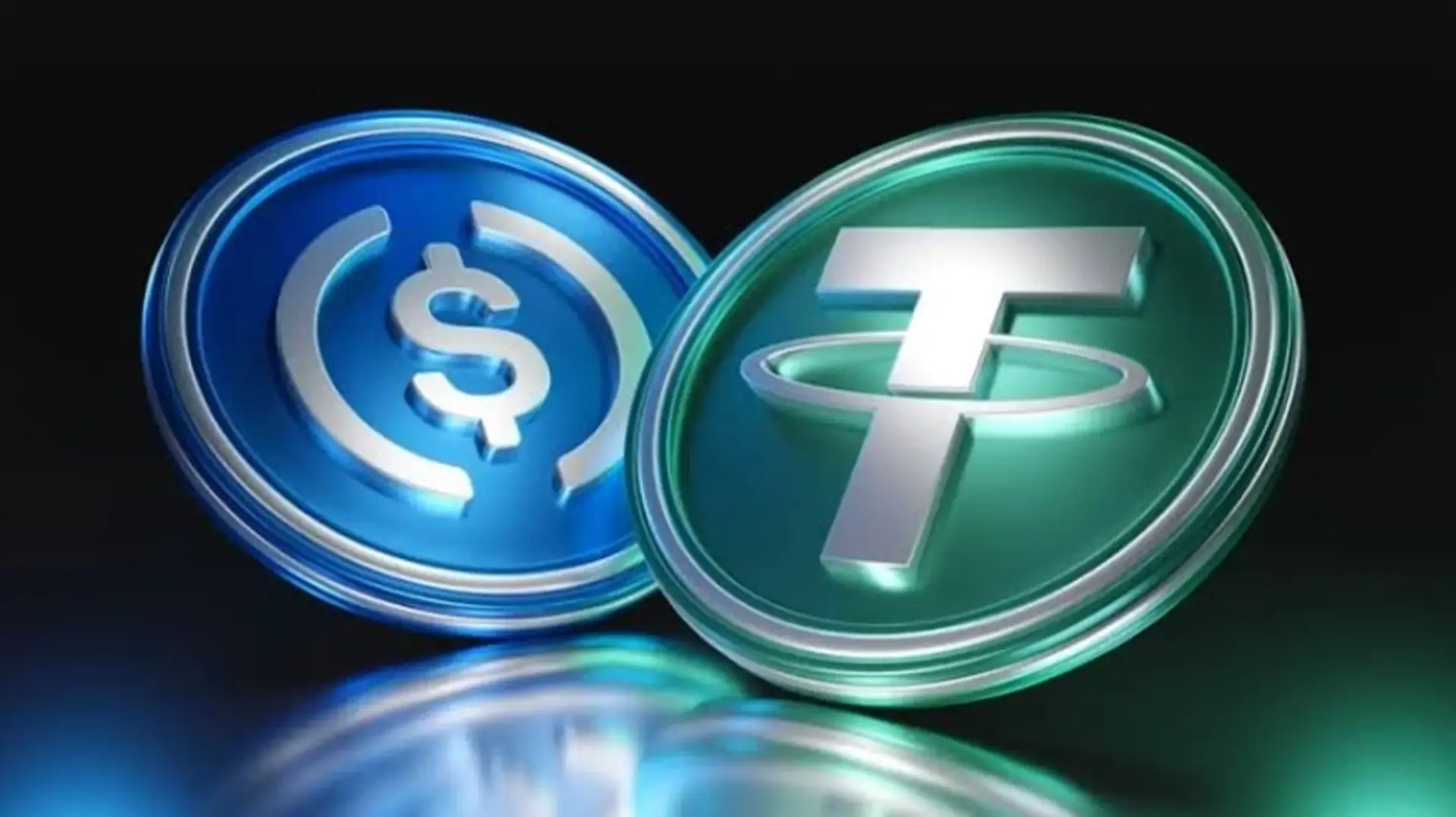
The lawsuit alleges that World Liberty representatives “repeatedly contacted and pressured” Sun to invest additional capital in the venture between April and July 2025, including requests to commit to acquiring $200m in a separate World Liberty stablecoin token and to acquire an equity stake in the company.
Sun said in a post on X on Wednesday that he had “tried in good faith” to resolve his complaints with World Liberty, adding that its team “refused my requests to unfreeze my tokens and restore my rights as a token holder”.
A measure proposed by the company last week would restrict early investors holding a combined 17bn tokens from being able to trade all of their tokens until 2030, a year after the president is scheduled to leave office.
Sun said he “strongly opposes” the new governance proposal but claimed he could not vote on it as World Liberty had frozen his early investor tokens.
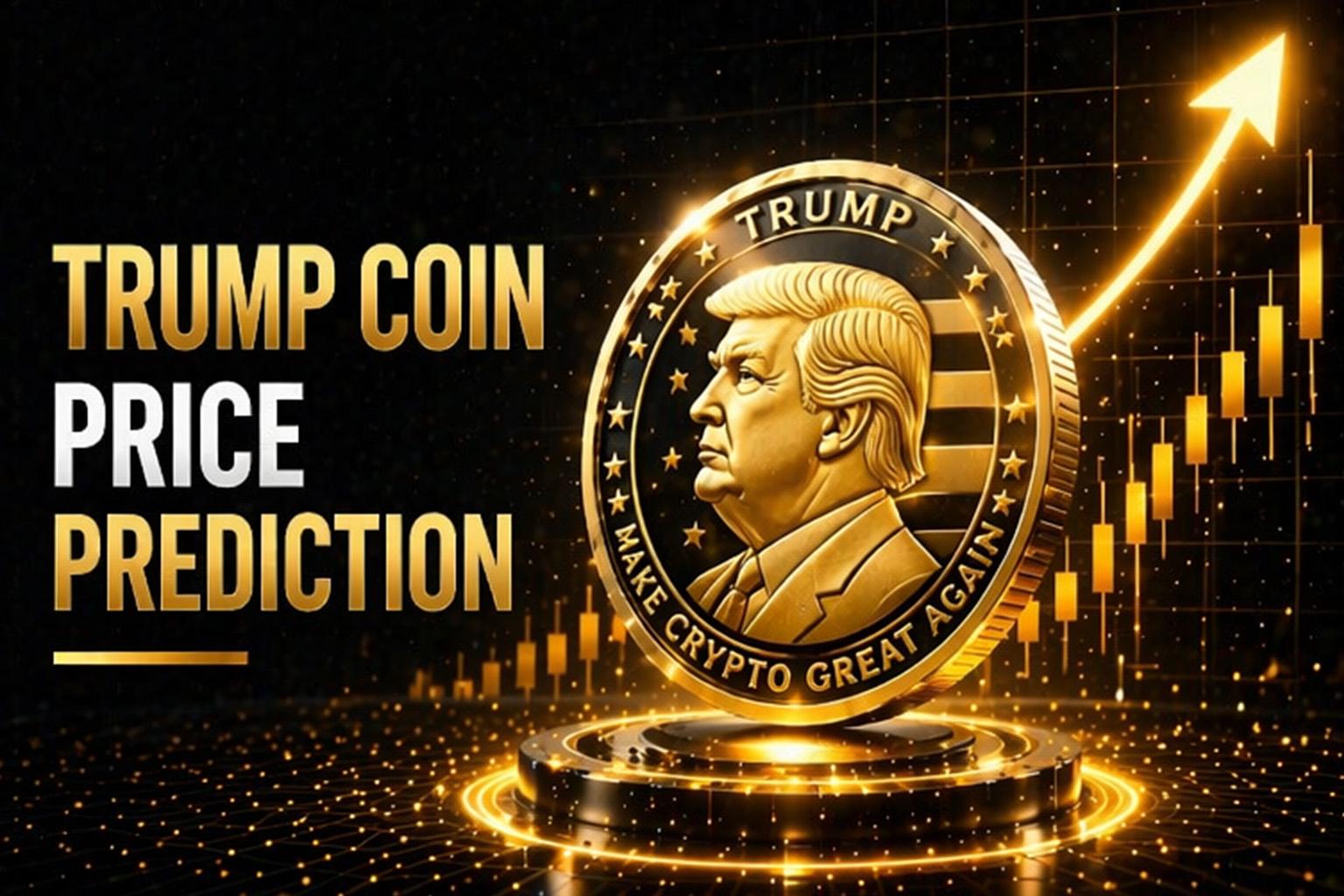
Sun has also invested heavily in Trump’s so-called meme coin.
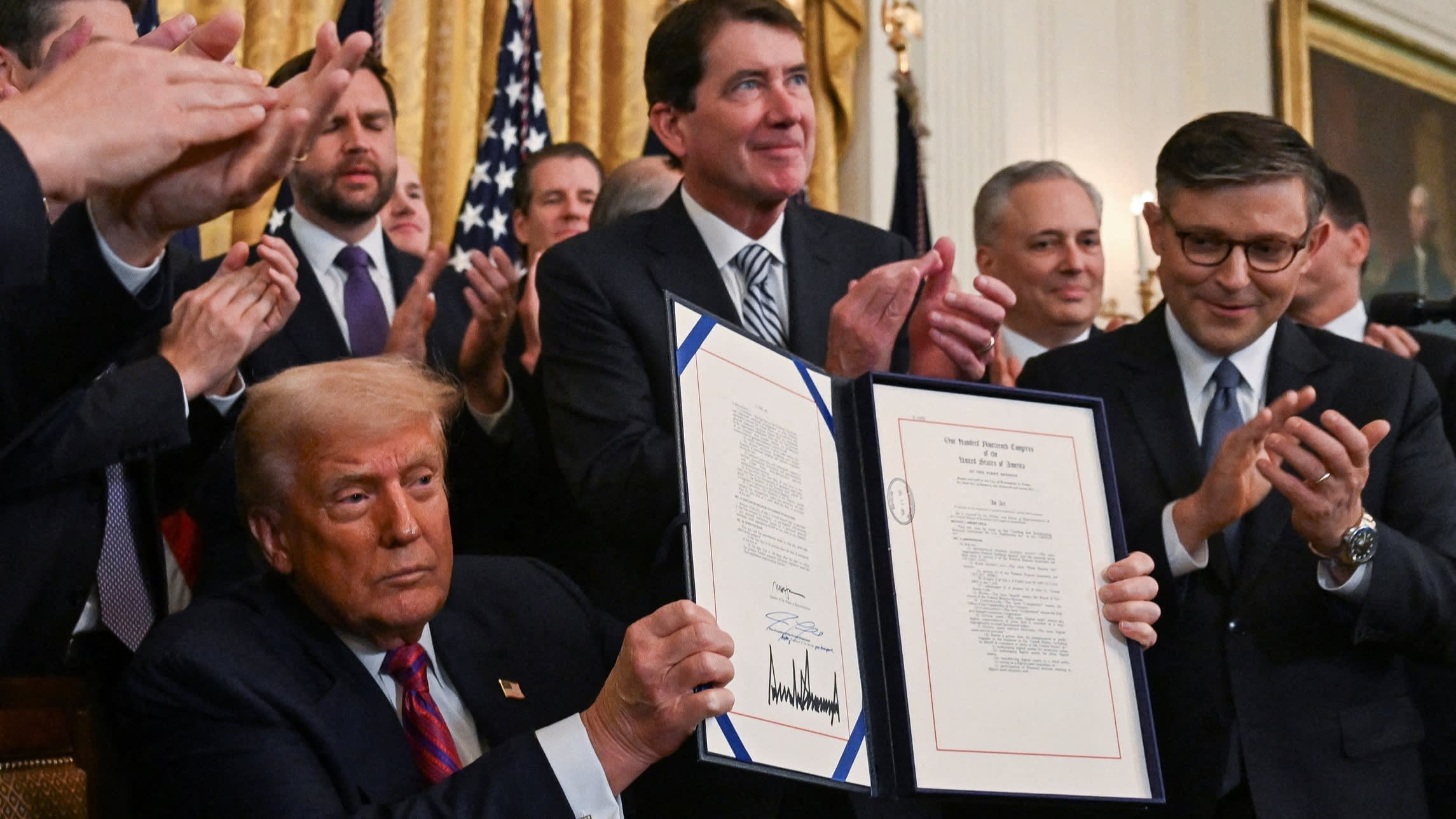
Trump has launched a slate of crypto-friendly policies since returning to the White House in January 2025.
In March, the Securities and Exchange Commission settled a 2023 lawsuit against Sun for $10m. The lawsuit had alleged fraud, selling unregistered crypto securities and hiding payments to celebrities to promote his products. Sun made no admission of wrongdoing.